
by Jonathan P-Wright | Jul 11, 2025 | Latest, Music News |
Photo by Mariia Shalabaieva on Unsplash
In a move that underscores its commitment to creativity and musical excellence, Apple Music has revealed a monumental new development in Los Angeles: a sprawling, next-generation studio and artist hub, unveiled to mark the streaming giant’s 10th anniversary. This initiative is more than a commemorative gesture—it’s a strategic leap forward, designed to empower artists, elevate production standards, and redefine the relationship between musicians, technology, and global audiences.
Reflecting on a Decade of Disruption
Since its 2015 debut, Apple Music has played a transformative role in the digital music revolution. Over the past ten years, the service has grown from an ambitious streaming platform into a cultural powerhouse, influencing everything from how people discover new tracks to how artists launch careers. Unlike its early competitors, Apple Music made it a priority to blend cutting-edge technology with a human touch—emphasizing expertly curated playlists, artist-driven content, and exclusive programming.
Celebrating ten years at the forefront of music streaming, Apple has chosen to mark this milestone not just with nostalgia, but with bold action. The new Los Angeles creative campus signals a new era: one where musicians, producers, and content creators have unprecedented resources and opportunities at their fingertips.
A Hub Designed for Today’s Artist
Opening in the heart of Los Angeles this summer, Apple’s latest venture goes far beyond the confines of a traditional music studio. Rather, it’s conceived as a dynamic “creative campus”—a multi-purpose space where innovation, technology, and artistry meet. This campus is a physical manifestation of Apple’s belief that, in the digital age, music-making should be collaborative, immersive, and deeply personal.
Rachel Newman, co-head of Apple Music, articulates this vision clearly: “Apple Music Radio has always been a home for storytelling and artistry, serving as a space for bold conversations and surprising moments. With this new studio we are furthering our commitment to creating a space for artists to create, connect, and share their vision.”
Next-Level Facilities to Power Creativity
The scope of Apple’s new Los Angeles studio is nothing short of impressive. Spread across three stories and more than 15,000 square feet, the campus has been meticulously designed to inspire creativity and provide world-class resources for every facet of music and content production. Here’s what sets this facility apart:
- Immersive Radio Studios: Two technologically advanced radio studios are at the heart of the space, equipped with Apple’s cutting-edge Spatial Audio capabilities. These studios can seamlessly switch between configurations, hosting live interviews, casual artist chats, or even spontaneous live performances. The flexibility ensures that every moment—planned or unscripted—can be captured in stunning, multidimensional sound.
- Expansive Performance Soundstage: The campus features a massive 4,000-square-foot soundstage, built to handle everything from intimate live sets and multi-camera video shoots to exclusive fan events and screenings. With this, Apple enables artists to create high-production-value events that connect directly with audiences—whether live in-person, streamed worldwide, or repurposed as exclusive content.
- Dedicated Spatial Audio Mixing Lab: Sound quality is a top priority, and Apple has equipped its mixing room with a state-of-the-art 9.2.4 PMC speaker array. This technology is at the forefront of the industry, allowing artists and producers to experiment with Spatial Audio and craft immersive soundscapes that are rapidly becoming the new standard for music.
- Onsite Content Creation Suite: Understanding the power of instant, visually engaging media, Apple has included a comprehensive suite for photography, social media, and video editing. Artists and their teams can create, edit, and share real-time content, ensuring their creative process is documented and their promotional needs are met without ever leaving the building.
- Private Isolation Booths: To support songwriting, podcasting, or sensitive interviews, the campus offers several soundproof booths, providing privacy and a focused environment for artists to capture their ideas and emotions without distractions.
- Artistic Hallways and Archives: More than just functional corridors, the campus’s hallways double as living galleries. The A-List Corridor and Archive Corridor display iconic moments, artwork, and photographs from Apple Music’s own journey and from artists who have shaped its legacy.
Connecting a Global Creative Network
This Los Angeles campus isn’t a standalone project. Apple has been quietly building a network of creative hubs across the world, in cities famed for their musical histories and vibrant communities—New York, Tokyo, Berlin, Paris, and Nashville among them. The company has announced that even more hubs are on the way. These studios are strategically positioned to serve local talent while being integrated into Apple’s global content ecosystem, fostering a cross-pollination of ideas and opportunities.
Artist Empowerment at the Core
The driving philosophy behind Apple’s new studio initiative is simple but powerful: empower artists. The current music industry landscape is a paradox—while it’s never been easier to release music digitally, it’s also never been harder to stand out in a sea of content. Apple’s answer is to give artists access to the same world-class facilities, promotion, and creative support, regardless of whether they’re chart-topping superstars or promising newcomers.
This ethos is evident in every detail of the Los Angeles campus. Apple is not just creating a space for recording; it’s crafting a holistic environment for idea generation, experimentation, collaboration, and direct fan interaction.
Elevating Apple Music Radio
Apple Music Radio, a flagship part of the platform, is set to benefit greatly from the new facilities. The studio will be a hub for the next wave of original shows, in-depth interviews, and genre-defining playlists. With its enhanced capabilities, expect more live events, behind-the-scenes content, interactive broadcasts, and unfiltered access to artists at the top of their craft.
By prioritizing both the technical quality and the human element, Apple Music Radio cements itself as a global destination for music fans hungry for discovery, authenticity, and expert curation.
The Promise of Spatial Audio
One of the defining features of the new campus is its commitment to Spatial Audio. Apple has led the charge in this technology, which allows music to be experienced three-dimensionally, giving listeners the feeling of being surrounded by sound. This leap in audio fidelity isn’t just a technical upgrade; it’s fundamentally changing the way music is composed, mixed, and enjoyed.
With a dedicated Spatial Audio mixing room, artists can now push creative boundaries—enveloping listeners in soundscapes that mimic live performances, or revealing hidden layers and details previously lost in stereo mixes. For the audience, this means more immersive, emotionally resonant listening experiences.
Why This Matters for the Industry
Apple’s investment in a sprawling, artist-first campus has far-reaching implications. In the era of digital streaming, where algorithms and platforms mediate the artist-listener connection, physical spaces like this restore a sense of community, collaboration, and hands-on creativity. Apple’s model isn’t just about offering tools—it’s about providing holistic support: from creative inception to production, promotion, and direct engagement with fans.
In a crowded streaming market, these investments give Apple a competitive edge, offering exclusive content and experiences that competitors can’t easily replicate. At the same time, they provide artists—especially independents—with a rare opportunity to break through the noise.
Merging Artistry and Technology
At every level, the new Apple Music Los Angeles campus is a testament to the company’s unique fusion of artistry and technological prowess. The adaptable radio studios, advanced mixing labs, and instant content suites all serve one goal: to make the creative process as seamless and inspiring as possible. Technology here is not a barrier, but an enabler of bold artistic vision.
Apple’s commitment to artist empowerment is clear in both its infrastructure and its intent. By lowering the friction between inspiration and realization, and between artist and audience, Apple is helping to define what the future of music creation—and consumption—can look like.
A Glimpse Into the Future
This ambitious new campus is just the beginning. As Apple expands its network of creative hubs worldwide, the opportunities for collaboration, experimentation, and cultural exchange will only multiply. Each new hub will be shaped by the city it inhabits, further diversifying Apple’s global creative community.
For Apple Music subscribers, this means richer content, greater artist access, and ever more innovative musical experiences. For artists, it’s a chance to create, connect, and share on an entirely new level.
Conclusion: More Than Just a Studio
Apple Music’s Los Angeles artist hub is far more than a celebration of ten years—it’s a declaration of intent for the future. With this campus, Apple demonstrates its unwavering belief in the power of music to inspire, unite, and transform. By providing world-class tools, spaces, and support, Apple is not just shaping the future of music technology—it’s nurturing the next wave of global creative talent. As the doors open this summer, the world will be watching, listening, and waiting for the next evolution o
by Jonathan P-Wright | Jul 11, 2025 | Latest, Music News, New Music Alert |
Photo by freestocks on Unsplash
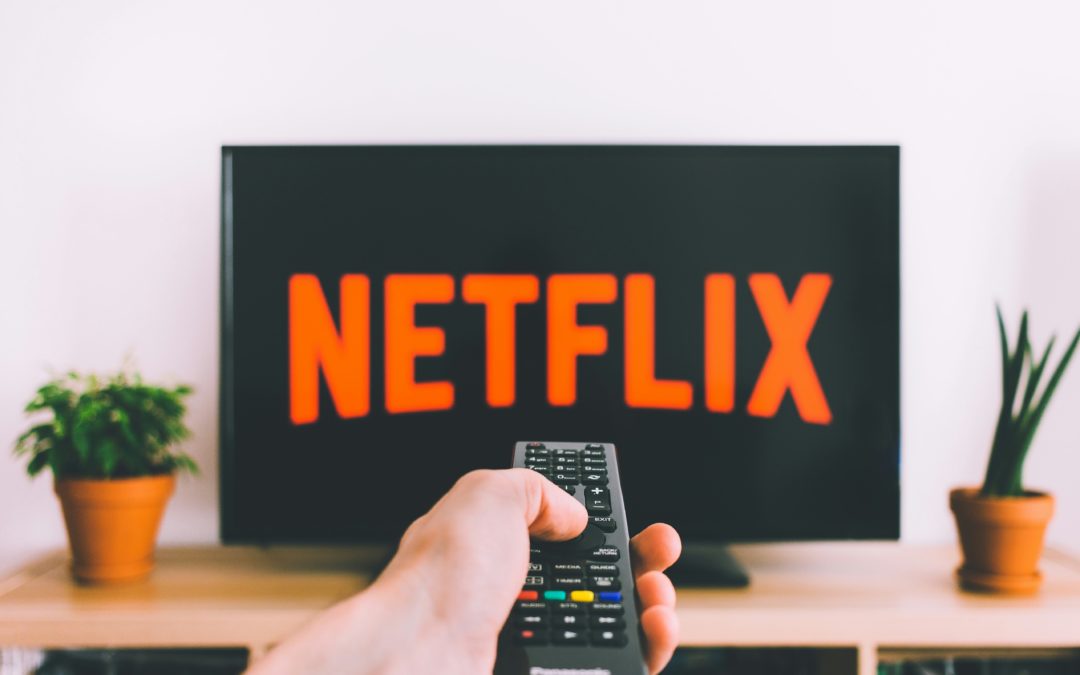
Tonight, history unfolds in the heart of New York City. At the legendary Madison Square Garden, an arena that has witnessed countless iconic moments, women’s boxing claims the main stage in a way never seen before. Netflix is broadcasting the world’s first all-women’s professional boxing card, elevating the sport’s female athletes to global superstars and putting women’s boxing at the center of the combat sports universe. The night’s headline clash—Katie Taylor versus Amanda Serrano III—marks not just a high-stakes sporting contest, but the crest of a wave that is redefining what’s possible for women in boxing.
The Significance of the Night
This event is much more than another set of title fights. It’s a seismic cultural shift for boxing—a sport long dominated by men, where women have had to fight, both literally and metaphorically, for every inch of recognition and opportunity. With five championship bouts and an astonishing 21 world titles up for grabs, tonight’s card is easily the most significant gathering of women’s boxing talent ever assembled.
Never before have so many decorated champions shared a single event, and never before have the stakes been higher for the visibility and legitimacy of women’s boxing. By streaming this historic event live to a worldwide audience, Netflix has effectively declared that women’s fights are every bit as thrilling, marketable, and worthy of investment as their male counterparts.
Amanda Serrano: Driven by Legacy, Not Just Victory
At the core of this event is the electrifying trilogy match between Ireland’s beloved Katie Taylor and Puerto Rico’s legendary Amanda Serrano. For Serrano, this fight is about more than just seeking retribution for two razor-close, contentious defeats. “I’m chasing legacy,” Serrano declared in a recent interview. She has already achieved what no other Puerto Rican boxer has—male or female—by becoming undisputed world champion. But her motivation now is to keep blazing a trail, to keep earning respect and changing the game for women in the sport.
Despite two losses to Taylor—both surrounded by controversy over scoring and officiating—Serrano is steadfast in her belief that she deserved better. “If Katie beat me clearly, I’d say hats off to her. But I just don’t feel it, my fans don’t feel it, my team doesn’t feel it,” she explained, referencing the broader sentiment that has fueled this highly anticipated third bout.
Her commitment is not just mental—it’s intensely physical. For this fight, Serrano has had to move up in weight, battling the discomfort of fighting at 140 pounds instead of her natural 134. She describes gaining weight as even harder than shedding it, which is rare for most fighters. She’s invested in an expanded coaching team, including a nutritionist and running coach, all in an effort to maximize her conditioning and skill for the biggest night of her career.
The Toll of Controversy and the Fight for Equality
Serrano’s last bout with Taylor was marred by more than close scoring; it involved physical adversity that would have broken many fighters. She recalled suffering a deep headbutt cut that briefly blinded her, saying, “I saw black for a second.” Beyond her opponent, she has often felt she’s up against judges and referees as well, making her call for a “fair fight” not just a slogan, but a necessity.
But Serrano’s advocacy stretches beyond her own experience. She’s been a fierce proponent of extending women’s world title fights to 12 three-minute rounds—the men’s standard—believing that this change would allow women’s skill, endurance, and finishing power to truly shine. “I believe if I had that extra minute, I can definitely hurt her and finish her,” she argues. It’s a powerful statement about the potential of women’s boxing and the outdated limitations still imposed on the sport.
New Faces, New Stories: The Next Generation Steps Up
While Taylor and Serrano command the main event, the undercard is a showcase for the next wave of elite talent. Alycia “The Bomb” Baumgardner, the reigning undisputed super featherweight champion, faces Spain’s Jennifer Miranda in a bout expected to be explosive. Baumgardner’s confidence and charisma, both in and out of the ring, represent a new era where women fighters are not just respected but celebrated and marketed as main attractions.
Meanwhile, Shadasia “The Sweet Terminator” Green brings her own story of overcoming adversity. As the first world champion from Jake Paul’s Most Valuable Promotions (MVP), Green seeks to unify the super-middleweight division. Coming from Paterson, New Jersey—a city more often associated with struggle than triumph—Green sees herself as a role model for her community. She was once a top basketball prospect, but after criticism from a coach, she switched to boxing and has flourished ever since. Her story illustrates how the sport is evolving, welcoming athletes from diverse backgrounds and offering them a platform for greatness.
What makes this card even more culturally significant is the prominence of Black women as headline fighters and promotional faces. It’s a shift from the past, reflecting broader changes in both sport and society. These athletes are no longer relegated to the margins; they are front and center, challenging stereotypes and expanding the sport’s reach.
Adding to the event’s gravitas is the participation of Laila Ali, herself a former world champion and daughter of the legendary Muhammad Ali, as part of the commentary team. Her presence underlines the legacy and growing tradition of women’s boxing, as well as the inspiration provided to future generations. Baumgardner put it succinctly: “These young girls are looking at us. They want to know how to be us, or how to be better.”
The Economics of Change: How Serrano and MVP Transformed the Game
Women’s boxing has long lagged behind men’s in financial reward. Serrano’s own journey testifies to that, having once earned as little as $4,000 for world title fights. The turning point came with her partnership with MVP and the influence of YouTuber-turned-boxer Jake Paul, who used his platform to raise the profile and the paychecks of women fighters. Now, the purses reach into the millions, and the Netflix event is both a financial and symbolic milestone.
Serrano explained, “That’s the difference with Jake Paul and these women. Now that people see Katie and me making millions, my fanbase growing, and us making noise, now they want to come along.” For Serrano, an Afro-Latina fighter with a lifetime MVP contract, the money is important—but the recognition and opportunities are priceless. “Netflix believed in me and Katie so much that they gave us our own card, with all women. They believe in us women, and that really touches me.”
Every Fighter, Every Fight: Stories That Inspire
The impact of tonight’s event stretches far beyond the headline names. Fighters like Ramla Ali and Shurretta Metcalf embody what this moment means to so many others. Ali, a Somali refugee who became a global symbol for perseverance, fights not just for herself, but for those who feel powerless. “Every time I go into the ring, I need to make it mean something. I feel like I have a responsibility to fight for people that don’t feel they can fight for themselves,” she said.
Metcalf echoes a similar sentiment: “I’m fighting for the girls who look like me, who come from nothing like me. It doesn’t matter your age or where you’re from. It just matters how you finish.” These stories, broadcast to millions around the globe, will inspire new generations and reinforce the idea that boxing belongs to everyone, regardless of background.
Why This Moment Matters
Tonight is a turning point, not just for boxing, but for sports culture as a whole. For decades, women’s fights were often buried on undercards or ignored by mainstream media. Now, with the world watching via Netflix, women’s boxing commands the spotlight, the money, and—most importantly—the respect it has always deserved.
The fighters entering the ring tonight are doing more than just battling for belts. They are breaking new ground, knocking down barriers, and redefining what is possible for women in sports. Their victories, struggles, and stories will reverberate beyond the ropes, encouraging girls everywhere to step up, dream big, and claim their place at the top.
As the final bell sounds, regardless of who leaves with the championship belts, one thing is certain: the future of women’s boxing—and perhaps women’s sports as a whole—just got a lot brighter.
by Jonathan P-Wright | Jul 11, 2025 | Business News, Latest |
Photo by freestocks on Unsplash
Across the country, a powerful movement is gaining traction as consumers mobilize to hold corporations accountable for abandoning their commitments to diversity, equity, and inclusion (DEI). As some of the world’s largest brands quietly roll back the promises made to marginalized communities over the last several years, a growing chorus of voices is calling for concrete action—beginning with a nationwide boycott of retailers and companies seen as backtracking on DEI.
On February 28th, millions of Americans are expected to participate in a 24-hour boycott of major retailers and banks. The action, informally called “Al Sharpton’s DEI Boycott Plan,” is being championed by organizations such as The People’s Union USA. It represents a pointed response to a late-January executive order by President Donald Trump that made it illegal for companies to implement or promote inclusion-based messaging and practices. This abrupt change signals an alarming reversal for those who have advocated for greater representation, fair access, and opportunity within the business world.
The roots of this movement can be traced to the widespread outrage and activism that swept the nation in 2020. In the aftermath of George Floyd’s murder and subsequent protests, dozens of major corporations rushed to assure the public of their renewed dedication to racial equity and justice. These pledges weren’t just symbolic; companies vowed to hire more diverse workforces, support Black communities through investments, and dismantle systemic barriers that have long denied opportunities to people of color.
But within just a few years, many of those promises are in jeopardy. The newly signed executive order gives companies the legal cover to walk back on DEI initiatives without fear of regulatory consequences. Many have already started to do so quietly, dropping commitments, programs, and even language from their marketing and internal policies. For communities who took these promises seriously, this latest shift feels like a profound betrayal.
Boycotting for Change: Economic Power as Protest
The upcoming February 28th boycott is designed as a direct challenge to corporate indifference and political backsliding. Organizers have made their strategy clear: if companies are only interested in their bottom line, then targeting that bottom line is the most effective way to force real change. “Disrupting the economy for even one day sends a powerful message,” reads a campaign statement circulated online. “If they don’t listen, we’ll make the next blackout longer. Our numbers are powerful. This is how we make history.”
The logic behind this approach is grounded in the history of economic protest. Marginalized groups in America—especially Black Americans—have long wielded their collective purchasing power as a weapon for social justice. From the 1955 Montgomery Bus Boycott, which played a pivotal role in dismantling legalized segregation, to modern “buy Black” campaigns, the principle remains unchanged: if companies profit from the Black community, they must also be accountable to it.
This year’s boycott organizers have also emphasized the importance of broad solidarity. During a rally on the day of the presidential inauguration, a leading activist declared, “We are going to announce the two companies that we’re going after, and we’re going to ask everybody in this country—Black, white, brown, gay, straight, woman, trans—don’t buy where you are not respected.” The message is simple but powerful: inclusion and respect are non-negotiable, and consumers should withdraw their support from any business that fails to honor its commitments.
Yet, it’s important to clarify the origins and official leadership of the current boycott. While Rev. Al Sharpton’s name has been widely circulated online in connection with the boycott, Sharpton and his organization, the National Action Network (NAN), have not officially sanctioned this specific action. In a public statement released February 25th, Sharpton expressed appreciation for the spirit of the boycott, but clarified that NAN’s own planned response will be announced at its national convention in April. “We appreciate the spirit of the various efforts, but the only one that I and NAN have authorized will be announced at our national convention this April,” he said. Sharpton further shared that a council of allies and partners is in the process of identifying companies that have abandoned their DEI commitments, assessing their profit margins, and strategizing how to leverage Black consumer power most effectively.
The Backlash Against DEI: What’s at Stake
The push to undo DEI efforts didn’t arise overnight. After the national reckoning in 2020, the business world saw an outpouring of statements, policy changes, and donations in support of racial equity. Companies pledged billions of dollars, set hiring goals for underrepresented groups, and promised to use their platforms for good. For a moment, it seemed like a genuine step forward.
But backlash soon followed, spearheaded by critics who claimed that DEI initiatives amounted to “reverse discrimination” or undermined traditional notions of “meritocracy.” The Trump administration’s executive order now gives those critics the legal means to challenge, weaken, or outright dismantle these programs. Companies that once saw public relations value in supporting DEI are now recalculating, wary of lawsuits, government penalties, or political scrutiny.
For advocates, these rollbacks are more than just a business decision—they are a direct attack on the hard-fought progress toward equity and fairness. The reversal of DEI commitments isn’t happening in isolation; it’s part of a broader effort to chip away at gains made in civil rights and social justice. As a result, the boycott is as much about reclaiming the narrative as it is about dollars and cents.
The Role of the NAACP: Mobilizing the Black Dollar
Recognizing the gravity of the current moment, the NAACP has stepped in to provide practical guidance for consumers determined to make their voices heard. On February 15th, the NAACP issued a “Black Consumer Advisory,” laying out a clear path for using the Black dollar as a tool for accountability.
The advisory acknowledges that DEI rollbacks threaten to undo decades of economic progress for Black communities. It offers several recommendations: prioritize supporting businesses that demonstrate genuine commitment to diversity and equity; hold companies publicly accountable for backtracking on their promises; actively seek out and invest in Black-owned businesses; advocate for continued change; and, above all, stay informed about corporate actions and the broader political climate.
“These rollbacks reinforce historical barriers to progress under the guise of protecting ‘meritocracy,’ a concept often used to justify exclusion,” the NAACP warns. The organization stresses that the rollback of DEI initiatives isn’t just a business concern, but a fundamental threat to Black economic advancement and the core values of justice, equity, and civil rights.
Why This Boycott Matters
This moment is a test of unity, resolve, and vision. The February 28th boycott is more than a temporary protest—it’s a call to action for a sustainable movement. By leveraging the immense economic influence of the Black community—an estimated $1.8 trillion in annual spending power—consumers can remind corporations that they cannot profit from communities while disregarding their interests.
It’s not just about holding individual companies accountable, but about setting a precedent. When businesses see that consumers will not tolerate broken promises, they become more likely to uphold their end of the bargain. In the long run, this helps ensure that diversity and equity aren’t just passing trends but foundational values.
Boycotts have a proud history in the fight for civil rights. Economic protest has always been a potent means of demanding justice, from the grape boycotts led by César Chávez to the anti-apartheid divestment campaigns. Each action has demonstrated the simple truth: companies and governments alike are forced to pay attention when their profits are on the line.
The Path Forward
Organizers of the February 28th blackout know that one day of action, by itself, won’t fix decades of inequality or force instant change. But the boycott is a starting point—a statement of intent and a demonstration of collective power. Activists have promised to escalate their efforts if companies continue to ignore calls for accountability, with longer boycotts and more targeted campaigns already under consideration.
The message to corporate America is clear: respect the Black dollar, honor your commitments, and don’t take the loyalty of your customers for granted. Companies that choose to walk back DEI pledges will face public scrutiny, economic consequences, and the possibility of lasting reputational damage.
Conclusion
The February 28th boycott represents more than just economic withdrawal—it’s a reminder that the Black dollar has power, and that power can be wielded for justice. As consumers mobilize to demand respect, inclusion, and equity, they send a signal that empty promises are not enough. Real change will require not only words, but sustained action and meaningful accountability.
In an era of political uncertainty and corporate backpedaling, the Black community and its allies are taking the lead—showing once again that the fight for equality is far from over, and that progress, once gained, must be defended by every means available, including the most powerful tool of all: collective economic action.
by Laghe Andrews | Jul 11, 2025 | Latest |
Photo by Hanny Naibaho on Unsplash
Lauryn Hill has long been celebrated as one of music’s most talented and impactful voices — a generational artist whose work transcends genre, time, and culture. However, in recent years, her name has often come paired with one recurring criticism: lateness. Despite her unparalleled legacy, Hill’s reputation for arriving late to concerts has overshadowed some of her artistry in public discourse.
This past weekend, at the annual Essence Festival of Culture in New Orleans, that same conversation sparked up again — but this time, it was met with a very different response. Rather than allow online speculation and negative assumptions to spiral out of control, the festival’s organizers stepped in forcefully and publicly to set the record straight.
Lauryn Hill headlined the multi-day event that draws in tens of thousands of fans every year to celebrate Black music, empowerment, and cultural pride. Her appearance, however, didn’t begin until 2:30 AM, hours past the expected time. Many online were quick to assume the delay was due to Hill’s personal tardiness — a familiar narrative — but the truth, as later revealed by Essence Festival itself, told a different story.
The Statement That Shifted the Narrative
In a rare move, the official Essence Festival social media account published a video clip from Hill’s performance along with a firm and unapologetic caption directly addressing the controversy. The post boldly declared that Lauryn Hill was not to blame for the delay, and instead praised her artistry and punctuality.
“Family is family, and around here we protect our own no matter what the PEOPLE have to say,” the post began, making it immediately clear where the organizers stood. “Let’s be very clear—WE don’t play about Ms. Lauryn Hill. Not for clicks. Not for headlines.”
The post continued to clarify:
“She arrived on schedule, stepped on that stage, and delivered the kind of performance only a legend can. The delay? Not hers. We will take that. The moment? One for the books. The legacy? Still unmatched. Put some respect on her name. Keep the takes, but keep her out of them. All love and deep profound admiration for Ms. Lauryn Hill.”
This act of public defense wasn’t just damage control — it was a deliberate and respectful effort to protect an icon who has often been the target of disproportionate criticism.
A Performance That Transcended the Hour
Despite the late start, Hill’s set was powerful, deeply soulful, and fully immersive. Backed by her band, her voice rang through the Superdome with passion and precision, reaffirming why she’s regarded as a once-in-a-generation talent. Fans who stuck it out until the early morning hours were rewarded with a performance many described as transformative.
Those in the crowd posted glowing reviews online, with many saying it was “worth every minute of the wait.” Some even called it a spiritual experience. Hill performed a range of classics from her seminal album The Miseducation of Lauryn Hill as well as songs from her Fugees days. Her stage presence — commanding, intentional, and emotionally raw — reminded everyone that despite the media noise, her musical impact remains untouched.
For an artist whose music has deeply shaped R&B, hip-hop, and neo-soul, this performance was not just another concert — it was a cultural reset.
A Star-Studded Weekend of Legends and Rising Stars
While Lauryn Hill’s set captured headlines, the entire Essence Festival weekend was packed with high-profile performances and unforgettable moments. The event, held annually in New Orleans since 1995, has grown into one of the most influential Black cultural festivals in the world. It brings together music, fashion, film, wellness, politics, and business under one umbrella.
This year, the lineup featured iconic performers such as Erykah Badu, Patti LaBelle, Babyface, and Ari Lennox, among others. The result was a rich blend of nostalgia and modern artistry that kept audiences dancing, reflecting, and celebrating for three days straight.
But one particularly poignant moment came from Master P, the New Orleans hip-hop mogul and entrepreneur, who used the Essence stage for his final public performance. Confirming to People magazine that he was officially retiring from music, Master P explained that he was moving into a new role as the President of Basketball Operations at the University of New Orleans.
“This is the next chapter of my life,” he said. “There’s so much negativity in hip-hop right now, and we don’t focus enough on the positive. I’m trying to lead by example. It’s time for me to give back in new ways.”
His decision to step back from music and focus on education and community leadership added a profound layer of inspiration to the festival. It’s a message that resonates with many attendees who view the Essence Festival as more than entertainment — it’s a catalyst for evolution, impact, and empowerment.
Essence Festival: More Than a Music Show
What makes the Essence Festival stand out isn’t just its concert lineup. It’s the way it integrates cultural conversation, political awareness, economic empowerment, and spiritual wellness into a single cohesive experience. During the daytime, festivalgoers attend panels and workshops covering everything from mental health and entrepreneurship to beauty trends and voting rights.
By night, the Superdome transforms into a temple of sound and celebration, where thousands come together to honor the richness of Black identity through music.
This year’s edition exemplified all of that. From deep discussions about generational wealth to performances that revived emotional memories, Essence proved again that it is a cultural institution, not just an event.
The Importance of Public Accountability
The festival organizers’ decision to publicly take responsibility for the delay in Lauryn Hill’s set sends a powerful message about accountability and artist protection, especially in a media environment that often thrives on outrage and controversy.
Too often, artists — particularly Black women — are subjected to harsh scrutiny without context or fairness. Hill, in particular, has been pigeonholed by a narrative that ignores her consistent excellence and instead highlights occasional late arrivals. The decision by Essence Festival to correct the record publicly represents a significant cultural stance: one that values truth over trend, respect over ridicule, and community over clicks.
By issuing a clear, transparent, and supportive message, the organizers helped shift the conversation away from gossip and back to what really matters — the music, the moment, and the message.
Reclaiming the Narrative
This incident offers a broader reflection on how we treat artists — especially legendary ones. Lauryn Hill is not a meme. She is not a headline. She is a cultural treasure who helped shape the sonic identity of a generation. Her album The Miseducation of Lauryn Hill remains a masterclass in lyrical depth, vocal brilliance, and emotional authenticity. It earned her five Grammy Awards and set a standard for artistry that few have matched since.
And yet, when delays happen, it’s often easier for audiences and media outlets to revert to past tropes rather than investigate the facts. The Essence Festival’s post served as a reminder that context matters — and that public figures deserve fairness.
A Weekend of Music, Legacy, and Transformation
In the end, the 2025 Essence Festival will be remembered not just for its big names or dazzling performances but for how it handled controversy with dignity and clarity. Lauryn Hill’s performance will be etched in the memories of those who stayed until nearly 3:00 AM to witness a true master at work. Master P’s retirement reminded fans of the power of reinvention. And the festival itself proved, once again, why it’s one of the most vital celebrations of Black culture in the world.
Essence didn’t just entertain — it defended, empowered, and celebrated. And in doing so, it delivered one of the most memorable weekends of the year.

by Jonathan P-Wright | Jul 11, 2025 | Latest |
Photo by Franki Chamaki on Unsplash
Kroger, one of the largest supermarket chains across the United States, has recently come under intense scrutiny after a TikTok video featuring its Juneteenth-themed desserts from an Atlanta location went viral, sparking widespread criticism. The desserts, especially cookie cakes decorated with the phrase “Free @ Last,” a reference to Dr. Martin Luther King Jr.’s famous “I Have a Dream” speech, were widely seen as poorly designed and culturally insensitive. This incident has reignited a broader dialogue about how large corporations approach holidays commemorating Black history and the pitfalls of performative allyship.
The Viral Video That Ignited the Backlash
The controversy began just before Juneteenth, when TikTok user blaq monalisa uploaded a video highlighting the lackluster efforts by her local Kroger bakery to honor the holiday. In her clip, which has since garnered over 12 million views, she expresses disbelief and frustration at the subpar quality of the desserts. “This is some bulls**t,” she says bluntly, contrasting the attention Kroger pays to other holiday desserts with what she perceives as an afterthought for Juneteenth.
The video shows shelves filled with cookie cakes that appear hastily decorated with uneven and off-center lettering. One cake simply read “FREE,” while another carried a seemingly misplaced “Congratulations” sticker. The most widely discussed item, the “Free @ Last” cake, was intended as a tribute but instead was viewed by many as trivializing a significant cultural moment.
Social Media Reacts With Outrage and Sarcasm
The response across social media platforms was swift and overwhelmingly negative. Thousands of people voiced their disappointment, frustration, and disbelief. Many argued that Kroger would have been better off ignoring the holiday entirely than releasing what they considered lazy and disrespectful products.
One commentator quipped that the cakes resembled “welcome home” treats for inmates, while others called the effort “diabolical” or “insulting.” Many highlighted the fact that Juneteenth marks a solemn occasion commemorating the end of slavery in America, making the lack of thoughtfulness in these desserts all the more egregious.
This episode is not an isolated one. Over recent years, corporations have repeatedly faced criticism for their mishandling of Juneteenth celebrations. For example, Walmart drew backlash for selling Juneteenth-themed ice cream and watermelon-flavored cakes, which many felt perpetuated harmful stereotypes and failed to show genuine respect for the holiday.
The Historical Significance of Juneteenth
Understanding why this controversy struck a nerve requires recognizing the deep importance of Juneteenth. The holiday commemorates June 19, 1865, when Union soldiers arrived in Galveston, Texas, to announce the emancipation of enslaved Black people—over two years after President Abraham Lincoln signed the Emancipation Proclamation.
Juneteenth symbolizes both the triumph of freedom and the persistence of racial injustice. For many Black Americans, it is a day of remembrance, reflection, and celebration of resilience. Given this profound significance, corporate gestures honoring Juneteenth demand thoughtful, culturally aware execution rather than superficial marketing.
Kroger’s Official Response
Following the viral video and subsequent uproar, Kroger issued a statement to Fox News acknowledging the problem and distancing the company from the decisions at the store level. A spokesperson said, “The cakes and cookies that were featured in the video were inconsistent with our provided guidance and not of the quality we would expect to see from our stores.”
They confirmed that the products in question had been removed and that the matter was addressed with both the store team and the customer who posted the video. However, many critics felt the statement fell short by not including a direct apology or outlining steps Kroger would take to prevent similar missteps in the future.
Corporate America’s Ongoing Struggle With Cultural Sensitivity
Kroger’s incident is symptomatic of a broader issue: corporations frequently struggle to genuinely engage with culturally significant holidays. Their efforts often fall into performative allyship—a superficial display of solidarity designed more to protect brand image than to meaningfully honor the communities involved.
In 2022, Walmart’s release of Juneteenth ice cream flavor swirled with red velvet and cheesecake sparked backlash and was eventually pulled from shelves. Critics accused the company of commodifying a painful history for profit.
Experts emphasize the difference between acknowledging a holiday and fully understanding its emotional and historical context. Historian Marcus Allen notes, “Brands need to move beyond surface-level gestures and engage in authentic, ongoing relationships with the communities they claim to serve.”
How Could Kroger Have Done Better?
Many voices in the conversation suggest that Kroger’s blunder could have been avoided through more inclusive planning processes. Involving Black employees, cultural consultants, or local community leaders in the creation and approval of Juneteenth displays would likely have produced more thoughtful and respectful results.
Some recommendations include:
- Donating a portion of profits from Juneteenth merchandise to organizations advancing racial justice.
- Highlighting and supporting Black-owned brands and vendors during June.
- Creating educational materials that inform customers about Juneteenth’s history.
- Hosting community events that elevate Black voices and culture.
Such efforts require more time and care than simply decorating cookie cakes with hastily written slogans but have a far greater impact on building trust and showing genuine respect.
The Importance of Authentic Representation
As consumer awareness grows, brands face increasing pressure to go beyond marketing optics. Authenticity and meaningful representation have become non-negotiable. A single misstep, like Kroger’s “Free @ Last” cake, can quickly escalate into a national controversy, damaging credibility.
This reality underscores the importance of diversity in leadership and marketing teams. Authentic celebration of cultural milestones comes from understanding lived experiences, not from last-minute product ideas.
Conclusion: Learning From Mistake
Kroger’s Juneteenth cake controversy serves as a cautionary tale for corporations everywhere. It illustrates how easily good intentions can be undermined by poor execution and the failure to prioritize cultural sensitivity.
The path forward for companies hoping to honor Black history and culture is clear: listen actively, involve community voices, commit to education, and act with genuine respect.
Only then can they hope to transform symbolic gestures into meaningful celebrations that honor the weight and dignity of days like Juneteenth.


RECENT COMMENTS