
by Jonathan P-Wright | Apr 20, 2026 | Business News, Latest |
This isn’t a menu update—it’s a cultural alignment built around energy, identity, and daily momentum.
A Cultural Pivot Disguised as a Beverage Strategy
The integration of McDonald’s and Red Bull represents a calculated shift in how a global brand stays relevant in a rapidly evolving consumer landscape. McDonald’s is not simply adding an energy drink to its lineup; it is stepping directly into the behavioral patterns of Gen Z consumers who operate in a world defined by constant movement. This generation doesn’t separate food, energy, and lifestyle into different categories—they experience them as one continuous flow. By aligning with Red Bull, McDonald’s is positioning itself inside that flow instead of sitting outside of it.
This move reflects awareness rather than reaction. McDonald’s understands that the traditional structure of consumer engagement—centered around meals—is no longer enough to sustain dominance. The modern consumer moves based on energy levels, not just hunger. Red Bull already carries cultural authority in that space, representing performance, pace, and endurance. When McDonald’s brings that identity into its ecosystem, it expands its relevance from feeding people to fueling them, and that distinction changes how the brand is perceived.
From Meal Occasions to Momentum-Based Behavior
For decades, McDonald’s thrived by owning specific moments in the day—breakfast runs, lunch breaks, and late-night cravings. But Gen Z does not operate within those defined boundaries. Their schedules are fluid, their routines are unpredictable, and their decisions are driven by immediate needs rather than structured habits. That shift creates a new kind of opportunity, one where brands must fit into moments rather than define them.
Red Bull gives McDonald’s access to those in-between moments. The afternoon energy drop, the late-night push, the early-morning restart—these are not traditionally “meal moments,” but they are high-frequency engagement opportunities. By integrating an energy product into its system, McDonald’s becomes relevant in those spaces without forcing behavior. Instead of asking the consumer to adjust, the brand adapts to the consumer’s reality, and that adaptability is what keeps it competitive.
Scaling Culture Through Global Accessibility
Red Bull brings cultural relevance. McDonald’s brings global reach. That combination creates a powerful dynamic where something that already resonates with younger audiences becomes accessible on a massive scale. Red Bull has built its identity within high-energy environments—music, sports, and performance-driven culture. McDonald’s takes that same energy and distributes it across a network that exists in nearly every community.
This is how a brand scales culture without diluting it. McDonald’s does not need to reinvent Red Bull’s identity; it simply amplifies it. The result is a product that feels culturally authentic while still being widely available. That balance is difficult to achieve, but when executed correctly, it allows a brand to remain both familiar and current at the same time.
A Long-Term Strategy Built on Frequency and Presence
The deeper value of this move lies in frequency. Energy drinks create repeat engagement because they fit into multiple points throughout the day. Unlike meals, which require time and intention, beverages can be consumed quickly and frequently. That increases the number of interactions a consumer has with the brand, and over time, those interactions build loyalty.
McDonald’s is not just increasing its product offerings—it is increasing its presence in the daily lives of its customers. By aligning with Red Bull, it creates a system where engagement happens naturally and repeatedly. That is a long-term strategy designed to maintain relevance in a market where attention is constantly shifting, and it positions McDonald’s to remain a central part of consumer behavior for years to come.
by Jonathan P-Wright | Apr 20, 2026 | Business News, Latest, Music News, New Music Alert, Tech News |
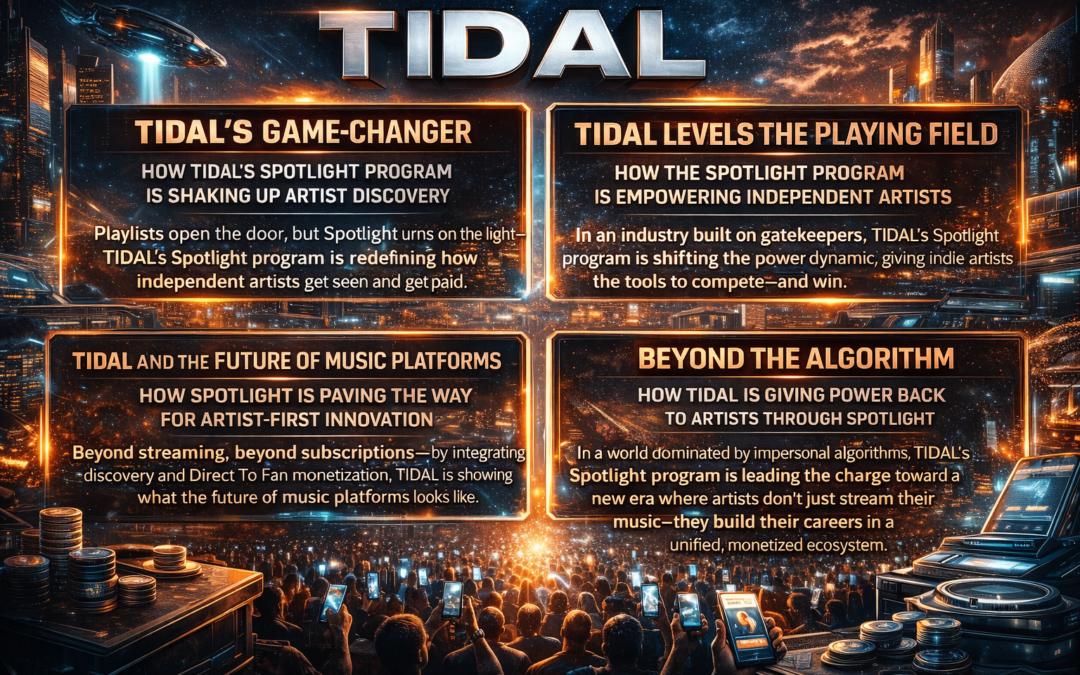
Exposure used to be the goal. Now it’s the starting point—and TIDAL is turning it into income.
With Spotlight expansion, TIDAL bridges the gap between visibility and monetization, giving artists a system that actually pays.
Breaking the Algorithm-Only Discovery Model
The traditional discovery model in streaming has been dominated by algorithms, systems that reward engagement patterns but often overlook artistic nuance. TIDAL is challenging that structure by expanding Spotlight into a curated environment where human judgment plays a central role. This shift allows artists to be evaluated on creativity rather than just data, creating a more balanced system.
This balance is critical for emerging talent. It opens the door for artists who may not fit algorithmic trends but still bring originality and depth to their work. By introducing a human layer into discovery, TIDAL creates space for diversity in sound and storytelling, which ultimately enriches the entire ecosystem.
Turning Visibility Into Financial Leverage
Visibility alone does not sustain a career. Artists need resources to continue creating, promoting, and evolving. TIDAL’s Spotlight program addresses this need by attaching financial incentives to editorial placement, turning recognition into a tangible asset.
This approach shifts the mindset around exposure. It becomes a tool rather than an endpoint. Artists can leverage Spotlight placement to generate income that fuels their next moves, creating a cycle of growth that is both practical and sustainable. This is where the model separates itself from traditional streaming structures.
The Rise of Direct Artist-to-Fan Ecosystems
The industry is moving toward direct engagement, where artists build relationships with their audience without relying heavily on intermediaries. TIDAL’s system supports this shift by integrating discovery with monetization tools, allowing artists to capitalize on attention while it’s still active.
This integration creates momentum. Artists can convert new listeners into supporters in real time, strengthening their connection and increasing their earning potential. This approach reflects a deeper understanding of how modern audiences engage with music.
A Blueprint for Sustainable Careers
TIDAL’s Spotlight expansion is not just about discovery—it’s about sustainability. By combining visibility with financial support, the platform creates a model that helps artists build long-term careers rather than chase short-term spikes.
This blueprint prioritizes consistency, connection, and growth. It allows artists to operate with more control and less dependency, creating a more stable foundation for success. In an industry defined by volatility, that stability is invaluable.
by Jonathan P-Wright | Apr 20, 2026 | Latest, Music News, New Music Alert |
The era of passive streaming is fading—TIDAL’s Direct To Fan model is transforming listeners into active investors in the artists they believe in.
In a market saturated with access, TIDAL introduces a new layer of value—one where ownership, support, and connection redefine what it means to engage with music.
A Shift From Audience to Community
The modern music industry has long relied on the concept of audience. Numbers mattered. Streams mattered. Visibility became the currency that defined success. But something was missing in that structure—a sense of belonging. Fans could listen, share, and engage, but their role remained largely passive.
That dynamic begins to change with TIDAL Direct To Fan model.
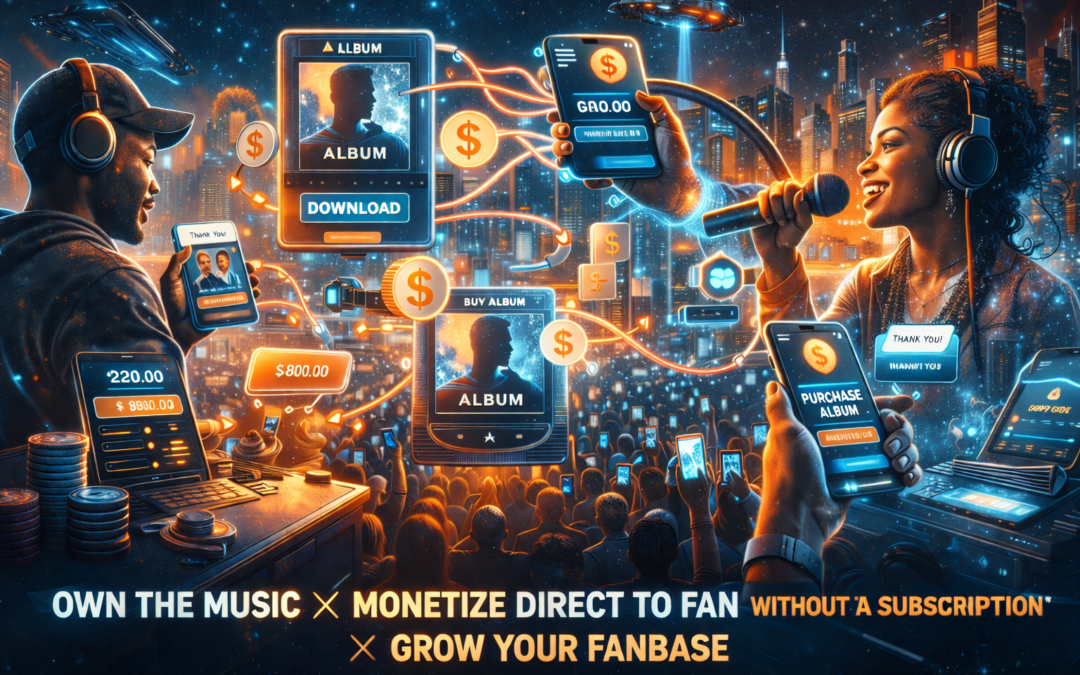
By allowing artists to sell album downloads directly to listeners, TIDAL introduces a new relationship dynamic. Fans are no longer just part of an audience—they become part of a community. Their support is measurable. Their investment is tangible. And their connection to the artist deepens in a way that streaming alone cannot replicate.
“When fans invest, they don’t just listen—they believe.”
This belief transforms how music is experienced. It shifts the focus from consumption to participation, creating a stronger emotional bond between artist and listener.
Direct To Fan as an Ownership Mindset
Ownership is more than a transaction—it’s a mindset. It changes how people value what they engage with. In the streaming era, music became something that was always available but rarely owned. That convenience came at the cost of permanence.
TIDAL reintroduces permanence.
By enabling Direct To Fan purchases without requiring subscriptions, the platform gives listeners the ability to own music again. This ownership creates a different level of engagement. It encourages fans to invest in artists they care about and to build collections that reflect their identity.
This shift is subtle but powerful. It redefines the role of music in a listener’s life, making it more personal and more meaningful.
A New Financial Layer for Artists
From a financial perspective, Direct To Fan introduces a new layer of opportunity. Artists are no longer limited to earning through streams alone. They can now generate revenue through direct transactions that carry significantly more value per interaction.
This changes how artists approach their careers. Instead of focusing solely on reach, they can focus on relationship-building. A smaller group of dedicated fans can generate sustainable income, reducing the pressure to constantly chase viral moments.
This model supports longevity. It allows artists to build careers based on consistency rather than spikes. And it creates a more balanced ecosystem where success is not defined by scale alone.
TIDAL’s Role in the New Music Economy
TIDAL’s Direct To Fan model positions the platform as a key player in the next phase of the music industry. It is no longer just facilitating access—it is enabling exchange. That distinction places it at the center of a new economic structure where value flows more directly between creators and consumers.
This shift reflects a broader trend toward decentralization and empowerment. Artists are seeking more control. Fans are seeking more connection. TIDAL is providing a system that supports both.
And in doing so, it is helping redefine what the future of music looks like.

by Jonathan P-Wright | Apr 20, 2026 | Business News, Latest, Tech News |
This is not about immediate demand—it is about building sustained visibility and long-term adoption through strategic deployment.
Moving Beyond Traditional Automotive Expansion Models
The relationship between Tesla, SpaceX, and Cybertruck highlights a departure from traditional automotive strategies. Most manufacturers depend heavily on external demand to scale their products, relying on dealerships, marketing campaigns, and incentives. Tesla, however, operates within a broader ecosystem that allows it to reinforce product presence through internal channels, and SpaceX plays a central role in that approach.
This ecosystem-driven model provides a unique advantage. By placing Cybertruck units within SpaceX operations, Tesla creates immediate real-world exposure. This exposure is not hypothetical—it is practical and observable. Consumers can see how the vehicle functions in active environments, which strengthens understanding and reduces uncertainty.
Turning Visibility Into Familiarity
Visibility alone does not guarantee adoption. What drives adoption is familiarity. When consumers encounter a product repeatedly in real-world settings, it becomes more approachable. The unfamiliar becomes familiar, and hesitation begins to fade. This process is particularly important for a product like Cybertruck, which challenges traditional design expectations.
SpaceX accelerates this process by integrating Cybertruck into its operations. This creates consistent exposure, allowing consumers to see the vehicle in action rather than simply hearing about it. Over time, this repeated visibility builds confidence, making it easier for consumers to accept the product as a viable option.
Leveraging Ecosystem Integration for Growth
Tesla’s ecosystem functions as a growth engine. SpaceX is not just a partner—it is part of a network that supports product visibility and momentum. This integration allows Tesla to maintain activity around Cybertruck even as the broader electric pickup market continues to develop.
This approach ensures that the product does not lose relevance during periods of slower market adoption. Instead of waiting for external demand to catch up, Tesla reinforces its presence internally. This proactive strategy keeps Cybertruck in motion, which is critical for maintaining visibility and interest.
Building a Foundation for Long-Term Adoption
Tesla’s strategy reflects a long-term perspective. By using SpaceX to expand Cybertruck’s footprint, the company is building a foundation that supports future demand. This foundation is based on visibility, familiarity, and continuous exposure, all of which contribute to sustained adoption over time.
This approach acknowledges that market transitions do not happen overnight. By maintaining a consistent presence, Tesla ensures that Cybertruck remains relevant as the category evolves. This positions the product for stronger acceptance in the future.


RECENT COMMENTS