
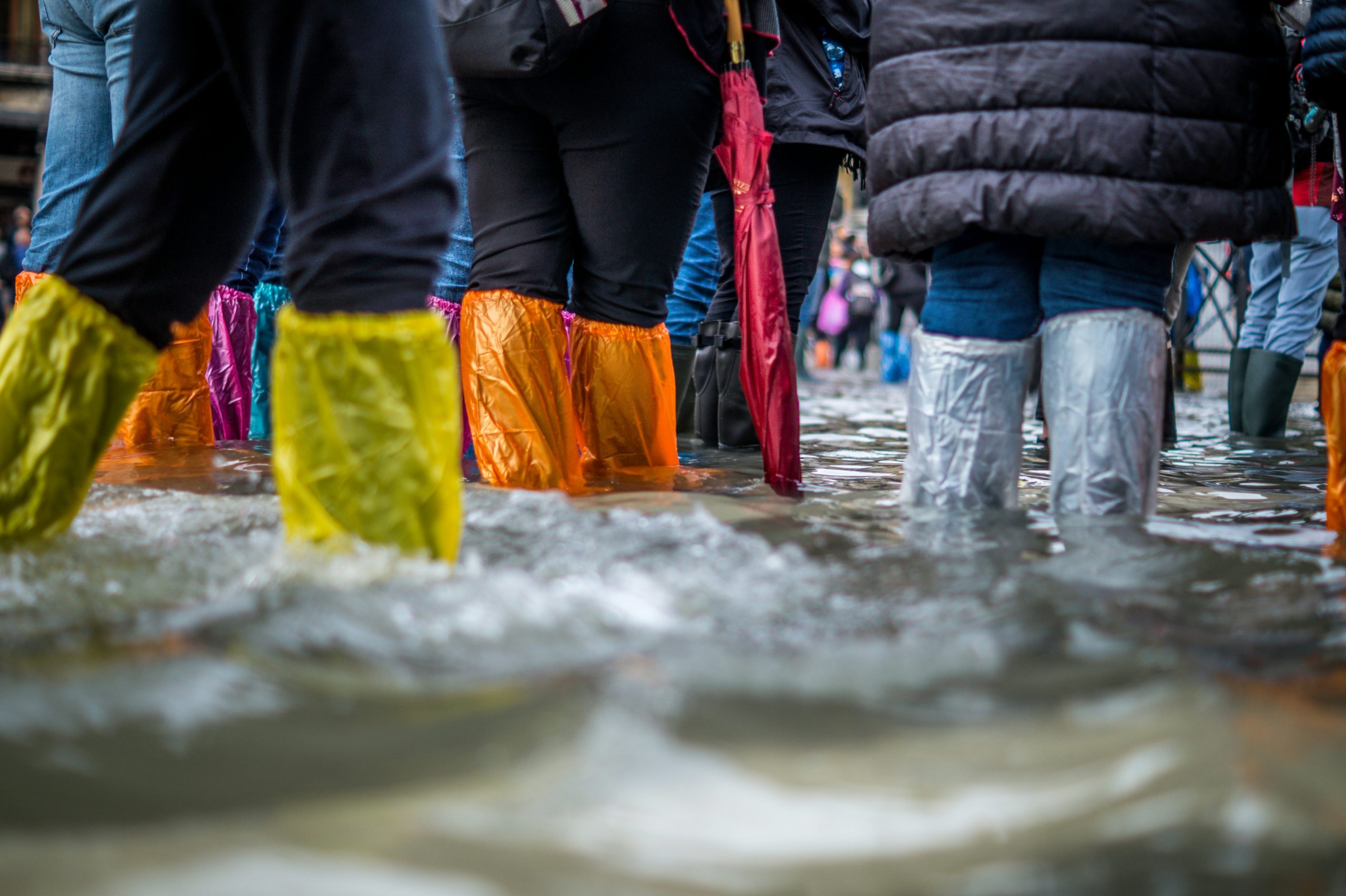
Photo by Jonathan Ford on Unsplash In what has become one of the most catastrophic natural disasters to strike Texas in recent memory, massive flash flooding across central regions of the state has resulted in at least 82 deaths. Torrential rainfall that began on Friday, July 4, triggered a series of devastating events—including a tragic incident at a girls’ summer camp that claimed dozens of young lives.
The widespread flooding, intensified by already saturated land and underdeveloped drainage infrastructure, has paralyzed entire communities. Towns are underwater, roads have collapsed, and power outages remain widespread.
Millions Still Under Flood Watch
According to CNN, nearly five million Texans are still under flood watch as the National Weather Service (NWS) warns of further rainfall. Some regions could receive up to 10 additional inches, worsening the already dire conditions.
Rescue teams report that entire families were trapped on rooftops, clutching one another as they waited for help to arrive. Rivers that were once tranquil turned into torrents, bursting their banks and engulfing everything in their path—homes, businesses, vehicles, and lives.
Camp Mystic: A Sanctuary Turned Into a Nightmare
Among the most heartbreaking events took place at Camp Mystic, a well-known Christian summer camp for girls in Hunt, Texas, situated along the picturesque—but deadly—Guadalupe River.
In a horrifying twist, the river swelled by over 20 feet in less than two hours, catching campers and staff completely off guard. Authorities later confirmed the deaths of 27 individuals—a mix of campers and counselors—while 11 others remain unaccounted for.
Parents, many of whom had sent their daughters to the camp for a summer of joy and faith-building, are now grieving. What was meant to be a place of growth and sisterhood has become the epicenter of loss.
Heroism Amid Horror
Despite the chaos, stories of selfless bravery have emerged. Richard “Dick” Eastland, Camp Mystic’s longtime director, died while trying to guide campers to safety. A familiar and comforting figure to hundreds of children over the years, Eastland is being remembered as a man who died protecting those in his care.
Counselor Emma Foltz was instrumental in evacuating 14 campers, guiding them up a steep trail to higher ground as the river crept closer. Louisiana Governor Jeff Landry publicly commended her, calling her “a beacon of calm in the storm.”
Night watchman Glenn Juenke stayed with frightened girls, helping them float to safety on mattresses when no boats were available. “They were soaked, freezing, and terrified,” he told CNN, “but somehow, they were still brave. I just wanted them to live.”
Failures in Emergency Alerts Raise Questions
The National Weather Service did issue flood alerts ahead of the disaster, but many are questioning why more localized warnings—like siren systems—weren’t activated in vulnerable areas like Kerr County.
Officials later admitted that they had considered installing community flood sirens in previous years but didn’t follow through. Some speculate budget constraints or low perceived risk as the reason for inaction.
For residents in more isolated parts of Texas, where cell coverage is inconsistent, this oversight may have proven fatal. Many claim they received no warning at all before the floodwaters came crashing through their homes.
An Enormous Rescue Operation
Over 400 emergency responders from more than 20 agencies have been deployed to the region. Teams are relying on K-9 units, military-grade drones, and National Guard helicopters to find and save stranded survivors.
The U.S. Coast Guard has rescued over 230 people, including 165 evacuees pulled to safety by rookie rescue swimmer Scott Ruskan. “You look into their eyes and realize—this is the worst moment of their life,” Ruskan shared. “That realization drove me to do more, push harder.”
Volunteer groups like the United Cajun Navy have also joined the efforts. Nick Sortor, a volunteer, warned of dangerous conditions: “Trees are falling into the water. Structures are collapsing. There’s debris everywhere. It’s chaos.”
Federal Response and FEMA’s Role Under Scrutiny
On Sunday, President Donald Trump signed a major disaster declaration, enabling additional federal aid for the state. When asked about his prior statements about dissolving the Federal Emergency Management Agency (FEMA), he deferred, saying: “FEMA is something we can talk about later. Right now, they’re busy saving lives.”
Still, the crisis has reignited debates about FEMA’s effectiveness and the need to modernize disaster response systems in America.
Homeland Security Secretary Kristi Noem defended FEMA and the NWS but admitted flaws in the system. “It’s an ancient network,” she said during a Fox & Friends interview. “The president recognized the need to upgrade it, but that modernization isn’t done yet.”
Noem added that the administration favors a future where states lead disaster management, and the federal government provides only supplementary support. “FEMA, as it currently exists, is bloated. It needs to evolve—or be replaced.”
Grief Reverberates Across Texas
Across the state, the emotional toll is becoming just as heavy as the physical one. Makeshift memorials of flowers, letters, and candles now dot the entrances of churches, schools, and homes.
In one town near Kerrville, a vigil was held for three sisters lost in the Camp Mystic tragedy. Hundreds attended, many unable to hold back tears.
“It’s the kind of grief that changes a community forever,” said local pastor Marissa Knowles. “You don’t bury children without also burying part of your own spirit.”