
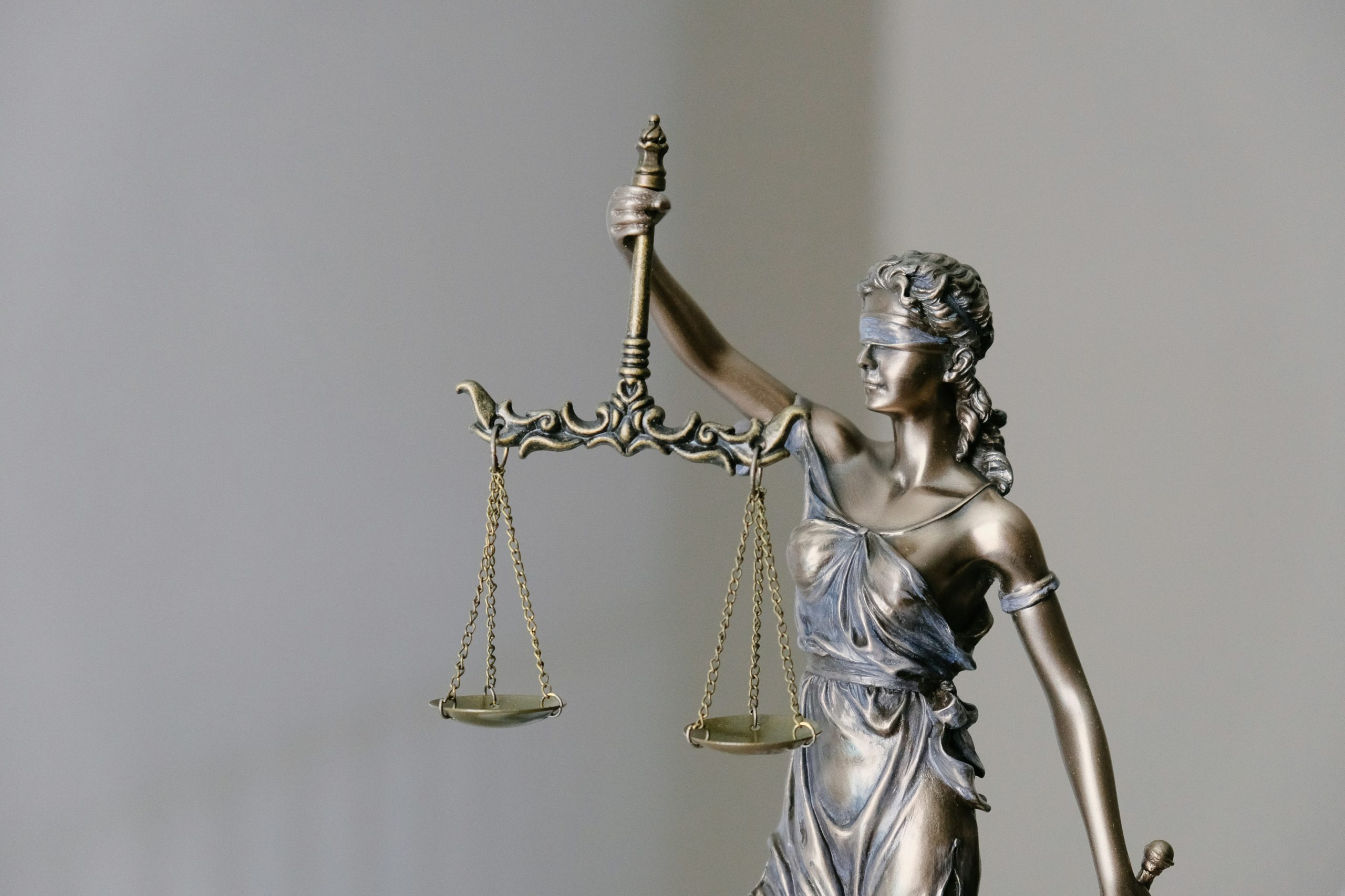
Photo by Tingey Injury Law Firm on Unsplash
Following the highly publicized trial of music mogul Sean “Diddy” Combs, defense attorney Joe Tacopina has launched a scathing attack on federal prosecutors. The outspoken lawyer criticized what he described as a weak and sensationalized case brought against the Bad Boy Records founder, after the jury cleared Diddy of the most serious accusations: sex trafficking and racketeering.
Tacopina, who has built his reputation representing high-profile clients like A$AP Rocky and Alex Rodriguez, made his remarks on the TMZ-produced Tubi docuseries United States v. Sean Combs: Inside the Diddy Trial. Reflecting on the trial’s outcome, he claimed prosecutors were more concerned with headlines than facts. “They came after him with everything they had,” he said. “But it wasn’t enough. The jury saw through the noise.”
Diddy Cleared of Top Charges—But Convicted on Others
While Combs walked away from the most damning allegations, the verdict wasn’t an outright victory. The jury did find him guilty of two federal charges: transporting individuals for the purpose of prostitution. Each count carries up to 10 years in prison, meaning the artist could face a possible 20-year sentence if the court imposes the maximum penalty and chooses to stack them.
Tacopina, however, focused on the broader picture. “Let’s not forget—he was facing life-changing charges. Racketeering. Sex trafficking. This could’ve ended his career, his freedom, his legacy. But the jury got it right,” he emphasized.
Capricorn Clark’s Testimony Backfires
A major flashpoint during the trial was the testimony of Capricorn Clark, a former employee of Combs. She claimed that years ago, after some of Diddy’s jewelry had gone missing, he had her kidnapped and forced to undergo lie detector tests over several days. Her account painted a disturbing image of control, paranoia, and abuse of power.
But during cross-examination, the defense presented a key revelation: Clark had allegedly contacted Diddy after the incident in an attempt to be rehired as his personal assistant. To Tacopina, this single fact exposed a serious inconsistency. “You don’t try to go back to someone you believe held you captive,” he said. “That’s not behavior consistent with fear or trauma—it suggests a different story.”
He used this contradiction to criticize the prosecution’s reliance on emotionally charged but legally weak testimonies. “It’s trial law 101: your star witness has to be bulletproof. This wasn’t even close.”
Bail Denied Despite Defense Offer
Immediately after the verdict, a bail hearing was scheduled. Diddy’s legal team offered a $1 million bond along with standard pretrial restrictions—such as surrendering his passport, limiting his travel, undergoing regular drug testing, and complying with supervision protocols.
Despite the offer, Judge Arun Subramanian denied bail, citing significant concerns about Combs’ behavior. He referenced not only the charges but also what the defense had acknowledged during the trial: past instances of violence in Diddy’s personal relationships, including with Cassie Ventura and another woman referred to as “Jane.”
The Judge’s View: “A Pattern of Disregard for the Law”
In his remarks, Judge Subramanian pointed to what he considered a consistent pattern of misconduct. He noted that even after law enforcement searched Combs’ properties, there were signs of continued illegal activity. “This isn’t just about isolated incidents,” he said. “This is about a demonstrated disregard for the rule of law—and a propensity toward violence.”
His reasoning underscored that while the jury acquitted Diddy of the worst charges, the court still viewed him as a serious legal risk. Subramanian’s refusal to grant bail reinforces how seriously the justice system is treating the remaining convictions.
A sentencing date has been provisionally set for October 3, though the defense may request an earlier appearance. However, the prosecution is asking for more time to conduct a pre-sentencing investigation, claiming the court does not yet have sufficient information to determine a fair sentence.
Tacopina Says Prosecutors “Overreached”
Joe Tacopina believes the case never should have escalated to this point. “They overcharged him,” he said. “It was a weak case padded with dramatic testimonies and emotional manipulation.”
He claims that the prosecution’s strategy was to overwhelm the jury with stories, hoping something would stick. “They were throwing darts in the dark,” he added. “But you can’t win a case based on suspicion, innuendo, and vibes.”
The defense’s success, Tacopina argued, came down to forcing the jury to focus on facts—not emotions or tabloid narratives. “Twelve jurors, regular citizens, were smart enough to cut through the fog.”
More Legal Trouble Ahead
Even though the criminal trial is nearly behind him, Sean Combs is not free from legal turmoil. A series of civil lawsuits are still pending, many of them alleging long-term abuse, coercion, and misconduct spanning over two decades. Some plaintiffs are former romantic partners; others are former colleagues or assistants.
These civil claims won’t send Diddy to prison, but they could cost him financially and reputationally. Unlike criminal court, civil trials require a lower burden of proof. And because these proceedings are public, they will likely continue to expose personal and professional details that could harm the hip-hop mogul’s brand and legacy.
Public Reaction: Mixed and Volatile
As expected, public reaction to the verdict has been divided. Fans of Diddy celebrated the acquittal on the top charges as proof of his innocence and accused federal authorities of trying to destroy a successful Black entrepreneur. The #JusticeForDiddy hashtag trended on X (formerly Twitter) shortly after the verdict was announced.
But critics—and many advocates for survivors of abuse—view the outcome as only a partial victory for accountability. They argue that while Diddy avoided the worst charges, the court still convicted him on serious federal crimes. “Guilty is guilty,” one activist tweeted. “Whether it’s trafficking or transporting for prostitution—this is not someone who should be free of consequences.”
Justice, Fame, and the American Legal System
The Diddy case raises familiar questions: Can rich, powerful people truly be held accountable? Or does their status allow them to outmaneuver justice?
Joe Tacopina argues that the system worked. “This case proves that juries still matter. You can have the full power of the U.S. government behind a prosecution, but if the case is weak, a fair jury will call it out.”
But critics point out that the very fact Diddy was able to afford elite legal defense, private investigators, and media strategy teams is a privilege most defendants don’t enjoy. “If he were poor and unknown, do you think the outcome would’ve been the same?” asked one legal analyst on MSNBC. “Doubtful.”
The Road Ahead: Uncertain and Risky
Now held in federal custody, Diddy awaits his fate. With sentencing on the horizon, his legal team is expected to argue for leniency based on his contributions to the music industry, charitable donations, and lack of prior convictions.
Prosecutors, on the other hand, are likely to emphasize the seriousness of the charges and the pattern of behavior uncovered during the trial. The judge will also weigh the upcoming civil lawsuits as potential evidence of ongoing misconduct.
One thing is certain: the next few months will be crucial for both Diddy and his legacy. Whether he serves time or walks free with probation, the fallout from this case will linger. Music fans, legal experts, and social justice advocates alike will continue to debate what this case says about celebrity, accountability, and how far money can take you in America’s justice system.
Conclusion
While Joe Tacopina may see the verdict as a validation of the defense’s skill and the flaws in the government’s case, the story is far from over. Sean “Diddy” Combs has avoided the harshest legal consequences—for now—but the shadow of this trial, the ongoing civil lawsuits, and the weight of public opinion may shape the rest of his life far more than any courtroom decision.