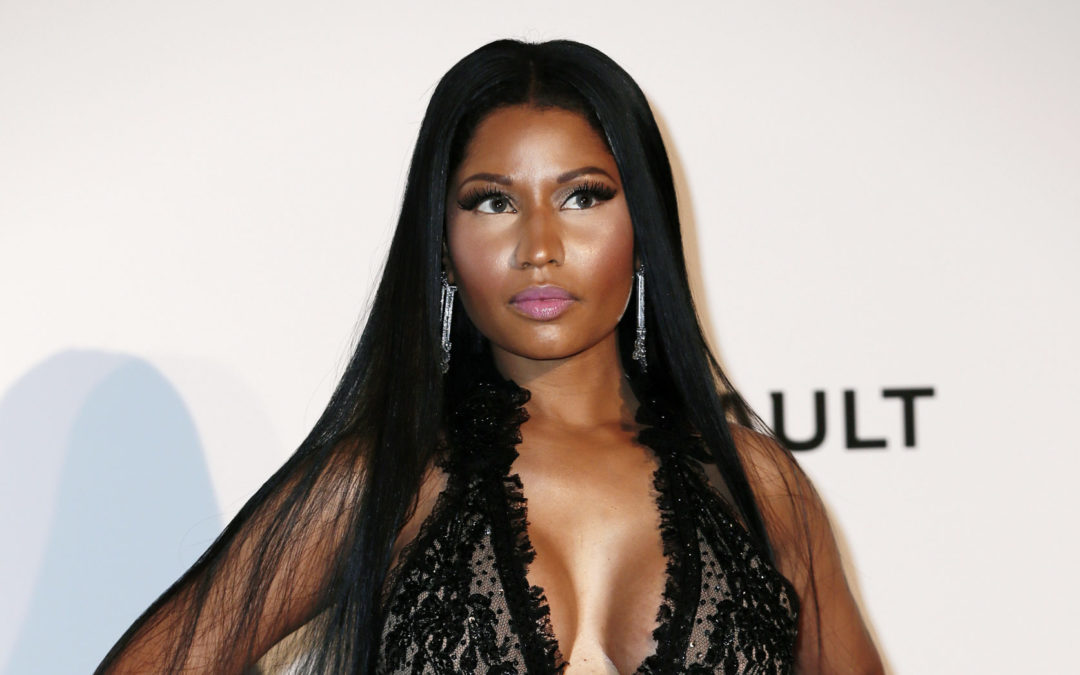
minanceIn a candid revelation that has taken the entertainment world by storm, renowned rapper and cultural icon Nicki Minaj recently shared insights into her pre-fame struggles, including a notable incident that led to her dismissal from a popular seafood chain. This disclosure not only humanizes the superstar but also sheds light on the challenging path many artists traverse before achieving success in the competitive music industry.
Minaj’s admission came during her appearance as a guest speaker at a prestigious fashion event in New York City, where she engaged in a revealing conversation with a high-ranking executive from a major tech company. The discussion touched upon various aspects of her life, from her earliest employment experiences to her current status as a chart-topping artist.
The rapper’s recollection of her time as a server at a well-known restaurant chain provides a stark contrast to her current status as a global music sensation. It serves as a reminder of the humble beginnings from which many successful individuals emerge, highlighting the perseverance required to overcome early career setbacks.
This article delves into the details of Minaj’s pre-fame employment, the incident that led to her termination, and how these experiences shaped her journey to becoming one of the most influential figures in contemporary music. We’ll explore the broader implications of her revelations, examining how they resonate with aspiring artists and shed light on the often-unseen struggles behind the glitz and glamour of the entertainment industry.
Moreover, we’ll discuss Minaj’s recent professional triumphs, including her record-breaking tour and the impact of her latest musical offerings. By juxtaposing her past challenges with her current successes, we aim to provide a comprehensive portrait of an artist who has not only overcome adversity but has also redefined the landscape of hip-hop and pop culture.
Join us as we unpack the layers of Nicki Minaj’s journey, from her early setbacks to her rise as a musical powerhouse, and explore the valuable lessons her story imparts about resilience, ambition, and the unpredictable nature of success in the entertainment world.
Early Career Struggles
Nicki Minaj’s path to stardom was far from smooth, as evidenced by her recent revelations about her pre-fame employment history. The artist’s candid admissions provide a rare glimpse into the challenges faced by aspiring performers trying to make ends meet while pursuing their dreams.
During her formative years, Minaj encountered numerous obstacles in maintaining steady employment. Her experiences mirror those of countless individuals who struggle to find their footing in the professional world before discovering their true calling. The rapper’s honesty about these difficulties serves to humanize her public persona and creates a relatable narrative for fans and aspiring artists alike.
One of the most significant aspects of Minaj’s early career struggles was her tendency to lose jobs frequently. This pattern of employment instability is not uncommon among creative individuals who may find it challenging to conform to traditional workplace expectations while harboring ambitions of artistic success. The rapper’s admission that she “would always get fired” highlights the tension between pursuing one’s passion and meeting the demands of conventional employment.
These early setbacks, rather than deterring Minaj, seem to have fueled her determination to succeed in the music industry. The contrast between her past employment troubles and her current status as a global superstar underscores the transformative power of perseverance and talent. It also serves as a powerful reminder that success often comes after a series of failures and setbacks.
Minaj’s willingness to discuss her pre-fame struggles openly contributes to a broader conversation about the realities of pursuing a career in the arts. By sharing these experiences, she not only adds depth to her public image but also provides encouragement to those facing similar challenges in their own career journeys.
The Red Lobster Incident
Among the various employment experiences Nicki Minaj shared, her time as a server at Red Lobster stands out as particularly noteworthy. This episode in her pre-fame life not only illustrates the challenges she faced but also provides insight into her personality and the events that shaped her journey to stardom.
Minaj’s tenure at the popular seafood restaurant chain was marked by an incident that ultimately led to her dismissal. The situation unfolded when a couple dined at the establishment where Minaj was working. As is customary in the service industry, Minaj provided the diners with a pen to sign their credit card slip. However, what transpired next would prove to be a pivotal moment in her employment history.
Upon returning to the table, Minaj discovered that not only had the couple failed to leave a tip, but they had also taken the pen she had provided. This dual transgression – the absence of gratuity and the appropriation of restaurant property – struck a chord with the future rap star. In her own words, it “set [her] off,” prompting a reaction that would have significant consequences.
Driven by a sense of injustice and frustration, Minaj pursued the couple into the parking lot. Her actions in that moment reveal a glimpse of the assertiveness and passion that would later become hallmarks of her artistic persona. Confronting the diners, she demanded the return of the pen, going so far as to forcefully knock on their car window.
The intensity of Minaj’s reaction, while understandable from the perspective of a frustrated server, crossed professional boundaries. The couple reported the incident to management, resulting in Minaj’s termination from her position at Red Lobster. This event serves as a vivid illustration of the challenges Minaj faced in conforming to traditional workplace norms and expectations.
While the incident led to her dismissal, it also showcases traits that would later contribute to her success in the music industry: her unwillingness to be taken advantage of, her boldness in confronting perceived wrongs, and her passionate nature. These qualities, when channeled into her music and performances, would become integral to her appeal as an artist.
Minaj’s reflection on the healing nature of her recent tour performances highlights a mature perspective on her role as an artist. This acknowledgment of the reciprocal emotional impact between performer and audience suggests a deep understanding of the power and responsibility that comes with her platform.
The success of Minaj’s Pink Friday 2 World Tour, breaking records for female rap artists, serves as a testament to her growth and enduring appeal. This achievement not only cements her status in the music industry but also paves the way for future generations of female rappers, challenging industry norms and expectations.
Moreover, Minaj’s career trajectory offers valuable lessons about the importance of authenticity and staying true to one’s artistic vision. Despite facing numerous challenges and industry pressures, she has maintained a distinctive style and persona that has become her trademark.
Her journey also illustrates the potential for personal reinvention and the ability to turn adversity into opportunity. The skills and resilience developed during her early struggles have undoubtedly contributed to her ability to navigate the complexities of fame and maintain relevance in a rapidly changing industry.
Lessons for Aspiring Artists
Nicki Minaj’s journey from service industry struggles to global stardom offers a wealth of valuable lessons for aspiring artists across all creative fields. Her experiences and reflections provide insights that can guide and inspire those looking to make their mark in the competitive world of entertainment.
One of the primary lessons that emerges from Minaj’s story is the importance of perseverance. Her ability to overcome early career setbacks, including multiple job losses, demonstrates the crucial role of resilience in achieving long-term success. Aspiring artists can draw inspiration
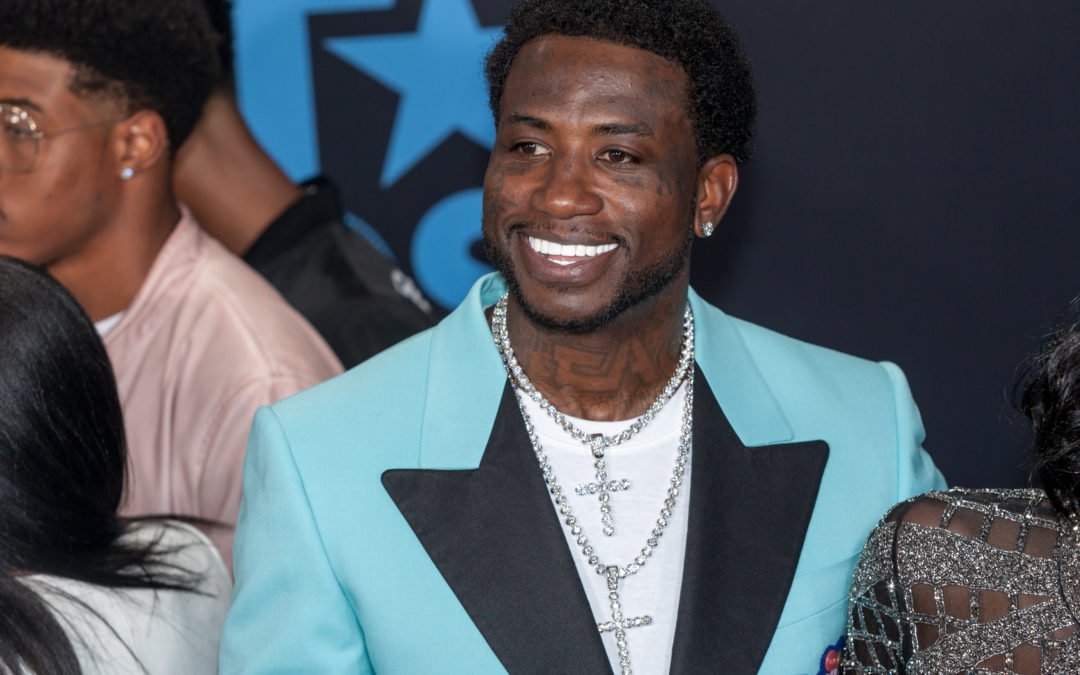
The hip-hop world is buzzing with shocking news as Gucci Mane, the Atlanta-based rap mogul, announces a dramatic overhaul of his 1017 Records label. In a move that’s sent shockwaves through the industry, the “Lemonade” hitmaker has decided to part ways with nearly all of his signed artists, retaining only two while setting his sights on fresh talent. This seismic shift in Gucci’s empire has left fans and industry insiders alike wondering: what’s next for 1017 Records, and how will this reshape the landscape of contemporary rap?
Let’s dive deep into the world of Gucci Mane, exploring the reasons behind this unexpected decision, its potential impact on the music industry, and what it means for the future of hip-hop. From the business acumen driving this choice to the personal struggles that may have influenced it, we’ll unpack every angle of this game-changing announcement.
The Shocking Announcement
In a world where social media reigns supreme, it’s fitting that Gucci Mane chose to drop this bombshell via a video post. On October 18th, the rap icon took to his platforms with an announcement that left his followers stunned. With his characteristic straightforwardness, Gucci revealed his intention to release almost every artist from his 1017 Records roster.
The video, raw and unfiltered, showcased Gucci’s business-minded approach. He spoke candidly about examining his profit and loss statements, a move that ultimately led to this drastic decision. “When I’m looking at my P&L, and me being a businessman, I’m thinking that I’m going to have to release almost all my artists,” he stated, his words carrying the weight of a difficult choice.
But amidst the shock, two names stood out: Pooh Shiesty and Foogiano. These artists, it seems, have managed to secure their spots in Gucci’s streamlined vision for 1017 Records. The mention of these two rappers amidst the announcement of widespread cuts has sparked intense speculation about their role in the label’s future.
Gucci’s words weren’t just about cuts, though. In a surprising twist, he also expressed his intention to seek out new talent. This dual approach of trimming the roster while simultaneously scouting for fresh faces paints a picture of a label in transition, poised for a new era under Gucci’s reinvigorated leadership.
The announcement video quickly went viral, sparking heated debates across social media platforms. Fans, fellow artists, and industry experts all weighed in, dissecting Gucci’s words and speculating about the future of 1017 Records. In the span of a few minutes, Gucci Mane had managed to set the hip-hop world ablaze with anticipation and uncertainty.
The Business Behind the Decision
At the heart of Gucci Mane’s decision lies a cold, hard look at the numbers. The rap mogul didn’t mince words when he cited his profit and loss statements as a key factor in this sweeping change. This peek behind the curtain of the music industry reveals the often-overlooked business side of hip-hop, where artistic expression meets financial reality.
Running a record label is no small feat, and 1017 Records has faced its share of challenges. From marketing costs to studio time, music video production to tour support, the expenses can quickly add up. For each artist on the roster, there’s an investment of time, money, and resources. When these investments don’t yield the expected returns, tough decisions have to be made.
Gucci’s approach to this situation demonstrates his evolution as a businessman. Gone are the days when artistic potential alone could secure a spot on a label. In today’s competitive music landscape, commercial viability is just as crucial. By streamlining his roster, Gucci is positioning 1017 Records to be leaner and potentially more profitable.
This move also speaks to the changing dynamics of the music industry. In an era of streaming and social media, artists have more avenues than ever to reach their audience directly. This shift has forced labels to reconsider their role and value proposition. By focusing on a smaller roster, 1017 Records can potentially offer more personalized attention and resources to its remaining artists.
However, this business-driven decision isn’t without its risks. There’s the potential for backlash from fans of the dropped artists, as well as the challenge of rebuilding the label’s roster with new talent. Gucci’s gamble here is that the long-term financial health of 1017 Records will outweigh any short-term setbacks.
The Survivors: Pooh Shiesty and Foogiano
In the midst of this label-wide shakeup, two names emerged as the survivors: Pooh Shiesty and Foogiano. These artists, both relative newcomers to the rap scene, have managed to secure their positions at 1017 Records while their labelmates face an uncertain future. But who are these rappers, and what sets them apart?
Pooh Shiesty, born Lontrell Williams Jr., burst onto the scene in 2020 with his breakout single “Back in Blood” featuring Lil Durk. The Memphis native’s gritty lyrics and authentic street narratives quickly caught the attention of hip-hop fans and industry insiders alike. His debut mixtape, “Shiesty Season,” released under 1017 Records, solidified his position as one of rap’s rising stars.
Foogiano, hailing from Greensboro, Georgia, has been making waves with his raw, unfiltered approach to rap. His single “Molly (Baby Mama)” became a viral hit, showcasing his unique flow and storytelling abilities. Like Pooh Shiesty, Foogiano’s music resonates with listeners who appreciate authentic, street-oriented rap.
The retention of these two artists speaks volumes about Gucci Mane’s vision for 1017 Records. Both Pooh Shiesty and Foogiano represent a new generation of Southern rap, carrying forward the tradition that Gucci himself helped establish. Their ability to connect with younger audiences while maintaining the gritty authenticity that 1017 Records is known for likely played a significant role in Gucci’s decision to keep them on board.
However, it’s worth noting that both artists are currently facing legal troubles. Pooh Shiesty is serving a five-year sentence for a firearms conspiracy charge, while Foogiano is also behind bars on a firearms charge. Despite these setbacks, Gucci’s commitment to these artists underscores his belief in their potential and his willingness to stand by them through challenging times.
The Search for New Talent
Even as Gucci Mane trims his label’s roster, he’s already got his sights set on the future. In the same breath that he announced the release of most of his artists, he also revealed his intention to seek out fresh talent. This dual approach of cutting ties while simultaneously scouting for new blood paints a picture of a label in transition, ready to evolve with the ever-changing landscape of hip-hop.
Gucci’s hunt for new artists isn’t just about filling the gaps left by those who’ve been let go. It’s about finding the next generation of rap superstars who can carry the 1017 Records banner into the future. The rap mogul has a keen eye for talent, having previously discovered and nurtured artists who’ve gone on to make significant impacts in the industry.
But what kind of talent is Gucci looking for? If his retention of Pooh Shiesty and Foogiano is any indication, he’s likely seeking artists who embody the raw, authentic spirit of Southern rap while also bringing something fresh to the table. In today’s hip-hop landscape, that could mean artists who seamlessly blend traditional rap elements with new sounds, or those who have a strong social media presence and the ability to connect directly with fans.
The search for new talent also presents an opportunity for 1017 Records to diversify its roster. While the label has primarily been known for its male rappers, Gucci could use this moment to bring in female artists or even expand into other subgenres of hip-hop.
For aspiring rappers, this search represents a golden opportunity. The chance to be mentored by Gucci Mane and to be part of the 1017 Records legacy is sure to attract a flood of submissions from hungry young artists eager to make their mark on the rap world.
The Impact on Released Artists
While Gucci Mane’s decision to streamline 1017 Records may be a strategic move for the label, it leaves many artists in a state of uncertainty. The rappers who’ve been released from their contracts now face the challenge of navigating their careers without the backing of a major label.
For some, this sudden change could be seen as a setback. The resources, connections, and promotional power that come with being signed to a label like 1017 Records are significant. Artists who were relying on these benefits to further their careers may now need to reassess their strategies and find new ways to reach their audience.
However, for others, this could be an opportunity for growth and independence. In today’s music landscape, artists have more tools than ever to promote their work and connect with fans directly. Streaming platforms, social media, and DIY marketing strategies have made it possible for independent artists to build successful careers without major label support.
The released artists also have the advantage of their association with 1017 Records. Having been part of Gucci Mane’s label, even for a short time, can serve as a valuable credential in the industry. These artists can leverage this experience as they seek new opportunities or partnerships.
It’s also worth considering the potential for these artists to form new alliances or even start their own labels. The hip-hop world has seen numerous examples of artists turning label setbacks into entrepreneurial opportunities, and this situation could spark similar initiatives.
Ultimately, the impact of this decision on the released artists will largely depend on how they choose to respond to this change. While it undoubtedly presents challenges, it also opens up new possibilities for these artists to chart their own paths in the music industry.
The Legacy of 1017 Records
To understand the full impact of Gucci Mane’s decision, it’s crucial to look back at the legacy of 1017 Records. Founded in 2007, the label has been a cornerstone of Southern rap for over a decade, playing a significant role in shaping the sound and culture of contemporary hip-hop.
From its inception, 1017 Records has been synonymous with Gucci Mane’s raw, unfiltered approach to rap. The label has served as a launching pad for numerous artists who’ve gone on to make significant impacts in the industry. Names like Waka Flocka Flame, Young Thug, and Migos all have ties to 1017 Records, underscoring the label’s knack for identifying and nurturing talent.
The label’s influence extends beyond just the artists it’s signed. 1017 Records has been instrumental in popularizing the trap music subgenre, helping to bring the gritty, bass-heavy sound from the streets of Atlanta to mainstream audiences worldwide. This sonic signature has become a defining characteristic of modern hip-hop, influencing countless artists and producers.
1017 Records has also been known for its distinctive aesthetic, from its iconic ice cream cone logo to the flashy, street-oriented music videos that have become a hallmark of the label’s visual style. This branding has played a crucial role in establishing 1017 Records as more than just a label, but a cultural force in its own right.
However, the label’s journey hasn’t been without its challenges. Legal troubles, both for Gucci Mane himself and for several of the label’s artists, have at times overshadowed its musical achievements. The recent losses of artists like Enchanting and Big Scarr to drug overdoses have also cast a somber shadow over the label’s legacy.
As 1017 Records enters this new phase, it carries with it a rich history that has left an indelible mark on hip-hop culture. The question now is how this legacy will evolve as the label moves forward with its streamlined roster and renewed focus on fresh talent.
Gucci Mane’s decision to reshape 1017 Records is not just a business move – it’s also a reflection of his personal growth and evolution as an artist and entrepreneur. To fully understand this pivotal moment, it’s worth looking at Gucci’s own journey in the music industry.
From his early days as a rising star in Atlanta’s rap scene to his current status as a hip-hop icon, Gucci Mane has weathered numerous storms
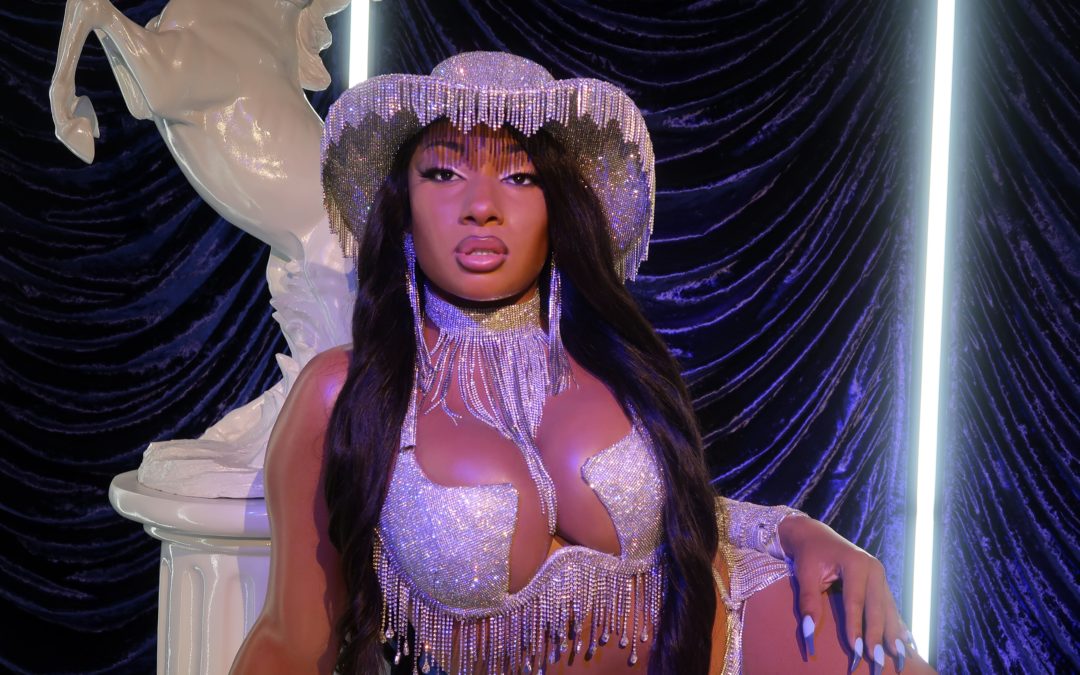
The highly anticipated documentary featuring the multi-talented artist Megan Thee Stallion is set to premiere on Halloween, offering fans an intimate glimpse into the life and journey of the Grammy-winning rapper. The upcoming film, produced by TIME Studios and Roc Nation, promises to peel back the layers of Megan’s public persona, revealing the vulnerable human beneath the confident exterior.
In a recently released trailer, viewers are given a tantalizing preview of what’s to come in this feature-length exploration of Megan’s rise to stardom. The two-minute teaser showcases moments of triumph intertwined with periods of intense struggle, painting a nuanced portrait of an artist grappling with fame, loss, and self-discovery.
As the trailer unfolds, we hear Megan’s voice, tinged with emotion, posing a profound question that seems to lie at the heart of the documentary: “How can I be Megan Thee Stallion when I’m not having fun?” This poignant inquiry sets the stage for a deep dive into the dichotomy between the public figure and the private individual.
The documentary, titled “In Her Words,” is directed by the acclaimed filmmaker Nneka Onuorah, known for her thought-provoking works such as “The Same Difference” and “The Legend of the Underground.” Onuorah’s involvement adds an extra layer of anticipation, as her reputation for crafting compelling narratives precedes her.
With Amazon MGM Studios at the helm of distribution, “In Her Words” is poised to reach a wide audience, potentially reshaping public perception of one of music’s most dynamic personalities. As we eagerly await the full release, let’s delve deeper into what this documentary promises to reveal about Megan Thee Stallion’s journey, her struggles, and the protective nature of her stage persona.
The Genesis of Megan Thee Stallion
Megan Thee Stallion’s ascent to hip-hop royalty didn’t happen overnight. The documentary trailer offers glimpses into the rapper’s early life and the influences that shaped her artistic vision. Born Megan Jovon Ruth Pete, the Houston native’s journey to stardom is rooted in a rich musical heritage.
In the trailer, Megan reflects on her upbringing, stating, “Music has always been in my life.” This simple yet powerful statement underscores the integral role that rhythm and rhyme have played in shaping her identity from a young age. The artist’s early exposure to the world of hip-hop came through an unexpected source – her mother.
Megan’s mother, Holly Thomas, emerges as a pivotal figure in the narrative. Described by Megan as “a gangster rapper,” Holly appears to have been more than just a parent; she was a role model and inspiration. “I wouldn’t be here without my mom,” Megan admits, highlighting the profound impact her mother had on her career choice and artistic development.
The creation of the Megan Thee Stallion persona seems to have been a gradual process, born out of admiration for her mother’s boldness and creativity. “When I get older, I really wanna be like her,” Megan recalls thinking, providing insight into the genesis of her alter ego. This desire to emulate her mother’s strength and artistry eventually culminated in the birth of Megan Thee Stallion – a persona that would catapult her to international fame.
As the documentary promises to explore, the evolution from Megan Pete to Megan Thee Stallion was not just a change in name, but a transformation of identity. It was during this metamorphosis that Megan found her truest form of self-expression, stating, “That was when I was my happiest.” This happiness, however, would be tested by the trials and tribulations that accompanied her rapid rise to fame.
The Protective Power of Persona
One of the most intriguing aspects teased in the trailer is the complex relationship between Megan Pete, the person, and Megan Thee Stallion, the persona. As the artist navigates the tumultuous waters of fame, it becomes apparent that her stage identity serves as more than just an artistic expression – it’s a shield.
In a particularly revealing moment, Megan articulates this duality, saying, “I think Megan Thee Stallion is trying to protect Megan Pete.” This statement offers a fascinating glimpse into the psychological dynamics at play in the life of a public figure. It suggests that the confident, outspoken Megan Thee Stallion we see on stage and in music videos is, in part, a construct designed to safeguard the more vulnerable Megan Pete from the harsh realities of celebrity life.
The documentary appears poised to explore this protective mechanism in depth, potentially shedding light on how artists create and maintain public personas as a means of self-preservation. It raises questions about the toll such a division can take on an individual’s psyche and the challenges of maintaining authenticity in the face of overwhelming public scrutiny.
Moreover, this aspect of the documentary promises to resonate with audiences beyond just fans of Megan’s music. It touches on universal themes of identity, self-protection, and the masks we all wear in various aspects of our lives. By examining the interplay between Megan Pete and Megan Thee Stallion, the film may offer insights into the broader human experience of navigating personal and public identities.
As viewers, we are invited to consider the strength required to maintain such a persona, especially in moments of personal crisis. The trailer hints at periods where the line between the two identities blurred, particularly in the face of tragedy and public backlash. These moments of vulnerability may prove to be some of the most powerful in the documentary, offering a rare, unfiltered look at the woman behind the stage name.
Navigating Loss and Transformation
The trailer for “In Her Words” doesn’t shy away from addressing one of the most profound losses in Megan’s life – the death of her mother, Holly Thomas, in 2019. This tragic event is presented as a pivotal moment in Megan’s journey, both personally and professionally.
Megan’s raw emotion is palpable as she recalls the impact of her mother’s passing. “When life started getting crazy, I didn’t have her,” she shares, her voice heavy with the weight of absence. The loss of such a significant figure – one who was not just a parent but also a source of inspiration and guidance in her musical career – clearly left an indelible mark on the artist.
The documentary appears set to explore how this loss affected Megan’s sense of self and her career trajectory. In the aftermath of her mother’s death, Megan describes feeling “in shambles,” a stark contrast to the confident persona she presents on stage. This period of grief and disorientation seems to have precipitated a crisis of identity, with Megan admitting, “I forgot who I was.”
This section of the documentary promises to be particularly poignant, offering viewers insight into how public figures cope with personal tragedy while maintaining their professional obligations. It raises questions about the expectations placed on celebrities to remain strong and composed in the face of devastating loss, and the toll such expectations can take.
Moreover, the exploration of this difficult period in Megan’s life may serve as a turning point in the narrative. It appears to mark the beginning of a transformative journey, one that forced Megan to reevaluate her identity both as an artist and as an individual. The documentary seems poised to chronicle this process of rediscovery and healing, potentially offering inspiration to viewers who have faced their own losses and struggles.
By delving into this deeply personal aspect of Megan’s life, “In Her Words” looks set to humanize the superstar, reminding audiences of the very real person behind the larger-than-life persona. It’s a bold move that could foster a deeper connection between Megan and her fans, as well as attract new admirers drawn to her resilience and authenticity.
The Price of Fame: Backlash and Breakdowns
As Megan Thee Stallion’s star continued to rise, so did the challenges that came with her newfound fame. The documentary trailer hints at a period of intense scrutiny and criticism that took a significant toll on the artist’s mental health.
In a particularly vulnerable moment, Megan alludes to experiencing “a real breakdown” amidst the backlash in her career. This admission provides a stark contrast to the confident, seemingly unshakeable image she often projects in her public appearances and performances. It serves as a poignant reminder of the human being behind the celebrity facade, one who is susceptible to the same doubts, fears, and insecurities as anyone else.
The nature of this backlash is not explicitly detailed in the trailer, leaving viewers to speculate about the specific incidents or controversies that may have contributed to Megan’s distress. However, the implication is clear – the pressure of being in the public eye, coupled with the often harsh and unforgiving nature of social media criticism, can have severe consequences on an artist’s well-being.
This section of the documentary promises to shed light on the darker side of fame, exploring the mental and emotional toll of constant public scrutiny. It raises important questions about the responsibility of fans and media in their treatment of public figures, and the need for greater empathy and understanding in our celebrity-obsessed culture.
Moreover, Megan’s willingness to discuss her breakdown openly in the documentary is a powerful statement in itself. In an industry that often prioritizes image over authenticity, her candor about her struggles could serve as a catalyst for broader conversations about mental health in the entertainment world.
The exploration of these challenges also sets the stage for a narrative of resilience and recovery. As viewers, we are likely to see how Megan navigated through this difficult period, potentially offering inspiration to others facing their own struggles with public perception and self-doubt.
Rediscovering Joy: The Quest for Authenticity
A central theme that emerges from the documentary trailer is Megan’s quest to rediscover joy and authenticity in her career. This journey is encapsulated in her poignant question: “How can I be Megan Thee Stallion when I’m not having fun?”
This query speaks volumes about the pressures of maintaining a public persona, especially one as vibrant and energetic as Megan Thee Stallion. It suggests a period where the lines between the artist’s stage presence and her true self became blurred, leading to a sense of disconnection from her own identity.
The documentary appears set to chronicle Megan’s efforts to reconnect with the passion and excitement that initially drew her to music. This process likely involves a deep exploration of her motivations, her artistic vision, and the core values that define her both as a performer and as a person.
Viewers can expect to see Megan grappling with questions of authenticity in an industry often criticized for its emphasis on image over substance. How does an artist stay true to themselves while meeting the expectations of fans, record labels, and the media? How can one balance the demands of a high-profile career with the need for personal fulfillment and genuine self-expression?
This section of the documentary may also delve into Megan’s creative process, showing how she channels her experiences – both positive and negative – into her music. It could offer fans a behind-the-scenes look at the making of some of her biggest hits, revealing the emotional and intellectual labor that goes into crafting lyrics and performances that resonate with millions.
Moreover, Megan’s journey to rediscover joy in her work could serve as an inspiring narrative for viewers facing their own challenges in maintaining passion and authenticity in their careers. By sharing her struggles and triumphs, Megan may offer valuable insights on the importance of staying connected to one’s true self, even in the face of external pressures and expectations.
The Role of Resilience in Megan’s Journey
Throughout the trailer, a recurring theme emerges – Megan Thee Stallion’s incredible resilience in the face of adversity. From personal loss to public scrutiny, the artist has faced numerous challenges that could have derailed her career. Yet, she has consistently found ways to persevere and grow stronger.
The documentary appears poised to explore the sources of Megan’s resilience, potentially delving into her upbringing, support systems, and personal philosophies that have helped her navigate difficult times. This exploration could offer valuable insights into the mindset required to succeed in the often turbulent world of entertainment.
One aspect of Megan’s resilience that may be highlighted is her ability to channel her struggles into her art. Many of her songs touch on themes of empowerment, self-confidence, and overcoming obstacles – elements that seem to be directly informed by her own experiences. The documentary might showcase how this process of transforming pain into art has been both a coping mechanism and a source of strength for Megan.
Additionally, the film may examine how Megan’s experiences have shaped her advocacy work. Known for her outspoken support of various causes, including women’s rights and social justice issues, Megan has used her platform to effect positive change. This aspect of her career could be presented as another manifestation of her resilience – a way of creating meaning and purpose from her challenges.
The documentary’s exploration of Megan’s resilience is likely to resonate with viewers facing their own obstacles. By sharing her story of perseverance, Megan may inspire others to find strength in adversity and to pursue their dreams despite setbacks.
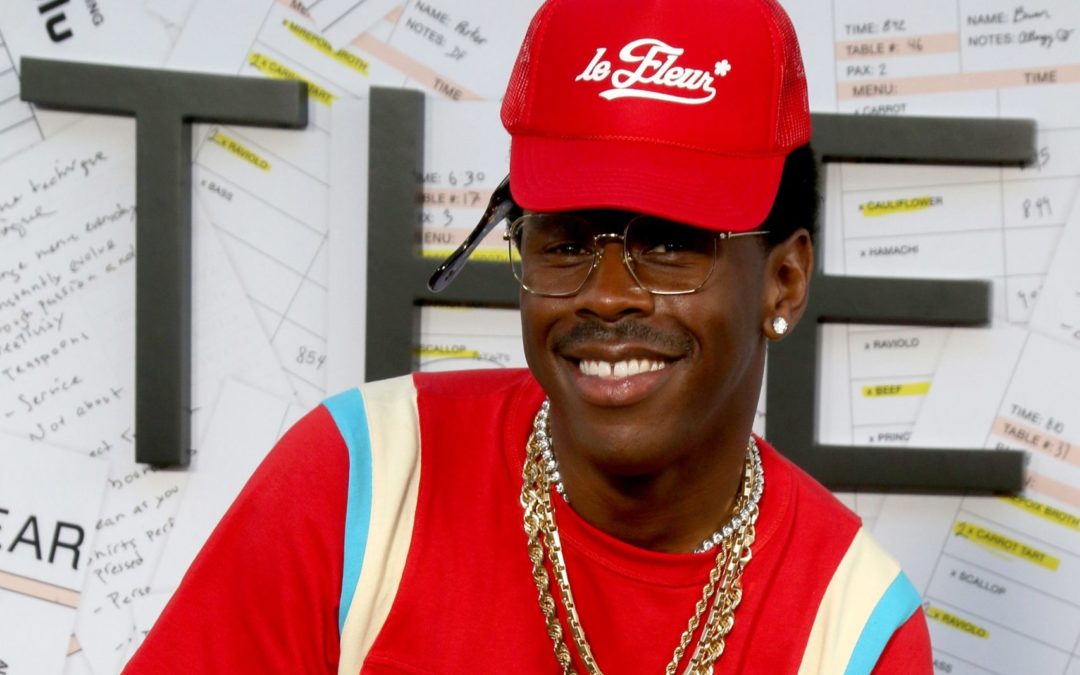
Brace yourselves for a sonic tsunami because Tyler, the Creator is about to unleash his creative fury once again. The maestro of musical mayhem has just dropped a bombshell that’s sent shockwaves through the industry. Strap in as we dive deep into the kaleidoscopic world of Tyler’s upcoming album, ‘Chromakopia‘, and the mind-bending visuals of “St. Chroma”. This ain’t your average album announcement, folks. It’s a full-blown artistic revolution, and we’re here for every colorful second of it.
In true Tyler fashion, this announcement came out of left field, leaving fans and critics alike scrambling to piece together the puzzle. But fear not, dear reader, for we’ve got the inside scoop on all things ‘Chromakopia’. From release dates to visual teasers, we’re breaking down every juicy detail of this highly anticipated drop. So, buckle up, buttercup – we’re in for one hell of a ride through the technicolor dreamscape of Tyler’s imagination.
The Big Reveal: ‘Chromakopia’ Unveiled
Hold onto your hats, folks, because Tyler, the Creator has just pulled back the curtain on his latest masterpiece. The hip-hop virtuoso took to social media to confirm what fans have been speculating for weeks – a new album is indeed on the horizon. But Tyler being Tyler, he didn’t just announce it; he unleashed a visual and auditory assault that’s left us all reeling.
A Title to Remember
Let’s talk about that title for a second – ‘Chromakopia’. It’s a word that rolls off the tongue like a psychedelic lollipop, doesn’t it? While the meaning remains shrouded in mystery, one thing’s for sure: it’s quintessentially Tyler. The artist has always had a knack for crafting album titles that are as intriguing as they are unforgettable. From ‘Goblin’ to ‘Flower Boy’, each title has been a portal into Tyler’s ever-evolving artistic vision. ‘Chromakopia’ seems to be no exception, hinting at a vibrant, possibly color-centric theme that’s got us all kinds of excited.
The Countdown Begins
Mark your calendars, set your alarms, and maybe consider taking the day off work because ‘Chromakopia’ is set to drop on October 28th. But here’s where things get interesting – October 28th falls on a Monday. In an industry where Friday releases are the norm, Tyler’s decision to buck the trend is a bold move that’s got everyone talking. Is it a strategic play to dominate the news cycle? A middle finger to industry conventions? Or simply Tyler being Tyler? Whatever the reason, it’s clear that ‘Chromakopia’ is set to make waves before a single track is even released.
Cover Art Conundrum
Along with the title and release date, Tyler has blessed us with what appears to be the album’s cover art. Now, we could spend hours dissecting every pixel, but let’s just say it’s a visual feast that perfectly encapsulates the ‘Chromakopia’ vibe. It’s bold, it’s vibrant, and it’s unmistakably Tyler. The cover art alone is enough to get the hype train rolling at full steam.
“St. Chroma”: A Visual Odyssey
If the album announcement wasn’t enough to send your senses into overdrive, Tyler decided to up the ante by dropping the “St. Chroma” video. Buckle up, buttercup, because we’re about to take a deep dive into this visual masterpiece.
A Feast for the Eyes
From the moment the video begins, it’s clear we’re not in Kansas anymore. “St. Chroma” is a kaleidoscopic journey through Tyler’s imagination, filled with vivid colors, surreal imagery, and enough visual metaphors to keep film students busy for semesters. It’s like someone took a Wes Anderson film, dipped it in a vat of neon paint, and sprinkled it with Tyler’s unique brand of weirdness.
The Sound of ‘Chromakopia’
While the visuals are undoubtedly stunning, let’s not forget about the audio. The snippet of music we hear in “St. Chroma” gives us our first taste of what ‘Chromakopia’ might sound like. And let me tell you, it’s got us salivating for more. The beats are crisp, the production is lush, and Tyler’s flow is as smooth as ever. If this is just a sample of what’s to come, then ‘Chromakopia’ is shaping up to be one hell of an auditory experience.
Easter Eggs Galore
True to form, Tyler has packed “St. Chroma” with more Easter eggs than a bunny’s basket. From subtle nods to his previous work to cryptic hints about the album’s themes, there’s enough hidden content here to keep fans busy until the album drops. It’s like a treasure hunt for the eyes and ears, and we’re all invited to play.
The Evolution of Tyler
To truly appreciate the significance of ‘Chromakopia’, we need to take a step back and look at Tyler’s artistic journey. This isn’t just another album; it’s the next chapter in the story of one of hip-hop’s most innovative voices.
From Odd Future to Odd Genius
Remember when Tyler first burst onto the scene with Odd Future? Those were the days of shock value lyrics and deliberately provocative content. But as the years have passed, we’ve seen Tyler evolve into a true musical auteur. Each album has been a step forward, both sonically and lyrically. From the raw aggression of ‘Goblin’ to the introspective beauty of ‘Flower Boy’, Tyler has consistently pushed the boundaries of what hip-hop can be.
The ‘Call Me If You Get Lost’ Legacy
Speaking of evolution, let’s talk about Tyler’s last album, ‘Call Me If You Get Lost’. Not only did it win the Grammy for Best Rap Album, but it also showcased Tyler at the height of his powers. The album was a perfect blend of hard-hitting beats, introspective lyrics, and the kind of genre-bending experimentation that Tyler has become known for. It set a new bar for what we can expect from a Tyler, the Creator album.
Expectations for ‘Chromakopia’
So, where does ‘Chromakopia’ fit into this evolutionary timeline? If the “St. Chroma” video is anything to go by, we’re in for something truly special. The vibrant visuals and tantalizing audio snippets suggest that Tyler is ready to take his artistry to new heights. Will ‘Chromakopia’ be his most ambitious project yet? Only time will tell, but one thing’s for sure – we’re here for it.
The Hype Machine in Overdrive
Let’s face it, folks – the internet is losing its collective mind over ‘Chromakopia’. From Twitter to TikTok, the hype machine is in full swing, and it’s a beautiful thing to behold.
Social Media Meltdown
Within minutes of Tyler dropping the “St. Chroma” video, social media exploded. Fans were dissecting every frame, speculating about potential collaborations, and generally freaking out in the best possible way. The hashtag #Chromakopia started trending faster than you can say “Golf Wang”, with fans sharing their excitement, theories, and some truly impressive fan art.
Celebrity Co-Signs
It’s not just the fans who are hyped. Tyler’s peers in the music industry are showing their support too. From Lil Yachty’s enthusiastic “It’s dat time” comment on Instagram to shout-outs from other big names in hip-hop, it’s clear that ‘Chromakopia’ has the industry buzzing. When your album announcement gets the seal of approval from both fans and fellow artists, you know you’re onto something special.
The Countdown Begins
With the release date set, fans have already started their countdowns. Playlist curators are prepping their “Road to Chromakopia” lists, reaction YouTubers are warming up their cameras, and music critics are sharpening their pens. The anticipation is palpable, and it’s only going to intensify as we get closer to October 28th.
Tyler’s Visual Mastery
One aspect of Tyler’s artistry that often gets overlooked is his incredible visual sense. The man isn’t just a musical genius; he’s a visual storyteller of the highest order.
The Tyler Aesthetic
From music videos to album artwork, Tyler has cultivated a distinct visual style that’s instantly recognizable. It’s a blend of retro aesthetics, bold color palettes, and surrealist imagery that perfectly complements his music. The “St. Chroma” video is a prime example of this, showcasing Tyler’s ability to create visuals that are both striking and meaningful.
Beyond Music Videos
Tyler’s visual prowess extends beyond just music videos. His fashion line, Golf Wang, is a testament to his eye for design. The way he curates his social media presence, the visuals for his music festivals – everything Tyler touches has a cohesive aesthetic that’s uniquely his own. It’s this attention to visual detail that elevates Tyler from musician to full-fledged artistic visionary.
The Potential for More
With each project, Tyler seems to push his visual storytelling further. Could ‘Chromakopia’ be the project where he fully realizes his visual potential? There are already whispers about a possible visual album or even a feature-length film to accompany the music. Whatever form it takes, we’re certain that the visuals for ‘Chromakopia’ will be nothing short of spectacular.
The Industry Disruptor
Tyler has never been one to play by the rules, and the announcement of ‘Chromakopia’ is no exception. Let’s take a moment to appreciate how Tyler continues to disrupt the music industry in the best possible ways.
Monday Madness
The decision to release ‘Chromakopia’ on a Monday is a perfect example of Tyler’s disruptive nature. In an industry where Friday releases are the norm, Tyler is zigging while everyone else zags. It’s a move that ensures maximum attention for the album and challenges the very notion of how music should be released.
Direct-to-Fan Approach
Tyler’s approach to announcing ‘Chromakopia’ is also worth noting. Instead of going through traditional media channels, he chose to reveal the album directly to his fans via social media. This direct-to-fan approach cuts out the middleman and allows Tyler to control the narrative around his art. It’s a strategy that more and more artists are adopting, and Tyler is at the forefront of this trend.
Genre-Defying Sound
While we’ve only heard a snippet of ‘Chromakopia’ so far, it’s clear that Tyler is continuing to push the boundaries of genre. His ability to blend elements of hip-hop, jazz, R&B, and even classical music creates a sound that’s impossible to pigeonhole. In doing so, Tyler challenges our very notions of what hip-hop can be.
As fans, critics, and fellow artists alike hold their breath in anticipation, one thing is certain: October 28th can’t come soon enough. ‘Chromakopia’ is poised to be more than just an album – it’s set to be a cultural moment, a sonic revolution, and a vibrant new chapter in the ever-evolving story of Tyler, the Creator.
As Hurricane Milton, a monstrous Category 3 tempest, set its sights on the Florida peninsula, Dame Dash found himself grappling with a perplexing conundrum. Should he and his fam pack up and bounce, or should they tough it out, risking potential backlash for appearing soft? Ultimately, the Roc-A-Fella co-founder made the wise call to evacuate, but not before some serious contemplation.
In a candid Instagram video, the hip-hop mogul spilled the tea on his initial hesitation to flee the storm’s wrath. With Milton’s ominous approach, Dash revealed that the decision to stay put or hit the road was no cakewalk. Peep his words:
“We were like, ‘Alright, we’re gonna try to grind it out and stay. Because none of our neighbors were leaving, and the people that we knew that are from Florida — like every day all day [weren’t leaving],’ he said while traveling in his private bus. ‘It kinda seemed like we were soft if we were leaving. Pause.'”
A Veteran of Natural Disasters
For Dash and his crew, battling the elements is nothing new. From raging wildfires engulfing their Wyoming ranch to multiple hurricanes, they’ve stared down Mother Nature’s fury time and again. Yet, each ordeal leaves its mark, as the entrepreneur candidly admitted:
“I’m like, ‘Damn, why are we always in the mix?’ And, of course, we get here (Florida)… and, of course, we end up right in the thick of things and be challenged.”
Despite their resilience, the prospect of weathering Hurricane Milton’s wrath was daunting, especially with a little one and four furry companions in tow. As Dash pondered, the discomfort of hunkering down during the storm’s onslaught became increasingly apparent.
“You know, we’d work it out, but who wants to be uncomfortable? Plus, with a baby and four dogs…”
The Decisive Moment
With the stakes high and the pressure mounting, Dash’s fiancée, Raquel Horn, and those around him began to feel the strain. As the gravity of the situation intensified, the decision to evacuate crystallized as the safest course of action.
“[Raquel] and others around [me] began stressing a little, so we decided to heed the warnings, packed our bags, and left,” Dash recounted.
In that pivotal moment, the hip-hop mogul’s priorities became clear: protecting his loved ones trumped any perceived notion of appearing soft. With a level head and a pragmatic mindset, Dash and his family hit the road, leaving their Florida abode behind as Hurricane Milton bore down.
A Seasoned Survivor’s Wisdom
Reflecting on the experience, Dash imparted some hard-earned wisdom for those living in disaster-prone regions. Preparedness, he emphasized, is key:
“If you live in a place where natural disasters happen — like hurricanes, like once a year — you gotta have a hurricane house on deck to go to. So we developed that, and we figured it out, so we know where we’re going amongst family and all that.”
His advice? When authorities sound the alarm, don’t hesitate – evacuate. As Dash put it bluntly, “If people warn you… I’m out. I don’t care. We gotta go. I got a family.”
The Silver Lining
Despite the harrowing ordeal, Dash managed to find a silver lining. Even amid the chaos of an evacuation, being surrounded by loved ones made the journey bearable, if not enjoyable.
“Even this evacuation is still fun when you’re with the people you love, as long as they’re not panicking,” he remarked.
Yet, the entrepreneur’s exasperation was palpable as he reflected on the recurring challenges posed by natural disasters: “But I’m sick of this shit, I ain’t gonna hold you.”
A Cautionary Tale
Dash’s experience serves as a cautionary tale, underscoring the importance of heeding evacuation orders and prioritizing safety over misguided perceptions of toughness. While his initial hesitation was rooted in a desire to project strength, his ultimate decision to evacuate demonstrated true resilience – the fortitude to put his family’s well-being above all else.
As the world grapples with the escalating effects of climate change, stories like Dash’s serve as a poignant reminder that preparedness and swift action can mean the difference between life and death in the face of nature’s fury.
The Aftermath: Devastation and Resilience
In the wake of Hurricane Milton’s rampage, the toll on Florida’s western coast was staggering. At least 12 lives were lost, and millions were left without power, their homes and communities ravaged by the storm’s relentless onslaught.
Amidst the wreckage, tales of resilience and heroism emerged. From residents banding together to aid their neighbors to first responders risking their lives to save others, the indomitable spirit of Floridians shone through the darkness.
A Viral Phenomenon: ‘Lieutenant Dan’ Defies Evacuation Orders
One particularly viral story captured the nation’s attention: the saga of “Lieutenant Dan,” a Florida man who refused to abandon his boat amid Hurricane Milton’s approach. Despite pleas from authorities, the resolute resident remained steadfast, his defiance sparking a social media frenzy and prompting a statewide search and rescue operation.
While his actions were undoubtedly reckless, “Lieutenant Dan’s” unwavering determination struck a chord with many, embodying the rugged individualism and rebellious spirit that has long been associated with the Sunshine State.
Anderson Cooper’s Harrowing Experience
Even seasoned journalists found themselves in harm’s way as Milton raged. Veteran reporter Anderson Cooper, known for his fearless coverage of natural disasters, experienced a harrowing moment during a live broadcast. As he reported from the heart of the storm, a sudden gust of wind sent debris hurtling towards him, prompting a startled exclamation: “That wasn’t good!”
Cooper’s composure in the face of danger was a testament to the risks journalists often face in pursuit of keeping the public informed during times of crisis.
Roc-A-Fella’s Past and Dame Dash’s Resilience
Dame Dash’s journey from the mean streets of Harlem to the heights of hip-hop moguldom is a tale of perseverance and resilience in itself. As the co-founder of the iconic Roc-A-Fella Records, he helped shape the careers of legendary artists like Jay-Z and Kanye West, leaving an indelible mark on the music industry.
However, his path was far from smooth. Dash’s decision to walk away from Jay-Z and R. Kelly’s highly anticipated “Best of Both Worlds” album, citing ethical concerns, exemplified his unwavering commitment to his principles, even in the face of potential financial gain.
“I didn’t want any part of that project,” Dash revealed in a candid interview, alluding to the controversies surrounding R. Kelly at the time.
Embracing Authenticity and Staying True to Oneself
Throughout his career, Dash has remained steadfast in his commitment to authenticity and staying true to himself, even when it meant making tough choices. His refusal to compromise his values in pursuit of commercial success has earned him respect and admiration from fans and peers alike.
In an industry often criticized for its superficiality and materialism, Dash’s unwavering dedication to his principles serves as a refreshing reminder of the importance of staying grounded and true to one’s core beliefs.
Fostering Inclusivity and Empowerment
Beyond his artistic and entrepreneurial endeavors, Dash has also been a vocal advocate for inclusivity and empowerment within the hip-hop community and beyond. His efforts to uplift and amplify underrepresented voices have been widely praised, solidifying his status as a cultural icon and a force for positive change.
Through his various initiatives and platforms, Dash has sought to create spaces where diverse perspectives can be shared and celebrated, fostering a sense of unity and belonging among those who have often felt marginalized or overlooked.
As the world continues to grapple with the challenges of natural disasters, social injustice, and the ever-evolving cultural landscape, figures like Dame Dash serve as beacons of resilience, authenticity, and empowerment.
His unwavering spirit in the face of adversity, whether confronting the fury of Hurricane Milton or navigating the complexities of the entertainment industry, serves as an inspiration to countless individuals striving to stay true to themselves and make a positive impact on the world around them.
Dash’s story is a testament to the power of perseverance, the importance of family, and the enduring strength of the human spirit – a narrative that transcends the boundaries of geography, culture, and circumstance, resonating with people from all walks of life.





RECENT COMMENTS