
by Enaysha Thompson | Sep 12, 2023 | Business News, Latest, Tech News |
Image Credit: Photo by Roberto Nickson on Unsplash
The autonomous driving scene in Europe is about to get shaken up. Deeproute.ai, an autonomous driving startup headquartered in Shenzhen, China, has plans to set up an operations center in Germany by 2024. The company, which has received over $350 million in funding and employs more than 500 employees worldwide, is the latest Chinese mobility upstart to establish a physical presence in Germany, home to some of the world’s largest automakers.
The move marks a significant step in the company’s global expansion strategy, which aims to collaborate with more local automakers and support OEM partners on smart driving mass production.
Unveiling The Plan
The announcement came during the International Motor Show Germany in Munich, where several Chinese mobility players marked their presence. The company has also revealed its plans to roll out its production-ready autonomous driving solution in Germany next year, with other European markets to follow.
Tech Behind The Wheel: Drive 3.0
The solution, dubbed Drive 3.0, works without HD maps and includes features like valet park assist. With a competitive hardware price of $2,000, the system is quite compelling. This affordability is largely thanks to Deeproute’s collaboration with its competitively priced Chinese lidar suppliers. Powering the system is Nvidia’s Drive Orin system-on-a-chip.
The Operations Center: A Mystery Unfolding
Details about the operations center remain sparse at this point. Deeproute has shared that it plans to hire a business development team in Germany, but the specifics about the operations center’s roles and responsibilities, as well as its geographical location, are yet to be disclosed.
Learning From History: Momenta’s Foresight
It’s worth noting that Deeproute is not the first Chinese autonomous driving company to establish a base in Germany. Suzhou-based competitor Momenta had the foresight to open an office in Stuttgart two years ago. This strategic move arguably paved the way for Momenta to foster closer relationships with its investor Mercedes-Benz, as well as other European OEMs.
Nio’s Footprint in Germany: A Case Study
Nio, another Chinese premium electric vehicle startup, already has a 1,500-sqm innovation center in Berlin and a design facility in Munich. In addition to these, it also runs a “Nio House,” a stylish members’ club and showroom in the German capital.
Deeproute’s Strategic Shift: From Robotaxi to Production-Ready Car
Like many ambitious Chinese AV startups, Deeproute initially focused on Level 4 driverless technologies to power robotaxis. However, over time, the company shifted its focus to less advanced driving solutions for auto partners, which could generate immediate cash flow. A representative from the company explained that they have been working with OEMs on mass production since last year, which prompted the shift in focus.
Deeproute’s Expanding Customer Base
As of the end of 2022, Deeproute’s services had provided over 800,000 passenger rides, most of which were executed by its robotaxis in major Chinese cities. With its impending expansion into Germany, the company hopes to grow its OEM customer base, which already includes Seres and Geely. A local business development team will be instrumental in connecting with more local automakers.
The Road Ahead: More Chinese Companies to Follow?
With Deeproute’s planned expansion, it’s possible that more Chinese robotaxi companies will consider venturing into Germany. If successful, Deeproute could potentially pave the way for other companies to follow suit, further solidifying China’s presence in the global autonomous driving landscape.

by Tanyette McCoy Davis | Mar 10, 2022 | Black Owned Business, Business News, Latest |
Why Black-Owned Sports Management Agencies are Growing in Popularity
When people hear the term “sports management,” they often automatically think of white men. We do not see many black-owned firms in the industry, but that is one thing changing. Companies are finally catching on to audiences generally becoming more diverse, and Black-Owned Sports Management Agencies are growing in popularity.
How Sports Management agencies are changing the industry and creating new opportunities
The growth of Black-owned sports management agencies has created more opportunities for athletes and owners. These agencies offer a space where athletes can represent themselves independently and develop relationships with other Blacks in the industry. The presence of an agency also boosts an athlete’s connection with professionals necessary to keep them on top, such as recruiters or trainers.
Black-owned sports management agencies are becoming more and more popular with major players in the sports industry. When athletes choose to represent themselves instead of traditional powerhouses, they gain a sense of ownership that comes from being hands-on in every aspect of the enterprise. Athletes also hire the people they deem competent based on the unique needs they require while building a league and legacy.
Why black sports agents, in particular, are growing in popularity
Providing that representation for Black athletes and artists is important because it gives them the chance to leverage their talent in a way that reflects who they are and what they represent. Black-owned agencies also pay attention to the racial bias in the industry, aiming to protect their clients from some of the harmful practices employed by other sports agencies, like race-blind casting.
How the internet is helping to grow Black Sports Agencies
According to multiple case studies, the internet has helped grow Black-owned sports management agencies. Free digital marketing led to a rise in blogging, online video startups, and social media experts. A fundamental way for Black-owned sports management agencies to sustain themselves is through black-owned ad networks.
What are some other benefits of being a black sports agent?
Supporting black youth is crucial to growing black-owned sports agencies, as well. The younger generations will make up the future of society, and they need to see that they have representation that reflects their experience. In addition, being a black sports agent will give you more of a connection with your clients. Instead of just meeting for one hour each week and dealing with their contract negotiations, players will feel more comfortable opening up and bouncing ideas off you if they share their same racial background.
Why agencies like Roc Nation and Klutch Sports are winning in 2022
Young, black, and innovative entrepreneurs are running successful sports agencies in 2022. Companies such as Roc Nation, Klutch Sports, and Young Money APAA Sports represent the most dynamic and premium athletes in sports. Black athletes generate billions of dollars for professional sports organizations. In 2022, the focus is ownership, controlling narratives, and empowering future leaders.
In conclusion, Follow this blog for our future posts on black-owned sports agencies
Black sports agencies are impacting Wall Street, Hollywood, inner-cities, technology, and multiple areas of humanity. In 2022, black sports agencies expect more growth, advancement, and aspirational change.
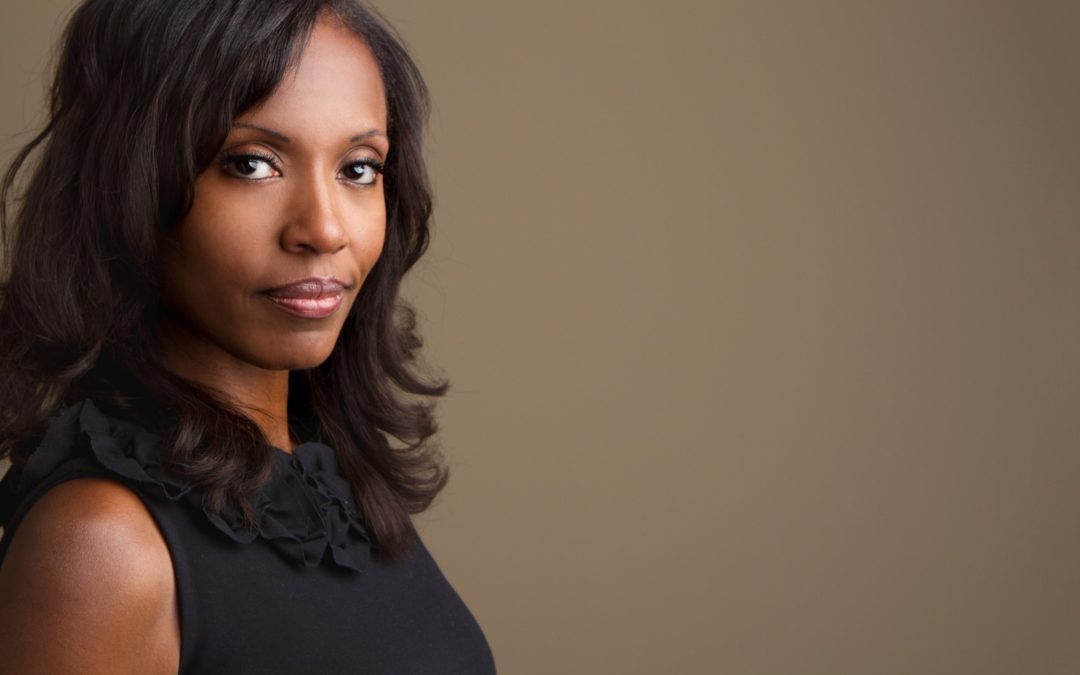
by Jonathan P-Wright | Jan 31, 2022 | Black Girl Magic, Black Owned Business, Business News, Latest, Trending |
Why Black Women Business Owners are Starting New ventures
Black women are taking the leap into entrepreneurship in record numbers. A new study reveals facts that showcase black women’s influence on the business world.
Black entrepreneurship in the USA
Roughly 5 million Black women own a business in this country. You are also more likely to own a business if you are part of this group. They are using different strategies – some participate in exporting companies, others one woman boutiques, some make custom clothing.
Reasons for this trend among black women
There are many reasons for this trend among black women to start new ventures. One of these is the possibility of increasing self-empowerment, leaving adverse environments, and controlling their own destinies to make changes. Another argument notes that African American women are impacting the economic system by increasing the understanding of entrepreneurship opportunities for entrepreneurship help.
How to quantify and counter stereotypes
As women, especially Black Women, who are business owners, frequently, it is their struggle to reconcile tradition with modernity and balance family responsibility with managing small businesses.
With this struggle comes the ever-present undermining of the idea that Black women like me can really make anything happen for themselves. Black women may experience racism, sexism, and other biases from gatekeepers in their industry.
They feel that not being taken seriously because of their race, ethnicity, or gender profoundly affects their self-esteem and confidence levels. Reading this blog content is very insightful. It covers all the major points in detail.
The article talks about how Black Women business owners are starting new ventures because they are labeled with stereotypes like “they don’t perform well,” which is inaccurate. They explain the importance of having numbers and statistics available to quantify and counter these stereotypes.
Statistics of successful black women
Black women are the least likely to start a business but are also among the most successful black women entrepreneurs. Some interesting statistics about this subset of entrepreneurs are that they found success other than traditional startups. They formed 9% of hair care business owners, 11% of cosmetic businesses, 8% of beauty supply company owners, and 7% of florists.
The intersection of gender and race
Black female entrepreneurs make up only 3% of all U.S. women business owners, yet they generate a disproportionately high percentage of the entrepreneurial output of the nation. However, most Black female entrepreneurs report that racial barriers impact their ability to do business and their perceptions of business opportunities.
Is Entrepreneurship the new civil rights movement?
I’ve mentioned the term ‘Silicon Valley of Black Women’s Business,’ and I think that ‘entrepreneurship is the new civil rights movement”. Entrepreneurship is supposed to be one of the paths out of poverty. Starting your own business gives people an incredible sense of pride, more self-determination, and often more money. Plus, it looks great on your résumé. For Black women, traditionally marginalized in the business world, entrepreneurship offers one path of empowerment not available to more privileged Americans, including white men.
This article was penned by Jonathan P. Wright. Jonathan is a freelance writer for multiple mainstream publications and CVO of RADIOPUSHERS. You can read more of his work by clicking here.

by Derrick T Lewis | Jun 1, 2021 | Black Girl Magic, Business News, Latest, Trending |
The Black Economic Alliance has teamed with Wells Fargo to launch a fund that aims to expedite the growth of black business owners and entrepreneurs. The project is known as the Alliance Entrepreneurs Fund or BEA fund.
This $50 million BEA fund will provide capital funding to small businesses that are founded by African Americans. Wells Fargo has also agreed to support this effort with a $20 million commitment over the course of the next five years.
Owning a business has proved to be one of the top ways to obtain generational wealth in America. However, too few African American entrepreneurs have been able to obtain the financial resources necessary to launch and sufficiently grow a business. The Black Economic Alliance powered by Wells Fargo will work to provide Black-owned businesses with the support needed to succeed, which will, in turn, result in the hiring of more Black workers and added investments into black communities and businesses.
The BEA powered by Wells Fargo will also reportedly recycle all of its returns to support the ongoing operations in black businesses.
Black businesses, in particular, have been hit hard by Covid-19. In a press conference, President Joe Biden made a statement reporting that 400,000 Black-owned businesses have shut down nationwide since the start of the pandemic.
The Black Economic Alliance powered by Wells Fargo will provide capital loans in exchange for an equity stake and will also offer straight loans to Black startups. The recipients of these loans and investments will be selected through an application process which will take place later this year. The BEA will accept applications from all eligible African American entrepreneurs.
This article was penned by Jonathan P. Wright. Jonathan is a freelance writer for multiple mainstream publications and CVO of RADIOPUSHERS. You can read more of his work by clicking here.

by Jonathan P-Wright | Aug 19, 2020 | Worldwide News |
Google CEO Sundar Pichai as of late swore $175 million toward supporting Black organizations. It just got simpler to look and discover Black-OWNED organizations on Google.



RECENT COMMENTS