by Jonathan P-Wright | Sep 20, 2024 | Latest, Music News, New Music Alert |
Image credit: DFree / Shutterstock.com
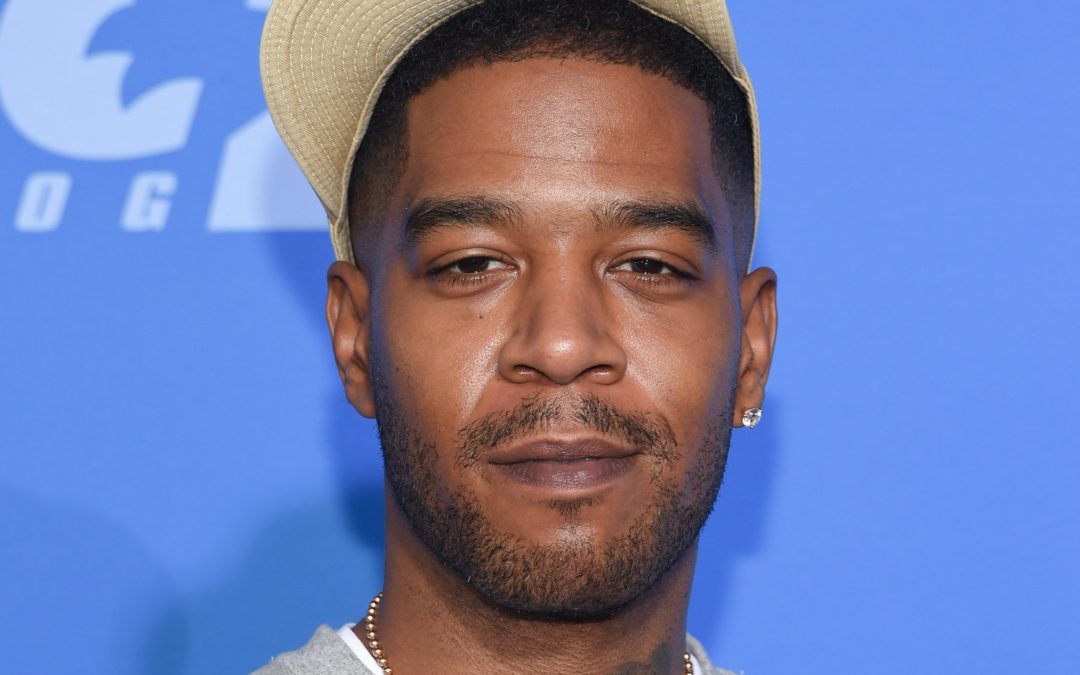
VideoIn a heartfelt homage to the city that embraced him, hip-hop maverick Kid Cudi has unveiled the music video for his latest track, “Don’t Worry,” featuring Chip Tha Ripper. The visuals, self-directed by Cudi, serve as an ode to his profound connection with New York City, a place he fondly refers to as his “second home.”
A Journey Through the Streets of New York
The video opens with a poignant message from the artist himself, setting the tone for the narrative that unfolds. “I moved to NY in 2004,” Cudi’s words appear on the screen. “Over the years, it became my second home. To the people of NY, this is my love letter to you. Thank you for always making me feel like family. I love you endlessly. Enjoy.”
From there, the visuals transport viewers on a captivating journey through the iconic streets of New York City, capturing the essence of the bustling metropolis that has played a pivotal role in shaping Cudi’s artistic identity.
Cinematic Collaboration with Brett Bushell
To bring his vision to life, Cudi enlisted the talents of Brett Bushell, a renowned cinematographer with whom he has forged a strong collaborative bond over the years. Bushell’s expertise in capturing the raw energy and grit of urban landscapes is evident throughout the video, as he seamlessly blends Cudi’s narrative with the pulsating heartbeat of the city.
A Reunion with Chip Tha Ripper
Adding an extra layer of nostalgia to the release, “Don’t Worry” features a guest appearance from Chip Tha Ripper, also known as King Chip. The two artists have a history of successful collaborations, including the RIAA-certified platinum hit “Just What I Am” from 2012, which solidified their creative chemistry.
Exploring Themes of Belonging and Artistic Growth
Throughout the visuals, Cudi weaves a tapestry of themes that resonate deeply with his artistic journey. The concept of belonging and finding a sense of home, even in the most unlikely of places, is a recurring motif. As he navigates the bustling streets, Cudi’s connection to the city is palpable, a testament to the transformative power of art and the ability to forge lasting bonds with places and people.
Moreover, the video serves as a celebration of Cudi’s artistic growth and evolution. From his humble beginnings as a newcomer in the city to his current status as a revered figure in the music industry, the visuals encapsulate the artist’s unwavering determination and resilience.
Tying It All Together: The Moon Man Comic Book Series
Coinciding with the release of “Don’t Worry” is the fourth issue of Cudi’s highly anticipated “Moon Man” comic book series. The series, which debuted in January, has been receiving bimonthly installments, culminating in the September 25th release of issue No. 4. Fans can look forward to the fifth issue, slated for an October 16th release, further expanding the immersive narrative universe crafted by Cudi.
A Multifaceted Artistic Expression
Through the “Don’t Worry” music video and the “Moon Man” comic book series, Kid Cudi continues to push the boundaries of artistic expression. His ability to seamlessly blend music, visuals, and storytelling is a testament to his versatility and unwavering commitment to creating art that resonates on multiple levels.
Celebrating New York City’s Embrace
At its core, the “Don’t Worry” music video is a heartfelt celebration of the city that embraced Cudi and provided him with a canvas to unleash his creativity. From the gritty streets to the towering skyscrapers, the visuals capture the essence of New York City’s indomitable spirit, a spirit that has undoubtedly influenced and shaped Cudi’s artistic journey.
A Lasting Connection and Gratitude
As the video draws to a close, Cudi’s message of gratitude and love for the city resonates profoundly. His words, “Thank you for always making me feel like family. I love you endlessly,” encapsulate the depth of his connection with New York City and the lasting impact it has had on his life and art.
A Reflection on Artistic Journeys and Finding Home
The “Don’t Worry” music video serves as a poignant reminder that artistic journeys are often intertwined with the places and people that shape our experiences. For Kid Cudi, New York City has been more than just a backdrop; it has been a catalyst for his creative growth, a sanctuary where he has found solace and inspiration.
Through his music and visuals, Cudi invites viewers to embark on a introspective journey, encouraging them to embrace the unexpected paths that life may present and to find beauty in the connections forged along the way.
A Celebration of Authenticity and Nonconformity
Underpinning the “Don’t Worry” music video is a celebration of authenticity and nonconformity, values that have been at the core of Kid Cudi’s artistic ethos. By embracing his unique perspective and refusing to conform to societal norms, Cudi has carved out a distinct path, inspiring countless others to embrace their individuality and pursue their passions fearlessly.
A Lasting Legacy and Continued Artistic Evolution
As Kid Cudi continues to push boundaries and explore new creative avenues, the “Don’t Worry” music video stands as a testament to his enduring legacy and unwavering commitment to artistic growth. With each release, he invites his audience to join him on a journey of self-discovery, challenging them to embrace their authentic selves and find solace in the unexpected.

by Jonathan P-Wright | Sep 13, 2024 | Latest, Music News, New Music Alert |
Photo by Aditya Chinchure on Unsplash
Renowned for his audacious artistry and unwavering individuality, Don Toliver has once again etched his name into the annals of music history with the unveiling of his fourth studio album, ‘HARDSTONE PSYCHO.’ This 16-track masterpiece, released mere days after the artist’s 30th birthday, is a testament to his relentless pursuit of creative excellence and his uncanny ability to push boundaries.
A Star-Studded Collaboration Extravaganza
‘HARDSTONE PSYCHO’ is a collaborative tour de force, boasting an impressive roster of featured artists who have left an indelible mark on the project. From the legendary Travis Scott to the inimitable Future, and from the enigmatic Kodak Black to the rising star Teezo Touchdown, this album is a veritable melting pot of musical prowess.
The album’s tracklist is a captivating journey through a diverse array of sonic landscapes, each track offering a unique perspective on Toliver’s artistic vision. The lead singles, “BANDIT,” “DEEP IN THE WATER,” and “ATTITUDE,” have already garnered widespread acclaim, whetting the appetite of fans for what promises to be an unforgettable auditory experience.
Of particular note is “ATTITUDE,” a sensual drill offering that features the iconic Charlie Wilson and the talented Cash Cobain. With lyrics that exude confidence and allure, Toliver croons:
The accompanying music video for “ATTITUDE” further cements Toliver’s commitment to storytelling, with a captivating biker gang theme that permeates the album’s visual campaign.
Exploring Inspiration: Disco Fever and the King of Pop
In a candid conversation with Apple Music’s Ebro Darden, Toliver shed light on the inspiration behind his previous album, ‘Love Sick.’ He revealed that the project was heavily influenced by the disco era and the legendary Michael Jackson, whose presence at Studio 54 ignited Toliver’s creative spark.
During the same interview, Toliver expressed his admiration for another musical luminary, the inimitable Pharrell Williams. He praised Williams’ ability to maintain a sense of authenticity and longevity throughout his illustrious career, stating:
Toliver’s journey to stardom has been a remarkable one, with his affiliation with the esteemed Cactus Jack collective serving as a launchpad for his meteoric rise. In 2023, he blessed the masses with ‘Love Sick,’ a critically acclaimed effort that debuted within the top 10 of the prestigious Billboard 200 chart.
Embracing the Future: A Fearless Artistic Vision
As Don Toliver continues to captivate audiences worldwide with his boundary-pushing artistry, one thing is certain: his unwavering commitment to fearless self-expression and his unwillingness to conform to societal norms will continue to propel him to new heights. ‘HARDSTONE PSYCHO’ is a testament to his artistic prowess, and it promises to be the catalyst for a new era of musical exploration and creative triumphs.
The Toliver Phenomenon: Resonating with a New Generation
Don Toliver’s music resonates deeply with a new generation of listeners who crave authenticity, individuality, and a bold artistic vision. His ability to seamlessly blend genres, push creative boundaries, and weave compelling narratives has earned him a dedicated following of fans who eagerly anticipate each new release.
At the core of Toliver’s appeal lies his ability to connect with young audiences through relatable storytelling. His lyrics paint vivid portraits of modern life, capturing the hopes, fears, and aspirations of a generation that yearns for self-expression and personal freedom.
Toliver’s music is a rallying cry for those who refuse to be confined by societal expectations or conventional norms. His unapologetic embrace of nonconformity and his unwavering commitment to artistic integrity have inspired countless fans to embrace their unique identities and forge their own paths.
The Power of Collaboration: Elevating the Artistic Experience
One of the defining characteristics of ‘HARDSTONE PSYCHO’ is its emphasis on collaboration. By joining forces with a diverse array of talented artists, Toliver has created a sonic tapestry that transcends genre boundaries and offers a truly immersive listening experience.
The album’s tracklist is a testament to Toliver’s willingness to explore new sonic territories and push the boundaries of what is possible in music. From the hard-hitting drill beats to the sultry R&B melodies, ‘HARDSTONE PSYCHO’ is a fusion of styles that defies categorization.
For Don Toliver, artistic evolution is a continuous journey, and ‘HARDSTONE PSYCHO’ represents a significant milestone in his creative development. With each release, he challenges himself to explore new depths of his artistry, constantly pushing the boundaries of what is possible in music.
Conclusion: A Lasting Legacy in the Making
As Don Toliver continues to captivate audiences with his fearless artistry and unwavering commitment to self-expression, it is clear that he is carving out a lasting legacy in the music industry. ‘HARDSTONE PSYCHO’ is a testament to his talent, his vision, and his unwavering determination to create art that resonates with a new generation of listeners. With his unique blend of storytelling, genre-bending sounds, and authentic narratives, Don Toliver is poised to inspire and influence the music landscape for years to come.
by Jonathan P-Wright | Sep 13, 2024 | Latest, Music News, New Music Alert |
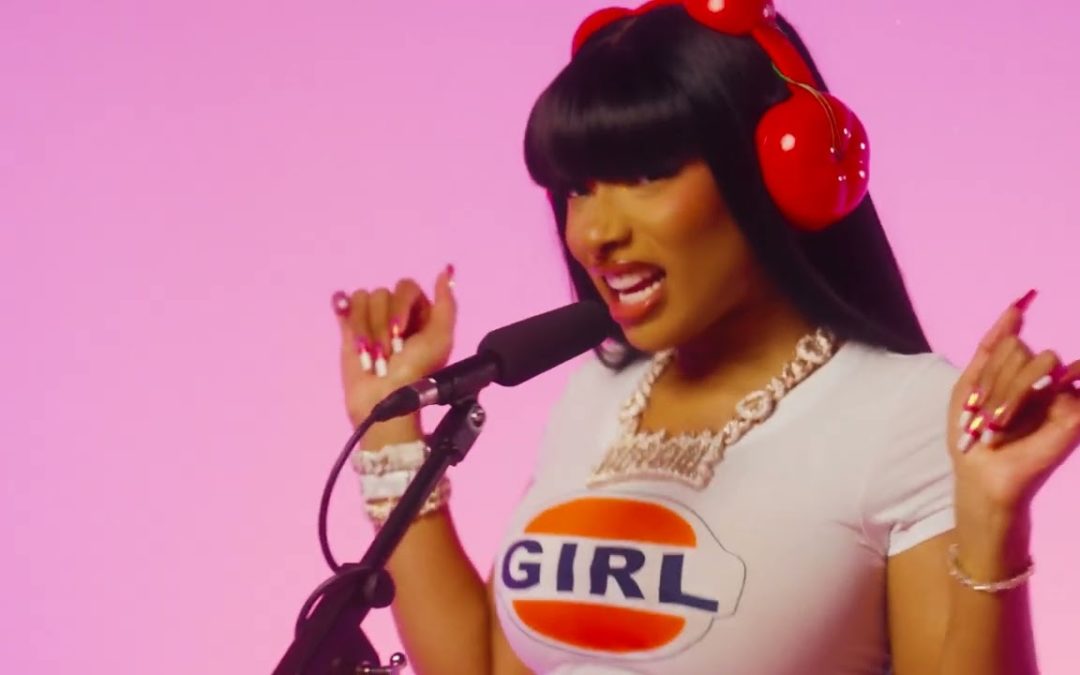
The music world has been set ablaze with the release of Megan Thee Stallion’s fiery new freestyle visual, “I Think I Love Her Freestyle.” This explosive offering from the Houston-based rapper serves as the inaugural installment of her highly anticipated #MeganMonday series, leaving fans eagerly awaiting what’s next from the chart-topping sensation.
Megan’s Lyrical Prowess on Full Display
In this electrifying freestyle, Megan Thee Stallion showcases her unparalleled lyrical dexterity, delivering hard-hitting bars that cement her status as a force to be reckoned with in the rap game. Spitting rhymes over the iconic instrumental of Gucci Mane’s 2008 hit “I Think I Love Her,” the Grammy-winning artist effortlessly commands the track, flexing her lyrical muscles with a captivating flow and razor-sharp wordplay.
Her verses are a potent blend of braggadocious swagger and unapologetic confidence, as she fearlessly proclaims her dominance in the industry. With lines like “Show a new b**ch that ain’t Megan coded, show a beat I was on and ain’t rode it,” she leaves no doubt about her unrivaled skills and unwavering determination to stay at the top of her game.
The Visuals: A Vibrant Spectacle
Complementing the fiery lyrics is a visually stunning music video that captures the essence of Megan Thee Stallion‘s magnetic persona. Directed with a keen eye for detail, the visuals are a vibrant spectacle, featuring the rapper delivering her bars against a striking pink backdrop that demands attention.
The simplicity of the single-shot visual allows Megan’s commanding presence and lyrical prowess to take center stage, ensuring that every word hits with maximum impact. Her confidence and charisma radiate through the screen, captivating viewers and solidifying her status as a true entertainer.
Megan’s Unstoppable Rise to Stardom
Megan Thee Stallion’s meteoric rise to stardom has been nothing short of remarkable. From her humble beginnings in Houston’s rap scene to becoming a global phenomenon, her journey has been fueled by an unwavering dedication to her craft and an uncompromising commitment to authenticity.
With chart-topping hits like “Savage” and “Hot Girl Summer,” Megan has proven time and again that she possesses the rare ability to blend infectious melodies with hard-hitting lyrics, creating a sound that resonates with audiences across the globe.
The Hotties’ Anticipation Reaches Fever Pitch
As the release of “I Think I Love Her Freestyle” ignites the anticipation of Megan Thee Stallion’s devoted fanbase, affectionately known as the Hotties, the excitement surrounding her upcoming projects is palpable. With the “Hot Girl Summer Tour” featuring GloRilla as the opening act just around the corner, fans in North America and Europe are gearing up for an unforgettable live experience.
Moreover, the promise of a new album, which Megan herself teased during an interview on “Good Morning America,” has sent shockwaves through the music community. “This is gonna be the first time that I drop an album on time for the summer,” she revealed, adding, “I do wanna give the Hotties the Megan Thee Stallion experience.”
Megan’s Impact on Hip-Hop and Beyond
Megan Thee Stallion’s impact on the music industry extends far beyond her chart-topping hits and record-breaking achievements. As a powerful voice for women’s empowerment and a champion of body positivity, she has inspired countless individuals to embrace their authentic selves and celebrate their unique identities.
Her unapologetic confidence and unwavering self-belief have resonated with fans worldwide, challenging societal norms and inspiring others to break free from the shackles of conformity. Through her music and her actions, Megan Thee Stallion has become a beacon of hope for those seeking to live their truth and embrace their individuality.
The Future Looks Bright for Megan Thee Stallion
As the “I Think I Love Her Freestyle” visual continues to captivate audiences worldwide, it’s clear that Megan Thee Stallion’s star is only continuing to rise. With her undeniable talent, infectious energy, and unwavering dedication, she is poised to cement her legacy as one of the most influential and groundbreaking artists of her generation.
Whether she’s dominating the charts, setting stages ablaze with her electrifying performances, or using her platform to inspire and empower others, Megan Thee Stallion continues to blaze a trail that is all her own. The future looks incredibly bright for this unstoppable force, and the music world eagerly awaits the next chapter in her extraordinary journey.
Megan’s Unmatched Artistry and Authenticity
At the core of Megan Thee Stallion’s success lies her unmatched artistry and unwavering commitment to authenticity. From her captivating lyricism to her magnetic stage presence, every aspect of her craft is imbued with a raw, unapologetic honesty that resonates deeply with her fans.
Her music is a fearless exploration of her lived experiences, her struggles, and her triumphs, delivered with a vulnerability that is both disarming and empowering. Whether she’s delving into themes of self-love, resilience, or the complexities of modern relationships, Megan’s lyrics strike a chord with listeners, offering a relatable and empowering narrative that transcends boundaries.
Megan’s Cultural Impact and Influence
Megan Thee Stallion’s influence extends far beyond the realms of music, as she has become a cultural icon and a force for positive change. Her unwavering commitment to empowering women and promoting body positivity has inspired countless individuals to embrace their authentic selves and challenge societal norms.
Through her music, her activism, and her unapologetic presence, Megan has become a beacon of hope for those seeking to break free from the shackles of conformity and live their truth. Her impact is felt across various platforms, from social media to mainstream media, where her voice resonates with a clarity and conviction that demands attention and inspires action.
The Evolution of Megan Thee Stallion’s Sound
As Megan Thee Stallion continues to push the boundaries of her artistry, her sound has undergone a remarkable evolution, reflecting her growth as an artist and her willingness to explore new creative territories. From her early days as a rising star in the Houston rap scene to her current status as a global phenomenon, Megan’s musical journey has been marked by a constant pursuit of innovation and experimentation.
With each new release, she seamlessly blends genres and styles, infusing her music with elements of hip-hop, R&B, and pop, creating a unique sonic tapestry that defies categorization. Her ability to effortlessly navigate between hard-hitting bars and infectious melodies has solidified her position as a versatile and genre-defying artist, captivating audiences with her boundless creativity and artistic vision.
Megan’s Collaborative Spirit and Influence
One of the hallmarks of Megan Thee Stallion’s success is her collaborative spirit and her ability to elevate the artists she works with. Whether she’s joining forces with fellow rap titans or lending her talents to pop superstars, Megan’s presence on a track is a surefire recipe for success.
Her collaborations are not merely artistic partnerships but also opportunities for mutual growth and creative exploration. By combining her unique perspective and undeniable talent with the strengths of her collaborators, Megan has consistently delivered chart-topping hits that resonate with audiences across the globe.
Moreover, her influence extends beyond the music industry, as she has become a sought-after voice in various spheres, from fashion to activism. Her willingness to lend her platform to causes she believes in and her unwavering commitment to using her voice for positive change have solidified her status as a true cultural icon.
The “Hot Girl Summer Tour” and Global Domination
As Megan Thee Stallion gears up for her highly anticipated “Hot Girl Summer Tour,” the excitement among fans is reaching fever pitch. With GloRilla as the opening act, this tour promises to be a unforgettable celebration of female empowerment, artistic expression, and unapologetic confidence.
The tour’s North American and European legs will give fans across the globe the opportunity to witness Megan’s electrifying live performances and experience the infectious energy that has made her a global phenomenon. From sold-out arenas to intimate club shows, Megan’s presence on stage is a force to be reckoned with, captivating audiences with her dynamic stage presence and undeniable charisma.
Moreover, the “Hot Girl Summer Tour” represents a significant milestone in Megan’s journey toward global domination. As she continues to conquer new territories and expand her fanbase, she solidifies her position as a true superstar, transcending genres and cultural boundaries with her universal appeal and undeniable talent.
by Jonathan P-Wright | Sep 6, 2024 | Latest, Music News, New Music Alert |
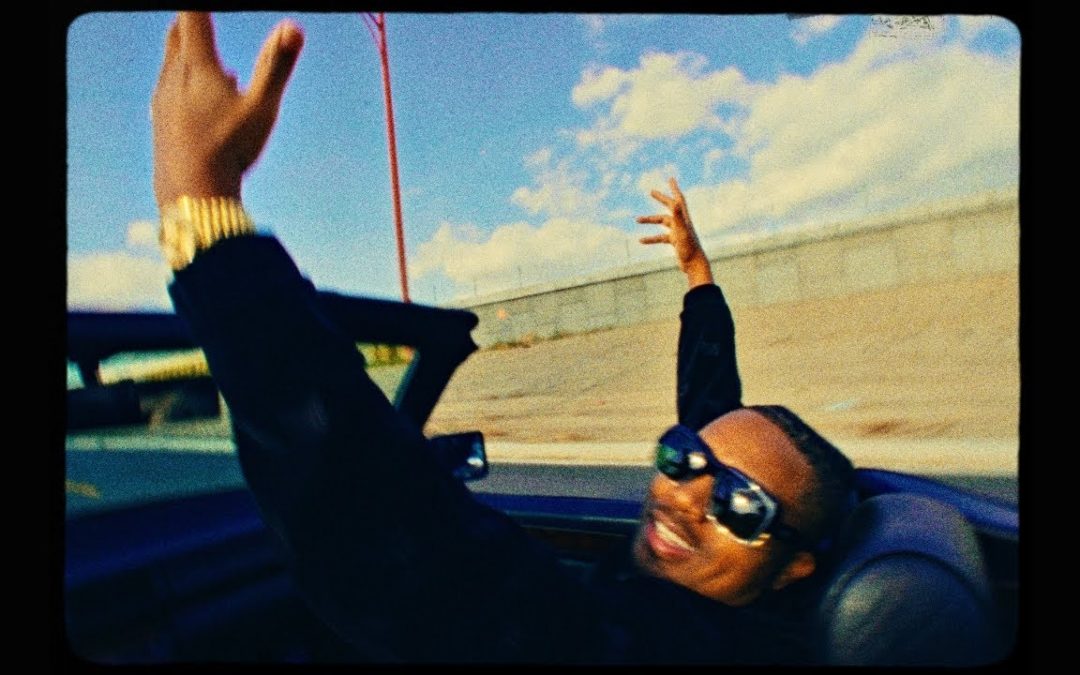
Legendary rapper Nas has once again proved his enduring relevance in the hip-hop realm with the release of his latest music video for the track “I Love This Feeling.” This cinematic offering serves as a testament to the artist’s unwavering presence and creative prowess, taking viewers on an immersive journey through his multifaceted world. From the opening frames that showcase his effortless command of a sleek Mercedes-Benz to the thought-provoking scenes set in a classroom, Nas commands attention with every meticulously crafted sequence.
A Masterful Blend of Lyricism and Visuals
The “I Love This Feeling” video, directed by the talented Leff, is a captivating narrative that mirrors the introspective lyrics found in the song itself. Nas’ poetic wordplay is a true embodiment of his artistic evolution, seamlessly blending his street-savvy roots with a refined, intellectual perspective. The lyrics, such as “A ghetto symphony, I’m Chief Keef Cozart mixed with Mozart, it’s ill when you get bags for your own art,” resonate with a profound depth, showcasing his ability to weave together seemingly disparate elements into a cohesive, thought-provoking tapestry.
Nas’ Enduring Presence in Hip-Hop
Since his groundbreaking debut album, “Illmatic,” hit the scene in 1994, Nas has been a force to be reckoned with in the hip-hop landscape. His unwavering dedication to his craft and his ability to adapt and evolve with the times have solidified his status as a true luminary in the genre. With each successive release, Nas has consistently pushed the boundaries of what hip-hop can achieve, cementing his place as a cultural icon and a source of inspiration for generations of artists.
The Enduring Relevance of “I Love This Feeling”
The release of “I Love This Feeling” serves as a testament to Nas’ enduring relevance and his ability to captivate audiences with his unique blend of lyricism and visual storytelling. The track, taken from his sixth joint release with producer Hit-Boy, “Magic 3,” showcases the synergy and creative chemistry that has defined their collaborative efforts.
In the first episode of their “The Final Act” series, Nas spoke candidly about his close relationship with Hit-Boy, stating, “For me, there’s an emotional moment because to complete something beyond what you thought you were even working on… We didn’t know we’d do six albums. So to be at this point, it’s satisfying, it’s gratifying, it’s a feeling of accomplishment on another level for myself as an emcee, and I’m lucky enough to work with some of the greatest producers in the world.”
Nas’ Artistic Evolution: A Journey Through Time
Nas’ artistic journey has been a remarkable one, spanning decades and encompassing a diverse range of influences and experiences. From his early days as a lyrical prodigy in the streets of Queensbridge to his current status as a revered elder statesman of hip-hop, his evolution has been a testament to his unwavering commitment to his craft.
The Illmatic Era: A Groundbreaking Debut
In 1994, the release of Nas’ debut album, “Illmatic,” shook the hip-hop world to its core. Hailed as a masterpiece by critics and fans alike, the album showcased Nas’ raw talent and his ability to paint vivid portraits of urban life with his intricate wordplay and storytelling prowess. Songs like “N.Y. State of Mind” and “The World Is Yours” became instant classics, cementing Nas’ place in the pantheon of hip-hop greats.
Crafting a Legacy: Nas’ Subsequent Albums
Following the critical and commercial success of “Illmatic,” Nas continued to push the boundaries of hip-hop with a string of influential albums. From the socially conscious themes of “It Was Written” to the introspective musings of “I Am…,” each release showcased Nas’ growth as an artist and his willingness to tackle complex issues with his trademark lyricism.
Throughout his career, Nas has collaborated with some of the most renowned producers and artists in the industry, including DJ Premier, Kanye West, and Damian Marley, among others. These collaborations have not only expanded his creative horizons but have also solidified his status as a versatile and influential force in hip-hop.
Embracing Reinvention: Nas in the Modern Era
As the hip-hop landscape has evolved, Nas has remained steadfast in his commitment to reinventing himself and staying relevant. His recent collaborations with Hit-Boy, culminating in the “Magic 3” album, showcase his ability to seamlessly blend his classic sound with contemporary production techniques and styles.
The “I Love This Feeling” video is a testament to Nas’ ability to captivate audiences across generations, blending his trademark lyricism with stunning visuals that resonate with both longtime fans and newcomers to his artistry.
The Enduring Legacy of Nas
As Nas continues to push the boundaries of hip-hop, his enduring legacy as a pioneer and innovator in the genre becomes increasingly solidified. His influence can be seen in the work of countless artists who have been inspired by his lyrical prowess, his fearless exploration of complex themes, and his unwavering commitment to his craft.
Inspiring Future Generations
Nas’ impact extends far beyond the realm of music; he has become a cultural icon and a source of inspiration for generations of young people seeking to find their voice and tell their stories. Through his art and his activism, he has championed causes ranging from social justice to education, using his platform to shed light on important issues and inspire positive change.
A Lasting Imprint on Hip-Hop Culture
As Nas continues to create and evolve, his lasting imprint on hip-hop culture becomes increasingly indelible. His music has transcended boundaries, resonating with audiences across the globe and cementing his status as a true icon of the genre.
Whether through his groundbreaking albums, his captivating music videos, or his tireless efforts to uplift and inspire others, Nas has left an indelible mark on the hip-hop landscape – a mark that will continue to inspire and influence generations of artists and fans for years to come.

by Jonathan P-Wright | Sep 6, 2024 | Latest, Music News, New Music Alert |
In the realm of hip-hop, certain artists transcend mere musical success and become cultural icons, their impact reverberating through generations. Juvenile, the New Orleans-bred rapper, is one such legend whose influence has left an indelible mark on the industry. As 2023 marks the 25th anniversary of his seminal album, ‘400 Degreez,’ fans worldwide have been treated to a deluxe edition and, most recently, a long-awaited music video for the project’s titular track.
The Album That Ignited a Movement
Released on November 3, 1998, ‘400 Degreez’ was more than just an album; it was a seismic shift in the hip-hop landscape. Backed by the powerhouse label Cash Money Records, Juvenile’s third studio effort propelled him and his crew into the national spotlight, solidifying their place as trailblazers in the game.
With its raw, uncompromising lyrics and infectious beats, ‘400 Degreez’ captured the essence of the streets, resonating with listeners from all walks of life. The album’s success was unprecedented, achieving a remarkable four-times platinum certification and selling an impressive four million copies, cementing its status as Juvenile’s best-selling solo project to date.
The Long-Awaited Visual Masterpiece
As the album’s legacy continues to reverberate, Juvenile has treated fans to a long-overdue visual treat – a music video for the iconic title track, “400 Degreez.” Directed by the acclaimed Diesel Films, the four-minute clip is a masterful blend of performance shots and cinematic scenes that bring the song’s gritty lyrics to life.
The video opens with a powerful message, reminding viewers of the album’s groundbreaking impact and its enduring relevance in Juvenile’s illustrious career. As the camera pans across the New Orleans legend, the visuals seamlessly transition between Juvenile’s electrifying performances and vivid depictions of the harsh realities he so eloquently conveyed in his rhymes.
Mannie Fresh: The Architect Behind the Beats
No discussion of ‘400 Degreez’ would be complete without acknowledging the genius of Mannie Fresh, the producer who crafted the album’s iconic beats. Fresh’s presence in the music video is a testament to his invaluable contribution, as his distinctive sound played a pivotal role in shaping the project’s overall aesthetic.
From the hard-hitting drums to the infectious melodies, Fresh’s production prowess is on full display, perfectly complementing Juvenile’s raw lyricism and solidifying their partnership as one of the most formidable forces in hip-hop history.
Juvenile: A Timeless Icon
In a recent interview with Billboard, Juvenile reflected on his longevity in the music industry, expressing gratitude for his enduring relevance and the lasting impact of his music. “I’m grateful for the fact that I’ve been in the music industry for 20-plus years and I’m still here,” he shared. “I don’t think I’ll be going anywhere, especially when it comes down to doing shows. I got classics. I had trendsetting classics and I was part of a movement. Not just one album. I was part of a movement with multiple albums and multiple hits.”
Juvenile’s words ring true, as his influence extends far beyond the confines of a single project. From his trendsetting style to his unparalleled lyrical prowess, he has left an indelible mark on the hip-hop landscape, inspiring countless artists and shaping the genre’s evolution.
The Deluxe Edition: Revisiting a Classic
As if the unveiling of the “400 Degreez” music video wasn’t enough, fans have been treated to an even greater gift – a deluxe edition of the iconic album, set for release on March 29th. This special edition promises to transport listeners back to the era that birthed a cultural phenomenon, with the inclusion of two previously unreleased tracks, “Party” and “We Be Blowing Money.”
With the deluxe edition, fans can relive the magic of ‘400 Degreez’ while experiencing a fresh perspective on the album’s timeless sound. It’s a testament to the enduring power of Juvenile’s artistry and a reminder that true classics never fade, but rather evolve and captivate new generations of listeners.
The Legacy Continues
As Juvenile’s legacy continues to unfold, the release of the “400 Degreez” music video and the upcoming deluxe edition serve as powerful reminders of his indelible impact on the hip-hop community. From the gritty streets of New Orleans to the global stage, Juvenile’s journey has been one of resilience, authenticity, and unwavering artistic expression.
With each new milestone, the legend of Juvenile grows, inspiring artists and fans alike to embrace their individuality and fearlessly pursue their passions. As the world celebrates the 25th anniversary of ‘400 Degreez,’ one thing is certain: Juvenile’s influence will continue to reverberate through the ages, solidifying his status as a true icon of the hip-hop genre.
The Art of Storytelling in Hip-Hop
Hip-hop has long been celebrated as a powerful medium for storytelling, and Juvenile’s ‘400 Degreez’ stands as a shining example of this art form. Through his raw and uncompromising lyrics, the New Orleans rapper painted vivid portraits of life on the streets, capturing the struggles, triumphs, and resilience of a community often overlooked.
The album’s title track, “400 Degreez,” is a masterclass in storytelling, with Juvenile weaving intricate narratives that transport listeners directly into the heart of his world. Each verse is a tapestry of gritty details, from the sights and sounds of the neighborhood to the harsh realities of survival in an unforgiving environment.
The Art of Music Video Storytelling
In the ever-evolving landscape of music, the art of storytelling has taken on new forms, with music videos emerging as a powerful medium for artists to bring their narratives to life. Juvenile’s long-awaited music video for the iconic “400 Degreez” is a testament to the power of visual storytelling, transporting viewers into the gritty world that inspired the album’s raw lyricism.
The Power of Collaboration
One of the key strengths of the “400 Degreez” music video lies in the seamless collaboration between Juvenile and the creative team behind the visuals. From the director’s vision to the contributions of the cinematographers, editors, and set designers, the project is a testament to the power of collective artistry.
This collaborative approach is evident in the way the visuals complement and enhance Juvenile’s performance, creating a cohesive and immersive experience that transcends the boundaries of a traditional music video. The synergy between the audio and visual elements allows the narrative to unfold organically, drawing viewers deeper into the world of ‘400 Degreez’ with each passing frame.


RECENT COMMENTS