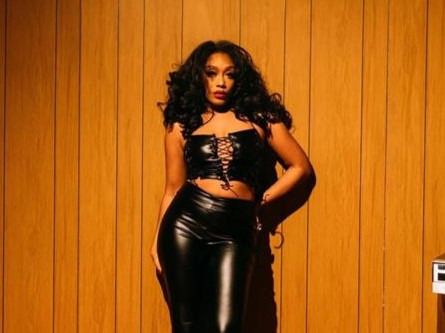
There are singers who can hold a note… and then there are artists who can hold a moment.JaQuandice is the rare kind of storyteller whose voice doesn’t just slide through the speakers — it lands in your chest like something you’ve lived before. She doesn’t sing like she’s trying to convince the world she’s special. She sings like she already knows she is, and she’s letting the world catch up at its own pace.
She’s not here to decorate the room with pretty vocals. She’s here to transform the room. The way she takes love, heartache, confusion, longing, and that quiet emotional tension people don’t know how to explain… and molds it into music is completely mind-blowing. Not because it’s dramatic. Not because it’s forced. But because it’s real — and real always feels cinematic when it’s told the right way.
And right now, JaQuandice is back with a new sound that feels like a game-changer on every level. This isn’t a rebrand. This is an elevation. A bigger atmosphere. A clearer identity. A sharper pen. A deeper presence. The kind of return that makes listeners sit up mid-scroll like, wait… who is THIS?
This is that moment.
This is that era.
This is RESULTSANDNOHYPE Magazine energy.
Atlanta Raised, Built With Discipline
Atlanta doesn’t just create artists — it creates pressure-tested greatness. It’s a city that teaches you how to move with confidence, how to stand out without yelling, how to survive the noise and still keep your signature. Atlanta shapes creators who understand that talent alone isn’t enough. You need performance. You need identity. You need stamina. You need presence. You need a message.
JaQuandice carries that Atlanta DNA in a way you can feel immediately. Born and raised in Atlanta, Georgia, she isn’t just a singer — she’s a singer-songwriter, a choreographer, and a creative director. That matters because she doesn’t think like someone who’s only focused on sound. She thinks like someone who’s building a full world around her artistry — a world where the music, the visuals, the movement, and the emotional truth all speak the same language.
That type of artistry doesn’t happen by accident. It happens when you’re committed to being more than a “song.” It happens when you understand that the culture doesn’t only listen… the culture watches. The culture feels. The culture remembers.
And JaQuandice is the kind of artist the culture remembers.
The Origin Story — Before the World Was Listening
Her musical journey began in 2010 during high school — before algorithms decided what mattered, and before “going viral” was a plan. That early start is important because it tells you this is bigger than a moment for her. She didn’t wake up one day and decide to become an artist because it looked fun. She grew inside the craft. She developed inside the discipline. She evolved through the time it takes to become undeniable.
By 2016, she was already sharpening her voice online, releasing covers on SoundCloud — including remakes of 6lack’s “PRBLMS” and 50 Cent ft. Chris Brown’s “I’m the Man.” Those choices weren’t random. They were early proof that she could step into two completely different emotional worlds and still sound authentic in both. That’s range. That’s versatility. That’s identity forming in real time.
Then in 2017, JaQuandice released her debut single “Top Back,” introducing the world to her signature blend of smooth vocals, honest lyricism, and a confident flow that made it clear she wasn’t here to be boxed into one lane. She was building something nostalgic and fresh at the same time — something that could hold R&B softness while still walking with modern-day energy.
That’s what makes her story powerful.
She didn’t skip steps.
She became the artist.
The JaQuandice Signature: 90s Soul… With Today’s Rhythm
Some artists make nostalgic music like they’re trying to cosplay an era. JaQuandice does something completely different. Her sound doesn’t feel like “throwback” — it feels like inheritance. Like she naturally carries the spirit of the golden era of ‘90s R&B in her DNA, but she’s not stuck in the past. She’s simply bringing the timeless parts forward and giving them today’s bounce, cadence, and emotional honesty.
Her tones are soft and soulful, but never weak. They feel luxurious, but still raw. The way she transitions between singing and rapping is effortless — like she speaks emotion in multiple dialects. One second she’s floating, the next second she’s telling the truth with her chest. That’s not a gimmick. That’s actual skill. And it’s rare.
This is the kind of sound that transports you. It puts you in the room with her. It makes you feel like her voice is a memory and a prophecy at the same time.
JaQuandice doesn’t just make music that sounds good.
She makes music that feels like life.
Female Empowerment Without Loudness
There’s a specific type of power JaQuandice carries — and it’s not the kind that screams. It’s the kind that stands there calmly and makes you adjust your posture. It’s the kind of feminine energy that doesn’t have to argue. It doesn’t have to prove. It simply exists as truth.
Her writing doesn’t romanticize chaos. It doesn’t worship toxicity. It doesn’t frame heartbreak as a weakness. Instead, her music sounds like a woman who has survived enough to know what she deserves — and she’s not negotiating with her own standards anymore.
She’s soft, but she’s not fragile.
She’s romantic, but she’s not naive.
She’s vulnerable, but she’s not weak.
That’s a dangerous combination — because it’s real.
“How To Love” Isn’t a Song… It’s a Standard
JaQuandice’s featured record “How To Love” doesn’t feel like a typical R&B love song. It feels like a woman standing in her truth, offering something rare… and making it clear that not everybody qualifies to receive it.
This record isn’t just about attraction. It’s about the discipline of love. It’s about patience. It’s about emotional maturity. It’s about what happens when someone is tired of guessing and finally decides to bring clarity to the room.
JaQuandice doesn’t sing this song like she’s begging someone to stay.
She sings it like she’s saying, if you’ve never had real love… I can show you what it’s supposed to be.
That is power.
That is female empowerment in music form.
Heavy Rotation: 99.7 DA HEAT MIAMI Is Spinning It 4 Times a Day
Right now, “How To Love” is in heavy rotation on99.7 DA HEAT MIAMI, playing four times a day and putting JaQuandice in front of real listeners who actually care about R&B. This isn’t a “maybe.” This is broadcast validation — the kind that separates artists who live only online from artists whose music is beginning to live in the real world.
If you’re tapped into the station ecosystem, make sure you follow the official Instagram page @997DAHEATMIAMIOFFICIAL so you can stay plugged into everything they’re pushing in real time.
JaQuandice is not just being heard.
She’s being broadcast.
Tap In With JaQuandice Now
If you love R&B that feels like a story instead of a trend, this is the exact moment to lock in withJaQuandice while the era is unfolding in real time. Stream her official catalog onApple Music and hear the evolution for yourself — because this is not a “new artist trying.” This is a storyteller arriving.
And if you want to experience the broadcast energy behind this moment, tune into99.7 DA HEAT MIAMI — where “How To Love” is currently in heavy rotation, and JaQuandice’s mix show R&B X Supreme is building a premium lane for the genre.
Final Word: This Is Not a Comeback — This Is an Arrival
JaQuandice is not chasing attention.
She’s building legacy.
She’s stepping into her full power with a sound that feels nostalgic and futuristic at the same time — soft enough to heal you, bold enough to wake you up, and honest enough to feel like your own story.
With “How To Love” spinning four times a day on99.7 DA HEAT MIAMI, and her voice becoming part of the iHeartRadio ecosystem, the message is clear: she’s not just an artist you should watch… she’s an artist you should respect.
The Joe Budden Podcast is where hip-hop’s biggest conversations become smarter, funnier, and more accountable. Joe and the crew treat the culture like a living institution—balancing humor with rigor, and barbershop energy with newsroom discipline. When they publish, discourse shifts. If you want the pulse, you lock in here.
Do the smart thing: watch the Joe Budden Podcast on YouTubehere and tap in with the conversation firsthand.
A Masterclass In Long-Form Storytelling
In a clip-drunk era, JBP doubles down on depth. The pacing lets arguments breathe, lets context build, and gives artists/industry figures fair treatment. That’s why episodes have replay value and clips travel—substance first, virality second.
Fresh From Ep. 856 “Pillow Talk”
This week’s drop crystallizes the show’s range. The room unpacks Young Thug interrogation clips and what they mean for Atlanta’s future (30:09, 56:38), debates “pillow talking” etiquette after an off-mic dust-up (1:15:00), and reacts to Cardi B’s testimony (1:34:00). Joe weighs in on the Jussie Smollett documentary (1:44:19); there’s programming talk with Funk Flex’s Hot 97 timeslot change (1:56:21); then new-music energy with Joey Bada$$ & Westside Gunn album drops (2:09:48). Late-episode gems include Joe calling Kehlani’s “Folded” the R&B song of the summer (2:52:55), a Mario remix reaction (2:55:05), and quick-hit cultural notes from ILoveMakonnen turning chef (3:01:28) to Cracker Barrel’s logo tweak (3:07:57) and a heated Micah Parsons trade debate (3:12:40). (Apple Podcasts)
Network Vision, Creator Integrity
The Joe Budden Podcast Network proves creator-owned media can scale without losing its voice. Independence keeps the takes fearless; editorial consistency keeps the trust.
Why You Should Hit Play Today
If you’re an artist, manager, journalist, or fan who wants context—not clickbait—this episode is required listening. It’s funny, layered, and rooted in love for the craft.
Call to Action: Lock in with the episode and watch on YouTubehere. Share a timestamp, argue your take, keep the discourse honest.
In a world overflowing with content, standing out isn’t easy. Yet hip-hop veterans Fat Joe and Jadakiss have managed to launch one of the most impactful new shows in podcasting. Their collaboration, “Joe & Jada,” is already a chart-topper, a viral sensation, and a cultural talking point.
A Powerful Launch
When the podcast premiered earlier this year, skeptics wondered whether the rap legends could hold attention outside of music. The numbers answered quickly: millions of streams within weeks, thousands of five-star reviews, and near-constant chatter on social media.
Clips spread daily across TikTok, Instagram, and X (formerly Twitter). Fans shared moments of unfiltered honesty, like Joe’s reflections on losing friends in the industry or Jadakiss laughing about a childhood story in Yonkers.
Recognition Beyond Music
Industry recognition followed fast. Complex named “Joe & Jada” one of the Top 10 Hip-Hop Podcasts of the year and highlighted it among the Top 15 Cultural Podcasts overall. Such rankings elevated the show from “celebrity side project” to “must-listen media property.”
“This is about honesty,” Fat Joe said in a recent interview. “People know the hits, but here we share what happens outside the booth.”
Jadakiss echoed the sentiment: “We wanted to give the culture something uncut. No scripts. Just the real.”
Authentic Conversations at the Core
What separates “Joe & Jada” is that it doesn’t feel like a promotional platform. Many celebrity podcasts exist primarily to push products or brands. Here, the conversation takes center stage.
Listeners have praised the mix of humor and depth. One episode may be full of belly laughs, while the next might feature sobering discussions about violence, loyalty, or perseverance in an unforgiving industry. That duality — the ability to laugh and reflect in the same breath — resonates widely.
Breaking Out Across Platforms
Spotify streams. Apple Podcasts reviews. YouTube comments. Everywhere you look, “Joe & Jada” is sparking dialogue. The show has already landed in the trending section multiple times and sits near the top of entertainment podcast charts.
Celebrity guests have added to the momentum. Surprise appearances from athletes and fellow rappers give episodes extra energy. But fans consistently say the real draw is the dynamic between Joe and Jada themselves.
The Road Ahead
The success of season one is fueling bigger plans. According to industry insiders, live tapings are being developed in major cities, where fans can experience the banter in person. Branded partnerships with fashion and beverage companies are also in the works.
But Jadakiss insists the heart won’t change: “We can do live shows, we can do deals, but the vibe stays the same. No filter. No fluff.”
A Legacy Reinforced
For Fat Joe and Jadakiss, this is more than a podcast — it’s another chapter in legacies already written in platinum. Both men are regarded as pillars of hip-hop’s history, and with “Joe & Jada,” they’re proving they’re just as relevant in 2025 as they were in 2005.
In a world where hip-hop trends come and go faster than ever, Too Short has returned to remind everyone that longevity and authenticity still matter. The 58-year-old rap veteran recently released a new single titled “Still Mackin,” and it’s more than just a track—it’s a powerful statement that he’s still here, still sharp, and still doing it his way.
Dropped earlier this week, “Still Mackin” feels like a reintroduction, a reaffirmation of the Bay Area rapper’s place in hip-hop history and his continued relevance today. Over a bass-heavy, synth-laced beat, Too Short delivers his verses with the same unapologetic confidence that made him famous decades ago. With lyrics like “I thought you knew, I’m still rappin / Bitch, I’m still mackin,” he lets listeners know that despite the passage of time, he hasn’t lost a step.
Available on all major streaming platforms including Spotify, Apple Music, and more, the track signals the beginning of a new chapter in Too Short’s legendary career. And fans won’t have to wait long to see where it leads—his upcoming album Sir Too Short, Vol. 1 (Freaky Tales) is just around the corner.
A New Era for a Seasoned Icon
Too Short has been a mainstay in the hip-hop world since the 1980s, and while many artists from that era have either faded into obscurity or stopped releasing new music altogether, he continues to push forward. Known for his laid-back delivery, explicit lyrics, and Bay Area slang, he’s never strayed far from the formula that brought him fame—but that’s exactly why people still listen.
“Still Mackin” doesn’t try to cater to younger generations with auto-tune or viral dance hooks. Instead, it embraces the timeless grit and groove that fans have come to associate with Too Short. It’s a track soaked in swagger, and every bar sounds like a message from a man who’s earned his place in the game through decades of hustle and real-life experience.
Too Short has always stood out not just for his music, but for his refusal to change for the sake of popularity. His confidence doesn’t come from ego—it comes from having lived through it all, from cassette tapes and boomboxes to the streaming age. His continued presence serves as a bridge between the past and present of hip-hop, and this new release is a perfect example of that balance.
An Album on the Horizon: Sir Too Short, Vol. 1
The single is also building anticipation for a much larger project: Sir Too Short, Vol. 1 (Freaky Tales), which is set to release on April 18. This marks the rapper’s first full-length studio album in five years and promises to bring together classic sounds and fresh collaborations.
Longtime fans will be thrilled to know that the album is produced by Ant Banks, a fellow Bay Area heavyweight and frequent collaborator. Ant Banks and Too Short have a history of crafting smooth, funk-infused bangers that helped define West Coast hip-hop in the 90s. Their reunion is a major highlight, signaling that this album will stay true to the core sound that fans have always loved.
The album is also expected to feature appearances from some high-profile artists. Snoop Dogg, Larry June, and King George are all on board, bringing together multiple generations and regions of hip-hop. Snoop brings his signature California cool, Larry June adds a modern Bay Area vibe, and King George introduces a Southern flair that’s grounded in soul and storytelling. It’s a diverse mix that shows Too Short isn’t just looking backward—he’s building something that celebrates the full scope of hip-hop culture.
A Hollywood Moment: From Music to Movies
Interestingly, the release of “Still Mackin” and the upcoming album follows close on the heels of Too Short’s recent dive into Hollywood. Earlier this month, the rapper added another title to his name—film producer. His project Freaky Tales, inspired by his iconic 1987 song, recently hit theaters. Set in Oakland during the late ’80s, the movie blends gritty nostalgia with action-packed storytelling.
The film stars a heavyweight cast that includes Pedro Pascal, Ben Mendelsohn, and Jay Ellis, with singer Normani making her debut as an actress. Too Short not only produced the film but also narrates it, offering a firsthand voice to the world he helped define through music.
The connection between the film and the upcoming album is more than coincidental. They share a name and a spirit. Both are rooted in Too Short’s history—his neighborhood, his upbringing, his early career—and both aim to preserve that history while sharing it with new audiences.
A Career Defined by Consistency and Self-Belief
Too Short’s message has never really changed over the years. He raps about street life, women, money, and power—but always from a perspective that’s uniquely his. He never pretends to be someone he’s not. That sense of identity has been his strongest asset.
He’s seen hip-hop grow from underground parties to global superstardom, and through it all, he’s stayed consistent. He’s collaborated with legends like Tupac, The Notorious B.I.G., E-40, and more recently, with newer artists who grew up listening to his work.
In an age when many artists reinvent themselves with every album drop, Too Short’s refusal to change isn’t stubbornness—it’s strategy. He knows his lane, and he dominates it. “Still Mackin” is both a celebration of that legacy and a continuation of it.
What Comes Next for Too Short?
With the single out and the album release date fast approaching, there’s plenty of speculation about what Too Short has planned next. Will he go on tour? Will there be more film projects? Maybe more collaborations with current rap stars? While nothing has been officially confirmed, it’s clear that the artist isn’t slowing down anytime soon.
If anything, “Still Mackin” feels like the beginning of a new era—one where Too Short is not only respected as a rap legend but also embraced as a cultural storyteller, bridging music and film to bring his truth to life in new and exciting ways.
Final Thoughts: A Legend Who’s Still in the Game
Too Short’s latest release isn’t just another track to add to your playlist—it’s a reminder of what real longevity looks like. At a time when attention spans are short and trends are fleeting, he stands tall as someone who has not only survived but thrived by sticking to what he knows best.
Whether you’ve been listening to Too Short since the ’80s or you’re just discovering his music for the first time, “Still Mackin” is worth a listen. It’s not trying to be trendy. It’s not chasing a TikTok moment. It’s real, raw, and unmistakably authentic—just like the man behind the mic.
And with Sir Too Short, Vol. 1 on the way, fans have a lot more to look forward to. The legend continues.
Atlanta-based rap sensation Lil Baby dropped a bombshell that has sent ripples through the music industry. The chart-topping artist revealed his initial reluctance to release his third studio album, “It’s Only Me,” citing a lack of personal connection with the tracks and an unfavorable mental state during its creation. This unexpected disclosure sheds new light on the album’s journey from studio to streaming platforms, offering fans and critics alike a rare glimpse into the inner workings of a major music release.
The revelation comes as a surprise to many, given the commercial success of “It’s Only Me.” The album, which debuted at the coveted No. 1 spot on the Billboard 200 chart, showcased Lil Baby’s continued dominance in the rap scene. However, the artist’s recent comments suggest that commercial triumph doesn’t always align with artistic satisfaction, prompting a deeper exploration of the creative process and the pressures faced by artists in today’s fast-paced music industry.
As we delve into the intricacies of Lil Baby’s confession, we’ll examine the various factors that contributed to his hesitation, the role of his record label in the album’s release, and the broader implications for artists navigating the delicate balance between commercial expectations and creative integrity. This article aims to provide a comprehensive analysis of the situation, offering insights into the challenges faced by modern musicians and the complex dynamics at play in the world of hip-hop and beyond.
The Unexpected Confession
Lil Baby’s confession paints a picture of an artist grappling with the pressures of fame and the expectations placed upon him. He admitted that at the time of the album’s creation, he wasn’t in the right frame of mind to produce music that truly resonated with him. This revelation offers a rare glimpse into the mental and emotional challenges faced by artists at the peak of their careers.
The rapper’s honesty in expressing his dissatisfaction with the album is particularly noteworthy, given the project’s impressive commercial performance. “It’s Only Me” debuted at the top of the Billboard 200 chart, a testament to Lil Baby’s popularity and influence in the hip-hop landscape. However, his recent comments suggest that chart success doesn’t always equate to artistic fulfillment.
This unexpected disclosure raises important questions about the nature of creativity in the music industry and the potential disconnect between an artist’s vision and the final product that reaches the public. It also highlights the complex relationship between commercial success and artistic integrity, a balance that many musicians struggle to maintain throughout their careers.
The Creative Process and Mental State
Delving deeper into Lil Baby’s revelations, it becomes clear that his mental state played a crucial role in his dissatisfaction with “It’s Only Me.” The artist candidly shared that he wasn’t in the right “headspace” during the album’s creation, a factor that significantly impacted his connection to the music he was producing.
This admission sheds light on the often-overlooked aspect of an artist’s mental well-being and its influence on their creative output. Lil Baby’s experience underscores the importance of being in the right frame of mind when crafting music, especially for an album that would be scrutinized by millions of fans and critics alike.
The rapper’s comments suggest that the songs on “It’s Only Me” were created more out of obligation than inspiration. He described them as tracks he was “just making,” rather than pieces of art he truly loved or even liked. This disconnect between the artist and his work raises questions about the pressures faced by musicians to consistently produce content, even when they may not feel creatively inspired.
Lil Baby’s honesty about his mental state during the album’s creation also opens up a broader conversation about mental health in the music industry. It highlights the need for artists to have the space and support to prioritize their well-being, even in the face of commercial demands and expectations.
The artist’s experience serves as a reminder that the creative process is deeply personal and can be significantly affected by an individual’s mental and emotional state. It also challenges the notion that successful artists are always in a state of creative flow, revealing the very human struggles that can occur behind the scenes of even the most commercially successful projects.
Label Pressure and Artist Autonomy
One of the most intriguing aspects of Lil Baby’s revelation is the role his record label, Quality Control Records, played in the release of “It’s Only Me.” The artist disclosed that there was a “back and forth” with the label, which ultimately pushed for the album’s release despite his reservations.
This situation highlights the often complex and sometimes contentious relationship between artists and their labels. While record companies invest significant resources in their artists and have a vested interest in releasing new music, this can sometimes conflict with an artist’s creative vision or personal readiness to share their work.
Lil Baby’s experience raises important questions about artist autonomy in the music industry. How much control should artists have over when and what they release? At what point does label pressure become detrimental to the artistic process? These are complex issues that many musicians grapple with throughout their careers.
The rapper’s admission that he would have never dropped “It’s Only Me” if it were solely up to him underscores the potential disconnect between an artist’s desires and the commercial realities of the music business. It also highlights the challenges faced by established artists who may feel pressure to maintain their momentum and meet fan expectations, even when they don’t feel creatively fulfilled.
This situation serves as a reminder of the delicate balance that must be struck between commercial interests and artistic integrity. While labels play a crucial role in an artist’s success, providing resources, promotion, and industry expertise, it’s equally important to consider the long-term implications of pushing an artist to release work they’re not fully satisfied with.
Lil Baby’s candid discussion of these behind-the-scenes negotiations offers fans and industry observers alike a rare glimpse into the decision-making processes that shape the music we hear. It also opens up a broader conversation about how the industry can better support artists’ creative processes while still meeting business objectives.
Commercial Success vs. Artistic Satisfaction
The case of Lil Baby’s “It’s Only Me” presents a fascinating dichotomy between commercial success and artistic satisfaction. Despite the rapper’s personal misgivings about the album, it achieved remarkable commercial success, debuting at No. 1 on the Billboard 200 chart and amassing impressive streaming numbers.
This disparity raises intriguing questions about the metrics by which we measure an album’s success. While chart positions and streaming figures are undoubtedly important indicators of an album’s reach and popularity, Lil Baby’s experience suggests that these metrics don’t always align with an artist’s personal satisfaction or artistic vision.
The album’s commercial triumph, including earning 216,000 album-equivalent units in its first week and generating nearly 289 million official streams, stands in stark contrast to Lil Baby’s admitted dislike for many of the songs. This situation highlights the complex nature of success in the music industry, where critical acclaim, commercial performance, and artistic fulfillment don’t always go hand in hand.
It’s worth considering how this disconnect between commercial success and artistic satisfaction might impact an artist’s career in the long term. While hit albums can cement an artist’s status and expand their fan base, creating work that doesn’t resonate personally could potentially lead to burnout or a sense of artistic compromise.
Moreover, this situation raises questions about audience perception. How might fans react to learning that an album they’ve embraced and streamed millions of times was one the artist himself wasn’t particularly fond of? This revelation could potentially alter the way listeners engage with the music, adding an extra layer of complexity to the artist-fan relationship.
The “It’s Only Me” scenario also prompts reflection on the pressure artists face to consistently deliver commercially successful projects. In an industry where streaming numbers and chart positions often drive decision-making, there’s a risk that artistic growth and experimentation might be stifled in favor of formulaic approaches known to perform well commercially.
The Impact on Future Projects
Lil Baby’s candid revelations about “It’s Only Me” not only shed light on his past work but also hint at potential shifts in his approach to future projects. The artist’s experience with this album seems to have sparked a period of reflection and reevaluation, which could significantly influence his creative process moving forward.
In his interview, Lil Baby mentioned that he’s now on a “whole different process,” suggesting a potential change in how he approaches his music-making. This statement indicates that the rapper may be seeking ways to align his artistic vision more closely with the music he releases, potentially leading to a more authentic and personally satisfying body of work in the future.
The artist’s newfound perspective might also impact his relationship with his record label. Having experienced the disconnect between his personal feelings about the album and the label’s push for its release, Lil Baby may seek to establish clearer boundaries or negotiate for more creative control in future projects. This could lead to interesting developments in how he navigates the often-complex artist-label dynamic.
Furthermore, Lil Baby’s honesty about his dissatisfaction with “It’s Only Me” could influence how he engages with his fan base. By openly discussing his creative struggles, he’s opened up a more transparent dialogue with his audience. This honesty could foster a deeper connection with fans who appreciate his authenticity, potentially leading to a more understanding and supportive fan base as he explores new creative directions.
The rapper’s experience might also prompt him to be more selective about the music he releases in the future. Rather than feeling pressured to put out albums on a set schedule, he may opt to take more time between releases to ensure he’s fully satisfied with the end product. This approach could lead to a shift in the quantity versus quality balance of his output.
Additionally, Lil Baby’s revelations could inspire him to explore new themes or styles in his music. Having acknowledged that some of the songs on “It’s Only Me” don’t resonate with him personally, he might be motivated to push his artistic boundaries and experiment with different sounds or lyrical content that better reflect his current state of mind and artistic vision.
Lessons for the Music Industry
Lil Baby’s unexpected disclosure about “It’s Only Me” offers valuable lessons for the music industry as a whole. This situation highlights several key issues that merit consideration by artists, labels, and industry professionals alike.
Firstly, it underscores the importance of artist mental health and well-being in the creative process. Lil Baby’s admission that he wasn’t in the right “headspace” to create music he truly loved serves as a reminder that an artist’s mental state can significantly impact the quality and authenticity of their work. This suggests that the industry should prioritize supporting artists’ mental health, potentially by allowing for more flexible recording schedules or providing resources for mental health support.
Secondly, the situation brings to light the need for better communication and alignment between artists and their labels. The “back and forth” Lil Baby described with Quality Control Records indicates a potential disconnect between the artist’s readiness to release music and the label’s commercial objectives. Improving these lines of communication and finding ways to balance artistic integrity with business needs could lead to more satisfying outcomes for all parties involved.
Another key lesson is the importance of giving artists the space and time they need to create work they’re truly proud of. Rushing to release albums to meet market demands or maintain momentum can sometimes result in projects that don’t fully reflect an artist’s vision or capabilities. Labels and management teams might consider adopting more flexible approaches that allow for periods of creative exploration and refinement.
The industry could also benefit from reconsidering how success is measured. While commercial performance is undoubtedly important, Lil Baby’s experience suggests that chart positions and streaming numbers don’t tell the whole story. Incorporating metrics that gauge artist satisfaction or artistic growth could provide a more holistic view of an album’s success.
Furthermore, this situation highlights the potential benefits of transparency in the music industry. Lil Baby’s honesty about his feelings towards the album, while surprising, has opened up important conversations about the realities of creating and releasing music. Encouraging more open dialogue about the challenges artists face could foster greater understanding and support from fans and industry professionals alike.
Fan Reactions and Perceptions
The revelation from Lil Baby about his true feelings towards “It’s Only Me” has undoubtedly stirred various reactions among his fan base. This unexpected disclosure has the potential to significantly impact how fans perceive not only this particular album but also the artist himself and his future work.
For many fans, learning that their favorite artist didn’t particularly like an album they’ve been enjoying could be jarring. It might lead them to reassess their own relationship with the music, questioning whether their appreciation of the album aligns with the artist’s intent or vision. This situation could prompt fans to listen to the album with fresh ears, potentially discovering new layers or perspectives in light of Lil Baby’s comments.
On the other hand, some fans might appreciate the rapper’s honesty and vulnerability. In an industry often criticized for its lack of authenticity, Lil Baby’s candid admission could be seen as a refreshing display of transparency. This openness might actually strengthen the connection between the artist and his fans, as it offers a glimpse into the real person behind the music.
The revelation could also spark interesting discussions among fans about the nature of art and its reception. It raises questions about whether an artist’s personal feelings towards their work should influence how it’s perceived by the audience. Some might argue that once music is released, it takes on a life of its own, separate from the artist’s intentions or feelings.
Additionally, this situation might influence how fans approach Lil Baby’s future releases. Knowing that the artist wasn’t fully satisfied with “It’s Only Me,” fans might be particularly curious about his next project, eager to hear what he creates when he feels more creatively fulfilled.
There’s also the possibility that this revelation could lead to a reevaluation of Lil Baby’s discography as a whole. Fans might revisit his earlier works, trying to discern which albums or tracks the artist feels more connected to, potentially leading to a shift in how his body of work is perceived and appreciated.
The Role of Authenticity in Hip-Hop
Lil Baby’s candid admission about his feelings towards “It’s Only Me” brings to the forefront a crucial aspect of hip-hop culture: authenticity. In a genre that has long prized realness and truth-telling, the rapper’s honesty aligns with these core values while simultaneously challenging conventional notions of success and artistic expression.
Hip-hop has always been a platform for artists to share their genuine experiences and emotions. From its inception in the Bronx in the 1970s, the genre has served as a voice for the marginalized, with artists using their music to paint vivid, often raw pictures of their lives and communities. In this context, Lil Baby’s willingness to openly discuss his dissatisfaction with his own work can be seen as a continuation of this tradition of authenticity.
However, the rapper’s revelation also complicates the narrative of success in hip-hop. Traditionally, reaching the top of the charts and achieving high streaming numbers have been celebrated as markers of an artist’s triumph. Lil Baby’s experience suggests that these external measures of success don’t always correlate with an artist’s internal sense of accomplishment or satisfaction.
This situation invites a broader discussion about what it means to be authentic in modern hip-hop. Is it more authentic to release music that meets commercial expectations and fan demands, or to hold back work that doesn’t meet an artist’s personal standards? Lil Baby’s experience highlights the complex negotiations that artists must navigate between staying true to themselves and meeting the demands of the industry.
Moreover, the rapper’s honesty about his creative struggles could potentially pave the way for more open discussions about the challenges of artistry in hip-hop. In a genre often associated with bravado and confidence, admitting to periods of creative dissatisfaction or uncertainty could be seen as a bold move. This openness might encourage other artists to share similar experiences, fostering a more nuanced understanding of the creative process in hip-hop.
The situation also raises questions about the relationship between an artist’s personal growth and their music. Hip-hop has always been a genre that values evolution and reinvention. Lil Baby’s comments about being on a “whole different process” now suggest that he’s undergone significant personal and artistic growth since the creation of “It’s Only Me.” This evolution aligns with hip-hop’s tradition of artists continually pushing themselves and their art forward.
The Pressure of Expectations
The situation surrounding Lil Baby’s “It’s Only Me” album brings to light the immense pressure of expectations that successful artists often face in the music industry. As an artist’s popularity grows, so too does the weight of anticipation from fans, critics, and industry stakeholders for each new release.
In Lil Baby’s case, coming off the success of his previous album “My Turn,” which was both a critical and commercial triumph, the expectations for his follow-up were undoubtedly high. This pressure to meet or exceed past successes can create a challenging environment for creativity and artistic expression.
The music industry’s fast-paced nature, driven by streaming platforms and the constant demand for new content, adds another layer of pressure. Artists often feel compelled to maintain a consistent release schedule to stay relevant and keep their momentum going. This urgency can sometimes conflict with the natural ebb and flow of creativity, potentially leading to situations where artists feel rushed or unprepared to release new material.
Furthermore, the expectations extend beyond just creating music. Successful artists like Lil Baby are often expected to maintain a certain image, engage with fans on social media, perform live shows, and participate in various promotional activities. Balancing these demands with the need for personal time and creative space can be extremely challenging.
The pressure of expectations can also come from within the artist themselves. Many musicians set high standards for their work and may struggle with feelings of self-doubt or impostor syndrome, especially when their previous releases have been well-received. This internal pressure can sometimes lead to creative blocks or dissatisfaction with their output.
In Lil Baby’s situation, the pressure to release a new album seems to have outweighed his personal readiness or satisfaction with the material. This highlights the potential negative impacts of external expectations on an artist’s creative process and mental well-being.
Moving forward, this experience might prompt Lil Baby and other artists to find ways to better manage these expectations. This could involve being more selective about release schedules, setting clearer boundaries with labels and management, or finding new ways to communicate with fans about the realities of the creative process.
The Evolution of an Artist
Lil Baby’s revelations about “It’s Only Me” offer a unique glimpse into the evolution of an artist at a crucial point in their career. This situation serves as a snapshot of an artist in transition, grappling with the challenges of maintaining commercial success while striving for personal artistic fulfillment.
The rapper’s comments about being on a “whole different process” now suggest that he’s undergone significant growth and change since the creation of “It’s Only Me.” This evolution is a natural and often necessary part of an artist’s journey, as they seek to refine their craft, explore new creative territories, and align their work more closely with their personal vision.
Lil Baby’s experience with this album could be seen as a turning point in his artistic development. The disconnect he felt with the songs on “It’s Only Me” might serve as a catalyst for a new phase in his career, one where he places greater emphasis on creating music that resonates more deeply with his current state of mind and artistic aspirations.
This situation also highlights the challenges artists face as they evolve. As musicians grow and change, their music naturally evolves with them. However, this evolution can sometimes create tension with fan expectations or commercial pressures to maintain a certain sound or style. Lil Baby’s openness about his dissatisfaction with “It’s Only Me” suggests a willingness to prioritize his artistic growth over meeting external expectations.
Furthermore, the rapper’s candid admissions offer fans a rare opportunity to witness the behind-the-scenes struggles and growth of an artist. This transparency could foster a deeper connection between Lil Baby and his audience, as fans gain insight into his creative process and personal journey.
The evolution of an artist also often involves refining their approach to the music-making process. Lil Baby’s experience might lead him to develop new strategies for creating and selecting songs for future projects, ensuring that he feels a stronger personal connection to the music he releases.
As Lil Baby continues to evolve as an artist, it will be interesting to see how this experience shapes his future work. Will he experiment with new sounds or themes? Will he take more time between releases to ensure he’s fully satisfied with the end product? How will his relationship with his label and his approach to the business side of music change?
Conclusion
Lil Baby’s unexpected revelation about his true feelings towards “It’s Only Me” offers a fascinating case study in the complexities of modern music creation and release. This situation highlights the often-unseen challenges that artists face in balancing personal artistic satisfaction with commercial expectations and industry pressures.
The rapper’s honesty provides valuable insights into the mental and emotional aspects of creating music at the highest levels of the industry. It underscores the importance of an artist’s mental state in the creative process and raises important questions about the potential consequences of releasing work that doesn’t fully align with an artist’s vision.
This experience also sheds light on the intricate dynamics between artists and their labels, highlighting the need for better communication and alignment of goals. It challenges the industry to reconsider how success is measured and to potentially place greater value on artist satisfaction alongside commercial performance.
For fans, Lil Baby’s candid admission offers a rare glimpse behind the curtain of music production, potentially fostering a deeper appreciation for the challenges artists face. It also opens up interesting discussions about the nature of art and its reception, questioning whether an artist’s personal feelings towards their work should influence how it’s perceived by the audience.
Looking forward, this situation could mark a significant turning point in Lil Baby’s career. His acknowledgment of being on a “whole different process” now suggests potential changes in his approach to music-making and his artistic direction. Fans and industry observers alike will undoubtedly be watching with interest to see how this experience shapes his future projects.
Ultimately, Lil Baby’s revelations about “It’s Only Me” serve as a powerful reminder of the human element in music creation. They highlight the ongoing struggles and growth that artists experience, even at the peak of commercial success, and underscore the importance of authenticity and personal fulfillment in the creative process.
As the music industry continues to evolve, situations like this prompt important reflections on how to better support artists in their creative journeys while still meeting the demands of a fast-paced, commercially driven landscape. The lessons learned from Lil Baby’s experience have the potential to contribute to positive changes in how music is created, released, and received in the future.



RECENT COMMENTS