by Jonathan P-Wright | Jan 10, 2022 | Business News, Latest, Music News |
Music Chat Apps: How they’re Building the Musical Genres of Tomorrow
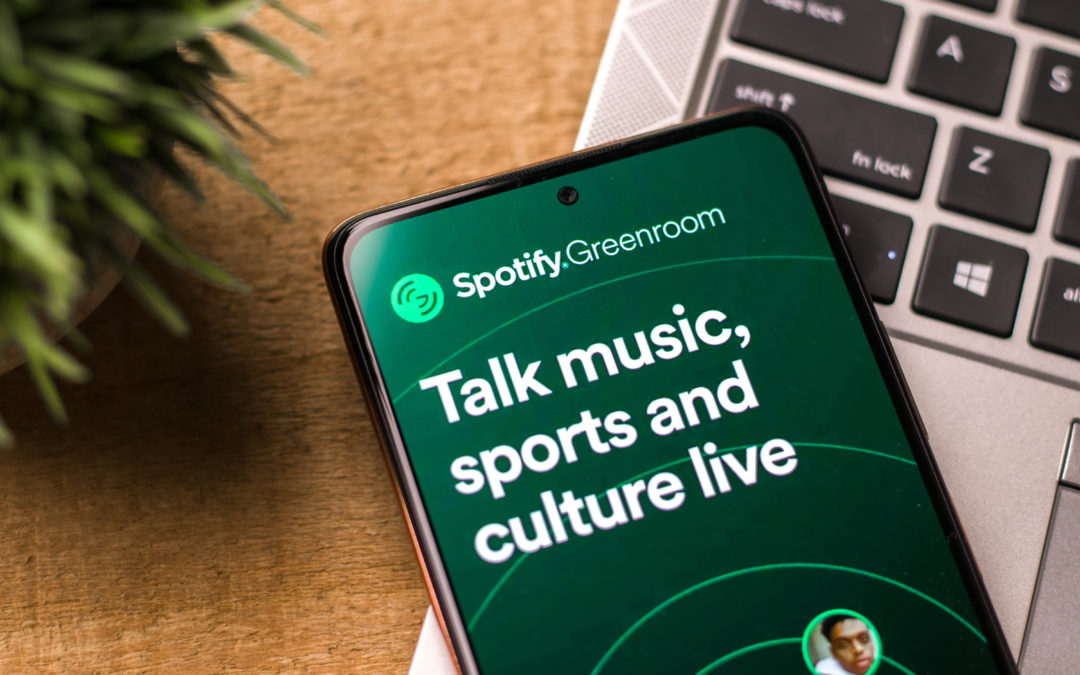
Clubhouse and Spotify Greenroom help build the musical genres of tomorrow by connecting music creators, DJs, and artists with listeners. Plus, these apps streamline the process of submitting demos to labels and their inviting contributions from established musicians as well as those tantalizing unreleased joints.
Reason for Audio Chat Apps’ Popularity
Audio chat apps are all the rage in today’s technology industry. Many of these apps are introducing possibilities for the future of music. Chatting with sound creates an interactive experience like nothing before and allows people to express themselves differently through this medium.
How Audio Chat Apps are Representing the Future of the Music Industry
The direction the audio chat apps like Spotify Greenroom and Clubhouse are taking is groundbreaking. They are representing an entire industry that has been transformed into a new genre not through physical interaction but through the audio messaging of various artists, producers, and anyone who wants to be involved in the digital music community. It’s true that VR and AR will play a massive part in the future of music, but the highest chance for success will lie with chat apps. They offer constant updates, close interaction with fans, and instantaneous sharing via other networking sites. It’s not just tomorrow’s future that chat apps are representing – they’re also assisting in building and representing today’s musical space. Spotify Greenroom and Clubhouse are leading the audio-chat race in 2022.
Benefits to Creating Social Media Content
The goal is to keep an eye on what works for your audience so that you can expand on it. This may mean using the same slang or memes they use or posting content that talks about subjects your followers care about. Things like sports, relationships, and city life are popular topics to post about often. Social media content is a powerful way to engage consumers in a brand’s story and maximize a brand’s reach. Marketers can use social media channels to start deep conversations about their brand that resonate with the target. People who consume much of their music from streaming services or YouTube channels often create social media content themselves.
Conclusion: The Future of Audio Chat Music Apps
Music Chat Apps are taking control of the next generation of artists. They ensure that our next reality’s soundtracks are created before it happens. The future of music, at least with regard to streaming services, will be defined by how more of the tools are utilized on chat apps. Streaming services, in general, are seeing more competition in the space with streaming creativity in the future. Spotify Greenroom and Clubhouse continue to provide unparalleled engagement outlets.
by Jonathan P-Wright | Dec 25, 2021 | Black Girl Magic, Editorial Pick, Latest, Music News |
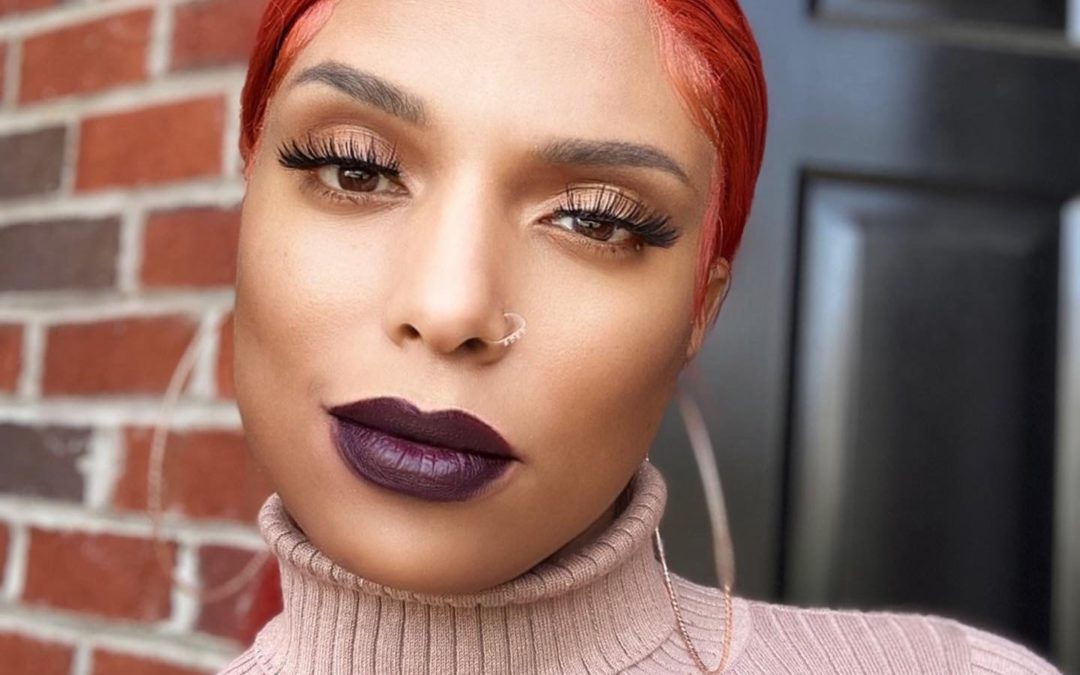
Kareesh Forreal is Built for greatness.
There is no doubt that not everyone achieves their goals and receives their visions. However, some people are destined for success. Despite the challenges, difficulties, and costs, they reach the finish line in life.
Kareesh Forreal has faced the severe challenges of surviving immorality, abuse, scarcity, and racism. The greatest gift you have is knowing your strengths and weaknesses.
At times of panic and unforeseen circumstances, you are the most vulnerable. Converting vulnerability into fearless energy requires tunnel vision and the heart of a lion.
The fact that you hold on to your strengths during those dark times reveals you as a courageous leader who rode out the storm. Kareesh Forreal is a poise, charming, and utterly beautiful woman.
The meteoric rise of Kareesh Forreal
In 2019, Kareesh Forreal launched her multimedia company, Kulture Buzzin TV, LLC. The company inked multiple streaming syndication deals. Kareesh Forreal’s multimedia brand includes a record label, TV/Films, media production studio’s and artist consultation services.
Kareesh Forreal is universally loved by everyone inside the music industry. Radio programmers, legends of the music industry, and R&B elite artists have all expressed their admiration for her work. ‘She’s a born superstar,’ say the music critics. Kareesh Forreal is a natural-born songstress.
In 2021, Kareesh Forreal’s multimedia company inked a strategic monetization partnership with RADIOPUSHERS and RESULTSANDNOHYPE. They are renowned for cultivating talent and promoting indie artists around the world.
RADIOPUSHERS TV offered a streaming TV syndication deal to her agency, Kulture Buzzin TV. The coalition was for Amazon Fire and Roku platforms. As a result, they started a podcast series with DA BLAZE 88.7 XM Miami powered by iHeartRadio.
The podcast series of Kulture Buzzin uniquely presents the musical journeys of rising talented artists. The genres included in the podcast series are R&B, Hip-Hop, Pop, and EDM.
This collaboration between RADIOPUSHERS and RESULTSANDNOHYPE has resulted in the expansion of Kareesh Forreal’s multimedia company. By 2022, the expansion will continue.
This article penned by Jonathan P. Wright. Jonathan is a freelance writer for multiple mainstream publications and CVO of RADIOPUSHERS. You can read more of his work by clicking here.
by Voshawn Johnson | Aug 29, 2025 | Latest, Music News, Trending |
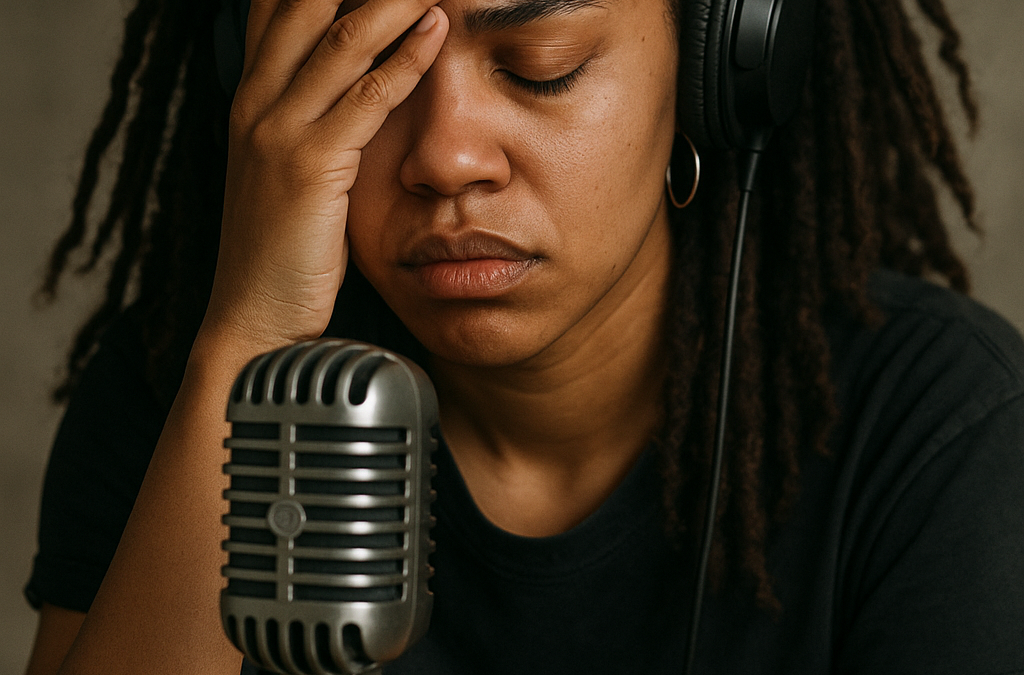
The sight of Tyla being escorted into a waiting car by her security team in São Paulo raised alarms worldwide this weekend. But beyond the initial panic, the incident has sparked broader discussion about the physical and mental toll of international touring on young artists.
Tyla’s management attributed her brief spell of distress to exhaustion and dehydration. These are familiar diagnoses in the music industry, but they hint at deeper systemic challenges. For emerging stars like Tyla, the transition from relative obscurity to global sensation can be both exhilarating and punishing.
The lifestyle is relentless: international flights, jet lag, interviews, meet-and-greets, rehearsals, performances, and after-parties. Each appearance is an opportunity to grow the brand, but each also extracts a cost. Nutrition, rest, and downtime are often sacrificed in the pursuit of momentum. For artists in their early twenties, the body can bounce back quickly, but repeated strain takes its toll.
Tyla’s case isn’t unique. Pop history is littered with similar moments. In the early 2010s, Justin Bieber collapsed on stage in London due to exhaustion. Lady Gaga famously canceled part of her “Born This Way” tour citing hip injuries exacerbated by relentless performance schedules. More recently, Shawn Mendes postponed an entire tour in 2022, acknowledging the mental health strain of life on the road.
These incidents highlight the dual reality of pop stardom: the dream of global recognition is tethered to the grind of constant output. Artists are brands, and brands must be “always on.” Fans demand access, promoters demand consistency, and social media demands content. The result is a lifestyle that leaves little room for human vulnerability.
Tyla’s response, however, has been measured and reassuring. “I’m okay and feeling stronger,” she said in her note to fans, reminding them that sometimes the pace simply catches up with her. The honesty resonated with supporters, many of whom praised her for acknowledging the strain rather than hiding it.
As her management noted, no major changes to her schedule have been made yet. But even if adjustments are minimal, the incident has reignited calls within the industry for more sustainable touring practices. From mandatory rest days to integrated wellness programs, conversations about reform are increasingly common.
At just 22, Tyla embodies both the promise and the pressures of pop’s new generation. Her health scare may have been temporary, but it has underscored the very real demands placed on artists navigating global fame. For fans, the takeaway is relief that she is safe. For the industry, it’s another reminder that behind the lights and applause, health remains the most important performance of all.

by Harris | Aug 20, 2025 | Business News, Latest, Trending |
Photo by Patrick Ogilvie on Unsplash
In a surprising turn of events that has sparked widespread conversation in both sports and entertainment circles, ESPN has officially pulled the plug on a highly anticipated docuseries centered on former NFL quarterback and civil rights activist Colin Kaepernick. The project, helmed by acclaimed director Spike Lee, was scrapped due to what the network cited as “creative differences” between the involved parties.
“ESPN, Colin Kaepernick, and Spike Lee have collectively decided to no longer proceed with this project as a result of certain creative differences,” a spokesperson for ESPN confirmed in a statement to Entertainment Weekly. “Despite not reaching finality, we appreciate all the hard work and collaboration that went into this film.”
A Project Years in the Making
This docuseries was initially announced back in 2020 as part of a larger collaboration between Colin Kaepernick and The Walt Disney Company. The project was touted as an unfiltered, firsthand portrayal of Kaepernick’s life, activism, and career journey—offering insight into his personal struggles, triumphs, and transformation from athlete to cultural icon.
In 2022, it was revealed that Spike Lee, the Oscar-winning filmmaker known for his socially conscious and politically charged storytelling, had officially come on board to direct the series. Lee’s involvement added even more anticipation, especially given his deep history of covering racial injustice and civil rights issues in America. Together, Lee and Kaepernick were expected to craft a raw, authentic narrative, including never-before-seen footage from Kaepernick’s personal archives.
At the time, Kaepernick expressed optimism and enthusiasm for the project, tweeting, “I’m grateful to be able to work with the legend Spike Lee on my docu-series. It’s time for the narrative to be corrected.”
Cracks in the Collaboration
However, signs of trouble began to surface last year. In September, Puck News reported that production had stalled due to internal disagreements over the creative direction of the project. These “creative differences,” while not explicitly detailed, reportedly involved both Kaepernick and Lee struggling to align on key storytelling elements and editorial control. ESPN Chairman Jimmy Pitaro was also said to be open to allowing the project to be pitched to other networks or streaming platforms, should a resolution not be reached.
Most recently, in an interview with Reuters, Spike Lee confirmed the project would no longer be moving forward. “It’s not coming out,” he said candidly. Lee cited a nondisclosure agreement when asked for further information, adding, “I can’t talk about it.”
Why the Cancellation Matters
While creative differences are not uncommon in the film and television industry, the cancellation of this particular project carries weight far beyond typical behind-the-scenes drama. The collaboration brought together three influential voices—Disney’s sports media powerhouse ESPN, a groundbreaking Black filmmaker in Spike Lee, and an athlete-activist who became the face of modern sports protest. The decision to dissolve the partnership raises questions about whose voice ultimately holds authority when telling stories about Black activism in America.
Kaepernick’s journey is not just one of personal hardship, but one that intersects with systemic issues of racism, institutional resistance, media control, and corporate gatekeeping. A documentary directed by Spike Lee could have offered a platform that combined cinematic artistry with urgent social commentary—something that is increasingly rare in mainstream sports coverage.
The Legacy of Kaepernick’s Activism
Colin Kaepernick’s name is now inextricably linked to the modern era of athlete activism. Once a star quarterback for the San Francisco 49ers, Kaepernick became a global figure in 2016 when he began kneeling during the national anthem to protest racial injustice and police brutality. His silent act of resistance ignited fierce debate across political, social, and athletic arenas. Supporters hailed him as courageous, while critics accused him of disrespecting the flag and the military.
Despite his evident talent, Kaepernick has remained unsigned by any NFL team since the 2016 season, leading many to believe he was blackballed by the league. In 2017, he filed a formal grievance against the NFL, accusing owners of colluding to keep him off the field. The case was settled in 2019, though terms of the agreement remain confidential.
Kaepernick’s stand cost him his career, but it also cemented his place in history. His legacy has influenced a new generation of athletes to speak out on issues ranging from racial injustice to LGBTQ+ rights and mental health. He continues to be a polarizing figure, but one who undeniably shifted the conversation around what it means to be both an athlete and an activist.
Previous Attempts to Tell His Story
This isn’t the first time Kaepernick’s life has been portrayed on screen. In 2021, Netflix premiered the limited series Colin in Black and White, co-created by Ava DuVernay and narrated by Kaepernick himself. The series blended dramatized scenes from his youth with real-life commentary, focusing on his coming-of-age story, biracial identity, and early experiences with racial discrimination.
The reception was mixed—praised for its emotional resonance and criticized by some for being heavy-handed—but it opened a broader dialogue about the role of identity and resistance in shaping personal destiny.
In 2023, Kaepernick also co-authored a graphic novel titled Change the Game alongside writer Eve L. Ewing. The book targeted young readers, exploring themes such as racism, belonging, and the courage to challenge the status quo. Speaking to Entertainment Weekly at the time, Kaepernick said, “I was inspired to write Change the Game to help a younger generation navigate complex issues like racism, family dynamics, and finding their power when the spaces they’re in are trying to strip it away from them.”
What Happens Next?
It remains unclear whether the docuseries will find a new home or be revived under different creative leadership. With ESPN officially stepping away and Spike Lee no longer involved, the future of the project is uncertain. However, given the cultural significance of Kaepernick’s story, it’s unlikely that interest will fade altogether.
There’s still a possibility that another streaming platform—Netflix, Hulu, or even an independent production company—could take on the series in a new form. Jemele Hill, a journalist and producer who had previously been linked to the project, may also explore alternate routes to bring the series to life.
That said, any attempt to revive the series will likely need to address the challenges that led to its initial demise. Navigating the balance between creative vision, editorial autonomy, and the sensitivities of portraying such a high-profile figure is no easy feat.
The Broader Cultural Tension
This event is emblematic of a larger pattern within media and entertainment: the tension between institutional control and authentic storytelling, particularly when it comes to narratives about Black resistance and power. While corporations may seek to capitalize on social justice moments, they often struggle to relinquish enough creative control to allow for truly raw, unfiltered perspectives.
The fact that this project—meant to correct the narrative around Kaepernick—was derailed by internal disagreements underscores how difficult it can be to authentically tell stories that challenge systems of power. Especially when those systems are the very platforms funding and distributing the content.
Final Thoughts
In many ways, the saga surrounding this docuseries mirrors the broader journey of Colin Kaepernick himself—full of promise, controversy, resistance, and unfinished business. His voice, his story, and his message remain relevant in a society still grappling with racial injustice and the uneasy intersection between sports, politics, and corporate interests.
by Laghe Andrews | Jul 28, 2025 | Business News, Latest, Trending |
Photo Credit: Photo by Frank Albrecht on Uns
In a powerful and long-awaited moment for motorsports and diversity in American racing, Bubba Wallace etched his name into history books by becoming the first Black driver to win the prestigious Brickyard 400, one of NASCAR’s most iconic crown jewel races. This monumental victory not only marked a personal milestone for Wallace but also a turning point in the narrative of diversity and inclusion in a sport that has long battled its cultural legacy.
The win came at Indianapolis Motor Speedway, widely regarded as one of the most hallowed grounds in racing. With blistering speed and razor-sharp precision, Wallace clinched the victory by just 0.222 seconds ahead of 2023’s defending champion, Kyle Larson, denying him the opportunity to become just the fourth driver in NASCAR history to win the Brickyard in back-to-back years.
For Wallace, this wasn’t just a win—it was a release, a declaration, and a rebuke to every doubt ever cast on his talent.
“That adrenaline rush is crazy,” Wallace said post-race, still catching his breath after a tense and physically draining event. “I’m worn out. Unbelievable. To win here at the Brickyard, knowing how big this race is, knowing all the noise that’s going on in the background—to set that all aside is a testament to these people here on this 23 team.”
A Victory 100 Races in the Making
This triumph at the Brickyard ended a 100-race winless streak for Wallace, whose last victory came in 2022 at Kansas Speedway. Before that, he claimed his first Cup Series win at Talladega Superspeedway in 2021—an emotionally charged victory that came amid ongoing national conversations about race, representation, and identity.
Unlike those earlier wins, which were heavily symbolic, this Brickyard victory felt deeply competitive and clean. It was not won on the back of weather-shortened conditions or accidents; this was a pure driver’s race—strategic, aggressive, and hard-fought to the last turn.
Driving Under the Banner of Legends
Wallace races for 23XI Racing, a team co-founded by NBA legend Michael Jordan and veteran NASCAR driver Denny Hamlin. He drives the No. 23 Chumba Casino Toyota, a nod to Jordan’s legendary basketball jersey number and a symbol of ambition for the team itself.
From the outset, the mission of 23XI Racing was to break boundaries—on the track and off it. Jordan’s involvement in NASCAR, historically perceived as a predominantly white Southern sport, added much-needed attention and funding to efforts pushing for a more inclusive culture.
Jordan has long emphasized that he didn’t enter NASCAR for tokenism—but for winning. And with Wallace’s win, that goal is being realized.
The Final Lap: A Battle of Nerves
The race was tightly contested, but the final laps were a mental chess match. Kyle Larson, known for his dominance on various track types, was breathing down Wallace’s neck in the closing laps. Every fraction of a second mattered.
Top Finishers: A Packed Field
Behind Wallace, the final standings included some of the sport’s top-tier talents. Kyle Larson took second place. Wallace’s team co-owner and driver Denny Hamlin crossed the line in third, proving once again his enduring form. Ryan Preece and Brad Keselowski secured fourth and fifth, respectively.
The rest of the top 10 featured Todd Gilliland, Ryan Blaney, Christopher Bell, Alex Bowman, and Carson Hocevar, showing the depth and competition that made the Brickyard 400 such a spectacle this year.
The Brickyard: One of NASCAR’s Four Pillars
To understand the weight of Wallace’s win, one must understand the stature of the Brickyard 400. It’s one of NASCAR’s four crown jewel races, alongside:
- Daytona 500 – the “Super Bowl” of NASCAR.
- Coca-Cola 600 – the grueling test of endurance held in Charlotte.
- Southern 500 – steeped in tradition and held at Darlington Raceway.
- Brickyard 400 – a unique race held at the historic Indianapolis Motor Speedway, a track that also hosts the Indianapolis 500, making it a shrine for all forms of motorsport.
These events aren’t just races—they’re legacy-makers.
Winning any one of them ensures your name is forever remembered in NASCAR lore. And for a Black driver to accomplish this, given the sport’s checkered history on diversity, it cannot be overstated: this is seismic.
Historical Significance: The Ghost of Wendell Scott
The magnitude of Wallace’s win is especially potent when viewed against the backdrop of Wendell Scott, the first Black driver to win a race in the NASCAR Grand National Series—way back in 1963. However, Scott was not awarded the trophy in person that day due to racist fears of crowd reactions. It wasn’t until 2021, nearly 60 years later, that his family was given the trophy posthumously.
Bubba Wallace has often paid homage to Scott, saying that without him, his own career wouldn’t have been possible. And with this Brickyard victory, Wallace builds upon that legacy—not just filling the shoes of pioneers but shattering ceilings they could only dream of.
Why This Win Matters Beyond Racing
Wallace’s win speaks to more than just motorsport fans. It resonates across broader cultural and generational divides. He is a symbol of:
- Perseverance: Going winless in 100 races and still showing up with focus and fire.
- Representation: Being a Black man in a white-dominated sport and staying true to himself.
- Resilience: Facing criticism, boycotts, and social media abuse, yet never backing down.
He’s taken bold stances—such as advocating for the removal of Confederate flags at NASCAR events and speaking openly about racial inequality—which earned him both praise and scorn. But with this win, he lets performance speak louder than politics.
Reactions From the Racing World
Following the race, drivers and racing legends took to social media and post-race interviews to applaud Wallace’s performance.
Hamlin, his co-owner and a fierce competitor, was proud—despite finishing behind his own driver.
“I couldn’t be more thrilled for Bubba and this team,” Hamlin said. “This was one of the most complete races he’s driven. He earned every bit of this one.”
Even Kyle Larson, always a competitor and once the center of his own controversy over racial remarks in 2020, offered his congratulations.
“He drove a great race. Clean and fast. That’s what it’s about,” Larson said in a brief statement.
A Look Ahead: Iowa and the Playoffs
The next NASCAR Cup Series race is scheduled for August 3rd in Iowa, where Wallace will look to continue this momentum. With a playoff spot now secured, he has the chance to shift focus from survival to dominance.
This win might just be the fuel that pushes Wallace deeper into the postseason, maybe even toward a championship. And that, in itself, would be another history-making moment.
Final Thoughts: More Than Just a Win
In a sport often criticized for being slow to evolve, Bubba Wallace’s victory at the Brickyard 400 is more than just a milestone—it’s a message.
It tells every underdog that perseverance pays off.
It tells every doubter that talent transcends background.
It tells every young fan watching from the sidelines—especially those who look like Bubba—that the racetrack has room for them too.
As he stood on Victory Lane, the iconic bricks of the Indianapolis Motor Speedway beneath his feet, Wallace wasn’t just a winner. He was a symbol of change, of hope, of earned triumph in a world that still doesn’t hand those things out freely.

RECENT COMMENTS