by Jonathan P-Wright | Dec 6, 2024 | Latest, Music News, New Music Alert |
Image credit: DFree / Shutterstock.com
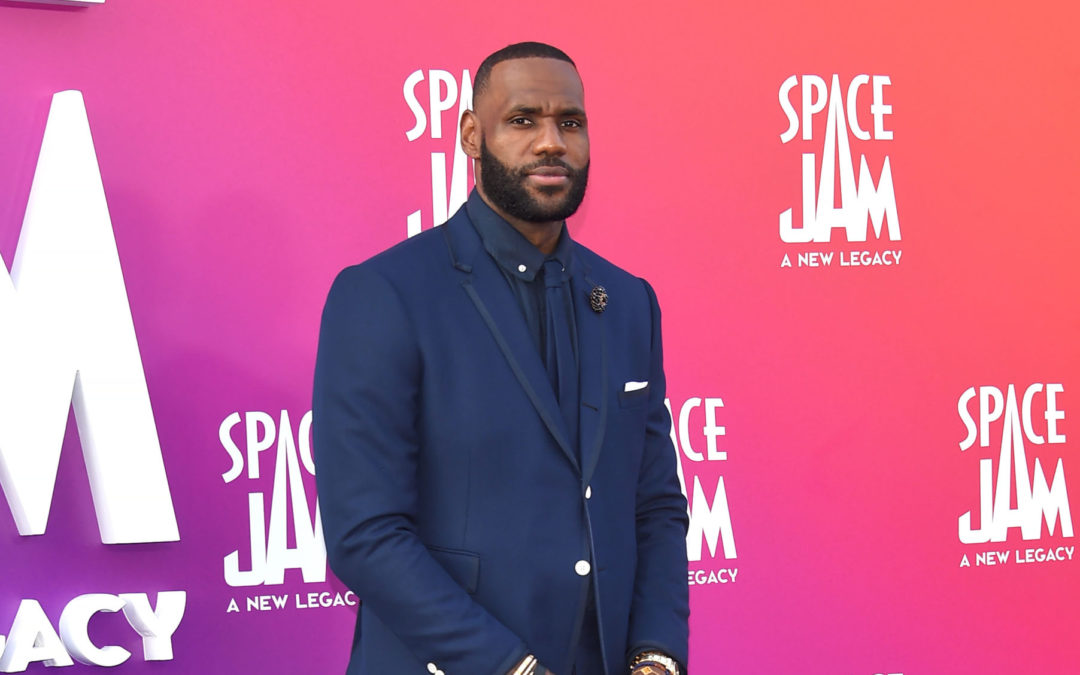
The world of professional sports often intersects with the realm of entertainment, creating moments that capture the imagination of fans across the globe. Recently, one such instance occurred when basketball icon LeBron James shared details of an extraordinary dream that blended his athletic prowess with the star power of music industry legends. This unexpected convergence of basketball and hip-hop royalty in James’ subconscious has sparked widespread interest and discussion among fans and media outlets alike.
In a surprising turn of events, James took to social media to recount a vivid dream that featured an all-star lineup of personalities from both the sports and music worlds. The dream’s narrative wove together elements of James’ basketball career with the electrifying performances of hip-hop luminaries, creating a surreal tapestry that left the NBA superstar both amazed and eager to share with his millions of followers.
As we delve into the details of James’ dream, we’ll explore the significance of each figure involved, the cultural impact of this imaginary collaboration, and the broader implications for the intersection of sports and entertainment. From the hallowed halls of Duke University to the pulsating beats of West Coast rap, this article will take you on a journey through the subconscious of one of basketball’s greatest players, offering insights into the influences and aspirations that shape his world both on and off the court.
Join us as we unpack this fascinating glimpse into the mind of LeBron James, examining the dream that has captivated fans and sparked conversations about the power of imagination in the world of professional athletics. Through this exploration, we’ll gain a deeper understanding of the cultural forces at play in James’ life and the broader landscape of sports and entertainment in the 21st century.
The Dream’s Setting: Cameron Indoor Stadium
In the realm of college basketball, few venues hold as much prestige and historical significance as Cameron Indoor Stadium. Located on the campus of Duke University in Durham, North Carolina, this iconic arena has been the home court for the Blue Devils since 1940. It’s within this hallowed space that LeBron James’ dream unfolds, adding an extra layer of gravitas to the already surreal scenario.
The Significance of Cameron Indoor Stadium
Cameron Indoor Stadium is more than just a basketball court; it’s a cathedral of the sport. With a seating capacity of 9,314, it’s relatively small compared to many modern arenas, but what it lacks in size, it makes up for in atmosphere. The intimate setting creates an electric environment, with fans—particularly the student section known as the “Cameron Crazies”—positioned close to the action, creating an intimidating atmosphere for visiting teams.
The stadium has witnessed countless memorable moments in college basketball history, from buzzer-beaters to championship celebrations. Its wooden bleachers and intimate confines harken back to a bygone era of basketball, preserving a sense of tradition that resonates with players and fans alike. For James to dream of playing in this venue speaks to its enduring impact on the sport and its ability to capture the imagination of even the most accomplished professional athletes.
The Dream Atmosphere
In recounting his dream, James described the atmosphere inside Cameron Indoor Stadium as “INSANE.” This characterization aligns perfectly with the real-life reputation of the venue, known for its deafening noise levels and passionate crowd. The dream seems to have captured the essence of what makes Cameron Indoor Stadium such a special place in the world of basketball.
The intensity of the dream setting reflects the reverence with which many basketball players and fans regard Cameron Indoor Stadium. It’s a place where legends are made, and the fact that James’ subconscious chose this location for his imaginary college basketball experience underscores the venue’s significance in the sport’s culture.
The Blending of Professional and College Basketball
LeBron James’ dream of playing at Cameron Indoor Stadium represents an intriguing blend of his professional career with the college basketball experience he never had. Having entered the NBA directly from high school, James bypassed the traditional college route taken by many of his peers. This dream sequence perhaps offers a glimpse into a “what if” scenario, allowing James to imagine himself as part of the storied tradition of college basketball.
The choice of Cameron Indoor Stadium as the setting for this dream also highlights the ongoing dialogue between professional and college basketball. Despite the differences between the two levels of the sport, there remains a strong connection, with many NBA players and fans maintaining deep ties to their college programs or favorite college teams.
Coach K: A Legend in James’ Dreamscape
In LeBron James’ vivid dream, one of the most prominent figures to emerge was none other than Mike Krzyzewski, affectionately known as “Coach K.” The inclusion of this basketball coaching icon in James’ subconscious narrative speaks volumes about the respect and admiration that even the greatest players in the world hold for certain figures in the sport.
Coach K’s Legacy at Duke
Mike Krzyzewski’s tenure at Duke University is nothing short of legendary. From 1980 to 2022, Coach K led the Blue Devils to unprecedented success, cementing his status as one of the greatest college basketball coaches of all time. These accomplishments only scratch the surface of Coach K’s impact on the game. His ability to consistently recruit and develop top talent, implement sophisticated game strategies, and maintain a culture of excellence at Duke has set a standard that few can match.
The Significance of Coach K in James’ Dream
The appearance of Coach K in LeBron James’ dream underscores the universal respect that Krzyzewski commands in the basketball world. Despite James never having played college basketball, let alone for Duke, the idea of suiting up for Coach K clearly holds a special allure. In the dream, James recounts telling Coach K that it was “an honor to suit up for him,” with Krzyzewski reciprocating the sentiment.
This mutual expression of honor in the dream scenario reflects the real-life dynamic between great players and great coaches. It suggests that even for a player of James’ caliber—widely regarded as one of the best to ever play the game—the opportunity to learn from and play for a coach of Krzyzewski’s stature is still viewed as a significant and desirable experience.
Coach K’s Influence Beyond College Basketball
While Coach K is primarily known for his college coaching career, his influence extends far beyond the confines of the NCAA. Krzyzewski has also made significant contributions to USA Basketball, serving as the head coach of the men’s national team from 2005 to 2016. During this time, he led Team USA to three consecutive Olympic gold medals (2008, 2012, 2016) and two FIBA World Cup gold medals (2010, 2014).
This international success has allowed Coach K to work with and influence many of the NBA’s top players, including LeBron James himself, who was part of the 2008 and 2012 Olympic teams. The relationship forged between Krzyzewski and professional players during these international competitions has further enhanced his reputation and respect among NBA stars.
The “What If” Scenario
LeBron James’ dream of playing for Coach K at Duke presents an intriguing “what if” scenario that has long been a subject of speculation among basketball fans. As a player who went directly from high school to the NBA, James never experienced the college game. The dream sequence allows both James and fans to imagine how his incredible talents might have meshed with Coach K’s system and the college basketball environment.
This hypothetical pairing of one of the game’s greatest players with one of its most successful coaches serves as a tantalizing glimpse into an alternate basketball universe. It speaks to the enduring appeal of college basketball and the unique experiences it offers, even for those who have achieved the highest levels of success in the professional ranks.
The Unexpected Concert: Snoop Dogg and Dr. Dre Take Center Stage
In a surprising twist to LeBron James’ already extraordinary dream, the basketball scenario seamlessly transitioned into a high-energy concert featuring two of hip-hop‘s most iconic figures: Snoop Dogg and Dr. Dre. This unexpected fusion of sports and music within James’ subconscious offers a fascinating glimpse into the cultural influences that shape the NBA superstar’s world.
The Legendary Duo: Snoop Dogg and Dr. Dre
Snoop Dogg and Dr. Dre are not just musicians; they are cultural icons who have played pivotal roles in shaping the landscape of hip-hop and popular music for decades. Their collaboration dates back to the early 1990s when Dr. Dre discovered and mentored a young Snoop Dogg, leading to the latter’s breakout appearance on Dr. Dre’s seminal album “The Chronic” in 1992.
Their partnership has resulted in numerous hit songs and has come to symbolize the sound and spirit of West Coast hip-hop.
“The Next Episode” in Cameron Indoor Stadium
In James’ dream, Snoop Dogg and Dr. Dre performed their classic hit “The Next Episode” within the confines of Cameron Indoor Stadium. This juxtaposition of a hip-hop performance in a venue typically associated with college basketball creates a surreal and electrifying atmosphere in James’ subconscious narrative.
“The Next Episode,” released in 2000 as part of Dr. Dre’s album “2001,” is one of the duo’s most recognizable collaborations. Known for its iconic intro and catchy beat, the song has become a staple of hip-hop culture and continues to be celebrated more than two decades after its release.
The Fusion of Basketball and Hip-Hop Culture
The seamless transition from a basketball game to a hip-hop concert in James’ dream reflects the real-world intersection of these two cultural phenomena. Basketball and hip-hop have long been intertwined, with many NBA players embracing hip-hop culture and numerous rappers referencing basketball in their lyrics and imagery.
This connection is particularly strong in James’ case, as he has been known to have close relationships with several hip-hop artists and has even ventured into music production himself. The dream sequence, therefore, can be seen as a manifestation of the cultural synthesis that James embodies as both an athlete and a cultural icon.
by Jonathan P-Wright | Nov 27, 2024 | Latest |
Editorial credit: Kathy Hutchins / Shutterstock.com
Stock Photo ID: 2176877961
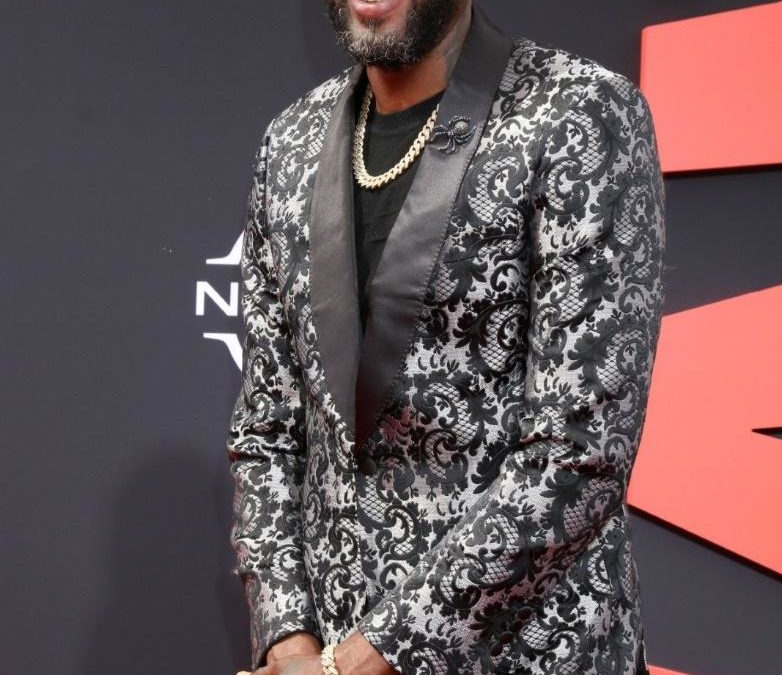
LOS ANGELES – JUN 26: Lamar Odom at the 2022 BET Awards Arrivals at Microsoft Theater on June 26, 2022 in Los Angeles, CA
Understanding your own personal darkness.
Grasping the concept of your own inner shadows is a profound journey. This exploration involves delving into the hidden corners of your psyche, where unacknowledged emotions and thoughts reside. These aspects, often referred to as personal darkness, can include fears, insecurities, and unresolved conflicts that influence our behaviors and decisions. Acknowledging these facets is crucial for personal growth, as it enables you to confront and understand the parts of yourself that you might otherwise ignore or deny. By shining a light on these shadows, you gain a clearer perspective on your motivations and actions.
This process is not merely about identifying negative traits or feelings but rather understanding their origins and impacts on your life. It requires courage and honesty to face these elements without judgment. Doing so opens the door to self-compassion and healing, allowing you to integrate these shadowy aspects into a more complete version of yourself. As you develop this deeper self-awareness, you empower yourself to make more conscious choices, breaking free from patterns that no longer serve you.
Through this introspective journey, you foster a greater sense of self-acceptance and resilience. By embracing all parts of your identity, both light and dark, you cultivate a balanced and authentic existence. Engaging with your personal darkness is a transformative experience that nurtures emotional well-being and strengthens your ability to connect with others on a more profound level.
Odom Recovery Group
Throughout Lamar Odom‘s life, he has faced his challenges head-on, unable to conceal or escape them. From his teenage years, Lamar has been in the public spotlight, grappling with his battle against drug addiction for everyone to see. His life was nearly cut short, and he fought for it relentlessly as people followed his every move through news outlets and social media after a particularly harrowing night at a Nevada brothel. Inheriting his mother’s resilient spirit, Lamar Odom summoned his inner strength and mental fortitude during this critical time. He fought with the tenacity of a heavyweight champion, reminiscent of Muhammad Ali’s legendary bout against George Foreman in Kinshasa. It was indeed a tumultuous fight. Supported by divine guidance, the spirit of his mother, and Khloe Kardashian by his side, Lamar emerged from this ordeal with renewed vitality and freedom.
This pivotal experience ignited his desire to establish the ‘Odom Recovery Group’. Launched in 2023, the organization has developed an extensive network of Addiction Treatment Facilities throughout California.
Lamar Odom’s legacy reaches far beyond his accomplishments on the basketball court. It serves as a powerful testament to human resilience and the capacity to triumph over life’s trials. His journey is a reminder that even in the face of overwhelming adversity, one can rebuild and inspire others through unwavering determination and perseverance.
by Jonathan P-Wright | Nov 22, 2024 | Latest, Music News, New Music Alert |
Image credit: Franklin Sheard Jr / Shutterstock.com
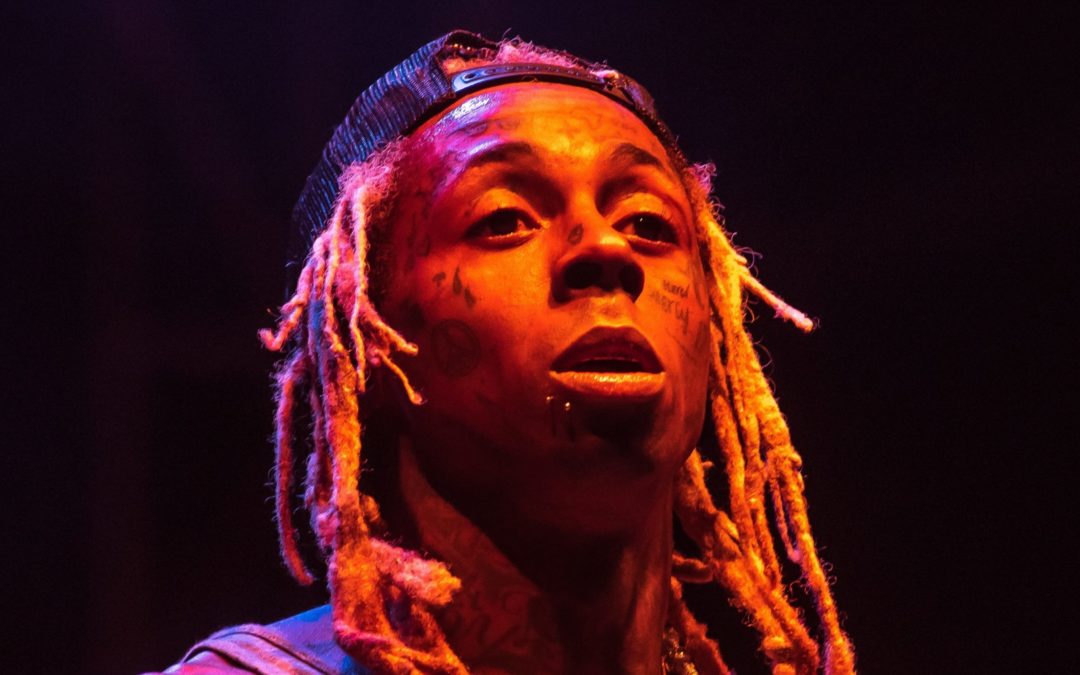
In the ever-evolving landscape of hip-hop, few artists have managed to maintain their relevance and chart-topping prowess quite like Lil Wayne. The New Orleans-born rapper has once again solidified his status as a musical powerhouse, extending his remarkable streak on the Billboard Hot 100 to an astounding 21 years. This unprecedented achievement comes courtesy of his feature on Tyler, the Creator’s latest track “Sticky,” a standout cut from the album “Chromokopia.”
As we delve into the significance of this milestone, we’ll explore the factors that have contributed to Lil Wayne’s enduring success, the impact of his collaboration with Tyler, the Creator, and what this means for his legacy in the music industry. From his humble beginnings to his current status as a hip-hop icon, Lil Wayne’s journey is a testament to his unparalleled talent, work ethic, and ability to adapt to the changing tides of popular music.
The “Sticky” Sensation: A Collaboration for the Ages
Tyler, the Creator’s “Chromokopia” album has been making waves since its release, but it’s the track “Sticky” that has captured the attention of music enthusiasts and chart watchers alike. This infectious collaboration not only showcases the creative synergy between two generations of hip-hop innovators but also serves as the vehicle for Lil Wayne’s latest chart achievement.
The Making of “Sticky”
The creation of “Sticky” is a fascinating tale of artistic vision and serendipity. Tyler, the Creator, known for his eclectic production style and boundary-pushing approach to hip-hop, crafted a beat that perfectly complemented Lil Wayne’s distinctive flow. The track also features rising stars GloRilla and Sexyy Red, adding fresh voices to the mix and creating a multi-generational hip-hop experience
Lil Wayne’s Billboard Hot 100 Legacy
Lil Wayne’s appearance on “Sticky” marks his 187th entry on the Billboard Hot 100, a staggering number that speaks to his prolific output and consistent quality over the years. This achievement is not just about quantity, however; it’s about sustained relevance in an industry known for its fickleness and rapidly changing trends.
A Streak Unmatched
With his feature on “Sticky,” Lil Wayne has now charted on the Billboard Hot 100 every year since 2004. This 21-year streak is currently the longest active run on the chart, surpassing other long-standing artists like Chris Brown, who holds a 20-year streak. The longevity of Lil Wayne’s chart presence is a testament to his ability to evolve with the times while maintaining his unique artistic identity.
The Evolution of Lil Wayne’s Sound
One of the key factors in Lil Wayne’s enduring success is his willingness to experiment with his sound and adapt to changing musical landscapes. From his early days with the Hot Boys to his current status as a hip-hop elder statesman, Wayne has consistently pushed the boundaries of his artistry.
From Cash Money to Solo Stardom
Lil Wayne’s journey began as a member of the Hot Boys, a group signed to Cash Money Records. His distinctive voice and clever wordplay quickly set him apart, leading to a successful solo career. Albums like “Tha Carter” series showcased his growth as an artist and his ability to craft hit singles that resonated with a wide audience.
Mixtape Mastery
In the mid-2000s, Lil Wayne revolutionized the mixtape game, releasing a string of critically acclaimed projects that further cemented his status as one of the best rappers alive. These mixtapes allowed him to experiment with different styles and collaborations, keeping his sound fresh and exciting.
Embracing New Sounds and Collaborations
As hip-hop evolved, so did Lil Wayne. He embraced auto-tune on tracks like “Lollipop,” collaborated with pop stars like Bruno Mars on “Mirror,” and ventured into rock-inspired territory with his album “Rebirth.” This willingness to step outside his comfort zone has been crucial in maintaining his relevance across different eras of music.
The Impact of “Sticky” on Lil Wayne’s Career
While Lil Wayne has been a fixture on the charts for over two decades, his feature on “Sticky” represents more than just another hit. It’s a testament to his continued relevance and ability to connect with new generations of hip-hop fans.
Bridging Generational Gaps
The collaboration with Tyler, the Creator, who represents a different era and style of hip-hop, showcases Lil Wayne’s versatility and appeal across different demographics. It also introduces Wayne to younger listeners who may be more familiar with Tyler’s work, potentially expanding his fanbase.
Reinforcing His Legendary Status
By continuing to chart alongside current hitmakers, Lil Wayne reinforces his position as a hip-hop legend. His ability to hold his own on tracks with newer artists proves that his skills haven’t diminished over time and that he remains a force to be reckoned with in the industry.
Opening Doors for Future Collaborations
The success of “Sticky” is likely to lead to more high-profile collaborations for Lil Wayne. As artists from different genres and generations seek to tap into his star power and lyrical prowess, we can expect to see Wayne’s name on an even more diverse array of tracks in the future.
Beyond his chart success, Lil Wayne’s impact on hip-hop culture cannot be overstated. His unique style, both in terms of music and fashion, has inspired countless artists and fans alike.

by Jonathan P-Wright | Nov 11, 2024 | Latest, Music News, New Music Alert |
Photo by Marcela Laskoski on Unsplash
Ab-Soul, the lyrical mastermind behind tracks that make your brain cells do backflips, decided it was high time to clear the air about his relationship with J. Cole. And boy, did he deliver! In an era where social media can turn a molehill into a mountain faster than you can say “retweet,” Ab-Soul’s straightforward approach is like a breath of fresh air in a room full of smoke and mirrors.
Now, you might be wondering, “What’s all the fuss about?” Well, buckle up, buttercup, because we’re about to take a wild ride through the twists and turns of this hip-hop saga. From collaborative tracks that never saw the light of day to surprise features that had fans losing their minds, we’re going to unpack it all. And trust me, by the time we’re done, you’ll have a front-row seat to one of the most intriguing stories in recent hip-hop history.
So, whether you’re a die-hard Ab-Soul stan, a J. Cole aficionado, or just someone who loves a good story, stick around. We’re about to delve into a tale of friendship, respect, and the complex web of relationships that make the hip-hop world go round. Get ready to have your perceptions challenged, your assumptions shattered, and your mind blown. This isn’t just another rap beef story – it’s a masterclass in how real G’s handle their business.
The Genesis of the Rumors
Let’s rewind the tape and set the scene for this epic tale. Picture this: the hip-hop world is buzzing like a beehive that’s been poked with a stick. Rumors are flying faster than Eminem’s rap speed, and at the center of it all? Our man Ab-Soul and the one and only J. Cole.
It all started with a track – isn’t that how these things always kick off? Ab-Soul dropped a banger called “Squeeze 1st 2,” and suddenly, everyone and their grandma was playing detective. You see, in this track, Ab-Soul spits some fire that had folks raising their eyebrows higher than a Botox addict. He rapped, “Metasota warned me they wanna war / But actually they forfeiting.” Now, to the untrained ear, this might sound like just another dope line. But in the hyper-analytical world of hip-hop, where fans dissect every syllable like it’s a frog in a high school biology class, this was seen as a potential shot at J. Cole.
Why, you ask? Well, buckle up, because this is where it gets juicy. This track dropped on the same day that J. Cole released “Port Antonio,” a song where Cole addressed his decision to bow out of the ongoing beef between Drake and Kendrick Lamar. Coincidence? In the hip-hop world, there’s no such thing, baby!
The timing was too perfect, too synchronized. It was like watching two trains heading towards each other on the same track. Fans and critics alike started connecting dots that may or may not have been there. Was Ab-Soul calling out Cole for “forfeiting” the beef? Was this a subliminal diss wrapped in wordplay?
The internet, being the internet, went wild. Twitter threads longer than a CVS receipt started popping up, breaking down every word, every pause, every breath in Ab-Soul’s track. YouTube videos with titles like “AB-SOUL DESTROYS J. COLE?!” racked up views faster than you can say “clickbait.”
But here’s the kicker – in the world of hip-hop, perception is often reality. It doesn’t matter if Ab-Soul meant to diss Cole or not. Once the rumor mill starts churning, it’s harder to stop than a runaway freight train. The narrative was set: Ab-Soul vs. J. Cole, the battle no one saw coming.
And so, the stage was set for one of the most intriguing stories in recent hip-hop memory. Two respected lyricists, both known for their intricate wordplay and deep cuts, seemingly at odds. It was like watching two chess grandmasters square off – you knew the moves were coming, but you couldn’t quite figure out what they’d be.
But as we’ll soon see, in the world of hip-hop, things are rarely as they seem. This story was about to take more twists and turns than a roller coaster designed by M.C. Escher. So strap in, because we’re just getting started on this wild ride through the complex, fascinating, and often misunderstood world of hip-hop relationships.
Ab-Soul’s Clarification
Now, let’s cut to the chase and dive into the meat of this story – Ab-Soul’s much-needed clarification. In an interview that had hip-hop heads glued to their screens like it was the season finale of their favorite Netflix show, Ab-Soul decided to set the record straight. And boy, did he deliver!
First things first, Ab-Soul came out swinging with a statement that hit harder than a Mike Tyson right hook: “Cole is the homie for real, that’s what I want to make very clear to the whole world.” Boom! Just like that, he took all those rumors and speculation and dropkicked them into next week. It was like watching a master magician reveal the trick behind the illusion – suddenly, all those conspiracy theories about a beef between Ab-Soul and J. Cole started to look as flimsy as a house of cards in a hurricane.
But Ab-Soul didn’t stop there. Oh no, he was on a roll, and he wasn’t about to let this opportunity slip through his fingers like a greased-up football. He went on to explain that in the world of hip-hop, words like “friend” and “homie” get thrown around more loosely than spare change at a wishing well. But when it comes to J. Cole? Ab-Soul made it crystal clear that this wasn’t just some surface-level, industry schmoozing type of friendship. This was the real deal, the kind of bond that survives the fickle tides of the music industry.
Now, you might be thinking, “Okay, but what about that track? What about ‘Squeeze 1st 2’?” Well, hold onto your hats, because Ab-Soul had an explanation for that too. He revealed that the track wasn’t some calculated diss aimed at J. Cole. In fact, it wasn’t even about Cole at all. It was just Ab-Soul doing what Ab-Soul does best – spitting fire lyrics that make you think, that make you rewind and listen again, trying to unpack all the layers of meaning.
But here’s where it gets really interesting. Ab-Soul didn’t just deny the beef – he went a step further and opened up about his actual relationship with J. Cole. He talked about collaborations that were in the works, about mutual respect, about the admiration he has for Cole’s skills on the mic. It was like watching someone peel back the curtain on a world that most of us only get glimpses of through social media and carefully crafted public personas.
In essence, Ab-Soul’s clarification wasn’t just about squashing rumors. It was a masterclass in how to handle misunderstandings in the public eye. No drama, no Twitter rants, no subliminal disses. Just straight talk, respect, and a reminder that in the world of hip-hop, things aren’t always what they seem.
So there you have it, folks. The great Ab-Soul vs. J. Cole beef of 2023 – a beef that never was. It’s a reminder that in this age of hot takes and instant reactions, sometimes it pays to sit back, take a breath, and wait for the full story. Because as Ab-Soul showed us, the truth is often far more interesting – and far more positive – than the rumors.
The “FOMF” Collaboration That Never Was
Alright, let’s dive into the juicy details of a collaboration that could have been but never quite materialized. We’re talking about the track “FOMF” from Ab-Soul’s 2022 album “Herbert.” Now, this isn’t just any old track we’re discussing – this is the one that almost featured the lyrical prowess of J. Cole himself. Yeah, you heard that right. J. Cole was supposed to be on this joint, and the fact that it didn’t happen is a story in itself.
Picture this: Ab-Soul, the master wordsmith, crafting what would become “FOMF.” He’s in the studio, laying down verses that would make even the most seasoned English professor’s head spin. And in his mind, he’s hearing J. Cole’s voice, imagining how the North Carolina rapper would complement his own intricate wordplay. It’s a hip-hop dream team in the making.
Now, here’s where it gets interesting. Ab-Soul reveals that he actually played the album for Cole. Not just a track or two, but the whole damn thing. And guess what? Cole picked “FOMF” as the one he wanted to jump on. It’s like watching two chess grandmasters recognizing each other’s genius moves. Cole heard something in that track that spoke to him, that ignited that creative spark.
But here’s the kicker – it never happened. The collaboration that hip-hop heads would have sold their left sneaker for just… didn’t materialize. Ab-Soul, in his characteristically candid manner, admits, “I bugged him about it!” You can almost picture it – Ab-Soul blowing up Cole’s phone, sending carrier pigeons, maybe even considering smoke signals. All in the name of getting that verse.
So what happened? Well, that’s the million-dollar question, isn’t it? In the world of hip-hop, where schedules are as packed as a Tokyo subway during rush hour, and creative inspiration can be as fleeting as a summer romance, sometimes things just don’t line up. Maybe Cole got busy with his own projects. Maybe the timing wasn’t right. Or maybe, just maybe, the hip-hop gods decided to save this collaboration for another day, another track.
But here’s the beautiful thing about Ab-Soul’s revelation – there’s no bitterness, no resentment. Instead, there’s understanding and respect. Ab-Soul doesn’t throw Cole under the bus or make excuses. He simply acknowledges that sometimes, in this crazy world of music, things don’t always go as planned.
And let’s be real for a second – how many of us can say we’ve had J. Cole pick our track as the one he wants to feature on? That alone is a badge of honor, a testament to Ab-Soul’s skill as a lyricist and producer. It’s like getting a nod of approval from the hip-hop equivalent of a Jedi Master.
So while we may never get to hear what “FOMF” would have sounded like with J. Cole’s verse, we’re left with something perhaps even more valuable – a glimpse into the behind-the-scenes world of hip-hop collaborations. It’s a world of mutual respect, of artistic recognition, and yes, sometimes of missed connections.
The Kendrick Lamar Connection
If you thought this tale couldn’t get any more star-studded, think again. We’re about to dive into how K-Dot himself fits into this intricate web of hip-hop relationships.
First off, let’s set the scene. Ab-Soul and Kendrick Lamar go way back. We’re talking shared-a-pack-of-Ramen-noodles-in-the-studio kind of back. These two have been friends and collaborators for years, part of the same TDE (Top Dawg Entertainment) family that’s been pumping out hits faster than a factory on overdrive. So when Ab-Soul says he sent “Pi” to Kendrick, it’s not just some random act of music sharing. It’s like showing your older brother your report card – you’re looking for that nod of approval, that “yeah, you did good, kid” moment.
And guess what? Kendrick didn’t just nod – he full-on co-signed the track. Now, for those of you who might not be hip to the lingo, a co-sign in the hip-hop world is like getting a five-star review from Gordon Ramsay. It’s the ultimate seal of approval, the hip-hop equivalent of a papal blessing. When Kendrick Lamar co-signs your track, you know you’ve cooked up something special.
As we wrap up this deep dive into the Ab-Soul and J. Cole saga, it’s clear that we’ve witnessed something truly special in the world of hip-hop. This isn’t just a story about two artists clearing up a misunderstanding – it’s a testament to the evolving nature of hip-hop culture and the power of mutual respect and clear communication.
by Jonathan P-Wright | Oct 11, 2024 | Latest, Music News, New Music Alert |
Photo credit: lev radin / Shutterstock.com
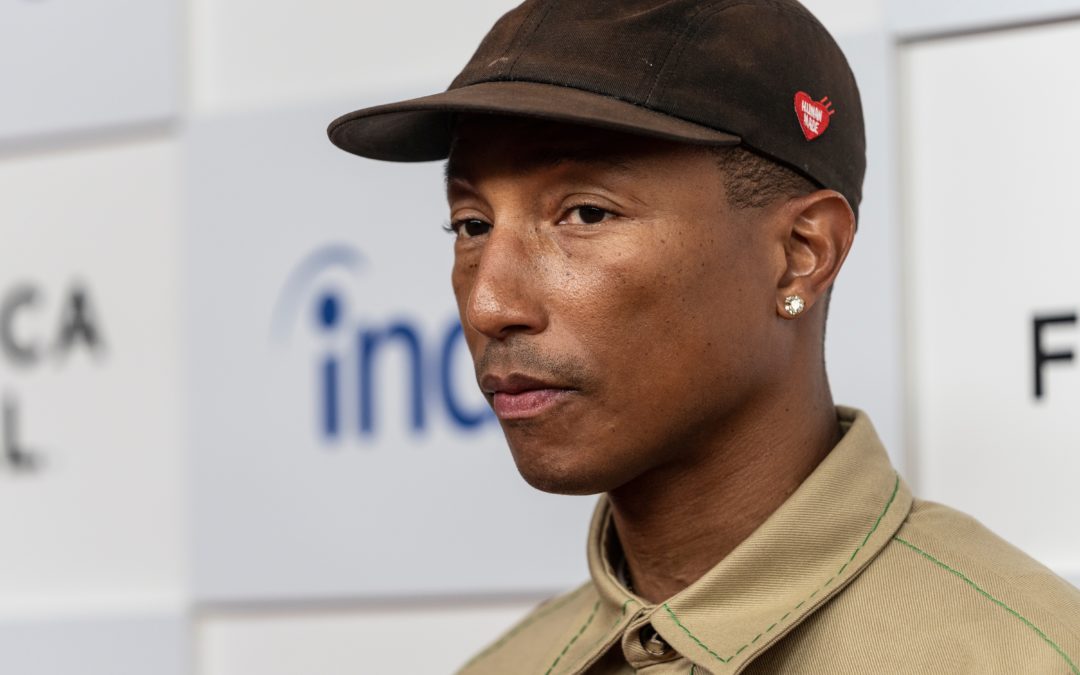
The multitalented Pharrell Williams candidly shared his profound transition from being shackled by hubris to embracing humility. This transformative odyssey unfolds in his unconventional biographical film, “Piece by Piece,” helmed by the acclaimed director Morgan Neville. As the release date draws near, Pharrell’s recent appearance on “The Tonight Show Starring Jimmy Fallon” shed light on the profound lessons he hopes to impart through this Lego-ified cinematic experience.
Rekindling Childlike Wonder: Pursuing Dreams Piece by Piece
One of the central messages Pharrell aims to convey is the timeless wisdom that it’s never too late to pursue one’s dreams and passions. With a pun intended, he encourages viewers to embrace a “piece by piece” approach, meticulously building towards their aspirations, regardless of age or circumstances.
“Number one, it’s never too late to contemplate something in your life that ignites joy, a hobby, a passion, or that elusive dream,” Pharrell shared with Fallon. “Construct it gradually, piece by piece, pun intended. It’s never too late, whether you’re eight or eighty years old. In fact, ‘now’ is a more apt word than ‘never.’ Trust me.”
This call to action resonates with the childlike wonder and curiosity that often fades as we navigate the complexities of adulthood. Pharrell’s words serve as a gentle reminder to reclaim that sense of possibility and pursue endeavors that bring genuine fulfillment.
Unshackling from Societal Constraints: Embracing Freedom
Beyond personal aspirations, Pharrell’s film delves into a profound realization – that a substantial portion of society unknowingly lives in captivity, shackled by perceived societal obligations, fears, and insecurities. In a poignant plea, he urges viewers to let go of these debilitating constraints, allowing a newfound sense of freedom to flourish.
“You guys don’t realize it, but you’re being held captive in your mind by your fears, your flaws, your insecurities, the pressures of life,” Pharrell shared during the interview. “You’ve got to let those things go and be free. Honestly, when you see this film, this is what happens. You see that I get to a place where it’s like I was being held captive by insecurity. So, I had a lot of hubris. But there’s this transformation that happens where I go from having all this hubris to actually having humility, and my life changed.”
This powerful message strikes a chord with the universal human experience, where societal expectations and self-imposed limitations can imprison us in a state of constant striving and dissatisfaction. Pharrell’s journey serves as a beacon of hope, reminding us that true freedom lies in shedding the shackles of insecurity and embracing a humble, authentic existence.
Reframing Success: Gratitude and Collective Effort
In addition to personal growth and liberation, Pharrell’s insights offer a refreshing perspective on the nature of success itself. He poignantly illustrates how achievements, such as selling a million copies of a song, are not solely individual accomplishments but rather a collective effort involving the decisions and support of countless individuals.
“What happened was you did a song, and a million people decided to buy or stream that song,” Pharrell explained. “Once you realize that, then you understand that you didn’t write the book. You’re just lucky to be a comma in a sentence in the existence of everything that’s going on. I’m 51. It shouldn’t take you that long, you guys. If you’re eight years old, man, start right now.”
This reframing of success as a collaborative endeavor fosters a sense of humility and gratitude, recognizing that our accomplishments are intertwined with the choices and support of countless others. It’s a poignant reminder to embrace a spirit of gratitude and acknowledge our role as mere contributors to the vast tapestry of existence.
Embracing Authenticity: A Call to Action
As Pharrell’s “Piece by Piece” film prepares to captivate audiences in theaters, his candid reflections serve as a powerful call to action. Through his personal journey, he invites viewers to embark on their own transformative odyssey, shedding the shackles of insecurity, pursuing passions with unwavering determination, and embracing the freedom that comes with authenticity and humility.
In a world that often values outward success and validation, Pharrell’s message resonates as a beacon of hope, reminding us to reconnect with our childlike wonder, let go of societal constraints, and reframe our perceptions of achievement. By embracing this authenticity, we can unlock a profound sense of fulfillment and contribute our unique voices to the collective symphony of human existence.
Pharrell’s Multifaceted Artistry: A Legacy of Inspiration
Beyond his musical prowess, Pharrell has consistently demonstrated a commitment to using his platform to inspire and uplift others. From his fashion collaborations to his philanthropic endeavors, he has carved a legacy as a visionary artist and advocate for positive change.
One of Pharrell’s most notable recent endeavors is his involvement as a co-chair for the upcoming Met Gala, a prestigious event celebrating the intersection of fashion, art, and culture. This opportunity further solidifies his status as a multidimensional creative force, capable of transcending boundaries and leaving an indelible mark on various artistic realms.
The Power of Storytelling: Pharrell’s Cinematic Narrative
Pharrell’s decision to convey his personal journey through the unconventional medium of a Lego-ified biographical film is a testament to his creativity and ability to captivate audiences through compelling storytelling. By partnering with the acclaimed director Morgan Neville, known for his work on the documentary “Roadrunner,” Pharrell has crafted a unique cinematic experience that promises to resonate with viewers on a profound level.
The film’s innovative approach, blending animation and real-life narratives, allows Pharrell to share his insights and experiences in a visually stunning and engaging manner. This artistic choice not only showcases his creative ingenuity but also underscores the power of storytelling in fostering personal growth and inspiring transformative change.
Collaborative Brilliance: Pharrell’s Noteworthy Collaborators
One of the most exciting aspects of “Piece by Piece” is the inclusion of Lego-ified versions of Pharrell’s esteemed collaborators from the music industry. Iconic figures such as Snoop Dogg and Gwen Stefani are set to make appearances, adding an extra layer of intrigue and star power to the film.
These collaborations serve as a testament to Pharrell’s ability to forge meaningful connections and foster creative synergy with fellow artists. By bringing together diverse talents and perspectives, he has consistently pushed the boundaries of artistic expression, creating music and projects that transcend genres and resonate with audiences worldwide.
Embracing Vulnerability: Pharrell’s Courage to Share
In a society that often celebrates bravado and invincibility, Pharrell’s willingness to share his personal struggles with insecurity and hubris is a courageous act of vulnerability. By openly acknowledging his journey from a place of arrogance to one of humility, he invites viewers to embrace their own imperfections and embark on a path of self-discovery and growth.
This vulnerability not only humanizes Pharrell but also serves as a powerful reminder that even the most successful individuals grapple with self-doubt and personal challenges. By sharing his story, he creates a safe space for others to confront their own insecurities and find solace in the knowledge that they are not alone in their struggles.
The Lego Metaphor: Building a Life Piece by Piece
The use of Lego bricks as a central metaphor in “Piece by Piece” is a stroke of genius, perfectly encapsulating the film’s overarching message of gradual self-construction and personal growth. Just as Lego bricks can be assembled and disassembled to create countless designs, Pharrell’s journey encourages viewers to embrace a similar mindset – one where they can continuously reshape and rebuild their lives, piece by piece, in pursuit of authenticity and fulfillment.
This metaphor resonates deeply with the childlike wonder and creativity that often fades as we navigate the complexities of adulthood. By evoking the nostalgia and joy associated with Lego play, Pharrell invites viewers to rediscover that sense of possibility and approach their personal journeys with a spirit of curiosity and open-mindedness.
Embracing Imperfection: Pharrell’s Relatable Humanity
Throughout his candid reflections, Pharrell’s willingness to acknowledge his own imperfections and missteps humanizes him in a profound way. By sharing his struggles with hubris and insecurity, he reminds us that even the most accomplished individuals are not immune to the universal challenges of the human experience.
This relatable humanity is a refreshing departure from the often curated and polished personas presented by public figures. Pharrell’s vulnerability and authenticity create a sense of connection with his audience, fostering a deeper understanding and appreciation for the complexities of personal growth and self-discovery.


RECENT COMMENTS