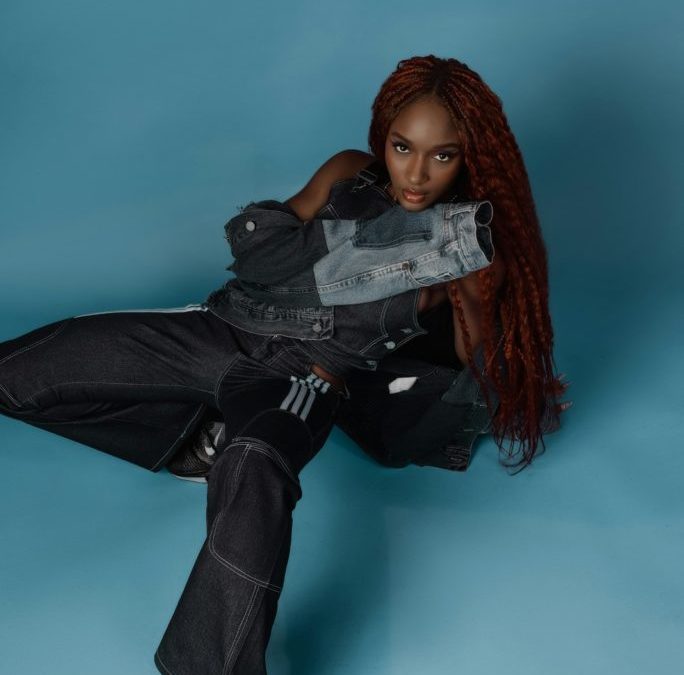
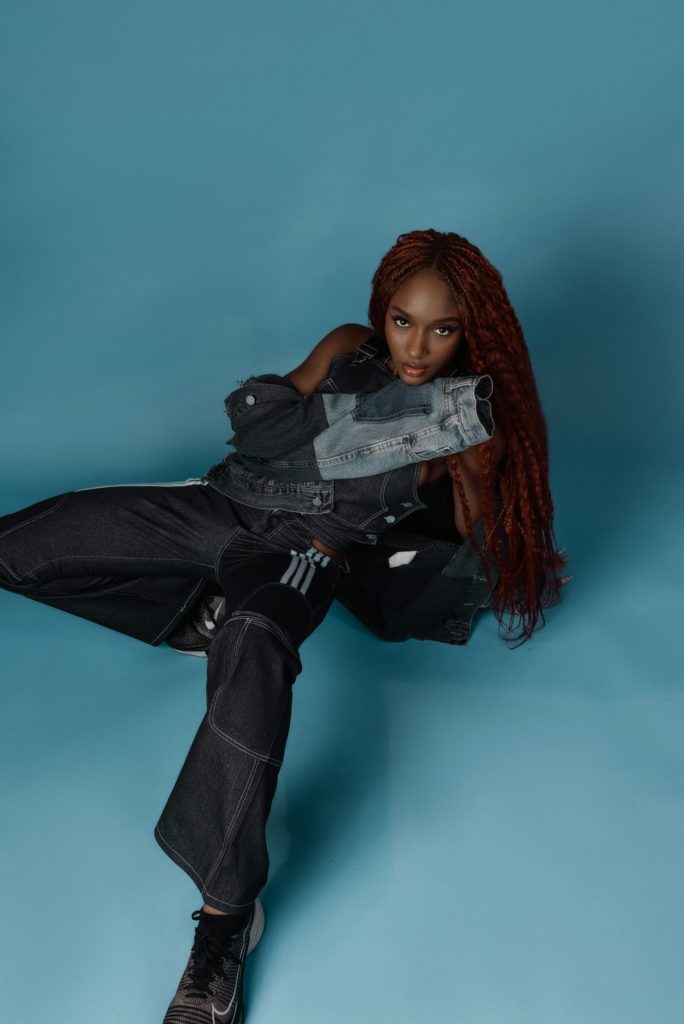
In a major career leap that underscores her skyrocketing international presence, Nigerian Afropop sensation Ayra Starr has inked a management deal with Roc Nation, the global entertainment powerhouse founded by iconic rapper and entrepreneur Jay-Z.
This strategic partnership comes on the heels of a remarkable year for the 21-year-old singer, who has been rapidly ascending through the ranks of global music stardom. Roc Nation’s move to bring her into its exclusive artist roster is seen by many in the industry as a definitive nod to Starr’s surging influence—not just in Africa, but across the world.
A Partnership Sealed in Momentum
While the news was formally confirmed only recently, industry watchers had already begun speculating about a potential Roc Nation collaboration weeks earlier. When the label publicly congratulated Ayra Starr on her recent BET Award win—her first—many fans and insiders interpreted the gesture as more than a passing compliment. It was a subtle foreshadowing of something much bigger.
Fast forward a few weeks, and the dots have connected. Ayra Starr, still signed under Mavin Records—the influential Nigerian label led by veteran producer Don Jazzy—will now be represented internationally by Roc Nation. She also remains under the umbrella of Universal Music Group (UMG), through Mavin’s global distribution deal. This layered arrangement effectively creates a powerhouse of industry veterans and strategists working behind the scenes to elevate her career.
Why Roc Nation? Why Now?
Founded in 2008, Roc Nation isn’t just another label. It’s a full-service entertainment agency that manages top-tier artists like Rihanna, J. Cole, Shakira, and Megan Thee Stallion, offering not only music production and promotion but also film, sports, and cultural influence strategies. With its deep roots in the American entertainment ecosystem, Roc Nation provides a gateway into one of the most competitive music markets in the world.
For Ayra Starr, whose appeal transcends Afrobeats and leans into global pop, fashion, and Gen Z zeitgeist, Roc Nation offers the perfect machinery to transition from a rising African star into an international pop icon.
“This is more than just management,” says Nigerian music journalist and Afrobeats Intelligence host Joey Akan. “It’s a calculated step to position her in a league that very few African female artists have accessed. Roc Nation isn’t just working with talent—they execute global careers.”
Balancing Loyalty with Ambition
Despite signing with Roc Nation, Ayra Starr has not severed ties with the team that first discovered her. She continues to be a core artist under Mavin Records, which played a critical role in shaping her artistic identity. Discovered by Don Jazzy in 2021, she broke onto the scene with her self-titled EP and the viral single “Away,” quickly becoming one of the faces of Nigeria’s Gen Z music movement.
This new arrangement reflects a modern approach to artist development—collaborative and international in scope. By leveraging the infrastructure of Mavin in Nigeria, UMG globally, and now Roc Nation in the U.S., Ayra Starr is supported on multiple fronts as she navigates increasingly demanding creative and commercial opportunities.
“This isn’t a split from Mavin or Universal,” Akan adds. “It’s an expansion of her team. With Roc Nation involved, she now has localized support in the U.S.—arguably the most competitive music market in the world—with the resources and insight to break her in properly.”
A Career Already on the Fast Trac
Even before this announcement, 2024 has been a landmark year for Ayra Starr. Fresh off her BET Award and MOBO Award wins, she’s currently on a stadium tour with Coldplay, performing in front of tens of thousands across Europe and North America. This exposure is not just a badge of honor—it’s a crucial visibility play in markets that many Afrobeats artists spend years trying to break into.
She’s also making her acting debut in the upcoming film adaptation of “Children of Blood and Bone,” a highly anticipated fantasy epic based on the bestselling novel by Tomi Adeyemi. The film has already generated considerable buzz for its Black-centered mythology and Hollywood production value, and Ayra’s involvement signals her ambition to transcend music and build a multi-faceted global brand.
Moreover, her upcoming single “Hot Body”, which she teased just days before the Roc Nation announcement, is expected to be her first major release under the management of her new team. If successful, it could mark a new era in her sound and visual storytelling—one that is likely to target a broader global pop audience.
The ‘IT Girl’ of Afrobeats
Ayra Starr is not just another singer in the Afrobeats boom—she is a stylistic trailblazer. With her genre-bending sound that mixes Afropop, R&B, soul, and global pop, she has cultivated a distinct identity: fiercely confident, fashion-forward, and unapologetically young. Her fashion choices, music videos, and interviews resonate with a generation that wants more than just hits—they want icons.
Her 2023 album “19 & Dangerous” featured hits like “Rush”, which not only topped African charts but made waves on global streaming platforms, further cementing her reputation as a future-facing artist.
“She’s the ‘IT’ girl,” says Akan. “Not just for Nigeria, but for the global youth culture. She’s bold, genre-fluid, unfiltered, and highly marketable. Roc Nation sees that potential and is betting on it.”
A Big Win for African Pop
While Ayra Starr’s move is monumental for her career, it also signals broader shifts in the global perception of African artists—particularly women. In an industry historically dominated by Western acts and male voices, her signing reflects a growing hunger for fresh perspectives from the Global South.
Jay-Z’s Roc Nation aligning with a Nigerian Gen Z female artist isn’t just a business move—it’s a cultural endorsement.
More than ever, Afrobeats is being treated not as a regional genre but as a global soundscape, with artists like Burna Boy, Wizkid, Tems, and Rema leading the charge. Ayra Starr’s Roc Nation signing adds to that list—but from a fresh, female-led perspective.
Looking Ahead: What This Means for Ayra Starr’s Future
With Roc Nation in her corner, Ayra Starr is now poised to take bolder creative risks and tap into high-level collaborations across music, fashion, and film. Whether that means working with American producers, appearing in brand campaigns, or featuring in Hollywood soundtracks, the resources and connections are now there.
There’s also anticipation around how Roc Nation might position her visually and sonically. Will she maintain her raw, Afrocentric aesthetic? Or evolve into a more globally hybrid artist, like Rihanna or Doja Cat? Time will tell—but with a label known for nurturing multidimensional careers, fans can expect an elevated era of Ayra Starr.
A Sign of Things to Com
Ayra Starr’s journey is emblematic of a wider movement. Africa is no longer a talent pool waiting to be tapped—it’s a thriving creative ecosystem exporting world-class stars. And with structures like Mavin, UMG, and Roc Nation collaborating, the blueprint is evolving from mere talent discovery to global domination.
Her new single Hot Body—dropping soon—is more than just a song. It’s the first test of this new chapter, backed by one of the most influential music companies in the world.
For fans, for Nigeria, and for the global music community, the message is clear: Ayra Starr is not just coming—she’s arrived.
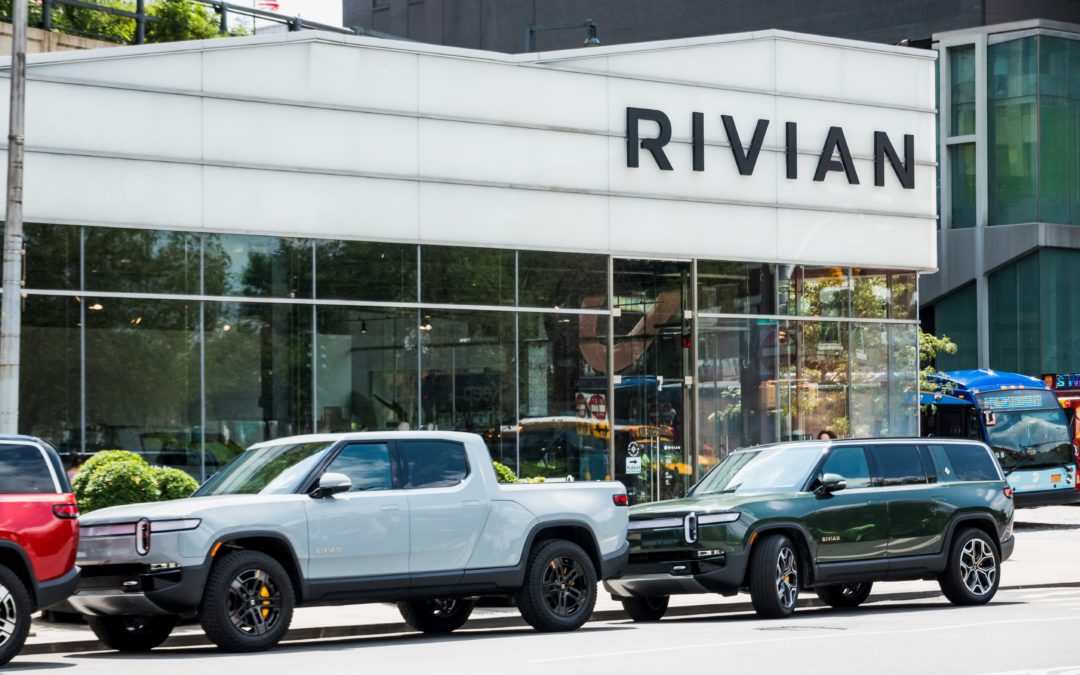
Electric vehicle (EV) manufacturer Rivian has reached a critical checkpoint in its ongoing partnership with Volkswagen Group, securing a fresh $1 billion in funding through a share sale. This funding is part of a multi-billion-dollar technology collaboration between the two automakers and arrives at a moment when Rivian is facing serious challenges—especially in the form of declining sales, rising production costs, and looming policy changes that threaten to reshape the EV market in the United States.
While the billion-dollar influx offers short-term financial relief and investor confidence, it doesn’t erase the ongoing turbulence Rivian is experiencing on the operational front. The company’s sales trajectory, affected by both internal growing pains and external pressures like tariffs and uncertain EV incentives, continues to raise questions about its long-term stability.
A Deeper Look at the Investment
This new $1 billion payment is part of a larger joint venture announced in 2024 between Rivian and the German auto titan Volkswagen, which aims to eventually funnel up to $5.8 billion into Rivian’s business and tech ecosystem. The funding is designed not only to provide capital but also to help Volkswagen integrate Rivian’s advanced software and electrical vehicle architecture into its own fleet of future electric cars.
In simpler terms, Rivian is essentially becoming the back-end tech partner for Volkswagen’s upcoming EV lineup, providing expertise in digital vehicle design, system software, and modular electronics—areas where legacy carmakers often lag behind newer startups.
Volkswagen’s first $1 billion was delivered last year in the form of a convertible note, a type of debt that can later be turned into equity. The latest funding installment, however, comes through a direct share purchase, giving Volkswagen more direct ownership and aligning its future with Rivian’s success.
Sales Struggles Highlight Growing Pains
Despite this financial lifeline, Rivian’s core business—selling electric vehicles—is underperforming. The company recently revealed it delivered 10,661 vehicles during the second quarter of 2025. Although that number reflects an improvement over Q1’s 8,640 deliveries, it represents a worrying 23% drop when compared to the same quarter in 2024.
These delivery numbers are below market expectations and signal a decline in consumer traction or logistical execution—or both. For a company that’s still trying to scale and achieve profitability, such drops raise red flags. Furthermore, the numbers highlight a bigger issue: Rivian’s growth may have plateaued at a time when competitors are scaling aggressively.
The company has now revised its 2025 full-year target downward. It expects to deliver between 40,000 and 46,000 vehicles by the end of the year. Even at the optimistic high end of that estimate, Rivian would still fall short of its total deliveries from both 2023 and 2024. This implies a possible downward trend rather than one of expansion—an issue that could jeopardize investor confidence and future fundraising potential.
Cost Reductions: Progress With a Cavea
Rivian’s ability to achieve its second-ever gross profit in the first quarter of 2025 played a crucial role in unlocking this new round of funding from Volkswagen. Gross profit, in basic terms, means the company made more on the sale of its vehicles than it spent directly producing them—excluding overhead and administrative costs.
This milestone was achieved thanks to a two-year effort by Rivian’s engineering and manufacturing teams to simplify the production process of its flagship vehicles—the R1S SUV and R1T pickup truck. The redesign of these models allowed Rivian to reduce material costs, streamline the assembly line, and boost production efficiency. The results were vehicles that were cheaper to build and easier to scale—though Rivian is still operating at a net loss when all business expenses are factored in.
In an industry where capital efficiency is king and profit margins are tight, these changes represent real progress. But for Rivian, which has historically burned through billions in its bid to challenge Tesla, they are only part of a much larger puzzle.
The Tariff Troubles: A New Threat Looms
Compounding Rivian’s internal struggles is a major external threat: rising trade tensions under the administration of President Donald Trump. The return of aggressive protectionist trade policies, especially concerning China, is dramatically increasing the cost of key EV components—batteries, semiconductors, and rare-earth metals—that Rivian and other EV makers depend on.
Trump’s administration has pushed for steep tariffs on imported parts, and Rivian has already responded by lowering its annual delivery guidance due to the anticipated rise in production costs. These changes are forcing Rivian to reconsider sourcing strategies and domestic manufacturing options—moves that, while strategic, could take years to fully implement and may disrupt short-term momentum.
EV Tax Credit in Jeopardy
Another major hurdle Rivian may soon face is the potential elimination of the federal EV tax credit. A sweeping legislative package dubbed “One Big Beautiful Bill” is currently making its way through Congress. If passed in its current form, this bill would eliminate the $7,500 federal tax credit for new electric vehicles as early as September 2025.
This tax credit has been instrumental in making EVs more affordable and accelerating their adoption in the United States. Without it, the price gap between EVs and traditional gas-powered vehicles could widen, making Rivian’s relatively expensive vehicles even harder to sell to budget-conscious consumers.
Losing this incentive would particularly hurt Rivian’s upcoming R2 SUV, which is being designed as a more affordable, mass-market option. The R2 is expected to be priced starting in the $40,000 range and is central to Rivian’s plan to transition from a niche premium automaker into a mainstream EV brand.
Volkswagen’s Bet on Rivian: A Strategic Alignment
The Volkswagen-Rivian alliance is more than just a capital deal—it’s a sign of evolving industry dynamics. Traditional automakers like Volkswagen are racing to modernize their vehicles and technology stacks, and partnerships with nimble EV startups are a shortcut to that transformation.
Volkswagen stands to gain Rivian’s cutting-edge software infrastructure and scalable EV architecture, which could be deployed across various VW brands like Audi, Porsche, and Skoda in the future. For Rivian, this alliance not only brings cash but also global validation, helping to position it as more than just a flashy startup.
The hope is that Rivian’s tech-first approach—often compared to Tesla’s—will now power vehicles at a far greater scale, thanks to Volkswagen’s manufacturing and distribution muscle. This symbiosis could, in theory, allow Rivian to focus on what it does best: innovation and software.
R2: Rivian’s High-Stakes Futur
Set to debut in 2026, the R2 SUV is Rivian’s most ambitious and critical product to date. Unlike the rugged R1T and R1S, which are targeted at premium adventure consumers, the R2 is being developed for the broader, price-sensitive mainstream market.
The success of the R2 could determine Rivian’s future. If well-executed, it could unlock tens of thousands of new customers, significantly boost revenue, and establish Rivian as a lasting name in the automotive industry. But delays, rising costs, or loss of consumer incentives could derail this plan, making 2025 and 2026 do-or-die years for the company.
Rivian will also need to invest heavily in production capacity, marketing, and customer service infrastructure to support the R2 launch—all while managing current financial and political challenges.
Conclusion: The Crossroads Ahead
Rivian finds itself at a defining moment. The $1 billion injection from Volkswagen is a lifeline, but it also raises the stakes. It shows that powerful players in the automotive world still believe in Rivian’s technology and potential. Yet belief alone is not enough. Execution—on production, cost-efficiency, and consumer adoption—will determine whether Rivian sinks or swims.
The company must now navigate a maze of economic, political, and market pressures. From tightening tariffs and rising costs to policy rollbacks and falling deliveries, Rivian faces a complex path forward. And yet, with the R2 on the horizon and Volkswagen in its corner, the possibility of a breakthrough remains.
Rivian’s story is far from over—but the next chapter will demand precision, resilience, and flawless execution.
In a cultural crossover few anticipated but many celebrated, Grammy-winning rapper and pop culture icon Megan Thee Stallion has announced she is developing her own anime series. The surprise revelation came during her appearance at DreamCon, a convention that celebrates anime, gaming, and the contributions of Black creatives in fandom spaces. Megan, a longtime anime enthusiast, took the stage dressed as Yoruichi Shihōin from the anime classic “Bleach” and unveiled her collaboration with acclaimed producer Carl Jones, known for his work on “The Boondocks” and “Black Dynamite.”
This project, which will debut on Prime Video, is not just a vanity experiment or a branding gimmick. It’s a full-scale anime series created by someone who grew up loving the medium, finally seizing the opportunity to contribute to it in a meaningful way. This announcement has sparked widespread excitement among anime fans, hip-hop heads, and anyone who understands the power of creative cross-pollination.
Megan’s personal connection to anime has been well documented. Over the years, she’s made her fandom a central part of her public identity. Whether through Instagram cosplays, interviews, or her previous Crunchyroll collaboration, Megan has shown time and again that she isn’t jumping on a trend—she’s been living it.
In 2020, Megan teamed up with Crunchyroll to launch an anime-inspired streetwear collection. The capsule line included t-shirts, hoodies, and tote bags, all adorned with anime versions of the rapper. The pieces also referenced her hit song “Savage,” tying her music and anime love into a cohesive visual identity. It was a moment that underscored her genuine affection for anime culture and her desire to merge it with her brand in an authentic way.
Beyond fashion, Megan has also spoken at length about how anime has inspired her life. In a 2020 interview with Crunchyroll, she shared:
“I’m half anime character, half rapper. I like how you see a character, and it starts off, he’s not really the strongest, he might be a little weak, but he has to go through all this training. You grow with the character. You see all the trials and tribulations they go through. Then you meet new people along the way that help them become the person he needs to be. I apply that to my life a lot.”
That quote encapsulates the essence of what anime represents to so many fans: growth, resilience, friendship, transformation. For Megan, these are not just themes she appreciates as a viewer, but values she embodies as an artist. From her early days releasing freestyles on YouTube to her meteoric rise in the rap industry, Megan has lived the anime protagonist arc in real time.
So what can fans expect from this new anime series? While specific plot details remain tightly under wraps, the creative partnership between Megan and Carl Jones suggests a show that will be both visually dynamic and narratively deep. Jones is known for blending satire, social commentary, and stylistic flair. His work on “The Boondocks” helped redefine Black animation, while “Black Dynamite” pushed boundaries with its bold visuals and biting humor.
Combining Jones’ experience with Megan’s vision and charisma has the potential to produce something groundbreaking. Given Megan’s emphasis on character growth, strength, and identity, the anime is likely to reflect those themes in a futuristic, action-packed, or even magical girl format. It could be a story rooted in hip-hop aesthetics or draw on more traditional shonen or seinen influences with a feminist twist.
The significance of Megan creating an anime cannot be overstated. Anime has long suffered from a lack of diversity, both in front of and behind the screen. Black characters are often sidelined or stereotyped, and the industry has historically struggled with cultural representation. By taking on the role of creator, Megan is helping to rewrite that narrative. She is placing a Black woman at the helm of a genre that’s often been criticized for its lack of inclusivity.
Moreover, Megan is not alone in this movement. Other artists like Michael B. Jordan and Pharrell Williams have also stepped into the anime and animation space, reflecting a broader cultural moment where Black creatives are reclaiming genre storytelling. Megan’s anime isn’t just entertainment—it’s a statement.
This creative expansion also dovetails with Megan’s larger entrepreneurial pursuits. Just one day before her DreamCon appearance, she launched her new swimwear line, Hot Girl Summer, at PARAISO Miami Swim Week. The 18-piece collection, featuring vibrant bikinis, monokinis, one-piece swimsuits, and cover-ups, is now available at Walmart, Megan’s own website, and other outlets. Prices range from $16 to $28, making it both stylish and accessible.
In her press release, Megan said, “Everyone knows I love being near a pool or a beach, so I finally decided to turn my passion into a business and create my own swimwear brand. It was only right that we kick off Hot Girl Summer with this launch and provide Hotties of all body types with the official Hot Girl uniform. I used to shop at Walmart growing up, so it’s a full circle to have my own line available at Walmart and I’m so grateful for their support.”
This move reflects a broader trend among celebrities who are expanding their personal brands into fashion, beauty, and lifestyle sectors. But again, what makes Megan stand out is the intentionality behind her ventures. Whether she’s creating a swimsuit or an anime, she does it with the aim of empowering others, particularly young Black women who rarely see themselves reflected in these spaces.
Her swimwear line and anime series are two sides of the same coin: bold declarations of autonomy, creativity, and representation. They show that Megan isn’t content to be boxed in by industry expectations. She is forging her own path—not just as a rapper, but as a mogul, storyteller, and icon of modern femininity.
The response to Megan’s anime announcement has been overwhelmingly positive. Social media buzzed with excitement, fan art, and speculation about the show’s storyline. Anime fans expressed their joy that someone with genuine love for the medium is finally stepping into a creator role. Meanwhile, hip-hop heads celebrated Megan’s continued ascent as a cultural powerhouse.
This isn’t just another celebrity project—it’s a cultural moment. It shows the power of fandom to inspire real-world creation. It shows how being a “nerd” or a “fan” is no longer a weakness or a quirk, but a strength. It shows that representation matters, and when people are given the tools to tell their own stories, they create magic.
As Megan continues to rise, her ventures in music, fashion, and animation serve as a blueprint for how to build a legacy that’s both personal and revolutionary. She is not just contributing to pop culture; she is reshaping it in her own image.
In the months ahead, fans will be eagerly awaiting more details about the anime—its name, characters, plot, and release date. But even now, before a single frame has aired, the project is already a triumph. It affirms that anime can be a space for everyone, and that when artists bring their full selves into their work, the results are nothing short of extraordinary.
Stay tuned for what promises to be one of the most exciting creative projects of the year. Megan Thee Stallion’s anime journey is just beginning—and the world is watching with anticipation and applause.
The film Sinners has rapidly become more than just a movie—it’s a cultural moment. Its mix of vampire mythology intertwined with profound themes of racial reckoning has drawn extensive attention, but perhaps the most powerful element lies in its music. At its core, Sinners pulses with the spirit of the Delta Blues, a genre whose influence extends far beyond the American South and reverberates worldwide.
The standout musical piece in the film is undoubtedly “I Lied to You,” delivered with raw emotional power by actor and musician Miles Caton, who plays Sammie “Preacher Boy” Moore in the movie. This soulful track was written by the legendary Raphael Saadiq during a studio session alongside Oscar-winning composer Ludwig Göransson—known for his work on director Ryan Coogler’s Black Panther films. Saadiq brings to the table a career that spans almost 40 years, including three Grammy Awards and a legacy of collaborations with artists like Beyoncé on “COWBOY CARTER” and Solange on her critically acclaimed album A Seat at the Table.
Though Saadiq is widely celebrated for his deep roots in R&B, his connection to the music of Sinners goes beyond genre—it touches on his own story. In a Billboard interview published on May 2, Saadiq revealed that he shares a similar background to Sammie, the film’s complex character. Discussing the tension between Sammie’s secular music passion and his church upbringing, Saadiq explained, “That really resonated with me because that’s exactly how I grew up. Playing R&B music, I was told it was the devil’s music, so I completely understood where Sammie was coming from.”
This personal tie to the story allowed Saadiq to bring an authenticity to the songwriting process. He also noted how the project reconnected him with his Baptist roots, particularly the vocal traditions of his childhood church: “Even the humming on the track—I pulled that from Union Baptist Church. It’s a type of devotional singing that’s deeply ingrained in me.”
The Power of Miles Caton’s Voice
When Saadiq composed “I Lied to You,” he had not yet heard Miles Caton sing it. “That voice is something else,” he said. “I wrote the song imagining how I would sing the blues, but when I finally heard Miles sing it, I was blown away.”
Despite Saadiq’s own musical prowess, he felt the song belonged solely to Miles Caton’s voice. Even though there was an offer for Saadiq to release his own demo alongside the film’s soundtrack, he declined, preferring listeners to experience the track exclusively through Miles’s powerful performance. “The movie is so incredible that when people go to streaming platforms, they should only hear Miles. His voice is incredible,” Saadiq emphasized.
For Saadiq, this wasn’t simply an act of humility; it was a recognition that Miles’s voice perfectly embodied the emotional truth of Sammie’s character and the film’s themes.
A Hook Born from Real Life
The phrase “I Lied to You” is far from a random lyric. It originated in Saadiq’s own experiences. Reflecting on his youth, Saadiq recalled a moment when he was struggling to tell his girlfriend the truth about a difficult situation. Instead, he told her, “You know what would make a great blues line? ‘They say the truth hurts, so I lied to you.’”
That line lingered in his mind for years as a powerful blues hook. “I’ve always had blues ideas,” Saadiq admitted. “I’d often come up with blues hooks because they’re some of the best hooks in music.”
For the film, Saadiq initially believed that Sammie was lying to his father, which inspired the song’s title and lyrics. However, as the character developed, it became clear that Sammie was actually trying to tell the truth, even if it wasn’t fully accepted. This emotional complexity added layers of meaning to the song and resonated deeply with Saadiq’s own reflections on truth and deception.
Collaboration with Ludwig Göransson and the Birth of the Track
The creative synergy between Raphael Saadiq and Ludwig Göransson was critical in bringing “I Lied to You” to life. Göransson’s background in cinematic scoring and Saadiq’s mastery of rhythm and blues fused to create a track that was both haunting and cinematic. This collaboration enhanced the film’s emotional landscape, anchoring key scenes with music that felt timeless and authentic.
Experiencing the Song in the Film’s Premier
Saadiq first heard the full version of “I Lied to You” performed by Miles Caton at the Sinners premiere in Oakland, California, on April 16, 2024. Watching the song come alive on the big screen, amidst the movie’s powerful narrative, was a moving moment for Saadiq. Two days later, the film was released worldwide in theaters, including IMAX formats, and quickly garnered box office success. By early May, the film had grossed over $185 million, according to The Numbers, proving both commercial and critical acclaim.
The Delta Blues: Music as Cultural Legacy
The choice to center Sinners’ soundtrack around Delta Blues is a deliberate and meaningful one. Blues music originated from the deep South of the United States and is a genre that has long communicated the pain, resilience, and spirit of African American communities. It is often considered the foundation of much of American music today—from jazz and rock to R&B and hip-hop.
By placing blues music front and center, Sinners pays homage to this rich cultural legacy and reclaims it within a modern narrative. This musical choice creates a bridge between the struggles of the past and present, weaving history into the film’s contemporary themes of identity, power, and redemption.
Raphael Saadiq’s Artistic Journey and Personal Connection
Raphael Saadiq’s career has been marked by his ability to navigate various musical styles with authenticity. Whether producing smooth R&B or venturing into soulful gospel and blues, Saadiq’s work always reflects deep emotional honesty.
In Sinners, his songwriting reconnects him to a foundational part of his own life—his church upbringing. He described how the devotional humming in the track reminded him of singing in church as a child, a spiritual practice that left a lasting imprint on his musical sensibility.
Moreover, Saadiq confessed he had always admired the blues but doubted his own ability to sing it authentically. “I’ve had blues ideas for years, but I never thought I had the voice for it,” he said. The chance to write for Sammie and hear Miles Caton bring that voice to life fulfilled a personal and artistic desire for Saadiq.
The Emotional Core of “I Lied to You”
At its heart, “I Lied to You” is a song about the complicated nature of truth. The title suggests deceit, but the deeper story involves the pain and vulnerability that comes with honesty, especially when it challenges relationships and expectations.
This tension aligns with the film’s larger themes of identity and conflict—Sammie’s struggle to reconcile his secular music passion with his religious roots mirrors broader societal struggles around cultural and racial identity.
Saadiq’s lyricism captures this perfectly, creating a song that feels both personal and universal. Listeners don’t just hear a character’s confession—they hear echoes of their own experiences with love, fear, and self-expression.
Conclusion: A Song That Transcends the Screen
The creation of “I Lied to You” for Sinners is a remarkable example of how music can elevate storytelling. Through Raphael Saadiq’s masterful songwriting and Miles Caton’s unforgettable voice, the track transcends its role as a film song and becomes a powerful expression of cultural memory and emotional truth.
In connecting his own history with the blues and gospel traditions of his youth, Saadiq crafted more than just a soundtrack. He contributed a living piece of art that honors the blues’ enduring legacy—its capacity to tell stories of hardship, redemption, and hope.
As Sinners continues to captivate audiences worldwide, the haunting refrain of “I Lied to You” stands as a reminder that music isn’t just entertainment—it’s a vital thread that binds us to our history, our emotions, and each other.
A significant chapter in the long-standing discord between Ali, a former member of the St. Lunatics, and the prominent hip-hop artist Nelly has seemingly concluded with Ali’s withdrawal of his substantial $50 million lawsuit. This legal action had cast a shadow over the legacy of the group and Nelly’s early success. However, despite this dismissal, the legal maneuvering appears far from over, as Nelly’s legal representatives are actively urging the court to maintain jurisdiction over the matter, hinting at potential future legal repercussions for Ali.
The Lawsuit That Shook the Foundation of the St. Lunatics
The contentious lawsuit, initiated in the year 2023, centered on allegations that Nelly had neglected to provide due royalty payments to his fellow St. Lunatics collaborators for their contributions to his groundbreaking 2000 album, “Country Grammar.” This album proved to be a monumental commercial triumph, propelling Nelly to international stardom and firmly establishing him as a dominant force in mainstream hip-hop. With sales exceeding 10 million copies within the United States alone, “Country Grammar” remains etched in history as one of the best-selling rap albums of all time, a testament to its widespread appeal and enduring popularity.
Ali, who has long asserted his role as the principal founder of the St. Lunatics, initiated the legal proceedings on behalf of the entire group. His claim asserted that the collective efforts and creative input of the group members on “Country Grammar” went largely unacknowledged and financially unrewarded. The lawsuit sought a staggering $50 million in financial redress, reflecting the perceived magnitude of the alleged injustice and the immense commercial success that Nelly had achieved, largely on the back of this pivotal album.
However, the foundation of Ali’s legal challenge began to erode relatively quickly. Crucially, several key members of the St. Lunatics, including prominent figures like Murphy Lee, City Spud, and Kyjuan, publicly distanced themselves from the legal action shortly after its inception. These members explicitly stated that they had not granted Ali any authorization to pursue legal action on their behalf, thereby creating a significant internal rift within the group. This division extended beyond the conflict between Ali and Nelly, fracturing the unity of the St. Lunatics and adding layers of complexity to an already sensitive situation. The public disavowal by these key members significantly weakened Ali’s position and cast doubt on the legitimacy of his claim as representing the collective grievance of the group.
Legal Maneuvering and the Subsequent Dismissal
According to reports from Billboard, Ali officially and voluntarily withdrew his lawsuit on April 10, 2024. This action might have initially appeared to signal a resolution to the protracted dispute, offering a sense of closure to this particular legal entanglement. However, Nelly’s legal team has demonstrated a clear intention not to let the matter rest without a formal response and potential counter-action. In their subsequent court filings, Nelly’s attorneys vehemently characterized Ali’s lawsuit as “frivolous” and argued that it was legally “time-barred,” suggesting that the claim lacked any substantial legal basis and was initiated well beyond the permissible statute of limitations. They further contended that the primary motivation behind the lawsuit was not a genuine pursuit of justice but rather an attempt to inflict financial and legal burdens upon Nelly, disrupting his professional and personal life.
Nelly’s legal representatives have strongly urged the court to retain its jurisdiction over the case, even in light of Ali’s withdrawal. This strategic move is aimed at enabling them to potentially pursue sanctions against Ali and his legal counsel. They argue that Ali’s legal team engaged in what they describe as a “frivolous campaign” with the explicit objective of compelling Nelly to expend significant financial resources in defending against what they maintain was a baseless and outdated claim. In their formal request to the court, Nelly’s lawyers stated, “Plaintiff’s counsel succeeded in its frivolous campaign aimed at forcing [Nelly] to spend money defending Plaintiff’s ridiculous time-barred claim. The Court is respectfully requested to retain jurisdiction and set a briefing and hearing schedule for [potential sanctions].”
Essentially, while Nelly is no longer facing the immediate legal threat posed by Ali’s withdrawn lawsuit, he and his legal team are determined to ensure that those they believe were responsible for initiating what they consider to be a groundless legal action are held accountable for their actions. The underlying aim of this pursuit of sanctions appears to be twofold: firstly, to potentially recover some of the financial costs and time lost in navigating the legal proceedings, and secondly, to serve as a deterrent against similar legal actions in the future, discouraging others from pursuing what Nelly’s team perceives as meritless claims. This counter-offensive underscores the lingering animosity and the potential for further legal skirmishes despite the initial dismissal.
The Genesis of the Rift: Unpacking the Underlying Issues
Ali’s grievances against Nelly are far from being a recent development. The underlying conflict appears to be deeply entrenched and intensely personal, stemming from years of what Ali perceives as unaddressed frustrations and fundamental breaches of trust. In a revealing 2023 interview with VladTV, Ali articulated his strong feelings of resentment towards Nelly, expressing profound bitterness over what he described as two decades of consistent disrespect and broken promises. His words painted a picture of a relationship marred by a significant power imbalance and a lack of mutual regard.
During this candid interview, Ali employed a vivid metaphor to illustrate his long-held perception of Nelly’s character, stating, “A tiger ain’t never gonna change his stripes. I watched it for 20 years and I’m the butt of the joke because it took me 20 years to realize it.” This statement encapsulates Ali’s sense of prolonged disillusionment and the feeling that he was consistently underestimated or treated unfairly over an extended period. He further declared that he would “never, ever” perform alongside Nelly again, emphasizing the deep emotional and financial toll that their past interactions had taken on him. This resolute statement underscored the seemingly irreparable nature of their fractured relationship and the profound impact of their history on Ali’s present stance.
Ali did not shy away from directly questioning Nelly’s motivations and intentions, expressing a starkly negative assessment of his character. “He has no real, raw good intentions for others,” Ali asserted, his words laden with disappointment and a sense of betrayal. He specifically extended this negative assessment to his former St. Lunatics colleagues, stating, “Not for us… He got $50 million, I’m happy for him. That’s what he wants. He wants a billion.” These strong pronouncements reveal a deep-seated belief that Nelly’s pursuit of individual success came at the expense of his loyalty to the group and his genuine concern for their well-being.
These are not merely the words of a disgruntled former collaborator expressing professional disappointment. Instead, they convey the profound sense of personal betrayal felt by someone who once shared a close bond and collective aspirations with Nelly. For Ali, the core issue transcends mere financial compensation or recognition for past contributions; it delves into fundamental principles of loyalty, the sanctity of friendship, and the true meaning of brotherhood within the often cutthroat and complex landscape of the music business. His statements highlight the emotional undercurrents that fueled the lawsuit and continue to shape his perspective on his relationship with Nelly and the trajectory of the St. Lunatics.
A Retrospective of Conflict and the Gradual Separation
To fully comprehend the depth and complexity of the current fractured relationship between Ali and Nelly, it is essential to delve into the formative years of the St. Lunatics and trace the trajectory of their journey. Ali has consistently maintained that he was the pivotal figure in the establishment of the group, which came into existence in 1993 within their shared hometown of St. Louis, Missouri. In a detailed and emotionally charged Instagram post dating back to 2021, Ali provided his personal account of the group’s origins, its initial unity, and its subsequent gradual disintegration.
In his recollection, Ali asserted that his role extended beyond mere founding; he also took on a mentorship capacity, guiding and nurturing the rapping skills of the other members, including Nelly, during their formative years. He recounted a pivotal moment early in their collective journey when he was presented with an opportunity for a solo recording contract. However, driven by a strong sense of loyalty and commitment to the group’s collective aspirations, Ali claimed that he declined this individual offer, choosing instead to prioritize their shared pursuit of success as the St. Lunatics. This decision, in his narrative, underscores his initial dedication to the group’s unity and his belief in their collective potential.
However, the narrative takes a significant turn when Ali recounts a parallel situation involving Nelly. According to Ali’s account, when Nelly was presented with a similar solo opportunity, the outcome was markedly different. Ali alleged that Nelly accepted the solo deal and, in doing so, effectively began to distance himself from the rest of the group. This divergence in their paths and decisions marked a critical juncture in the history of the St. Lunatics, sowing the seeds of future conflict and resentment.
Ali’s 2021 Instagram post vividly describes this turning point, stating, “Fast forward to 1999. Ma$e’s manager at the time, Cudda, was introduced to us… and he immediately started separating the group. He wanted Nelly and City Spud. They left with Cudda and went to Harlem. The separation became the reality. They had left.” The starkness of this account highlights Ali’s perception of a deliberate act of separation, orchestrated by an external influence that recognized Nelly’s individual potential.
The tone of Ali’s message in this post is palpable with both lingering pain and deep-seated resentment. He articulated the feelings of the remaining group members, writing, “We — the rest of the group — felt hustled. We were *1 until the opportunity was presented to be *2… They hustled us.” This powerful word choice conveys a profound sense of betrayal and the feeling of being manipulated or left behind as Nelly’s individual star began to ascend. Ali’s narrative paints a picture of a group that was once unified in its aspirations but ultimately fractured by the allure of individual success and the perceived abandonment of collective loyalty.
The Broader Context: Navigating Fame, Loyalty, and the Price of Achievement
The intricate and often acrimonious feud between Ali and Nelly transcends their personal dynamic, tapping into a more pervasive and complex issue within the music industry, particularly within the realm of hip-hop: the inherent tension between the pursuit of individual ambition and the maintenance of group solidarity. The history of hip-hop is replete with examples of groups that initially rose to prominence as cohesive units but subsequently fractured under the immense pressures and temptations that accompany fame and financial success. As individual creative visions begin to diverge, personal egos potentially inflate, and the bonds of loyalty are rigorously tested, the initial unity of a group can often unravel, sometimes with devastating and long-lasting consequences for all involved.
In the specific case of the St. Lunatics, their journey exemplifies this common trajectory. What began as a close-knit collective of friends sharing a common dream of achieving musical recognition and putting their hometown of St. Louis on the map eventually succumbed to the divisive forces that often accompany significant success. While Nelly ascended to become a globally recognized and commercially successful artist, the remaining members of the group did not attain the same level of widespread acclaim and financial prosperity. This disparity in their individual outcomes likely served as a significant catalyst, fueling long-standing feelings of resentment, marginalization, and a sense of injustice among those who felt left behind as one of their own soared to unprecedented heights.
Ali’s decision to pursue legal action, despite the challenges and the lack of unified support from his other former group members, can be interpreted as an attempt to reclaim a sense of justice, to gain recognition for past contributions that he felt were undervalued, or perhaps simply to voice a long-simmering sense of grievance. However, the subsequent lack of support from key figures within the St. Lunatics and the decidedly harsh and dismissive response from Nelly’s formidable legal team underscore the fact that not everyone within the group shared Ali’s perspective on the situation or agreed with his chosen method of addressing these long-standing issues. This internal division further complicates the narrative and highlights the multifaceted nature of their fractured relationships.
Looking Ahead: Uncertainties and Lingering Questions
With Ali’s lawsuit now officially withdrawn from the legal arena, the immediate question that arises is: what potential developments lie ahead in this ongoing saga?
For Nelly, the primary focus in the immediate aftermath of the dismissal is whether the presiding court will grant his legal team’s request to proceed with considering sanctions against Ali. Nelly’s lawyers have vehemently argued that Ali’s lawsuit constituted a misuse of the legal system, initiated without merit and for the purpose of causing financial and legal distress. If the court ultimately grants these sanctions, it could impose significant financial penalties on Ali for pursuing what is deemed to be a frivolous claim. Furthermore, such a ruling could potentially establish a precedent for how similar disputes within the music industry are handled in the future, sending a message about the potential consequences of pursuing unsubstantiated legal action against more established artists.
For Ali, the decision to drop the lawsuit, while seemingly bringing an end to one particular chapter of this conflict, does not necessarily signify the end of his grievances or his pursuit of some form of resolution. The larger and more fundamental conversation surrounding issues of fairness, proper credit attribution, and equitable compensation within the often-complex and sometimes exploitative landscape of the music industry remains a significant and unresolved issue. Whether Ali chooses to explore alternative legal avenues, to continue his public discourse on the matter, or to seek resolution through private channels remains uncertain. His next steps will likely be closely watched by those familiar with the long and often bitter history of the St. Lunatics.
One undeniable truth that emerges from this protracted dispute is that the emotional and relational wounds between Nelly and Ali, and perhaps extending to the broader legacy of the St. Lunatics as a whole, are far from being fully healed. What initially began as a shared and hopeful dream of putting their St. Louis roots firmly on the national musical map has, over time, devolved into a cautionary narrative. It serves as a stark reminder of how the immense pressures and complexities of achieving significant success can sometimes lead to division and discord, rather than fostering enduring unity and shared prosperity. The story of the St. Lunatics, once a symbol of local talent and collective ambition, now carries a bittersweet undercurrent, tinged with the complexities of fractured relationships and unresolved grievances.
Concluding Reflections
This protracted and emotionally charged legal battle serves as a poignant reminder that beneath the surface of hit records, widespread fame, and the often-glamorous public personas of artists, the music industry is frequently characterized by intricate personal histories, deeply rooted unresolved conflicts, and the enduring challenges of navigating success and maintaining interpersonal relationships. The legal skirmish between Nelly and Ali may have reached a temporary lull with the withdrawal of the lawsuit, but the underlying emotional tensions and the fundamental issues that fueled the conflict continue to simmer beneath the surface.
For the dedicated fans who fondly remember the early days of the St. Lunatics and still enjoy the infectious energy of “Country Grammar,” this ongoing saga presents a bittersweet reality. While the iconic album continues to resonate in clubs and on nostalgic playlists, its backstory is now inextricably linked with tales of legal battles, accusations of betrayal, and the painful fracturing of a once-promising collective. It serves as a sobering reminder that even the brightest and most celebrated moments in the world of music can sometimes be shadowed by darkness and the complexities of human relationships under the intense pressures of fame and fortune.




RECENT COMMENTS