
by Derrick T Lewis | Oct 30, 2023 | Latest, Music News, New Music Alert |
A tale of music, fame, and resilience, this is the story of the Grammy-nominated rapper Offset, the man behind one-third of the hip-hop sensation, Migos. His journey is not just about the glitz and glamour, but also about overcoming challenges and struggles, some of which happened behind bars.
The Rise of Migos
A decade ago, in the vibrant city of Atlanta, a group called Migos started their ascent to the top of the hip-hop industry. Their music, characterized by strong rhythms and catchy hooks, quickly gained traction, leading to a rapidly growing fanbase. Their breakout hit, “Versace“, catapulted them into the limelight. However, for Offset, one of the group members, the reality of their success was not immediately apparent. Why? He was in jail during their breakout year.
The Unseen Success
During a recent appearance on the Call Her Daddy podcast, Offset opened up about his time in jail and how he realized Migos’ success. His “we made it” moment was not a grand celebration or a record-breaking concert. Instead, it was a realization that dawned on him in a jail cell. He recalled how things really took off after Drake featured on the remix of “Versace”, their 2013 hit produced by Zaytoven, which was part of their project, Y.R.N. (Young Rich N***as).
A Song Echoes in the Jail Cell
Offset’s revelation about their success came in an unusual yet unforgettable manner. He was in his jail cell one day when he heard a guard humming a familiar tune during the morning count – “Versace, Versace, Versace”. Offset didn’t think much of it at the time. After all, he was not aware of how big Migos had become in the outside world.
The Big Reveal
Offset’s initial reaction was one of confusion and disbelief. He wasn’t aware of the extent of their success because he was incarcerated. His mind was in turmoil, grappling with the harsh realities of prison life. But when the guard started singing their song, he was taken aback.
Once he was released, he immediately called home. That’s when he found out about Drake’s feature on “Versace”. His friends also informed him that their song was being played on the radio. To Offset, this was mind-boggling. He had initially thought that their song might have been played once or twice on the radio, but the reality was far from it.
The Taste of Fame Behind Bars
Offset had to stay in jail for a few more months even after this revelation. However, he started experiencing the perks of fame behind bars. He began receiving more visits, something that was not common before. He could have up to six visits a day, each lasting about 30 minutes. At first, he mostly received visits from his mother. However, after “Versace” became a hit, he started receiving more visits, even from women who were previously not so keen on visiting him.
Reflecting on the Early Success of Migos
In a 2021 appearance on VladTV, Offset reflected on his early days with Migos. He admitted that it was hard to be in jail while his fellow members, Quavo and Takeoff, were enjoying their success in the outside world. However, he was grateful that they were saving some money for him. After all, they had never had real money before.
This is the story of Offset, a man who experienced the highs and lows of life in a unique way. His journey from jail to the forefront of the hip-hop world is a testament to his resilience. It’s a reminder that success can come in the most unexpected ways, even when you’re not in a position to immediately enjoy it.
by STEPHEN THOMAS | Oct 30, 2023 | Latest, Music News |
Image credit: DFree / Shutterstock.com
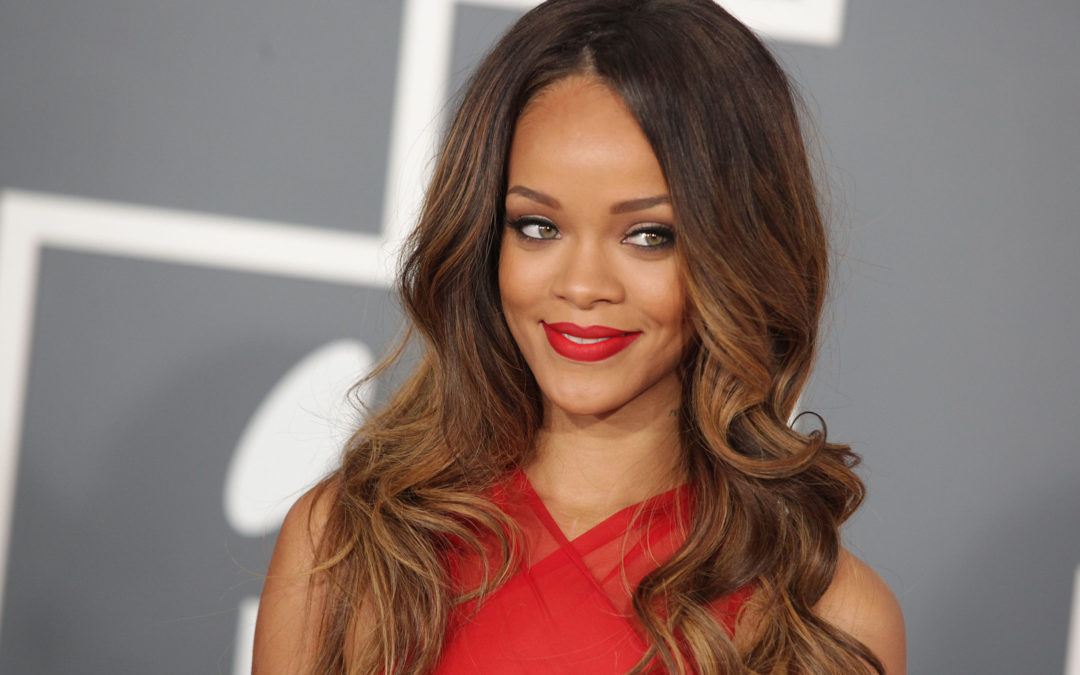
Fashion and music share a unique bond, their relationship beautifully intertwined and often, inseparable. In one such iconic collaboration, global music sensation, Rihanna, and luxury fashion house, Loewe, have joined forces to bring to life a collection that draws inspiration from Rihanna’s unforgettable 2023 Super Bowl Halftime show.
The Collection: A Confluence of Art and Iconography
The collection, a perfect blend of flight gear-inspired apparel and Rihanna’s Super Bowl performance iconography, includes cargo jumpsuits and trousers with utility details. Fashioned from cotton canvas, the pieces offer a relaxed fit and are available in bold black and fiery red.
“The collection is a reflection of the unforgettable moment on the Super Bowl Halftime stage, captured and crafted into wearable art.” – Anonymous Fashion Critic
The Creative Force: Jonathan Anderson’s Vision
Jonathan Anderson, Loewe’s creative director, expressed his excitement about this collaboration. Working with Rihanna, a true icon, to translate her stage looks into a fashion collection was a ‘wild, wonderful dream,’ according to Anderson. The creation of the collection was a journey filled with creativity and inspiration. From initial sketches to the final pieces, every step was meticulously planned and executed.
A Surprise Announcement: The Personal Touch
Adding a personal touch to her Super Bowl performance, Rihanna used the platform to announce her second pregnancy. This personal milestone was shared with millions of fans worldwide, further elevating the significance of the event and the subsequent collection.
In conclusion, the Rihanna and Loewe collection is more than just a fashion line; it is a celebration of a memorable moment in music and personal history. It symbolizes the power of collaboration and the magic that ensues when music and fashion come together.

by Jonathan P-Wright | Oct 26, 2023 | Latest, Music News |
Photo by israel palacio on Unsplash
The landscape of hip-hop has evolved significantly in recent years, with the emergence of new artists and the rise of streaming platforms. However, according to rapper Bow Wow, there is a concerning trend of record labels putting out “subpar ass artists” who lack the necessary skills and knowledge to navigate the industry successfully. In this article, we will explore the importance of artist development in the music industry and why it is crucial for record labels to invest more time and resources in nurturing talent.
The Current State of Hip-Hop
Bow Wow, also known as Bow Weezy, recently expressed his frustration on social media regarding the lack of artist development in the music industry. He believes that record labels are too quick to sign and promote artists who may not be ready for the challenges of the industry. In his tweet, he highlighted the importance of bringing back artist development programs at these labels to ensure that artists receive the necessary training and guidance.
The Role of Record Labels
Record labels play a significant role in shaping the careers of artists. They have the resources and expertise to provide artists with the necessary tools and opportunities to succeed in the highly competitive music industry. However, in recent years, there has been a shift towards signing artists based on their viral success or social media following, rather than their artistic abilities or potential for growth.
The Need for Artist Development
Artist development programs are designed to help artists refine their skills, develop their unique sound, and navigate the complexities of the music industry. These programs provide artists with the knowledge and tools they need to succeed, both creatively and professionally. By investing in artist development, record labels can ensure that the artists they sign are prepared for the challenges they will face and have the potential to create lasting, impactful music.
The landscape of hip-hop has evolved significantly in recent years, with the emergence of new artists and the rise of streaming platforms. However, according to rapper Bow Wow, there is a concerning trend of record labels putting out “subpar ass artists” who lack the necessary skills and knowledge to navigate the industry successfully. In this article, we will explore the importance of artist development in the music industry and why it is crucial for record labels to invest more time and resources in nurturing talent.
The Current State of Hip-Hop
Bow Wow, also known as Bow Weezy, recently expressed his frustration on social media regarding the lack of artist development in the music industry. He believes that record labels are too quick to sign and promote artists who may not be ready for the challenges of the industry. In his tweet, he highlighted the importance of bringing back artist development programs at these labels to ensure that artists receive the necessary training and guidance.
The Role of Record Labels
Record labels play a significant role in shaping the careers of artists. They have the resources and expertise to provide artists with the necessary tools and opportunities to succeed in the highly competitive music industry. However, in recent years, there has been a shift towards signing artists based on their viral success or social media following, rather than their artistic abilities or potential for growth.
The Need for Artist Development
Artist development programs are designed to help artists refine their skills, develop their unique sound, and navigate the complexities of the music industry. These programs provide artists with the knowledge and tools they need to succeed, both creatively and professionally. By investing in artist development, record labels can ensure that the artists they sign are prepared for the challenges they will face and have the potential to create lasting, impactful music.
There have been numerous success stories in the music industry that highlight the importance of artist development. Artists like Symba, Westside Boogie, Lady London, and Lola are just a few examples of talented artists who have benefited from proper artist development. These artists have honed their craft, developed their own unique styles, and gained recognition for their talent.
The Future of Hip-Hop
Bow Wow’s call for record labels to prioritize artist development reflects a growing sentiment within the industry. There is a need for change and a return to nurturing talent, rather than focusing solely on short-term gains. As the music industry continues to evolve, it is essential for record labels to invest in the future of hip-hop by supporting and developing emerging artists.
Conclusion
Artist development plays a vital role in the success and longevity of artists in the music industry. By providing artists with the necessary training, guidance, and resources, record labels can ensure that they are nurturing talent and creating opportunities for artists to thrive. The future of hip-hop depends on a return to artist development, where artists can grow, evolve, and create music that resonates with audiences for years to come.

by Fabiola Noel | Oct 25, 2023 | Latest, Music News |
Photo by Nainoa Shizuru on Unsplash
Hype Williams, a prodigious music video director, is a name that reverberates throughout the music world. His groundbreaking vision has shaped the music videos of some of the most influential artists in the industry, such as Jay-Z, Missy Elliott, and DJ Khaled. This article delves into the stories behind Williams’ impactful work, exploring the collaborative efforts and creative processes that have marked his legendary career.
The Team Behind the Vision
The indelible visuals that Williams has been known for over the past three decades were not the work of a single individual. Williams, despite his grandiose ideas and pioneering vision, required a team to transform his concepts into reality. His collaborative endeavors involved working closely with various creatives, including June Ambrose, an imaginative costume designer, Malik Hassan Sayeed, a talented cinematographer, and Connie Orlando, a dedicated producer, among others.
Artists such as Jay-Z, Missy Elliott, Kelis, and DJ Khaled, placed their trust in Williams, faithfully following his direction. This collaborative approach was critical in producing 2-3 music videos a month at the peak of Williams’ career.
Jay-Z: From “Can’t Knock The Hustle” to “Big Pimpin”
Jay-Z’s collaboration with Williams began in 1996 with the music video “Can’t Knock The Hustle”. The video’s cinematic feel was amplified by the stunning cinematography of Malik Hassan Sayeed. The grandeur of the visuals and Williams’ unique eye for detail elevated the video to a whole new level.
The duo’s groundbreaking collaboration continued with “Sunshine” in 1997, and “Big Pimpin” in 2000. “Big Pimpin” marked their first high-budget video. Williams’ direction and vision for the video were instrumental in pushing the album sales from one million to four million.
Missy Elliot: The Magic of “The Rain” and “She’s a Bitch”
Williams’ collaboration with Missy Elliot led to the creation of visually stunning music videos like “The Rain” and “She’s a Bitch”. Williams’ innovative ideas, coupled with Elliot’s risk-taking attitude, resulted in captivating and futuristic music videos.
For “She’s a Bitch”, Williams suggested the bold idea of Elliot sporting a bald head. This idea, along with Elliot’s futuristic wardrobe and make-up, made the video a masterpiece. These visuals have become iconic in the music industry, proving to be a work of art set to inspire future generations.
The Costuming Genius of June Ambrose
June Ambrose, the costume designer behind some of Williams’ most iconic videos, played a crucial role in bringing his visions to life. Ambrose designed the costumes for videos such as “Mo Money Mo Problems” and “The Rain”. Her ability to create custom, out-of-the-box costumes on short notice was instrumental in setting the tone and visual impact of these videos.
Fatima Robinson: Choreographing the Moves
Fatima Robinson, the choreographer for videos like “Rock The Boat” and “Put Your Hands Where My Eyes Can See“, was instrumental in bringing Williams’ vision to life. Her choreography, combined with Williams’ innovative direction, resulted in music videos unlike any seen before.
Margo Wainwright: Making Iconic Videos a Reality
Margo Wainwright, the former video commissioner at Def Jam, worked closely with Williams to produce iconic videos for Def Jam artists. Despite the astronomical budgets associated with Williams’ videos, the results were always worth the investment. Videos such as “Big Pimpin” and “Hate Me Now” were game-changers in the music industry, becoming iconic symbols of the culture.
Hype’s Legacy: Beyond Music News
The impact of Williams’ work extends beyond music news and the music industry. His innovative direction and groundbreaking vision have inspired countless artists and filmmakers. His contribution to the representation of Black culture in media is unparalleled. His work has set the bar high for music video directors, challenging them to think outside the box and push the boundaries of creativity.
Williams’ legacy continues to inspire new generations of artists, filmmakers, and music video directors. He has paved the way for creative expression in the music industry, proving that with a bold vision and a talented team, anything is possible. So, here’s to Hype Williams, the man who showed the world what Black opulence looks like and continues to shape the visual landscape of the music industry.
by Jonathan P-Wright | Oct 25, 2023 | Latest, Music News |
Photo by Erik Mclean on Unsplash
Toronto’s renowned jazz ensemble, BadBadNotGood, has once again joined forces with the multi-talented singer-songwriter Charlotte Day Wilson. This collaboration has resulted in the creation of the brand new song, “Sleeper“.
A Look at the Collaboration
The collaboration between BadBadNotGood and Charlotte Day Wilson is not a new phenomenon. They have previously worked together on tracks such as “In Your Eyes” and “I Can Only Whisper”. The latter found its place in Wilson’s critically acclaimed album, “Alpha”.
The Creative Process
According to Wilson, the song “Sleeper” came into being in a rather spontaneous way. The ensemble was casually experimenting with different sounds in the studio when the instrumental for “Sleeper” was born. Wilson effortlessly added the lyrics, shaping the final piece.
“The song portrays someone who chooses the path of least resistance and finds themselves in a lifeless, loveless relationship,” Wilson stated.
The instrumental, coupled with Wilson’s powerful vocals, gives the track a unique, soothing feel. It’s a testament to the musical chemistry between BadBadNotGood and Charlotte Day Wilson.
Early Preview for the Fans
Fans of Daniel Caesar got an exclusive preview of the track. During Caesar’s performance in Toronto, he invited Wilson and BadBadNotGood on stage, where they performed “Sleeper”.
However, the track had already been premiered earlier in the summer at the All Points East music festival in London, giving the attendees a sneak peek.
Conclusion
The reunion of BadBadNotGood and Charlotte Day Wilson on “Sleeper” blends the best of both worlds – the tranquil harmony of jazz instrumentals and the soulful expression of heartfelt lyrics. The “Sleeper” is not just a song; it’s a journey – a journey through the path of least resistance, leading to a lifeless, loveless relationship. It’s a testament to the outstanding musical chemistry between the Toronto jazz ensemble and the talented singer-songwriter.

RECENT COMMENTS