by Jonathan P-Wright | Aug 9, 2023 | Latest, Music News, New Music Alert |
Vic Mensa, the Chicago-born rap luminary known for his boundary-pushing creativity, has joined forces with the incomparable Ty Dolla $ign to deliver an electrifying new single that’s sure to set the airwaves on fire. On July 28, Vic Mensa unleashed the infectious “Eastside Girl,” a collaboration that not only showcases his musical versatility but also features the signature charm of Ty Dolla $ign.
Produced by a powerhouse team including Vic Mensa himself, the mxnxstxr (Mensa’s rave-inclined alter ego), LPeezy, and Subroza, “Eastside Girl” is a high-energy anthem that invites listeners to embrace the vibrant spirit of a ladies’ night out, regardless of their geographical location. Boasting a lively tempo and irresistible hooks, the song seamlessly encapsulates the spirit of an unburdened evening brimming with joy, camaraderie, and indelible moments.
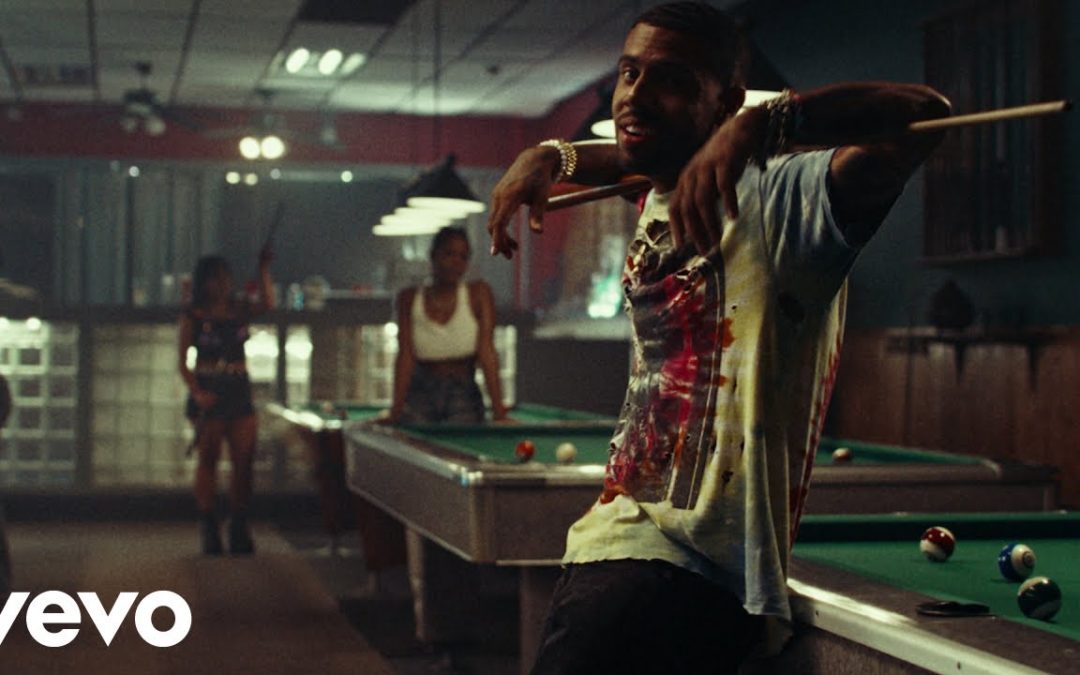
The accompanying music video, directed by Danielle Alston, serves as a visual feast that complements the song’s energetic vibe. In the video, viewers are treated to scenes of Vic Mensa enjoying a game of pool with a bevvy of beautiful women, showcasing his effortless charisma and dynamic stage presence. However, the storyline takes an unexpected twist when Mensa appears to fall under a mysterious spell, resulting in a twist of events that add a touch of intrigue to the narrative. While Ty Dolla $ign doesn’t make a physical appearance in the video, his vocal contributions lend an undeniable layer of charm to the track.
“Eastside Girl” represents a harmonious partnership between two creators renowned for their relentless exploration and expansion of their individual genres. Vic Mensa’s ability to seamlessly blend his signature style with diverse sounds and influences has made him a standout figure in hip-hop, while Ty Dolla $ign’s soulful and versatile vocals have made him a sought-after collaborator across the music industry.
As Vic Mensa continues to make waves with his artistic evolution, “Eastside Girl” stands as a testament to his unwavering commitment to delivering music that resonates with a global audience. With its infectious rhythm and captivating visuals, this single is poised to become a staple in summer playlists and beyond, offering listeners an opportunity to immerse themselves in the irresistible energy of a memorable night out.
by Jonathan P-Wright | Aug 4, 2023 | Latest, Social Justice |
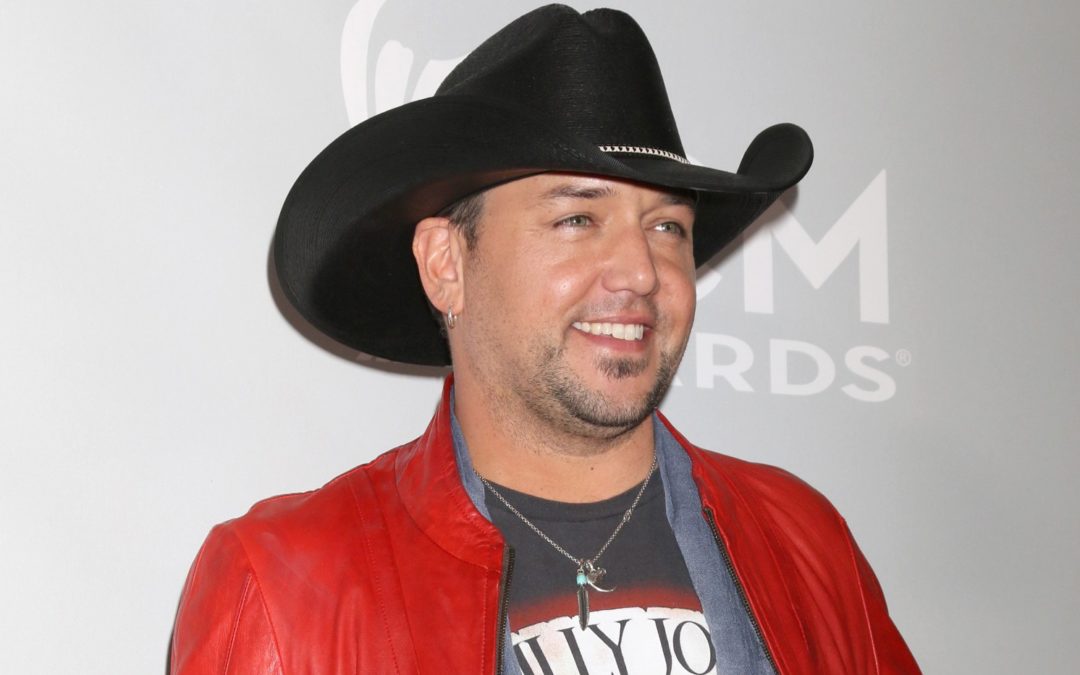
In the midst of a growing storm of controversy, country music artist Jason Aldean has taken a significant step to address the outcry surrounding his latest single, “Try That In A Small Town,” by releasing an updated version of its accompanying video. This move comes after the original video drew sharp criticism for featuring imagery that many perceived as racially insensitive.
The embattled singer’s updated rendition of the “Try That In A Small Town” video reportedly sees the removal of the contentious footage that projected scenes from the 2020 Black Lives Matter protests onto the Maury County Courthouse in Columbia, Tennessee. The original video, which stoked a firestorm of allegations of racism, depicted a convergence of present-day protests and historical racial tensions, all while Jason Aldean’s lyrics addressed crossing societal boundaries.
Notably, the footage projected onto the Maury County Courthouse held deep historical significance, as it was the very location where a Black teen named Henry Choate was lynched during the 1920s. This juxtaposition, combined with Jason Aldean’s musical narrative, stirred a potent mixture of emotions, ranging from anger to deep sadness, and further ignited conversations about the intersection of art, history, and social consciousness.
The removal of this contentious footage marks a strategic move on Jason Aldean’s part, aimed at quelling the mounting criticism that erupted in the wake of the video’s release. It is reported that the updated version is now six seconds shorter than its predecessor, a subtle but deliberate edit that seeks to minimize the potential for further controversy.
The incident surrounding the original video’s content offers a thought-provoking reflection on the power and responsibility of artists like Jason Aldean to navigate complex social issues through their creative expressions. As conversations surrounding race, identity, and historical awareness gain increasing prominence, the scrutiny faced by Jason Aldean’s video underscores the imperative for cultural figures to be attuned to the sensitivities of their audiences.
As the updated video continues to circulate, its reception will undoubtedly be closely watched. This incident serves as a stark reminder that art, though a vehicle for expression, can wield substantial influence, often transcending mere entertainment to engage with deeply entrenched societal narratives.
The updated video prompts broader discussions about the role of art in shaping perceptions, the complexities of cultural representation, and the evolving landscape of accountability in the age of heightened awareness. Ultimately, the narrative that unfolds around this incident holds lessons for artists like Jason Aldean, audiences, and the ongoing dialogue about the intertwined relationships between creativity, history, and the pursuit of social progress.

by Laghe Andrews | Aug 2, 2023 | Latest, POLITICS |
As the political landscape in Alabama heats up, the stage is set for a fierce clash between determined voters and the state’s Republican-led lawmakers over a contentious issue: the revised congressional district map. The conflict arises from allegations that the new map directly contradicts federal court rulings, prompting residents to rally against what they perceive as a violation of voting rights and the democratic process.
A group of state voters is taking a stand, sending a powerful message that they refuse to let the alleged transgressions of their representatives go unchecked. In a statement that echoes their determination, the voters assert, “The Alabama Legislature believes it is above the law,” exposing a growing divide between elected officials and the citizens they serve.
At the heart of this dispute lies a recent U.S. Supreme Court decision on June 8, which favored Black voters, constituting 27 percent of the state’s population. This move is seen as a crucial step in upholding the principles of the Voting Rights Act and ensuring equitable representation for all.
However, the path to compliance has been fraught with controversy. Allegations have surfaced that the Republican-led society disregarded the spirit of the Voting Rights Act in their pursuit of redistricting. The reported modifications in the new map purportedly lead to an augmentation of Black voters’ presence in the predominantly white 2nd Congressional District. However, concurrently, they result in a reduction of the Black voting-age population in the state’s solitary majority-Black district, now standing at 50.65 percent.
Rep. Chris England, a Black lawmaker from Tuscaloosa, provides poignant insight into the situation. He points out that significant changes often occur in Alabama only when federal court orders are in place, emphasizing the need for external intervention to ensure adherence to the law.
The confrontation between voters and lawmakers in Alabama underscores the ongoing struggle for fair representation and the essential role of checks and balances in a democratic society. As tensions rise and the battle for a just and equitable electoral system intensifies, the collective determination of citizens to hold their elected officials accountable remains steadfast.
The aftermath of this confrontation is bound to extend its influence significantly, not just within the confines of Alabama but across the broader spectrum of discussions related to voting rights and the foundational tenets of democracy. As voters assert themselves in opposition to established norms and insist on the upholding of legal norms, the reverberations of their quest for equity extend beyond geographical boundaries. This endeavor serves as a powerful reminder that the potency of a democracy lies in its dedication to impartiality, openness, and the collective voice of its citizens.

by Derrick T Lewis | Aug 2, 2023 | Latest, Social Justice, Uncategorized |
A solemn chapter in the quest for justice unfolds as former Shreveport Police Department officer Alexander Tyler appears in court, entangled in the aftermath of the fatal shooting of Alonzo Bagley, a Black man whose life was tragically cut short. The proceedings, which took place on July 24, marked a pivotal moment in a case that has drawn nationwide attention and heightened calls for accountability within law enforcement.
In a courtroom charged with emotion, Alexander Tyler, a white former officer, entered a plea of not guilty to charges stemming from the shooting incident that claimed the life of Alonzo Bagley in February. Tyler faces charges of first-degree negligent homicide and felony malfeasance, with prosecutors recently adding a second felony charge to the list. If found guilty, both counts carry potential sentences of up to five years in prison, a reflection of the gravity of the accusations.
The events leading up to the fatal encounter were captured on bodycam footage, a chilling testament to the realities of this tragic incident. The events transpired on February 3 when law enforcement were called to an apartment complex in the Shreveport, Louisiana region following reports of a domestic disturbance. What followed in the wake of their arrival would reverberate deeply within the community. Alonzo Bagley, a 43-year-old Black man, chose to escape the clutches of the authorities by vaulting from a balcony, setting in motion an intense pursuit on foot that would hold the attention of all those involved.
The bodycam footage revealed the pivotal moments that culminated in tragedy. As officers closed in on Bagley, Alexander Tyler discharged his weapon, striking Bagley in the chest. The visual documentation of the encounter has ignited a wave of outrage and intensified demands for transparency and accountability within the criminal justice system.
Proponents of accountability argue that while law enforcement officers indeed face perilous situations, the public expects that they will exercise sound judgment and adhere to strict guidelines, particularly when it comes to the use of lethal force. Tyler’s legal history, including two suspensions from the force and an ongoing investigation into previous violations, casts a shadow over his actions and raises questions about his fitness to serve as a protector of the community.
In response to these deeply troubling developments, community leaders, activists, and concerned citizens are rallying for a thorough and impartial investigation. The case of Alonzo Bagley’s death echoes a larger nationwide conversation about systemic issues within law enforcement and the urgent need for reform.
As the legal proceedings unfold, the outcome of this case will undoubtedly have significant implications, not only for the individuals involved but also for the broader movement for justice and accountability. The plea of not guilty signifies the beginning of a complex journey towards truth and justice, one that will require a steadfast commitment from all corners of society to ensure that the memory of Alonzo Bagley is honored and that incidents like this never happen again.
by Laghe Andrews | Aug 1, 2023 | Latest, Music News, New Music Alert |
Lil Tjay, the Bronx rap sensation, bares his soul in his latest visual release, “Bla Bla,” featuring Fivio Foreign. On July 27, the rising star unveiled the highly anticipated collaboration, produced by A Lau, Bordeaux, Non Native, and Itamar Gov-Ari, and the track is a powerful reflection on his life and the challenges he has faced.
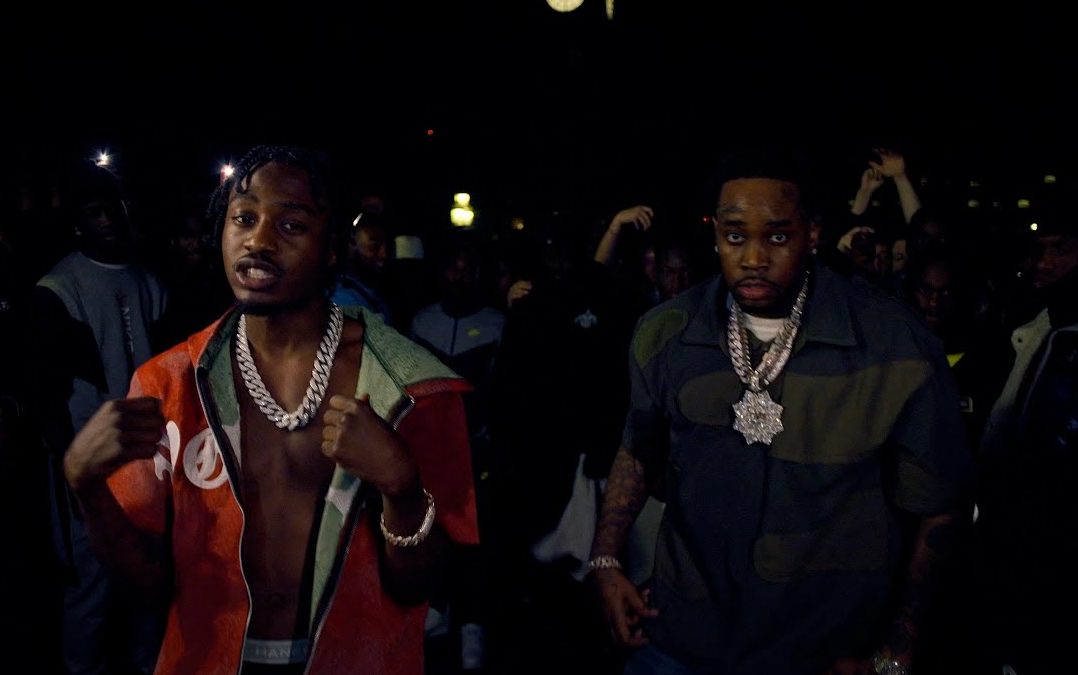
In the emotionally charged music video, directed by TVK Visuals and JL Shot That, Lil Tjay and Fivio Foreign venture into the heart of London, capturing the vibrant energy of the city during their excursion. The video features footage from this year’s Wireless Festival, where the duo’s electrifying performance captivated a massive crowd of adoring fans in front of the iconic London Eye.
“Bla Bla” serves as a candid expression of Lil Tjay’s emotions following a harrowing incident in 2022 when he faced a life-threatening shooting. The track finds the Bronx rapper questioning those who failed to support him during that challenging time. Through heartfelt lyrics and soulful delivery, Lil Tjay opens up about the impact of that traumatic event on his life and the people around him.
Speaking about the significance of the number “2” in his album titles, Lil Tjay shares a powerful moment of symbolism tied to the shooting incident. Recounting how he was airlifted into the sky like a helicopter during the ordeal, he vividly recalls the moment when the time read 2:22, which he interprets as an angelic sign guiding his path.
As Lil Tjay’s career continues to soar, “Bla Bla” marks another milestone in his musical journey. From his debut album “True 2 Myself” to the critically acclaimed “Destined 2 Win,” Lil Tjay’s artistry has resonated with millions of fans worldwide. Now, with “Bla Bla,” he further solidifies his place as an artist who fearlessly embraces vulnerability and channels life’s experiences into soul-stirring music.
In an industry often defined by bravado, Lil Tjay’s willingness to share his emotional journey and personal struggles sets him apart as an authentic voice in modern hip hop. With his genuine storytelling and captivating performances, Lil Tjay continues to leave an indelible mark on the genre and the hearts of his devoted fans.
“Bla Bla” is not just a song—it’s a powerful testament to resilience, growth, and the unwavering spirit of Lil Tjay as he navigates the highs and lows of life in the spotlight.



RECENT COMMENTS