by Voshawn Johnson | Aug 29, 2025 | Latest, Music News, Trending |
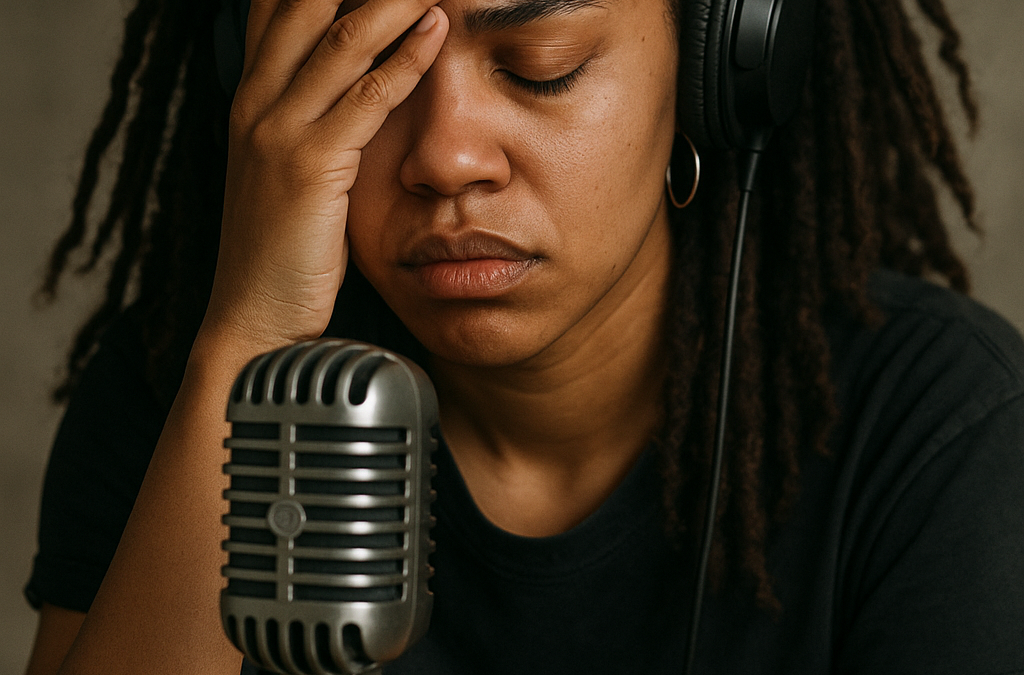
The sight of Tyla being escorted into a waiting car by her security team in São Paulo raised alarms worldwide this weekend. But beyond the initial panic, the incident has sparked broader discussion about the physical and mental toll of international touring on young artists.
Tyla’s management attributed her brief spell of distress to exhaustion and dehydration. These are familiar diagnoses in the music industry, but they hint at deeper systemic challenges. For emerging stars like Tyla, the transition from relative obscurity to global sensation can be both exhilarating and punishing.
The lifestyle is relentless: international flights, jet lag, interviews, meet-and-greets, rehearsals, performances, and after-parties. Each appearance is an opportunity to grow the brand, but each also extracts a cost. Nutrition, rest, and downtime are often sacrificed in the pursuit of momentum. For artists in their early twenties, the body can bounce back quickly, but repeated strain takes its toll.
Tyla’s case isn’t unique. Pop history is littered with similar moments. In the early 2010s, Justin Bieber collapsed on stage in London due to exhaustion. Lady Gaga famously canceled part of her “Born This Way” tour citing hip injuries exacerbated by relentless performance schedules. More recently, Shawn Mendes postponed an entire tour in 2022, acknowledging the mental health strain of life on the road.
These incidents highlight the dual reality of pop stardom: the dream of global recognition is tethered to the grind of constant output. Artists are brands, and brands must be “always on.” Fans demand access, promoters demand consistency, and social media demands content. The result is a lifestyle that leaves little room for human vulnerability.
Tyla’s response, however, has been measured and reassuring. “I’m okay and feeling stronger,” she said in her note to fans, reminding them that sometimes the pace simply catches up with her. The honesty resonated with supporters, many of whom praised her for acknowledging the strain rather than hiding it.
As her management noted, no major changes to her schedule have been made yet. But even if adjustments are minimal, the incident has reignited calls within the industry for more sustainable touring practices. From mandatory rest days to integrated wellness programs, conversations about reform are increasingly common.
At just 22, Tyla embodies both the promise and the pressures of pop’s new generation. Her health scare may have been temporary, but it has underscored the very real demands placed on artists navigating global fame. For fans, the takeaway is relief that she is safe. For the industry, it’s another reminder that behind the lights and applause, health remains the most important performance of all.
by Voshawn Johnson | Aug 28, 2025 | Latest, Music News, Tech News |
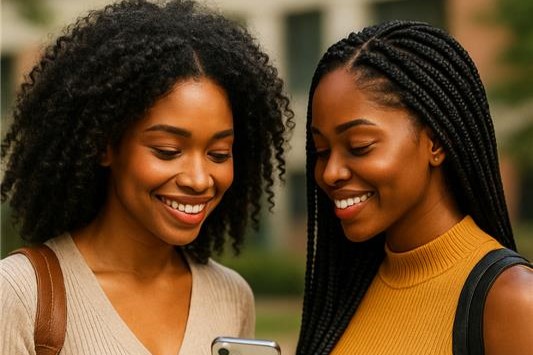
AI-generated editorial illustration – not an official Spotify photo
Spotify’s rollout of ‘Messages’ marks a bold move into the realm of social interaction. The platform now lets users exchange recommendations without switching apps, potentially making the listening experience more immersive.
Yet with every step into social functionality, Spotify risks diluting its brand identity. The company has always been synonymous with playlists, discovery, and unmatched accessibility. By adding messaging, is it signaling that music alone isn’t enough to hold user attention?
“Yet with every step into social functionality, Spotify risks diluting its brand identity. …”
Supporters will argue that this evolution is necessary in a digital era where TikTok and Instagram dominate cultural conversation. But detractors say Spotify is straying from its foundation, investing in features nobody demanded while ignoring requests for higher-quality audio.
From an editorial standpoint, innovation should not come at the expense of core strengths. Spotify must be careful not to chase trends that weaken its identity as the premier audio platform.

by Voshawn Johnson | Aug 28, 2025 | Latest, Music News, New Music Alert, Social Justice |
AI-generated editorial illustration – this image does not contain copyrighted material or likeness, and is not affiliated with Sean Combs or any of his brands or companies.
When Sean ‘Diddy’ Combs walked out of court with another dismissal, mainstream news offered quick headlines. But Sean G, through The Podcast with Soul, gave the moment context, showing why this ruling matters. He reminded viewers that while high-profile lawsuits grab attention, many collapse under legal scrutiny when anonymity rules aren’t followed.
Subscribe here: The Podcast with Soul on YouTube for real-time, authentic updates.
Sean G explained that in this case, the plaintiff failed to comply with court-mandated deadlines, making the dismissal inevitable. His delivery balanced the factual with the cultural, exploring how such rulings shape public conversations about celebrity accountability and fairness in the justice system. Learn more from The Podcast with Soul.
The Podcast with Soul stands out because it respects its audience’s intelligence. Sean G goes beyond the surface, connecting the dots and urging his viewers to think critically. For anyone wanting authentic news instead of sensationalized reports, subscribing to The Podcast with Soul on YouTube is essential.
by Voshawn Johnson | Aug 28, 2025 | Digital Mogul, Latest, Music News, POLITICS |
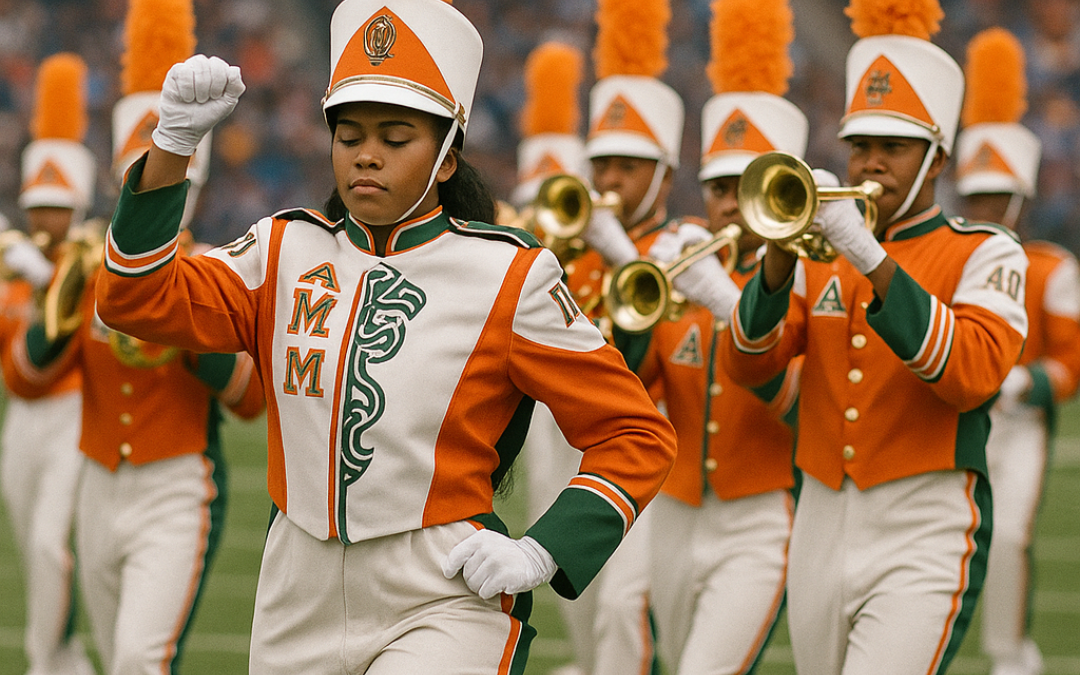
AI-generated editorial illustration – not an official FAMU photo
The Marching 100 has earned global acclaim for decades as the epitome of HBCU marching band excellence. With the appointment of Dupé Oloyede as the first female head drum major, FAMU ushers in a bold new era defined by innovation, inclusivity, and cultural legacy.
Oloyede’s Nigerian American heritage influences her unique leadership style, blending strength with compassion. This duality is essential in a role that demands discipline on the field and mentorship off it. Her story represents a powerful intersection of culture, identity, and responsibility.
“Oloyede’s Nigerian American heritage influences her unique leadership style, blending strength with …”
For FAMU, this milestone reinforces its position as a leader among HBCUs in driving change. Representation at the top matters, and by breaking barriers, the Marching 100 sets an example for all institutions that tradition must evolve to reflect the diversity of talent.
Her debut performance as head drum major at the Orange Blossom Classic will not just be a show of musical precision—it will be a statement of cultural progress. It marks a turning point where tradition and progress harmonize to redefine what leadership in HBCU bands looks like.
by Jonathan P-Wright | Aug 27, 2025 | Latest, Music News, Trending |
Born in the Storm, Becoming the Storm: The Immortal Rise of Liyah The Libra”
Los Angeles, CA — 2025 – In Hip-Hop, survival stories are plenty. But few artists have the ability to transform survival into soundtracks the way Liyah The Libra does. Her path from homelessness and despair to a record deal with AllWins Entertainment is remarkable. Yet, what truly sets her apart is her rare gift of storytelling, cadence, and lyrical delivery—a gift that positions her as one of the most important new voices of her generation.
A Rare Gift: Storytelling, Cadence, and Delivery
Liyah The Libra doesn’t just rap—she translates life. With every verse, she captures the unspoken emotions of her listeners, turning private struggles into public anthems. Her cadence is sharp and fluid, effortlessly weaving rhythm with raw honesty. Her delivery strikes with precision—sometimes soft as a whisper, sometimes cutting like a blade—always authentic, always true.
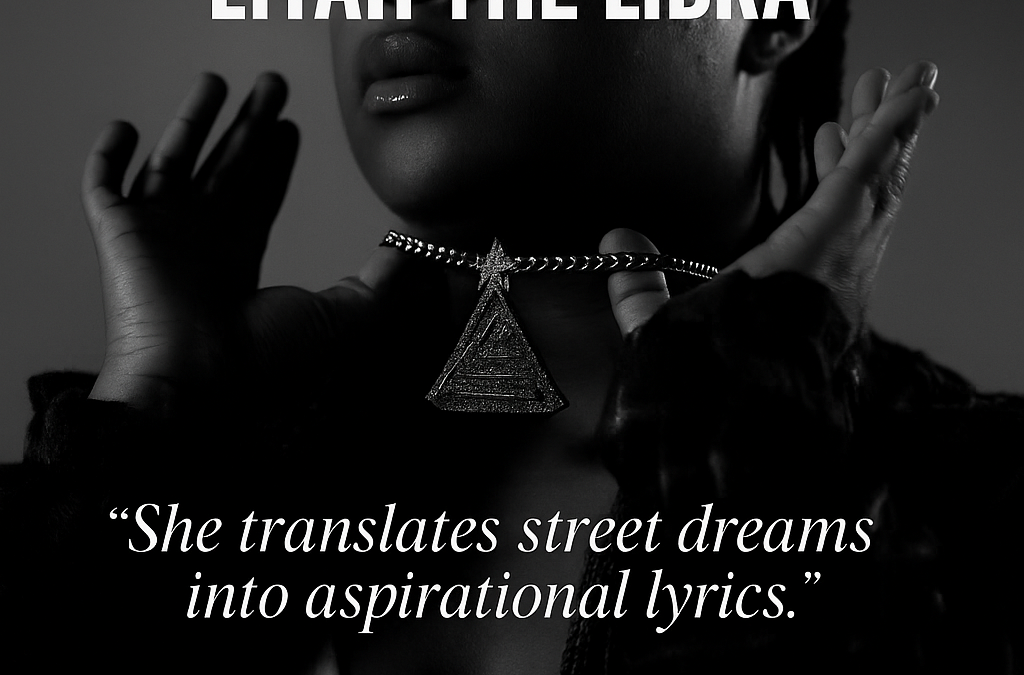
She transforms street dreams into aspirational lyrics, giving voice to Gen Z’s deepest fears and wildest ambitions. To hear her rap is to hear a diary written for the dream chasers of today’s Hip-Hop culture—authentic, cinematic, and timeless.
The New Face of Artistic Freedom
In an era where many chase algorithms and viral trends, Liyah The Libra represents something rarer: artistic freedom. Her music isn’t manufactured for clicks—it’s birthed from lived experience, solitude, and fire-forged resilience. She is the sound of independence, proving that Gen Z artists don’t need to conform to the industry’s rules to make an impact.
Her journey—from growing up without parents, to nights in her car facing repossession, to finally earning her place in the spotlight—has made her a symbol of what’s possible when you refuse to surrender. Within Gen Z Hip-Hop, she embodies freedom: the freedom to tell your truth, to chase your dream with no Plan B, and to become your own force of nature.
WINNER: An Anthem of Pain and Triump
Her breakout single, “WINNER”, is the perfect embodiment of her journey. It isn’t just a song—it’s a statement. With blistering cadence and heartfelt delivery, Liyah channels her pain into a motivational Hip-Hop anthem for every dreamer who’s been told they won’t make it.
“Every night I spent in my car, I reminded myself that my pain would one day be my power,” she says. That prophecy became music, and that music became movement.
AllWins Entertainment and RADIOPUSHERS Amplify Her Vision
Her gift caught the attention of Grammy Award-winning artist Eric Bellinger, who signed her to AllWins Entertainment in 2025. Bellinger saw in Liyah a reflection of the same relentless drive that built his own career—a hunger to rise above obstacles and craft music that lasts forever.
Her anthem also reached Jonathan P-Wright, Chief Visionary Officer of RADIOPUSHERS, who moved swiftly to secure “WINNER” into regular rotation on 99.7 DA HEAT MIAMI (iHeartRadio). For RADIOPUSHERS, supporting Liyah wasn’t just about a record—it was about celebrating the legacy of Bellinger and shining a light on Hip-Hop’s next great storyteller.
“WINNER is more than a record,” Wright said. “It’s the sound of Hip-Hop and its future colliding. Supporting Liyah is also our way of honoring Eric Bellinger’s vision—because every time she wins, AllWins Entertainment shines even brighter.”
The Immortal Rise of Liyah The Libra
Liyah’s story is the storm, and her music is the light guiding others through it. She is no longer the child forced to navigate life without parents, nor the young woman writing rhymes from a car parked under shadows. She is the new face of artistic freedom in Gen Z Hip-Hop—an artist who redefines resilience, reimagines storytelling, and reshapes culture.
“Everybody has a sad story,” she says. “Mine isn’t an excuse. Mine is a weapon.”
With “WINNER” igniting the airwaves, the support of AllWins Entertainment, and RADIOPUSHERS amplifying her every step, Liyah The Libra is proving that roses don’t just bloom in the concrete—they rise into the storm and become immortal.
Stream Liyah The Libra


RECENT COMMENTS