by Harris | Jun 19, 2025 | Latest, Music News, Tech News |
Photo by Thibault Penin on Unsplash
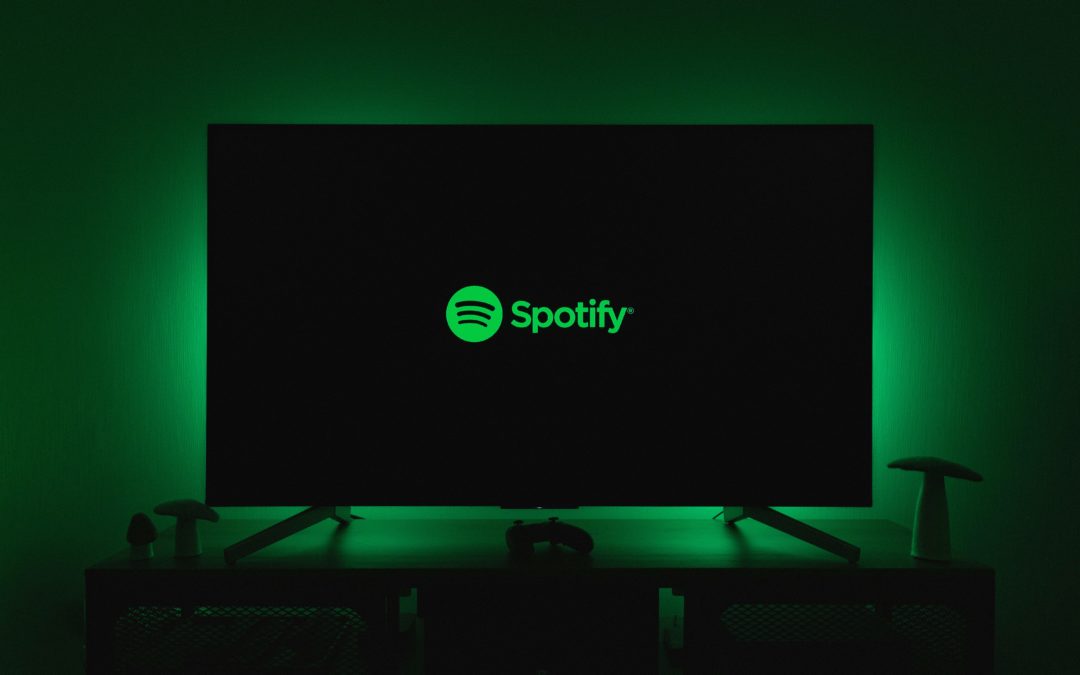
For many years, Spotify users have been holding out hope for one highly anticipated feature: the arrival of lossless, CD-quality audio. First teased in early 2021 under the name Spotify HiFi, the announcement sparked immediate excitement among audio lovers, musicians, and everyday listeners seeking a higher-quality music experience. But while other major platforms like Apple Music and Amazon Music moved swiftly to adopt lossless audio as a core part of their offering, Spotify quietly retreated from the conversation, leaving its users wondering if HiFi had been abandoned altogether.
Fast forward to today, and there’s new evidence suggesting the long wait might finally be over. Recent findings point toward Spotify actively preparing to launch a lossless tier at last—perhaps under a new name and as part of a reimagined premium subscription.
A Long Road With Little Communication
Spotify’s initial promise came during a 2021 “Stream On” event, where the company confirmed it was working on a high-fidelity audio tier, scheduled for release later that year. They called it “Spotify HiFi” and promoted it as a way to bring CD-quality sound to listeners who demanded better audio detail, especially for use with high-end speakers or wired headphones. The announcement was well-received and set expectations high.
However, after that single event, Spotify went quiet. Months passed, then years—with no updates, no betas, and no official statement explaining the delay. Speculation filled the gap. Was Spotify facing licensing issues with record labels? Were they rethinking their approach to compete with Apple and Amazon, who had started offering lossless at no extra cost? Whatever the reason, Spotify stayed vague and noncommittal, offering only occasional mentions of a “deluxe” version of its service that might include HiFi.
Meanwhile, competitors had surged ahead. Apple Music launched its lossless and high-resolution audio support across its entire catalog—completely free to subscribers. Amazon Music HD followed suit. Even Tidal, known for catering to audiophiles, restructured its pricing model to make lossless more accessible. Spotify’s absence grew more glaring with each passing month.
A Technical Trail of Clues Appears
While Spotify still hasn’t made an official announcement confirming the release of a HiFi or lossless tier, tech-savvy users and developers have discovered compelling signs buried in the app’s latest code.
One of the most talked-about revelations came from Spicetify, a tool that allows users to customize their Spotify experience through command-line interfaces. According to posts shared by the developers, the latest version of Spotify includes new internal labels and interface elements referencing “lossless” audio. These mentions aren’t just speculative—they show up in concrete areas of the app, such as the streaming quality settings and options related to device connections via Spotify Connect.
Even more telling, these lossless references were found in the Spotify web player, not just in the native mobile or desktop apps. This means Spotify is laying the groundwork for lossless streaming across platforms, signaling a comprehensive release strategy rather than a small-scale test.
Although the feature isn’t available to users yet, the presence of these internal options suggests that Spotify may be putting the final pieces in place before launch. After years of silence, this is the most hopeful signal yet that the long-promised audio upgrade is nearing release.
Spotify Music Pro: A New Premium Tier?
In addition to these technical findings, industry reporting has also pointed to a potential rebranding of Spotify HiFi. According to a February 2024 report from Bloomberg, Spotify may be preparing to launch a new subscription tier called “Music Pro.” This tier would include high-quality audio streaming and other enhanced features, potentially targeted at music enthusiasts, creators, and superfans who are willing to pay more for advanced tools and premium experiences.
The rumored price point? Around $5.99 per month above the standard Premium plan.
This rebranding could explain the delay—rather than releasing HiFi as a simple audio quality upgrade, Spotify may have chosen to integrate it into a broader package of premium services, designed to generate more revenue while differentiating from competitors offering lossless for free. If Spotify is bundling lossless with exclusive content, AI-driven features, or creator-focused tools, the launch of Music Pro could represent more than just catching up—it could be a strategic pivot toward deeper audience engagement.
Why Lossless Audio Matters More Than Ever
To the average listener, lossless audio might sound like a luxury—an improvement they won’t necessarily notice on basic earbuds or in a noisy car ride. But the appeal of lossless streaming goes far beyond elite audiophiles. It represents a broader movement toward transparency, audio integrity, and respect for the music as it was created.
Lossless audio preserves all the original data from a song’s recording, unlike lossy formats (like MP3 or Ogg Vorbis) that compress the file to save space and bandwidth. This means greater detail, cleaner vocals, richer bass, and wider dynamic range. It’s especially important for those using high-end equipment or studio monitors, where the subtleties of a mix truly shine.
Even for casual listeners, the presence of a lossless option speaks to a brand’s commitment to quality. And for artists and producers, it’s a chance to have their work heard the way it was intended.
In today’s market, where nearly every platform offers “good enough” audio, providing best-in-class fidelity can become a meaningful differentiator—and Spotify knows this.
The Competitive Landscape Has Changed
Spotify may have been the market leader for years, but its competitors are not standing still. Apple Music, with its massive hardware ecosystem, now offers lossless and spatial audio to every subscriber at no additional cost. Amazon Music HD, once a separate tier, has been folded into the main plan. Tidal, which long charged a premium for HiFi, now includes it as part of its standard offering.
In this context, if Spotify charges extra for lossless, it will need to offer significant added value—or risk pushback from users who feel they’re paying more for something others get for free.
Spotify’s edge has always been its recommendation engine, playlists, and seamless user experience, not necessarily its audio quality. By combining lossless with advanced discovery features or personalized content curation, it might convince users that its premium tier is worth the extra investment.
Why the Delay Took So Long
So why didn’t Spotify roll out HiFi when it said it would? There are likely several overlapping reasons.
First, licensing complexities. Streaming in lossless may require renegotiating deals with record labels, especially when it involves increased file sizes and potentially different royalty calculations. Spotify has always walked a tightrope between growth and profitability, so any delay that involved more cost would be scrutinized heavily.
Second, infrastructure costs. Unlike Apple or Amazon, which control massive cloud networks and device ecosystems, Spotify is entirely dependent on its streaming platform to turn a profit. Delivering lossless audio at scale is bandwidth-intensive and could mean significantly higher costs for hosting, streaming, and caching.
Third, strategic reframing. Rather than release a simple audio upgrade that brings them on par with competitors, Spotify may have chosen to take their time and reposition the offering into something broader and more monetizable—hence the reported Music Pro concept.
Will People Actually Pay More?
Here lies the central question: how many users will actually pay extra for something that rivals offer at no cost?
Spotify will need to craft a compelling narrative. If Music Pro becomes more than just a HiFi toggle—if it includes curated experiences, enhanced controls, behind-the-scenes content, exclusive mixes, or even tools for aspiring musicians—it could be seen as a worthwhile upgrade.
Spotify also has a loyal base of creators, listeners, and playlist curators. Giving this community deeper insights, better audio, and more influence might generate real value, especially in the growing intersection of music and creator economy platforms.
At the same time, the company must be careful not to alienate users who’ve waited patiently for years. The announcement and pricing must feel rewarding, not exploitative.
All Eyes on the Finish Line
Right now, Spotify seems to be positioning itself to finally deliver the feature that so many have requested. From code leaks to credible industry reporting, the signals are stronger than ever. Whether it’s branded as HiFi, Music Pro, or something new altogether, lossless audio is no longer a “maybe someday” concept—it appears to be a near-future reality.
Still, this is Spotify’s moment to prove that it hasn’t just been dragging its feet. The company must show that the delay was in service of building something genuinely better—not simply a repackaged copy of what others already offer. If it can do that—if it can elevate HiFi beyond expectations and position it within a broader, future-facing premium experience—it could not only close the feature gap, but reassert its position as an industry innovator.
In the streaming wars of 2025, audio quality is just the starting point. The real competition will be over how music makes us feel, how deeply we engage, and how platforms earn our loyalty. Spotify’s next move could define the next chapter of digital music.
by Laghe Andrews | Jun 19, 2025 | Latest, Tech News |
Photo by David Grandmougin on Unsplash
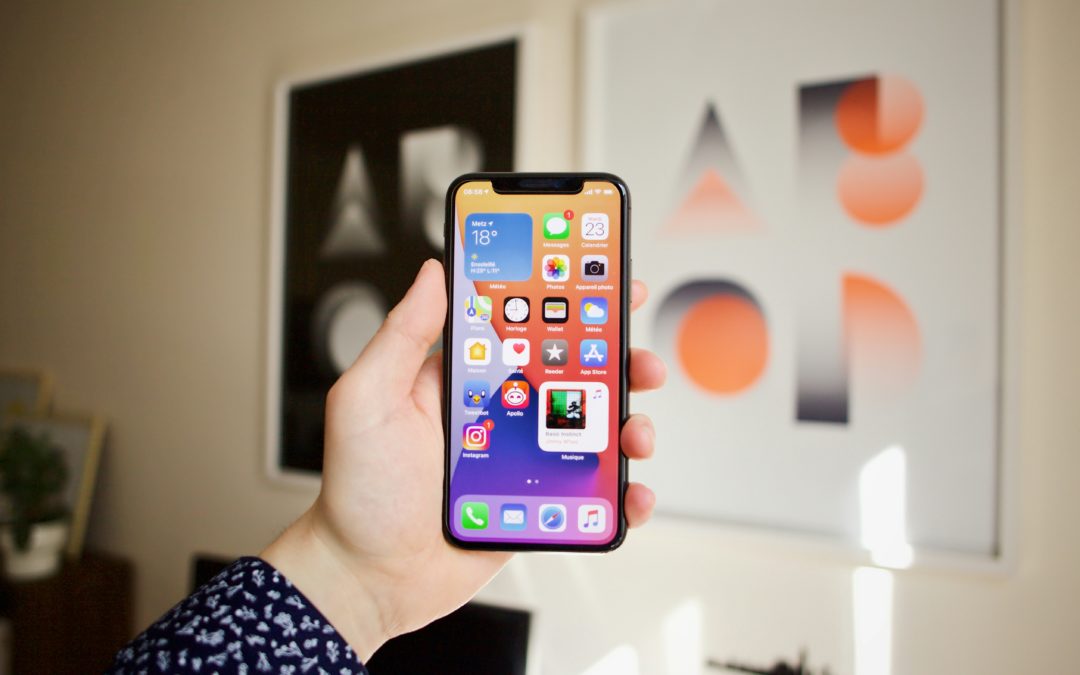
With the announcement of iOS 26, Apple delivers one of its most bold and comprehensive updates yet. This release transforms the iPhone into a more expressive, intelligent, and personalized device. From a dazzling Liquid Glass design to privacy-conscious AI features, iOS 26 is built to empower users in the digital age.
What started as a polished incremental update has evolved into a sweeping overhaul—redefining design, revolutionizing communication, enriching creativity, and strengthening security.
Liquid Glass: A Visually Immersive Interface
Introducing a New Design Language
iOS 26’s standout visual feature is Liquid Glass, a design system centered on translucency and depth. Inspired by the aesthetic of polished glass, it gently refracts colors and light from the background into app icons, widgets, menus, and system elements. This creates a subtle sense of motion and visual layering, adding richness to everyday interactions.
Customizable Home and Lock Screens
The Home Screen and Lock Screen are more customizable than ever. Icons and widgets adopt a crystal-clear look, almost as though they’re floating on a pane of glass. The Lock Screen clock intelligently adjusts its size and position based on your wallpaper, ensuring that time is easy to read while preserving image integrity.
iOS 26 also introduces spatial wallpapers, which create dynamic 3D effects as you tilt your iPhone—a subtle but enchanting visual treat.
Refined App UIs
Major apps carry the Liquid Glass aesthetic into their interfaces:
- Camera: A minimalist layout that prioritizes your shot—no distracting overlays, just sleek and simple controls.
- Photos: Redesigned tabs for Library and Collections make browsing faster and more intuitive.
- Safari: Websites now flow from top to bottom with full-screen content and an always-accessible toolbar for search, refresh, and share actions.
- Apple Music, News, Podcasts: Each now features a floating tab bar that shrinks and grows depending on scrolling—delivering content-focus without losing navigation ease.
Apple has provided developers with new APIs to integrate Liquid Glass in third-party apps, paving the way for a cohesive ecosystem-wide design language.
Apple Intelligence: Privacy-First On‑Device AI
At the core of iOS 26 lies Apple Intelligence—a powerful suite of AI-driven features designed to help users accomplish tasks faster, smarter, and more securely. Importantly, all processing occurs on-device, preserving users’ privacy by avoiding cloud transfers.
Live Translation Anywhere
One of the most impressive new features is on-the-fly translation embedded in native apps:
- Phone calls: Hold a conversation in your language and let the phone translate responses in real time.
- FaceTime: Speak or listen in foreign languages and view instantaneous captions or conversions.
- Messages: Type in your native tongue, and the app converts the text before sending or upon receipt.
With iOS 26, language barriers become nearly invisible—yet your translations never leave your device.
Visual Intelligence: Smart Contextual Actions
Ever see an event invite or product image and want to respond instantly? Visual Intelligence in iOS 26 makes that easy. If your screen displays dates, times, or locations, it prompts you to add them to your calendar. Spot a product image? It helps you search for similar items across platforms like Google or Etsy.
Imagine capturing screenshots and being able to immediately ask: “What album is that?” or “Where can I buy this lamp?” Visual Intelligence bridges the gap between seeing and doing.
Genmoji & Image Playground: Unlocking Creativity
If you’ve ever wanted to craft unique expressions, Genmoji is your playground—melding emojis to invent brand-new ones. Image Playground extends this creativity by generating images from textual prompts. Want a sunset-eating cat emoji? Just type it and watch the tools bring your vision to life.
These expressive features broaden the communicative and aesthetic range of iMessage, social media, or wallpaper design.
Smarter Shortcuts
Apple’s Shortcuts platform matures in iOS 26 with added intelligence. The system now learns your habits and suggests context-aware automation—like generating writing tools, creating visual content, or combining actions with a tap or Siri command.
Inbox Assistant: Tracking, Summaries & Insights
Gone are the days of scrolling through endless confirmation emails. Apple Intelligence can automatically monitor emails for purchase, shipping, and delivery information—even if you didn’t use Apple Pay. It then aggregates and summarizes updates into a single dashboard, making it easier to monitor orders in real time.
Foundation Models Framework for Developers
Apple is letting developers tap into this power too. The Foundation Models framework enables third-party apps to use on-device AI models without internet dependency or privacy risk—opening new possibilities for powerful, intelligent apps.
Communication Upgrades: Phone and Messages
iOS 26 brings transformative updates to core communication tools, making calls and chats more intelligent and user-friendly.
A Unified Phone Experience
The Phone app consolidates your call history, favorites, and voicemails into one streamlined view. Two new features take smart call management to the next level:
- Call Screening: When unknown numbers call, iOS answers automatically, gathers caller info, and shows a transcript—helping you decide whether to pick up.
- Hold Assist: Waiting on hold? Your iPhone detects when an agent is on the line and alerts you—no more passive waiting.
Smarter Messages
The Messages app now hides messages from unknown senders in a separate folder, allowing you to view them on your terms—reducing unwanted interruptions.
Other enhancements include:
- Polls in group chats: Quickly gather input (“Where to eat?” “Who’s in for a trip?”)
- AI-generated chat backgrounds: Customize threads with unique imagery.
- Apple Cash support: Send, request, and receive money within group conversations.
- Typing indicators in group chats: See when people are responding for more fluid interaction.
Messages now strikes a balance between fun and functionality.
CarPlay and CarPlay Ultra: Reimagining In-Car UX
Apple reports over 600 million daily CarPlay interactions, and iOS 26 significantly raises the bar.
Compact and Non-Intrusive UI
Incoming calls now appear in a refined compact banner, letting you see who’s calling while still viewing your map or navigation instructions. Messages Tapbacks, pinned conversations, widgets, and Live Activities keep you informed without removing your focus from the road.
CarPlay Ultra: Full Dashboard Integration
For cars equipped with full integration, CarPlay Ultra delivers a unified experience across all vehicle screens—letting drivers control navigation, music, climate, and more from an iPhone-powered interface designed to mirror the phone’s new Liquid Glass aesthetic.
Enhancements to Apple Music, Maps, and Wallet
Apple Music: More Inclusive Listening
iOS 26’s Music app introduces tools that transcend language barriers and enhance the listening experience:
- Lyrics Translation: See translated song lyrics in real time.
- Lyrics Pronunciation: Get phonetic help for singing along to foreign-language tracks.
- AutoMix: Act like a DJ—seamlessly blend tracks using beat and tempo matching.
Apple Maps: Smarter Route Guidance
Visited Places, a new optional feature, records the venues you visit into an encrypted, secure log—perfect for remembering that little café you adored last week.
Maps also learns your routine, proposing preferred routes—especially when you’re heading home or to work—and notifies you proactively about delays and traffic.
Apple Wallet: Travel Meets Productivity
Boarding passes in Wallet get smart with Live Activities, offering real-time updates on flight status, gate changes, and more. Integration with Maps assists with navigation inside airports, while Find My helps locate bags. Additionally, Apple Pay now supports rewards or installment payment options at physical stores for eligible purchases.
Gaming, Accessory, and Family Enhancements
Apple Games: Centralized Play
A new Apple Games app curates all your gaming—App Store titles, Apple Arcade, friend events, updates, leaderboards—into a single hub. It’s the ultimate control center for casual and devoted gamers alike.
AirPods: Elevated Experience
AirPods Pro 2 and AirPods 4 receive fresh features:
- Studio-quality audio recording
- Camera shutter control: Press and hold to take a photo or start a video on your iPhone or iPad.
- Enhanced noise isolation and isolation modes powered by Voice Isolation
Child Safety Tools
Child Accounts are easier to manage, with parental controls integrated deeply into Communication Limits, App Store access, and content safety—like blurring explicit content in Shared Albums or FaceTime.
Privacy & Accessibility: Everybody Included
Privacy upgrades include advanced fingerprinting protection in Safari, which minimizes cross-site tracking by default.
Accessibility gains robust tools:
- Accessibility Reader: A personalized reading mode throughout the system.
- Braille Access: Full screen reader integration for users with braille displays.
- Live Listen, Background Sounds, and Personal Voice improvements support hearing and communication needs.
These enhancements reflect Apple’s continued mission of inclusive user experiences.
Device Compatibility and Launch Timeline
Developer and Public Beta
iOS 26 is currently available through the Apple Developer Program, with a public beta launching via the Apple Beta Software Program in the coming month.
Official Release Date
The final version is scheduled for release this fall, as a free update for devices running iPhone 11 and later.
Apple Intelligence Device Requirements
AI-powered features require new hardware:
- iPhone 16 series
- iPhone 15 Pro / Pro Max
- iPad mini (A17 Pro)
- Any iPad or Mac with Apple Silicon (M1 or newer), with language settings matching Siri
Languages supported at launch include English, French, German, Italian, Spanish, Brazilian Portuguese, Japanese, Korean, and Simplified Chinese. Later this year, additional languages like Danish, Dutch, Swedish, Turkish, Traditional Chinese, and Vietnamese will be rolled out.
Why iOS 26 Matters
Design Meets Function
Liquid Glass signals a move toward a visually cohesive and elevated user experience—one that feels modern, alive, and subtly rich without compromising simplicity.
Privacy-First Intelligence
With AI distributed entirely on-device, Apple eliminates cloud dependencies—meaning your data is never compromised. Live Translation, Visual Intelligence, and Foundation Models represent a major leap forward in empowering smart, private utility.
Communication that Respects You
Smarter call management, advanced messaging features, and AI-built insights reduce noise and let you focus on conversations that matter—promoting meaningful digital interactions.
Inclusive and Intelligent Ecosystem
From CarPlay Ultra to AirPods, Child safety to Accessibility, iOS 26 proves Apple’s commitment to building not only smarter but more inclusive experiences.
Final Thoughts
With iOS 26, Apple reasserts its vision: devices that delight aesthetically, empower intelligently, protect privacy, and include every user. From the striking new Liquid Glass design to groundbreaking on-device AI and deeply integrated app improvements, iOS 26 positions the iPhone as a more capable, personal, and human-centered tool than ever before.

by Laghe Andrews | Jun 19, 2025 | Business News, Latest, Tech News |
Photo by Rahul Chakraborty on Unsplash
In a powerful homage to Black artistry, heritage, and resilience, Amazon Music has announced an exceptional cultural event that will serve as a centerpiece for this year’s Black Music Month celebrations. On June 19th, multi-Grammy-winning artist and neo-soul pioneer Erykah Badu will headline a special Juneteenth concert titled “Badu Presents: Echos 19,” streaming live from her hometown of Dallas, Texas.
Organized by Amazon Music’s Rotation, its Black music-focused brand, the event is part of their broader campaign, “Forever In Rotation”—a tribute to influential Black musicians who continue to shape the cultural and sonic identity of America. This show isn’t just a concert; it’s a landmark moment designed to uplift the spirit of Juneteenth through the healing and expressive power of live music.
Why Juneteenth Matters
To understand the significance of this concert, one must recognize the profound meaning of Juneteenth. Officially known as Emancipation Day, Juneteenth marks the date—June 19, 1865—when Union soldiers arrived in Galveston, Texas, to inform enslaved African Americans of their freedom, more than two years after President Lincoln’s Emancipation Proclamation had been signed.
Though freedom had technically been granted, it had been denied in practice—making Juneteenth both a celebration of liberation and a solemn reminder of delayed justice. It’s a uniquely Texan holiday that has grown into a nationally celebrated day of remembrance and Black pride, especially following its designation as a federal holiday in 2021.
Pairing Juneteenth with a performance by Erykah Badu, a Texas-born artist whose music echoes themes of spiritual liberation, cultural consciousness, and ancestral wisdom, turns this concert into something larger than entertainment. It becomes an act of communal remembrance, celebration, and cultural affirmation.
Amazon Music’s “Forever In Rotation” Campaign: Uplifting Black Voices
Amazon Music’s Rotation platform was created to spotlight Black creators across the spectrum of hip-hop, R&B, soul, and beyond. Their “Forever In Rotation” campaign for Black Music Month 2025 is designed to highlight trailblazers whose work has become permanently etched into the musical and cultural fabric of Black America.
This isn’t just a brand campaign. It’s a public acknowledgment of the ongoing impact of Black creativity, and Rotation is using its platform to make sure the spotlight stays where it belongs.
A Hometown Hero on a Global Stage
The concert will take place at The Bomb Factory, a beloved Dallas music venue located in the historic Deep Ellum district—known for its deep jazz and blues roots. Once an actual munitions plant, the space has transformed into one of Texas’s top live performance venues, and its gritty, industrial past offers a striking contrast to the soulful, transcendent sounds Badu will deliver.
For Erykah Badu, performing in her hometown carries special meaning. She has always taken pride in her Dallas roots and frequently pays tribute to the city in her music, interviews, and activism. This Juneteenth show is both a return and a renewal—a full-circle moment where a local legend reconnects with her origins while broadcasting her message of love and liberation to a global audience.
Free tickets for Dallas-area residents are being offered through ErykahBadu.com, making the event accessible for the local community. For fans worldwide, the show will be livestreamed on Prime Video and Amazon Music’s Twitch channel, making this a truly international celebration of Black culture and artistry.
Erykah Badu: The Soul of a Generation
Erykah Badu is not just a musician—she is a cultural force. Since the release of her groundbreaking debut album Baduizm in 1997, she has redefined what it means to be a modern Black artist. Her music, often categorized as neo-soul, is an eclectic fusion of jazz, hip-hop, R&B, funk, and African spiritual traditions.
But Badu’s impact goes far beyond music. She’s a fashion icon, wellness advocate, spiritual teacher, and creative visionary. Her lyrics tackle everything from self-empowerment and motherhood to capitalism and cultural identity. Whether singing about ancestral trauma or romantic entanglement, she does so with poetic complexity and unmatched authenticity.
Now, in 2025, Badu is fully independent, releasing new material under her own label, Control Freaq Records. A new album is scheduled to drop later this summer, and this Juneteenth concert may serve as a preview of what’s to come—potentially featuring unreleased tracks, experimental sounds, and genre-defying performances.
More Than Music: A Night of Connection and Celebration
“Badu Presents: Echos 19” is set to deliver far more than just a setlist. Backed by her full band, Badu will perform a range of material—classic hits like Tyrone, Window Seat, and On & On, as well as rare gems and potentially new tracks from her upcoming project.
Live performances have always been Badu’s strong suit. Her concerts are spiritual rituals, filled with improvisation, emotion, and connection. Whether she’s burning incense or speaking to the crowd between songs, Badu creates a space that feels sacred and transformative.
The experience will be enriched by the presence of rising Texas rapper Tye Harris, who will open the show, offering a glimpse into the next generation of lyrical and poetic Black voices. The event will be hosted by well-known media personalities Wayno, Nyla Symone, and Mouse Jones, who will guide viewers through the night with commentary, artist insights, and audience interaction—creating a complete digital experience that mirrors the energy of an in-person concert.
Black Music Month: Celebrating Generations of Impact
Black Music Month, officially established in 1979 by President Jimmy Carter, was created to honor the pivotal role that Black artists have played in the development of music in America and around the world. From gospel and blues to jazz, rock, soul, and hip-hop—Black music is the backbone of the modern soundscape.
Erykah Badu’s career alone touches on many of these genres, making her a fitting choice to represent Black Music Month. She blends the wisdom of the past with the vision of the future, uniting audiences across generations.
And in many ways, her musical evolution reflects the broader arc of Black music in America—rooted in struggle, guided by spirit, and fueled by a drive for expression, joy, and freedom.
Why This Concert Matters
There are many concerts happening around the world this summer, but “Badu Presents: Echos 19” is different. It’s not just about music—it’s about marking a moment.
At a time when conversations around race, equity, identity, and cultural memory continue to evolve, this event reminds us of the transformative power of art. Music can heal. It can teach. It can connect. And it can honor those who came before while inspiring those who will follow.
For fans of Badu, this is a rare opportunity to witness her in peak form, doing what she does best. For others, it may be an introduction to a modern-day griot, a storyteller whose voice carries echoes of both the past and the future.
What to Expect from the Livestream
- Live Band Performance: A full ensemble accompanying Badu with rich instrumentation and improvisational flair.
- Fan Favorites and Deep Cuts: From her early classics to more obscure tracks—and possibly unreleased music.
- Cultural Commentary: Expect spoken interludes, personal anecdotes, and social reflection throughout the performance.
- Immersive Visuals: Lighting, staging, and styling that echo the themes of identity, legacy, and transformation.
- Global Access: A high-quality livestream via Prime Video and Twitch, bringing the event to audiences around the world.
In Closing: A Moment Bigger Than Music
“Badu Presents: Echos 19” is more than a concert. It is a celebration of survival, a testament to freedom, and a showcase of what Black music has always been—a voice for the voiceless, a rhythm of resistance, and a sound of sacred joy.
On this Juneteenth, Erykah Badu will not only perform—she will channel centuries of soul into a single night. And the world will be watching.

by Jonathan P-Wright | Jun 19, 2025 | Business News, Latest, Tech News |
Image credit: NRSPro / Shutterstock.com
In a bold and somewhat unexpected shift, Klarna — the Swedish fintech company synonymous with “Buy Now, Pay Later” services — is expanding beyond the boundaries of consumer finance. It is launching a mobile phone service in the United States, offering unlimited 5G data, calls, and texts for just $40 per month. The service will run on AT&T’s infrastructure, leveraging their expansive and reliable network.
This move, while surprising to some, aligns with Klarna’s larger ambition: to become a comprehensive digital platform — one that manages not just how users pay, but how they spend, save, and now stay connected.
Klarna’s Entry Into the MVNO Space
To understand what this means for both Klarna and consumers, it helps to look at the model they’re adopting. Klarna will operate as a Mobile Virtual Network Operator (MVNO). MVNOs are companies that provide mobile services without owning the physical wireless infrastructure themselves. Instead, they lease bandwidth from major carriers like AT&T, T-Mobile, or Verizon, and repackage it under their own brand with distinct pricing models and customer experiences.
This model is not new — in fact, it’s increasingly common. Well-known brands like Mint Mobile, Cricket Wireless, Visible, Boost Mobile, and Google Fi all function as MVNOs. These providers have carved out strong market positions by offering affordable plans, no long-term contracts, and easy-to-use apps for managing service.
Klarna joins this landscape with a twist: it’s not entering the telecom world as a telecom brand, but as a fintech platform integrating mobile connectivity into a broader digital lifestyle service.
What Makes Klarna’s Plan Different?
Klarna’s $40 mobile plan is marketed as a no-strings-attached package with unlimited 5G data, voice minutes, and text messaging. It’s entirely digital — there are no physical stores involved, and no SIM cards either. Instead, Klarna relies on eSIM technology, allowing users to activate service almost instantly through its app.
Customers can choose to transfer their existing number or get a new one. Everything is managed from within the Klarna mobile app — a central hub that already handles shopping, payment plans, and order tracking for millions of users. Adding mobile service to the app ecosystem creates a more robust value proposition and furthers Klarna’s goal of becoming indispensable in consumers’ daily lives.
The ease and speed of activation, combined with the Klarna brand’s existing trust in digital services, is what sets this launch apart from other MVNOs on the market.
Why Is a Fintech Company Offering Phone Service?
At first glance, Klarna offering phone plans might seem like a bizarre move. But under the surface, it reveals a strategic shift. Klarna has always been more than just a payment processor — it’s aimed to change how people manage money entirely.
The mobile phone service is part of Klarna’s attempt to diversify revenue, broaden its product portfolio, and become a one-stop solution for consumer spending. This comes at a time when Buy Now, Pay Later (BNPL) products are facing increased regulatory scrutiny in both the U.S. and Europe. If regulations begin to stifle Klarna’s core business, having new income streams from services like telecom could prove invaluable.
Moreover, it gives Klarna new data and new user engagement — customers interacting with the app not just when shopping, but daily as they manage their phone plans.
Klarna’s Fintech Roots — and the BNPL Controversy
Klarna became a household name by popularizing the BNPL model. This service allows shoppers to split their purchases into four equal payments, typically over a span of six weeks, with no interest — as long as they pay on time.
This model has found massive success, especially among younger consumers wary of traditional credit card debt. It’s also been a hit with online retailers, many of whom see higher conversion rates and larger average order values when they offer BNPL options at checkout.
However, the model has raised concerns. A report by the Consumer Financial Protection Bureau (CFPB) in 2024 highlighted troubling patterns among BNPL users. According to the research, people who frequently used BNPL services were more likely to have greater overall debt and experience financial distress.
Meanwhile, a LendingTree study showed that 41% of BNPL users admitted to missing at least one payment in the past year. Critics argue that the BNPL model can normalize compulsive buying and mislead consumers into thinking they’re spending less than they actually are.
Although Klarna and similar companies defend the model as a smart alternative to high-interest credit cards, governments around the world are looking to regulate BNPL more strictly — potentially capping fees, enforcing transparency, and subjecting the services to credit checks.
Interestingly, the Trump administration in the U.S. recently reversed an effort to impose such regulations through the CFPB, opting to delay any immediate action. That gives Klarna some breathing room — but it also underlines the fragility of the BNPL model if political tides shift again.
From BNPL to “Financial Operating System”
In light of these challenges, Klarna is repositioning itself not just as a fintech, but as a “digital financial assistant.” CEO Sebastian Siemiatkowski laid out this vision in a conversation with CNBC, explaining that Klarna wants to go beyond helping people pay — it wants to help them manage and optimize every part of their financial life.
Imagine an app that uses AI to detect when you’re overpaying for services like mobile plans, streaming subscriptions, or insurance. It doesn’t just notify you — it helps you switch to a better deal instantly, with a few taps.
That’s the bigger picture Klarna is pursuing: an automated, intelligent platform that understands your spending and helps you cut costs, stay on budget, and find value in unexpected places — like telecom.
By introducing its own mobile service, Klarna can begin controlling both ends of that optimization loop: identifying overspending on phone bills, and offering its own cheaper alternative.
Klarna’s Strength: A Built-In User Base
One of Klarna’s biggest advantages in entering the MVNO market is its existing audience. Millions of people already use the Klarna app — not just to pay for purchases, but to manage orders, set spending limits, or discover deals.
This means Klarna doesn’t need to start from scratch or convince users to download a new app. It can instantly promote the mobile plan to current customers, integrate onboarding within a familiar interface, and offer incentives like discounts or reward points for signing up.
Compare that to most MVNOs, which must rely on external advertising or promotions to grow their user base. Klarna, by contrast, can cross-sell telecom to its already engaged user pool, potentially slashing customer acquisition costs and driving faster adoption.
Competition and Challenges in the MVNO Market
Of course, the U.S. mobile market is already crowded. MVNOs like Visible, Mint Mobile, Google Fi, and Consumer Cellular are well-established, and each has carved out loyal followings with their own distinct value propositions.
Some focus on pricing; others emphasize customer service, network priority, or features like family plans. Klarna’s entry is relatively simple — one $40 unlimited plan, no physical SIM cards, and integration with a financial app.
Whether this simplicity works in its favor or proves too limiting remains to be seen. Many MVNOs have struggled to maintain long-term customer loyalty, as consumers often chase the best deal month-to-month.
Klarna hopes its ecosystem — financial tools, BNPL, rewards, AI automation — will give people a reason to stick around even when competitors offer slightly cheaper mobile plans.
The Super-App Strategy: Klarna’s Long-Term Game
This telecom move is just one step in Klarna’s broader “super-app” vision — a model popularized in Asia by apps like WeChat, Grab, and GoTo, which combine messaging, shopping, payments, transportation, and more into a single app experience.
In the Western market, no one has fully pulled this off yet. But Klarna may be inching closer. If it can successfully integrate telecom into its fintech platform, and eventually introduce other services like insurance, travel booking, investment tools, or even banking features, Klarna could become the West’s first true financial super-app.
This would represent a massive shift from being a niche payment solution to becoming the central nervous system of consumers’ financial lives.
Final Thoughts: Is This the Future of Fintech?
Klarna’s move into telecom may raise eyebrows today, but it reflects a deeper trend: the blurring lines between financial services, consumer tech, and digital infrastructure. Just as Apple went from making computers to offering credit cards and buy-now-pay-later financing, Klarna is shifting from payments to connectivity.
It’s an ambitious leap — one that could either position Klarna as a global leader in financial lifestyle tech or stretch its brand too far beyond its roots.
But Klarna has a track record of spotting emerging consumer needs and turning them into sleek, digital-first experiences. If its mobile service delivers on value, simplicity, and integration, Klarna might not just compete in the telecom space — it could redefine it.

by Jonathan P-Wright | Jun 13, 2025 | Latest, Music News, New Music Alert |
Photo by Tingey Injury Law Firm on Unsplash
In the unfolding legal case against music mogul Sean “Diddy” Combs, an anonymous former assistant—testifying under the pseudonym “Mia”—completed her third and final day on the witness stand this past Monday. Her testimony was marked by harrowing allegations of abuse, coercion, and manipulation. Through unwavering conviction, she strongly denied any financial motivation for coming forward, rejecting the defense’s suggestion that she was pursuing a payout under the guise of the #MeToo movement.
Mia’s testimony is part of a larger racketeering and sex trafficking case that has rocked the entertainment industry and placed one of its most powerful figures under intense legal scrutiny. While the accusations are serious and deeply personal, the defense—led by attorney Brian Steel—has painted a vastly different picture: one in which Mia is allegedly leveraging the cultural climate for personal gain.
A Long and Exhaustive Cross-Examination
Brian Steel’s cross-examination began last Friday and stretched well into Monday, occupying the better part of the court’s time. His strategy was aggressive and methodical: painting Mia as inconsistent, emotionally manipulative, and possibly financially motivated.
A central tactic involved showcasing a series of social media posts and private messages Mia sent to Combs following her departure from his employment in early 2017. These messages included warm holiday greetings, expressions of love and condolences following the deaths of close people in Combs’ life—including his long-time partner Kim Porter and mentor Andre Harrell—and celebratory messages on his birthday.
Steel repeatedly contrasted the affectionate and sympathetic tone of these messages with the allegations Mia has made in court: repeated sexual assaults, emotional abuse, physical violence, and exploitative work conditions that deprived her of sleep for days at a time.
He raised doubts about why there were no contemporaneous records of the alleged abuse—no photographs, no diary entries, no formal complaints.
“Didn’t you have time to write something down? Notes about how he sexually assaulted you?” Steel pressed.
“I did not and I could not,” Mia answered, her voice low but steady.
Money Motive or Survival Instinct?
Perhaps the most pointed line of questioning came when Steel pushed Mia about her decision to hire a lawyer. His tone sharpened noticeably as he probed whether her intention was to sue Combs in civil court. Mia denied any such plans repeatedly.
Steel escalated the accusation: “Isn’t it true that you sought a lawyer because you wanted to sue Mr. Combs for money?”
“No,” Mia replied firmly.
The line of questioning took a darker turn when Steel asked, “And that you joined the #MeToo money grab against Sean Combs—is that true?”
This question was immediately objected to by the prosecution, and Judge Madison Smyser sustained the objection.
This phrase—“#MeToo money grab”—echoes a broader cultural debate about the legitimacy of victims’ claims in high-profile abuse cases. For Mia, however, the suggestion that her motives were opportunistic seemed to strike a deeply personal chord. Her testimony had consistently emphasized psychological manipulation, fear, and a deeply imbalanced power dynamic rather than any intent to profit.
Surveillance, Control, and Intimidation
On Monday, new allegations surfaced that added another disturbing layer to the case. Steel questioned Mia about her personal relationship with Cassie Ventura—Combs’ former partner and another alleged victim in the case. Mia and Ventura are known to be close, but Steel sought to understand why Mia never discussed Combs’ alleged abuse with her friend.
Mia explained that she was afraid—deeply afraid.
“[Combs] has stolen my phone many times,” she testified. “He’s stolen Cassie’s phone many times. He’s put tracking devices on her car. I’m not sure what he is capable of.”
This testimony painted a picture not just of violence and manipulation, but of near-total surveillance and control. Mia suggested that even in private, she feared being monitored—underscoring the toxic, high-pressure environment she claims she endured.
Her rationale for not coming forward earlier was consistent: she didn’t believe anyone would support her.
“I was completely entrenched in his world,” she explained. “Now I’m surrounded by the support I need, and I’ve seen other worlds that aren’t like that.”
A Climate of Silence
Throughout her testimony, Mia emphasized how isolated she felt while working under Combs. She described a climate in which abuse was normalized, and speaking out was both futile and dangerous.
“If I had told anyone, I wouldn’t be believed. I would be wiped out. I’d be fired, abused, and painted as a crazy person,” she said.
Mia described feeling “brainwashed” during her time with Combs—a term she elaborated on at Steel’s request.
“To be brainwashed meant living in an environment where the highs were euphoric and the lows were devastating,” she said. “It created confusion in my ability to trust myself. When Puff was violent and I reacted, I was punished—making me feel like I was the one in the wrong. I would then try harder to get back into his good graces. Everyone around him still praised him, and the public loved him. So I started to question my own sanity.”
Her words reflected the psychological toll of prolonged emotional manipulation, describing Combs as the sole authority figure in her life at the time.
“I was always constantly seeking his approval,” she said.
Demeanor and Doubt
At one point during the trial, Steel introduced a video clip from 2013 in which Mia had compiled birthday greetings for Diddy, including her own exuberant performance. The defense argued that the cheerful, animated version of Mia in the video contradicted the subdued, nervous demeanor she had displayed on the witness stand.
Steel implied that Mia’s quiet voice and downcast eyes during her testimony might be performative—another effort to manipulate public perception.
But trauma experts have long asserted that victims of abuse may exhibit a wide range of emotional expressions, often fluctuating between high-functioning behavior and periods of emotional shutdown. What appears as inconsistency to some may in fact be symptomatic of deeper psychological harm.
The Final Word
In her final moments on the witness stand, Mia addressed why she had chosen to testify publicly about deeply traumatic events.
“Talking about the sexual assaults is the hardest thing I’ve ever had to do,” she said. “But if I don’t speak up, I can’t look my niece or my goddaughter in the eye and tell them to stand up for themselves if they’re ever in this position.”
Her closing words weren’t just about Sean Combs. They were about the generations of women who grow up under the threat of exploitation by powerful men, and the immense courage it takes to confront that power, even years later, even with no certainty of vindication.
Final Thoughts
This case is about more than Sean “Diddy” Combs. It’s about power, silence, fear, and the mechanisms—legal, psychological, and cultural—that protect abusers and punish victims. Mia’s testimony is a raw and haunting glimpse into what it means to live under total domination, where even private conversations feel dangerous, and speaking out seems unthinkable.
Whether the jury believes her or not, Mia’s stand is emblematic of a wider reckoning taking place in industries where fame and fortune have long shielded predatory behavior. As the case continues, her words will likely remain a focal point for both the prosecution and the public, symbolizing the personal cost of coming forward—and the strength it demands.

RECENT COMMENTS