by Jonathan P-Wright | Feb 21, 2025 | Latest, Music News, New Music Alert |
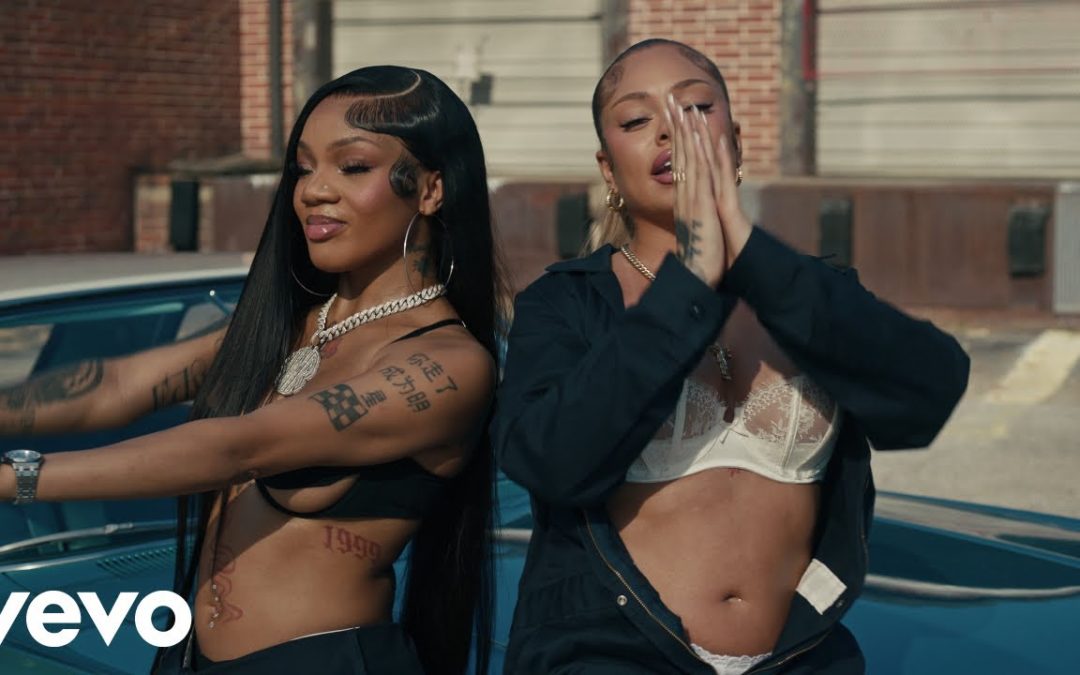
The hip-hop world is abuzz with excitement as rising stars GloRilla and Latto join forces in their latest music video, “Procedure.” This visually stunning collaboration pays tribute to the iconic 1996 crime drama “Set It Off,” showcasing the artists’ creativity and their ability to blend contemporary music with classic film references. The video, directed by the renowned Benny Boom, has quickly become a talking point in the music industry, highlighting GloRilla’s growing influence and Latto’s continued success.
As GloRilla’s star continues to rise, this latest release from her debut album “Glorious” demonstrates her ability to create compelling narratives through her music and visuals. The “Procedure” video not only entertains but also serves as a testament to the enduring impact of “Set It Off” on popular culture, particularly within the hip-hop community.
The Cinematic Inspiration: “Set It Off”
The 1996 crime drama “Set It Off” has left an indelible mark on American cinema, particularly within the realm of African American storytelling. Directed by F. Gary Gray, the film featured a stellar cast including Jada Pinkett Smith, Vivica A. Fox, Queen Latifah, and Kimberly Elise. Its narrative, centered around four women who turn to bank robbery as a means of escaping their challenging circumstances, resonated deeply with audiences and critics alike.
“Set It Off” explored themes of friendship, desperation, and the systemic barriers faced by marginalized communities. The film’s gritty realism, combined with powerful performances from its lead actresses, elevated it beyond a simple heist movie. It became a cultural touchstone, particularly for young women of color who saw themselves represented on screen in complex, multifaceted roles.
The movie’s influence has extended far beyond its initial release, inspiring countless references in music, fashion, and popular culture. Its impact on hip-hop culture has been particularly significant, with many artists drawing inspiration from its themes and aesthetic. By choosing to pay homage to “Set It Off” in their “Procedure” video, GloRilla and Latto are not only acknowledging the film’s legacy but also positioning themselves as part of a larger cultural conversation.
GloRilla: The Rising Star
GloRilla, born Gloria Hallelujah Woods, has rapidly become one of the most exciting new voices in hip-hop. Hailing from Memphis, Tennessee, she burst onto the scene with her breakout hit “F.N.F. (Let’s Go)” in 2022. The track’s raw energy and GloRilla’s distinctive flow quickly caught the attention of both fans and industry insiders, leading to a record deal with Yo Gotti’s CMG label.
Since then, GloRilla has continued to build on her initial success, releasing a string of popular singles and collaborations. Her music often combines hard-hitting beats with lyrics that explore themes of empowerment, relationships, and life in her hometown. GloRilla’s authenticity and unapologetic approach to her craft have endeared her to fans and critics alike, earning her comparisons to some of hip-hop’s most respected female artists.
The release of her debut album “Glorious” marks a significant milestone in GloRilla’s career. The project showcases her growth as an artist, featuring a diverse range of sounds and collaborations that highlight her versatility. “Procedure,” featuring Latto, stands out as one of the album’s most ambitious tracks, both musically and visually.
Latto: A Formidable Collaborator
Alyssa Michelle Stephens, better known by her stage name Latto, has established herself as one of the most dynamic young artists in hip-hop. Rising to fame after winning the reality TV show “The Rap Game” in 2016, Latto has consistently delivered hit singles and critically acclaimed projects.
Known for her confident delivery and clever wordplay, Latto has collaborated with some of the biggest names in the industry. Her ability to hold her own alongside established stars has earned her respect and admiration from peers and fans alike. Latto’s music often explores themes of female empowerment, success, and navigating the music industry as a young woman.
The collaboration with GloRilla on “Procedure” is not the first time these two artists have joined forces. Their previous work together on the 2022 single “FTCU” demonstrated their chemistry and complementary styles. This latest collaboration further cements their status as two of the most exciting young voices in hip-hop.
The “Procedure” Video: A Visual Feast
Directed by the acclaimed Benny Boom, the “Procedure” video is a masterclass in visual storytelling. Boom, known for his work with some of hip-hop’s biggest names, brings his signature style to the project, creating a video that is both visually stunning and narratively engaging.
The video opens with GloRilla and Latto planning an elaborate bank heist, echoing the plot of “Set It Off.” The attention to detail in recreating the film’s aesthetic is impressive, from the costume design to the set decoration. Viewers familiar with the original movie will appreciate the numerous visual callbacks and references scattered throughout the video.
As the heist unfolds, GloRilla and Latto showcase their acting chops alongside their musical talents. The video’s pacing mirrors the energy of the song, building tension and excitement as the plan is executed. The choreography and camera work are particularly noteworthy, creating dynamic sequences that keep viewers engaged throughout.
One of the video’s standout moments comes near the end when GloRilla receives a FaceTime call from her mother, played by none other than Vivica A. Fox. This cameo not only adds star power to the video but also creates a direct link to “Set It Off,” in which Fox played a pivotal role. It’s a clever nod to the source material that adds an extra layer of depth to the homage.
The Song: Breaking Down “Procedure”
While the video for “Procedure” has garnered significant attention, the song itself is equally deserving of analysis. The track showcases GloRilla and Latto’s individual strengths while demonstrating their ability to create a cohesive collaboration.
The production on “Procedure” is sleek and modern, with a pulsing beat that provides the perfect backdrop for the artists’ flows. The instrumental incorporates elements of trap and classic hip-hop, creating a sound that feels both contemporary and timeless.
Lyrically, “Procedure” is a showcase of confidence and skill. Both GloRilla and Latto deliver verses filled with clever wordplay and assertive statements. The song’s themes of empowerment and success align well with the “Set It Off” inspired visuals, creating a cohesive package that resonates on multiple levels.
The chorus, delivered by GloRilla, is particularly catchy, likely to become a fan favorite at live performances. Its repetitive nature and memorable lyrics make it easy for listeners to sing along, potentially contributing to the song’s longevity on streaming platforms and radio.
The Significance of Female Collaborations in Hip-Hop
The collaboration between GloRilla and Latto on “Procedure” is part of a larger trend of female artists in hip-hop supporting and working with each other. In an industry that has historically pitted women against one another, these collaborations represent a shift towards solidarity and mutual support.
By joining forces, GloRilla and Latto not only create compelling music but also send a powerful message about the strength of female partnerships in the industry. Their collaboration challenges outdated narratives and showcases the diversity of talent among women in hip-hop.
Moreover, by paying homage to “Set It Off,” a film that centered on the experiences of Black women, GloRilla and Latto are positioning themselves within a larger cultural legacy. They are acknowledging the groundwork laid by previous generations of Black female artists and actors while putting their own contemporary spin on these themes.
The Impact of Visual Storytelling in Music
The “Procedure” video exemplifies the growing importance of visual storytelling in the music industry. In an era where music videos are often viewed as much as, if not more than, songs are listened to, artists are increasingly using this medium to expand their artistic vision and connect with audiences on a deeper level.
By creating a video that pays homage to a beloved film, GloRilla and Latto are tapping into viewers’ nostalgia while also introducing younger fans to “Set It Off.” This approach not only enhances the listening experience but also creates additional layers of meaning and interpretation for the audience to engage with.
The success of the “Procedure” video also highlights the continued relevance of narrative-driven music videos. In an age of short-form content and quick cuts, GloRilla and Latto have chosen to invest in a more cinematic approach, demonstrating that there is still a place for storytelling in music videos.
GloRilla’s Upcoming Tour: The Glorious Tour
The release of the “Procedure” video comes at an opportune time for GloRilla, as she prepares to embark on her first headlining tour, The Glorious Tour. Set to kick off in March, the tour represents a significant milestone in GloRilla’s career, allowing her to showcase her live performance skills to fans across the country.
The tour, which begins in Oklahoma City on March 5, will make stops in major cities including Atlanta, Charlotte, New York, and Las Vegas before concluding in GloRilla’s hometown of Memphis. This coast-to-coast journey will provide GloRilla with the opportunity to connect with fans on a more personal level and solidify her position as one of hip-hop’s rising stars.
Supporting acts for the tour include Queen Key and Real Boston Richey, adding additional value for concertgoers and showcasing GloRilla’s commitment to supporting fellow up-and-coming artists. The diversity of the lineup promises an exciting and dynamic live experience for attendees.
GloRilla’s Preparation and Dedication
In preparation for the demanding schedule of her upcoming tour, GloRilla has demonstrated her commitment to her craft and her fans by implementing a strict regimen. Recently, she shared her one-month “fast list” with her followers, outlining a series of lifestyle changes designed to ensure she’s in peak condition for the tour.
This list includes abstaining from smoking and drinking, as well as refraining from sexual activity and clubbing. GloRilla has also committed to avoiding “frivolous spending” during this period. These self-imposed restrictions highlight her dedication to delivering the best possible performances for her fans and underscore the seriousness with which she approaches her career.
Such discipline is particularly noteworthy for a young artist on the rise, demonstrating GloRilla’s maturity and understanding of what it takes to succeed in the competitive world of hip-hop. This approach is likely to resonate with fans who appreciate artists who are committed to their craft and willing to make sacrifices for their art.
GloRilla’s Recent Achievements and Recognition
The release of “Procedure” and the announcement of The Glorious Tour cap off what has already been an impressive year for GloRilla. Her recent appearance as a musical guest on the iconic television show “Saturday Night Live” marked a significant milestone in her career, exposing her to a broader audience and cementing her status as a rising star in the music industry.
Furthermore, GloRilla’s presence at the 67th Annual Grammy Awards underscored her growing influence in the hip-hop world. Her nominations for Best Rap Song and Best Rap Performance, both for her track “Yeah, Glo!” represent a remarkable achievement for an artist still in the early stages of her career. These nominations not only validate GloRilla’s talent but also signal the industry’s recognition of her unique voice and style.
These recent accomplishments, combined with the buzz surrounding the “Procedure” video and her upcoming tour, position GloRilla as one of the most exciting artists to watch in the coming years. Her ability to balance commercial success with artistic integrity and cultural relevance suggests a promising and potentially long-lasting career in the music industry.
The Future of GloRilla and Latto
As GloRilla and Latto continue to make waves in the hip-hop world, their collaboration on “Procedure” serves as a testament to their individual talents and their potential for future success. Both artists have demonstrated an ability to create compelling music and visuals that resonate with audiences while also pushing the boundaries of their artistry.
For GloRilla, the success of “Procedure” and the anticipation surrounding The Glorious Tour suggest that she is well-positioned to build on her early achievements and establish herself as a major force in hip-hop. Her unique voice, both literally and figuratively, sets her apart in a crowded field, and her willingness to take creative risks bodes well for her artistic development.
Latto, already an established name in the industry, continues to prove her versatility and star power through collaborations like “Procedure.” Her ability to shine alongside both veteran artists and rising stars speaks to her adaptability and enduring appeal.
As both artists continue to evolve and experiment with their sound and image, collaborations like “Procedure” offer exciting glimpses into the future of hip-hop. By paying homage to the past while firmly establishing their own identities, GloRilla and Latto are helping to shape the next generation of hip-hop artistry.
Conclusion: A Milestone in Modern Hip-Hop
The “Procedure” video by GloRilla and Latto represents a significant moment in contemporary hip-hop. By paying homage to the classic film “Set It Off” while showcasing their own unique talents, these artists have created a piece of work that is both nostalgic and forward-looking.
The video’s success highlights the continued importance of visual storytelling in music and demonstrates the power of female collaborations in hip-hop. It also serves as a reminder of the enduring influence of films like “Set It Off” on popular culture, particularly within the hip-hop community.
As GloRilla prepares to embark on her first headlining tour and both artists continue to make their mark on the industry, “Procedure” stands as a testament to their creativity, ambition, and potential. It’s a collaboration that not only entertains but also pushes the boundaries of what’s possible in hip-hop, setting the stage for exciting developments in the genre’s future.

by Jonathan P-Wright | Feb 21, 2025 | Latest, Music News, New Music Alert |
Photo by Michael Held on Unsplash
In a surprising turn of events, the music world was taken aback when André 3000, the acclaimed rapper-turned-flutist, announced his decision to skip the 67th Annual Grammy Awards. This unexpected revelation came on the heels of his nominations for three prestigious Grammy categories, including the highly coveted Album of the Year for his groundbreaking instrumental album, “New Blue Sun.” As fans and industry insiders grapple with this news, it’s crucial to delve deeper into the circumstances surrounding André’s decision, the impact of recent wildfires in Los Angeles, and the broader implications for the music industry.
The Unexpected Announcement
On a quiet Saturday morning, just a day before the star-studded Grammy ceremony, André 3000 took to social media to share his decision with his devoted fanbase. The nine-time Grammy winner expressed his regret at being unable to attend the event, citing unforeseen circumstances. However, he assured his followers that the spirit of “New Blue Sun” would be well-represented at the ceremony.
In his heartfelt message, André stated, “Unfortunately, I’m not able to attend the Grammys tomorrow, but some of the ‘New Blue Sun’ musicians, friends, and supporters will be in attendance.” This announcement sent ripples through the music community, prompting speculation and concern among fans and industry professionals alike.
The Significance of “New Blue Sun”
“New Blue Sun” marked a significant milestone in André 3000’s illustrious career. Released in November 2023, this album represented his first solo venture in seventeen years, following the sixth and final Outkast album, “Idlewild.” What truly set this project apart was its purely instrumental nature, a departure from the rap-centric style that had defined much of André’s earlier work.
The album’s nomination for Album of the Year at the Grammys was a testament to its innovative approach and artistic merit. It showcased André’s evolution as a musician and his willingness to explore new sonic territories. The recognition from the Recording Academy further cemented the album’s place in the annals of contemporary music.
The Los Angeles Connection
In his statement, André 3000 made a poignant reference to Los Angeles, the city where “New Blue Sun” was conceived and recorded. He emphasized the collaborative spirit that permeated the album’s creation, stating, “Our album was conceived and recorded in Los Angeles with the spirit of openness and creative collaboration.”
This connection to Los Angeles took on added significance in light of recent events that had impacted the city. André’s message continued with a heartfelt wish: “We hope that the rebound of Los Angeles is swift and renewing.” This statement alluded to the challenges faced by the city, particularly the devastating wildfires that had recently swept through the region.
The Impact of Wildfires on the Music Community
The mention of Los Angeles’s rebound in André’s statement brought attention to the broader issue of how natural disasters, particularly wildfires, affect the music industry and the creative community at large. Los Angeles, being a hub for entertainment and music production, has faced significant challenges due to recurring wildfires in recent years.
These wildfires have not only posed physical threats to studios, venues, and artists’ homes but have also disrupted the creative process and collaborative spirit that André 3000 highlighted in his album’s creation. The music community’s resilience in the face of such adversities has been remarkable, with many artists and industry professionals coming together to support those affected and to ensure the continuity of their craft.
André 3000’s Artistic Journey
To fully appreciate the significance of André 3000’s Grammy nominations and his decision not to attend the ceremony, it’s essential to understand the trajectory of his artistic journey. Known primarily as one-half of the groundbreaking hip-hop duo Outkast, André has consistently pushed the boundaries of musical expression throughout his career.
From Rap Icon to Instrumental Innovator
André 3000’s transition from a rap icon to an instrumental innovator has been a subject of fascination for many in the music industry. While fans and critics alike had long anticipated a rap-focused solo album from the artist, André surprised everyone with the release of “New Blue Sun,” a project that eschewed vocals in favor of rich, layered instrumentation.
This bold artistic choice was not made lightly. In various interviews, André has spoken candidly about his creative process and the challenges he faced in returning to rap. He admitted to struggling with finding authentic subject matter for rap lyrics, stating, “I’ve worked with some of the newest, freshest, youngest, and old-school producers. I get beats all the time. I try to write all the time. Even now people think, ‘Oh, man, he’s just sitting on raps, or he’s just holding these raps hostage.’ I ain’t got no raps like that. It actually feels… sometimes it feels inauthentic for me to rap because I don’t have anything to talk about in that way.”
Collaborations and Explorations
Despite his reservations about returning to rap, André 3000 has not been entirely absent from the hip-hop scene. Over the past decade, he has collaborated with notable artists such as Ye (formerly known as Kanye West) and Frank Ocean. These collaborations have allowed André to contribute his unique perspective and skills to various projects while continuing to explore his own artistic direction.
The journey from these collaborations to the creation of “New Blue Sun” is a testament to André’s commitment to artistic authenticity and growth. By choosing to focus on instrumental music, he has opened up new avenues for expression and challenged both himself and his audience to experience music in different ways.
The Grammy Nominations
André 3000’s nominations for the 67th Annual Grammy Awards are a reflection of both his artistic evolution and the music industry’s recognition of innovative approaches to composition and performance.
These nominations span a diverse range of musical categories, highlighting the album’s unique position at the intersection of various genres and styles. The inclusion of “New Blue Sun” in the Album of the Year category, in particular, speaks to its impact and the respect it has garnered within the industry.
The Significance of the Nominations
For an artist primarily known for his work in hip-hop, these nominations in jazz and instrumental categories represent a significant shift in perception and recognition. They validate André 3000’s artistic choices and demonstrate the Recording Academy’s willingness to acknowledge and celebrate genre-defying works.
The Album of the Year nomination, in particular, places “New Blue Sun” alongside some of the most commercially successful and critically acclaimed albums of the year. This recognition not only elevates André’s status as a multifaceted artist but also opens up discussions about the nature of genre classifications and the evolving landscape of contemporary music.
The Decision to Skip the Grammys
André 3000’s announcement that he would not be attending the Grammy Awards ceremony came as a surprise to many, given the significance of his nominations. While the exact reasons for his absence were not explicitly stated, his message provided some insights into his perspective and priorities.
The Impact of His Absence
While André 3000’s physical absence from the Grammy ceremony is notable, his presence will undoubtedly be felt through the music of “New Blue Sun” and the recognition it has received. His decision to have the album represented by his collaborators and supporters emphasizes the collaborative nature of the project and the importance of the music itself over individual accolades.
The Los Angeles Music Scene and Wildfires
André 3000’s reference to the “rebound of Los Angeles” in his statement brings attention to the challenges faced by the city’s vibrant music scene, particularly in the wake of recent wildfires. Los Angeles has long been a crucible of musical innovation and collaboration, serving as a hub for artists across genres.
The Impact of Wildfires on the Creative Community
Recent years have seen Los Angeles and its surrounding areas grappling with increasingly severe wildfire seasons. These natural disasters have had profound effects on the city’s residents, including its large community of musicians, producers, and industry professionals.
Community Response and Resilience
Despite these challenges, the Los Angeles music scene has demonstrated remarkable resilience. Artists, industry professionals, and community members have come together to support those affected by wildfires through benefit concerts, fundraising initiatives, and mutual aid networks. This spirit of collaboration and support echoes the “spirit of openness and creative collaboration” that André 3000 cited in the creation of “New Blue Sun.”
The Evolution of André 3000’s Musical Style
André 3000’s journey from hip-hop innovator to instrumental composer is a fascinating study in artistic evolution. This transformation reflects not only his personal growth as a musician but also broader trends in the music industry towards genre-blending and experimentation.
From Outkast to Solo Experimentation
As a member of Outkast, André 3000 was instrumental in pushing the boundaries of hip-hop, incorporating elements of funk, soul, and psychedelia into the duo’s sound. Albums like “Aquemini” and “Speakerboxxx/The Love Below” showcased his willingness to experiment with different musical styles and lyrical approaches.
Following Outkast’s hiatus, André’s musical output became more sporadic but no less innovative. His guest verses on tracks by other artists often stood out for their technical brilliance and thought-provoking content. However, it was clear that André was searching for new modes of expression beyond traditional rap.
The Shift to Instrumental Music
The release of “New Blue Sun” marked a definitive shift in André’s musical direction. By focusing on instrumental compositions, he freed himself from the constraints of lyrical expectations and opened up new avenues for sonic exploration. This move also allowed him to showcase his skills as a multi-instrumentalist, with a particular focus on the flute.
The album’s blend of jazz, ambient, and experimental elements creates a unique soundscape that defies easy categorization. This genre-defying approach is reflective of André’s career-long resistance to being pigeonholed into a single style or sound.
By drawing from such a wide array of inspirations, André has created a musical experience that invites listeners to expand their own sonic horizons.
The Significance of “New Blue Sun” in Contemporary Music
“New Blue Sun” stands as a significant work in the landscape of contemporary music, challenging conventions and blurring the lines between genres. Its nomination for Album of the Year at the Grammys underscores its impact and the industry’s recognition of its innovative approach.
Breaking Down Genre Barriers
The album’s success in garnering nominations across different categories (Instrumental Composition, Alternative Jazz, and Album of the Year) highlights its ability to transcend traditional genre classifications. This cross-genre appeal speaks to a growing trend in the music industry towards more fluid and inclusive categorizations of musical styles.
Redefining Artist Expectations
André 3000’s shift from rap to instrumental music challenges preconceived notions about artist evolution and career trajectories. By pursuing a path that feels authentic to his current artistic vision, regardless of commercial expectations, André sets an example for other artists seeking to explore new creative directions.
Elevating Instrumental Music
The recognition of “New Blue Sun” in mainstream award categories like Album of the Year brings increased attention to instrumental music. This acknowledgment could potentially open doors for other instrumental works to receive similar recognition in the future, enriching the diversity of music celebrated at major award shows.
The Role of Collaboration in “New Blue Sun”
André 3000’s emphasis on the collaborative nature of “New Blue Sun” in his Grammy announcement highlights an important aspect of the album’s creation. This focus on collaboration reflects a broader trend in the music industry towards more interconnected and diverse creative processes.
The Collaborative Process
The creation of “New Blue Sun” involved a series of improvisational sessions and collaborative explorations. This approach allowed for spontaneous creativity and the blending of different musical backgrounds and techniques. The result is an album that feels both cohesive and expansive, reflecting the diverse inputs of its contributors.
Impact on the Final Product
The collaborative nature of the album’s creation is evident in its sound. The interplay between different instruments and styles creates a dynamic and evolving sonic landscape that rewards repeated listening. This approach to music-making also aligns with André 3000’s stated desire to move beyond the constraints of his previous work and explore new creative territories.
The Intersection of Music and Social Issues
André 3000’s reference to the “rebound of Los Angeles” in his Grammy announcement touches on the broader relationship between music and social issues. This connection is particularly relevant in the context of natural disasters like wildfires and their impact on communities.
Music as a Tool for Healing and Unity
In times of crisis, music often serves as a powerful medium for healing, unity, and raising awareness. The Los Angeles music community has a history of coming together to support causes and address social issues, from benefit concerts to collaborative projects aimed at driving change.
Artists as Advocates
Many artists, including André 3000, use their platforms to draw attention to important social and environmental issues. By mentioning Los Angeles’s recovery in his statement, André subtly highlights the ongoing challenges faced by the city and its residents, potentially inspiring further support and action from his fanbase and the wider music community.
The Role of Music in Community Resilience
The creation and performance of music can play a significant role in building community resilience in the face of challenges like natural disasters. Music events, whether live or virtual, can bring people together, provide emotional support, and help raise funds for recovery efforts.
Looking to the Future: André 3000’s Musical Path
As André 3000 continues to evolve as an artist, fans and critics alike are eager to see where his musical journey will lead next. The success and recognition of “New Blue Sun” open up new possibilities for his future creative endeavors.
Regardless of the specific direction André 3000 chooses to pursue, his continued evolution as an artist is likely to have a significant impact on the music industry. His willingness to take risks and explore new territories serves as an inspiration to both established and emerging artists, encouraging creative experimentation and genre-defying approaches to music-making.
Conclusion: The Enduring Legacy of André 3000
As the music world processes André 3000‘s decision to skip the Grammy Awards, it’s clear that his influence extends far beyond his physical presence at any single event. The nominations for “New Blue Sun” across multiple categories stand as a testament to his artistic vision and the album’s impact on contemporary music.
André’s journey from hip-hop innovator to instrumental composer reflects the ever-evolving nature of musical creativity. His emphasis on authenticity and willingness to explore new sonic territories serve as an inspiration to artists across genres. The collaborative spirit embodied in “New Blue Sun” and André’s supportive message for Los Angeles’s recovery highlight the interconnectedness of music, community, and social issues.
As fans and critics eagerly anticipate André 3000’s next artistic move, one thing remains certain: his unique voice and perspective will continue to shape the landscape of modern music for years to come. Whether through instrumental compositions, potential returns to vocal work, or yet-unexplored creative avenues, André 3000’s musical journey promises to be as innovative and inspiring as ever.
In the end, André’s Grammy nominations and his decision to let the music speak for itself at the ceremony underscore a fundamental truth: great art transcends awards and accolades. It’s the impact on listeners, the pushing of boundaries, and the authentic expression of creativity that truly define an artist’s legacy. In this regard, André 3000 has already secured his place as one of music’s most intriguing and influential figures.

by Jonathan P-Wright | Feb 7, 2025 | Latest, Music News, New Music Alert |
Photo by israel palacio on Unsplash
Atlanta-based rap sensation Lil Baby dropped a bombshell that has sent ripples through the music industry. The chart-topping artist revealed his initial reluctance to release his third studio album, “It’s Only Me,” citing a lack of personal connection with the tracks and an unfavorable mental state during its creation. This unexpected disclosure sheds new light on the album’s journey from studio to streaming platforms, offering fans and critics alike a rare glimpse into the inner workings of a major music release.
The revelation comes as a surprise to many, given the commercial success of “It’s Only Me.” The album, which debuted at the coveted No. 1 spot on the Billboard 200 chart, showcased Lil Baby’s continued dominance in the rap scene. However, the artist’s recent comments suggest that commercial triumph doesn’t always align with artistic satisfaction, prompting a deeper exploration of the creative process and the pressures faced by artists in today’s fast-paced music industry.
As we delve into the intricacies of Lil Baby’s confession, we’ll examine the various factors that contributed to his hesitation, the role of his record label in the album’s release, and the broader implications for artists navigating the delicate balance between commercial expectations and creative integrity. This article aims to provide a comprehensive analysis of the situation, offering insights into the challenges faced by modern musicians and the complex dynamics at play in the world of hip-hop and beyond.
The Unexpected Confession
Lil Baby’s confession paints a picture of an artist grappling with the pressures of fame and the expectations placed upon him. He admitted that at the time of the album’s creation, he wasn’t in the right frame of mind to produce music that truly resonated with him. This revelation offers a rare glimpse into the mental and emotional challenges faced by artists at the peak of their careers.
The rapper’s honesty in expressing his dissatisfaction with the album is particularly noteworthy, given the project’s impressive commercial performance. “It’s Only Me” debuted at the top of the Billboard 200 chart, a testament to Lil Baby’s popularity and influence in the hip-hop landscape. However, his recent comments suggest that chart success doesn’t always equate to artistic fulfillment.
This unexpected disclosure raises important questions about the nature of creativity in the music industry and the potential disconnect between an artist’s vision and the final product that reaches the public. It also highlights the complex relationship between commercial success and artistic integrity, a balance that many musicians struggle to maintain throughout their careers.
The Creative Process and Mental State
Delving deeper into Lil Baby’s revelations, it becomes clear that his mental state played a crucial role in his dissatisfaction with “It’s Only Me.” The artist candidly shared that he wasn’t in the right “headspace” during the album’s creation, a factor that significantly impacted his connection to the music he was producing.
This admission sheds light on the often-overlooked aspect of an artist’s mental well-being and its influence on their creative output. Lil Baby’s experience underscores the importance of being in the right frame of mind when crafting music, especially for an album that would be scrutinized by millions of fans and critics alike.
The rapper’s comments suggest that the songs on “It’s Only Me” were created more out of obligation than inspiration. He described them as tracks he was “just making,” rather than pieces of art he truly loved or even liked. This disconnect between the artist and his work raises questions about the pressures faced by musicians to consistently produce content, even when they may not feel creatively inspired.
Lil Baby’s honesty about his mental state during the album’s creation also opens up a broader conversation about mental health in the music industry. It highlights the need for artists to have the space and support to prioritize their well-being, even in the face of commercial demands and expectations.
The artist’s experience serves as a reminder that the creative process is deeply personal and can be significantly affected by an individual’s mental and emotional state. It also challenges the notion that successful artists are always in a state of creative flow, revealing the very human struggles that can occur behind the scenes of even the most commercially successful projects.
Label Pressure and Artist Autonomy
One of the most intriguing aspects of Lil Baby’s revelation is the role his record label, Quality Control Records, played in the release of “It’s Only Me.” The artist disclosed that there was a “back and forth” with the label, which ultimately pushed for the album’s release despite his reservations.
This situation highlights the often complex and sometimes contentious relationship between artists and their labels. While record companies invest significant resources in their artists and have a vested interest in releasing new music, this can sometimes conflict with an artist’s creative vision or personal readiness to share their work.
Lil Baby’s experience raises important questions about artist autonomy in the music industry. How much control should artists have over when and what they release? At what point does label pressure become detrimental to the artistic process? These are complex issues that many musicians grapple with throughout their careers.
The rapper’s admission that he would have never dropped “It’s Only Me” if it were solely up to him underscores the potential disconnect between an artist’s desires and the commercial realities of the music business. It also highlights the challenges faced by established artists who may feel pressure to maintain their momentum and meet fan expectations, even when they don’t feel creatively fulfilled.
This situation serves as a reminder of the delicate balance that must be struck between commercial interests and artistic integrity. While labels play a crucial role in an artist’s success, providing resources, promotion, and industry expertise, it’s equally important to consider the long-term implications of pushing an artist to release work they’re not fully satisfied with.
Lil Baby’s candid discussion of these behind-the-scenes negotiations offers fans and industry observers alike a rare glimpse into the decision-making processes that shape the music we hear. It also opens up a broader conversation about how the industry can better support artists’ creative processes while still meeting business objectives.
Commercial Success vs. Artistic Satisfaction
The case of Lil Baby’s “It’s Only Me” presents a fascinating dichotomy between commercial success and artistic satisfaction. Despite the rapper’s personal misgivings about the album, it achieved remarkable commercial success, debuting at No. 1 on the Billboard 200 chart and amassing impressive streaming numbers.
This disparity raises intriguing questions about the metrics by which we measure an album’s success. While chart positions and streaming figures are undoubtedly important indicators of an album’s reach and popularity, Lil Baby’s experience suggests that these metrics don’t always align with an artist’s personal satisfaction or artistic vision.
The album’s commercial triumph, including earning 216,000 album-equivalent units in its first week and generating nearly 289 million official streams, stands in stark contrast to Lil Baby’s admitted dislike for many of the songs. This situation highlights the complex nature of success in the music industry, where critical acclaim, commercial performance, and artistic fulfillment don’t always go hand in hand.
It’s worth considering how this disconnect between commercial success and artistic satisfaction might impact an artist’s career in the long term. While hit albums can cement an artist’s status and expand their fan base, creating work that doesn’t resonate personally could potentially lead to burnout or a sense of artistic compromise.
Moreover, this situation raises questions about audience perception. How might fans react to learning that an album they’ve embraced and streamed millions of times was one the artist himself wasn’t particularly fond of? This revelation could potentially alter the way listeners engage with the music, adding an extra layer of complexity to the artist-fan relationship.
The “It’s Only Me” scenario also prompts reflection on the pressure artists face to consistently deliver commercially successful projects. In an industry where streaming numbers and chart positions often drive decision-making, there’s a risk that artistic growth and experimentation might be stifled in favor of formulaic approaches known to perform well commercially.
The Impact on Future Projects
Lil Baby’s candid revelations about “It’s Only Me” not only shed light on his past work but also hint at potential shifts in his approach to future projects. The artist’s experience with this album seems to have sparked a period of reflection and reevaluation, which could significantly influence his creative process moving forward.
In his interview, Lil Baby mentioned that he’s now on a “whole different process,” suggesting a potential change in how he approaches his music-making. This statement indicates that the rapper may be seeking ways to align his artistic vision more closely with the music he releases, potentially leading to a more authentic and personally satisfying body of work in the future.
The artist’s newfound perspective might also impact his relationship with his record label. Having experienced the disconnect between his personal feelings about the album and the label’s push for its release, Lil Baby may seek to establish clearer boundaries or negotiate for more creative control in future projects. This could lead to interesting developments in how he navigates the often-complex artist-label dynamic.
Furthermore, Lil Baby’s honesty about his dissatisfaction with “It’s Only Me” could influence how he engages with his fan base. By openly discussing his creative struggles, he’s opened up a more transparent dialogue with his audience. This honesty could foster a deeper connection with fans who appreciate his authenticity, potentially leading to a more understanding and supportive fan base as he explores new creative directions.
The rapper’s experience might also prompt him to be more selective about the music he releases in the future. Rather than feeling pressured to put out albums on a set schedule, he may opt to take more time between releases to ensure he’s fully satisfied with the end product. This approach could lead to a shift in the quantity versus quality balance of his output.
Additionally, Lil Baby’s revelations could inspire him to explore new themes or styles in his music. Having acknowledged that some of the songs on “It’s Only Me” don’t resonate with him personally, he might be motivated to push his artistic boundaries and experiment with different sounds or lyrical content that better reflect his current state of mind and artistic vision.
Lessons for the Music Industry
Lil Baby’s unexpected disclosure about “It’s Only Me” offers valuable lessons for the music industry as a whole. This situation highlights several key issues that merit consideration by artists, labels, and industry professionals alike.
Firstly, it underscores the importance of artist mental health and well-being in the creative process. Lil Baby’s admission that he wasn’t in the right “headspace” to create music he truly loved serves as a reminder that an artist’s mental state can significantly impact the quality and authenticity of their work. This suggests that the industry should prioritize supporting artists’ mental health, potentially by allowing for more flexible recording schedules or providing resources for mental health support.
Secondly, the situation brings to light the need for better communication and alignment between artists and their labels. The “back and forth” Lil Baby described with Quality Control Records indicates a potential disconnect between the artist’s readiness to release music and the label’s commercial objectives. Improving these lines of communication and finding ways to balance artistic integrity with business needs could lead to more satisfying outcomes for all parties involved.
Another key lesson is the importance of giving artists the space and time they need to create work they’re truly proud of. Rushing to release albums to meet market demands or maintain momentum can sometimes result in projects that don’t fully reflect an artist’s vision or capabilities. Labels and management teams might consider adopting more flexible approaches that allow for periods of creative exploration and refinement.
The industry could also benefit from reconsidering how success is measured. While commercial performance is undoubtedly important, Lil Baby’s experience suggests that chart positions and streaming numbers don’t tell the whole story. Incorporating metrics that gauge artist satisfaction or artistic growth could provide a more holistic view of an album’s success.
Furthermore, this situation highlights the potential benefits of transparency in the music industry. Lil Baby’s honesty about his feelings towards the album, while surprising, has opened up important conversations about the realities of creating and releasing music. Encouraging more open dialogue about the challenges artists face could foster greater understanding and support from fans and industry professionals alike.
Fan Reactions and Perceptions
The revelation from Lil Baby about his true feelings towards “It’s Only Me” has undoubtedly stirred various reactions among his fan base. This unexpected disclosure has the potential to significantly impact how fans perceive not only this particular album but also the artist himself and his future work.
For many fans, learning that their favorite artist didn’t particularly like an album they’ve been enjoying could be jarring. It might lead them to reassess their own relationship with the music, questioning whether their appreciation of the album aligns with the artist’s intent or vision. This situation could prompt fans to listen to the album with fresh ears, potentially discovering new layers or perspectives in light of Lil Baby’s comments.
On the other hand, some fans might appreciate the rapper’s honesty and vulnerability. In an industry often criticized for its lack of authenticity, Lil Baby’s candid admission could be seen as a refreshing display of transparency. This openness might actually strengthen the connection between the artist and his fans, as it offers a glimpse into the real person behind the music.
The revelation could also spark interesting discussions among fans about the nature of art and its reception. It raises questions about whether an artist’s personal feelings towards their work should influence how it’s perceived by the audience. Some might argue that once music is released, it takes on a life of its own, separate from the artist’s intentions or feelings.
Additionally, this situation might influence how fans approach Lil Baby’s future releases. Knowing that the artist wasn’t fully satisfied with “It’s Only Me,” fans might be particularly curious about his next project, eager to hear what he creates when he feels more creatively fulfilled.
There’s also the possibility that this revelation could lead to a reevaluation of Lil Baby’s discography as a whole. Fans might revisit his earlier works, trying to discern which albums or tracks the artist feels more connected to, potentially leading to a shift in how his body of work is perceived and appreciated.
The Role of Authenticity in Hip-Hop
Lil Baby’s candid admission about his feelings towards “It’s Only Me” brings to the forefront a crucial aspect of hip-hop culture: authenticity. In a genre that has long prized realness and truth-telling, the rapper’s honesty aligns with these core values while simultaneously challenging conventional notions of success and artistic expression.
Hip-hop has always been a platform for artists to share their genuine experiences and emotions. From its inception in the Bronx in the 1970s, the genre has served as a voice for the marginalized, with artists using their music to paint vivid, often raw pictures of their lives and communities. In this context, Lil Baby’s willingness to openly discuss his dissatisfaction with his own work can be seen as a continuation of this tradition of authenticity.
However, the rapper’s revelation also complicates the narrative of success in hip-hop. Traditionally, reaching the top of the charts and achieving high streaming numbers have been celebrated as markers of an artist’s triumph. Lil Baby’s experience suggests that these external measures of success don’t always correlate with an artist’s internal sense of accomplishment or satisfaction.
This situation invites a broader discussion about what it means to be authentic in modern hip-hop. Is it more authentic to release music that meets commercial expectations and fan demands, or to hold back work that doesn’t meet an artist’s personal standards? Lil Baby’s experience highlights the complex negotiations that artists must navigate between staying true to themselves and meeting the demands of the industry.
Moreover, the rapper’s honesty about his creative struggles could potentially pave the way for more open discussions about the challenges of artistry in hip-hop. In a genre often associated with bravado and confidence, admitting to periods of creative dissatisfaction or uncertainty could be seen as a bold move. This openness might encourage other artists to share similar experiences, fostering a more nuanced understanding of the creative process in hip-hop.
The situation also raises questions about the relationship between an artist’s personal growth and their music. Hip-hop has always been a genre that values evolution and reinvention. Lil Baby’s comments about being on a “whole different process” now suggest that he’s undergone significant personal and artistic growth since the creation of “It’s Only Me.” This evolution aligns with hip-hop’s tradition of artists continually pushing themselves and their art forward.
The Pressure of Expectations
The situation surrounding Lil Baby’s “It’s Only Me” album brings to light the immense pressure of expectations that successful artists often face in the music industry. As an artist’s popularity grows, so too does the weight of anticipation from fans, critics, and industry stakeholders for each new release.
In Lil Baby’s case, coming off the success of his previous album “My Turn,” which was both a critical and commercial triumph, the expectations for his follow-up were undoubtedly high. This pressure to meet or exceed past successes can create a challenging environment for creativity and artistic expression.
The music industry’s fast-paced nature, driven by streaming platforms and the constant demand for new content, adds another layer of pressure. Artists often feel compelled to maintain a consistent release schedule to stay relevant and keep their momentum going. This urgency can sometimes conflict with the natural ebb and flow of creativity, potentially leading to situations where artists feel rushed or unprepared to release new material.
Furthermore, the expectations extend beyond just creating music. Successful artists like Lil Baby are often expected to maintain a certain image, engage with fans on social media, perform live shows, and participate in various promotional activities. Balancing these demands with the need for personal time and creative space can be extremely challenging.
The pressure of expectations can also come from within the artist themselves. Many musicians set high standards for their work and may struggle with feelings of self-doubt or impostor syndrome, especially when their previous releases have been well-received. This internal pressure can sometimes lead to creative blocks or dissatisfaction with their output.
In Lil Baby’s situation, the pressure to release a new album seems to have outweighed his personal readiness or satisfaction with the material. This highlights the potential negative impacts of external expectations on an artist’s creative process and mental well-being.
Moving forward, this experience might prompt Lil Baby and other artists to find ways to better manage these expectations. This could involve being more selective about release schedules, setting clearer boundaries with labels and management, or finding new ways to communicate with fans about the realities of the creative process.
The Evolution of an Artist
Lil Baby’s revelations about “It’s Only Me” offer a unique glimpse into the evolution of an artist at a crucial point in their career. This situation serves as a snapshot of an artist in transition, grappling with the challenges of maintaining commercial success while striving for personal artistic fulfillment.
The rapper’s comments about being on a “whole different process” now suggest that he’s undergone significant growth and change since the creation of “It’s Only Me.” This evolution is a natural and often necessary part of an artist’s journey, as they seek to refine their craft, explore new creative territories, and align their work more closely with their personal vision.
Lil Baby’s experience with this album could be seen as a turning point in his artistic development. The disconnect he felt with the songs on “It’s Only Me” might serve as a catalyst for a new phase in his career, one where he places greater emphasis on creating music that resonates more deeply with his current state of mind and artistic aspirations.
This situation also highlights the challenges artists face as they evolve. As musicians grow and change, their music naturally evolves with them. However, this evolution can sometimes create tension with fan expectations or commercial pressures to maintain a certain sound or style. Lil Baby’s openness about his dissatisfaction with “It’s Only Me” suggests a willingness to prioritize his artistic growth over meeting external expectations.
Furthermore, the rapper’s candid admissions offer fans a rare opportunity to witness the behind-the-scenes struggles and growth of an artist. This transparency could foster a deeper connection between Lil Baby and his audience, as fans gain insight into his creative process and personal journey.
The evolution of an artist also often involves refining their approach to the music-making process. Lil Baby’s experience might lead him to develop new strategies for creating and selecting songs for future projects, ensuring that he feels a stronger personal connection to the music he releases.
As Lil Baby continues to evolve as an artist, it will be interesting to see how this experience shapes his future work. Will he experiment with new sounds or themes? Will he take more time between releases to ensure he’s fully satisfied with the end product? How will his relationship with his label and his approach to the business side of music change?
Conclusion
Lil Baby’s unexpected revelation about his true feelings towards “It’s Only Me” offers a fascinating case study in the complexities of modern music creation and release. This situation highlights the often-unseen challenges that artists face in balancing personal artistic satisfaction with commercial expectations and industry pressures.
The rapper’s honesty provides valuable insights into the mental and emotional aspects of creating music at the highest levels of the industry. It underscores the importance of an artist’s mental state in the creative process and raises important questions about the potential consequences of releasing work that doesn’t fully align with an artist’s vision.
This experience also sheds light on the intricate dynamics between artists and their labels, highlighting the need for better communication and alignment of goals. It challenges the industry to reconsider how success is measured and to potentially place greater value on artist satisfaction alongside commercial performance.
For fans, Lil Baby’s candid admission offers a rare glimpse behind the curtain of music production, potentially fostering a deeper appreciation for the challenges artists face. It also opens up interesting discussions about the nature of art and its reception, questioning whether an artist’s personal feelings towards their work should influence how it’s perceived by the audience.
Looking forward, this situation could mark a significant turning point in Lil Baby’s career. His acknowledgment of being on a “whole different process” now suggests potential changes in his approach to music-making and his artistic direction. Fans and industry observers alike will undoubtedly be watching with interest to see how this experience shapes his future projects.
Ultimately, Lil Baby’s revelations about “It’s Only Me” serve as a powerful reminder of the human element in music creation. They highlight the ongoing struggles and growth that artists experience, even at the peak of commercial success, and underscore the importance of authenticity and personal fulfillment in the creative process.
As the music industry continues to evolve, situations like this prompt important reflections on how to better support artists in their creative journeys while still meeting the demands of a fast-paced, commercially driven landscape. The lessons learned from Lil Baby’s experience have the potential to contribute to positive changes in how music is created, released, and received in the future.

by Jonathan P-Wright | Feb 7, 2025 | Latest, Music News, New Music Alert |
Photo by Alexander Grey on Unsplash
In a remarkable display of compassion and solidarity, acclaimed music artist The Weeknd has stepped forward with a substantial $1 million donation to aid those affected by the devastating wildfires ravaging Southern California. This generous contribution comes at a critical time when the region faces unprecedented challenges, with thousands displaced and significant damage to property and wildlife habitats.
The Canadian singer-songwriter, known for his chart-topping hits and soulful performances, has once again demonstrated his commitment to humanitarian causes. This act of kindness not only provides much-needed financial support but also shines a spotlight on the urgent need for assistance in the affected areas.
As the flames continue to spread across Southern California, leaving a trail of destruction in their wake, The Weeknd’s donation serves as a beacon of hope for those grappling with the aftermath of this natural disaster. His gesture has already inspired other celebrities and organizations to join the relief efforts, creating a ripple effect of generosity that could make a significant difference in the lives of those impacted by the wildfires.
The Scope of the Donation
The Weeknd’s $1 million contribution is set to be distributed among several key organizations at the forefront of the wildfire relief efforts. This strategic allocation of funds ensures that the donation will have a wide-reaching impact, addressing various aspects of the crisis.
A significant portion of the funds will be directed to the Los Angeles Fire Department Foundation. This organization plays a crucial role in supporting the brave firefighters who are tirelessly battling the blazes. The donation will help provide essential equipment, training, and resources to enhance the department’s firefighting capabilities.
GoFundMe’s Wildlife Relief Fund
Recognizing the devastating impact of the wildfires on local wildlife, The Weeknd has earmarked a portion of his donation for GoFundMe’s Wildlife Relief Fund. This fund focuses on rescuing, rehabilitating, and protecting animals affected by the fires, ensuring that the region’s diverse ecosystem receives the care and attention it desperately needs during this crisis.
In times of disaster, access to food and basic necessities becomes a pressing concern for affected communities. The Weeknd’s donation will also support the Los Angeles Regional Food Bank, enabling the organization to provide meals and essential supplies to those displaced by the wildfires and the volunteers working tirelessly to combat the flames.
The artist’s philanthropic efforts extend beyond local organizations. The Weeknd has partnered with World Food Program USA to amplify the impact of his donation. This collaboration aims to leverage the organization’s global expertise in disaster relief and food security to provide comprehensive support to those affected by the wildfires.
The XO Humanitarian Fund
The Weeknd’s commitment to humanitarian causes is not new. His latest donation is part of a broader initiative through his own XO Humanitarian Fund. This fund has been instrumental in supporting various charitable causes and disaster relief efforts around the world.
The XO Humanitarian Fund has a track record of responding to global crises. From natural disasters to humanitarian emergencies, the fund has consistently stepped up to provide aid and support to those in need. The Weeknd’s personal involvement in these efforts underscores his dedication to making a positive impact beyond the music industry.
While the current focus is on the immediate needs arising from the Southern California wildfires, the XO Humanitarian Fund maintains a long-term vision for sustainable development and disaster preparedness. This approach ensures that communities are not only supported during crises but are also equipped to build resilience against future challenges.
Impact on the Music Industry
The Weeknd’s generous donation has not only made headlines for its humanitarian aspect but has also sparked discussions within the music industry about the role of artists in social responsibility and disaster relief.
In light of the ongoing wildfire crisis, The Weeknd made the difficult decision to postpone the release of his highly anticipated new album. This move demonstrates the artist’s sensitivity to the current situation and his prioritization of community needs over commercial interests.
Cancelled Concert
Additionally, The Weeknd cancelled a scheduled performance at the Rose Bowl, which was meant to coincide with his album release. This decision reflects the artist’s understanding of the gravity of the situation and the need to focus on relief efforts rather than entertainment during this challenging time.
The Weeknd’s actions have prompted other artists and industry professionals to reconsider their roles in times of crisis. Many are now exploring ways to incorporate social responsibility and disaster relief into their career strategies, potentially leading to a more engaged and socially conscious music industry.
Celebrity Contributions to Wildfire Relief
The Weeknd’s donation has inspired a wave of support from other celebrities, highlighting the entertainment industry’s potential to make a significant impact during times of crisis.
Following The Weeknd’s lead, Beyoncé’s foundation announced a substantial $2.5 million donation to the wildfire relief fund. This generous contribution further amplifies the impact of celebrity involvement in disaster response and recovery efforts.
Leonardo DiCaprio’s Commitment
Actor and environmental activist Leonardo DiCaprio has also stepped up, pledging $1 million in partnership with Re:wild, an organization dedicated to protecting and restoring biodiversity. DiCaprio’s contribution focuses on both immediate relief and long-term environmental conservation in the affected areas.
The combined efforts of these high-profile individuals have not only provided substantial financial support but have also raised awareness about the severity of the wildfire crisis. Their actions serve as a call to action for others with the means to contribute to the relief efforts.
The Devastating Toll of the Wildfires
As the wildfires continue to rage across Southern California, the human and environmental costs are mounting. The latest reports paint a grim picture of the situation on the ground.
Tragically, at least 27 people have been confirmed dead as a result of the fires. This sobering statistic underscores the deadly nature of the disaster and the urgent need for continued relief efforts.
Tens of thousands of residents in the affected regions remain under mandatory evacuation orders. This mass displacement has created significant challenges in terms of housing, food security, and access to essential services.
Environmental Impact
Beyond the immediate human toll, the wildfires have caused extensive damage to the region’s ecosystems. Vast areas of forest and wildlife habitats have been destroyed, with long-term consequences for biodiversity and environmental health.
The economic impact of the wildfires is expected to be substantial. From property damage to disrupted businesses and lost tourism revenue, the financial repercussions of this disaster will likely be felt for years to come.
Government Response and Challenges
The response to the Southern California wildfires has mobilized resources at all levels of government, from local fire departments to federal agencies.
Outgoing President Joe Biden addressed the nation regarding the wildfire crisis, emphasizing his administration’s commitment to supporting affected communities. He stated that the government is “laser-focused on helping survivors” and pledged to use “every tool available” in the fight against the fires.
In his farewell address, President Biden briefly touched on the situation in Southern California while discussing the broader issue of climate change. He emphasized the urgency of addressing environmental challenges, stating, “So much is at stake. Right now, the existential threat of climate change has never been clearer.”
Coordination Efforts
The response to the wildfires has required unprecedented coordination between various agencies and organizations. From firefighting efforts to evacuation management and relief distribution, the scale of the disaster has tested the capabilities of emergency response systems.
As the immediate crisis continues, government officials are already beginning to plan for long-term recovery efforts. This includes strategies for rebuilding infrastructure, restoring natural habitats, and implementing measures to mitigate the impact of future wildfires.
The Role of Social Media in Crisis Response
In the digital age, social media has emerged as a crucial tool for disseminating information and coordinating relief efforts during disasters like the Southern California wildfires.
Platforms like Twitter and Facebook have become invaluable sources of real-time information for both affected residents and those monitoring the situation from afar. Emergency services and government agencies have utilized these channels to provide critical updates on fire progression, evacuation orders, and safety measures.
Fundraising Campaigns
Social media has played a significant role in amplifying fundraising efforts for wildfire relief. Campaigns like The Weeknd’s donation announcement have gained traction quickly, inspiring others to contribute and share information about how to help.
Online communities have formed to offer support, share resources, and coordinate volunteer efforts. These digital networks have proven essential in connecting those in need with those able to provide assistance, from temporary housing to supplies and emotional support.
While social media has been largely beneficial in crisis response, it has also presented challenges in terms of misinformation and rumor control. Authorities and responsible users have had to work diligently to ensure that accurate and verified information is prioritized and shared.
Environmental Implications and Future Preparedness
The Southern California wildfires have brought the issue of climate change and environmental management to the forefront of public discourse.
Many experts point to climate change as a contributing factor to the increased frequency and intensity of wildfires in the region. This disaster has reignited debates about the need for more aggressive climate action and environmental protection measures.
Forest Management Practices
The wildfires have also sparked discussions about current forest management practices and their effectiveness in preventing and mitigating large-scale fires. Experts are calling for a reevaluation of strategies to create more fire-resistant landscapes.
In response to the growing threat of wildfires, there is increased interest in developing and implementing new technologies for early detection, prediction, and firefighting. From advanced satellite monitoring systems to AI-powered risk assessment tools, innovation is playing a crucial role in enhancing wildfire preparedness.
There is a growing recognition of the need for community-level resilience programs. These initiatives focus on educating residents about fire safety, creating defensible spaces around properties, and developing comprehensive evacuation plans.
The Healing Power of Music in Times of Crisis
As communities grapple with the aftermath of the wildfires, the role of music in healing and bringing people together has come into focus.
While The Weeknd’s Rose Bowl concert was cancelled due to the crisis, there are discussions about organizing benefit concerts to raise additional funds for relief efforts. Such events could provide both financial support and emotional uplift for affected communities.
Therapeutic Value of Music
Music therapists and mental health professionals emphasize the healing power of music in times of stress and trauma. As recovery efforts continue, music may play a significant role in helping individuals and communities process their experiences and find solace.
Beyond financial contributions, many artists are exploring ways to engage directly with affected communities. From volunteer work to special performances for first responders and evacuees, the music industry is finding creative ways to support the recovery process.
Looking Ahead: Rebuilding and Recovery
As the immediate crisis of the Southern California wildfires begins to subside, attention is turning to the long road of rebuilding and recovery that lies ahead.
The process of rebuilding offers an opportunity to create more resilient communities. This includes implementing fire-resistant building practices, improving evacuation routes, and enhancing local emergency response capabilities.
Environmental Restoration
Efforts to restore damaged ecosystems will be crucial in the coming years. This includes reforestation projects, wildlife habitat restoration, and measures to prevent soil erosion in fire-affected areas.
Supporting local businesses and industries affected by the wildfires will be essential for the region’s economic recovery. This may involve targeted assistance programs, tax incentives, and initiatives to boost tourism once it’s safe to do so.
Mental Health Support
The psychological impact of the wildfires on affected individuals and communities cannot be overlooked. Long-term mental health support and counseling services will play a vital role in the healing process.
In conclusion, The Weeknd’s $1 million donation to Southern California wildfire relief efforts represents more than just a financial contribution. It serves as a catalyst for broader engagement, inspiring others to take action and highlighting the critical needs of affected communities. As the region begins the long process of recovery and rebuilding, the combined efforts of individuals, organizations, and government agencies will be essential in creating a more resilient and prepared Southern California. The music industry’s response, led by artists like The Weeknd, demonstrates the powerful role that cultural figures can play in addressing urgent social and environmental challenges. As we move forward, the lessons learned from this crisis and the spirit of solidarity it has inspired will undoubtedly shape future approaches to disaster response and community resilience.
by Jonathan P-Wright | Feb 7, 2025 | Latest, Music News, New Music Alert |
Photo by Erik Mclean on Unsplash
In the world of hip-hop, the journey of a beat can be as intriguing as the final product itself. Such is the case with the captivating rhythm behind Kendrick Lamar’s chart-topping hit “Hey Now.” The mastermind behind this infectious beat, none other than the prolific producer Mustard, recently shed light on the fascinating odyssey that led to the track’s creation and eventual success.
The Genesis of a Unique Sound
The story of “Hey Now” begins in 2019, when Mustard, known for his innovative approach to music production, set out to create something extraordinary. His goal was ambitious yet clear: to craft a West Coast-inspired beat that would pay homage to the iconic sound of The Neptunes’ “Grindin’.” This vision led to the birth of a rhythm that would eventually captivate audiences worldwide.
Crafting the Beat
Mustard’s creative process for “Hey Now” was marked by a deliberate approach to sound design. The producer focused on creating a sparse, minimalist backdrop that would serve as a canvas for an artist’s lyrical prowess. This intentional emptiness, punctuated by unconventional sound elements, was designed to challenge and inspire the right performer.
Drawing inspiration from the groundbreaking production of “Grindin’,” Mustard aimed to capture the essence of that track’s impact while infusing it with a distinctly West Coast flavor. This fusion of influences resulted in a beat that was both familiar and refreshingly novel, setting the stage for what would become a standout track in contemporary hip-hop.
The Search for the Perfect Artist
With the beat completed, Mustard embarked on a quest to find the ideal artist who could bring his vision to life. This search would lead him to present the track to several high-profile rappers, each encounter revealing new insights about the beat’s potential and challenges.
Mustard’s first stop was with long-time collaborator and fellow West Coast artist YG. Known for his hard-hitting lyrics and authentic street sound, YG seemed like a natural fit for the unconventional beat. However, the encounter didn’t yield the expected results.
When presented with the beat, YG’s response was one of intrigue mixed with uncertainty. The rapper, accustomed to Mustard’s more traditional productions, found himself at a loss for how to approach the unique rhythm. Despite Mustard’s enthusiasm, YG ultimately decided not to pursue the track, leaving the producer to continue his search.
Quavo’s Surprising Response
Undeterred, Mustard next approached Quavo, one-third of the chart-topping group Migos. Known for his distinctive flow and ability to adapt to various styles, Quavo seemed like a potential match for the unconventional beat.
The interaction between Mustard and Quavo regarding the beat became a memorable anecdote in the track’s journey. Quavo, upon hearing the sparse and unusual rhythm, reportedly asked Mustard, “What the hell you want me to do to it? You want me to whisper on the beat?” This candid response highlighted the challenging nature of the production and the unique approach it demanded from any potential artist.
In his continued quest to find the right artist, Mustard also shared the beat with versatile singer and rapper Ty Dolla $ign. Known for his smooth vocals and ability to blend genres, Ty Dolla $ign seemed like an interesting choice for the unconventional track.
Interestingly, Ty Dolla $ign did record a song using the beat. However, in a surprising twist, Mustard decided not to move forward with this version. The reasons behind this decision remain undisclosed, adding another layer of intrigue to the beat’s journey.
The Kendrick Lamar Connection
As the beat continued its journey through the music industry, fate would eventually bring it to the attention of one of hip-hop’s most revered artists: Kendrick Lamar. The connection between Mustard’s creation and the Pulitzer Prize-winning rapper would prove to be the key to unlocking the beat’s full potential.
The turning point came during a casual conversation between Mustard and Kendrick Lamar. Mustard, still believing in the potential of his creation, decided to share it with Lamar, describing it as a “really weird-ass beat” that he genuinely loved.
Unlike the previous artists, Kendrick Lamar’s response was immediate and enthusiastic. Upon hearing the beat, Lamar quickly claimed it, simply stating, “Oh yeah, I got it.” This instant connection between the artist and the production would prove to be the catalyst for what would become “Hey Now.”
The Transformation into “Hey Now”
With Kendrick Lamar on board, the beat began its transformation into the track that would captivate audiences worldwide. This process, however, remained shrouded in mystery for Mustard, adding an element of anticipation to the project.
Despite Kendrick Lamar’s immediate interest, Mustard didn’t get to hear the finished product until much later. The producer’s first encounter with the completed track came during the video shoot for “Not Like Us,” another collaboration between the two artists.
Upon its release, “Hey Now” quickly became a standout track on Kendrick Lamar’s album. The song’s unique sound, combining Mustard’s innovative beat with Lamar’s lyrical prowess, resonated strongly with listeners and critics alike.
Chart Success and Recognition
The success of “Hey Now” was not limited to critical acclaim; it also achieved significant commercial success, further cementing both Mustard’s and Kendrick Lamar’s positions in the music industry.
“Hey Now” made a strong debut on the Billboard Hot 100 chart, quickly climbing to the number 5 position. This achievement marked another milestone in both artists’ careers and highlighted the track’s widespread appeal.
Mustard’s excitement over the song’s success was evident in his social media posts. The producer shared his joy on Instagram, posting, “I’m just getting started #2 and #5!” This statement not only celebrated the current success but also hinted at Mustard’s ambitions for future projects.
The Significance of “Hey Now” in Hip-Hop
The journey of “Hey Now” from its creation to its eventual success with Kendrick Lamar represents more than just a hit song; it exemplifies the collaborative and often unpredictable nature of hip-hop production.
Mustard’s unwavering belief in the beat, despite initial rejections from other artists, showcases the importance of persistence in the music industry. His decision to continue sharing the beat until it found the right artist ultimately led to its success.
The collaboration between Mustard and Kendrick Lamar on “Hey Now” highlights the magic that can happen when the right producer connects with the right artist. Their synergy brought out the best in both the beat and Lamar’s lyrical abilities.
Mustard’s Production Philosophy
The story behind “Hey Now” offers insights into Mustard’s approach to music production and his willingness to push boundaries within the hip-hop genre.
By creating a beat that was described as “weird” and “empty,” Mustard demonstrated his commitment to innovation in music production. This approach challenges artists to think differently and can lead to groundbreaking tracks.
Mustard’s journey with this beat underscores the importance of finding the right artist for a particular production. The producer’s patience in waiting for the perfect match paid off in the end, resulting in a chart-topping hit.
The Impact on Mustard’s Career
The success of “Hey Now” has had a significant impact on Mustard’s career, further solidifying his position as one of the industry’s top producers.
The track’s success has showcased Mustard’s ability to create hits beyond his signature sound, potentially opening doors for more diverse collaborations in the future.
The collaboration with Kendrick Lamar on “Hey Now” has likely strengthened Mustard’s relationship with one of hip-hop’s most respected artists, potentially leading to future high-profile projects.
Lessons for Aspiring Producers
The story of “Hey Now” offers valuable lessons for up-and-coming producers in the music industry.
Mustard’s unwavering belief in the potential of his beat, despite initial setbacks, highlights the importance of trusting one’s creative instincts.
The journey of this beat from creation to chart success spanned several years, emphasizing the need for patience in the music industry.
Mustard’s ability to share his beat with various high-profile artists underscores the importance of building and maintaining industry relationships.
The Future of Mustard’s Productions
With the success of “Hey Now,” many are curious about what the future holds for Mustard’s productions. The positive reception to this unconventional beat may encourage Mustard to explore even more experimental sounds in his future productions.
The industry and fans alike are eagerly anticipating Mustard’s next moves, particularly potential collaborations with other innovative artists in the hip-hop world.
Conclusion
The journey of Mustard’s beat from its creation in 2019 to becoming the foundation of Kendrick Lamar’s hit “Hey Now” is a fascinating tale of persistence, creativity, and the unpredictable nature of the music industry. It serves as a testament to Mustard’s skill as a producer and his ability to create sounds that challenge and inspire artists. As the track continues to enjoy success, it stands as a reminder of the magic that can happen when innovative production meets exceptional artistry in the world of hip-hop.

RECENT COMMENTS