
by Harris | Jul 11, 2025 | Latest |
Photo by Michael Förtsch on Unsplash
More than two years have passed since Tyre Nichols was fatally assaulted by Memphis police officers, yet the pain surrounding his death feels as raw as ever—especially after the shocking verdict that acquitted three of the men involved. What many saw as an opportunity for justice instead became a painful reminder of how rarely accountability follows police brutality in the United States.
The acquittals of officers Tadarrius Bean, Demetrius Haley, and Justin Smith stunned the nation. Despite extensive and disturbing video evidence, a state jury found all three not guilty on charges of second-degree murder, aggravated assault, and official misconduct. The decision once again cast a glaring spotlight on the systemic challenges of prosecuting police violence—and the emotional toll it continues to inflict on victims’ families and communities.
The Night That Changed Everything
On January 7, 2023, Tyre Nichols—a 29-year-old Black man, father, photographer, and FedEx worker—was pulled over during what police claimed was a routine traffic stop in Memphis, Tennessee. That stop quickly spiraled into something far more sinister.
Officers from the Memphis Police Department’s now-disbanded SCORPION unit dragged Nichols from his car. He was pepper-sprayed, hit with a stun gun, and chased on foot when he tried to escape. When they caught him, five officers took turns beating him, even as he was restrained. Punches rained down. A baton struck him multiple times. He was kicked in the head while defenseless and screaming for his mother.
This horrific encounter—captured in detail by body-worn cameras and surveillance footage from a nearby pole—would ultimately lead to Nichols’ death three days later, from blunt force trauma and internal injuries.
Graphic Evidence, No Conviction
For many, the most haunting aspect of this tragedy is that the public watched it happen—after the fact, yes, but without ambiguity. The video footage, which sparked nationwide protests when it was released, shows not only the beating but also the callous aftermath. Nichols is left slumped against a car, clearly in distress. The officers laugh, exchange fist bumps, and offer no medical aid.
Yet, during the trial, defense attorneys successfully argued that their clients were simply following police procedures or attempting to subdue a suspect they claimed was resisting arrest. Much of the blame was directed at another officer, Emmitt Martin, who had taken a plea deal and was not on trial.
Among the most damning revelations was that Officer Demetrius Haley had taken a photo of Nichols after the beating—bruised, unconscious, bloodied—and shared that image with multiple people, including acquaintances. That act of casual cruelty symbolized the dehumanization at the heart of this tragedy.
But even this, along with the 20-minute delay in providing medical attention, was not enough to persuade the jury.
Public Reaction and Family Grief
The reaction to the verdict was swift and furious. Shelby County District Attorney Steve Mulroy voiced the frustration felt by many: “We all saw the videos. We know what happened. It’s hard to understand how a jury could find no guilt at all.”
Outside the National Civil Rights Museum, Nichols’ mother and stepfather gave heart-wrenching speeches. His mother said the verdict felt like she had lost her son all over again. His stepfather called it a “travesty of justice,” urging Americans not to grow numb to these failures.
The Congressional Black Caucus issued a powerful statement condemning the verdicts as “a shock to our collective conscience,” while activist Bernice King called for federal authorities to step in, stating that the acquittals reflect a system that was never built to protect Black lives.
A Pattern That Refuses to Break
The Tyre Nichols case is not an isolated incident—it joins a growing, painful list of cases where police officers walk free despite public outrage and overwhelming video evidence. Names like Rodney King, Eric Garner, Breonna Taylor, George Floyd, and Elijah McClain remain seared in public memory for similar reasons.
What unites these cases is not only the violence itself, but the consistent failure of institutions to deliver justice afterward. Legal protections like qualified immunity, strong police union influence, and culturally ingrained biases all make convictions incredibly difficult. Even in the face of bodycam footage and independent autopsies, juries often hesitate to convict officers—especially when the defense leans on split-second decision narratives and “resisting arrest” arguments.
Systemic Failures Go Beyond Individual Officers
Many people noted that all five officers involved in Nichols’ death were Black—prompting some to question if race played the same role it has in other cases of police violence. But experts and activists argue that focusing solely on the race of the officers misses the larger point: policing as a system disproportionately harms Black Americans regardless of who is enforcing it.
This is not about individual bigotry; it’s about a policing structure rooted in control, aggression, and systemic disregard for Black bodies. Training often emphasizes dominance and “compliance” over de-escalation and empathy. Oversight mechanisms are often weak, internal reviews biased, and punishment rare.
Even the SCORPION unit itself—a now-disbanded elite squad meant to tackle violent crime—was criticized from the start for its aggressive tactics and lack of transparency. Critics had warned that such units often go rogue, operating like paramilitary squads within city neighborhoods already over-policed and under-resourced.
Federal Charges Offer a Slim Hope
While the state trial ended in acquittals, federal charges still stand against all five former officers. These include civil rights violations and obstruction of justice—crimes that carry serious penalties. Sentencing is expected later this year.
Additionally, Nichols’ family has filed a $550 million civil lawsuit against the City of Memphis, the Memphis Police Department, and key officials, including the former police chief. The lawsuit claims that the SCORPION unit’s creation, leadership, and oversight failures directly contributed to Nichols’ death.
Some activists see this legal action as a potential tool to force reform. While no amount of money can bring back a life, large settlements often pressure cities to change hiring practices, restructure police units, and implement oversight reforms.
A National Crisis Demands National Reform
The broader crisis is undeniable. Reform advocates have been pushing for:
- Ending qualified immunity, which shields officers from personal liability.
- Independent prosecutors in all police-involved deaths to prevent conflict of interest.
- Stronger federal legislation, such as the stalled George Floyd Justice in Policing Act.
- Community review boards with real power—not just advisory roles.
Yet progress has been frustratingly slow. The political will fades with each news cycle. Police unions lobby hard against reforms. And without sustained public pressure, the status quo remains intact.
But families like the Nichols’, and a new generation of activists, refuse to let the conversation die. They continue to push—not only for accountability in this case but for transformation of the very system that made it possible.
Humanizing Tyre Nichols
Amid the legal arguments and political debates, it’s crucial to remember who Tyre Nichols was. He wasn’t just a symbol—he was a person.
He loved skateboarding and photography. He worked hard and was described by those who knew him as gentle, creative, and thoughtful. He often took photos of sunsets and landscapes around Memphis. He had plans, dreams, and relationships. That night, he was just trying to make it home.
His life was not taken by fate or error—it was taken by a system that chooses force over humanity and silence over accountability.
Conclusion: A Reckoning Still Needed
The acquittals in the Tyre Nichols case illustrate how far we still have to go. Even in an era where body cameras and cell phone footage expose the truth, the institutions responsible for justice too often fall short.
But public memory is long, and the push for reform has not disappeared. It has simply entered a new chapter—one driven by renewed urgency, growing awareness, and the voices of those who refuse to accept injustice as inevitable.
Tyre Nichols’ name now lives among others we remember not just for how they died, but for how they’ve inspired a movement that will not rest until the system changes.
by Jonathan P-Wright | Jun 14, 2024 | Uncategorized |
The Fateful Night
Image credit: Jamie Lamor Thompson / Shutterstock.com
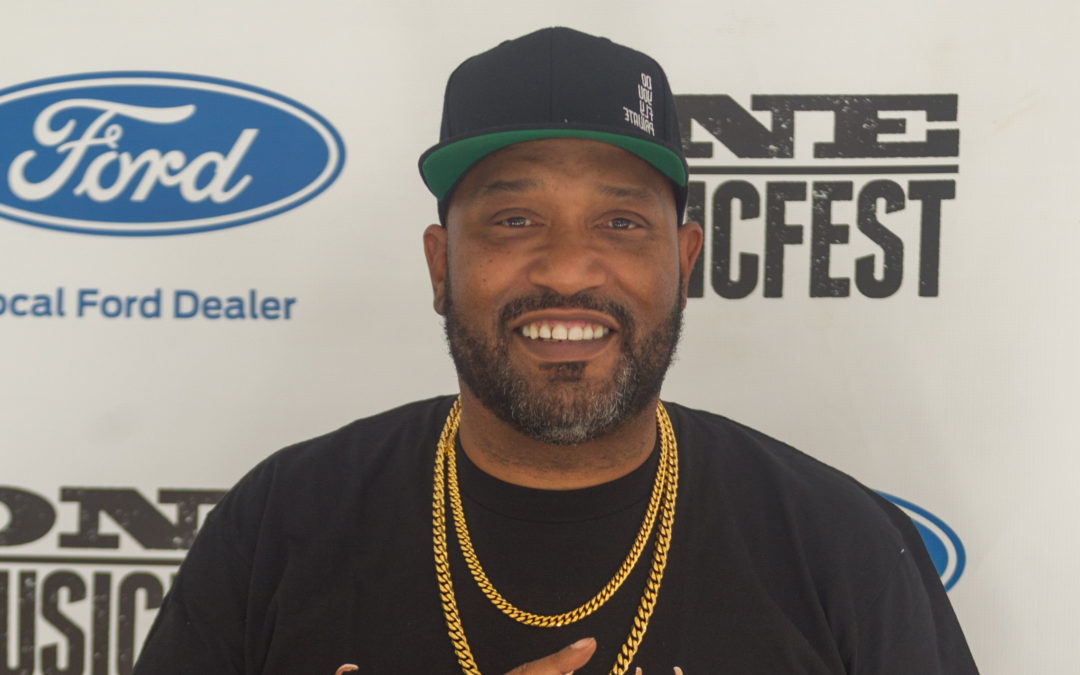
In the stillness of an April evening in 2019, the tranquility of Bun B‘s household was shattered by an unexpected and terrifying incident. As his wife, Queenie, opened the front door, anticipating a routine package delivery, she found herself staring down the barrel of a gun wielded by a masked intruder later identified as Demonte Jackson. The brazen assailant forced his way into their sanctuary, holding Queenie at gunpoint in a chilling display of violence.
A Husband’s Courage
Alerted by his wife’s anguished cries, Bun B, the renowned rapper, sprang into action. With unwavering bravery, he armed himself and descended the stairs, determined to confront the threat head-on. Queenie, fearing for her life, implored her husband to remain upstairs, but his resolve was unshakable. Bun B ventured into the garage, where he encountered Jackson seated in the driver’s seat of Queenie’s vehicle, undoubtedly plotting his escape.
A Fierce Confrontation
In a heart-stopping moment, Bun B opened fire, striking Jackson in the shoulder. The intruder retaliated, unleashing a volley of bullets that narrowly missed their mark. A physical altercation ensued, with Bun B managing to seize Jackson’s mask as the assailant fled the scene, leaving a trail of evidence in his wake. Jackson sought medical attention for his gunshot wound, but his efforts to evade justice were thwarted as he was eventually apprehended and arrested.
The Emotional Toll
As the dust settled, the psychological scars of the traumatic event lingered. During the court proceedings, Bun B fought back tears as he recounted the harrowing details of that fateful night. “There are times when [Queenie] gets closed off,” he shared, his voice laced with anguish. “She can’t communicate, and I just get so angry all over again because she didn’t deserve this. She didn’t ask for this.”
The Legal Reckoning
Demonte Jackson faced a litany of charges, including two counts of aggravated robbery with a weapon and one count of burglary. Faced with the overwhelming evidence against him, he ultimately pleaded guilty, a decision that would seal his fate.
The Sentencing
On Friday, June 7th, the Houston community held its collective breath as the news of Jackson’s sentencing reverberated across the city. Both Fox 26 and CBS affiliate KHOU 11 reported the court’s decision, which was met with a sense of relief and vindication. Jackson, the man who had shattered the sanctity of Bun B’s home and inflicted immeasurable trauma, was sentenced to a staggering 40 years behind bars.
A Measure of Justice
While no punishment can truly undo the psychological scars inflicted upon Bun B and Queenie, the lengthy sentence serves as a measure of justice. It stands as a testament to the unwavering commitment of the legal system to protect innocent lives and hold perpetrators accountable for their actions, no matter how heinous.
The Resilience of the Human Spirit
In the wake of this harrowing ordeal, Bun B and Queenie’s resilience shines through. Their ability to confront the trauma head-on and seek justice is a powerful reminder of the indomitable nature of the human spirit. Despite the darkness they endured, their determination to emerge from the shadows is a beacon of hope for all those who have faced similar adversities.
A Cautionary Tale
The Bun B home invasion serves as a sobering reminder of the ever-present threat of violence that can shatter the illusion of safety within our own homes. It underscores the importance of remaining vigilant and taking necessary precautions to safeguard ourselves and our loved ones from those who would seek to cause harm.
The Power of Community
In times of crisis, the strength of a community is often revealed. As news of the home invasion and subsequent sentencing spread, an outpouring of support for Bun B and his family resonated throughout Houston and beyond. This collective embrace serves as a powerful reminder that even in the darkest of moments, we are not alone, and that the bonds of solidarity can provide solace and healing.
Lessons Learned
The ordeal endured by Bun B and Queenie offers valuable lessons that extend far beyond their personal experience. It highlights the importance of mental health support for victims of trauma, as well as the need for comprehensive security measures to deter and prevent such incidents from occurring in the first place. Additionally, it underscores the significance of effective law enforcement and a robust judicial system in upholding the principles of justice and accountability.
Moving Forward
As Bun B and Queenie embark on the journey of healing and recovery, their story serves as a poignant reminder of the resilience of the human spirit. While the scars of trauma may never fully fade, their courage and determination to seek justice have inspired countless others who have faced similar challenges. In the end, their ordeal stands as a testament to the power of love, perseverance, and the unwavering pursuit of justice in the face of adversity.
by Jonathan P-Wright | Feb 23, 2024 | Latest, Music News |
Image credit: Kathy Hutchins / Shutterstock.com
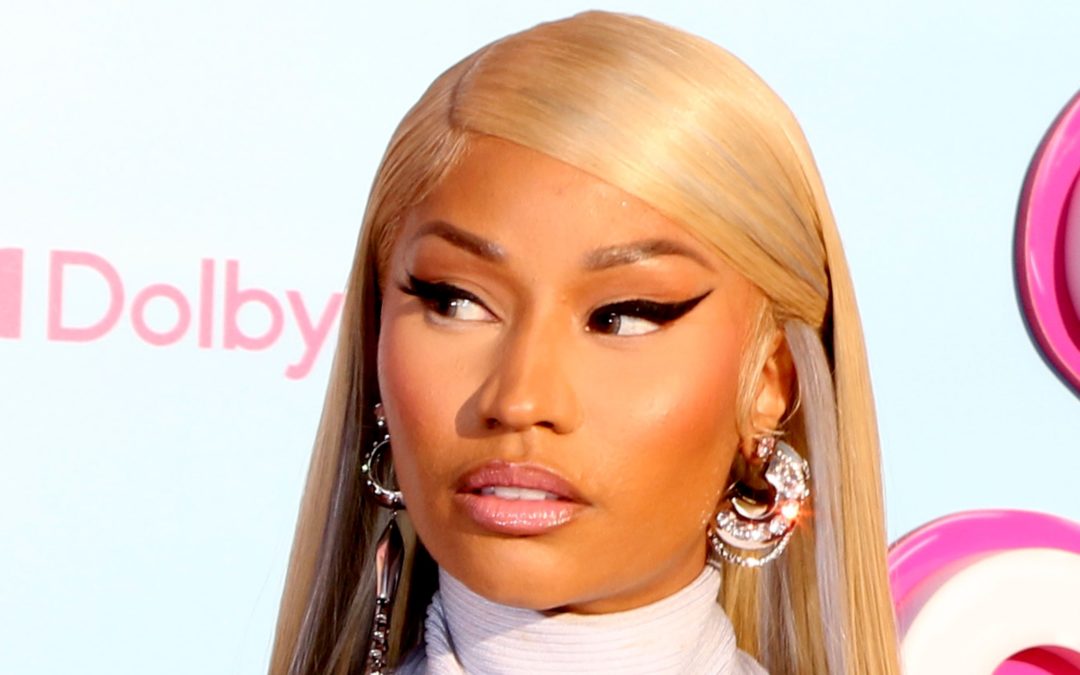
In recent times, a disturbing phenomenon has been emerging, particularly within the world of celebrity fan bases. Individuals who dared to voice their criticisms against popular rapper Nicki Minaj found themselves victims of an alarming cybercrime trend known as doxxing. These individuals, are reportedly considering various legal options to protect themselves and seek justice.
A Closer Look at Doxxing
An article by Time Magazine shed light on this terrifying experience that has befallen several individuals who dared to criticize Minaj, particularly concerning her recent feud with fellow artist, Megan Thee Stallion. These individuals claim they were doxxed by Minaj’s ardent fan base, colloquially known as the Barbz.
The term “doxxing,” as explained by The Atlantic, refers to the act of revealing and maliciously using another’s private and personal information. This deliberate act of cybercrime has left the victims scrambling, looking for ways to legally shield themselves while attempting to gather as much information as they can about the perpetrators.
The Unfortunate Experience of Erick Louis
One such individual is Erick Louis. Louis, a content creator on the popular app TikTok, found himself in the crosshairs after he uploaded a video criticizing Minaj’s “Big Foot” track. The repercussions were swift and unexpected. He received a phone call from his brother, informing him that an unordered pizza had been delivered to his house. Soon, his phone was inundated with calls from unknown numbers, an experience he described to Time as nerve-wracking and unsettling.
The Painful Betrayal of Bela Delgado
Another victim of this malicious act is Bela Delgado, a former Nicki Minaj fan who once ran fan accounts for the rapper in 2017. Delgado’s disillusionment with Minaj began when the artist started associating with controversial figures like Tekashi 6ix9ine, who pled guilty to using a minor for a sexual performance.
The backlash from the Barbz was swift and brutal after Delgado uploaded (and later deleted) a video expressing their disappointment in Minaj following the release of “Big Foot.” The harassment was not only directed at Delgado but also their family members.
The Legal Maze: A Complex Path to Justice
According to entertainment attorney Lauren Kilgore, navigating the legal system to find justice for doxxing victims is a complex and uncertain path. The legal landscape is nuanced, and current discussions in Congress about crafting anti-doxxing legislation must carefully balance free speech rights against privacy protections.
Seeking Accountability: A Plea for Responsibility
While the victims grapple with the aftermath, there’s a call for the celebrities whose fan bases carry out these attacks to take responsibility. Ebony Jasmine Harris, another victim of the Barbz’s doxxing, believes that if Minaj chooses to use her power negatively and refuses to speak out against the doxxing, it speaks volumes about her as an individual.
Wrapping Up: An Ongoing Battle
As the people continue their battle against the violation of their privacy, a larger conversation about the power of celebrity fan bases and the potential for harm has been sparked. The victims are not just seeking justice for themselves but also hope to raise awareness about the dangers of doxxing and the need for stricter regulations and laws to combat it.
In the meantime, they continue to navigate their way through this horrifying experience, bearing a heavy burden and an even heavier responsibility to protect their privacy and ensure their safety in the face of relentless cyber harassment. They’re standing up against the violation, exploring legal options, and hoping for a safer, more respectful cyberspace where dissent doesn’t lead to dangerous retaliation.
by Jonathan P-Wright | Feb 16, 2024 | Latest, Music News |
Photo by Tingey Injury Law Firm on Unsplash
Lizzo, the chart-topping sensation known for her anthem “Good as Hell,” faces a significant legal hurdle. According to Billboard, the case against her, filed by three former dancers, will proceed to trial. The lawsuit accuses the singer of sexual harassment, a charge she has strongly contested.
Prologue: The Filing of the Lawsuit
Last year, three of Lizzo’s former backup dancers, Arianna Davis, Crystal Williams, and Noelle Rodriguez, filed a lawsuit alleging several instances of sexual, religious, and racial harassments. They claimed that Lizzo and her team subjected them to sexually denigrating behavior, weight-shaming, and forced them to participate in disturbing sex shows.
The Anti-SLAPP Motion
In response, Lizzo filed an anti-SLAPP motion in August. She argued that her dancers’ accusations originated from her exercise of free speech rights on public issues. Her lawyers contended that the lawsuit was a tactic to “silence” her.
The Court’s Stand
The judge’s ruling emphasized the delicate balance between protecting constitutional rights and addressing misconduct allegations. “It is dangerous for the court to weigh in, ham-fisted, into constitutionally protected activity,” the judge wrote. “But it is equally dangerous to turn a blind eye to allegations of discrimination or other forms of misconduct merely because they take place in a speech-related environment.”
The Allegations
The lawsuit against Lizzo, her production team, and Shirlene Quigley, captain of her dance team, includes several serious allegations. The plaintiffs claim Lizzo and her team subjected them to various forms of harassment and discrimination, including:
- Weight-shaming
- Sexual denigration
- Forced participation in disturbing sex shows
- Religious and racial discrimination
The Aftermath: Dismissal and Continuation
While the judge dismissed some allegations, such as a sexual harassment claim on the set of Lizzo’s Watch Out for the Big Grrrls and a disability discrimination accusation, several charges of sexual harassment and discrimination will still face scrutiny in court.
The Lawyer’s Statement
The dancers’ lawyer, Ron Zambrano, expressed satisfaction with the judge’s ruling, calling it a victory. Despite the dismissal of some allegations, he highlighted that the remaining claims include sexual, religious, and racial discrimination, false imprisonment, and assault.
Lizzo: A Public Figure Under Scrutiny
The ruling also emphasizes that fame does not insulate celebrities from being held accountable for alleged misconduct. Lizzo, like any other public figure, is not exempt from facing the consequences of her actions if found guilty.
Awaiting Trial
As the case heads to court, the world will be watching closely. The trial is expected to be a spotlight on the dark side of celebrity culture, exposing the potential misuse of power and influence in the music industry.
Conclusion
The case against Lizzo is a stark reminder of the ongoing battle for social justice in our society. It underscores the necessity for accountability, regardless of one’s status or influence. As the legal proceedings unfold, the truth will eventually surface, setting a precedent for future cases involving celebrities and sexual harassment allegations.
“It is dangerous for the court to weigh in, ham-fisted, into constitutionally protected activity. But it is equally dangerous to turn a blind eye to allegations of discrimination or other forms of misconduct merely because they take place in a speech-related environment.” – Judge
Respect for all, accountability for actions, and the pursuit of justice remain the pillars of our society. As we follow Lizzo’s case, we are reminded once again of their importance.
by Jonathan P-Wright | Jan 18, 2024 | Latest, Music News |
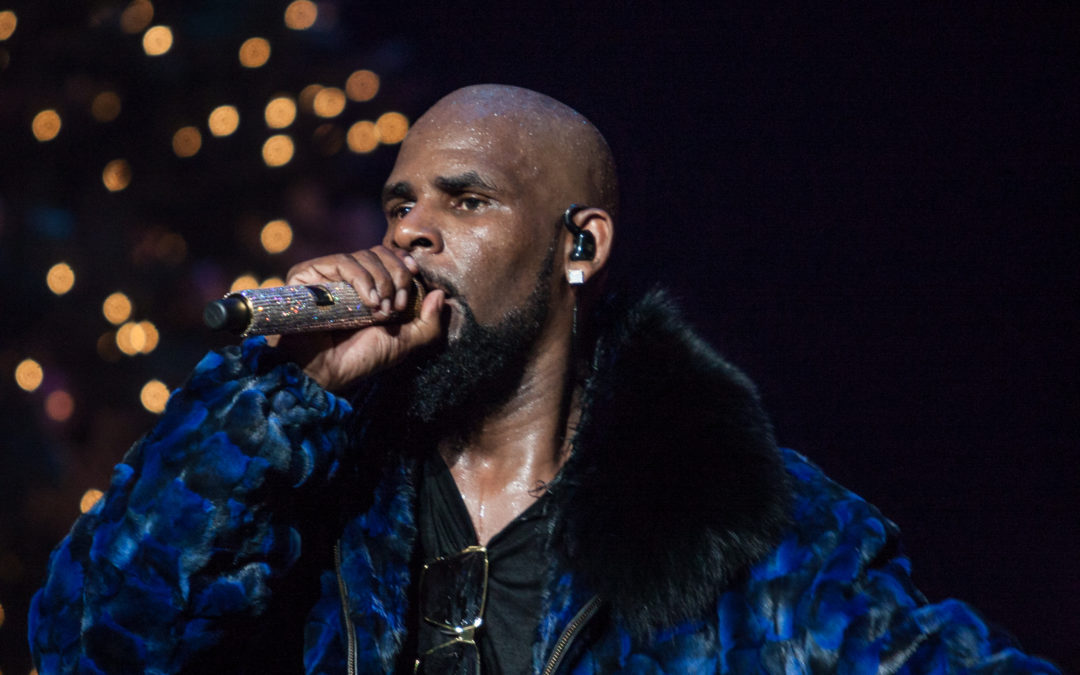
R. Kelly, the famed artist, recently claimed oblivion to a lawsuit that led to a court awarding six women a whopping $10.5 million. The lawsuit was in response to alleged threats that resulted in the cancellation of the docuseries screening, Surviving R. Kelly.
The Unnoticed Lawsuit
According to court documents that TMZ managed to acquire, Kelly insisted that he would have contested the lawsuit if he had been cognizant of it. The singer pointed out that he was overwhelmed with legal issues and had to modify his legal counsel. Amidst these changes, this particular lawsuit might have slipped through unnoticed.
“In case he did receive the lawsuit, Kelly argues his linguistic capability is equivalent to a grade schooler’s, and he heavily relies on his lawyers for an understandable explanation.”
This statement underscored the artist’s alleged inability to fully comprehend the lawsuit’s implications.
Allegations and Threats
R. Kelly, along with his then-manager Donnell Russell, were accused of persistently threatening six women who were featured in the Surviving R. Kelly docuseries. The duo also reportedly intimidated the women and the docuseries producers with potential legal action.
“The lawsuit alleges that a Dec. 2018 screening in New York City was called off after someone from Kelly’s team threatened to ‘shoot up’ the venue.”
The Blame Game
In the latest court documents, Kelly disputed Russell’s role as his manager and suggested that if Russell was the source of the threat leading to the screening’s termination, the blame should be placed solely on Russell.
“He did that for his own reasons,” Kelly stated, distancing himself from Russell’s actions.
Russell was consequently sentenced to a year in prison due to the lawsuit’s fallout.
A Heavy Sentence
R. Kelly was handed a 30-year prison sentence in 2022 after being found guilty of racketeering and sex trafficking. Additionally, he was sentenced to 20 more years for child sex crimes, marking a dramatic fall from grace for the celebrated artist.
Conclusion
The R. Kelly saga underscores the importance of accountability and transparency in the music industry. Despite the artist’s claims of unawareness, the court’s ruling speaks volumes about the alleged misconduct. As music news continues to unfold, we can only hope for justice and a safer environment for artists and fans alike.
As the R. Kelly story continues to unfold, it serves as a stark reminder of the importance of accountability and transparency within the music industry. Regardless of the artist’s claims of unawareness, the court’s ruling sends a clear message about the allegations of misconduct. As this music news continues to unfold, we can only hope for justice and a safer environment for artists and fans alike.



RECENT COMMENTS