Hip-hop has long been the heartbeat of urban resilience—a genre born in the struggle and sculpted in survival. From its roots in the Bronx to its global dominance, it has remained one of the most honest reflections of culture, identity, pain, and rebellion. Yet despite its triumphs, the genre remains haunted by a disturbing and persistent trend: the premature deaths of its stars.
The headlines come with tragic regularity. Another rising voice silenced. Another tribute concert. Another artist’s last tweet going viral after their murder, overdose, or unexplained passing. The loss feels almost routine now, but it shouldn’t. When Pop Smoke was gunned down at 20, when Juice WRLD collapsed at just 21, when Nipsey Hussle was murdered in front of his own business, and when Takeoff was caught in a senseless crossfire—these weren’t just isolated incidents. They were alarm bells in a system that’s failed to protect its brightest talents.
While many are quick to blame the “lifestyle” or the music itself, the deeper truth is harder to stomach: these deaths reflect broader societal, psychological, and industry-wide failures.
A Crisis Backed by Data
A groundbreaking study published in the Journal of the American Medical Association in 2015 cast a harsh spotlight on the grim statistics surrounding hip-hop deaths. According to the study, 51% of deaths among hip-hop artists were homicides, and the average age of death was just 30. This is alarmingly young compared to other genres. In rock, only 6% of deaths are homicides. In jazz, it’s 1.5%. And in country music, the average age of death surpasses 60.
Clearly, the genre doesn’t just reflect danger—it lives inside it. These numbers don’t just highlight a trend; they paint a clear picture of a cultural health crisis. The artists we idolize, who pour their trauma and truth into their lyrics, are navigating a world that remains perilous—even after they’ve made it big.
Environments of Survival, Not Safety
Music psychologist Dr. Dianna Theadora Kenny put it plainly: “Hip-hop has the highest mortality rate of any major music genre. It’s not a coincidence. It reflects the environments from which many of these artists emerge.”
Indeed, many rappers come from communities ravaged by poverty, violence, incarceration, and neglect. Their ascent into fame doesn’t erase the battles they fought growing up. In fact, success often sharpens the threats they face. Overnight fame doesn’t come with a guidebook for security, mental health, or conflict resolution. These artists are launched into stardom while still carrying unresolved traumas and unhealed wounds—now in a spotlight where those wounds become targets.
Lives Taken, Stories Cut Short
Pop Smoke’s story is a gut-wrenching one. At just 20, he had become the face of Brooklyn drill—a genre bursting with raw intensity and street narrative. His deep voice and intimidating presence were paired with a rising global appeal. But that rise ended abruptly in a Los Angeles home invasion. His killers were teenagers who tracked his location via an Instagram post. A moment meant to celebrate success instead exposed him to fatal danger. His murder reminded the world just how vulnerable young artists can be in the digital age—especially when fame arrives faster than the tools to manage it.
Juice WRLD was a different kind of voice—less aggressive, more introspective. He bled emotion in his tracks, speaking openly about anxiety, heartbreak, and addiction. His vulnerability resonated with millions. But behind that openness was a young man wrestling privately with substance dependency. He died from an accidental overdose of oxycodone and codeine, just days after his 21st birthday. His lyrics had foreshadowed his own demise for months, and still, the system around him failed to intervene in time.
Nipsey Hussle’s death carried a different weight. He wasn’t just an artist—he was a community organizer, an entrepreneur, a visionary. His work in South Central Los Angeles wasn’t performative; it was deeply rooted in change-making. He opened businesses, created jobs, and spoke powerfully about generational wealth and Black empowerment. Yet, in the very community he uplifted, he was shot and killed. His death devastated a generation, not just because of who he was, but because of what he stood for: redemption, transformation, and unity.
Takeoff, the quietest and most peaceful member of the trio Migos, wasn’t known for beefs or controversy. But that didn’t spare him. He was killed in Houston during a confrontation that didn’t even involve him directly. At just 28, his death served as a chilling example of how even those who avoid conflict can fall victim to chaos.
The Industry’s Role in the Pattern
Within the hip-hop community, voices are rising to confront this crisis. Jim Jones famously said, “Rap is the most dangerous job in the world.” Fat Joe described rappers as “an endangered species.” And radio host Charlamagne Tha God criticized record labels for profiting from artists’ trauma without providing real support: “They want the music but not the responsibility of keeping artists alive.”
The reality is that the hip-hop industry has long commodified struggle. Labels race to sign artists who reflect raw, street-originated authenticity—yet rarely offer guidance for navigating fame, managing mental health, or securing safety. Artists are often left to juggle everything—financial pressure, family demands, public scrutiny, unresolved street conflicts—alone. Their trauma becomes content, their lyrics become product, and their safety becomes their own burden to bear.
Imagining a Safer Future for the Culture
Change is possible—but it requires more than mourning after the fact. It requires systems built to prevent these tragedies before they unfold.
One potential starting point is conflict resolution. Many disputes in the hip-hop world stem from misunderstandings, bruised egos, and street tensions. Industry-funded mediation programs could provide a way to resolve these issues before they escalate into violence. Neutral spaces for conversation, reconciliation, and accountability could reduce the likelihood of beefs becoming funerals.
Mental health support must also be prioritized. Therapy should be normalized and made readily accessible for artists—especially Black men, who often carry the weight of generational trauma in silence. Labels need to offer more than studio time and PR budgets—they need to provide therapists, wellness coaches, and trauma counselors. Artists are human beings, not streaming numbers.
Touring, while lucrative, can be dangerous—especially for younger acts. Many up-and-coming rappers travel with minimal security, poorly coordinated teams, and limited preparation for handling crowds, threats, or emergencies. Stronger tour protocols, dedicated security professionals, and clear risk assessments should be standard, not optional.
Investing in the Communities Artists Come From
Ultimately, addressing the violence and instability surrounding hip-hop means investing in the communities that produce its voices. Poverty, gun access, educational inequality, and mental health gaps are not just background conditions—they are direct contributors to the instability that many artists face. Supporting community development, youth programs, and mental health services in underfunded neighborhoods is not just social work—it’s preventative action. When artists succeed and give back, they should not be walking targets. They should be catalysts for transformation.
The Evolution of Lyrical Power
There’s another layer to this evolution—and it’s lyrical. Hip-hop has never been afraid to speak about pain, violence, and trauma. But the next era could be one where that same lyrical honesty turns inward—toward healing, vulnerability, and emotional intelligence. Artists like Kendrick Lamar, J. Cole, Noname, and others are already carving out a path where lyricism doesn’t rely on glorifying death to feel authentic.
The culture has always evolved. It has always responded to its moment. And right now, the moment is asking for something new: not a softer hip-hop, but a smarter one. One that understands the cost of constant funerals. One that wants its artists to live long enough to become elders.
A Genre Worth Protecting
The losses of Pop Smoke, Juice WRLD, Nipsey Hussle, Takeoff, and so many others are not just tragedies—they are wake-up calls. Each death chips away at the foundation of a culture that deserves preservation. But even more importantly, they are reminders that behind every track, every verse, and every viral clip is a life—a real one.
Hip-hop has changed the world. Now, it must protect its own.
The future of hip-hop can be different. It can be a genre not defined by grief, but by growth. Not by funerals, but by legacies. The next chapter doesn’t have to end in obituaries. It can be written in healing, safety, and survival.
In a surprising turn of events that has sparked widespread conversation in both sports and entertainment circles, ESPN has officially pulled the plug on a highly anticipated docuseries centered on former NFL quarterback and civil rights activist Colin Kaepernick. The project, helmed by acclaimed director Spike Lee, was scrapped due to what the network cited as “creative differences” between the involved parties.
“ESPN, Colin Kaepernick, and Spike Lee have collectively decided to no longer proceed with this project as a result of certain creative differences,” a spokesperson for ESPN confirmed in a statement to Entertainment Weekly. “Despite not reaching finality, we appreciate all the hard work and collaboration that went into this film.”
A Project Years in the Making
This docuseries was initially announced back in 2020 as part of a larger collaboration between Colin Kaepernick and The Walt Disney Company. The project was touted as an unfiltered, firsthand portrayal of Kaepernick’s life, activism, and career journey—offering insight into his personal struggles, triumphs, and transformation from athlete to cultural icon.
In 2022, it was revealed that Spike Lee, the Oscar-winning filmmaker known for his socially conscious and politically charged storytelling, had officially come on board to direct the series. Lee’s involvement added even more anticipation, especially given his deep history of covering racial injustice and civil rights issues in America. Together, Lee and Kaepernick were expected to craft a raw, authentic narrative, including never-before-seen footage from Kaepernick’s personal archives.
At the time, Kaepernick expressed optimism and enthusiasm for the project, tweeting, “I’m grateful to be able to work with the legend Spike Lee on my docu-series. It’s time for the narrative to be corrected.”
Cracks in the Collaboration
However, signs of trouble began to surface last year. In September, Puck News reported that production had stalled due to internal disagreements over the creative direction of the project. These “creative differences,” while not explicitly detailed, reportedly involved both Kaepernick and Lee struggling to align on key storytelling elements and editorial control. ESPN Chairman Jimmy Pitaro was also said to be open to allowing the project to be pitched to other networks or streaming platforms, should a resolution not be reached.
Most recently, in an interview with Reuters, Spike Lee confirmed the project would no longer be moving forward. “It’s not coming out,” he said candidly. Lee cited a nondisclosure agreement when asked for further information, adding, “I can’t talk about it.”
Why the Cancellation Matters
While creative differences are not uncommon in the film and television industry, the cancellation of this particular project carries weight far beyond typical behind-the-scenes drama. The collaboration brought together three influential voices—Disney’s sports media powerhouse ESPN, a groundbreaking Black filmmaker in Spike Lee, and an athlete-activist who became the face of modern sports protest. The decision to dissolve the partnership raises questions about whose voice ultimately holds authority when telling stories about Black activism in America.
Kaepernick’s journey is not just one of personal hardship, but one that intersects with systemic issues of racism, institutional resistance, media control, and corporate gatekeeping. A documentary directed by Spike Lee could have offered a platform that combined cinematic artistry with urgent social commentary—something that is increasingly rare in mainstream sports coverage.
The Legacy of Kaepernick’s Activism
Colin Kaepernick’s name is now inextricably linked to the modern era of athlete activism. Once a star quarterback for the San Francisco 49ers, Kaepernick became a global figure in 2016 when he began kneeling during the national anthem to protest racial injustice and police brutality. His silent act of resistance ignited fierce debate across political, social, and athletic arenas. Supporters hailed him as courageous, while critics accused him of disrespecting the flag and the military.
Despite his evident talent, Kaepernick has remained unsigned by any NFL team since the 2016 season, leading many to believe he was blackballed by the league. In 2017, he filed a formal grievance against the NFL, accusing owners of colluding to keep him off the field. The case was settled in 2019, though terms of the agreement remain confidential.
Kaepernick’s stand cost him his career, but it also cemented his place in history. His legacy has influenced a new generation of athletes to speak out on issues ranging from racial injustice to LGBTQ+ rights and mental health. He continues to be a polarizing figure, but one who undeniably shifted the conversation around what it means to be both an athlete and an activist.
Previous Attempts to Tell His Story
This isn’t the first time Kaepernick’s life has been portrayed on screen. In 2021, Netflix premiered the limited series Colin in Black and White, co-created by Ava DuVernay and narrated by Kaepernick himself. The series blended dramatized scenes from his youth with real-life commentary, focusing on his coming-of-age story, biracial identity, and early experiences with racial discrimination.
The reception was mixed—praised for its emotional resonance and criticized by some for being heavy-handed—but it opened a broader dialogue about the role of identity and resistance in shaping personal destiny.
In 2023, Kaepernick also co-authored a graphic novel titled Change the Game alongside writer Eve L. Ewing. The book targeted young readers, exploring themes such as racism, belonging, and the courage to challenge the status quo. Speaking to Entertainment Weekly at the time, Kaepernick said, “I was inspired to write Change the Game to help a younger generation navigate complex issues like racism, family dynamics, and finding their power when the spaces they’re in are trying to strip it away from them.”
What Happens Next?
It remains unclear whether the docuseries will find a new home or be revived under different creative leadership. With ESPN officially stepping away and Spike Lee no longer involved, the future of the project is uncertain. However, given the cultural significance of Kaepernick’s story, it’s unlikely that interest will fade altogether.
There’s still a possibility that another streaming platform—Netflix, Hulu, or even an independent production company—could take on the series in a new form. Jemele Hill, a journalist and producer who had previously been linked to the project, may also explore alternate routes to bring the series to life.
That said, any attempt to revive the series will likely need to address the challenges that led to its initial demise. Navigating the balance between creative vision, editorial autonomy, and the sensitivities of portraying such a high-profile figure is no easy feat.
The Broader Cultural Tension
This event is emblematic of a larger pattern within media and entertainment: the tension between institutional control and authentic storytelling, particularly when it comes to narratives about Black resistance and power. While corporations may seek to capitalize on social justice moments, they often struggle to relinquish enough creative control to allow for truly raw, unfiltered perspectives.
The fact that this project—meant to correct the narrative around Kaepernick—was derailed by internal disagreements underscores how difficult it can be to authentically tell stories that challenge systems of power. Especially when those systems are the very platforms funding and distributing the content.
Final Thoughts
In many ways, the saga surrounding this docuseries mirrors the broader journey of Colin Kaepernick himself—full of promise, controversy, resistance, and unfinished business. His voice, his story, and his message remain relevant in a society still grappling with racial injustice and the uneasy intersection between sports, politics, and corporate interests.
Embracing your destiny is not for the faint of heart
The quest to discover and embrace your authentic self is a remarkable odyssey of self-discovery and growth. This journey demands genuine humility and unflinching introspection, establishing the foundation for meaningful transformation. While the path varies for each individual and often requires significant sacrifice, fully embracing each step makes the expedition profoundly worthwhile.
The greatest triumph comes from completing this personal odyssey with integrity, allowing your evolution to cast light on the challenging road you’ve conquered. Breaking into the music industry parallels navigating an intricate maze filled with unexpected challenges and pivotal decisions. Music creation transcends mere career choice – it represents a spiritual calling that select individuals are destined to pursue.
As humanity’s universal dialect that dissolves boundaries and connects hearts, music makers understand the weighty responsibility their craft carries. Every melody and verse they produce embodies this sacred duty, touching listeners’ souls worldwide.
The crown of a queen is never light
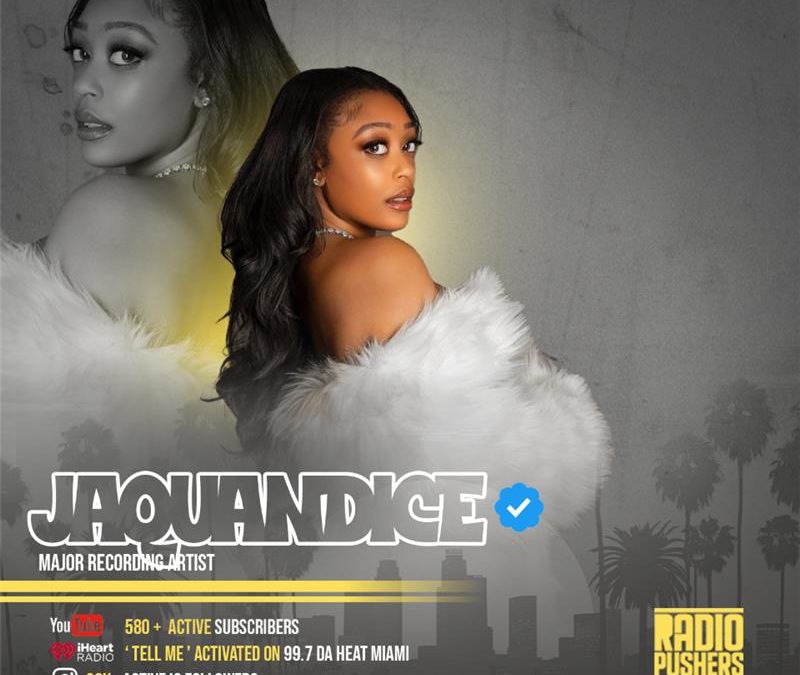
Artist and entrepreneur JAQUANDICE emerges as a multidimensional creative force whose expansive artistic perspective has cultivated loyal followers while establishing her unique musical identity. Exemplifying R&B excellence, JAQUANDICE demonstrates divinely-bestowed vocal prowess, emotional depth, and unwavering determination. Her radio breakthrough “Tell Me” exploded across social platforms, sparking intense interest among radio directors, industry executives, and digital influencers. Capturing 99.7 DA HEAT MIAMI’s attention on iHeartRadio, “Tell Me” has maintained strong rotation for over four months, consistently ranking among the station’s most requested tracks.
The team at 99.7 DA HEAT MIAMI approached the gifted JAQUANDICE with an opportunity to host her own weekly R&B mix show. The ‘RNB X SUPREME’ program showcases premier R&B music, expertly blending rising talents with established stars from around the world, delivering listeners a diverse and immersive musical journey. This engaging mix show perfectly reflects JAQUANDICE’s artistic sensibilities and refined musical taste.
Broadcasting exclusively through iHeartRadio on 99.7 DA HEAT MIAMI every Saturday and Sunday from 8 PM to 9 PM EST, this achievement represents a pivotal milestone for JAQUANDICE as she continues developing her multifaceted media presence. 99.7 DA HEAT MIAMI operates as a dynamic and engaging branch of RADIOPUSHERS and MUSICHYPEBEAST, committed to nurturing creativity and innovation within the music industry.
The quest to discover and embrace your authentic self is a remarkable odyssey of self-discovery and growth. This journey demands genuine humility and unflinching introspection, establishing the foundation for meaningful evolution. While the path varies for each individual and often requires significant sacrifice, fully immersing yourself in the process yields profound rewards.
The greatest triumph comes from completing this transformative journey with integrity intact, as your personal evolution illuminates the challenging road you’ve conquered. Breaking into the music industry parallels navigating an intricate maze filled with unexpected challenges and opportunities. Music creation transcends mere career choice – it represents a spiritual calling that select individuals are destined to pursue.
As humanity’s universal dialect, music dissolves boundaries and connects hearts, with its creators bearing the weighty responsibility of this sacred artistic mission. Every musical phrase and verse carries this profound purpose, touching listeners’ souls across cultural divides.
Recording artist and entrepreneur JAQUANDICE emerges as a versatile creative force whose comprehensive artistic vision has cultivated loyal followers while establishing her unique musical identity. Embodying R&B’s essence, JAQUANDICE demonstrates divinely bestowed vocal prowess, emotional depth, and unwavering determination. Her breakthrough radio single “Tell Me” gained massive social media traction, sparking intense discussions among radio professionals, industry executives, and digital influencers. Capturing 99.7 DA HEAT MIAMI’s attention on iHeartRadio, “Tell Me” has maintained strong rotation for over four months, consistently ranking among the station’s most requested tracks.
The innovative team at 99.7 DA HEAT MIAMI approached the gifted JAQUANDICE with an opportunity to host her own weekly curated R&B mix show. The ‘RNB X SUPREME’ program showcases premier R&B music, expertly blending rising talents with established artists worldwide, delivering listeners an diverse musical journey. This engaging mix show perfectly reflects JAQUANDICE’s artistic sensibilities and refined musical expertise.
Broadcasting exclusively via iHeartRadio on 99.7 DA HEAT MIAMI every Saturday and Sunday from 8pm-9pm EST, this achievement represents a pivotal milestone for JAQUANDICE as she continues developing her multifaceted media presence. 99.7 DA HEAT MIAMI operates as a dynamic, engagement-focused division of RADIOPUSHERS and MUSICHYPEBEAST, committed to nurturing musical innovation and creativity.
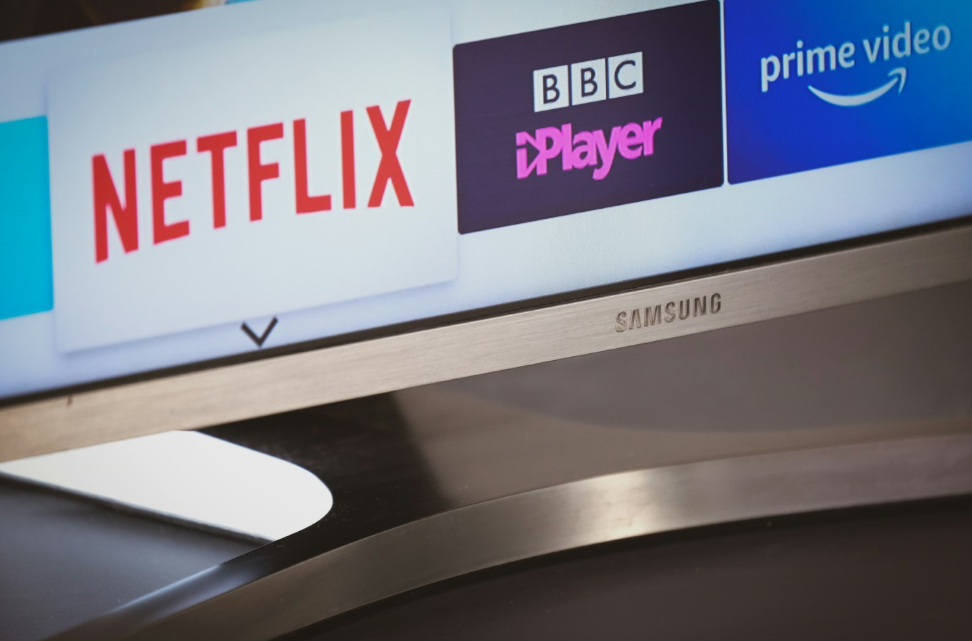
Samsung is making bold moves in the streaming landscape—this time by embracing the massive influence of digital-first creators. After previous content deals with names like Steven Bartlett, David Letterman, and Conan O’Brien, the tech giant is now leaning heavily into the creator economy, signaling a pivotal shift in strategy for its free, ad-supported streaming television (FAST) platform, Samsung TV Plus.
In a new wave of partnerships announced Monday, Samsung revealed that it will launch several new dedicated channels showcasing content from some of the most prominent independent creators on the internet. These creators, who rose to prominence largely through YouTube, will now have exclusive FAST channels on Samsung TV Plus—a platform pre-installed on millions of Samsung devices around the world.
Among the lineup are names that will be instantly recognizable to digital natives and casual viewers alike: Dhar Mann, Mark Rober, Michelle Khare, Smosh, The Try Guys, Epic Gardening, The Sorry Girls, and Donut Media. This expansion reflects not just a content acquisition strategy, but a cultural pivot: Samsung is betting that the future of television isn’t just about Hollywood blockbusters or late-night comedians—it’s about creators who built their brands online and command loyal, global audiences.
A New Platform for Purpose-Driven Storytelling
Take Dhar Mann, for example—a filmmaker and entrepreneur known for producing short, inspirational stories with moral lessons that reach millions. His videos rack up billions of views across platforms, and now, they’re getting a dedicated home on Samsung TV Plus.
“This is a major milestone for us as storytellers and producers,” Mann shared in a statement. “Creating original episodes for Samsung TV Plus allows us to expand the reach of our mission, and bring purposeful, uplifting stories directly into even more people’s homes. It’s a powerful new chapter—not just for our shows, but for how creators can lead on streaming.”
For Samsung, this isn’t just about syndicating pre-existing YouTube content. In select cases, including Mann’s, the company is supporting the production of original, exclusive content that will only be available on Samsung TV Plus. That means these aren’t just repackaged playlists—they’re professionally curated linear channels designed to deliver a seamless, lean-back viewing experience.
Bridging Entertainment with Education: Mark Rober Joins In
Another high-profile addition is Mark Rober, the former NASA engineer turned viral science educator. With nearly 70 million followers across platforms, Rober is known for his wildly entertaining science experiments and engineering videos that make learning fun.
With his new FAST channel on Samsung TV Plus—Mark Rober TV—fans can expect a curated stream of his best educational content, reaching audiences who may never have encountered him on YouTube.
“Bringing my work to Samsung TV Plus means sharing the wonder of science and engineering with even more families,” said Rober. “This is about bringing curiosity and creativity front and center, right where the family gathers.”
In an era where educational content for children and families is increasingly sought after, Samsung is making a strategic move by positioning creators like Rober in a space traditionally reserved for legacy media brands. His content is ideal for both active learning and passive entertainment, making it a natural fit for Samsung’s living room-first experience.
Curated Channels, Not Just Playlists
It’s important to understand that Samsung TV Plus isn’t replicating YouTube. The new channels are not just random video feeds—they’re structured, curated, and formatted to mimic the linear TV experience. This taps into a growing demand for effortless viewing: unlike platforms where users must actively search and click through recommendations, FAST channels provide an always-on stream of content with minimal decision fatigue.
During this year’s IAB NewFronts presentation—a major event where digital publishers and platforms pitch their content to advertisers—Samsung emphasized its growing investment in creator-led content. Salek Brodsky, Senior Vice President and Global Head of Samsung TV Plus, made it clear that this wasn’t a short-term experiment but a key pillar of their long-term strategy.
“Samsung TV Plus is building a home for today’s top creators on FAST, bringing their content into a premium, curated environment designed for the biggest screen in the home,” Brodsky said. “This marks a new era where the most innovative and influential storytellers can reach audiences at scale in a way that elevates their voice and preserves creative intent.”
Why Creators are the Future of FAST
There’s a seismic shift happening in the media world—from traditional television to creator-driven ecosystems, and from subscription fatigue to ad-supported models. Younger audiences, in particular, are more drawn to relatable, authentic creators than polished network productions. They value content that reflects their own humor, values, and curiosities—and they trust creators in a way they never trusted corporations.
FAST platforms like Samsung TV Plus are perfectly positioned to ride this wave. They offer free access, rely on advertising (which creators are already familiar with), and are pre-installed on devices that millions already use. By bringing creators into this space, Samsung is not just expanding its content library—it’s reshaping what viewers expect from a television platform.
Moreover, as platforms like Netflix and Disney+ increase subscription prices and clamp down on password sharing, users are growing weary. A recent survey by All About Cookies found that 84% of users have canceled at least one streaming subscription, and nearly half cited rising costs as the primary reason. In this climate, free, high-quality, creator-led content becomes an extremely attractive alternative.
The Bigger Picture: Samsung’s Global Push
Samsung TV Plus isn’t just big in the U.S.—it’s part of a global streaming strategy. As of now, the platform supports over 700 FAST channels in the U.S. and more than 1,000 globally, spanning regions from Europe to Asia. In October 2024, Samsung revealed that its streaming service had reached 88 million monthly active users, making it one of the fastest-growing FAST platforms in the world.
Samsung has cleverly leveraged its hardware dominance to fuel its streaming ambitions. The app comes pre-installed on all newer Samsung Smart TVs, Galaxy smartphones, Galaxy tablets, and smart monitors running on the Tizen OS. It’s also available on select third-party smart TVs that license Samsung’s operating system, such as models from RCA and Loewe.
This kind of native integration gives Samsung a competitive edge over standalone services. It shortens the discovery funnel, placing content directly in front of users the moment they turn on their TV or device. And now, with the addition of creator-led channels, the company is banking on familiarity and loyalty—bringing creators fans already love into an environment that feels new, intuitive, and communal.
The Advertising Angle
Behind all this innovation is a simple but powerful monetization model: ads. FAST platforms thrive on advertising revenue, and creators are no strangers to sponsored content. What Samsung offers is scale: by centralizing and curating creator content into formal channels, advertisers can now buy media against predictable audiences in a brand-safe, living-room context.
For creators, this opens up new revenue streams and elevates their content into a more premium tier—away from the chaos of open-platform algorithms and demonetization issues. For Samsung, it’s a way to bring in premium advertisers while keeping users engaged for longer durations.
Final Thoughts: A Glimpse Into Streaming’s Future
What Samsung is doing here is bigger than just adding new channels. They’re redefining what it means to be a television creator in 2025. No longer is success confined to studio-produced sitcoms or Netflix originals. Independent creators are now front and center—on the biggest screens, backed by billion-dollar companies, and driving viewership with content that was once considered fringe or niche.
This isn’t a pivot—it’s a revolution.
And with Samsung TV Plus leading the charge, don’t be surprised if the next time you flip on your smart TV, you find yourself watching a video by your favorite YouTuber—only now, it’s airing like a show, not just a post.
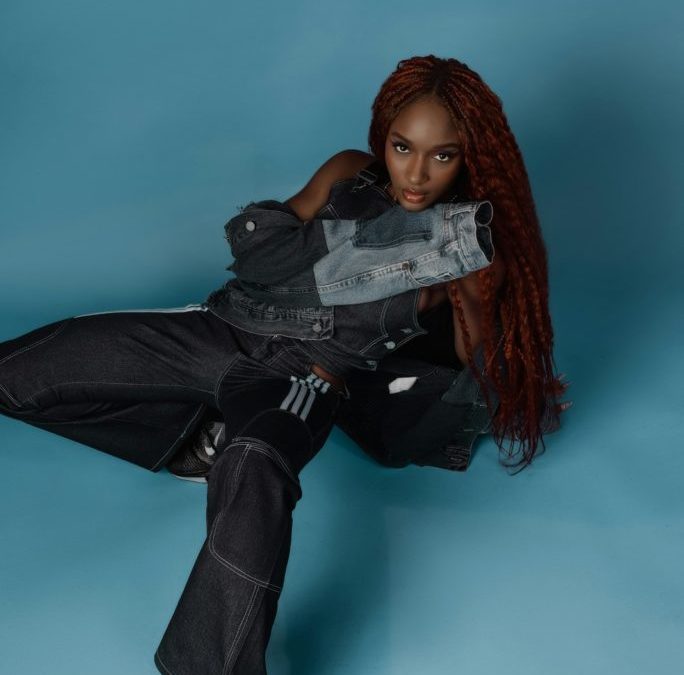
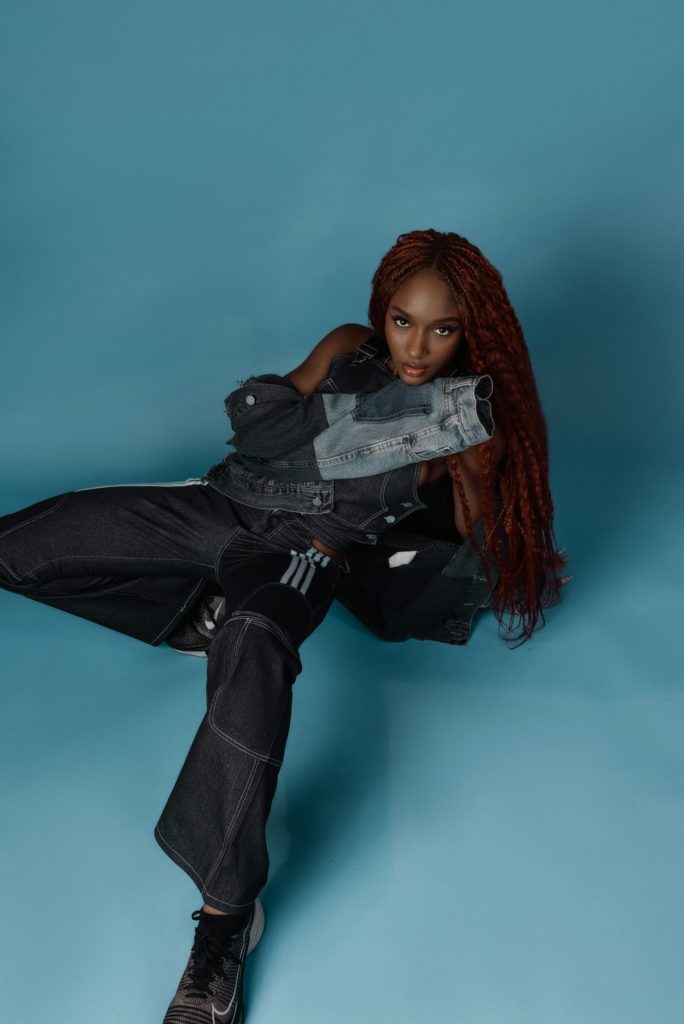
In a major career leap that underscores her skyrocketing international presence, Nigerian Afropop sensation Ayra Starr has inked a management deal with Roc Nation, the global entertainment powerhouse founded by iconic rapper and entrepreneur Jay-Z.
This strategic partnership comes on the heels of a remarkable year for the 21-year-old singer, who has been rapidly ascending through the ranks of global music stardom. Roc Nation’s move to bring her into its exclusive artist roster is seen by many in the industry as a definitive nod to Starr’s surging influence—not just in Africa, but across the world.
A Partnership Sealed in Momentum
While the news was formally confirmed only recently, industry watchers had already begun speculating about a potential Roc Nation collaboration weeks earlier. When the label publicly congratulated Ayra Starr on her recent BET Award win—her first—many fans and insiders interpreted the gesture as more than a passing compliment. It was a subtle foreshadowing of something much bigger.
Fast forward a few weeks, and the dots have connected. Ayra Starr, still signed under Mavin Records—the influential Nigerian label led by veteran producer Don Jazzy—will now be represented internationally by Roc Nation. She also remains under the umbrella of Universal Music Group (UMG), through Mavin’s global distribution deal. This layered arrangement effectively creates a powerhouse of industry veterans and strategists working behind the scenes to elevate her career.
Why Roc Nation? Why Now?
Founded in 2008, Roc Nation isn’t just another label. It’s a full-service entertainment agency that manages top-tier artists like Rihanna, J. Cole, Shakira, and Megan Thee Stallion, offering not only music production and promotion but also film, sports, and cultural influence strategies. With its deep roots in the American entertainment ecosystem, Roc Nation provides a gateway into one of the most competitive music markets in the world.
For Ayra Starr, whose appeal transcends Afrobeats and leans into global pop, fashion, and Gen Z zeitgeist, Roc Nation offers the perfect machinery to transition from a rising African star into an international pop icon.
“This is more than just management,” says Nigerian music journalist and Afrobeats Intelligence host Joey Akan. “It’s a calculated step to position her in a league that very few African female artists have accessed. Roc Nation isn’t just working with talent—they execute global careers.”
Balancing Loyalty with Ambition
Despite signing with Roc Nation, Ayra Starr has not severed ties with the team that first discovered her. She continues to be a core artist under Mavin Records, which played a critical role in shaping her artistic identity. Discovered by Don Jazzy in 2021, she broke onto the scene with her self-titled EP and the viral single “Away,” quickly becoming one of the faces of Nigeria’s Gen Z music movement.
This new arrangement reflects a modern approach to artist development—collaborative and international in scope. By leveraging the infrastructure of Mavin in Nigeria, UMG globally, and now Roc Nation in the U.S., Ayra Starr is supported on multiple fronts as she navigates increasingly demanding creative and commercial opportunities.
“This isn’t a split from Mavin or Universal,” Akan adds. “It’s an expansion of her team. With Roc Nation involved, she now has localized support in the U.S.—arguably the most competitive music market in the world—with the resources and insight to break her in properly.”
A Career Already on the Fast Trac
Even before this announcement, 2024 has been a landmark year for Ayra Starr. Fresh off her BET Award and MOBO Award wins, she’s currently on a stadium tour with Coldplay, performing in front of tens of thousands across Europe and North America. This exposure is not just a badge of honor—it’s a crucial visibility play in markets that many Afrobeats artists spend years trying to break into.
She’s also making her acting debut in the upcoming film adaptation of “Children of Blood and Bone,” a highly anticipated fantasy epic based on the bestselling novel by Tomi Adeyemi. The film has already generated considerable buzz for its Black-centered mythology and Hollywood production value, and Ayra’s involvement signals her ambition to transcend music and build a multi-faceted global brand.
Moreover, her upcoming single “Hot Body”, which she teased just days before the Roc Nation announcement, is expected to be her first major release under the management of her new team. If successful, it could mark a new era in her sound and visual storytelling—one that is likely to target a broader global pop audience.
The ‘IT Girl’ of Afrobeats
Ayra Starr is not just another singer in the Afrobeats boom—she is a stylistic trailblazer. With her genre-bending sound that mixes Afropop, R&B, soul, and global pop, she has cultivated a distinct identity: fiercely confident, fashion-forward, and unapologetically young. Her fashion choices, music videos, and interviews resonate with a generation that wants more than just hits—they want icons.
Her 2023 album “19 & Dangerous” featured hits like “Rush”, which not only topped African charts but made waves on global streaming platforms, further cementing her reputation as a future-facing artist.
“She’s the ‘IT’ girl,” says Akan. “Not just for Nigeria, but for the global youth culture. She’s bold, genre-fluid, unfiltered, and highly marketable. Roc Nation sees that potential and is betting on it.”
A Big Win for African Pop
While Ayra Starr’s move is monumental for her career, it also signals broader shifts in the global perception of African artists—particularly women. In an industry historically dominated by Western acts and male voices, her signing reflects a growing hunger for fresh perspectives from the Global South.
Jay-Z’s Roc Nation aligning with a Nigerian Gen Z female artist isn’t just a business move—it’s a cultural endorsement.
More than ever, Afrobeats is being treated not as a regional genre but as a global soundscape, with artists like Burna Boy, Wizkid, Tems, and Rema leading the charge. Ayra Starr’s Roc Nation signing adds to that list—but from a fresh, female-led perspective.
Looking Ahead: What This Means for Ayra Starr’s Future
With Roc Nation in her corner, Ayra Starr is now poised to take bolder creative risks and tap into high-level collaborations across music, fashion, and film. Whether that means working with American producers, appearing in brand campaigns, or featuring in Hollywood soundtracks, the resources and connections are now there.
There’s also anticipation around how Roc Nation might position her visually and sonically. Will she maintain her raw, Afrocentric aesthetic? Or evolve into a more globally hybrid artist, like Rihanna or Doja Cat? Time will tell—but with a label known for nurturing multidimensional careers, fans can expect an elevated era of Ayra Starr.
A Sign of Things to Com
Ayra Starr’s journey is emblematic of a wider movement. Africa is no longer a talent pool waiting to be tapped—it’s a thriving creative ecosystem exporting world-class stars. And with structures like Mavin, UMG, and Roc Nation collaborating, the blueprint is evolving from mere talent discovery to global domination.
Her new single Hot Body—dropping soon—is more than just a song. It’s the first test of this new chapter, backed by one of the most influential music companies in the world.
For fans, for Nigeria, and for the global music community, the message is clear: Ayra Starr is not just coming—she’s arrived.


RECENT COMMENTS