
by Laghe Andrews | Jun 19, 2025 | Business News, Latest, Tech News |
Photo by Rahul Chakraborty on Unsplash
In a powerful homage to Black artistry, heritage, and resilience, Amazon Music has announced an exceptional cultural event that will serve as a centerpiece for this year’s Black Music Month celebrations. On June 19th, multi-Grammy-winning artist and neo-soul pioneer Erykah Badu will headline a special Juneteenth concert titled “Badu Presents: Echos 19,” streaming live from her hometown of Dallas, Texas.
Organized by Amazon Music’s Rotation, its Black music-focused brand, the event is part of their broader campaign, “Forever In Rotation”—a tribute to influential Black musicians who continue to shape the cultural and sonic identity of America. This show isn’t just a concert; it’s a landmark moment designed to uplift the spirit of Juneteenth through the healing and expressive power of live music.
Why Juneteenth Matters
To understand the significance of this concert, one must recognize the profound meaning of Juneteenth. Officially known as Emancipation Day, Juneteenth marks the date—June 19, 1865—when Union soldiers arrived in Galveston, Texas, to inform enslaved African Americans of their freedom, more than two years after President Lincoln’s Emancipation Proclamation had been signed.
Though freedom had technically been granted, it had been denied in practice—making Juneteenth both a celebration of liberation and a solemn reminder of delayed justice. It’s a uniquely Texan holiday that has grown into a nationally celebrated day of remembrance and Black pride, especially following its designation as a federal holiday in 2021.
Pairing Juneteenth with a performance by Erykah Badu, a Texas-born artist whose music echoes themes of spiritual liberation, cultural consciousness, and ancestral wisdom, turns this concert into something larger than entertainment. It becomes an act of communal remembrance, celebration, and cultural affirmation.
Amazon Music’s “Forever In Rotation” Campaign: Uplifting Black Voices
Amazon Music’s Rotation platform was created to spotlight Black creators across the spectrum of hip-hop, R&B, soul, and beyond. Their “Forever In Rotation” campaign for Black Music Month 2025 is designed to highlight trailblazers whose work has become permanently etched into the musical and cultural fabric of Black America.
This isn’t just a brand campaign. It’s a public acknowledgment of the ongoing impact of Black creativity, and Rotation is using its platform to make sure the spotlight stays where it belongs.
A Hometown Hero on a Global Stage
The concert will take place at The Bomb Factory, a beloved Dallas music venue located in the historic Deep Ellum district—known for its deep jazz and blues roots. Once an actual munitions plant, the space has transformed into one of Texas’s top live performance venues, and its gritty, industrial past offers a striking contrast to the soulful, transcendent sounds Badu will deliver.
For Erykah Badu, performing in her hometown carries special meaning. She has always taken pride in her Dallas roots and frequently pays tribute to the city in her music, interviews, and activism. This Juneteenth show is both a return and a renewal—a full-circle moment where a local legend reconnects with her origins while broadcasting her message of love and liberation to a global audience.
Free tickets for Dallas-area residents are being offered through ErykahBadu.com, making the event accessible for the local community. For fans worldwide, the show will be livestreamed on Prime Video and Amazon Music’s Twitch channel, making this a truly international celebration of Black culture and artistry.
Erykah Badu: The Soul of a Generation
Erykah Badu is not just a musician—she is a cultural force. Since the release of her groundbreaking debut album Baduizm in 1997, she has redefined what it means to be a modern Black artist. Her music, often categorized as neo-soul, is an eclectic fusion of jazz, hip-hop, R&B, funk, and African spiritual traditions.
But Badu’s impact goes far beyond music. She’s a fashion icon, wellness advocate, spiritual teacher, and creative visionary. Her lyrics tackle everything from self-empowerment and motherhood to capitalism and cultural identity. Whether singing about ancestral trauma or romantic entanglement, she does so with poetic complexity and unmatched authenticity.
Now, in 2025, Badu is fully independent, releasing new material under her own label, Control Freaq Records. A new album is scheduled to drop later this summer, and this Juneteenth concert may serve as a preview of what’s to come—potentially featuring unreleased tracks, experimental sounds, and genre-defying performances.
More Than Music: A Night of Connection and Celebration
“Badu Presents: Echos 19” is set to deliver far more than just a setlist. Backed by her full band, Badu will perform a range of material—classic hits like Tyrone, Window Seat, and On & On, as well as rare gems and potentially new tracks from her upcoming project.
Live performances have always been Badu’s strong suit. Her concerts are spiritual rituals, filled with improvisation, emotion, and connection. Whether she’s burning incense or speaking to the crowd between songs, Badu creates a space that feels sacred and transformative.
The experience will be enriched by the presence of rising Texas rapper Tye Harris, who will open the show, offering a glimpse into the next generation of lyrical and poetic Black voices. The event will be hosted by well-known media personalities Wayno, Nyla Symone, and Mouse Jones, who will guide viewers through the night with commentary, artist insights, and audience interaction—creating a complete digital experience that mirrors the energy of an in-person concert.
Black Music Month: Celebrating Generations of Impact
Black Music Month, officially established in 1979 by President Jimmy Carter, was created to honor the pivotal role that Black artists have played in the development of music in America and around the world. From gospel and blues to jazz, rock, soul, and hip-hop—Black music is the backbone of the modern soundscape.
Erykah Badu’s career alone touches on many of these genres, making her a fitting choice to represent Black Music Month. She blends the wisdom of the past with the vision of the future, uniting audiences across generations.
And in many ways, her musical evolution reflects the broader arc of Black music in America—rooted in struggle, guided by spirit, and fueled by a drive for expression, joy, and freedom.
Why This Concert Matters
There are many concerts happening around the world this summer, but “Badu Presents: Echos 19” is different. It’s not just about music—it’s about marking a moment.
At a time when conversations around race, equity, identity, and cultural memory continue to evolve, this event reminds us of the transformative power of art. Music can heal. It can teach. It can connect. And it can honor those who came before while inspiring those who will follow.
For fans of Badu, this is a rare opportunity to witness her in peak form, doing what she does best. For others, it may be an introduction to a modern-day griot, a storyteller whose voice carries echoes of both the past and the future.
What to Expect from the Livestream
- Live Band Performance: A full ensemble accompanying Badu with rich instrumentation and improvisational flair.
- Fan Favorites and Deep Cuts: From her early classics to more obscure tracks—and possibly unreleased music.
- Cultural Commentary: Expect spoken interludes, personal anecdotes, and social reflection throughout the performance.
- Immersive Visuals: Lighting, staging, and styling that echo the themes of identity, legacy, and transformation.
- Global Access: A high-quality livestream via Prime Video and Twitch, bringing the event to audiences around the world.
In Closing: A Moment Bigger Than Music
“Badu Presents: Echos 19” is more than a concert. It is a celebration of survival, a testament to freedom, and a showcase of what Black music has always been—a voice for the voiceless, a rhythm of resistance, and a sound of sacred joy.
On this Juneteenth, Erykah Badu will not only perform—she will channel centuries of soul into a single night. And the world will be watching.

by Jonathan P-Wright | Jun 13, 2025 | Latest, Music News |
Image credit: lev radin / Shutterstock.com
In a cultural crossover few anticipated but many celebrated, Grammy-winning rapper and pop culture icon Megan Thee Stallion has announced she is developing her own anime series. The surprise revelation came during her appearance at DreamCon, a convention that celebrates anime, gaming, and the contributions of Black creatives in fandom spaces. Megan, a longtime anime enthusiast, took the stage dressed as Yoruichi Shihōin from the anime classic “Bleach” and unveiled her collaboration with acclaimed producer Carl Jones, known for his work on “The Boondocks” and “Black Dynamite.”
This project, which will debut on Prime Video, is not just a vanity experiment or a branding gimmick. It’s a full-scale anime series created by someone who grew up loving the medium, finally seizing the opportunity to contribute to it in a meaningful way. This announcement has sparked widespread excitement among anime fans, hip-hop heads, and anyone who understands the power of creative cross-pollination.
Megan’s personal connection to anime has been well documented. Over the years, she’s made her fandom a central part of her public identity. Whether through Instagram cosplays, interviews, or her previous Crunchyroll collaboration, Megan has shown time and again that she isn’t jumping on a trend—she’s been living it.
In 2020, Megan teamed up with Crunchyroll to launch an anime-inspired streetwear collection. The capsule line included t-shirts, hoodies, and tote bags, all adorned with anime versions of the rapper. The pieces also referenced her hit song “Savage,” tying her music and anime love into a cohesive visual identity. It was a moment that underscored her genuine affection for anime culture and her desire to merge it with her brand in an authentic way.
Beyond fashion, Megan has also spoken at length about how anime has inspired her life. In a 2020 interview with Crunchyroll, she shared:
“I’m half anime character, half rapper. I like how you see a character, and it starts off, he’s not really the strongest, he might be a little weak, but he has to go through all this training. You grow with the character. You see all the trials and tribulations they go through. Then you meet new people along the way that help them become the person he needs to be. I apply that to my life a lot.”
That quote encapsulates the essence of what anime represents to so many fans: growth, resilience, friendship, transformation. For Megan, these are not just themes she appreciates as a viewer, but values she embodies as an artist. From her early days releasing freestyles on YouTube to her meteoric rise in the rap industry, Megan has lived the anime protagonist arc in real time.
So what can fans expect from this new anime series? While specific plot details remain tightly under wraps, the creative partnership between Megan and Carl Jones suggests a show that will be both visually dynamic and narratively deep. Jones is known for blending satire, social commentary, and stylistic flair. His work on “The Boondocks” helped redefine Black animation, while “Black Dynamite” pushed boundaries with its bold visuals and biting humor.
Combining Jones’ experience with Megan’s vision and charisma has the potential to produce something groundbreaking. Given Megan’s emphasis on character growth, strength, and identity, the anime is likely to reflect those themes in a futuristic, action-packed, or even magical girl format. It could be a story rooted in hip-hop aesthetics or draw on more traditional shonen or seinen influences with a feminist twist.
The significance of Megan creating an anime cannot be overstated. Anime has long suffered from a lack of diversity, both in front of and behind the screen. Black characters are often sidelined or stereotyped, and the industry has historically struggled with cultural representation. By taking on the role of creator, Megan is helping to rewrite that narrative. She is placing a Black woman at the helm of a genre that’s often been criticized for its lack of inclusivity.
Moreover, Megan is not alone in this movement. Other artists like Michael B. Jordan and Pharrell Williams have also stepped into the anime and animation space, reflecting a broader cultural moment where Black creatives are reclaiming genre storytelling. Megan’s anime isn’t just entertainment—it’s a statement.
This creative expansion also dovetails with Megan’s larger entrepreneurial pursuits. Just one day before her DreamCon appearance, she launched her new swimwear line, Hot Girl Summer, at PARAISO Miami Swim Week. The 18-piece collection, featuring vibrant bikinis, monokinis, one-piece swimsuits, and cover-ups, is now available at Walmart, Megan’s own website, and other outlets. Prices range from $16 to $28, making it both stylish and accessible.
In her press release, Megan said, “Everyone knows I love being near a pool or a beach, so I finally decided to turn my passion into a business and create my own swimwear brand. It was only right that we kick off Hot Girl Summer with this launch and provide Hotties of all body types with the official Hot Girl uniform. I used to shop at Walmart growing up, so it’s a full circle to have my own line available at Walmart and I’m so grateful for their support.”
This move reflects a broader trend among celebrities who are expanding their personal brands into fashion, beauty, and lifestyle sectors. But again, what makes Megan stand out is the intentionality behind her ventures. Whether she’s creating a swimsuit or an anime, she does it with the aim of empowering others, particularly young Black women who rarely see themselves reflected in these spaces.
Her swimwear line and anime series are two sides of the same coin: bold declarations of autonomy, creativity, and representation. They show that Megan isn’t content to be boxed in by industry expectations. She is forging her own path—not just as a rapper, but as a mogul, storyteller, and icon of modern femininity.
The response to Megan’s anime announcement has been overwhelmingly positive. Social media buzzed with excitement, fan art, and speculation about the show’s storyline. Anime fans expressed their joy that someone with genuine love for the medium is finally stepping into a creator role. Meanwhile, hip-hop heads celebrated Megan’s continued ascent as a cultural powerhouse.
This isn’t just another celebrity project—it’s a cultural moment. It shows the power of fandom to inspire real-world creation. It shows how being a “nerd” or a “fan” is no longer a weakness or a quirk, but a strength. It shows that representation matters, and when people are given the tools to tell their own stories, they create magic.
As Megan continues to rise, her ventures in music, fashion, and animation serve as a blueprint for how to build a legacy that’s both personal and revolutionary. She is not just contributing to pop culture; she is reshaping it in her own image.
In the months ahead, fans will be eagerly awaiting more details about the anime—its name, characters, plot, and release date. But even now, before a single frame has aired, the project is already a triumph. It affirms that anime can be a space for everyone, and that when artists bring their full selves into their work, the results are nothing short of extraordinary.
Stay tuned for what promises to be one of the most exciting creative projects of the year. Megan Thee Stallion’s anime journey is just beginning—and the world is watching with anticipation and applause.

by Laghe Andrews | Jun 13, 2025 | Latest, Music News, New Music Alert |
Photo by KOBU Agency on Unsplash
After more than 15 years of silence as a duo, Clipse—made up of brothers Pusha T and Malice—is finally breaking their musical hiatus. The Virginia-bred rap pair is gearing up to release a brand-new album titled Let God Sort ‘Em Out, marking a highly anticipated reunion that has been years in the making.
The official announcement came on Thursday, May 29, shaking the hip-hop world to its core. The iconic duo not only revealed the album’s title but also confirmed its release date: July 11. To make the announcement even more thrilling, Clipse dropped their lead single, “Ace Trumpets,” at midnight. Produced by the legendary Pharrell Williams, the track is already stirring up buzz across streaming platforms.
This album marks Clipse’s fourth official studio release and follows a long period of speculation, surprise appearances, and hints dropped over the years. Their return is not just a musical event; it’s a cultural moment loaded with nostalgia, reinvention, and legacy.
The Power of Reunion: Clipse & Pharrell Reunite
One of the most electrifying aspects of this release is the return of Pharrell Williams as producer. As one-half of The Neptunes, Pharrell was instrumental in crafting the sound that made Clipse a household name in the early 2000s. His work on Lord Willin’ and Hell Hath No Fury helped define the gritty, minimalist sonic landscape that became synonymous with the group.
With Pharrell back at the helm, Let God Sort ‘Em Out promises to tap into that same raw, authentic energy while also evolving to meet the moment. Pharrell’s production style, always ahead of the curve, brings a fusion of classic Neptunes grooves and modern innovation. Early listens of “Ace Trumpets” suggest a return to form that stays true to Clipse’s roots while pushing their sound into new territory.
Exclusive Merch and Strategic Rollout
The rollout for this album is already signaling a broader cultural play. Fans can now pre-order the album in multiple formats, including vinyl LP, CD, and digital download. Pre-orders are available via the official site LetGodSortEmOut.com and at the Complex Shop.
Alongside the music, a limited-edition line of merchandise has launched, featuring visual direction from renowned artist KAWS. Known for his iconic characters and contributions to the worlds of fine art and fashion, KAWS lends a fresh visual identity to the Clipse comeback. The merchandise includes exclusive apparel and collectibles, making this not just an auditory experience but a lifestyle drop.
And that’s not all. The team behind Let God Sort ‘Em Out has hinted at even more collaborations with heavyweights in the streetwear and design industries. This strategic move positions Clipse not just as artists, but as brand architects navigating the intersection of music, art, and culture.
The Journey Back: Building the Hype Over Time
This reunion didn’t happen overnight. Fans who have been closely following Clipse know the signs have been there. Back in 2022, Malice made a surprise appearance alongside Pusha T at the BET Hip-Hop Awards, reigniting hopes that the brothers might collaborate again. That moment sent social media into a frenzy, with speculation swirling about a full-scale reunion.
The momentum continued into 2023 when Clipse performed together at Pharrell’s Something in the Water Festival. Their chemistry on stage was undeniable, and the crowd’s reaction only amplified the demand for a new project.
In more recent months, Clipse has been strategically inserting themselves into the fashion and cultural zeitgeist. They appeared together at the Louis Vuitton Spring/Summer 2025 runway show—a showcase directed by Pharrell himself. Rumors of an upcoming collaboration with John Legend further fueled speculation. Every appearance, every whisper, added fuel to the fire, building a crescendo that has now exploded into the official album announcement.
Dual Journeys: Where Pusha T and Malice Have Been
To understand why this album matters so much, it’s important to look at where the Clipse brothers have been over the last decade and a half. After releasing Til the Casket Drops in 2009, the duo went in different directions—both creatively and personally.
Pusha T embarked on a successful solo career under Kanye West’s G.O.O.D. Music label. His solo discography, including Daytona and It’s Almost Dry, has earned critical acclaim for its sharp lyricism, minimalistic production, and thematic consistency centered around street narratives and introspection. Pusha cemented his place as one of hip-hop’s most revered wordsmiths.
Meanwhile, Malice underwent a profound personal transformation. He changed his name to No Malice and turned to Christian rap, focusing on themes of redemption, faith, and moral reflection. His solo work took on a more spiritual tone, reflecting his changed worldview. For many fans, this shift seemed to signal the end of Clipse as a unit.
That’s why Let God Sort ‘Em Out carries such weight. It represents not just a musical reunion, but a reconciliation of personal evolution. Two artists who took divergent paths are coming back together—bringing with them a depth of experience, a maturity, and a renewed artistic vision.
Backed by the Best: Roc Nation & High-Caliber Creative Team
Clipse’s new era is fortified by the backing of Roc Nation, the influential entertainment agency founded by Jay-Z. Roc Nation will handle marketing and distribution for the album, ensuring that the project receives a high-profile rollout in both digital and physical spaces.
This strategic partnership signifies Clipse’s intention to return not just with quality music, but with the infrastructure and resources to make a significant impact. It also suggests a savvy understanding of how modern music marketing works—from playlisting to experiential branding to cross-platform storytelling.
Add to that the creative input of Pharrell and KAWS, and you have a team that blends sonic mastery, cultural relevance, and artistic credibility. It’s a dream team assembled for a comeback that’s anything but ordinary.
The Cultural and Musical Landscape
The hip-hop world Clipse is returning to is vastly different from the one they left. In the 2000s, lyricism, storytelling, and street authenticity were paramount. Today’s landscape is more diversified—dominated by streaming metrics, viral moments, and evolving subgenres.
Yet, in many ways, Clipse’s return feels perfectly timed. There’s a growing appetite for substance in hip-hop. Artists like Kendrick Lamar, J. Cole, and Griselda have proven that lyrical dexterity and authentic storytelling still resonate deeply with audiences. In this climate, Clipse isn’t an outlier—they’re a necessary return to form.
Moreover, the duo’s influence has only grown in their absence. Their unique blend of street realism, philosophical undertones, and avant-garde production has inspired a new generation of rappers and producers. Their return is likely to both challenge and elevate the current state of the genre.
What to Expect From the Album
While full details of the album’s tracklist remain under wraps, “Ace Trumpets” offers some clues. The track combines haunting instrumentation with punchy lyricism and layered meaning—all hallmarks of classic Clipse. Fans can expect themes of morality, survival, street economics, and personal growth, all delivered with the precision and intensity that have defined the duo’s sound.
Given the involvement of Pharrell and the duo’s new perspectives, the album is also likely to experiment with new sonic textures and thematic angles. It’s not just about recreating the past; it’s about reinterpreting it for the present.
Final Thoughts: A Legacy Reawakened
Let God Sort ‘Em Out is more than an album. It’s a cultural reawakening, a bridging of eras, and a statement about the enduring power of authenticity in music. For longtime fans, it’s a dream realized. For new listeners, it’s an invitation to experience the power of masterful storytelling.
Clipse isn’t just coming back—they’re reasserting their place at the top of hip-hop’s lyrical elite. July 11 marks the beginning of a new chapter, but also the continuation of a legacy that never truly went away.
In a world increasingly dominated by fleeting trends, Clipse is offering something rare: a moment of permanence, crafted with intention, and driven by artistry. And as the album title suggests, they’re leaving the judgment to a higher power. All we have to do is listen.
by Jonathan P-Wright | May 23, 2025 | Latest, Music News |
Image credit: Tinseltown / Shutterstock.com
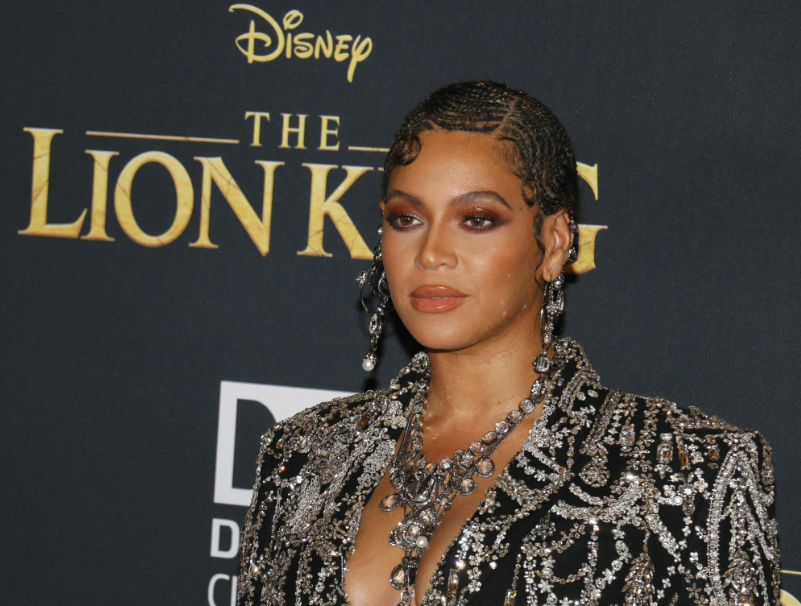
Beyoncé marked the highly anticipated launch of her Cowboy Carter Tour with a grand spectacle at Los Angeles’s SoFi Stadium. The nearly three-hour-long show was a dynamic fusion of country music traditions, pop, R&B, and the vibrant aesthetics of ballroom culture. But beyond just entertainment, it was a profound celebration of Black creativity and an unflinching statement about identity, artistic ownership, and cultural legacy in America.
From the very outset, the evening made it clear that this wasn’t just another concert—it was a powerful act of reclamation. Boldly illuminated on the stadium’s massive screens were the words: “Never ask permission for something that already belongs to you.” This phrase resonated throughout the performance as a defiant assertion that Beyoncé, and the cultural heritage she represents, cannot be boxed in or denied rightful space.
Opening the Show: A Reverent and Revolutionary Introduction
Beyoncé began the evening with “AMERIICAN REQUIEM,” a track from her recent projects that confronts the complicated realities of American patriotism filtered through the Black experience. The somber, atmospheric song set a contemplative tone, leading seamlessly into a stirring rendition of The Beatles’ “Blackbird,” a classic symbol of struggle and hope during the Civil Rights era.
But Beyoncé’s tribute didn’t stop there. She followed “Blackbird” with a Jimi Hendrix-inspired version of “The Star-Spangled Banner,” reimagining the national anthem in a way that layered reverence with critical commentary. While Hendrix’s legendary 1969 Woodstock performance used the anthem to protest the Vietnam War and highlight racial injustice, Beyoncé’s take echoed this tradition of resistance and renewal.
As the anthem played, the stage visuals paid homage to Black trailblazers in country music history, a genre often viewed through a narrow lens as predominantly white. Images of Linda Martell—the first Black woman to sing at the Grand Ole Opry—and other overlooked pioneers filled the backdrop. With sincerity, Beyoncé addressed the audience: “I want to thank all of those who came before me. Thank you for giving me the creative liberty to challenge myself.” Her gratitude was also a subtle demand for recognition of the Black roots that run deep within country music’s history.
Clad in an all-white leather Mugler ensemble and a classic cowboy hat, Beyoncé embodied both a modern icon and a nod to country’s storied past. Her presence was a reminder that she is not just an artist dabbling in a genre but one with a profound connection to its heritage, and the creative prowess to expand its horizons.
Country Music Reclaimed and Revolutionized
The Cowboy Carter Tour is not a simple fusion; it’s a purposeful excavation and reinvention. Country music, often stereotyped as the domain of rural white Americans, actually owes much of its origin to Black musicians, who infused it with blues, gospel, and storytelling traditions. Yet, Black voices have historically been marginalized or erased from country’s mainstream narrative.
Beyoncé’s tour actively challenges this erasure. By merging traditional country sounds—twanging guitars, fiddles, and steady rhythms—with her signature blend of pop and R&B vocals, she dismantles preconceived notions. The aesthetic touches, like cowboy hats and boots, are not costumes but symbols of heritage, worn with pride and layered with contemporary flair.
This deliberate melding of styles invites the audience to reconsider what country music can be. It’s a statement that genres are fluid and that cultural ownership is complex and intertwined.
Family Ties: The Heart of the Show
Family is a cornerstone of Beyoncé’s public persona, and the Cowboy Carter Tour showcased this beautifully. Throughout the night, her eldest daughter Blue Ivy appeared onstage, moving fluidly with the backup dancers during energetic numbers such as “YA YA,” “SWEET ★ HONEY ★ BUCKIIN’,” and the politically charged “AMERICA HAS A PROBLEM.”
Blue Ivy’s presence was more than a cute addition—it symbolized generational continuity, the passing of a creative torch, and the nurturing of a legacy that goes beyond music. Dressed in outfits that mirrored the show’s Western theme, Blue’s confident stage presence signaled that she is carving her own artistic path while honoring her roots.
Another rare and emotionally charged moment came during “PROTECTOR,” when Beyoncé’s youngest daughter, Rumi, made a brief appearance. Waving to the crowd with a bright smile, Rumi’s presence softened the intensity of the concert and reminded fans of the deeply personal motivations behind much of Beyoncé’s work.
Further tying the past to the present, Beyoncé performed a solo rendition of “Deja Vu” that revived choreography from her B’Day era, creating a beautiful bridge between her past artistic phases and her current creative vision.
Echoes of the Renaissance and Ballroom Elegance
Although the Cowboy Carter Tour focuses on country influences, Beyoncé’s signature RENAISSANCE era sound and aesthetic also surfaced prominently. The show’s fluidity between genres was one of its defining features.
One highlight was her performance of “TYRANT” atop a mechanical bull, a visually striking and metaphorically rich moment. The bull, a classic symbol of country and rodeo culture, was transformed into a stage prop that underscored Beyoncé’s control and dominance over the genre she was claiming.
From there, the concert transitioned into a ballroom-inspired segment featuring songs like “I’M THAT GIRL,” “COZY,” and “ALIEN SUPERSTAR.” These performances were a celebration of Black queer culture, ballroom voguing, and self-expression, showcasing Beyoncé’s commitment to amplifying marginalized voices within her artistry.
During “YA YA,” Beyoncé was seated on a throne while a robotic arm poured her whiskey—a futuristic yet Southern tableau that juxtaposed tradition with innovation, heritage with progress.
Visuals as Political and Cultural Commentary
Beyoncé has always been masterful at embedding powerful messages within her visual presentations, and the Cowboy Carter Tour was no exception. Throughout the show, visuals reinforced themes of resistance, empowerment, and reclaiming what rightfully belongs to Black artists and communities.
One of the most striking scenes depicted Beyoncé in a tense gun duel against an older white cowboy figure. Bullets bounced harmlessly off her body, a metaphor that spoke volumes. It referenced her experience being snubbed by Nashville’s predominantly white country music establishment and the broader struggle for Black artists to gain recognition and respect in genres dominated by white narratives.
Later, in a showstopping moment, Beyoncé flew above the crowd on a glowing pink neon horseshoe during “DADDY LESSONS.” This song has long been understood as a tribute to her father and a reflection on lessons of love, loyalty, and strength drawn from her Texas upbringing. Her aerial performance was both literal and symbolic—lifting Black country music to new heights.
Following that, she transitioned to a flying convertible decked out with an American flag as she performed “16 CARRIAGES,” a song layered with themes of burden, femininity, and resilience. These high-flying visuals encapsulated the show’s dual messages of celebration and defiance.
A Setlist Full of Surprises and Homages
The musical journey Beyoncé took her audience on was carefully curated to blend nostalgia, innovation, and cultural significance. She wove snippets of Destiny’s Child hits like “Bills, Bills, Bills” into newer material such as “THIQUE,” creating a multi-generational experience.
One viral moment was her refreshed performance of “Diva,” which had garnered attention online prior to the tour. It served as a testament to her ability to keep reinventing herself and staying culturally relevant.
Another notable highlight was her take on Dolly Parton’s “JOLENE.” Rather than a straightforward cover, Beyoncé infused the classic with her own signature flair and a beat inspired by New Orleans bounce music—a genre deeply connected to Black musical innovation. This reimagining honored Dolly’s influence while asserting Beyoncé’s ownership and reinterpretation of the narrative.
The concert reached a climactic crescendo with a remixed version of “TEXAS HOLD ‘EM,” which then transitioned smoothly into the iconic “Crazy in Love.” Although fans were eager for a guest appearance from JAY-Z, who famously duets on the latter, he did not join Beyoncé on stage. Still, her solo performance was magnetic enough to command the crowd’s undivided attention.
The Cultural Impact and Future Stops
The Cowboy Carter Tour is much more than a high-profile tour—it’s a cultural milestone. Beyoncé is not simply showcasing her talents but is actively challenging the cultural gatekeepers and re-centering Black voices in spaces where they have been historically marginalized.
Her choice to spotlight Black country pioneers, blend genres, and bring her family into the spotlight is a multi-layered strategy that advances discussions about identity, inclusion, and creative freedom.
The tour will continue with additional shows in Los Angeles before making stops in Chicago, New Jersey, London, Paris, Houston, Washington D.C., Atlanta, and concluding in Las Vegas in July. Given the groundbreaking nature of the opening night, audiences worldwide can expect a tour filled with spectacle, meaning, and unapologetic Black excellence.
by Jonathan P-Wright | May 16, 2025 | Latest, Music News, New Music Alert |
Image credit: Featureflash Photo Agency / Shutterstock.com
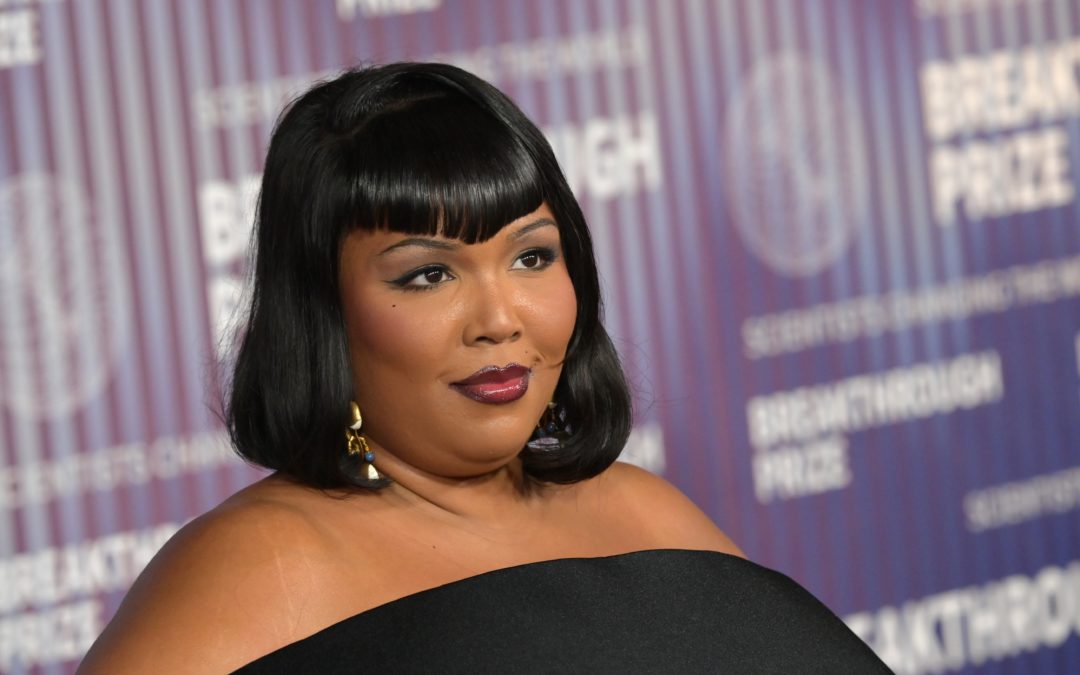
When Lizzo speaks about her music, she no longer just talks about creating hits—she speaks about creating legacies. As one of the most dynamic and genre-defying artists of her generation, Lizzo has built a career that celebrates confidence, authenticity, and self-love. But with her highly anticipated upcoming album Love in Real Life, it’s clear she’s setting her sights on something even more profound: reclaiming her narrative on her own terms and challenging the way success is measured in the music industry.
A Mission Beyond the Charts
In a recent conversation on The TERRELL Show, Lizzo opened up about the motivation behind her new project. She explained that while her past hits like “Juice,” “Truth Hurts,” and “Good as Hell” have become anthems for empowerment, her albums as a whole haven’t yet reached the level of acclaim or love that those singles have enjoyed.
“I feel like my albums don’t outshine my hits yet,” she said candidly. “People keep going back to those songs, and that’s amazing, but I want this new album to be a body of work that stands just as tall. I want every track to be loved as much as the biggest single.”
This desire reflects a significant shift in Lizzo’s approach to her artistry. Unlike the fast-paced culture of single releases and viral moments, Lizzo is aiming to create a cohesive musical experience — one that invites listeners into a deeper emotional connection, showcasing her growth not only as a singer but as a musician and storyteller.
A Fusion of Sounds and Souls
Love in Real Life is expected to blend genres fluidly, combining elements of pop, disco, and rock — a testament to Lizzo’s diverse musical background. Beyond her undeniable vocal talent, Lizzo is a classically trained flutist, bringing layers of musicality and instrumentation into her work. Her upcoming album promises to highlight these skills, presenting a richer sonic palette that reflects her evolving artistry.
But the album’s title isn’t just a clever phrase. It speaks to the album’s thematic heart: real love, the kind that exists beyond the superficial, beyond the fleeting validations of social media and public opinion.
Detaching from External Validation
Lizzo has long been celebrated for her messages of body positivity and self-love, but her latest statements suggest a maturation in her philosophy. She revealed in the interview with Terrell Grice that Love in Real Life marks a period where she’s moving away from seeking approval from the internet or external sources altogether.
“I’m done developing my sense of self based on what people say online,” she explained. “Now, my happiness is unconditional, and love only truly exists in real life — with people who genuinely care about you, not with faceless approval or likes.”
This is a powerful message in today’s hyper-connected world, where social media validation often distorts personal self-worth. Lizzo’s commitment to prioritizing authentic relationships and self-validation over public opinion is both timely and inspiring. It signals her reclaiming control over her identity and her artistry — no longer letting the digital noise define her.
A Personal and Public Reckoning
The past few years have been turbulent for Lizzo beyond the studio. In 2023, she and her production company, Big Grrrl Big Touring Inc., faced workplace harassment lawsuits brought forth by three backup dancers and a hairstylist. Though some claims were dismissed, and the courts ruled Lizzo could not be sued personally in one case, the allegations and ensuing media attention undoubtedly weighed heavily on her.
“When things like that happen to you, the world starts telling you who you are,” Lizzo reflected. “I’m pretty gullible, so sometimes I start to believe it.”
This period of scrutiny forced Lizzo to confront the gap between public perception and her personal reality. The emotional turmoil is mirrored in her new music videos, especially the one for “Love in Real Life.” In it, she depicts a harrowing experience of paranoia and judgment, where she feels watched and attacked by the world — a metaphor for the invasive spotlight she’s endured.
“In the video, I go out and start feeling like everybody hates me,” she explained. “People start to corner me, and then it comes down to either beating them or joining them.”
This visual storytelling speaks to the complex dance celebrities often must perform — balancing vulnerability with strength, fighting off criticism while maintaining authenticity. It’s a vivid illustration of the emotional stakes Lizzo faces, and her determination not to be defeated.
Reclaiming Power Through Music and Imagery
With her second single, “Still Bad,” Lizzo takes the theme of reclaiming power even further. She describes the song and its accompanying visuals as a response to the forces that once sought to break her down.
“The thing that destroyed me, I’m gonna destroy it,” she declared confidently. “I’m taking back control over my narrative, my story. Those little birdie tweet creatures trying to troll me? I control the trolls.”
In an age where social media can amplify both praise and criticism instantaneously, this declaration is a striking act of defiance. Lizzo is asserting that she is the author of her story, and she won’t let external negativity dictate her worth or success.
More Than an Album — A Statement
While a formal release date for Love in Real Life hasn’t been announced yet, the buzz surrounding Lizzo’s new era is palpable. More than a collection of songs, this album represents a pivotal moment of self-empowerment and reinvention.
It’s about a woman who has endured the highs of Grammy nominations and platinum records, and the lows of public legal battles and personal doubts. It’s about shedding the need for external validation and stepping fully into one’s own power.
Lizzo’s journey resonates on many levels — as a beacon for those struggling to define themselves amidst societal pressures, as an artist refusing to be boxed in by expectations, and as a human being claiming joy, authenticity, and love in their truest form.
The Road Ahead
As Lizzo prepares to unleash Love in Real Life, fans and critics alike await a bold, uncompromising work from one of music’s most fearless voices. It’s clear that Lizzo is not just back — she’s reborn. Her commitment to authenticity and emotional truth promises an album that will inspire not only the charts but hearts worldwide.
In the words of Lizzo herself:
“This is me breaking up with the world and reintroducing myself with a new perspective. I don’t need the world to validate me anymore. I validate myself.”
For anyone watching, this declaration is more than an artist’s statement — it’s a manifesto for self-love and resilience that transcends music and cultu

RECENT COMMENTS