In the world of hip-hop, the journey of a beat can be as intriguing as the final product itself. Such is the case with the captivating rhythm behind Kendrick Lamar’s chart-topping hit “Hey Now.” The mastermind behind this infectious beat, none other than the prolific producer Mustard, recently shed light on the fascinating odyssey that led to the track’s creation and eventual success.
The Genesis of a Unique Sound
The story of “Hey Now” begins in 2019, when Mustard, known for his innovative approach to music production, set out to create something extraordinary. His goal was ambitious yet clear: to craft a West Coast-inspired beat that would pay homage to the iconic sound of The Neptunes’ “Grindin’.” This vision led to the birth of a rhythm that would eventually captivate audiences worldwide.
Crafting the Beat
Mustard’s creative process for “Hey Now” was marked by a deliberate approach to sound design. The producer focused on creating a sparse, minimalist backdrop that would serve as a canvas for an artist’s lyrical prowess. This intentional emptiness, punctuated by unconventional sound elements, was designed to challenge and inspire the right performer.
Drawing inspiration from the groundbreaking production of “Grindin’,” Mustard aimed to capture the essence of that track’s impact while infusing it with a distinctly West Coast flavor. This fusion of influences resulted in a beat that was both familiar and refreshingly novel, setting the stage for what would become a standout track in contemporary hip-hop.
The Search for the Perfect Artist
With the beat completed, Mustard embarked on a quest to find the ideal artist who could bring his vision to life. This search would lead him to present the track to several high-profile rappers, each encounter revealing new insights about the beat’s potential and challenges.
Mustard’s first stop was with long-time collaborator and fellow West Coast artist YG. Known for his hard-hitting lyrics and authentic street sound, YG seemed like a natural fit for the unconventional beat. However, the encounter didn’t yield the expected results.
When presented with the beat, YG’s response was one of intrigue mixed with uncertainty. The rapper, accustomed to Mustard’s more traditional productions, found himself at a loss for how to approach the unique rhythm. Despite Mustard’s enthusiasm, YG ultimately decided not to pursue the track, leaving the producer to continue his search.
Quavo’s Surprising Response
Undeterred, Mustard next approached Quavo, one-third of the chart-topping group Migos. Known for his distinctive flow and ability to adapt to various styles, Quavo seemed like a potential match for the unconventional beat.
The interaction between Mustard and Quavo regarding the beat became a memorable anecdote in the track’s journey. Quavo, upon hearing the sparse and unusual rhythm, reportedly asked Mustard, “What the hell you want me to do to it? You want me to whisper on the beat?” This candid response highlighted the challenging nature of the production and the unique approach it demanded from any potential artist.
In his continued quest to find the right artist, Mustard also shared the beat with versatile singer and rapper Ty Dolla $ign. Known for his smooth vocals and ability to blend genres, Ty Dolla $ign seemed like an interesting choice for the unconventional track.
Interestingly, Ty Dolla $ign did record a song using the beat. However, in a surprising twist, Mustard decided not to move forward with this version. The reasons behind this decision remain undisclosed, adding another layer of intrigue to the beat’s journey.
The Kendrick Lamar Connection
As the beat continued its journey through the music industry, fate would eventually bring it to the attention of one of hip-hop’s most revered artists: Kendrick Lamar. The connection between Mustard’s creation and the Pulitzer Prize-winning rapper would prove to be the key to unlocking the beat’s full potential.
The turning point came during a casual conversation between Mustard and Kendrick Lamar. Mustard, still believing in the potential of his creation, decided to share it with Lamar, describing it as a “really weird-ass beat” that he genuinely loved.
Unlike the previous artists, Kendrick Lamar’s response was immediate and enthusiastic. Upon hearing the beat, Lamar quickly claimed it, simply stating, “Oh yeah, I got it.” This instant connection between the artist and the production would prove to be the catalyst for what would become “Hey Now.”
The Transformation into “Hey Now”
With Kendrick Lamar on board, the beat began its transformation into the track that would captivate audiences worldwide. This process, however, remained shrouded in mystery for Mustard, adding an element of anticipation to the project.
Despite Kendrick Lamar’s immediate interest, Mustard didn’t get to hear the finished product until much later. The producer’s first encounter with the completed track came during the video shoot for “Not Like Us,” another collaboration between the two artists.
Upon its release, “Hey Now” quickly became a standout track on Kendrick Lamar’s album. The song’s unique sound, combining Mustard’s innovative beat with Lamar’s lyrical prowess, resonated strongly with listeners and critics alike.
Chart Success and Recognition
The success of “Hey Now” was not limited to critical acclaim; it also achieved significant commercial success, further cementing both Mustard’s and Kendrick Lamar’s positions in the music industry.
“Hey Now” made a strong debut on the Billboard Hot 100 chart, quickly climbing to the number 5 position. This achievement marked another milestone in both artists’ careers and highlighted the track’s widespread appeal.
Mustard’s excitement over the song’s success was evident in his social media posts. The producer shared his joy on Instagram, posting, “I’m just getting started #2 and #5!” This statement not only celebrated the current success but also hinted at Mustard’s ambitions for future projects.
The Significance of “Hey Now” in Hip-Hop
The journey of “Hey Now” from its creation to its eventual success with Kendrick Lamar represents more than just a hit song; it exemplifies the collaborative and often unpredictable nature of hip-hop production.
Mustard’s unwavering belief in the beat, despite initial rejections from other artists, showcases the importance of persistence in the music industry. His decision to continue sharing the beat until it found the right artist ultimately led to its success.
The collaboration between Mustard and Kendrick Lamar on “Hey Now” highlights the magic that can happen when the right producer connects with the right artist. Their synergy brought out the best in both the beat and Lamar’s lyrical abilities.
Mustard’s Production Philosophy
The story behind “Hey Now” offers insights into Mustard’s approach to music production and his willingness to push boundaries within the hip-hop genre.
By creating a beat that was described as “weird” and “empty,” Mustard demonstrated his commitment to innovation in music production. This approach challenges artists to think differently and can lead to groundbreaking tracks.
Mustard’s journey with this beat underscores the importance of finding the right artist for a particular production. The producer’s patience in waiting for the perfect match paid off in the end, resulting in a chart-topping hit.
The Impact on Mustard’s Career
The success of “Hey Now” has had a significant impact on Mustard’s career, further solidifying his position as one of the industry’s top producers.
The track’s success has showcased Mustard’s ability to create hits beyond his signature sound, potentially opening doors for more diverse collaborations in the future.
The collaboration with Kendrick Lamar on “Hey Now” has likely strengthened Mustard’s relationship with one of hip-hop’s most respected artists, potentially leading to future high-profile projects.
Lessons for Aspiring Producers
The story of “Hey Now” offers valuable lessons for up-and-coming producers in the music industry.
Mustard’s unwavering belief in the potential of his beat, despite initial setbacks, highlights the importance of trusting one’s creative instincts.
The journey of this beat from creation to chart success spanned several years, emphasizing the need for patience in the music industry.
Mustard’s ability to share his beat with various high-profile artists underscores the importance of building and maintaining industry relationships.
The Future of Mustard’s Productions
With the success of “Hey Now,” many are curious about what the future holds for Mustard’s productions. The positive reception to this unconventional beat may encourage Mustard to explore even more experimental sounds in his future productions.
The industry and fans alike are eagerly anticipating Mustard’s next moves, particularly potential collaborations with other innovative artists in the hip-hop world.
Conclusion
The journey of Mustard’s beat from its creation in 2019 to becoming the foundation of Kendrick Lamar’s hit “Hey Now” is a fascinating tale of persistence, creativity, and the unpredictable nature of the music industry. It serves as a testament to Mustard’s skill as a producer and his ability to create sounds that challenge and inspire artists. As the track continues to enjoy success, it stands as a reminder of the magic that can happen when innovative production meets exceptional artistry in the world of hip-hop.
The hip-hop world is abuzz with the latest musical offering from Atlanta’s finest. Young Thug, the enigmatic rapper known for his unique style and lyrical prowess, has once again captured the attention of fans and critics alike. This time, it’s not just his music making waves, but his explanation of a particular lyric that has sparked curiosity and debate among listeners.
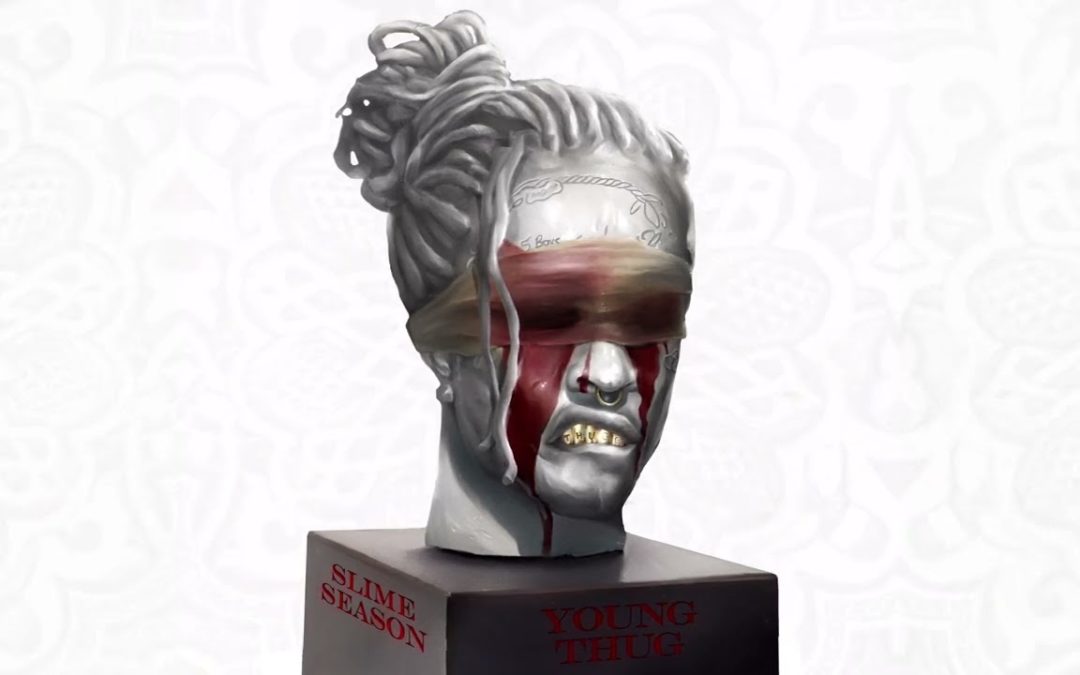
In a recent collaboration with Future on Lil Baby’s track “Dum, Dumb, and Dumber,” Young Thug delivered a verse that left some fans scratching their heads. The song, featured on Lil Baby’s album “WHAM,” showcases Thug’s signature flow and wordplay. However, one line in particular caught the ear of many, prompting the artist to offer some clarity on its meaning.
The verse in question sees Young Thug expressing his preferences in romantic pursuits, with a specific focus on geographical distinctions. It’s a theme that’s not uncommon in hip-hop, but Thug’s approach and subsequent explanation have added an interesting layer to the conversation surrounding the track.
As we delve deeper into the story behind this lyrical clarification, we’ll explore the context of the song, the specifics of Young Thug’s verse, and the rapper’s own words on what he truly meant. This incident serves as a reminder of the power of language in music and the importance of artists being able to explain their art in their own terms.
The Song: “Dum, Dumb, and Dumber”
“Dum, Dumb, and Dumber” is more than just a catchy title; it’s a powerhouse collaboration that brings together three of Atlanta’s most prominent rap figures. Lil Baby, the track’s primary artist, has been making significant waves in the hip-hop scene with his distinctive style and compelling narratives. The addition of Future and Young Thug to this track elevates it to a must-listen status for any hip-hop enthusiast.
The song is part of Lil Baby’s album “WHAM,” which has been generating considerable buzz in the music industry. “WHAM” showcases Lil Baby’s growth as an artist and his ability to bring together various talents to create a cohesive and impactful body of work. The inclusion of Young Thug and Future on “Dum, Dumb, and Dumber” is a testament to the collaborative spirit that often defines Atlanta’s hip-hop scene.
Musically, the track features a hard-hitting beat that serves as the perfect backdrop for the lyrical gymnastics performed by all three artists. The production is crisp and modern, with a sound that’s unmistakably rooted in the current Atlanta rap scene. It’s the kind of beat that demands attention and provides ample space for each rapper to showcase their unique flow and style.
Lyrically, each artist brings their A-game to the track. Lil Baby sets the tone with his verses, while Future adds his signature auto-tuned melodies and street-wise lyrics. However, it’s Young Thug’s verse that has become the focal point of discussions surrounding the song. His unique delivery and choice of words have once again demonstrated why he’s considered one of the most innovative voices in contemporary hip-hop.
The collaboration between these three artists on “Dum, Dumb, and Dumber” is a prime example of the synergy that can occur when top-tier talents come together. It’s a track that not only entertains but also provides plenty of material for analysis and discussion among fans and critics alike.
Young Thug’s Verse: Breaking It Down
Young Thug’s contribution to “Dum, Dumb, and Dumber” comes in the form of the song’s second verse. As is typical of Thug’s style, the verse is a whirlwind of clever wordplay, unique vocal inflections, and provocative statements. It’s a performance that showcases why Young Thug has become such a influential figure in modern hip-hop.
The verse begins with Thug making a bold declaration about his romantic preferences, stating a preference for international liaisons. This opening line sets the tone for what follows, immediately grabbing the listener’s attention and hinting at the themes that will be explored throughout the verse.
Following this initial statement, Thug delivers the line that has become the center of attention:
“These U.S. bitches kinda bad”
It’s this line that has sparked discussion and ultimately led to Thug’s clarification. The use of the word “bad” in this context is crucial to understanding the controversy and Thug’s subsequent explanation.
The verse continues with Thug painting vivid pictures of his lifestyle and experiences. He references college life, fraternity culture, and interpersonal relationships, all delivered with his characteristic flair and unconventional rhyme schemes. Each line builds upon the last, creating a narrative that’s both compelling and provocative.
One of the most striking aspects of Thug’s verse is his ability to switch between different flows and cadences. He effortlessly moves from rapid-fire delivery to more melodic passages, demonstrating the versatility that has become his trademark. This constant shifting keeps the listener engaged and adds layers of complexity to the verse.
Throughout the verse, Thug drops references that will resonate with his fan base and those familiar with his life and career. These insider nods add depth to the lyrics and reward repeated listens, as listeners unpack the various meanings and allusions contained within.
The Controversial Lyric: Context and Interpretation
The line “These U.S. bitches kinda bad” has become the focal point of discussions surrounding Young Thug’s verse on “Dum, Dumb, and Dumber.” To understand the controversy and Thug’s subsequent clarification, it’s essential to examine the context in which this line appears and the various ways it can be interpreted.
In hip-hop vernacular, the term “bad” often carries a positive connotation, particularly when used to describe someone’s appearance. It’s frequently employed as a compliment, suggesting that someone is attractive or appealing. However, the ambiguity of the term, especially when used in conjunction with potentially derogatory language, can lead to misinterpretations.
The line appears immediately after Thug expresses a preference for “overseas” romantic encounters. This juxtaposition creates a potential for the line to be read as a backhanded compliment or even a slight against women in the United States. It’s this ambiguity that likely led to the confusion among some listeners and the need for clarification from Thug himself.
Moreover, the use of the word “kinda” adds another layer of complexity to the interpretation. It could be read as a hesitant acknowledgment, potentially undermining the complimentary nature of the term “bad.” This nuance further contributes to the multiple ways the line could be understood.
It’s also worth noting that the line exists within the broader context of hip-hop’s often complex and sometimes problematic relationship with gender dynamics and the portrayal of women. This backdrop adds additional weight to how such lyrics are perceived and interpreted by listeners.
The controversy surrounding this line underscores the power of language in music and the importance of context in understanding artistic expression. It also highlights the ongoing conversations within hip-hop about representation, respect, and the responsibility of artists in shaping cultural narratives.
Young Thug’s Explanation: Clearing the Air
In response to the discussions and potential misinterpretations of his lyrics, Young Thug took the initiative to clarify the meaning behind the controversial line. His explanation provides valuable insight into his intentions and sheds light on the complexities of language and interpretation in hip-hop.
Thug emphasized that when he used the term “bad” in reference to “U.S. bitches,” he meant it in an entirely positive light. He stated unequivocally, “Not ugly girls.” This direct clarification leaves no room for ambiguity about his intentions with the lyric.
Expanding on his explanation, Thug added, “We got the prettiest girls on Earth.” This statement not only reinforces the complimentary nature of his original lyric but also elevates it, expressing a strong appreciation for the beauty of women in the United States.
By offering this clarification, Young Thug demonstrates an awareness of how his lyrics can be perceived and a willingness to engage with his audience to ensure his message is understood correctly. This level of engagement is particularly noteworthy given Thug’s often enigmatic public persona.
The rapper’s explanation also serves to contextualize the line within the broader themes of his verse and his artistic expression as a whole. It underscores the importance of not taking individual lines in isolation but considering them as part of a larger narrative and artistic vision.
Thug’s clarification highlights the nuanced nature of language in hip-hop, where words and phrases can carry multiple meanings and interpretations. It serves as a reminder of the importance of cultural context and insider knowledge in fully appreciating and understanding hip-hop lyricism.
The Power of Words in Hip-Hop
The incident surrounding Young Thug’s lyric and subsequent explanation serves as a potent reminder of the power of words in hip-hop. This genre, perhaps more than any other, places a premium on lyrical dexterity, wordplay, and the ability to convey complex ideas through clever turns of phrase.
In hip-hop, a single word or phrase can carry multiple layers of meaning. Rappers often employ double entendres, cultural references, and region-specific slang to create lyrics that reward close listening and repeated analysis. This linguistic richness is part of what makes hip-hop such a vibrant and intellectually engaging genre.
However, this same complexity can also lead to misunderstandings or misinterpretations, as evidenced by the reaction to Young Thug’s lyric. The incident highlights the importance of context in understanding hip-hop lyrics. A line that might seem straightforward on the surface can take on different meanings when considered within the broader context of the verse, the song, or even the artist’s entire body of work.
The power of words in hip-hop extends beyond just their literal meanings. The way words are delivered – the flow, the rhythm, the emphasis – all contribute to their impact and interpretation. Young Thug, known for his unique vocal style and delivery, is a prime example of an artist who uses not just the words themselves but how they’re delivered to create meaning.
Moreover, the incident underscores the responsibility that comes with this linguistic power. Artists like Young Thug, who have significant influence and reach, must be aware of how their words might be interpreted and be prepared to clarify their intentions when necessary.
The Role of Social Media in Music Discourse
The clarification of Young Thug’s lyrics and the subsequent discussions highlight the significant role that social media plays in contemporary music discourse. Platforms like Twitter, Instagram, and TikTok have become integral to how music is shared, discussed, and sometimes even created.
In the case of Young Thug’s lyric, social media provided an immediate platform for fans and critics alike to share their interpretations and reactions. This instant feedback loop allows for rapid dissemination of opinions and can quickly amplify certain perspectives or controversies.
Social media also offered Young Thug a direct channel to address his audience and clarify his intentions. This direct artist-to-fan communication is a relatively new phenomenon, enabled by the widespread adoption of social media platforms. It allows artists to shape the narrative around their work in real-time, responding to feedback and clearing up misunderstandings as they arise.
However, the speed and reach of social media can also lead to the rapid spread of misinformation or misinterpretations. A misunderstood lyric or out-of-context quote can quickly go viral, potentially damaging an artist’s reputation or distorting the intended message of their work.
The incident also demonstrates how social media has blurred the lines between public and private discourse. What might have once been a private conversation between an artist and a small group of fans can now become a public spectacle, with thousands or even millions of people weighing in.
For artists like Young Thug, navigating this landscape requires a delicate balance. They must be aware of how their words might be perceived on social media while also staying true to their artistic vision and personal expression.
The Impact on Young Thug’s Career
The attention garnered by Young Thug’s lyric clarification is likely to have both short-term and long-term impacts on his career. In the immediate aftermath, the incident has brought increased attention to “Dum, Dumb, and Dumber” and Lil Baby’s “WHAM” album as a whole. This additional publicity could potentially boost streams and sales for the track and album.
Moreover, Young Thug’s willingness to engage with his audience and clarify his intentions may well be viewed positively by many fans. It demonstrates a level of accountability and respect for his listeners that could strengthen his connection with his fan base.
In the broader context of Young Thug’s career, this incident adds another chapter to his reputation as an artist who pushes boundaries and sparks conversation. Throughout his career, Thug has been known for his unconventional approach to hip-hop, both in terms of his musical style and his public persona. This latest incident reinforces that image while also showing a more communicative side of the artist.
The clarification may also impact how Young Thug’s lyrics are interpreted in the future. Fans and critics alike may pay even closer attention to his wordplay and potential double meanings, knowing that there might be more to his lyrics than what’s immediately apparent.
From a broader industry perspective, this incident highlights Young Thug’s continued relevance and influence in the hip-hop world. Despite legal challenges and periods away from the spotlight, he remains an artist whose words and actions generate significant interest and discussion.
The Broader Conversation: Language and Respect in Hip-Hop
The discussion surrounding Young Thug’s lyric opens up a broader conversation about language use and respect in hip-hop. This genre has long grappled with issues of misogyny, objectification, and the use of potentially offensive language. Young Thug’s clarification that his lyrics were meant as a compliment rather than an insult touches on these ongoing debates.
On one hand, hip-hop is an art form that often prides itself on raw, unfiltered expression. Many artists and fans argue that the genre’s power lies in its ability to reflect real-life experiences and emotions, even when those are uncomfortable or controversial. From this perspective, policing language in hip-hop risks sanitizing the art form and diminishing its impact.
On the other hand, there’s a growing awareness of the responsibility that comes with the platform and influence that successful hip-hop artists possess. Many argue that artists should be mindful of how their words might be interpreted and the potential impact they could have on listeners, particularly young and impressionable fans.
Young Thug’s situation illustrates the complexities of this debate. While his intention was to compliment, the ambiguity of his language led to potential misinterpretations. This highlights the importance of clarity in expression, especially when dealing with sensitive topics or potentially offensive language.
The incident also raises questions about the role of context in interpreting hip-hop lyrics. Should listeners always assume the best intentions? Or do artists have a responsibility to be more explicit in their meaning to avoid misunderstandings?
The Future of Lyrical Interpretation in the Digital Age
As we move further into the digital age, incidents like Young Thug’s lyric clarification may become increasingly common. The immediacy of social media and the global reach of streaming platforms mean that songs can be disseminated, analyzed, and debated almost instantaneously upon release.
This new reality presents both challenges and opportunities for artists. On one hand, it means that their words are subject to intense scrutiny and potential misinterpretation. A single line taken out of context can quickly become a source of controversy. On the other hand, artists now have unprecedented ability to engage directly with their audience, clarifying their intentions and providing context for their work.
For fans and critics, this new landscape offers richer opportunities for engagement with music. Lyrics can be dissected in real-time, with multiple interpretations shared and debated across social media platforms. This can lead to a deeper appreciation of the artistry and complexity of hip-hop lyricism.
However, this environment also raises questions about the role of authorial intent in lyrical interpretation. Should an artist’s explanation of their lyrics be taken as the final word? Or is there value in allowing multiple interpretations to coexist?
As we move forward, it’s likely that we’ll see more artists following Young Thug’s lead in proactively addressing potential misinterpretations of their lyrics. This could lead to a more open and dialogic relationship between artists and fans, with music becoming an even more interactive and collaborative experience.
Conclusion: The Ongoing Evolution of Hip-Hop Communication
The incident surrounding Young Thug’s lyric in “Dum, Dumb, and Dumber” and his subsequent clarification serves as a microcosm of the larger trends shaping communication in hip-hop. It highlights the power of words in this genre, the impact of social media on music discourse, and the ongoing conversations about language use and respect in hip-hop.
Young Thug’s willingness to engage directly with his audience and clarify his intentions demonstrates a new level of artist-fan interaction made possible by digital platforms. This direct communication allows for greater understanding and appreciation of an artist’s work, but it also places new responsibilities on artists to be aware of how their words might be interpreted.
As hip-hop continues to evolve in the digital age, we can expect to see more instances of real-time lyrical clarification and debate. This ongoing dialogue between artists and fans is likely to shape not only how we interpret individual songs but also how we understand the role and responsibility of artists in the broader cultural conversation.
Ultimately, incidents like this serve to enrich our understanding and appreciation of hip-hop as an art form. They remind us of the complexity and nuance inherent in lyrical expression and the importance of considering context and intention in our interpretation of music. As we move forward, it’s clear that the conversation around hip-hop lyrics will continue to be as dynamic and multifaceted as the genre itself.
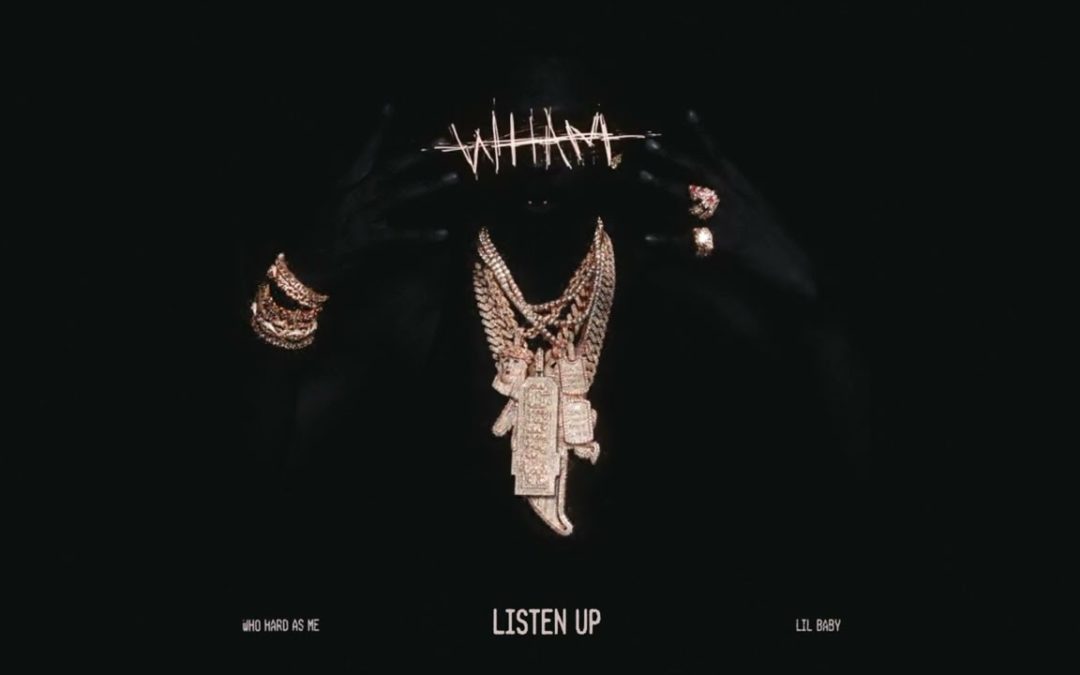
The hip-hop landscape experienced a seismic shift as the clock struck midnight on January 3, 2025. Grammy-winning artist Lil Baby, known for his rapid-fire delivery and introspective lyrics, unleashed his highly anticipated fourth studio album, “WHAM” (Who Hard as Me). This release marks a significant milestone in the Atlanta-based rapper’s career, coming more than two years after his previous full-length project, “It’s Only Me.”
The arrival of “WHAM” sent ripples through the music industry, with fans and critics alike eagerly dissecting the 15-track offering. Lil Baby’s decision to drop the album just days into the new year speaks volumes about his confidence in the project and his desire to set the tone for hip-hop in 2025. The album’s title, an acronym for “Who Hard as Me,” serves as a bold statement of intent, challenging his peers and asserting his position at the forefront of the genre.
In the weeks leading up to the release, Lil Baby strategically built anticipation through a series of calculated moves. He first hinted at the album during his sold-out birthday concert in early December, sending fans into a frenzy of speculation. This announcement was followed by the release of promotional tracks that offered a tantalizing glimpse into the sonic direction of “WHAM.”
Two standout singles, “5 AM” and “Insecurities,” both co-produced by the acclaimed beatmaker Wheezy, served as appetizers for the main course. These tracks showcased Lil Baby’s evolving artistry, blending his signature rapid-fire flow with more introspective themes, hinting at a potential new direction for the rapper’s sound.
As the release date approached, Lil Baby took to social media to unveil the official cover art and tracklist for “WHAM.” The Instagram post, shared on December 20, 2024, revealed a star-studded lineup of featured artists, elevating the anticipation to fever pitch. The inclusion of industry heavyweights and rising stars alike demonstrated Lil Baby’s clout within the hip-hop community and his ability to curate a diverse array of talents.
The diversity of these featured artists suggests that “WHAM” is not just a showcase for Lil Baby’s talents, but a celebration of hip-hop’s current landscape. Each collaboration promises to bring something unique to the table, creating a rich tapestry of sounds and styles that reflect the genre’s vibrant ecosystem.
The Hype Machine: Building Anticipation
In the lead-up to the album’s release, Lil Baby masterfully stoked the flames of anticipation through a series of strategic moves and social media teasers. One particularly intriguing moment came in November when he took to X (formerly Twitter) to share his excitement about 21 Savage’s contribution to the album. His tweet, which read, “I think I got @21savage’s hardest verse ever,” sent fans into a frenzy of speculation about what this collaboration might sound like.
This kind of peer-to-peer hype is a common tactic in the hip-hop world, but coming from an artist of Lil Baby’s stature, it carried significant weight. The statement not only built anticipation for the specific track but also set a high bar for the album as a whole, suggesting that “WHAM” would feature some of the most impressive performances of these artists’ careers.
Notable Absences and Industry Dynamics
While the featured artist list for “WHAM” is undoubtedly impressive, some fans were quick to notice a notable absence: Gunna. The two Atlanta rappers had previously collaborated on several successful tracks, leading many to expect Gunna’s inclusion on the new project. However, the omission of Gunna from “WHAM” has fueled speculation about a potential falling out between the two artists.
The root of this supposed rift can be traced back to 2023, when Gunna accepted a plea deal in the high-profile YSL RICO case involving Young Thug. This decision was met with mixed reactions within the hip-hop community, with some viewing it as a betrayal of loyalty. Lil Baby himself seemed to allude to this situation in his 2023 track “350,” where he rapped, “Ain’t never say nothin’ ’bout it, n***a, you know you a rat.”
The absence of Gunna on “WHAM” and the inclusion of Young Thug could be seen as Lil Baby taking a stance in this complex situation. It highlights the intricate web of relationships and loyalties that exist within the hip-hop world, where personal and professional lives often intersect in complicated ways.
Lil Baby Speaks Out
In a recent interview with media personality Charlamagne tha God, Lil Baby addressed the speculation surrounding his relationship with Gunna. When confronted with the internet’s claim that he “can’t make hits without Gunna,” Lil Baby responded with characteristic confidence:
“The internet will say anything,” he stated, before rhetorically asking, “You know how many hits I got? That don’t even make sense.”
This response not only dismissed the notion that his success was dependent on collaborations with Gunna but also served as a reminder of Lil Baby’s extensive catalog of hit songs. It’s a testament to his self-assurance and his belief in his own abilities as an artist.
The Streaming Era: “WHAM” Goes Global
In keeping with contemporary release strategies, “WHAM” was made available on all major streaming platforms simultaneously. Fans around the world can now access the album on services like Apple Music and Spotify, allowing for a truly global listening experience. This approach ensures maximum reach and engagement, capitalizing on the immediacy and accessibility that streaming platforms provide.
The decision to release “WHAM” at the very beginning of the year is a strategic one. It positions Lil Baby at the forefront of the 2025 hip-hop conversation, potentially setting the tone for the genre in the months to come. By dropping such a high-profile project early, Lil Baby has effectively thrown down the gauntlet to his peers, challenging them to match or surpass the impact of “WHAM.”
Looking Ahead: “Dominique” on the Horizon
While fans are still digesting the wealth of new material on “WHAM,” Lil Baby has already set his sights on his next project. During a December appearance on Lil Yachty’s “A Safe Place” podcast, he revealed plans for another album titled “Dominique,” slated for release later in 2025.
This announcement came as a surprise to many, as it’s unusual for an artist to confirm a follow-up album before the release of their current project. Lil Baby explained the reasoning behind this decision:
“At first, I was telling people I was going to drop a double album. Now, I’m dropping the WHAM album and Dominique album,” he said. “I still put some of the songs I was gonna use for Dominique on WHAM ’cause I know my fanbase really want to hear them certain songs.”
This statement offers insight into Lil Baby’s creative process and his consideration for his fans’ expectations. It also hints at a potential thematic or stylistic difference between the two projects.
A Tale of Two Albums: “WHAM” vs “Dominique”
Lil Baby went on to elaborate on the distinctions between “WHAM” and the upcoming “Dominique,” providing fans with a roadmap of what to expect from each project:
“WHAM is more me on some young n-gga shit — fast cars, girls, jewelry, money. You know, the turnt lifestyle,” he explained. “And Dominique is more the serious me, more personal. That’s a part of the new journey I’m on. I hate the word vulnerable, but I’m gonna be more open to my fans and my audience.”
This description paints “WHAM” as a high-energy, celebratory album that embraces the flashier aspects of hip-hop culture. It suggests tracks filled with braggadocious lyrics, hard-hitting beats, and the kind of anthemic choruses that have become Lil Baby’s trademark.
In contrast, “Dominique” (which is Lil Baby’s birth name) seems poised to showcase a more introspective side of the artist. By using his real name for the title, Lil Baby is signaling a more personal, stripped-back approach. This album may delve deeper into his background, his journey in the music industry, and the challenges he’s faced along the way.
The decision to release these two distinct projects separately, rather than as a double album, is an interesting one. It allows Lil Baby to cater to different aspects of his fanbase and showcase the full range of his artistry. It also creates a narrative arc for his 2025 releases, with “WHAM” serving as an explosive start to the year and “Dominique” potentially offering a more reflective close.
The Evolution of Lil Baby
The release of “WHAM” and the announcement of “Dominique” mark a significant moment in Lil Baby’s career trajectory. Since bursting onto the scene in 2017, he has consistently pushed himself artistically, expanding his sound and subject matter with each release.
His debut studio album, “Harder Than Ever” (2018), established him as a force to be reckoned with in the Atlanta hip-hop scene. The follow-up, “My Turn” (2020), saw him ascend to global superstardom, topping charts and earning critical acclaim. “It’s Only Me” (2022) further cemented his status as one of hip-hop’s leading voices, showcasing his growth as both a lyricist and a hitmaker.
Now, with “WHAM,” Lil Baby seems poised to enter a new phase of his career. The album’s title itself — “Who Hard as Me” — reads as both a boast and a challenge, suggesting an artist at the peak of his powers and confident in his abilities. The star-studded feature list indicates his elevated status within the industry, able to call on some of the biggest names in hip-hop to contribute to his project.
Impact on the Hip-Hop Landscape
The release of “WHAM” is likely to have ripple effects throughout the hip-hop industry. As one of the genre’s most prominent voices, Lil Baby’s artistic choices often influence broader trends in rap music. The sound, themes, and collaborations featured on “WHAM” could potentially shape the direction of hip-hop in 2025 and beyond.
Moreover, the album’s release strategy — dropping at the very beginning of the year — sets a high bar for other artists planning releases in 2025. It challenges them to match or exceed the quality and impact of “WHAM,” potentially spurring a wave of high-profile releases as the year progresses.
The album also serves as a snapshot of the current state of hip-hop, bringing together established stars and rising talents. The collaborations featured on “WHAM” could lead to further partnerships and cross-pollination within the industry, fostering a more interconnected and dynamic hip-hop ecosystem.
Conclusion: A New Chapter for Lil Baby
As fans dive into the tracks of “WHAM” and anticipate the release of “Dominique,” it’s clear that 2025 is shaping up to be a landmark year for Lil Baby. With these two albums, he’s not just releasing new music — he’s making a statement about his place in the hip-hop pantheon and his artistic vision for the future.
“WHAM” represents Lil Baby at his most confident and celebratory, surrounded by his peers and at the top of his game. “Dominique,” on the other hand, promises to show us a more vulnerable, introspective side of the artist. Together, these projects have the potential to provide a comprehensive portrait of Lil Baby as both a performer and a person.
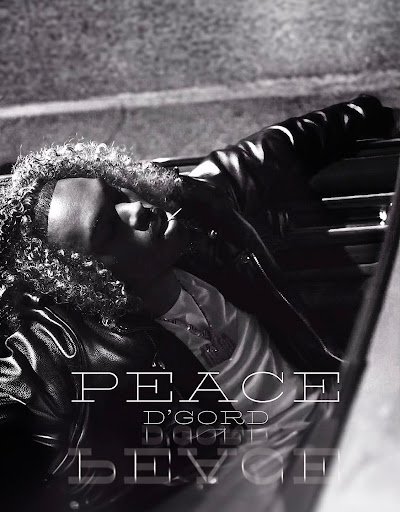
Rising R&B artist D’GORD is proving that authenticity and vulnerability are the keys to creating timeless music. The New Jersey native’s latest single, “Peace“, offers an unfiltered look at the struggles of a toxic relationship and the journey to self-discovery. Produced by industry heavyweight Allstar and accompanied by a cinematic music video directed by the brilliant Nimmi Hendrix, “Peace” is a standout release that blends soulful vocals with deeply relatable themes. D’GORD describes the song as a reflection of his personal experiences.
Press Play On “Peace”
“Peace came from my own struggles with a toxic, on-and-off relationship. It’s about the petty arguments, the moments of love, and the constant push and pull. But at its heart, it’s about finding peace—whether that means we stay together or I move forward on my own.”
The music video elevates the song’s message, showcasing the emotional rollercoaster of navigating love while staying true to oneself. Directed by Hendrix, the visuals highlight the tension, passion, and moments of clarity that define D’GORD’s story.
“The video represents my journey—not just in love but in life as an artist trying to make sense of it all,” D’GORD explains.
This single is another milestone in a career that’s already seen remarkable achievements. As a former member of the popular group The Bomb Digz, the striving star toured internationally and shared stages with some of today’s biggest names. Since transitioning to a solo career in 2019, he’s garnered over 600,000 Spotify streams and built a loyal following known as the “Dream Team”.
Dive Deep Into D’GORD
With “Peace“, D’GORD cements his place as one of R&B’s rising stars. His ability to turn life’s challenges into beautifully crafted music sets him apart in a genre that thrives on emotional connection. “Peace“ is more than another R&B record — it’s a testament to his artistry and his commitment to sharing his truth with the world. For now, get familiar with the trailblazing talent here at ResultsAndNoHype Magazine! Lastly, let us know your thoughts in the comments.
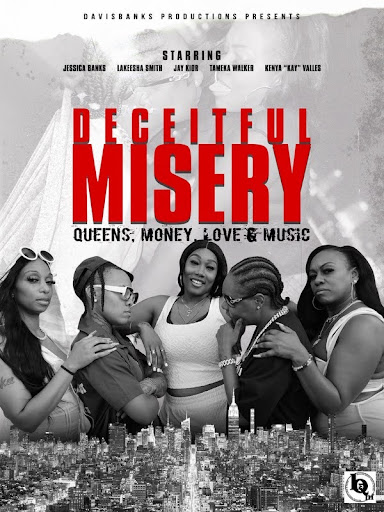
Cinema is at its best when it mirrors life—its beauty, complexity, and raw authenticity. Jessica Banks and Carter Brown, the creative powerhouses behind Davis Banks Productions, are rewriting the rules of modern filmmaking with their groundbreaking project Deceitful Misery: Queens, Money, Love, & Music.
This forthcoming films is more than just another production—it’s are movements. By blending LGBTQ+ narratives with musical drama, Banks and Brown are delivering an immersive cinematic experience that challenges genre norms while providing much-needed representation for marginalized voices.
Deceitful Misery: Queen, Money, Love, & Music Poster
A Trailer That Speaks Volumes
The newly dropped trailer for the film offers an exhilarating preview of what’s to come. Accompanied by a a vibe of a soundtrack, the teaser masterfully sets the tone for each story, weaving together enticing visuals and an emotionally charged melody. The music doesn’t just enhance the scenes; it deepens the connection between the audience and the unfolding drama, leaving viewers eager for more.
In fact, the film delves into deeply personal and universal themes, set against the vibrant, gritty backdrops of New York City and Jamaica, Queens. InDeceitful Misery: Queens, Money, Love, & Music, the narrative unfolds like a symphony, harmonizing ambition, betrayal, and redemption. The rich tapestry of characters and plot lines reflects the duo’s commitment to crafting authentic and impactful stories.
A Production Fueled by Passion
Additionally, what makes the film truly exceptional is the deliberate attention to detail throughout the production process. From cryptic tweets that spark intrigue to strategic collaborations with brands like RLC Clothing, every element serves to deepen the connection between the audience and the story. Jessica Banks and Brown understand that authenticity extends beyond the screen. By aligning their films with partnerships that reflect their characters’ realities, they’re creating a cinematic experience that resonates on a profound level.
The Future of Authentic Storytelling COURTESY OF JESSICA BANKS AND CARTER BROWN
The anticipation surrounding Deceitful Misery: Queens, Money, Love, & Music isn’t just hype—it’s a reflection of a collective yearning for stories that matter. Thefilm is a lighthouse for underrepresented voices, proving that powerful storytelling can challenge perceptions and inspire change.
With a compelling trailer and soundtrack already drawing viewers in, Jessica Banks and Carter Brown have set the stage for a cinematic journey unlike any other. Nonetheless, stay updated on these transformative projects ahead. Prepare to be moved by the artistry, passion, and authenticity of these groundbreaking films. Stay tuned here at ResultsAndNoHype Magazine for any and all updates! Lastly, let us know your thoughts in the comments.

RECENT COMMENTS