by Jonathan P-Wright | Jan 10, 2022 | Business News, Latest, Music News |
Music Chat Apps: How they’re Building the Musical Genres of Tomorrow
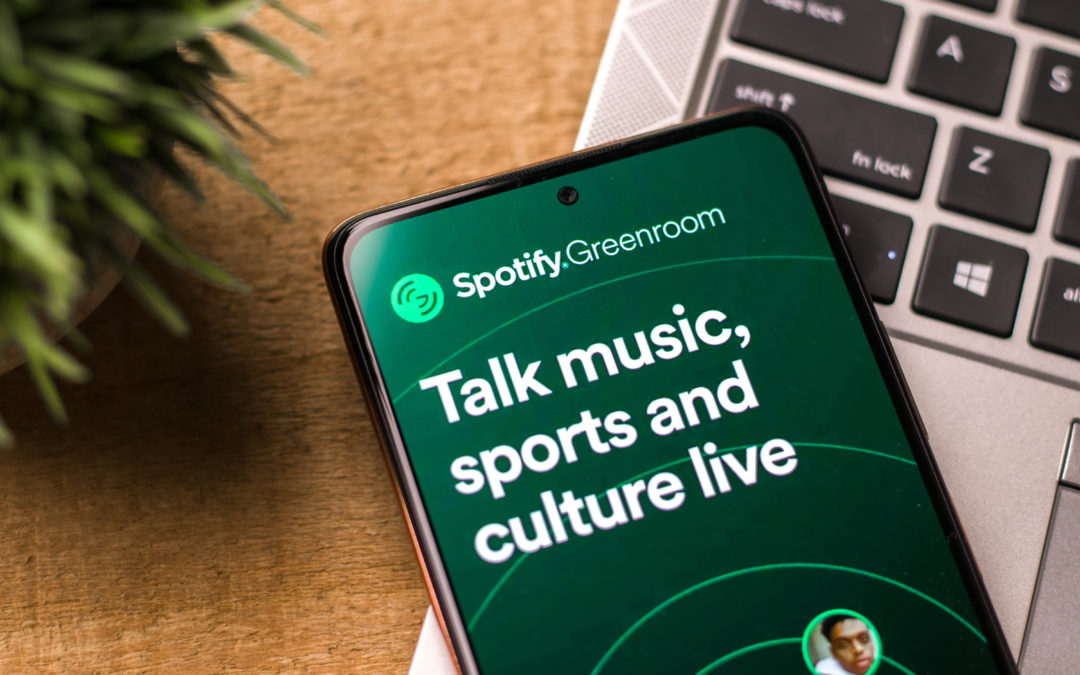
Clubhouse and Spotify Greenroom help build the musical genres of tomorrow by connecting music creators, DJs, and artists with listeners. Plus, these apps streamline the process of submitting demos to labels and their inviting contributions from established musicians as well as those tantalizing unreleased joints.
Reason for Audio Chat Apps’ Popularity
Audio chat apps are all the rage in today’s technology industry. Many of these apps are introducing possibilities for the future of music. Chatting with sound creates an interactive experience like nothing before and allows people to express themselves differently through this medium.
How Audio Chat Apps are Representing the Future of the Music Industry
The direction the audio chat apps like Spotify Greenroom and Clubhouse are taking is groundbreaking. They are representing an entire industry that has been transformed into a new genre not through physical interaction but through the audio messaging of various artists, producers, and anyone who wants to be involved in the digital music community. It’s true that VR and AR will play a massive part in the future of music, but the highest chance for success will lie with chat apps. They offer constant updates, close interaction with fans, and instantaneous sharing via other networking sites. It’s not just tomorrow’s future that chat apps are representing – they’re also assisting in building and representing today’s musical space. Spotify Greenroom and Clubhouse are leading the audio-chat race in 2022.
Benefits to Creating Social Media Content
The goal is to keep an eye on what works for your audience so that you can expand on it. This may mean using the same slang or memes they use or posting content that talks about subjects your followers care about. Things like sports, relationships, and city life are popular topics to post about often. Social media content is a powerful way to engage consumers in a brand’s story and maximize a brand’s reach. Marketers can use social media channels to start deep conversations about their brand that resonate with the target. People who consume much of their music from streaming services or YouTube channels often create social media content themselves.
Conclusion: The Future of Audio Chat Music Apps
Music Chat Apps are taking control of the next generation of artists. They ensure that our next reality’s soundtracks are created before it happens. The future of music, at least with regard to streaming services, will be defined by how more of the tools are utilized on chat apps. Streaming services, in general, are seeing more competition in the space with streaming creativity in the future. Spotify Greenroom and Clubhouse continue to provide unparalleled engagement outlets.
by Samantha J Rice | Nov 22, 2021 | Business News, Latest |
The Evolution of Television Streaming Services
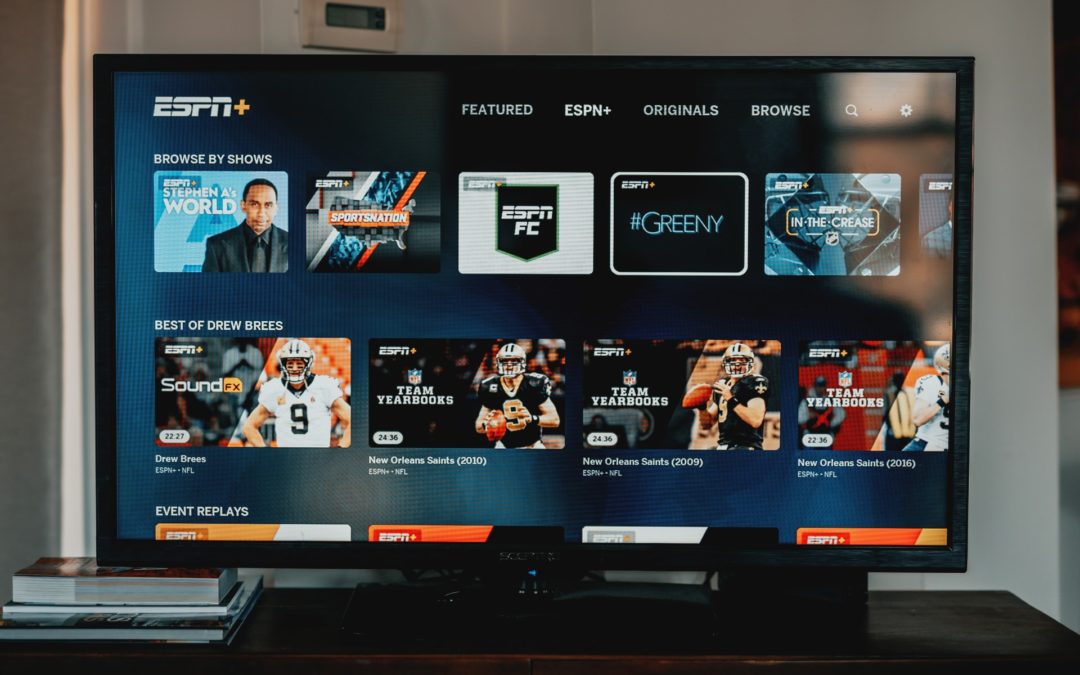
The internet is a global basin of information where people can connect with a diverse set of content. With the growing populations in different areas of the world, these internet providers have been striving to keep up with the rapidly changing pace of technology and what it means for the rest of us. Several TV streaming services continue to rise in popularity among these global audiences, with brands that deliver rich content across all devices in one convenient location. There has also been a massive increase in advertising income for these providers, which continues to
How have streaming services grown during the past decade?
As of 2016, approximately 75% of American homes own streaming services. It’s no wonder that streaming services are growing across the globe. Over the past decade, growth in streaming services has been because of how easy it is to watch network shows and movies with them. These days, television networks can offer their content to these streaming services without losing money on production costs. There are even options for tuning into different languages and subreddits/boards because of this growth in popularity.
What are the advantages of using an online streaming service?
If you would like to watch television while you work, use a website streaming service. These services give you the freedom to watch your favorite TV shows, sporting events, and movies on demand. With these online services, you can also catch up with your live TV by watching it at any time without paying additional fees. Many game consoles allow users to stream services like Netflix to their TVs.
Who are the top five streamed shows in 2018?
“Mr. Robot” may be the top streamed show, but “The Good Doctor” is by far Netflix’s top show of 2018, with 4.6 million viewers each episode after accounting for time spent streaming, DVR views, and other factors.
What devices can I watch streaming services on today?
Services like Netflix and Amazon Prime offer a variety of streaming services, and many more benefits enter the market every day. Services may include video-on-demand, live programming, and sports subscriptions. Today streaming services are everywhere. It’s only natural that consumers are driven by convenience, so they want to know how to stream their favorite content anywhere. For this reason, streaming services need to recognize the wide variety of devices on the market so content viewers may find the solution that works best for them. TV streaming services are evolving in response to customer demands. As more and more people cut the cord, TV providers are signing deals with content creators so they can offer their programming over the internet. This continues an internet trend that began in 2010 when Netflix became one of the first “over-the-top” services.
Conclusion
The Evolution of Television Streaming Services
In conclusion, this study has been a typical example of how technology has been rapidly changing television viewing habits over just the course of a few years. We have seen a drastic transformation from traditional cable packages to on-demand viewing that can be done on any type of device at any time. Over-the-top streaming providers like SVOD services offer you most of the audio and video entertainment with the addition of subscription fees. These services break traditional cable subscriptions by providing various channels, watching at any time, with the most high definition output.
This article was penned by Jonathan P. Wright. Jonathan is a freelance writer for multiple mainstream publications and CVO of RADIOPUSHERS. You can read more of his work by clicking here.
by April Harley | Sep 11, 2025 | Latest, Music News, Tech News |
Photo by David Švihovec on Unsplash
A Bridge to the Studio
With its latest update, Spotify collapses the gap between home listening and studio playback. Premium subscribers now receive audio that mirrors the master tapes—crisp, uncompressed, and emotionally immersive.
Why the Rollout Matters
The introduction of Lossless is more than a technical upgrade; it’s a cultural milestone. Spotify’s 600 million listeners now have access to sound once reserved for audiophiles.
The Setup Is Simple
In just a few taps—Profile → Settings & Privacy → Media Quality—any Premium subscriber can unlock lossless streaming. Wired connections unlock the full effect, though even wireless devices see improvement.
Fans React
Early listeners report rediscovering familiar songs: whispered ad-libs in hip-hop tracks, nuanced guitar tones in rock ballads, string textures in symphonies. Lossless breathes new life into catalogs people thought they knew inside and out.
The Industry Ripple
By normalizing high-fidelity, Spotify pressures competitors to rethink their offerings. Streaming quality is no longer a niche battle—it’s now the center of the subscription value proposition.
Activate your own high-definition journey today via Spotify.

by Jonathan P-Wright | Jul 11, 2025 | Latest, Music News |
Photo by Mariia Shalabaieva on Unsplash
In a move that underscores its commitment to creativity and musical excellence, Apple Music has revealed a monumental new development in Los Angeles: a sprawling, next-generation studio and artist hub, unveiled to mark the streaming giant’s 10th anniversary. This initiative is more than a commemorative gesture—it’s a strategic leap forward, designed to empower artists, elevate production standards, and redefine the relationship between musicians, technology, and global audiences.
Reflecting on a Decade of Disruption
Since its 2015 debut, Apple Music has played a transformative role in the digital music revolution. Over the past ten years, the service has grown from an ambitious streaming platform into a cultural powerhouse, influencing everything from how people discover new tracks to how artists launch careers. Unlike its early competitors, Apple Music made it a priority to blend cutting-edge technology with a human touch—emphasizing expertly curated playlists, artist-driven content, and exclusive programming.
Celebrating ten years at the forefront of music streaming, Apple has chosen to mark this milestone not just with nostalgia, but with bold action. The new Los Angeles creative campus signals a new era: one where musicians, producers, and content creators have unprecedented resources and opportunities at their fingertips.
A Hub Designed for Today’s Artist
Opening in the heart of Los Angeles this summer, Apple’s latest venture goes far beyond the confines of a traditional music studio. Rather, it’s conceived as a dynamic “creative campus”—a multi-purpose space where innovation, technology, and artistry meet. This campus is a physical manifestation of Apple’s belief that, in the digital age, music-making should be collaborative, immersive, and deeply personal.
Rachel Newman, co-head of Apple Music, articulates this vision clearly: “Apple Music Radio has always been a home for storytelling and artistry, serving as a space for bold conversations and surprising moments. With this new studio we are furthering our commitment to creating a space for artists to create, connect, and share their vision.”
Next-Level Facilities to Power Creativity
The scope of Apple’s new Los Angeles studio is nothing short of impressive. Spread across three stories and more than 15,000 square feet, the campus has been meticulously designed to inspire creativity and provide world-class resources for every facet of music and content production. Here’s what sets this facility apart:
- Immersive Radio Studios: Two technologically advanced radio studios are at the heart of the space, equipped with Apple’s cutting-edge Spatial Audio capabilities. These studios can seamlessly switch between configurations, hosting live interviews, casual artist chats, or even spontaneous live performances. The flexibility ensures that every moment—planned or unscripted—can be captured in stunning, multidimensional sound.
- Expansive Performance Soundstage: The campus features a massive 4,000-square-foot soundstage, built to handle everything from intimate live sets and multi-camera video shoots to exclusive fan events and screenings. With this, Apple enables artists to create high-production-value events that connect directly with audiences—whether live in-person, streamed worldwide, or repurposed as exclusive content.
- Dedicated Spatial Audio Mixing Lab: Sound quality is a top priority, and Apple has equipped its mixing room with a state-of-the-art 9.2.4 PMC speaker array. This technology is at the forefront of the industry, allowing artists and producers to experiment with Spatial Audio and craft immersive soundscapes that are rapidly becoming the new standard for music.
- Onsite Content Creation Suite: Understanding the power of instant, visually engaging media, Apple has included a comprehensive suite for photography, social media, and video editing. Artists and their teams can create, edit, and share real-time content, ensuring their creative process is documented and their promotional needs are met without ever leaving the building.
- Private Isolation Booths: To support songwriting, podcasting, or sensitive interviews, the campus offers several soundproof booths, providing privacy and a focused environment for artists to capture their ideas and emotions without distractions.
- Artistic Hallways and Archives: More than just functional corridors, the campus’s hallways double as living galleries. The A-List Corridor and Archive Corridor display iconic moments, artwork, and photographs from Apple Music’s own journey and from artists who have shaped its legacy.
Connecting a Global Creative Network
This Los Angeles campus isn’t a standalone project. Apple has been quietly building a network of creative hubs across the world, in cities famed for their musical histories and vibrant communities—New York, Tokyo, Berlin, Paris, and Nashville among them. The company has announced that even more hubs are on the way. These studios are strategically positioned to serve local talent while being integrated into Apple’s global content ecosystem, fostering a cross-pollination of ideas and opportunities.
Artist Empowerment at the Core
The driving philosophy behind Apple’s new studio initiative is simple but powerful: empower artists. The current music industry landscape is a paradox—while it’s never been easier to release music digitally, it’s also never been harder to stand out in a sea of content. Apple’s answer is to give artists access to the same world-class facilities, promotion, and creative support, regardless of whether they’re chart-topping superstars or promising newcomers.
This ethos is evident in every detail of the Los Angeles campus. Apple is not just creating a space for recording; it’s crafting a holistic environment for idea generation, experimentation, collaboration, and direct fan interaction.
Elevating Apple Music Radio
Apple Music Radio, a flagship part of the platform, is set to benefit greatly from the new facilities. The studio will be a hub for the next wave of original shows, in-depth interviews, and genre-defining playlists. With its enhanced capabilities, expect more live events, behind-the-scenes content, interactive broadcasts, and unfiltered access to artists at the top of their craft.
By prioritizing both the technical quality and the human element, Apple Music Radio cements itself as a global destination for music fans hungry for discovery, authenticity, and expert curation.
The Promise of Spatial Audio
One of the defining features of the new campus is its commitment to Spatial Audio. Apple has led the charge in this technology, which allows music to be experienced three-dimensionally, giving listeners the feeling of being surrounded by sound. This leap in audio fidelity isn’t just a technical upgrade; it’s fundamentally changing the way music is composed, mixed, and enjoyed.
With a dedicated Spatial Audio mixing room, artists can now push creative boundaries—enveloping listeners in soundscapes that mimic live performances, or revealing hidden layers and details previously lost in stereo mixes. For the audience, this means more immersive, emotionally resonant listening experiences.
Why This Matters for the Industry
Apple’s investment in a sprawling, artist-first campus has far-reaching implications. In the era of digital streaming, where algorithms and platforms mediate the artist-listener connection, physical spaces like this restore a sense of community, collaboration, and hands-on creativity. Apple’s model isn’t just about offering tools—it’s about providing holistic support: from creative inception to production, promotion, and direct engagement with fans.
In a crowded streaming market, these investments give Apple a competitive edge, offering exclusive content and experiences that competitors can’t easily replicate. At the same time, they provide artists—especially independents—with a rare opportunity to break through the noise.
Merging Artistry and Technology
At every level, the new Apple Music Los Angeles campus is a testament to the company’s unique fusion of artistry and technological prowess. The adaptable radio studios, advanced mixing labs, and instant content suites all serve one goal: to make the creative process as seamless and inspiring as possible. Technology here is not a barrier, but an enabler of bold artistic vision.
Apple’s commitment to artist empowerment is clear in both its infrastructure and its intent. By lowering the friction between inspiration and realization, and between artist and audience, Apple is helping to define what the future of music creation—and consumption—can look like.
A Glimpse Into the Future
This ambitious new campus is just the beginning. As Apple expands its network of creative hubs worldwide, the opportunities for collaboration, experimentation, and cultural exchange will only multiply. Each new hub will be shaped by the city it inhabits, further diversifying Apple’s global creative community.
For Apple Music subscribers, this means richer content, greater artist access, and ever more innovative musical experiences. For artists, it’s a chance to create, connect, and share on an entirely new level.
Conclusion: More Than Just a Studio
Apple Music’s Los Angeles artist hub is far more than a celebration of ten years—it’s a declaration of intent for the future. With this campus, Apple demonstrates its unwavering belief in the power of music to inspire, unite, and transform. By providing world-class tools, spaces, and support, Apple is not just shaping the future of music technology—it’s nurturing the next wave of global creative talent. As the doors open this summer, the world will be watching, listening, and waiting for the next evolution o
by Pharron Fields | Apr 7, 2025 | Business News, Latest |
Photo by Alexander Shatov on Unsplash
Spotify has always been a unique app in the world of digital media, offering a space where users can engage with content in a more deliberate and focused way. As other platforms capitalize on endless scrolling and sensational content, Spotify is striving to differentiate itself from the noise and chaos of the digital landscape. Now, as part of a new strategy to grow its advertising revenue, Spotify is pitching itself to brands as a platform that promotes positive engagement and offers a healthier alternative to doomscrolling.
In a world where time spent on social media platforms like TikTok, Instagram, and Twitter is often consumed by mindless scrolling, Spotify has never quite fit into that category. The app’s focus has always been on music, podcasts, and audiobooks, creating a more intentional and less passive experience for its users. While this has earned it a loyal fan base, it has also kept its advertising revenue relatively low. In 2024, Spotify made $1.85 billion from ads, which pales in comparison to the $13.8 billion generated from premium subscriptions.
This discrepancy in ad revenue could be partly due to the perception that Spotify is a passive experience, one that’s typically used in the background rather than as the main focus of a user’s time. Advertisers, accustomed to the high engagement seen on social media platforms, have been slow to recognize the potential of Spotify’s ad space. But now, the company is working hard to change this perception and convince brands that their listeners are anything but passive.
A healthier digital space for brands
Spotify’s co-president and chief business officer, Alex Norström, recently likened the app to a healthier alternative to the fast, junk-food-like content found on other apps. In an interview with The New York Times, he explained that Spotify’s content offers something more nourishing for the mind, as opposed to the “high-caloric, quick things” often found on platforms like TikTok and Instagram.
Spotify is now aiming to position itself as a more enriching, intentional space for users. Unlike other platforms that are designed to keep users endlessly scrolling and consuming content, Spotify offers an experience where users can actively choose the content they want to engage with—whether it’s creating a collaborative playlist with friends or diving into an audiobook for a few hours.
“We’re about providing something that feels good,” said Lee Brown, Spotify’s global head of advertising. The idea is to create a platform that’s not just for filling time but for enhancing the user’s day in a meaningful way.
Features that drive active engagement
Spotify is also highlighting features that encourage more active engagement from users. One such feature is the Jam function, which allows listeners to create group playlists with friends, turning music discovery into a more social, collaborative activity. This is a far cry from the mindless consumption typically associated with other apps.
In addition to Jams, Spotify is also focusing on long-form content such as podcasts and audiobooks, which require a deeper level of engagement. Users are spending significant amounts of time listening to podcasts or following along with an audiobook, making it a space for deeper connection rather than fleeting, surface-level interactions.
By promoting these features, Spotify is aiming to show advertisers that its user base is engaged, not passive. In fact, these features allow Spotify to offer a much richer, more intentional experience than the typical social media scroll.
Spotify’s shift away from doomscrolling
As the digital world becomes increasingly saturated with negativity, many users are turning away from the toxic content found on platforms like X (formerly Twitter) and Instagram. Amid this shift, Spotify is marketing itself as an antidote to the chaos. The company’s message to advertisers is clear: if you’re looking for a platform that offers positive, purposeful engagement, Spotify is the place to be.
According to Spotify’s Culture Next Report, 72% of Gen Z listeners see the app as an antidote to doomscrolling. This generation is more conscious than ever of the impact social media has on their mental health, and many have turned to Spotify as a space where they can consume content without the stress and negativity that dominates other platforms.
For advertisers, this presents a huge opportunity. Gen Z is not only a highly engaged audience, but they also prefer to support brands that align with their values and promote positivity. Spotify is positioning itself as the platform where brands can connect with this audience in a meaningful way.
Spotify’s use of AI to enhance ad creation
To make it easier for brands to tap into its growing user base, Spotify is also leaning into technology to streamline the advertising process. The company is utilizing Generative AI to help advertisers create scripts and voiceovers more efficiently, making it easier for brands to produce content that fits seamlessly within the Spotify ecosystem.
This move is part of Spotify’s broader strategy to enhance the advertising experience and attract more brands to the platform. By simplifying the ad creation process, Spotify is aiming to make itself an even more appealing option for advertisers looking to reach a highly engaged, positive audience.
A bright future for Spotify’s advertising revenue
Spotify’s advertising revenue has always lagged behind its subscription earnings, but the company’s efforts to reposition itself as a healthier, more engaging platform are beginning to pay off. After a challenging 2023, which included layoffs and uncertainty, Spotify rebounded in 2024 with its first full year of profitability and a significant jump in stock value.
The company’s shift toward offering a more intentional, positive space for users has the potential to make it a more attractive option for advertisers looking to connect with engaged, value-driven consumers. By promoting its unique features and its focus on creating a healthier digital experience, Spotify is setting itself apart from other platforms and positioning itself as a powerful force in the digital advertising space.
Conclusion: A healthier space for users and advertisers alike
As Spotify continues to refine its advertising strategy and focus on user engagement, it is becoming clear that the platform is more than just a music streaming service. It’s a space where users can escape the chaos of other social media apps, connect with content they love, and feel good while doing it.
For advertisers, this presents an opportunity to reach a highly engaged, positive audience that values intentional, enriching experiences. In a digital landscape increasingly dominated by toxic content, Spotify offers a refreshing alternative—a platform where brands can connect with users in a meaningful and authentic way.



RECENT COMMENTS