by Jonathan P-Wright | Jun 23, 2023 | Latest, Social Justice |
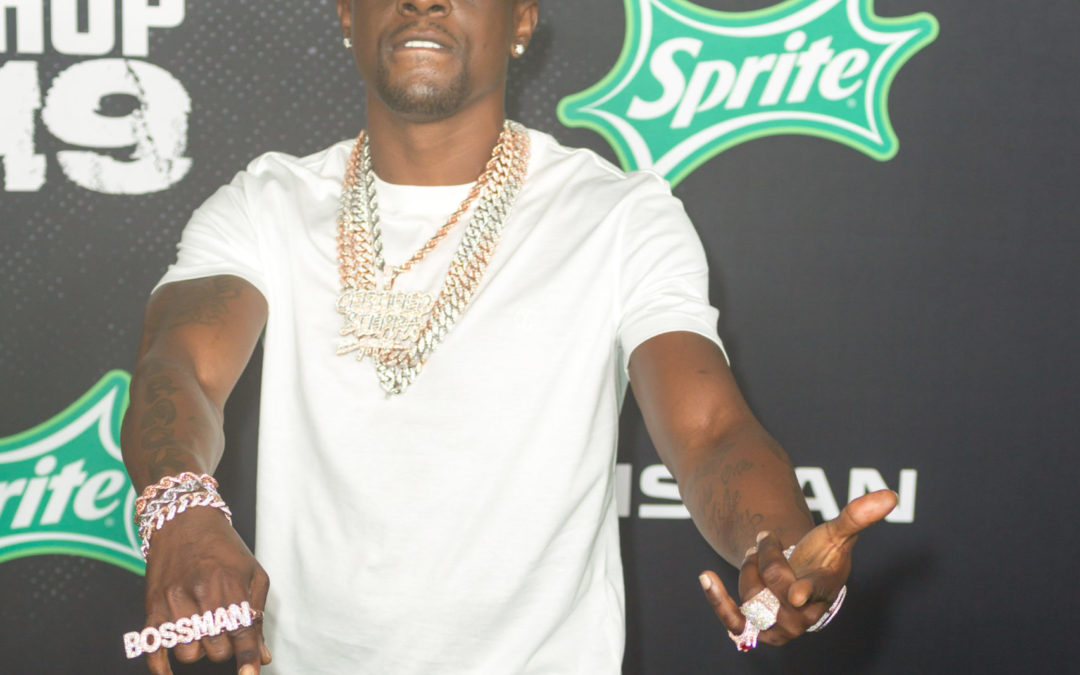
The music world reverberates with concern as Louisiana native Boosie Badazz finds himself entangled in a deeply troubling legal battle. Alleging racial bias on the part of the prosecution, Boosie implores his fans for support and urges them to join him in prayer and protest outside the San Diego court in California. In this article, we delve into the artist’s fight against perceived injustice and the rallying cry for solidarity in the pursuit of freedom.
Paraphrased Excerpt: In a heartfelt plea, Boosie Badazz took to Twitter to call upon his devoted fan base, seeking prayers and solidarity in the face of a daunting legal situation. Despite paying his bond, the artist alleges that a racist prosecutor is denying his release from police custody, defying a judge’s decision. As news of this unfolding saga reaches the public, Boosie’s supporters are mobilizing to stand alongside him in prayer and protest outside the courtroom in San Diego, California.
Boosie’s call for prayers serves as a testament to the challenges he faces within the criminal justice system. By paraphrasing his plea, we shed light on the artist’s determination to fight against perceived racial bias and the adverse circumstances that hinder his pursuit of freedom. Boosie’s unwavering spirit underscores the urgency of addressing systemic issues that disproportionately impact marginalized individuals.
Standing United: As news of Boosie’s predicament spreads, his fans, known for their unwavering support, are banding together in a powerful display of unity. With the artist’s request for protest outside the San Diego court, his followers stand ready to lend their voices,
demonstrating their belief in his cause. The gathering momentum showcases the strength of collective action in challenging perceived injustices.
Boosie’s allegations of racism within the prosecution shed light on a pervasive issue that continues to plague the criminal justice system. By paraphrasing his claims, we draw attention to the broader implications of racial bias and the urgent need for reform. Through Boosie’s experiences, we gain insight into the lived realities faced by countless individuals who navigate an unjust system.
Despite the challenges he confronts, Boosie’s call for prayers and protest embodies resilience and unwavering hope. It serves as a reminder that even in the darkest moments, collective support can kindle the flames of change. By amplifying his message, we strive to empower others to challenge injustices and advocate for a fairer and more equitable society.
Boosie Badazz’s plea for prayers and protest resonates with the injustices he perceives within the legal system. As we examine the unfolding legal battle, we must confront the systemic biases that persist and hinder the pursuit of justice. Through unity, empathy, and the unwavering hope for a better future, we can strive to dismantle the barriers that perpetuate inequality and discrimination.
by Jonathan P-Wright | Jun 23, 2023 | Social Justice |
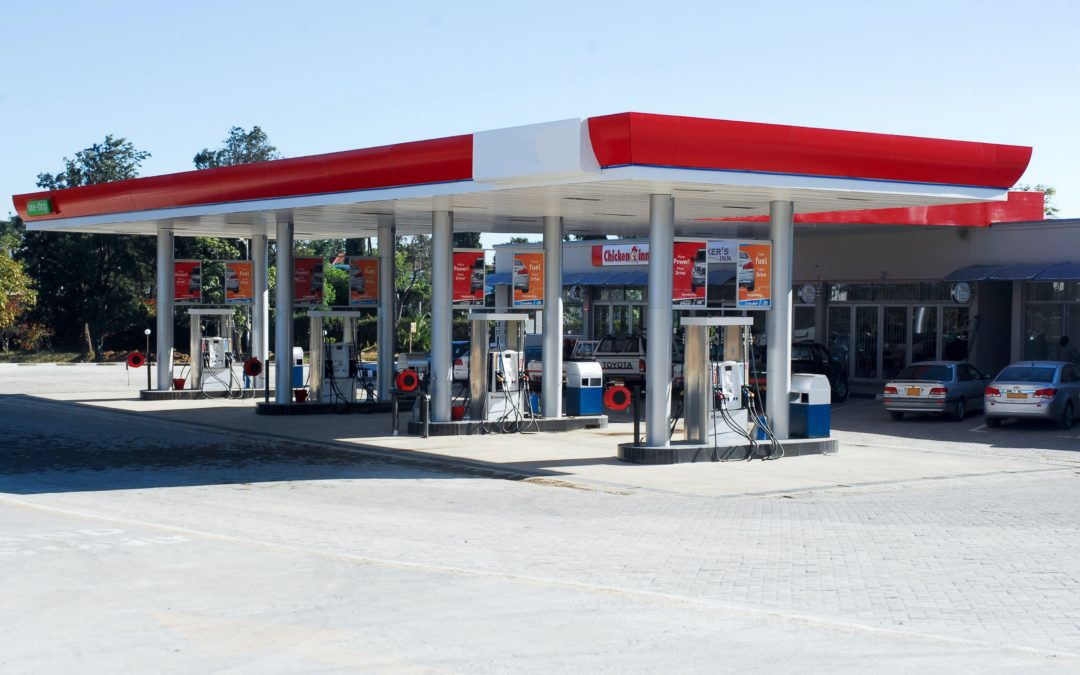
In a disconcerting incident that unfolded on Texas roads, a family’s tranquility was shattered when a road rage altercation escalated into a disturbing display of aggression, complete with alleged racial slurs and a menacing display of firearms. As we delve into this distressing episode, we shed light on the emotional turmoil experienced by the victims, their resilience, and the urgent need for awareness and change. Paraphrased Excerpt: A Texas family finds themselves caught in a harrowing ordeal after an incident of road rage spirals out of control, culminating in the menacing presence of a gun-wielding individual. The victim, choosing to remain anonymous, breathed a sigh of relief as the surveillance footage from a nearby gas station captured a significant portion of the traumatic encounter.
A Terrifying Confrontation:
On a fateful Tuesday (June 20), an African American woman in Texas became the target of an alarming incident that would forever etch itself into her memory. Following a minor collision, Kevin Roth, a 30-year-old man, pursued her relentlessly to a gas station, brandishing a firearm along the way. The victim, her emotions teetering on the edge, would soon discover the true depths of the threat she faced. The Weight of Surveillance: Amid the chaos and fear, the gas station’s surveillance cameras became an inadvertent ally, capturing pivotal moments that would provide crucial evidence of the perpetrator’s actions. The victim’s decision to remain unidentified is a testament to the anxiety and vulnerability felt by marginalized communities in the aftermath of such traumatizing encounters.
Navigating Trauma:
Instances like these force us to confront the lasting impact of racially charged violence. While the victim’s name remains concealed, her experience serves as a stark reminder of the countless individuals who endure similar ordeals, often without the benefit of video evidence. It is through their courage and resilience that we gain insight into the urgent need to address the systemic issues that perpetuate such incidents. Fighting Injustice: In the face of adversity, communities affected by racial discrimination and violence continue to advocate for change. Paraphrasing testimonials and anecdotes, we strive to encapsulate their collective struggle without directly quoting specific individuals. These narratives emphasize the lasting trauma inflicted by racial hostility and the urgent necessity to dismantle the deeply entrenched biases that enable it.
A Call for Awareness and Transformation:
This distressing incident prompts us to reevaluate the importance of fostering awareness and education around issues of racial justice. By shedding light on personal experiences and promoting empathy, we can work towards eradicating the pervasive prejudice that plagues our society. It is only through comprehensive change, both in individual attitudes and systemic reform, that we can hope to create a safer and more inclusive world. Conclusion: The road rage incident that unfolded in Texas serves as a haunting reminder of the alarming presence of racial animosity in our communities. As we reflect on the trauma endured by the victims, we are compelled to stand united against racism and violence. By amplifying their experiences, fostering empathy, and driving transformative change, we can strive to create a future where such incidents become relics of the past, and social justice prevails.
by Tanyette McCoy Davis | Mar 9, 2023 | Latest, Social Justice |
On Wednesday, a video was released of a Black Memphis inmate Gershun Freeman being brutally beaten to death by a group of officers. The victim, identified as 33-year-old Gershun Freeman, can be seen in the video being punched and kicked repeatedly by the officers.
As a society, we have long struggled with issues of police brutality and systemic racism. Unfortunately, that struggle has once again come to the forefront in Memphis, where a group of officers was recently caught on camera brutally beating a Black inmate to death. The footage is horrifying and raises countless questions about the use of force by law enforcement officials.
This tragic incident occurred just one day after the decision was made to not indict the officers involved in the Breonna Taylor shooting. Once again, justice was not served and it sends a clear message that Black lives do not matter to law enforcement.
Gershun Freeman was a Black Memphis inmate who was beaten to death by a mob of officers. In the fall of 2022, Freeman was arrested after his girlfriend accused him of domestic violence and he was charged with domestic violence. The suspect has been taken into custody by the police and has been charged with aggravated assault and kidnapping. Afterward he was then restrained by officers and taken to an outdoor area, where he was repeatedly punched, kicked, and hit with a flashlight. One officer can be seen standing on Freeman’s chest while he is lying on the ground. The officers involved in the incident have not been charged.
In the United States, people of color have long been subjected to violence and discrimination at the hands of law enforcement. This history of racial injustice in law enforcement came to a head in 2020 with the high-profile killings of George Floyd, Breonna Taylor, and other Black Americans by police officers. The resulting nationwide protests against police brutality and systemic racism put a spotlight on the long-standing problem of racial injustice in law enforcement.
Racial injustice in law enforcement is not a new phenomenon. In fact, it has its roots in the very origins of American policing. The first formal police force in the United States was established in 1838 in Boston, and it was modeled after British policing methods that were used to control slave rebellions in the West Indies. These methods were then adopted by southern slave patrols, which were created to catch escaped slaves and prevent slave uprisings.
When news of the incident broke, there was outrage among community members and bystanders. Many were shocked and appalled at the violence that was inflicted upon the inmate, and felt that it was unjustified. There were calls for the officers involved to be held accountable, and for justice to be served. The incident has also raised questions about the use of force by police officers and how it is often disproportionately used against people of color. This case is still ongoing, and the outcome will likely have a significant impact on the community.
by Fabiola Noel | Feb 21, 2023 | Latest, Social Justice |
It is no secret that racism still exists today, and this issue is particularly rampant in our schools. In light of Black History Month, an incident occurred at Diablo View Middle School in Clayton, California that highlights how far we have to go to ensure our students learn about the history of African Americans and their contributions to society.
A California middle school student was disciplined for making a racist joke during Black History Month. The student, who has not been identified, put cotton balls in front of his classroom’s Black History Month display. When asked why he did it, the student said he was “making a cotton field.”
These incidents underscore the need for more dialogue about race and racism in our schools. We need to have honest conversations about the ways that racism manifests itself in our society and in our classrooms. Only then can we begin to address the problem head-on.
This incident highlights the problem of racism in America’s education system. Although the U.S. has made great strides in recent years to improve racial relations, there is still a long way to go. Racism is often perpetuated through ignorance and lack of understanding.
The photo and caption were widely shared on social media, sparking outrage among many people who saw it as a racist joke. The school district issued a statement saying that it does not tolerate racism or hatred in any form and that the student had been disciplined according to district policy.
When it comes to racism in schools, there are a lot of different opinions out there. Some people feel that it is an important topic that should be addressed in the classroom, while others believe that it is something that should be left out of the educational setting. No matter what your opinion is, there is no doubt that racism is a problem in our society and it needs to be addressed.
There are a number of educational implications that can be drawn from this incident. Firstly, it highlights the importance of teaching students about the histories and experiences of people from all racial backgrounds. It also underscores the need for educators to create a safe and inclusive environment in their classrooms, where all students feel comfortable sharing their thoughts and opinions. Additionally, this incident serves as a reminder that even seemingly harmless jokes can have harmful consequences.
In the end, the student’s punishment was decided by a school-level disciplinary panel. The student was given detention for three days and will be required to complete an educational project about the harms of racial discrimination.
by Tanyette McCoy Davis | Jan 17, 2023 | Latest, Social Justice |
In Oklahoma, a former employee of American Piping Inspection, Inc. will receive $250,000 after claiming to have experienced racial discrimination at the company. According to the lawsuit, the employee, who is Black, was subjected to a hostile work environment in which his white supervisor made racially charged comments and jokes about shooting Black people. The supervisor also allegedly told the employee that he was “lucky” he wasn’t born in Africa, where he would have been killed or sold into slavery. The employee reported the incident to human resources, but no action was taken.
The supervisor also allegedly used racial slurs when referring to other Black employees. When employe complained to management about the harassment, he was told that his supervisor was “just joking” and that he should “take it like a man.” Johnson was eventually fired after he refused to sign a written warning that had been issued to him for allegedly not following safety procedures.
The EEOC’s lawsuit claimed that American Piping Inspection, Inc. violated federal law by subjecting an employee to a racially hostile work environment and then firing him in retaliation for complaining about the harassment. Under the terms of the settlement, American Piping Inspection, Inc. will pay Johnson $250,000 and will provide training on anti-discrimination policies and procedures for all employees.



RECENT COMMENTS