by Pharron Fields | Jun 12, 2021 | Latest, New Music Alert |
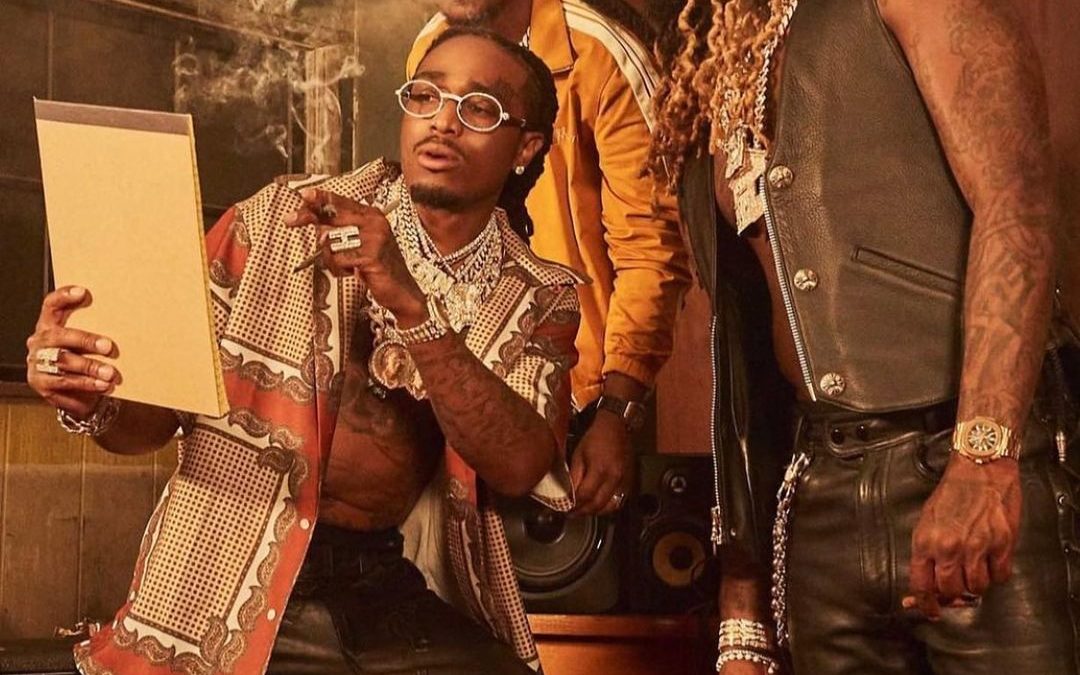
Three members of Migos – Offset, Quavo, and Takeoff – are proud to announce Culture III, their highly anticipated new album, available now via Quality Control Music / Motown Records. The product is available on their official store as part of the Gallery Dept. capsule collection.
Culture III is the anticipated finale to the blockbuster trilogy. Their ad-libs, bulletproof bars, head-spinning hooks, and irreplaceable chemistry make this a standout climax. Besides, it features some of the biggest stars of today, including Drake, Cardi B, Justin Bieber, Future, Polo G, Youngboy NBA, and Pop Smoke, among others. This luxurious big screen-worthy visual features jet-skis, rare automobiles, private planes, and smoke to highlight Migos’ new single, “Modern Day.”
Having made a series of big moves in support of the album over the last week, they’ve managed to dominate the scene so far. Their tracklist and artwork reveal set social media ablaze, and they graced NBC’s The Tonight Show Starring Jimmy Fallon with their new single, “Avalanche.”
As they dance across the screen in black suits, including black fedoras, they present a slick and smooth performance from a full band, lifting the anthem with live drums, horns, and guitar solos. Watch here
This article was penned by Jonathan P. Wright. Jonathan is a freelance writer for multiple mainstream publications and CVO of RADIOPUSHERS. You can read more of his work by clicking here.
by Jonathan P-Wright | Dec 7, 2022 | Latest, UNCUT DIAMONDS |
The power of light is incalculable.
Traveling through darkness and mystification without adequate light is an improbable task in life. Navigating through life’s jagged-edged maze requires unparalleled endurance, bodacious energy and unique clairvoyance. Envisioning your future inside the fog of uncertainty challenges a person’s inner willpower and faith at the highest level.
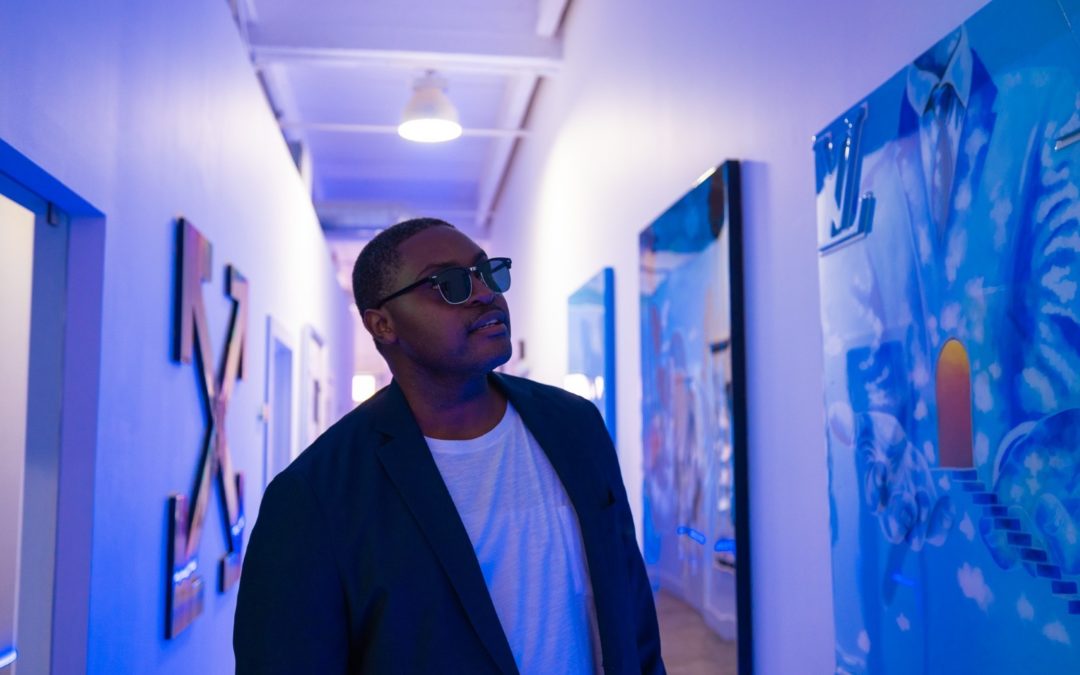
Life can be challenging at times, which is no secret to anyone. We are inevitably going to face challenges and obstacles along the way as we move forward. There is no doubt that a dark time has come for us all. But if we have the strength and perseverance to push through, we can find our way out of it. During tough times, hip-hop culture has been able to provide a light for Major Recording Artist/Serial Entrepreneur QMOSHYN.
QMOSHYN understands the value of family, faith, and legacy in 2022.
In 2022, QMOSHYN released his family inspired E-Book: Social Media REfreshER Vol.1: The Top 100 Content Creation Tips For Non-Content Creators. QMOSHYN’s innovative book is a short but comprehensive marketing guide that presents 100 turnkey tips for people who are unfamiliar with social media content creation or feel that their schedules do not allow them to devote the necessary time trying to learn it. The Social Media REfreshER Vol. 1 is one of Amazon’s highest-ranking E-books. “Everybody wins when the family eats first.”
Throughout the years, QMOSHYN has found inspiration and hope via his family, community and music. The story of QMOSHYN is proof that when we discover our passion, it can help us overcome any obstacle we face. QMOSHYN’s message to Generation Z is simple: Don’t give up if you’re feeling lost or down. Keep looking for your light, and you’ll find your way.
by Voshawn Johnson | Sep 17, 2025 | Latest, Music News |
Why Joe Budden’s Mic Matters
The Joe Budden Podcast is where hip-hop’s biggest conversations become smarter, funnier, and more accountable. Joe and the crew treat the culture like a living institution—balancing humor with rigor, and barbershop energy with newsroom discipline. When they publish, discourse shifts. If you want the pulse, you lock in here.
Do the smart thing: watch the Joe Budden Podcast on YouTube here and tap in with the conversation firsthand.
A Masterclass In Long-Form Storytelling
In a clip-drunk era, JBP doubles down on depth. The pacing lets arguments breathe, lets context build, and gives artists/industry figures fair treatment. That’s why episodes have replay value and clips travel—substance first, virality second.
Fresh From Ep. 856 “Pillow Talk”
This week’s drop crystallizes the show’s range. The room unpacks Young Thug interrogation clips and what they mean for Atlanta’s future (30:09, 56:38), debates “pillow talking” etiquette after an off-mic dust-up (1:15:00), and reacts to Cardi B’s testimony (1:34:00). Joe weighs in on the Jussie Smollett documentary (1:44:19); there’s programming talk with Funk Flex’s Hot 97 timeslot change (1:56:21); then new-music energy with Joey Bada$$ & Westside Gunn album drops (2:09:48). Late-episode gems include Joe calling Kehlani’s “Folded” the R&B song of the summer (2:52:55), a Mario remix reaction (2:55:05), and quick-hit cultural notes from ILoveMakonnen turning chef (3:01:28) to Cracker Barrel’s logo tweak (3:07:57) and a heated Micah Parsons trade debate (3:12:40). (Apple Podcasts)
Network Vision, Creator Integrity
The Joe Budden Podcast Network proves creator-owned media can scale without losing its voice. Independence keeps the takes fearless; editorial consistency keeps the trust.
Why You Should Hit Play Today
If you’re an artist, manager, journalist, or fan who wants context—not clickbait—this episode is required listening. It’s funny, layered, and rooted in love for the craft.
Call to Action: Lock in with the episode and watch on YouTube here. Share a timestamp, argue your take, keep the discourse honest.
by Pharron Fields | Aug 21, 2025 | Music News, Social Justice, Trending |
Photo by Karsten Winegeart on Unsplash
Hip-hop has long been the heartbeat of urban resilience—a genre born in the struggle and sculpted in survival. From its roots in the Bronx to its global dominance, it has remained one of the most honest reflections of culture, identity, pain, and rebellion. Yet despite its triumphs, the genre remains haunted by a disturbing and persistent trend: the premature deaths of its stars.
The headlines come with tragic regularity. Another rising voice silenced. Another tribute concert. Another artist’s last tweet going viral after their murder, overdose, or unexplained passing. The loss feels almost routine now, but it shouldn’t. When Pop Smoke was gunned down at 20, when Juice WRLD collapsed at just 21, when Nipsey Hussle was murdered in front of his own business, and when Takeoff was caught in a senseless crossfire—these weren’t just isolated incidents. They were alarm bells in a system that’s failed to protect its brightest talents.
While many are quick to blame the “lifestyle” or the music itself, the deeper truth is harder to stomach: these deaths reflect broader societal, psychological, and industry-wide failures.
A Crisis Backed by Data
A groundbreaking study published in the Journal of the American Medical Association in 2015 cast a harsh spotlight on the grim statistics surrounding hip-hop deaths. According to the study, 51% of deaths among hip-hop artists were homicides, and the average age of death was just 30. This is alarmingly young compared to other genres. In rock, only 6% of deaths are homicides. In jazz, it’s 1.5%. And in country music, the average age of death surpasses 60.
Clearly, the genre doesn’t just reflect danger—it lives inside it. These numbers don’t just highlight a trend; they paint a clear picture of a cultural health crisis. The artists we idolize, who pour their trauma and truth into their lyrics, are navigating a world that remains perilous—even after they’ve made it big.
Environments of Survival, Not Safety
Music psychologist Dr. Dianna Theadora Kenny put it plainly: “Hip-hop has the highest mortality rate of any major music genre. It’s not a coincidence. It reflects the environments from which many of these artists emerge.”
Indeed, many rappers come from communities ravaged by poverty, violence, incarceration, and neglect. Their ascent into fame doesn’t erase the battles they fought growing up. In fact, success often sharpens the threats they face. Overnight fame doesn’t come with a guidebook for security, mental health, or conflict resolution. These artists are launched into stardom while still carrying unresolved traumas and unhealed wounds—now in a spotlight where those wounds become targets.
Lives Taken, Stories Cut Short
Pop Smoke’s story is a gut-wrenching one. At just 20, he had become the face of Brooklyn drill—a genre bursting with raw intensity and street narrative. His deep voice and intimidating presence were paired with a rising global appeal. But that rise ended abruptly in a Los Angeles home invasion. His killers were teenagers who tracked his location via an Instagram post. A moment meant to celebrate success instead exposed him to fatal danger. His murder reminded the world just how vulnerable young artists can be in the digital age—especially when fame arrives faster than the tools to manage it.
Juice WRLD was a different kind of voice—less aggressive, more introspective. He bled emotion in his tracks, speaking openly about anxiety, heartbreak, and addiction. His vulnerability resonated with millions. But behind that openness was a young man wrestling privately with substance dependency. He died from an accidental overdose of oxycodone and codeine, just days after his 21st birthday. His lyrics had foreshadowed his own demise for months, and still, the system around him failed to intervene in time.
Nipsey Hussle’s death carried a different weight. He wasn’t just an artist—he was a community organizer, an entrepreneur, a visionary. His work in South Central Los Angeles wasn’t performative; it was deeply rooted in change-making. He opened businesses, created jobs, and spoke powerfully about generational wealth and Black empowerment. Yet, in the very community he uplifted, he was shot and killed. His death devastated a generation, not just because of who he was, but because of what he stood for: redemption, transformation, and unity.
Takeoff, the quietest and most peaceful member of the trio Migos, wasn’t known for beefs or controversy. But that didn’t spare him. He was killed in Houston during a confrontation that didn’t even involve him directly. At just 28, his death served as a chilling example of how even those who avoid conflict can fall victim to chaos.
The Industry’s Role in the Pattern
Within the hip-hop community, voices are rising to confront this crisis. Jim Jones famously said, “Rap is the most dangerous job in the world.” Fat Joe described rappers as “an endangered species.” And radio host Charlamagne Tha God criticized record labels for profiting from artists’ trauma without providing real support: “They want the music but not the responsibility of keeping artists alive.”
The reality is that the hip-hop industry has long commodified struggle. Labels race to sign artists who reflect raw, street-originated authenticity—yet rarely offer guidance for navigating fame, managing mental health, or securing safety. Artists are often left to juggle everything—financial pressure, family demands, public scrutiny, unresolved street conflicts—alone. Their trauma becomes content, their lyrics become product, and their safety becomes their own burden to bear.
Imagining a Safer Future for the Culture
Change is possible—but it requires more than mourning after the fact. It requires systems built to prevent these tragedies before they unfold.
One potential starting point is conflict resolution. Many disputes in the hip-hop world stem from misunderstandings, bruised egos, and street tensions. Industry-funded mediation programs could provide a way to resolve these issues before they escalate into violence. Neutral spaces for conversation, reconciliation, and accountability could reduce the likelihood of beefs becoming funerals.
Mental health support must also be prioritized. Therapy should be normalized and made readily accessible for artists—especially Black men, who often carry the weight of generational trauma in silence. Labels need to offer more than studio time and PR budgets—they need to provide therapists, wellness coaches, and trauma counselors. Artists are human beings, not streaming numbers.
Touring, while lucrative, can be dangerous—especially for younger acts. Many up-and-coming rappers travel with minimal security, poorly coordinated teams, and limited preparation for handling crowds, threats, or emergencies. Stronger tour protocols, dedicated security professionals, and clear risk assessments should be standard, not optional.
Investing in the Communities Artists Come From
Ultimately, addressing the violence and instability surrounding hip-hop means investing in the communities that produce its voices. Poverty, gun access, educational inequality, and mental health gaps are not just background conditions—they are direct contributors to the instability that many artists face. Supporting community development, youth programs, and mental health services in underfunded neighborhoods is not just social work—it’s preventative action. When artists succeed and give back, they should not be walking targets. They should be catalysts for transformation.
The Evolution of Lyrical Power
There’s another layer to this evolution—and it’s lyrical. Hip-hop has never been afraid to speak about pain, violence, and trauma. But the next era could be one where that same lyrical honesty turns inward—toward healing, vulnerability, and emotional intelligence. Artists like Kendrick Lamar, J. Cole, Noname, and others are already carving out a path where lyricism doesn’t rely on glorifying death to feel authentic.
The culture has always evolved. It has always responded to its moment. And right now, the moment is asking for something new: not a softer hip-hop, but a smarter one. One that understands the cost of constant funerals. One that wants its artists to live long enough to become elders.
A Genre Worth Protecting
The losses of Pop Smoke, Juice WRLD, Nipsey Hussle, Takeoff, and so many others are not just tragedies—they are wake-up calls. Each death chips away at the foundation of a culture that deserves preservation. But even more importantly, they are reminders that behind every track, every verse, and every viral clip is a life—a real one.
Hip-hop has changed the world. Now, it must protect its own.
The future of hip-hop can be different. It can be a genre not defined by grief, but by growth. Not by funerals, but by legacies. The next chapter doesn’t have to end in obituaries. It can be written in healing, safety, and survival.

RECENT COMMENTS