by Jonathan P-Wright | Aug 10, 2023 | Latest, Social Justice |
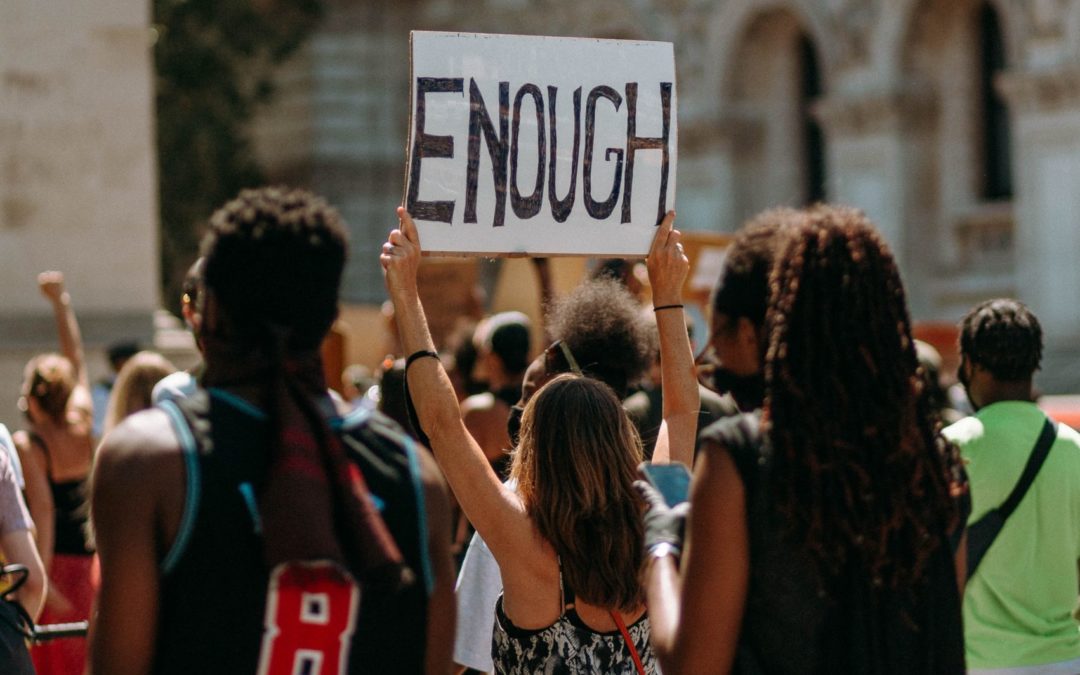
The name O’Shae Sibley has become an indelible mark of sorrow and remembrance, embodying a life tragically cut short by a heart-wrenching incident. As the nation grapples with the weight of loss, a teen has taken a pivotal step in the narrative by surrendering to the authorities, potentially setting the stage for justice to unfold in the aftermath of Sibley’s untimely passing on July 29.
A somber chapter unfurled as a 17-year-old male, his history marked by previous arrests, chose to step forward and confront the gravity of his alleged actions. The act of surrender took place on a fateful Friday, August 4, in the heart of New York City, casting a spotlight on the intricate web of legal proceedings that lay ahead for this young individual.
The charges leveled against the teen are profound and carry the weight of the law. Accused of murder and the chilling classification of a hate crime, the alleged act speaks to the intersection of personal violence and broader social dynamics. The additional charge of criminal possession of a weapon underscores the deeply tragic consequences of these alleged actions.
While the teen’s identity remains shrouded in anonymity, hidden behind the veil of juvenile protection, the reverberations of his alleged involvement are felt throughout the community. The decision to seal his records is a reminder of the delicate balance between justice and the rights of minors. In a narrative already laden with complexities, the Brooklyn district attorney contemplates the potential for more charges to be added, illuminating the intricate layers of the case.
Sibley’s life story is etched with heartache, a 28-year-old Black gay man whose existence was abruptly ended through a fatal stabbing. The backdrop for this tragedy was an unassuming gas station, where a routine evening turned into a chilling scene of violence. The loss of a beloved dancer sent shockwaves through the community, sparking an outpouring of grief and a resounding condemnation of homophobia on social media.
Communities came together in poignant solidarity, transforming gas stations into spaces of remembrance. Dances and voguing, vibrant embodiments of self-expression, became poignant tributes to Sibley’s vibrant spirit. Even icons like Beyoncé joined the chorus of voices, using their platforms to honor Sibley’s memory and call for an end to hate-fueled violence.
As the legal process takes its course, propelled by the teen’s voluntary surrender, the wheels of justice inch forward, navigating the complexities of a case that holds profound societal implications. The narrative of O’Shae Sibley’s life and loss has thrust issues of hate crimes, community safety, and equitable legal proceedings into the public discourse.
The legacy of O’Shae Sibley is one that transcends sorrow. It has become a rallying cry against bigotry, intolerance, and violence. In a world that grapples with discrimination, his memory compels us to stand firm against injustice, champion the values of acceptance and compassion, and work towards a future where tragedies like his are relegated to history.
by Jonathan P-Wright | Aug 10, 2023 | Latest, Music News, New Music Alert |
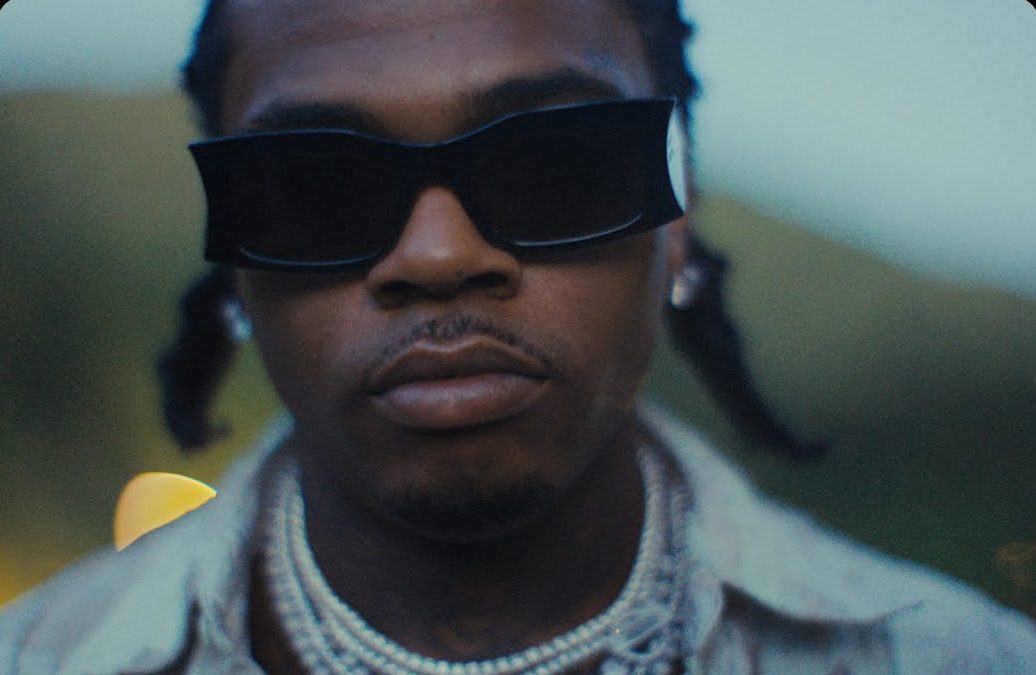
Gunna, the Atlanta-based rap sensation, continues to captivate audiences with his unique style and unwavering authenticity. On August 2, Gunna dropped a visually captivating music video for his track “rodeo dr,” the latest addition to his project ‘a Gift & a Curse.’
Produced by Angelo Ferraro and Flo, “rodeo dr” showcases Gunna’s signature flair for combining his wealth, fashion sense, and lyrical prowess. The track serves as a powerful response to critics who have questioned some of his past decisions, allowing Gunna to assert his self-assuredness and artistic vision.
The accompanying music video for “rodeo dr” is a cinematic masterpiece directed by Spike Jordan. The visual transports viewers to the streets of Los Angeles, where Gunna confidently struts through various locations. The energy is palpable as a mob of fans gather to witness Gunna’s presence, highlighting his magnetic connection with his audience.
A particularly remarkable segment within the video pays tribute to a pivotal juncture in pop culture history: Gunna appears to ingeniously reenact O.J. Simpson’s notorious freeway journey in a white Ford Bronco. This homage to the iconic incident skillfully melds a sense of nostalgia with modern artistic expression, effortlessly interwoven into Gunna’s storytelling.
Throughout the video, Gunna’s long-time collaborator Turbo makes a memorable cameo appearance, adding another layer of camaraderie and artistic synergy to the visual experience.
“rodeo dr” is a testament to Gunna’s artistry, showcasing not just his ability to resonate with fans, but also his growth as an artist. Featured within his expansive project ‘a Gift & a Curse,’ the track is a true embodiment of Gunna’s multifaceted approach to music, seamlessly blending his signature sound with his unapologetic attitude.
Gunna’s impact on the hip-hop scene continues to grow, and “rodeo dr” exemplifies his commitment to pushing artistic boundaries and delivering music that leaves a lasting impression. With its stylish visuals and undeniable energy, the music video for “rodeo dr” is a testament to Gunna’s status as a trendsetter in the rap world.
As Gunna’s project ‘a Gift & a Curse’ continues to unfold, fans can anticipate more thought-provoking tracks and captivating visuals that showcase Gunna’s evolution as an artist and storyteller.
by Jonathan P-Wright | Aug 4, 2023 | Latest, Social Justice |
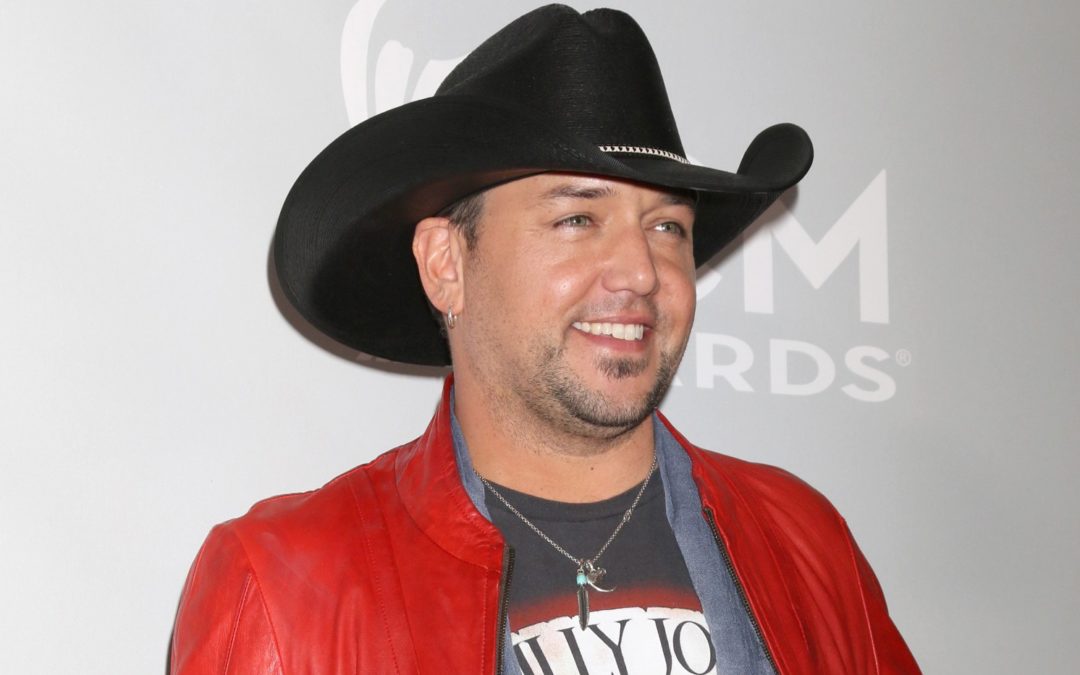
In the midst of a growing storm of controversy, country music artist Jason Aldean has taken a significant step to address the outcry surrounding his latest single, “Try That In A Small Town,” by releasing an updated version of its accompanying video. This move comes after the original video drew sharp criticism for featuring imagery that many perceived as racially insensitive.
The embattled singer’s updated rendition of the “Try That In A Small Town” video reportedly sees the removal of the contentious footage that projected scenes from the 2020 Black Lives Matter protests onto the Maury County Courthouse in Columbia, Tennessee. The original video, which stoked a firestorm of allegations of racism, depicted a convergence of present-day protests and historical racial tensions, all while Jason Aldean’s lyrics addressed crossing societal boundaries.
Notably, the footage projected onto the Maury County Courthouse held deep historical significance, as it was the very location where a Black teen named Henry Choate was lynched during the 1920s. This juxtaposition, combined with Jason Aldean’s musical narrative, stirred a potent mixture of emotions, ranging from anger to deep sadness, and further ignited conversations about the intersection of art, history, and social consciousness.
The removal of this contentious footage marks a strategic move on Jason Aldean’s part, aimed at quelling the mounting criticism that erupted in the wake of the video’s release. It is reported that the updated version is now six seconds shorter than its predecessor, a subtle but deliberate edit that seeks to minimize the potential for further controversy.
The incident surrounding the original video’s content offers a thought-provoking reflection on the power and responsibility of artists like Jason Aldean to navigate complex social issues through their creative expressions. As conversations surrounding race, identity, and historical awareness gain increasing prominence, the scrutiny faced by Jason Aldean’s video underscores the imperative for cultural figures to be attuned to the sensitivities of their audiences.
As the updated video continues to circulate, its reception will undoubtedly be closely watched. This incident serves as a stark reminder that art, though a vehicle for expression, can wield substantial influence, often transcending mere entertainment to engage with deeply entrenched societal narratives.
The updated video prompts broader discussions about the role of art in shaping perceptions, the complexities of cultural representation, and the evolving landscape of accountability in the age of heightened awareness. Ultimately, the narrative that unfolds around this incident holds lessons for artists like Jason Aldean, audiences, and the ongoing dialogue about the intertwined relationships between creativity, history, and the pursuit of social progress.

by Derrick T Lewis | Aug 2, 2023 | Latest, Social Justice, Uncategorized |
A solemn chapter in the quest for justice unfolds as former Shreveport Police Department officer Alexander Tyler appears in court, entangled in the aftermath of the fatal shooting of Alonzo Bagley, a Black man whose life was tragically cut short. The proceedings, which took place on July 24, marked a pivotal moment in a case that has drawn nationwide attention and heightened calls for accountability within law enforcement.
In a courtroom charged with emotion, Alexander Tyler, a white former officer, entered a plea of not guilty to charges stemming from the shooting incident that claimed the life of Alonzo Bagley in February. Tyler faces charges of first-degree negligent homicide and felony malfeasance, with prosecutors recently adding a second felony charge to the list. If found guilty, both counts carry potential sentences of up to five years in prison, a reflection of the gravity of the accusations.
The events leading up to the fatal encounter were captured on bodycam footage, a chilling testament to the realities of this tragic incident. The events transpired on February 3 when law enforcement were called to an apartment complex in the Shreveport, Louisiana region following reports of a domestic disturbance. What followed in the wake of their arrival would reverberate deeply within the community. Alonzo Bagley, a 43-year-old Black man, chose to escape the clutches of the authorities by vaulting from a balcony, setting in motion an intense pursuit on foot that would hold the attention of all those involved.
The bodycam footage revealed the pivotal moments that culminated in tragedy. As officers closed in on Bagley, Alexander Tyler discharged his weapon, striking Bagley in the chest. The visual documentation of the encounter has ignited a wave of outrage and intensified demands for transparency and accountability within the criminal justice system.
Proponents of accountability argue that while law enforcement officers indeed face perilous situations, the public expects that they will exercise sound judgment and adhere to strict guidelines, particularly when it comes to the use of lethal force. Tyler’s legal history, including two suspensions from the force and an ongoing investigation into previous violations, casts a shadow over his actions and raises questions about his fitness to serve as a protector of the community.
In response to these deeply troubling developments, community leaders, activists, and concerned citizens are rallying for a thorough and impartial investigation. The case of Alonzo Bagley’s death echoes a larger nationwide conversation about systemic issues within law enforcement and the urgent need for reform.
As the legal proceedings unfold, the outcome of this case will undoubtedly have significant implications, not only for the individuals involved but also for the broader movement for justice and accountability. The plea of not guilty signifies the beginning of a complex journey towards truth and justice, one that will require a steadfast commitment from all corners of society to ensure that the memory of Alonzo Bagley is honored and that incidents like this never happen again.
by Jonathan P-Wright | Jul 28, 2023 | Latest, Social Justice |
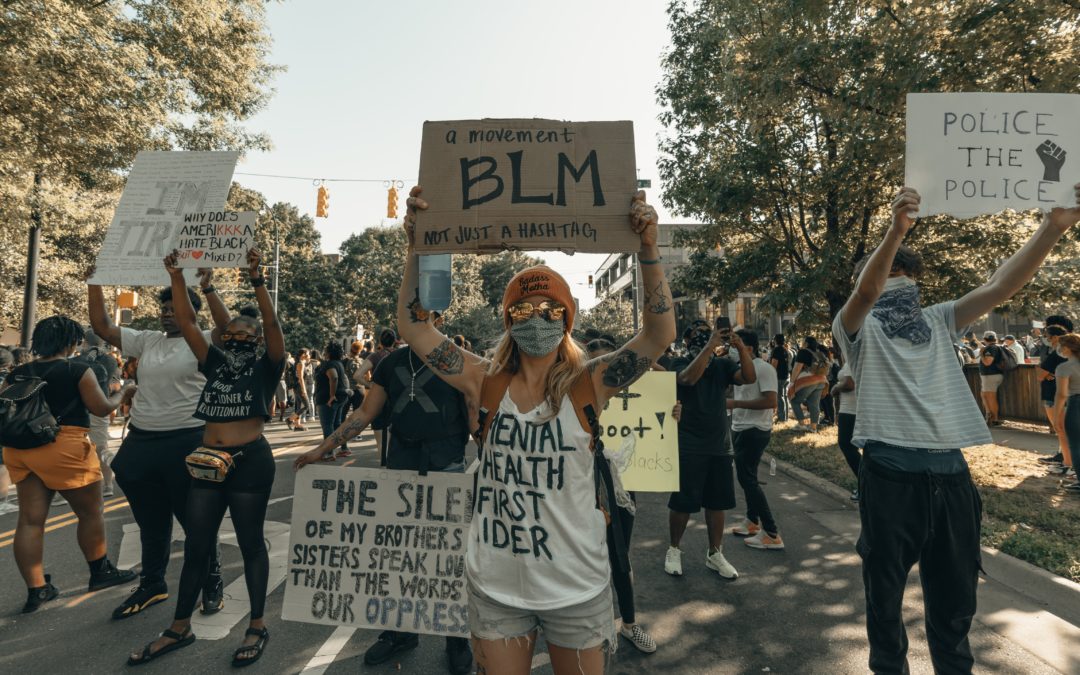
Photo by Clay Banks on Unsplash
A significant chapter in the fight for justice and accountability has been written as New York City reaches a historic settlement with hundreds of George Floyd protesters who faced unlawful tactics at the hands of local police during the turbulent events of 2020. The proposed agreement, recently filed in a Manhattan federal court, represents a groundbreaking moment, with the city agreeing to pay over $13 million in the largest class-action settlement ever awarded to a group of protesters.
As reported by CNN, a historic settlement has been reached, representing a monumental outcome in response to a class-action lawsuit brought forth on behalf of an impressive number of approximately 1,380 protesters. These individuals were arrested by the New York City Police Department during a series of 18 fervent demonstrations held across the city during the period of May and June in 2020. The successful resolution of this lawsuit stands as a testament to the power of collective action and the unwavering determination of those seeking justice and accountability for alleged misconduct. With this momentous settlement, those impacted by the events surrounding these protests may find solace and recognition, as the legal process takes significant strides towards addressing the grievances and concerns raised during this tumultuous period in the city’s history. The landmark nature of this settlement not only reaffirms the rights and liberties of peaceful protesters but also underscores the importance of holding authorities accountable for ensuring that those rights are upheld and protected in any civil society. This pivotal case serves as a beacon of hope for others seeking redress and serves as a critical milestone in the ongoing journey towards fostering a more just and equitable society for all. The terms of the agreement will provide eligible individuals with compensation of $9,950 each, pending approval by a judge.
The lawsuit sheds light on a series of troubling allegations against the authorities, accusing them of employing aggressive tactics that violated protesters’ rights. Among the accusations were claims of corralling protesters into confined spaces, using excessive force with batons and fists, indiscriminately deploying pepper spray, and arresting demonstrators without lawful justification or fair warning.
The protests of 2020 were a visceral response to the tragic killing of George Floyd by former police officer Derek Chauvin, an event that sent shockwaves throughout the nation and reignited the Black Lives Matter Movement. Hundreds of people from diverse backgrounds united on the streets of cities and towns across the country, standing in solidarity against police brutality and racial injustice.
In the heart of New York City, a powerful wave of voices rose, demanding an end to systemic racism and the urgent need for police reform. The demonstrations were marked by a spirit of unity and a shared commitment to driving societal change. However, the resolve of the protesters was met with an alarming response from law enforcement, who, according to the class-action lawsuit, employed unlawful tactics that violated the constitutional rights of the demonstrators.
The impact of this settlement transcends monetary compensation; it sends a resounding message about the significance of accountability in a just society. By acknowledging and redressing the harm done to protesters, the city of New York takes a crucial step toward recognizing the importance of protecting citizens’ constitutional rights, even in the face of public dissent.
While the road ahead may be long, this landmark agreement offers hope and encouragement to those who continue to advocate for meaningful police reform and an end to racial injustice. As New York City takes this historic step towards healing and reconciliation, it sets a powerful precedent for other cities and communities grappling with similar challenges. The legacy of the George Floyd protests will endure, as the voices of those who took to the streets continue to echo, demanding a future where equity, justice, and compassion prevail.

RECENT COMMENTS