
by April Harley | Sep 11, 2025 | Hot on TV, Latest |
Celebrity, accountability, and a defense attorney who refuses easy answers—stream it weekly on Hulu
A Case With Cultural Voltage
Season 3 pivots on a headline-ready scenario: a former child star stands accused of murder, and the court of public opinion is roaring. The premise gives Reasonable Doubt a megaphone to explore how fame shapes narratives, how bias sneaks into deliberations, and how a single clip online can outweigh hours of testimony. It’s topical without feeling opportunistic, because the series stays anchored to character.
Jax Stewart’s Tightrope
Jax doesn’t just try cases; she triages fallout. Every choice in court reverberates at home and at work. The writers understand that a great legal drama lives in the gap between what you can argue and what you should argue. Season 3 pressures those choices. Can Jax protect her client and her principles when both are being tested on a public stage? The show is unafraid to let her stumble, regroup, and swing again.
The Team—And the Friction That Fuels It
Inner-circle allies push Jax with competing definitions of “win.” Office politics raise the temperature, while antagonists arrive with enough charisma to make every loss sting. This isn’t heroes vs. villains; it’s professionals with priorities, and the series earns its reversals by honoring that complexity.
Craft That Keeps You Watching
Cinematography frames the law like a sport—angles that reveal leverage, close-ups that capture the tell. Editing respects legal logic, so the “gotcha” moments land cleanly. Music and wardrobe telegraph status without pulling focus. It’s the kind of craft that rewards rewatching and fuels group-chat debates.
Hit Play, Then Take a Side
Curious why the hype feels louder this year? Watch the official Season 3 trailer and you’ll see the urgency. After that, set your reminder on Hulu. This is the rare thriller that earns the weekly wait.

by Jonathan P-Wright | Apr 25, 2025 | Music News |
Photo by Wesley Tingey on Unsplash
A significant chapter in the long-standing discord between Ali, a former member of the St. Lunatics, and the prominent hip-hop artist Nelly has seemingly concluded with Ali’s withdrawal of his substantial $50 million lawsuit. This legal action had cast a shadow over the legacy of the group and Nelly’s early success. However, despite this dismissal, the legal maneuvering appears far from over, as Nelly’s legal representatives are actively urging the court to maintain jurisdiction over the matter, hinting at potential future legal repercussions for Ali.
The Lawsuit That Shook the Foundation of the St. Lunatics
The contentious lawsuit, initiated in the year 2023, centered on allegations that Nelly had neglected to provide due royalty payments to his fellow St. Lunatics collaborators for their contributions to his groundbreaking 2000 album, “Country Grammar.” This album proved to be a monumental commercial triumph, propelling Nelly to international stardom and firmly establishing him as a dominant force in mainstream hip-hop. With sales exceeding 10 million copies within the United States alone, “Country Grammar” remains etched in history as one of the best-selling rap albums of all time, a testament to its widespread appeal and enduring popularity.
Ali, who has long asserted his role as the principal founder of the St. Lunatics, initiated the legal proceedings on behalf of the entire group. His claim asserted that the collective efforts and creative input of the group members on “Country Grammar” went largely unacknowledged and financially unrewarded. The lawsuit sought a staggering $50 million in financial redress, reflecting the perceived magnitude of the alleged injustice and the immense commercial success that Nelly had achieved, largely on the back of this pivotal album.
However, the foundation of Ali’s legal challenge began to erode relatively quickly. Crucially, several key members of the St. Lunatics, including prominent figures like Murphy Lee, City Spud, and Kyjuan, publicly distanced themselves from the legal action shortly after its inception. These members explicitly stated that they had not granted Ali any authorization to pursue legal action on their behalf, thereby creating a significant internal rift within the group. This division extended beyond the conflict between Ali and Nelly, fracturing the unity of the St. Lunatics and adding layers of complexity to an already sensitive situation. The public disavowal by these key members significantly weakened Ali’s position and cast doubt on the legitimacy of his claim as representing the collective grievance of the group.
Legal Maneuvering and the Subsequent Dismissal
According to reports from Billboard, Ali officially and voluntarily withdrew his lawsuit on April 10, 2024. This action might have initially appeared to signal a resolution to the protracted dispute, offering a sense of closure to this particular legal entanglement. However, Nelly’s legal team has demonstrated a clear intention not to let the matter rest without a formal response and potential counter-action. In their subsequent court filings, Nelly’s attorneys vehemently characterized Ali’s lawsuit as “frivolous” and argued that it was legally “time-barred,” suggesting that the claim lacked any substantial legal basis and was initiated well beyond the permissible statute of limitations. They further contended that the primary motivation behind the lawsuit was not a genuine pursuit of justice but rather an attempt to inflict financial and legal burdens upon Nelly, disrupting his professional and personal life.
Nelly’s legal representatives have strongly urged the court to retain its jurisdiction over the case, even in light of Ali’s withdrawal. This strategic move is aimed at enabling them to potentially pursue sanctions against Ali and his legal counsel. They argue that Ali’s legal team engaged in what they describe as a “frivolous campaign” with the explicit objective of compelling Nelly to expend significant financial resources in defending against what they maintain was a baseless and outdated claim. In their formal request to the court, Nelly’s lawyers stated, “Plaintiff’s counsel succeeded in its frivolous campaign aimed at forcing [Nelly] to spend money defending Plaintiff’s ridiculous time-barred claim. The Court is respectfully requested to retain jurisdiction and set a briefing and hearing schedule for [potential sanctions].”
Essentially, while Nelly is no longer facing the immediate legal threat posed by Ali’s withdrawn lawsuit, he and his legal team are determined to ensure that those they believe were responsible for initiating what they consider to be a groundless legal action are held accountable for their actions. The underlying aim of this pursuit of sanctions appears to be twofold: firstly, to potentially recover some of the financial costs and time lost in navigating the legal proceedings, and secondly, to serve as a deterrent against similar legal actions in the future, discouraging others from pursuing what Nelly’s team perceives as meritless claims. This counter-offensive underscores the lingering animosity and the potential for further legal skirmishes despite the initial dismissal.
The Genesis of the Rift: Unpacking the Underlying Issues
Ali’s grievances against Nelly are far from being a recent development. The underlying conflict appears to be deeply entrenched and intensely personal, stemming from years of what Ali perceives as unaddressed frustrations and fundamental breaches of trust. In a revealing 2023 interview with VladTV, Ali articulated his strong feelings of resentment towards Nelly, expressing profound bitterness over what he described as two decades of consistent disrespect and broken promises. His words painted a picture of a relationship marred by a significant power imbalance and a lack of mutual regard.
During this candid interview, Ali employed a vivid metaphor to illustrate his long-held perception of Nelly’s character, stating, “A tiger ain’t never gonna change his stripes. I watched it for 20 years and I’m the butt of the joke because it took me 20 years to realize it.” This statement encapsulates Ali’s sense of prolonged disillusionment and the feeling that he was consistently underestimated or treated unfairly over an extended period. He further declared that he would “never, ever” perform alongside Nelly again, emphasizing the deep emotional and financial toll that their past interactions had taken on him. This resolute statement underscored the seemingly irreparable nature of their fractured relationship and the profound impact of their history on Ali’s present stance.
Ali did not shy away from directly questioning Nelly’s motivations and intentions, expressing a starkly negative assessment of his character. “He has no real, raw good intentions for others,” Ali asserted, his words laden with disappointment and a sense of betrayal. He specifically extended this negative assessment to his former St. Lunatics colleagues, stating, “Not for us… He got $50 million, I’m happy for him. That’s what he wants. He wants a billion.” These strong pronouncements reveal a deep-seated belief that Nelly’s pursuit of individual success came at the expense of his loyalty to the group and his genuine concern for their well-being.
These are not merely the words of a disgruntled former collaborator expressing professional disappointment. Instead, they convey the profound sense of personal betrayal felt by someone who once shared a close bond and collective aspirations with Nelly. For Ali, the core issue transcends mere financial compensation or recognition for past contributions; it delves into fundamental principles of loyalty, the sanctity of friendship, and the true meaning of brotherhood within the often cutthroat and complex landscape of the music business. His statements highlight the emotional undercurrents that fueled the lawsuit and continue to shape his perspective on his relationship with Nelly and the trajectory of the St. Lunatics.
A Retrospective of Conflict and the Gradual Separation
To fully comprehend the depth and complexity of the current fractured relationship between Ali and Nelly, it is essential to delve into the formative years of the St. Lunatics and trace the trajectory of their journey. Ali has consistently maintained that he was the pivotal figure in the establishment of the group, which came into existence in 1993 within their shared hometown of St. Louis, Missouri. In a detailed and emotionally charged Instagram post dating back to 2021, Ali provided his personal account of the group’s origins, its initial unity, and its subsequent gradual disintegration.
In his recollection, Ali asserted that his role extended beyond mere founding; he also took on a mentorship capacity, guiding and nurturing the rapping skills of the other members, including Nelly, during their formative years. He recounted a pivotal moment early in their collective journey when he was presented with an opportunity for a solo recording contract. However, driven by a strong sense of loyalty and commitment to the group’s collective aspirations, Ali claimed that he declined this individual offer, choosing instead to prioritize their shared pursuit of success as the St. Lunatics. This decision, in his narrative, underscores his initial dedication to the group’s unity and his belief in their collective potential.
However, the narrative takes a significant turn when Ali recounts a parallel situation involving Nelly. According to Ali’s account, when Nelly was presented with a similar solo opportunity, the outcome was markedly different. Ali alleged that Nelly accepted the solo deal and, in doing so, effectively began to distance himself from the rest of the group. This divergence in their paths and decisions marked a critical juncture in the history of the St. Lunatics, sowing the seeds of future conflict and resentment.
Ali’s 2021 Instagram post vividly describes this turning point, stating, “Fast forward to 1999. Ma$e’s manager at the time, Cudda, was introduced to us… and he immediately started separating the group. He wanted Nelly and City Spud. They left with Cudda and went to Harlem. The separation became the reality. They had left.” The starkness of this account highlights Ali’s perception of a deliberate act of separation, orchestrated by an external influence that recognized Nelly’s individual potential.
The tone of Ali’s message in this post is palpable with both lingering pain and deep-seated resentment. He articulated the feelings of the remaining group members, writing, “We — the rest of the group — felt hustled. We were *1 until the opportunity was presented to be *2… They hustled us.” This powerful word choice conveys a profound sense of betrayal and the feeling of being manipulated or left behind as Nelly’s individual star began to ascend. Ali’s narrative paints a picture of a group that was once unified in its aspirations but ultimately fractured by the allure of individual success and the perceived abandonment of collective loyalty.
The Broader Context: Navigating Fame, Loyalty, and the Price of Achievement
The intricate and often acrimonious feud between Ali and Nelly transcends their personal dynamic, tapping into a more pervasive and complex issue within the music industry, particularly within the realm of hip-hop: the inherent tension between the pursuit of individual ambition and the maintenance of group solidarity. The history of hip-hop is replete with examples of groups that initially rose to prominence as cohesive units but subsequently fractured under the immense pressures and temptations that accompany fame and financial success. As individual creative visions begin to diverge, personal egos potentially inflate, and the bonds of loyalty are rigorously tested, the initial unity of a group can often unravel, sometimes with devastating and long-lasting consequences for all involved.
In the specific case of the St. Lunatics, their journey exemplifies this common trajectory. What began as a close-knit collective of friends sharing a common dream of achieving musical recognition and putting their hometown of St. Louis on the map eventually succumbed to the divisive forces that often accompany significant success. While Nelly ascended to become a globally recognized and commercially successful artist, the remaining members of the group did not attain the same level of widespread acclaim and financial prosperity. This disparity in their individual outcomes likely served as a significant catalyst, fueling long-standing feelings of resentment, marginalization, and a sense of injustice among those who felt left behind as one of their own soared to unprecedented heights.
Ali’s decision to pursue legal action, despite the challenges and the lack of unified support from his other former group members, can be interpreted as an attempt to reclaim a sense of justice, to gain recognition for past contributions that he felt were undervalued, or perhaps simply to voice a long-simmering sense of grievance. However, the subsequent lack of support from key figures within the St. Lunatics and the decidedly harsh and dismissive response from Nelly’s formidable legal team underscore the fact that not everyone within the group shared Ali’s perspective on the situation or agreed with his chosen method of addressing these long-standing issues. This internal division further complicates the narrative and highlights the multifaceted nature of their fractured relationships.
Looking Ahead: Uncertainties and Lingering Questions
With Ali’s lawsuit now officially withdrawn from the legal arena, the immediate question that arises is: what potential developments lie ahead in this ongoing saga?
For Nelly, the primary focus in the immediate aftermath of the dismissal is whether the presiding court will grant his legal team’s request to proceed with considering sanctions against Ali. Nelly’s lawyers have vehemently argued that Ali’s lawsuit constituted a misuse of the legal system, initiated without merit and for the purpose of causing financial and legal distress. If the court ultimately grants these sanctions, it could impose significant financial penalties on Ali for pursuing what is deemed to be a frivolous claim. Furthermore, such a ruling could potentially establish a precedent for how similar disputes within the music industry are handled in the future, sending a message about the potential consequences of pursuing unsubstantiated legal action against more established artists.
For Ali, the decision to drop the lawsuit, while seemingly bringing an end to one particular chapter of this conflict, does not necessarily signify the end of his grievances or his pursuit of some form of resolution. The larger and more fundamental conversation surrounding issues of fairness, proper credit attribution, and equitable compensation within the often-complex and sometimes exploitative landscape of the music industry remains a significant and unresolved issue. Whether Ali chooses to explore alternative legal avenues, to continue his public discourse on the matter, or to seek resolution through private channels remains uncertain. His next steps will likely be closely watched by those familiar with the long and often bitter history of the St. Lunatics.
One undeniable truth that emerges from this protracted dispute is that the emotional and relational wounds between Nelly and Ali, and perhaps extending to the broader legacy of the St. Lunatics as a whole, are far from being fully healed. What initially began as a shared and hopeful dream of putting their St. Louis roots firmly on the national musical map has, over time, devolved into a cautionary narrative. It serves as a stark reminder of how the immense pressures and complexities of achieving significant success can sometimes lead to division and discord, rather than fostering enduring unity and shared prosperity. The story of the St. Lunatics, once a symbol of local talent and collective ambition, now carries a bittersweet undercurrent, tinged with the complexities of fractured relationships and unresolved grievances.
Concluding Reflections
This protracted and emotionally charged legal battle serves as a poignant reminder that beneath the surface of hit records, widespread fame, and the often-glamorous public personas of artists, the music industry is frequently characterized by intricate personal histories, deeply rooted unresolved conflicts, and the enduring challenges of navigating success and maintaining interpersonal relationships. The legal skirmish between Nelly and Ali may have reached a temporary lull with the withdrawal of the lawsuit, but the underlying emotional tensions and the fundamental issues that fueled the conflict continue to simmer beneath the surface.
For the dedicated fans who fondly remember the early days of the St. Lunatics and still enjoy the infectious energy of “Country Grammar,” this ongoing saga presents a bittersweet reality. While the iconic album continues to resonate in clubs and on nostalgic playlists, its backstory is now inextricably linked with tales of legal battles, accusations of betrayal, and the painful fracturing of a once-promising collective. It serves as a sobering reminder that even the brightest and most celebrated moments in the world of music can sometimes be shadowed by darkness and the complexities of human relationships under the intense pressures of fame and fortune.
by Jonathan P-Wright | Feb 23, 2024 | Latest, Music News |
Image credit: Kathy Hutchins / Shutterstock.com
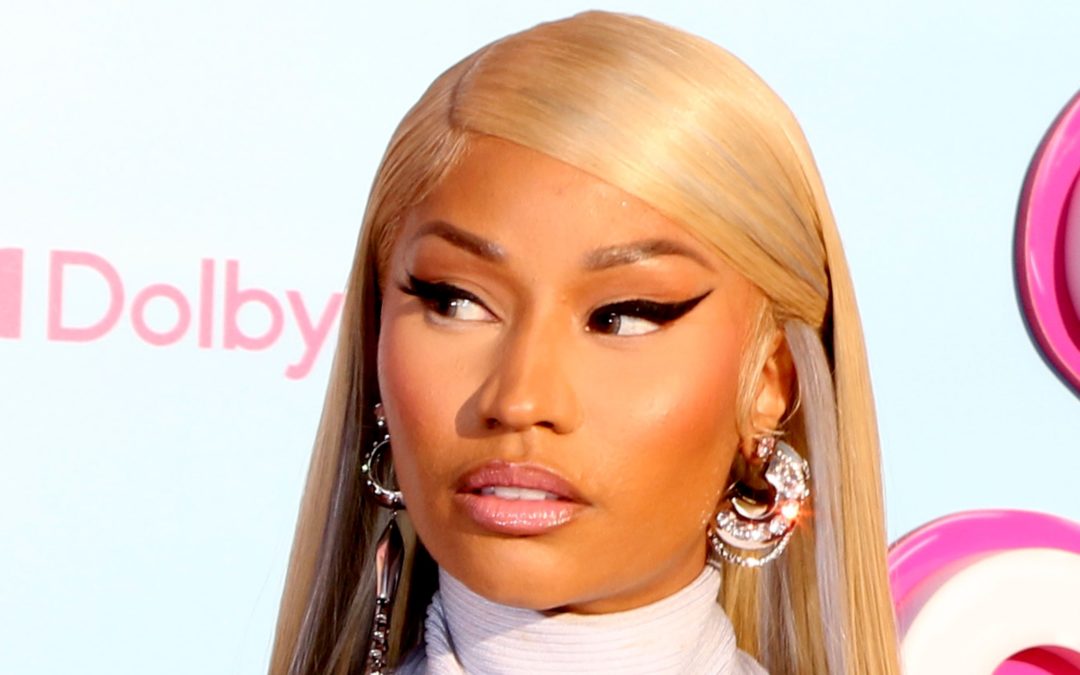
In recent times, a disturbing phenomenon has been emerging, particularly within the world of celebrity fan bases. Individuals who dared to voice their criticisms against popular rapper Nicki Minaj found themselves victims of an alarming cybercrime trend known as doxxing. These individuals, are reportedly considering various legal options to protect themselves and seek justice.
A Closer Look at Doxxing
An article by Time Magazine shed light on this terrifying experience that has befallen several individuals who dared to criticize Minaj, particularly concerning her recent feud with fellow artist, Megan Thee Stallion. These individuals claim they were doxxed by Minaj’s ardent fan base, colloquially known as the Barbz.
The term “doxxing,” as explained by The Atlantic, refers to the act of revealing and maliciously using another’s private and personal information. This deliberate act of cybercrime has left the victims scrambling, looking for ways to legally shield themselves while attempting to gather as much information as they can about the perpetrators.
The Unfortunate Experience of Erick Louis
One such individual is Erick Louis. Louis, a content creator on the popular app TikTok, found himself in the crosshairs after he uploaded a video criticizing Minaj’s “Big Foot” track. The repercussions were swift and unexpected. He received a phone call from his brother, informing him that an unordered pizza had been delivered to his house. Soon, his phone was inundated with calls from unknown numbers, an experience he described to Time as nerve-wracking and unsettling.
The Painful Betrayal of Bela Delgado
Another victim of this malicious act is Bela Delgado, a former Nicki Minaj fan who once ran fan accounts for the rapper in 2017. Delgado’s disillusionment with Minaj began when the artist started associating with controversial figures like Tekashi 6ix9ine, who pled guilty to using a minor for a sexual performance.
The backlash from the Barbz was swift and brutal after Delgado uploaded (and later deleted) a video expressing their disappointment in Minaj following the release of “Big Foot.” The harassment was not only directed at Delgado but also their family members.
The Legal Maze: A Complex Path to Justice
According to entertainment attorney Lauren Kilgore, navigating the legal system to find justice for doxxing victims is a complex and uncertain path. The legal landscape is nuanced, and current discussions in Congress about crafting anti-doxxing legislation must carefully balance free speech rights against privacy protections.
Seeking Accountability: A Plea for Responsibility
While the victims grapple with the aftermath, there’s a call for the celebrities whose fan bases carry out these attacks to take responsibility. Ebony Jasmine Harris, another victim of the Barbz’s doxxing, believes that if Minaj chooses to use her power negatively and refuses to speak out against the doxxing, it speaks volumes about her as an individual.
Wrapping Up: An Ongoing Battle
As the people continue their battle against the violation of their privacy, a larger conversation about the power of celebrity fan bases and the potential for harm has been sparked. The victims are not just seeking justice for themselves but also hope to raise awareness about the dangers of doxxing and the need for stricter regulations and laws to combat it.
In the meantime, they continue to navigate their way through this horrifying experience, bearing a heavy burden and an even heavier responsibility to protect their privacy and ensure their safety in the face of relentless cyber harassment. They’re standing up against the violation, exploring legal options, and hoping for a safer, more respectful cyberspace where dissent doesn’t lead to dangerous retaliation.
by Jonathan P-Wright | Feb 16, 2024 | Latest, Music News |
Photo by Tingey Injury Law Firm on Unsplash
Lizzo, the chart-topping sensation known for her anthem “Good as Hell,” faces a significant legal hurdle. According to Billboard, the case against her, filed by three former dancers, will proceed to trial. The lawsuit accuses the singer of sexual harassment, a charge she has strongly contested.
Prologue: The Filing of the Lawsuit
Last year, three of Lizzo’s former backup dancers, Arianna Davis, Crystal Williams, and Noelle Rodriguez, filed a lawsuit alleging several instances of sexual, religious, and racial harassments. They claimed that Lizzo and her team subjected them to sexually denigrating behavior, weight-shaming, and forced them to participate in disturbing sex shows.
The Anti-SLAPP Motion
In response, Lizzo filed an anti-SLAPP motion in August. She argued that her dancers’ accusations originated from her exercise of free speech rights on public issues. Her lawyers contended that the lawsuit was a tactic to “silence” her.
The Court’s Stand
The judge’s ruling emphasized the delicate balance between protecting constitutional rights and addressing misconduct allegations. “It is dangerous for the court to weigh in, ham-fisted, into constitutionally protected activity,” the judge wrote. “But it is equally dangerous to turn a blind eye to allegations of discrimination or other forms of misconduct merely because they take place in a speech-related environment.”
The Allegations
The lawsuit against Lizzo, her production team, and Shirlene Quigley, captain of her dance team, includes several serious allegations. The plaintiffs claim Lizzo and her team subjected them to various forms of harassment and discrimination, including:
- Weight-shaming
- Sexual denigration
- Forced participation in disturbing sex shows
- Religious and racial discrimination
The Aftermath: Dismissal and Continuation
While the judge dismissed some allegations, such as a sexual harassment claim on the set of Lizzo’s Watch Out for the Big Grrrls and a disability discrimination accusation, several charges of sexual harassment and discrimination will still face scrutiny in court.
The Lawyer’s Statement
The dancers’ lawyer, Ron Zambrano, expressed satisfaction with the judge’s ruling, calling it a victory. Despite the dismissal of some allegations, he highlighted that the remaining claims include sexual, religious, and racial discrimination, false imprisonment, and assault.
Lizzo: A Public Figure Under Scrutiny
The ruling also emphasizes that fame does not insulate celebrities from being held accountable for alleged misconduct. Lizzo, like any other public figure, is not exempt from facing the consequences of her actions if found guilty.
Awaiting Trial
As the case heads to court, the world will be watching closely. The trial is expected to be a spotlight on the dark side of celebrity culture, exposing the potential misuse of power and influence in the music industry.
Conclusion
The case against Lizzo is a stark reminder of the ongoing battle for social justice in our society. It underscores the necessity for accountability, regardless of one’s status or influence. As the legal proceedings unfold, the truth will eventually surface, setting a precedent for future cases involving celebrities and sexual harassment allegations.
“It is dangerous for the court to weigh in, ham-fisted, into constitutionally protected activity. But it is equally dangerous to turn a blind eye to allegations of discrimination or other forms of misconduct merely because they take place in a speech-related environment.” – Judge
Respect for all, accountability for actions, and the pursuit of justice remain the pillars of our society. As we follow Lizzo’s case, we are reminded once again of their importance.
by Derrick T Lewis | Dec 28, 2023 | Latest, Music News |
Image credit: Kathy Hutchins / Shutterstock.com
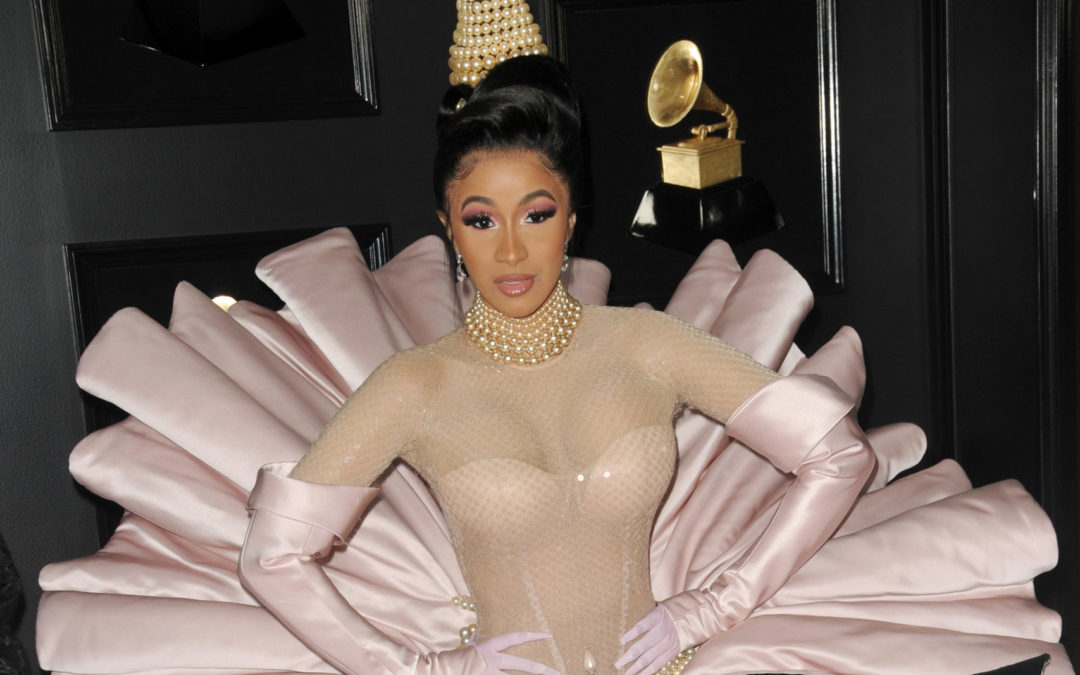
The music world is abuzz with the latest news surrounding two of its most colorful personalities – Cardi B and Offset. The pair, once a power couple, are currently facing a lawsuit over allegations of unpaid rent and significant property damage to a vacation home they once shared in Beverly Hills.
The Backstory
Cardi B and Offset, who have a history of making headlines, are once again in the spotlight. This time, it’s due to a legal dispute involving a vacation home they rented in the affluent neighborhood of Beverly Hills.
The Allegations
According to documents procured by TMZ, the pair took up residence in the property in 2022 but vacated in October of the same year without providing any notice to the property owner.
The Damages
The damages reportedly include scratches on the tile floors, torn rugs, damaged curtains, and broken furniture. The landlord has estimated these damages to total around $85,000.
The Landlord’s Efforts
The landlord claims to have attempted to resolve the issue privately with the former couple, but has had no luck in reaching them. This has led to the decision to take legal recourse.
The Timing
This lawsuit comes on the heels of Cardi B’s recent announcement that she and Offset had decided to call it quits. The Bronx-born rapper took to her Instagram Live to share her emotions about the split.
“I’ve been single for a minute now,” she confessed. “But I have been afraid to like—not afraid I just don’t know how to tell the world. But I feel like today has been a sign.”
Cardi’s Feelings
Cardi continued to express her feelings, hinting at Offset’s recent behavior as a contributing factor to their breakup.
“You’ve really been feeling yourself… because of your bitch ass album and shit. And you really been doing me dirty after so many fucking years that I mothafucking helped your ass. Not even a fucking thank you that I got from your bitch ass.”
The Future
This legal issue adds another layer of complexity to an already tumultuous situation. It remains to be seen how Cardi B and Offset will handle this latest development in their ongoing saga.

RECENT COMMENTS