
by Jonathan P-Wright | Aug 21, 2023 | Latest, Social Justice |
In 2009, the heartwarming movie The Blind Side took the world by storm, telling the inspiring story of Michael Oher, a homeless Black teen who overcame adversity to become an NFL star with the help of his adoptive parents. However, recent revelations by Oher himself have shaken the foundation of this beloved tale. According to a petition filed in the Shelby County Probate Court, Oher claims that his adoption by the Tuohy family, the central figures in The Blind Side, was nothing more than a lie. In this article, we will delve into the shocking details of Oher’s allegations, exploring the truth behind his adoption and the repercussions it has had on his life.
The Allegations Unveiled
In August 2023, Michael Oher made headlines with a petition filed in the Shelby County Probate Court, accusing his former guardians, Sean and Leigh Anne Tuohy, of deceiving him about his adoption. According to the 14-page document, the Tuohys never legally adopted Oher, but instead convinced him to sign a document that granted them conservatorship over his business affairs. This maneuver allowed them to control and profit from Oher’s story without his knowledge or consent.
The petition, obtained by ESPN, alleges that the Tuohys used their power as conservators to secure a lucrative deal that earned them over $300 million from The Blind Side, while Oher received nothing for his integral role in the creation of the story. Furthermore, the document claims that even after the film’s release, the Tuohys continued to refer to Oher as their adopted son, exploiting this false narrative to promote their own ventures, including Leigh Anne’s work as an author and motivational speaker.
Unraveling the Fabricated Tale
The story of Michael Oher’s adoption, as portrayed in The Blind Side, captivated audiences around the world. Based on the 2006 book by Michael Lewis, the film highlighted the extraordinary journey of a young man who overcame immense challenges to achieve success both on and off the football field. However, Oher’s recent revelations have cast doubt on the authenticity of this narrative.
According to Oher’s petition, the lie of his adoption was only discovered in February 2023. He learned that the conservatorship he had agreed to, under the belief that it would make him a member of the Tuohy family, provided him with no true familial relationship. This revelation left Oher feeling not only deceived but also deeply embarrassed by the fact that the story of his adoption, so widely celebrated and embraced, was nothing more than a fabrication.
Impact on Oher’s Life and Career
The fallout from the alleged deception surrounding Michael Oher’s adoption has had a profound impact on his life and career. As a renowned NFL star, Oher’s story became synonymous with resilience and triumph, inspiring countless individuals around the world. However, the revelation that his adoptive family manipulated and profited from his narrative has undoubtedly left a lasting mark on his psyche.
The petition filed by Oher highlights the financial disparities between himself and the Tuohys, with the family reportedly earning over $300 million from the film while Oher received no compensation. This stark contrast in financial gain further amplifies the sense of exploitation and betrayal experienced by Oher.
The Aftermath and Legal Battle
Following the filing of the petition, the legal battle between Michael Oher and the Tuohys is expected to intensify. The allegations made by Oher raise significant questions about the ethical implications of profiting from someone else’s life story without their full consent and involvement.
As the case unfolds, it will be crucial to examine the evidence presented by both parties, ensuring a fair and just resolution. The outcome of this legal battle could have far-reaching implications for the entertainment industry, shedding light on the need for transparency and ethical practices when portraying real-life stories on the big screen.
Reassessing the Legacy of The Blind Side
With the revelation that the story behind The Blind Side may have been built on a lie, it becomes necessary to reassess the legacy of this critically acclaimed film. While the movie undoubtedly resonated with audiences and shed light on important issues such as homelessness and racial inequality, its credibility now hangs in the balance.
It is essential to separate the fictionalized narrative presented in The Blind Side from the real-life experiences of Michael Oher. By doing so, we can gain a deeper understanding of the complexities and challenges faced by individuals like Oher, who must navigate not only their personal struggles but also the exploitation that can come with their stories being adapted for mass consumption.
Lessons Learned and Moving Forward
The allegations made by Michael Oher regarding his adoption and the subsequent exploitation by the Tuohy family serve as a stark reminder of the importance of ethical storytelling. It is crucial for creators and consumers of media to recognize the potential harm that can arise from the manipulation and appropriation of real-life narratives.
Moving forward, it is imperative that we prioritize authenticity and respect when sharing and consuming stories that are rooted in the lived experiences of others. By doing so, we can create a more inclusive and empathetic cultural landscape that celebrates the voices and agency of the individuals whose stories are being told.
Conclusion
The shocking revelations made by Michael Oher regarding his adoption have cast a cloud of doubt over the beloved film The Blind Side. As the legal battle unfolds, it is essential to examine the evidence presented by both parties and strive for a fair and just resolution.
This case serves as a reminder of the power and responsibility wielded by storytellers, highlighting the need for ethical practices in portraying real-life stories on the big screen. By reassessing the legacy of The Blind Side and learning from this experience, we can move towards a more authentic and inclusive approach to storytelling.

by Harris | Aug 15, 2023 | Latest, Social Justice |
A TikTok video shared by user careyann327 has ignited a wave of concern and outrage as it purportedly captures the arrest of a young Black child in Lansing, MI. The incident, which occurred on August 10, has sparked discussions about the treatment of minors by law enforcement officers and the broader issues of accountability and sensitivity.
In the video, a scene unfolds that shows the young Black child being apprehended by what appears to be a Lansing police officer. According to individuals heard in the background, the child was reportedly engaged in a simple act – taking out the trash from his residence – when the unexpected encounter with the police took place.
As the situation escalates, additional officials arrive on the scene to provide support to the lone officer. Amid the unfolding confusion, an older Black man, believed to be the boy’s father, approaches the scene to ascertain the nature of the incident. Although much of the conversation remains unintelligible, the concerned man can b e heard describing the child as “perfect.” He questions the necessity of subjecting the child to handcuffs, expressing his concern that such actions could potentially inflict lasting emotional “trauma.”
The incident has stirred a passionate debate in online communities, with commenters expressing a range of emotions and opinions. Many have called for the parents of the child to take legal action against what they perceive as an unjustified use of authority. Others have shared sentiments of skepticism towards law enforcement, emphasizing the importance of understanding one’s rights and involving legal representation when interacting with officers.
This incident serves as a stark reminder of the complex dynamics between law enforcement and marginalized communities, particularly involving minors. The video has raised important questions about the appropriateness of using handcuffs on children, the need for transparent and fair policing practices, and the broader implications of such encounters on young individuals.
As discussions continue, the video serves as a catalyst for broader conversations about police conduct, community relations, and the wellbeing of vulnerable populations. The incident has ignited a renewed call for accountability and sensitivity in law enforcement interactions with individuals, regardless of their age or background.
by Jonathan P-Wright | Aug 10, 2023 | Latest, Social Justice |
The name O’Shae Sibley has become an indelible mark of sorrow and remembrance, embodying a life tragically cut short by a heart-wrenching incident. As the nation grapples with the weight of loss, a teen has taken a pivotal step in the narrative by surrendering to the authorities, potentially setting the stage for justice to unfold in the aftermath of Sibley’s untimely passing on July 29.
A somber chapter unfurled as a 17-year-old male, his history marked by previous arrests, chose to step forward and confront the gravity of his alleged actions. The act of surrender took place on a fateful Friday, August 4, in the heart of New York City, casting a spotlight on the intricate web of legal proceedings that lay ahead for this young individual.
The charges leveled against the teen are profound and carry the weight of the law. Accused of murder and the chilling classification of a hate crime, the alleged act speaks to the intersection of personal violence and broader social dynamics. The additional charge of criminal possession of a weapon underscores the deeply tragic consequences of these alleged actions.
While the teen’s identity remains shrouded in anonymity, hidden behind the veil of juvenile protection, the reverberations of his alleged involvement are felt throughout the community. The decision to seal his records is a reminder of the delicate balance between justice and the rights of minors. In a narrative already laden with complexities, the Brooklyn district attorney contemplates the potential for more charges to be added, illuminating the intricate layers of the case.
Sibley’s life story is etched with heartache, a 28-year-old Black gay man whose existence was abruptly ended through a fatal stabbing. The backdrop for this tragedy was an unassuming gas station, where a routine evening turned into a chilling scene of violence. The loss of a beloved dancer sent shockwaves through the community, sparking an outpouring of grief and a resounding condemnation of homophobia on social media.
Communities came together in poignant solidarity, transforming gas stations into spaces of remembrance. Dances and voguing, vibrant embodiments of self-expression, became poignant tributes to Sibley’s vibrant spirit. Even icons like Beyoncé joined the chorus of voices, using their platforms to honor Sibley’s memory and call for an end to hate-fueled violence.
As the legal process takes its course, propelled by the teen’s voluntary surrender, the wheels of justice inch forward, navigating the complexities of a case that holds profound societal implications. The narrative of O’Shae Sibley’s life and loss has thrust issues of hate crimes, community safety, and equitable legal proceedings into the public discourse.
The legacy of O’Shae Sibley is one that transcends sorrow. It has become a rallying cry against bigotry, intolerance, and violence. In a world that grapples with discrimination, his memory compels us to stand firm against injustice, champion the values of acceptance and compassion, and work towards a future where tragedies like his are relegated to history.

by Derrick T Lewis | Aug 9, 2023 | Latest, Social Justice |
A tragic tale of negligence and suffering has culminated in a landmark resolution as the family of Lashawn Thompson, a 35-year-old man who endured a horrifying fate while in custody, reaches a settlement of $4 million with the Fulton County Jail in Atlanta, Georgia.
Lashawn Thompson’s distressing demise within the confines of a jail cell, where he was left to be consumed by bed bugs, sent shockwaves through the nation. The recent settlement is a poignant reminder of the magnitude of the tragedy and the urgent need for accountability within the criminal justice system.
The circumstances surrounding Thompson’s death are chillingly disturbing. According to an autopsy report, the causes listed include “dehydration, malnutrition, severe body insect infestation,” and the haunting presence of “untreated decompensated schizophrenia.” These conditions collectively paint a grim picture of a man who was not only physically abandoned but also denied essential medical and psychological care.
The journey to this settlement has been fraught with pain and heartache for Thompson’s family. His death occurred within a mental health ward at Fulton County Jail on September 13, 2022, a mere three months following his arrest on misdemeanor simple battery charges. The tragedy speaks to the critical need for comprehensive reform in how individuals with mental health challenges are treated within the criminal justice system.
The settlement sends a resounding message about the responsibilities borne by institutions to ensure the safety, health, and dignity of those under their care. Michael Harper, an attorney representing Thompson’s family, affirmed that no statement regarding the settlement will be released. This outcome serves as a powerful testament to the quest for justice in the face of profound adversity.
Nonetheless, this heart-wrenching event has not occurred in isolation. Just recently, the U.S. Department of Justice initiated an inquiry into the living conditions at Fulton County Jail, underlining a broader concern. This investigation was triggered by a series of troubling reports detailing inmate abuse and neglect. The announcement underscores the dire need for comprehensive oversight and reforms to prevent future instances of such flagrant neglect and abuse.
“Fulton County and the Sheriff’s Office have been made aware of a civil rights investigation by the U.S. Department of Justice to examine conditions at the Fulton County Jail and will be cooperating fully with the investigation,” read a joint statement from Fulton County officials and the Fulton County Sheriff’s Office.
As the legal system grapples with the aftermath of this devastating incident, the settlement underscores the imperative for accountability, transparency, and the unwavering protection of human rights. The legacy of Lashawn Thompson remains a touching testament, underscoring the vital principle that every person, irrespective of their situation, merits to be treated with honor and consideration. Moving ahead, our course must be one of transformation, empathy, and an unwavering dedication to preventing the recurrence of such a heartrending tragedy.
by Laghe Andrews | Aug 2, 2023 | Latest, POLITICS |
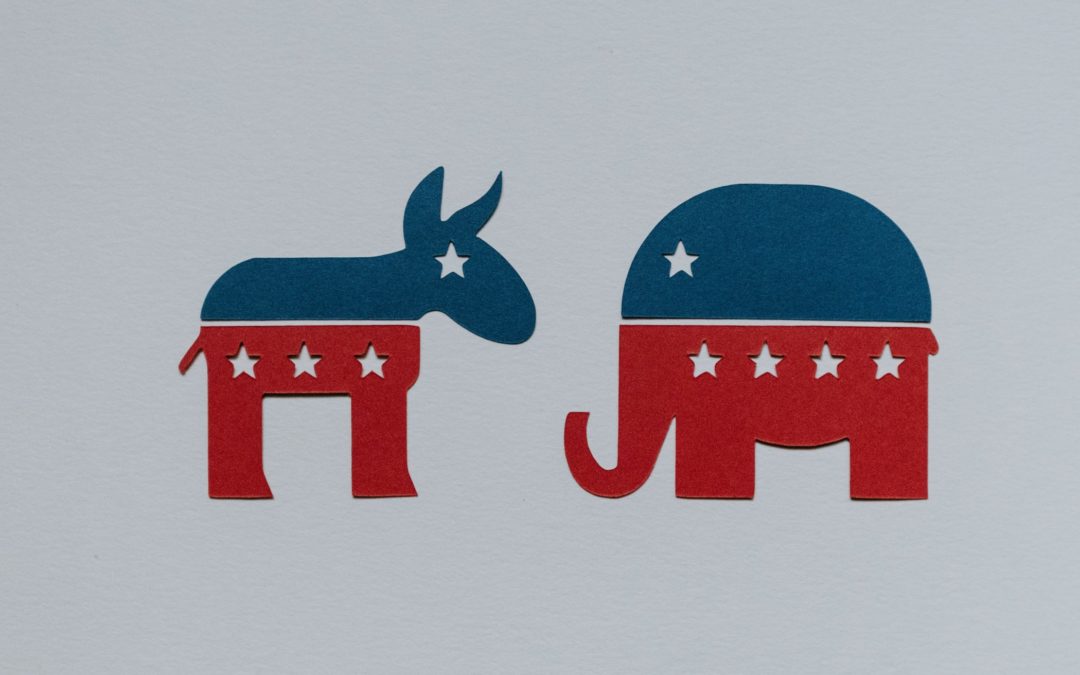
As the political landscape in Alabama heats up, the stage is set for a fierce clash between determined voters and the state’s Republican-led lawmakers over a contentious issue: the revised congressional district map. The conflict arises from allegations that the new map directly contradicts federal court rulings, prompting residents to rally against what they perceive as a violation of voting rights and the democratic process.
A group of state voters is taking a stand, sending a powerful message that they refuse to let the alleged transgressions of their representatives go unchecked. In a statement that echoes their determination, the voters assert, “The Alabama Legislature believes it is above the law,” exposing a growing divide between elected officials and the citizens they serve.
At the heart of this dispute lies a recent U.S. Supreme Court decision on June 8, which favored Black voters, constituting 27 percent of the state’s population. This move is seen as a crucial step in upholding the principles of the Voting Rights Act and ensuring equitable representation for all.
However, the path to compliance has been fraught with controversy. Allegations have surfaced that the Republican-led society disregarded the spirit of the Voting Rights Act in their pursuit of redistricting. The reported modifications in the new map purportedly lead to an augmentation of Black voters’ presence in the predominantly white 2nd Congressional District. However, concurrently, they result in a reduction of the Black voting-age population in the state’s solitary majority-Black district, now standing at 50.65 percent.
Rep. Chris England, a Black lawmaker from Tuscaloosa, provides poignant insight into the situation. He points out that significant changes often occur in Alabama only when federal court orders are in place, emphasizing the need for external intervention to ensure adherence to the law.
The confrontation between voters and lawmakers in Alabama underscores the ongoing struggle for fair representation and the essential role of checks and balances in a democratic society. As tensions rise and the battle for a just and equitable electoral system intensifies, the collective determination of citizens to hold their elected officials accountable remains steadfast.
The aftermath of this confrontation is bound to extend its influence significantly, not just within the confines of Alabama but across the broader spectrum of discussions related to voting rights and the foundational tenets of democracy. As voters assert themselves in opposition to established norms and insist on the upholding of legal norms, the reverberations of their quest for equity extend beyond geographical boundaries. This endeavor serves as a powerful reminder that the potency of a democracy lies in its dedication to impartiality, openness, and the collective voice of its citizens.



RECENT COMMENTS