
by Jonathan P-Wright | Jun 6, 2025 | Latest, Social Justice |
Image Photo by Tingey Injury Law Firm on Unsplash
An 81-year-old woman in Ocala, Florida, is facing battery charges after a shocking incident involving the use of bear mace on two young Black children and their mother. Ada Anderson, the accused, was arrested on May 30 after allegedly spraying the highly potent chemical substance at her neighbors while yelling racial slurs.
April Morant, the children’s mother, moved into the neighborhood in Marion County in November with hopes of building a peaceful life for her family. But, according to her, their new neighbor Anderson was hostile from the very beginning. What began as verbal hostility escalated into a frightening act of aggression when Morant’s children—ages six and three—were playing with bubbles in their front yard.
Morant recalled the traumatic moment during an interview with WESH-2 News. “She approached the fence with something in her hand. I didn’t know what it was—my first thought was a gun,” Morant said. “Then she sprayed it. My kids were screaming. It got in their eyes, on their faces… it was horrifying.”
Bear mace is designed to stop charging wild animals like bears. It’s several times more powerful than standard pepper spray, and can cause intense pain, breathing difficulty, and even long-term respiratory damage—especially dangerous for children.
Racial Slurs and Ongoing Harassment
What makes the incident even more disturbing is the presence of explicit racial hatred. Morant shared video footage taken just after the attack that shows Anderson on her porch, glaring at her neighbor’s home. In another clip, she can be heard shouting the n-word and telling Morant and her family, “You’re not welcome in this neighborhood.”
These comments, coupled with the attack, led many—including Morant—to believe the event was racially motivated. “This wasn’t just a random act,” she said. “She used a weapon and screamed racial slurs. It was targeted hate.”
Despite the seriousness of the situation, Anderson was only charged with three counts of battery. Morant and many in the community feel this doesn’t reflect the true nature of the crime. “They didn’t charge her with anything related to hate,” she said. “This wasn’t just battery. She attacked children while yelling slurs.”
Morant also revealed that this wasn’t her first encounter with Anderson’s aggression. “I’ve called the police on her before,” she posted on Facebook. “But nothing ever came of it. I told them she was a danger. It took her attacking my babies for them to finally arrest her.”
Fear, Trauma, and the Need to Escape
The emotional and psychological toll of the incident has been overwhelming for Morant and her children. What should be their safe space—home—has now become a place of fear. The children are afraid to play outside, and Morant lives in constant dread of what could happen once Anderson is released.
“She’s 81, but that doesn’t mean she’s not dangerous,” Morant said. “Age doesn’t excuse hate or violence. What if next time it’s worse?”
Morant worries that Anderson, upon release, will return to her back porch and continue her intimidation. Given the ongoing threat, she’s launched a GoFundMe campaign to raise $15,000 to relocate her family to a safer neighborhood.
The fundraiser’s description reads:
“Imagine your children screaming in pain because someone hates the color of their skin. Imagine the fear of knowing that person lives next door. We can’t stay here. I don’t want to wait for things to get even worse.”
The fundraiser has begun to gain traction, with support coming in from people who were moved by Morant’s story and the injustice she and her children have faced. Many believe she deserves the chance to raise her kids in a place free of fear, hostility, and racism.
Justice and Accountability in Question
The case has sparked widespread debate about how authorities handle racially motivated attacks—especially when the perpetrators are elderly or white. Many in the community are frustrated that Anderson wasn’t charged with a hate crime, even though the evidence seems clear.
“Hate doesn’t retire with age,” said one local activist. “What happened to this family is clearly fueled by racism, yet the system is hesitant to call it what it is.”
Under Florida law, crimes that are proven to be motivated by bias can be classified as hate crimes and carry harsher penalties. But in practice, these charges are rarely pursued—often due to the additional burden of proof or the perceived leniency given to elderly offenders.
“There’s a pattern of minimizing these attacks when they come from older white individuals,” the activist continued. “But racism is racism. And the victims, especially children, are the ones who suffer.”
Morant has been vocal about her desire for true accountability—not just for herself, but for the example it sets. “What message are we sending if someone can attack Black kids and walk away with a slap on the wrist?” she asked. “We teach our children to be kind, to respect others. But who’s teaching these adults that racism has consequences?”
Final Thoughts: A Family’s Plea for Peace
For April Morant and her children, the road to healing will be long. Their sense of security has been shattered, and the trauma of the event continues to ripple through their daily lives. But Morant remains determined to protect her children, and to move them somewhere they can simply exist without being targeted.
“I don’t want revenge,” she said. “I just want safety. I want peace. I want my girls to know they belong.”
As the legal process unfolds, the question remains: Will the system acknowledge the racial hatred behind the attack? Or will it continue to treat this as a minor altercation, ignoring the deeper wounds it represents?
In the meantime, Morant hopes her story can inspire awareness, action, and support. “We need to speak up. We need to stand together. No family should ever feel unsafe because of the color of their skin.
by Jonathan P-Wright | May 16, 2025 | Latest, Music News, New Music Alert |
Image credit: Featureflash Photo Agency / Shutterstock.com
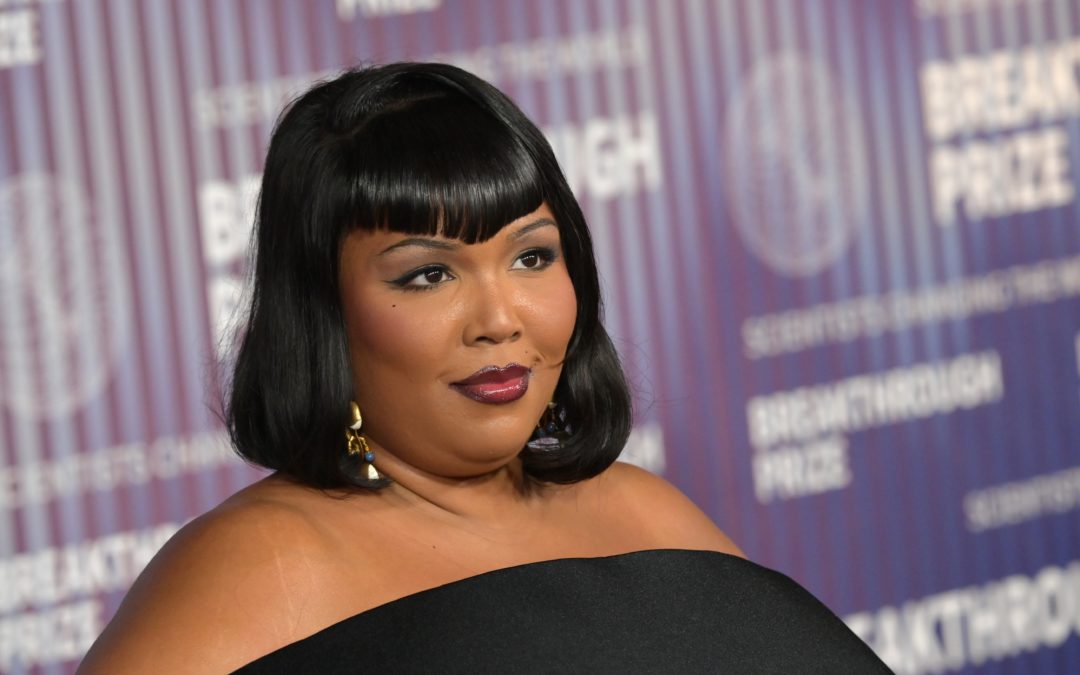
When Lizzo speaks about her music, she no longer just talks about creating hits—she speaks about creating legacies. As one of the most dynamic and genre-defying artists of her generation, Lizzo has built a career that celebrates confidence, authenticity, and self-love. But with her highly anticipated upcoming album Love in Real Life, it’s clear she’s setting her sights on something even more profound: reclaiming her narrative on her own terms and challenging the way success is measured in the music industry.
A Mission Beyond the Charts
In a recent conversation on The TERRELL Show, Lizzo opened up about the motivation behind her new project. She explained that while her past hits like “Juice,” “Truth Hurts,” and “Good as Hell” have become anthems for empowerment, her albums as a whole haven’t yet reached the level of acclaim or love that those singles have enjoyed.
“I feel like my albums don’t outshine my hits yet,” she said candidly. “People keep going back to those songs, and that’s amazing, but I want this new album to be a body of work that stands just as tall. I want every track to be loved as much as the biggest single.”
This desire reflects a significant shift in Lizzo’s approach to her artistry. Unlike the fast-paced culture of single releases and viral moments, Lizzo is aiming to create a cohesive musical experience — one that invites listeners into a deeper emotional connection, showcasing her growth not only as a singer but as a musician and storyteller.
A Fusion of Sounds and Souls
Love in Real Life is expected to blend genres fluidly, combining elements of pop, disco, and rock — a testament to Lizzo’s diverse musical background. Beyond her undeniable vocal talent, Lizzo is a classically trained flutist, bringing layers of musicality and instrumentation into her work. Her upcoming album promises to highlight these skills, presenting a richer sonic palette that reflects her evolving artistry.
But the album’s title isn’t just a clever phrase. It speaks to the album’s thematic heart: real love, the kind that exists beyond the superficial, beyond the fleeting validations of social media and public opinion.
Detaching from External Validation
Lizzo has long been celebrated for her messages of body positivity and self-love, but her latest statements suggest a maturation in her philosophy. She revealed in the interview with Terrell Grice that Love in Real Life marks a period where she’s moving away from seeking approval from the internet or external sources altogether.
“I’m done developing my sense of self based on what people say online,” she explained. “Now, my happiness is unconditional, and love only truly exists in real life — with people who genuinely care about you, not with faceless approval or likes.”
This is a powerful message in today’s hyper-connected world, where social media validation often distorts personal self-worth. Lizzo’s commitment to prioritizing authentic relationships and self-validation over public opinion is both timely and inspiring. It signals her reclaiming control over her identity and her artistry — no longer letting the digital noise define her.
A Personal and Public Reckoning
The past few years have been turbulent for Lizzo beyond the studio. In 2023, she and her production company, Big Grrrl Big Touring Inc., faced workplace harassment lawsuits brought forth by three backup dancers and a hairstylist. Though some claims were dismissed, and the courts ruled Lizzo could not be sued personally in one case, the allegations and ensuing media attention undoubtedly weighed heavily on her.
“When things like that happen to you, the world starts telling you who you are,” Lizzo reflected. “I’m pretty gullible, so sometimes I start to believe it.”
This period of scrutiny forced Lizzo to confront the gap between public perception and her personal reality. The emotional turmoil is mirrored in her new music videos, especially the one for “Love in Real Life.” In it, she depicts a harrowing experience of paranoia and judgment, where she feels watched and attacked by the world — a metaphor for the invasive spotlight she’s endured.
“In the video, I go out and start feeling like everybody hates me,” she explained. “People start to corner me, and then it comes down to either beating them or joining them.”
This visual storytelling speaks to the complex dance celebrities often must perform — balancing vulnerability with strength, fighting off criticism while maintaining authenticity. It’s a vivid illustration of the emotional stakes Lizzo faces, and her determination not to be defeated.
Reclaiming Power Through Music and Imagery
With her second single, “Still Bad,” Lizzo takes the theme of reclaiming power even further. She describes the song and its accompanying visuals as a response to the forces that once sought to break her down.
“The thing that destroyed me, I’m gonna destroy it,” she declared confidently. “I’m taking back control over my narrative, my story. Those little birdie tweet creatures trying to troll me? I control the trolls.”
In an age where social media can amplify both praise and criticism instantaneously, this declaration is a striking act of defiance. Lizzo is asserting that she is the author of her story, and she won’t let external negativity dictate her worth or success.
More Than an Album — A Statement
While a formal release date for Love in Real Life hasn’t been announced yet, the buzz surrounding Lizzo’s new era is palpable. More than a collection of songs, this album represents a pivotal moment of self-empowerment and reinvention.
It’s about a woman who has endured the highs of Grammy nominations and platinum records, and the lows of public legal battles and personal doubts. It’s about shedding the need for external validation and stepping fully into one’s own power.
Lizzo’s journey resonates on many levels — as a beacon for those struggling to define themselves amidst societal pressures, as an artist refusing to be boxed in by expectations, and as a human being claiming joy, authenticity, and love in their truest form.
The Road Ahead
As Lizzo prepares to unleash Love in Real Life, fans and critics alike await a bold, uncompromising work from one of music’s most fearless voices. It’s clear that Lizzo is not just back — she’s reborn. Her commitment to authenticity and emotional truth promises an album that will inspire not only the charts but hearts worldwide.
In the words of Lizzo herself:
“This is me breaking up with the world and reintroducing myself with a new perspective. I don’t need the world to validate me anymore. I validate myself.”
For anyone watching, this declaration is more than an artist’s statement — it’s a manifesto for self-love and resilience that transcends music and cultu
by Jonathan P-Wright | Jan 31, 2025 | Latest, Music News, New Music Alert |
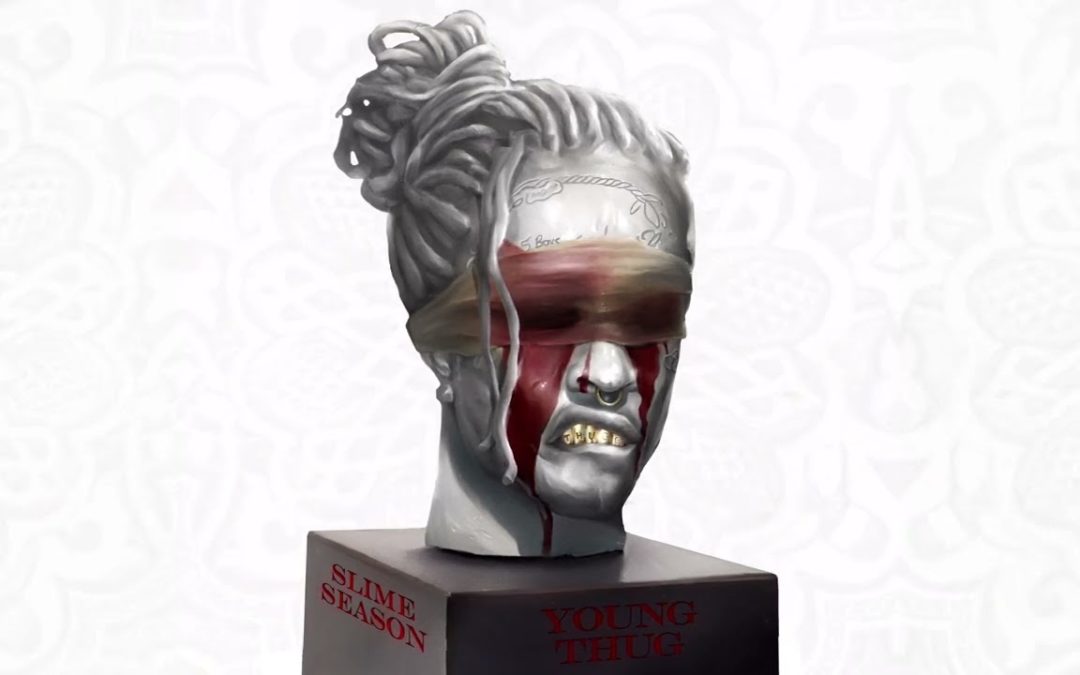
The hip-hop world is abuzz with the latest musical offering from Atlanta’s finest. Young Thug, the enigmatic rapper known for his unique style and lyrical prowess, has once again captured the attention of fans and critics alike. This time, it’s not just his music making waves, but his explanation of a particular lyric that has sparked curiosity and debate among listeners.
In a recent collaboration with Future on Lil Baby’s track “Dum, Dumb, and Dumber,” Young Thug delivered a verse that left some fans scratching their heads. The song, featured on Lil Baby’s album “WHAM,” showcases Thug’s signature flow and wordplay. However, one line in particular caught the ear of many, prompting the artist to offer some clarity on its meaning.
The verse in question sees Young Thug expressing his preferences in romantic pursuits, with a specific focus on geographical distinctions. It’s a theme that’s not uncommon in hip-hop, but Thug’s approach and subsequent explanation have added an interesting layer to the conversation surrounding the track.
As we delve deeper into the story behind this lyrical clarification, we’ll explore the context of the song, the specifics of Young Thug’s verse, and the rapper’s own words on what he truly meant. This incident serves as a reminder of the power of language in music and the importance of artists being able to explain their art in their own terms.
The Song: “Dum, Dumb, and Dumber”
“Dum, Dumb, and Dumber” is more than just a catchy title; it’s a powerhouse collaboration that brings together three of Atlanta’s most prominent rap figures. Lil Baby, the track’s primary artist, has been making significant waves in the hip-hop scene with his distinctive style and compelling narratives. The addition of Future and Young Thug to this track elevates it to a must-listen status for any hip-hop enthusiast.
The song is part of Lil Baby’s album “WHAM,” which has been generating considerable buzz in the music industry. “WHAM” showcases Lil Baby’s growth as an artist and his ability to bring together various talents to create a cohesive and impactful body of work. The inclusion of Young Thug and Future on “Dum, Dumb, and Dumber” is a testament to the collaborative spirit that often defines Atlanta’s hip-hop scene.
Musically, the track features a hard-hitting beat that serves as the perfect backdrop for the lyrical gymnastics performed by all three artists. The production is crisp and modern, with a sound that’s unmistakably rooted in the current Atlanta rap scene. It’s the kind of beat that demands attention and provides ample space for each rapper to showcase their unique flow and style.
Lyrically, each artist brings their A-game to the track. Lil Baby sets the tone with his verses, while Future adds his signature auto-tuned melodies and street-wise lyrics. However, it’s Young Thug’s verse that has become the focal point of discussions surrounding the song. His unique delivery and choice of words have once again demonstrated why he’s considered one of the most innovative voices in contemporary hip-hop.
The collaboration between these three artists on “Dum, Dumb, and Dumber” is a prime example of the synergy that can occur when top-tier talents come together. It’s a track that not only entertains but also provides plenty of material for analysis and discussion among fans and critics alike.
Young Thug’s Verse: Breaking It Down
Young Thug’s contribution to “Dum, Dumb, and Dumber” comes in the form of the song’s second verse. As is typical of Thug’s style, the verse is a whirlwind of clever wordplay, unique vocal inflections, and provocative statements. It’s a performance that showcases why Young Thug has become such a influential figure in modern hip-hop.
The verse begins with Thug making a bold declaration about his romantic preferences, stating a preference for international liaisons. This opening line sets the tone for what follows, immediately grabbing the listener’s attention and hinting at the themes that will be explored throughout the verse.
Following this initial statement, Thug delivers the line that has become the center of attention:
“These U.S. bitches kinda bad”
It’s this line that has sparked discussion and ultimately led to Thug’s clarification. The use of the word “bad” in this context is crucial to understanding the controversy and Thug’s subsequent explanation.
The verse continues with Thug painting vivid pictures of his lifestyle and experiences. He references college life, fraternity culture, and interpersonal relationships, all delivered with his characteristic flair and unconventional rhyme schemes. Each line builds upon the last, creating a narrative that’s both compelling and provocative.
One of the most striking aspects of Thug’s verse is his ability to switch between different flows and cadences. He effortlessly moves from rapid-fire delivery to more melodic passages, demonstrating the versatility that has become his trademark. This constant shifting keeps the listener engaged and adds layers of complexity to the verse.
Throughout the verse, Thug drops references that will resonate with his fan base and those familiar with his life and career. These insider nods add depth to the lyrics and reward repeated listens, as listeners unpack the various meanings and allusions contained within.
The Controversial Lyric: Context and Interpretation
The line “These U.S. bitches kinda bad” has become the focal point of discussions surrounding Young Thug’s verse on “Dum, Dumb, and Dumber.” To understand the controversy and Thug’s subsequent clarification, it’s essential to examine the context in which this line appears and the various ways it can be interpreted.
In hip-hop vernacular, the term “bad” often carries a positive connotation, particularly when used to describe someone’s appearance. It’s frequently employed as a compliment, suggesting that someone is attractive or appealing. However, the ambiguity of the term, especially when used in conjunction with potentially derogatory language, can lead to misinterpretations.
The line appears immediately after Thug expresses a preference for “overseas” romantic encounters. This juxtaposition creates a potential for the line to be read as a backhanded compliment or even a slight against women in the United States. It’s this ambiguity that likely led to the confusion among some listeners and the need for clarification from Thug himself.
Moreover, the use of the word “kinda” adds another layer of complexity to the interpretation. It could be read as a hesitant acknowledgment, potentially undermining the complimentary nature of the term “bad.” This nuance further contributes to the multiple ways the line could be understood.
It’s also worth noting that the line exists within the broader context of hip-hop’s often complex and sometimes problematic relationship with gender dynamics and the portrayal of women. This backdrop adds additional weight to how such lyrics are perceived and interpreted by listeners.
The controversy surrounding this line underscores the power of language in music and the importance of context in understanding artistic expression. It also highlights the ongoing conversations within hip-hop about representation, respect, and the responsibility of artists in shaping cultural narratives.
Young Thug’s Explanation: Clearing the Air
In response to the discussions and potential misinterpretations of his lyrics, Young Thug took the initiative to clarify the meaning behind the controversial line. His explanation provides valuable insight into his intentions and sheds light on the complexities of language and interpretation in hip-hop.
Thug emphasized that when he used the term “bad” in reference to “U.S. bitches,” he meant it in an entirely positive light. He stated unequivocally, “Not ugly girls.” This direct clarification leaves no room for ambiguity about his intentions with the lyric.
Expanding on his explanation, Thug added, “We got the prettiest girls on Earth.” This statement not only reinforces the complimentary nature of his original lyric but also elevates it, expressing a strong appreciation for the beauty of women in the United States.
By offering this clarification, Young Thug demonstrates an awareness of how his lyrics can be perceived and a willingness to engage with his audience to ensure his message is understood correctly. This level of engagement is particularly noteworthy given Thug’s often enigmatic public persona.
The rapper’s explanation also serves to contextualize the line within the broader themes of his verse and his artistic expression as a whole. It underscores the importance of not taking individual lines in isolation but considering them as part of a larger narrative and artistic vision.
Thug’s clarification highlights the nuanced nature of language in hip-hop, where words and phrases can carry multiple meanings and interpretations. It serves as a reminder of the importance of cultural context and insider knowledge in fully appreciating and understanding hip-hop lyricism.
The Power of Words in Hip-Hop
The incident surrounding Young Thug’s lyric and subsequent explanation serves as a potent reminder of the power of words in hip-hop. This genre, perhaps more than any other, places a premium on lyrical dexterity, wordplay, and the ability to convey complex ideas through clever turns of phrase.
In hip-hop, a single word or phrase can carry multiple layers of meaning. Rappers often employ double entendres, cultural references, and region-specific slang to create lyrics that reward close listening and repeated analysis. This linguistic richness is part of what makes hip-hop such a vibrant and intellectually engaging genre.
However, this same complexity can also lead to misunderstandings or misinterpretations, as evidenced by the reaction to Young Thug’s lyric. The incident highlights the importance of context in understanding hip-hop lyrics. A line that might seem straightforward on the surface can take on different meanings when considered within the broader context of the verse, the song, or even the artist’s entire body of work.
The power of words in hip-hop extends beyond just their literal meanings. The way words are delivered – the flow, the rhythm, the emphasis – all contribute to their impact and interpretation. Young Thug, known for his unique vocal style and delivery, is a prime example of an artist who uses not just the words themselves but how they’re delivered to create meaning.
Moreover, the incident underscores the responsibility that comes with this linguistic power. Artists like Young Thug, who have significant influence and reach, must be aware of how their words might be interpreted and be prepared to clarify their intentions when necessary.
The Role of Social Media in Music Discourse
The clarification of Young Thug’s lyrics and the subsequent discussions highlight the significant role that social media plays in contemporary music discourse. Platforms like Twitter, Instagram, and TikTok have become integral to how music is shared, discussed, and sometimes even created.
In the case of Young Thug’s lyric, social media provided an immediate platform for fans and critics alike to share their interpretations and reactions. This instant feedback loop allows for rapid dissemination of opinions and can quickly amplify certain perspectives or controversies.
Social media also offered Young Thug a direct channel to address his audience and clarify his intentions. This direct artist-to-fan communication is a relatively new phenomenon, enabled by the widespread adoption of social media platforms. It allows artists to shape the narrative around their work in real-time, responding to feedback and clearing up misunderstandings as they arise.
However, the speed and reach of social media can also lead to the rapid spread of misinformation or misinterpretations. A misunderstood lyric or out-of-context quote can quickly go viral, potentially damaging an artist’s reputation or distorting the intended message of their work.
The incident also demonstrates how social media has blurred the lines between public and private discourse. What might have once been a private conversation between an artist and a small group of fans can now become a public spectacle, with thousands or even millions of people weighing in.
For artists like Young Thug, navigating this landscape requires a delicate balance. They must be aware of how their words might be perceived on social media while also staying true to their artistic vision and personal expression.
The Impact on Young Thug’s Career
The attention garnered by Young Thug’s lyric clarification is likely to have both short-term and long-term impacts on his career. In the immediate aftermath, the incident has brought increased attention to “Dum, Dumb, and Dumber” and Lil Baby’s “WHAM” album as a whole. This additional publicity could potentially boost streams and sales for the track and album.
Moreover, Young Thug’s willingness to engage with his audience and clarify his intentions may well be viewed positively by many fans. It demonstrates a level of accountability and respect for his listeners that could strengthen his connection with his fan base.
In the broader context of Young Thug’s career, this incident adds another chapter to his reputation as an artist who pushes boundaries and sparks conversation. Throughout his career, Thug has been known for his unconventional approach to hip-hop, both in terms of his musical style and his public persona. This latest incident reinforces that image while also showing a more communicative side of the artist.
The clarification may also impact how Young Thug’s lyrics are interpreted in the future. Fans and critics alike may pay even closer attention to his wordplay and potential double meanings, knowing that there might be more to his lyrics than what’s immediately apparent.
From a broader industry perspective, this incident highlights Young Thug’s continued relevance and influence in the hip-hop world. Despite legal challenges and periods away from the spotlight, he remains an artist whose words and actions generate significant interest and discussion.
The Broader Conversation: Language and Respect in Hip-Hop
The discussion surrounding Young Thug’s lyric opens up a broader conversation about language use and respect in hip-hop. This genre has long grappled with issues of misogyny, objectification, and the use of potentially offensive language. Young Thug’s clarification that his lyrics were meant as a compliment rather than an insult touches on these ongoing debates.
On one hand, hip-hop is an art form that often prides itself on raw, unfiltered expression. Many artists and fans argue that the genre’s power lies in its ability to reflect real-life experiences and emotions, even when those are uncomfortable or controversial. From this perspective, policing language in hip-hop risks sanitizing the art form and diminishing its impact.
On the other hand, there’s a growing awareness of the responsibility that comes with the platform and influence that successful hip-hop artists possess. Many argue that artists should be mindful of how their words might be interpreted and the potential impact they could have on listeners, particularly young and impressionable fans.
Young Thug’s situation illustrates the complexities of this debate. While his intention was to compliment, the ambiguity of his language led to potential misinterpretations. This highlights the importance of clarity in expression, especially when dealing with sensitive topics or potentially offensive language.
The incident also raises questions about the role of context in interpreting hip-hop lyrics. Should listeners always assume the best intentions? Or do artists have a responsibility to be more explicit in their meaning to avoid misunderstandings?
The Future of Lyrical Interpretation in the Digital Age
As we move further into the digital age, incidents like Young Thug’s lyric clarification may become increasingly common. The immediacy of social media and the global reach of streaming platforms mean that songs can be disseminated, analyzed, and debated almost instantaneously upon release.
This new reality presents both challenges and opportunities for artists. On one hand, it means that their words are subject to intense scrutiny and potential misinterpretation. A single line taken out of context can quickly become a source of controversy. On the other hand, artists now have unprecedented ability to engage directly with their audience, clarifying their intentions and providing context for their work.
For fans and critics, this new landscape offers richer opportunities for engagement with music. Lyrics can be dissected in real-time, with multiple interpretations shared and debated across social media platforms. This can lead to a deeper appreciation of the artistry and complexity of hip-hop lyricism.
However, this environment also raises questions about the role of authorial intent in lyrical interpretation. Should an artist’s explanation of their lyrics be taken as the final word? Or is there value in allowing multiple interpretations to coexist?
As we move forward, it’s likely that we’ll see more artists following Young Thug’s lead in proactively addressing potential misinterpretations of their lyrics. This could lead to a more open and dialogic relationship between artists and fans, with music becoming an even more interactive and collaborative experience.
Conclusion: The Ongoing Evolution of Hip-Hop Communication
The incident surrounding Young Thug’s lyric in “Dum, Dumb, and Dumber” and his subsequent clarification serves as a microcosm of the larger trends shaping communication in hip-hop. It highlights the power of words in this genre, the impact of social media on music discourse, and the ongoing conversations about language use and respect in hip-hop.
Young Thug’s willingness to engage directly with his audience and clarify his intentions demonstrates a new level of artist-fan interaction made possible by digital platforms. This direct communication allows for greater understanding and appreciation of an artist’s work, but it also places new responsibilities on artists to be aware of how their words might be interpreted.
As hip-hop continues to evolve in the digital age, we can expect to see more instances of real-time lyrical clarification and debate. This ongoing dialogue between artists and fans is likely to shape not only how we interpret individual songs but also how we understand the role and responsibility of artists in the broader cultural conversation.
Ultimately, incidents like this serve to enrich our understanding and appreciation of hip-hop as an art form. They remind us of the complexity and nuance inherent in lyrical expression and the importance of considering context and intention in our interpretation of music. As we move forward, it’s clear that the conversation around hip-hop lyrics will continue to be as dynamic and multifaceted as the genre itself.
by Derrick T Lewis | Jan 10, 2025 | Business News, Latest |
Image credit: Rama Rafael / Shutterstock.com
The fashion and music world was set ablaze on January 7, 2025, as Kanye West, the controversial multi-hyphenate artist, took to social media with a scorching message directed at his former collaborator, Adidas. In a lengthy and impassioned post, West reasserted the dominance of his Yeezy brand while accusing the sportswear giant of underhanded tactics aimed at stifling his success. This latest outburst marks yet another chapter in the tumultuous relationship between West and Adidas, highlighting the ongoing tensions in the aftermath of their partnership’s dissolution.
As the new year unfolds, West’s return to the digital sphere has proven to be as dramatic and headline-grabbing as ever. His fiery proclamation, “It’s Yeezy over everything,” serves as both a rallying cry for his supporters and a direct challenge to Adidas, signaling his unwavering commitment to his brand’s supremacy in the face of perceived corporate oppression. This article delves deep into the intricacies of West’s latest social media storm, examining the implications for both Yeezy and Adidas, and exploring the broader context of their fractured relationship.
The Catalyst: West’s Accusations Against Adidas
At the heart of West’s recent tirade lies a series of serious allegations against Adidas, painting a picture of a David versus Goliath struggle in the cutthroat world of fashion and e-commerce. The rapper-turned-designer didn’t mince words as he laid bare his grievances, accusing the German sportswear behemoth of employing underhanded tactics to undermine the Yeezy brand’s online presence.
Search Engine Manipulation Claims
One of the most striking accusations leveled by West centers around alleged search engine manipulation. The artist claims that when users search for “Yeezy.com,” Adidas’s website appears before the official Yeezy site in search results. This allegation, if true, could have significant implications for Yeezy’s online visibility and, by extension, its sales and brand recognition.
West’s frustration is palpable as he directly addresses Adidas employees, demanding an end to what he perceives as deliberate attempts to hinder his business. “Members at Adidas, stop doing this. Stop doing your moves to hold me back,” he wrote, highlighting the urgency and seriousness with which he views this issue.
Financial Freeze and Oppression
Beyond the realm of digital marketing, West’s accusations extend to more tangible forms of alleged corporate strong-arming. He claims that Adidas, a “$60 billion company,” froze his accounts, potentially referring to financial holdings related to their past collaboration. This accusation paints a picture of a David and Goliath scenario, with West positioning himself as the underdog fighting against a corporate giant’s attempts at financial oppression.
The artist’s choice of words is particularly telling, as he declares, “Now, I’m back on my feet (no pun intended) and I’m not going to stand for this (no pun again).” This wordplay, while maintaining West’s characteristic flair for dramatic communication, underscores the seriousness with which he views these alleged actions by Adidas.
Design Theft and Creative Oppression
Perhaps most damaging to the legacy of the Adidas-Yeezy partnership are West’s accusations of design theft and creative oppression. The artist claims to have had “major issues with Adidas because of design theft and oppression” even before the infamous tweet that led to the partnership’s dissolution. This allegation strikes at the heart of the collaborative nature of their past relationship, suggesting a long-standing tension over creative control and intellectual property.
West’s assertion that he “did phenomenal work” for Adidas, only to be met with attempts at intimidation and oppression when he stood up for himself, paints a picture of a creatively stifling environment. These claims, if substantiated, could have far-reaching implications for how future collaborations between artists and major corporations are structured and managed.
The Yeezy Empire Strikes Back
In the face of these perceived threats and obstacles, West’s message is clear: Yeezy is not just surviving, but thriving. His declaration of “It’s Yeezy over everything” serves as both a battle cry and a statement of intent, signaling his determination to elevate his brand above all competitors, including his former partner.
Financial Success and Independence
West doesn’t shy away from boasting about Yeezy’s financial success, claiming that Yeezy.com generated $100 million in just six months during 2024. This impressive figure, if accurate, would underscore the brand’s resilience and appeal even in the absence of Adidas’s backing. It’s a clear message to both consumers and competitors: Yeezy is a force to be reckoned with, with or without corporate partnerships.
Affordability as a Competitive Edge
One of the most intriguing aspects of West’s strategy moving forward is his focus on affordability. He highlights the competitive pricing of Yeezy products, particularly in comparison to luxury fashion brands. The artist claims that “The Yeezy $20 price is burning the game to the ground, leaving only Yeezy left.” This bold statement suggests a strategy aimed at disrupting the fashion industry by offering high-quality, desirable products at accessible price points.
This approach could potentially revolutionize the streetwear and fashion landscape, challenging the notion that desirability must come with a hefty price tag. By positioning Yeezy as both aspirational and attainable, West seems to be aiming for a broader market share while maintaining the brand’s cult status.
Future Plans and Innovation
West’s message wasn’t just about airing grievances or celebrating past successes; it also offered a glimpse into the future of Yeezy. The artist revealed that he’s been working on “10 other styles for the past two years,” hinting at a pipeline of innovative designs ready to hit the market. This disclosure serves multiple purposes: it reassures fans of continued creativity, warns competitors of impending competition, and signals to the industry at large that Yeezy’s innovation engine is far from stalling.
The emphasis on future plans and ongoing innovation is crucial in maintaining Yeezy’s position at the forefront of fashion and culture. By teasing new styles and continued development, West is effectively building anticipation and ensuring that the conversation around Yeezy remains forward-looking, despite the ongoing drama with Adidas.
The Adidas-Yeezy Saga: A Retrospective
To fully understand the weight of West’s recent declarations, it’s essential to look back at the history of the Adidas-Yeezy partnership and its eventual dissolution. This collaboration, which began in 2013, was one of the most successful and high-profile partnerships in the fashion industry, revolutionizing the sneaker market and bridging the gap between high fashion and streetwear.
The Rise of Yeezy
The Adidas-Yeezy collaboration catapulted both entities to new heights in the fashion world. Yeezy sneakers became instant classics, with releases causing frenzied excitement among fans and resellers alike. The partnership allowed West to realize his vision of creating accessible, high-quality footwear and apparel, while Adidas benefited from the cultural cachet and design innovation that West brought to the table.
Key milestones in the Adidas-Yeezy partnership included:
- The release of the Yeezy Boost 750 in 2015, which sold out in minutes
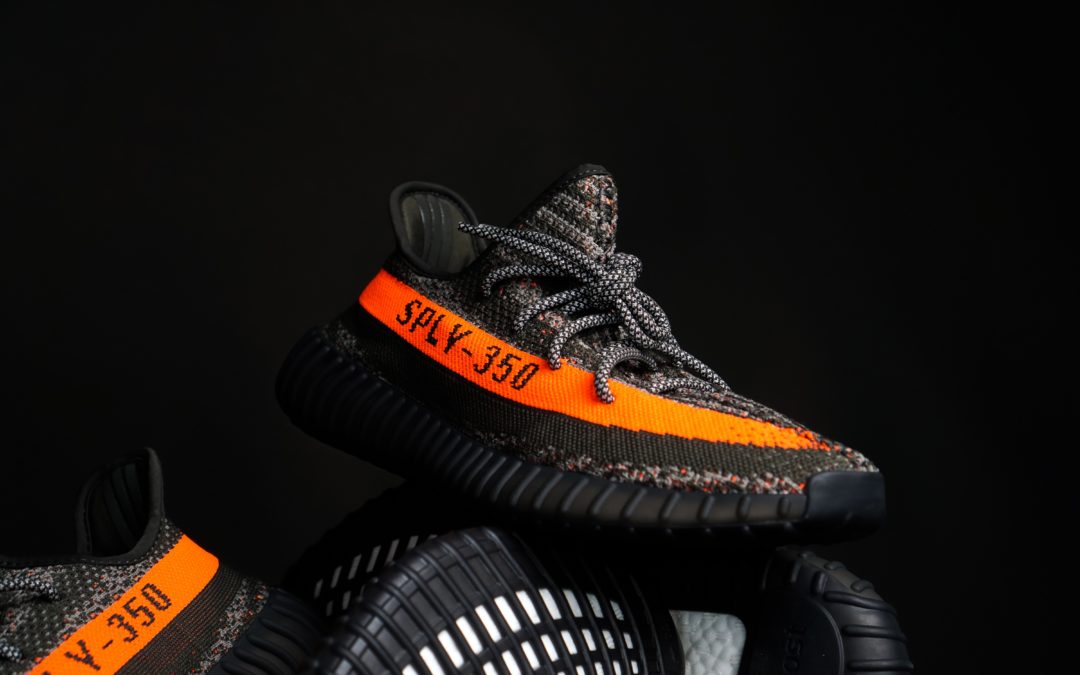
- The introduction of the iconic Yeezy Boost 350 series
- Expansion into apparel and accessories under the Yeezy brand
- Collaborations with high-profile artists and designers within the Yeezy ecosystem
The Breakdown of Relations
Despite its immense success, the partnership between Adidas and West was not without its challenges. Creative differences, disputes over control, and West’s often controversial public statements created tension between the artist and the corporation. The relationship reached a breaking point in 2022 when Adidas terminated the partnership following a series of antisemitic remarks made by West.
The fallout from this separation was significant:
- Adidas faced a substantial financial hit, with Yeezy products accounting for a significant portion of its profits
- West lost his billionaire status as the Yeezy brand valuation plummeted
- Legal disputes arose over intellectual property and remaining inventory
The Aftermath and Rebuilding
In the wake of the partnership’s dissolution, both Adidas and West faced the challenge of charting new paths forward. Adidas grappled with how to handle existing Yeezy inventory and fill the revenue gap left by the collaboration’s end. Meanwhile, West set about rebuilding the Yeezy brand independently, facing the daunting task of maintaining its relevance and desirability without the backing of a major sportswear company.
This period of rebuilding and redefining is crucial context for understanding West’s recent outburst. His claims of financial success and continued innovation can be seen as attempts to reassure supporters and investors that Yeezy remains viable and vibrant, even in its post-Adidas era.
The Broader Implications for the Fashion Industry
West’s fiery message to Adidas and his bold claims about Yeezy’s future have implications that extend far beyond just these two entities. They touch on several key issues facing the fashion industry as a whole, from the power dynamics between artists and corporations to the changing landscape of e-commerce and brand building.
Artist-Corporate Collaborations
The Adidas-Yeezy saga raises important questions about the nature of collaborations between individual artists and large corporations. While such partnerships can lead to groundbreaking products and mutually beneficial outcomes, they also come with inherent risks and potential for conflict.
Key considerations for future collaborations include:
- Balancing creative control between artists and corporate entities
- Protecting intellectual property in collaborative environments
- Managing public relations challenges when working with controversial figures
- Structuring deals to ensure fair compensation and recognition for all parties
The Power of Personal Brands
West’s confidence in Yeezy’s ability to thrive independently underscores the growing power of personal brands in the fashion industry. In an era where individual influencers and celebrities can rival traditional companies in terms of market influence, the dynamics of brand building and marketing are rapidly evolving.
Factors contributing to the rise of personal brands include:
- Direct-to-consumer sales channels enabled by social media and e-commerce platforms
- The ability to cultivate and engage with a loyal fan base
- Flexibility to pivot and innovate without corporate bureaucracy
- Authentic storytelling and personal connection with consumers
Disruption Through Pricing Strategy
West’s emphasis on Yeezy’s affordable pricing strategy highlights a potential shift in the luxury and streetwear markets. By offering desirable products at more accessible price points, Yeezy could be positioning itself to disrupt traditional notions of exclusivity and value in fashion.
Potential impacts of this strategy include:
- Pressure on luxury brands to justify high price points
- Increased competition in the mid-range fashion market
- Shifts in consumer expectations regarding price and quality
- Potential for broader democratization of fashion trends
The Role of Social Media in Brand Warfare
West’s choice to air his grievances and make bold declarations via social media is emblematic of how brand conflicts and corporate disputes are increasingly playing out in the public eye. This approach has both advantages and risks for all parties involved.
Advantages of Social Media Communication
- Direct communication with fans and consumers
- Ability to control the narrative without media intermediaries
- Rapid dissemination of information and brand messaging
- Potential for viral spread and increased visibility
Risks and Challenges
- Potential for misinterpretation or escalation of conflicts
- Difficulty in maintaining professionalism and brand image
- Legal and reputational risks from unfiltered communication
- The challenge of backing up claims made in the heat of the moment
Legal and Ethical Considerations
West’s accusations against Adidas, particularly those regarding search engine manipulation and financial freezing, raise significant legal and ethical questions. While the truth behind these claims remains to be seen, they highlight important issues in the realms of fair competition, digital marketing ethics, and corporate responsibility.
Potential Legal Issues
- Antitrust concerns if search manipulation claims are substantiated
- Contractual disputes over post-partnership obligations and restrictions
- Intellectual property rights over designs and branding elements
- Defamation risks for both parties in public statements
Ethical Considerations
- The ethics of using market dominance to suppress competition
- Transparency in digital marketing and search engine optimization practices
- Balancing corporate interests with fair treatment of former partners
- The responsibility of platforms in mediating brand conflicts
The Future of Yeezy: Challenges and Opportunities
As West charts a new course for Yeezy in the post-Adidas era, the brand faces both significant challenges and exciting opportunities. The path forward will require navigating a complex landscape of consumer expectations, market competition, and the ever-present shadow of the Adidas collaboration.
Challenges
- Maintaining product quality and innovation without Adidas’s resources
- Rebuilding supply chains and distribution networks
- Competing with established sportswear giants and luxury brands
- Managing public perception and brand image in light of past controversies
Opportunities
- Greater creative freedom and control over brand direction
- Potential for more agile response to market trends
- Exploration of new product categories and collaborations
- Direct engagement with consumers through owned channels
Consumer Reaction and Market Response
The fashion and sneaker communities’ response to West’s declarations and Yeezy’s independent direction will be crucial in determining the brand’s future success. Initial reactions have been mixed, with some fans expressing unwavering support for West and Yeezy, while others remain skeptical about the brand’s ability to maintain its cachet without Adidas’s backing.
Key factors influencing consumer sentiment include:
- Product quality and availability under the new independent model
- Pricing strategy and accessibility of Yeezy products
- West’s public persona and its impact on brand perception
- Nostalgia for the Adidas-Yeezy era versus excitement for new directions
Conclusion: The Road Ahead for Yeezy and the Fashion Industry
Kanye West’s bold declaration of “It’s Yeezy over everything” marks a pivotal moment not just for the Yeezy brand, but for the fashion industry as a whole. As the dust settles on the Adidas-Yeezy partnership, all eyes will be on West and his team to see if they can deliver on the promises of innovation, affordability, and market dominance.
The coming months and years will likely bring further developments in this ongoing saga, potentially reshaping the landscape of celebrity-driven fashion brands and corporate collaborations. Whether Yeezy can truly stand alone at the top of the fashion world remains to be seen, but one thing is certain: Kanye West’s vision and determination continue to be forces to be reckoned with in the industry.
As consumers, competitors, and industry observers watch this story unfold, the broader implications for fashion, branding, and e-commerce will continue to emerge. The Yeezy brand’s journey forward may well serve as a case study in the power of personal brands, the challenges of corporate partnerships, and the ever-evolving nature of the global fashion marketplace.
by Jonathan P-Wright | Jan 10, 2025 | Latest, Music News, New Music Alert |
Image credit: Daniel L. Locke / Shutterstock.com
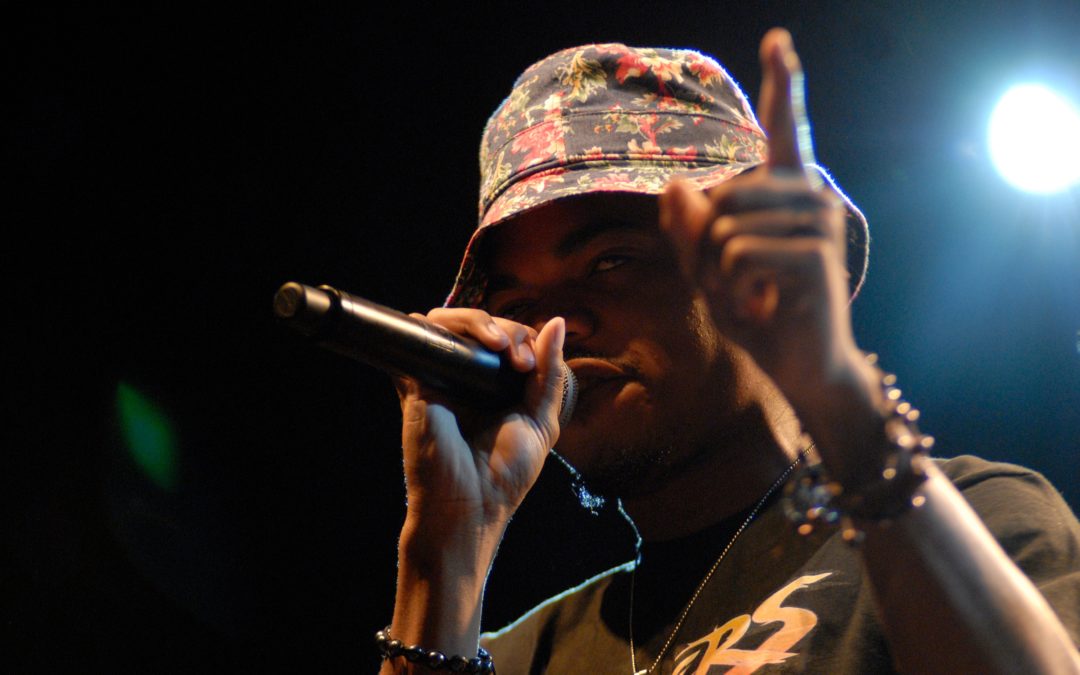
In the world of hip-hop and R&B, few artists have made as significant an impact in recent years as Chance the Rapper. Known for his unique style, positive messages, and independent approach to the music industry, Chance has become a beloved figure in the entertainment world. However, recent news has shifted the focus from his musical endeavors to his personal life, as reports emerge of his impending divorce from wife Kirsten Corley.
The news of Chance the Rapper’s marital dissolution has sent ripples through the music community and beyond. As fans and observers alike grapple with this unexpected development, it’s worth taking a closer look at the couple’s journey, the circumstances surrounding their separation, and the potential implications for both their personal lives and Chance’s career.
The Beginning of a Love Story
Chance the Rapper, born Chancelor Jonathan Bennett, first met Kirsten Corley when they were both children. Their paths crossed at a tender age of nine during an office party hosted by Chance’s mother. Little did they know that this chance encounter would set the stage for a relationship that would blossom years later.
As they grew older, Chance and Kirsten’s connection deepened, eventually leading to a romantic relationship. Their love story captured the hearts of fans, with many admiring the couple’s apparent devotion to each other and their growing family.
A Fairytale Wedding
The couple’s relationship reached a pinnacle when they tied the knot in a beautiful ceremony in 2019. The wedding was a star-studded affair, attended by close friends, family, and notable figures from the entertainment industry. Images from the event showcased a radiant bride and a beaming groom, seemingly ready to embark on a lifetime of happiness together.
Building a Family
Prior to their marriage, Chance and Kirsten had already welcomed their first daughter, Kensli, into the world. The couple’s family grew further with the birth of their second daughter, Marli, shortly after their wedding. Chance often spoke lovingly about his role as a father and husband, integrating these aspects of his life into his music and public persona.
Signs of Trouble in Paradise
Despite the outward appearance of marital bliss, hints of trouble began to surface in the couple’s relationship. As with many high-profile marriages, Chance and Kirsten’s union faced its share of challenges and public scrutiny.
The Carnival Incident
One particularly notable incident occurred during Chance’s visit to Jamaica’s Carnival. A video surfaced showing the rapper dancing with a woman who was not his wife, including a moment where he appeared to smack her buttocks. This footage quickly went viral, sparking widespread discussion and speculation about the state of his marriage.
Kirsten’s Cryptic Post
In the wake of the Carnival video, Kirsten took to social media with a cryptic post. She shared a passage from Maya Angelou about individuals who “don’t grow up,” which many interpreted as a veiled reference to her husband’s behavior. This public display of apparent discontent fueled further rumors about the couple’s relationship status.
Attempts at Reconciliation
Despite the public controversy, reports soon emerged suggesting that the couple had managed to work through their issues. Sources close to Chance and Kirsten claimed that they were “all good,” implying that they had overcome the challenges posed by the Carnival incident and its aftermath.
The Announcement of Separation
In a surprising turn of events, Chance and Kirsten announced their separation in April, just months before their fifth wedding anniversary. The couple released a joint statement on their respective Instagram Stories, addressing their decision to part ways.
A United Front in Co-Parenting
In their announcement, Chance and Kirsten emphasized their commitment to co-parenting their two daughters, Kensli and Marli. They expressed gratitude for the time they had spent together and requested privacy as they navigated this significant life transition.
Reflections on Marriage
Prior to the separation announcement, Kirsten had shared insights into the realities of married life. In a since-deleted Instagram post from 2020, she described marriage as “difficult,” acknowledging the challenges that come with building a life together. Her candid reflections offered a glimpse into the complexities of their relationship, foreshadowing the struggles that would ultimately lead to their separation.
The Filing of Divorce Papers
The final chapter in Chance and Kirsten’s marital journey began on December 13, when Kirsten officially filed for divorce. This legal action came just months after the couple’s public announcement of separation, signaling the end of their five-year marriage.
Legal Proceedings and Privacy Concerns
As with many high-profile divorces, the legal proceedings between Chance and Kirsten are likely to attract significant attention. However, both parties have expressed a desire for privacy during this challenging time, particularly for the sake of their young daughters.
Custody Arrangements and Co-Parenting Plans
One of the primary concerns in any divorce involving children is the establishment of custody arrangements. Chance and Kirsten have consistently emphasized their commitment to co-parenting, suggesting that they will work together to ensure the well-being of their daughters despite the end of their marriage.
Impact on Chance’s Career and Public Image
As news of the divorce spreads, questions naturally arise about how this personal development might affect Chance the Rapper’s career and public image. Known for his positive messaging and family-oriented lyrics, the dissolution of his marriage could potentially influence his artistic direction and fan perception.
Potential for New Musical Inspiration
Many artists draw from personal experiences when creating their work, and Chance’s divorce may serve as a source of inspiration for future music. Fans and critics alike will be watching closely to see how this life change might be reflected in his upcoming projects.
Maintaining a Positive Public Persona
Throughout his career, Chance has cultivated an image as a devoted family man and positive role model. As he navigates this public divorce, he may face challenges in maintaining this persona while also being honest about his personal struggles.
Lessons from Celebrity Marriages
The end of Chance and Kirsten’s marriage serves as a reminder of the unique pressures faced by celebrity couples. Their story offers several insights into the challenges of maintaining a relationship in the public eye.
The Importance of Privacy
Despite their high-profile status, Chance and Kirsten have consistently emphasized their desire for privacy, especially concerning their children. This approach highlights the importance of maintaining personal boundaries, even in the face of public interest.
Navigating Public Scrutiny
The incident at Jamaica’s Carnival and its aftermath demonstrate the intense scrutiny faced by celebrity couples. Every action and social media post can be subject to interpretation and speculation, adding extra strain to already complex relationships.
The Reality Behind the Image
Kirsten’s candid reflections on the difficulties of marriage serve as a reminder that even seemingly perfect celebrity relationships face real-world challenges. Her honesty offers a valuable perspective on the work required to maintain a long-term partnership.
Support Systems and Coping Mechanisms
As Chance and Kirsten move forward with their divorce, the importance of strong support systems becomes increasingly apparent. Both individuals will likely rely on friends, family, and professional resources to navigate this challenging period.
Prioritizing Mental Health
Divorce can take a significant toll on mental health. It’s crucial for both Chance and Kirsten to prioritize their emotional well-being, not only for themselves but also for the sake of their children.
Professional Support
Many celebrities turn to therapists, counselors, or life coaches during major life transitions. Seeking professional support can provide valuable tools for coping with the emotional and practical challenges of divorce.
Focusing on Co-Parenting
By maintaining their commitment to co-parenting, Chance and Kirsten demonstrate a mature approach to their separation. This focus on their children’s well-being can serve as a stabilizing factor during an otherwise tumultuous time.
The Future for Chance and Kirsten
As Chance the Rapper and Kirsten Corley embark on separate paths, questions naturally arise about what the future holds for each of them. While the end of their marriage marks a significant change, it also opens up new possibilities for personal growth and development.
Career Trajectories
For Chance, the divorce may influence his musical output and public appearances. Fans will be eager to see how this life change is reflected in his art and whether it leads to new creative directions.
Kirsten, who has maintained a relatively low public profile, may choose to pursue her own projects or continue to focus on raising their daughters away from the spotlight.
Personal Growth and New Beginnings
Divorce, while challenging, can also be a catalyst for personal growth. Both Chance and Kirsten may find new opportunities for self-discovery and development as they adjust to life as co-parents rather than spouses.
Maintaining Relationships with Fans and Supporters
As public figures, particularly Chance, maintaining positive relationships with fans will be crucial. How they navigate this transition in the public eye could significantly impact their support base and future endeavors.
Conclusion: A New Chapter Begins
The end of Chance the Rapper and Kirsten Corley’s marriage marks the conclusion of a chapter in their lives that began with a childhood meeting and culminated in a high-profile union. As they move forward, their story serves as a reminder of the complexities of love, marriage, and family life, especially under the glare of public scrutiny.
While fans may feel a sense of loss at the end of this relationship, it’s important to respect the couple’s privacy and decision. Their commitment to co-parenting and amicable separation sets a positive example for others facing similar challenges.
As Chance the Rapper continues his musical journey and both he and Kirsten embark on new personal paths, their story will undoubtedly continue to evolve. The lessons learned from their relationship and its conclusion will likely inform not only their own lives but also provide insights for others navigating the complex waters of love, fame, and family.
In the end, while the music may change and relationships may transform, the hope remains that both Chance and Kirsten will find happiness and fulfillment in their new chapters, both as individuals and as co-parents to their beloved daughters.

RECENT COMMENTS