In a major career leap that underscores her skyrocketing international presence, Nigerian Afropop sensation Ayra Starr has inked a management deal with Roc Nation, the global entertainment powerhouse founded by iconic rapper and entrepreneur Jay-Z.
This strategic partnership comes on the heels of a remarkable year for the 21-year-old singer, who has been rapidly ascending through the ranks of global music stardom. Roc Nation’s move to bring her into its exclusive artist roster is seen by many in the industry as a definitive nod to Starr’s surging influence—not just in Africa, but across the world.
A Partnership Sealed in Momentum
While the news was formally confirmed only recently, industry watchers had already begun speculating about a potential Roc Nation collaboration weeks earlier. When the label publicly congratulated Ayra Starr on her recent BET Award win—her first—many fans and insiders interpreted the gesture as more than a passing compliment. It was a subtle foreshadowing of something much bigger.
Fast forward a few weeks, and the dots have connected. Ayra Starr, still signed under Mavin Records—the influential Nigerian label led by veteran producer Don Jazzy—will now be represented internationally by Roc Nation. She also remains under the umbrella of Universal Music Group (UMG), through Mavin’s global distribution deal. This layered arrangement effectively creates a powerhouse of industry veterans and strategists working behind the scenes to elevate her career.
Why Roc Nation? Why Now?
Founded in 2008, Roc Nation isn’t just another label. It’s a full-service entertainment agency that manages top-tier artists like Rihanna, J. Cole, Shakira, and Megan Thee Stallion, offering not only music production and promotion but also film, sports, and cultural influence strategies. With its deep roots in the American entertainment ecosystem, Roc Nation provides a gateway into one of the most competitive music markets in the world.
For Ayra Starr, whose appeal transcends Afrobeats and leans into global pop, fashion, and Gen Z zeitgeist, Roc Nation offers the perfect machinery to transition from a rising African star into an international pop icon.
“This is more than just management,” says Nigerian music journalist and Afrobeats Intelligence host Joey Akan. “It’s a calculated step to position her in a league that very few African female artists have accessed. Roc Nation isn’t just working with talent—they execute global careers.”
Balancing Loyalty with Ambition
Despite signing with Roc Nation, Ayra Starr has not severed ties with the team that first discovered her. She continues to be a core artist under Mavin Records, which played a critical role in shaping her artistic identity. Discovered by Don Jazzy in 2021, she broke onto the scene with her self-titled EP and the viral single “Away,” quickly becoming one of the faces of Nigeria’s Gen Z music movement.
This new arrangement reflects a modern approach to artist development—collaborative and international in scope. By leveraging the infrastructure of Mavin in Nigeria, UMG globally, and now Roc Nation in the U.S., Ayra Starr is supported on multiple fronts as she navigates increasingly demanding creative and commercial opportunities.
“This isn’t a split from Mavin or Universal,” Akan adds. “It’s an expansion of her team. With Roc Nation involved, she now has localized support in the U.S.—arguably the most competitive music market in the world—with the resources and insight to break her in properly.”
A Career Already on the Fast Trac
Even before this announcement, 2024 has been a landmark year for Ayra Starr. Fresh off her BET Award and MOBO Award wins, she’s currently on a stadium tour with Coldplay, performing in front of tens of thousands across Europe and North America. This exposure is not just a badge of honor—it’s a crucial visibility play in markets that many Afrobeats artists spend years trying to break into.
She’s also making her acting debut in the upcoming film adaptation of “Children of Blood and Bone,” a highly anticipated fantasy epic based on the bestselling novel by Tomi Adeyemi. The film has already generated considerable buzz for its Black-centered mythology and Hollywood production value, and Ayra’s involvement signals her ambition to transcend music and build a multi-faceted global brand.
Moreover, her upcoming single “Hot Body”, which she teased just days before the Roc Nation announcement, is expected to be her first major release under the management of her new team. If successful, it could mark a new era in her sound and visual storytelling—one that is likely to target a broader global pop audience.
The ‘IT Girl’ of Afrobeats
Ayra Starr is not just another singer in the Afrobeats boom—she is a stylistic trailblazer. With her genre-bending sound that mixes Afropop, R&B, soul, and global pop, she has cultivated a distinct identity: fiercely confident, fashion-forward, and unapologetically young. Her fashion choices, music videos, and interviews resonate with a generation that wants more than just hits—they want icons.
Her 2023 album “19 & Dangerous” featured hits like “Rush”, which not only topped African charts but made waves on global streaming platforms, further cementing her reputation as a future-facing artist.
“She’s the ‘IT’ girl,” says Akan. “Not just for Nigeria, but for the global youth culture. She’s bold, genre-fluid, unfiltered, and highly marketable. Roc Nation sees that potential and is betting on it.”
A Big Win for African Pop
While Ayra Starr’s move is monumental for her career, it also signals broader shifts in the global perception of African artists—particularly women. In an industry historically dominated by Western acts and male voices, her signing reflects a growing hunger for fresh perspectives from the Global South.
Jay-Z’s Roc Nation aligning with a Nigerian Gen Z female artist isn’t just a business move—it’s a cultural endorsement.
More than ever, Afrobeats is being treated not as a regional genre but as a global soundscape, with artists like Burna Boy, Wizkid, Tems, and Rema leading the charge. Ayra Starr’s Roc Nation signing adds to that list—but from a fresh, female-led perspective.
Looking Ahead: What This Means for Ayra Starr’s Future
With Roc Nation in her corner, Ayra Starr is now poised to take bolder creative risks and tap into high-level collaborations across music, fashion, and film. Whether that means working with American producers, appearing in brand campaigns, or featuring in Hollywood soundtracks, the resources and connections are now there.
There’s also anticipation around how Roc Nation might position her visually and sonically. Will she maintain her raw, Afrocentric aesthetic? Or evolve into a more globally hybrid artist, like Rihanna or Doja Cat? Time will tell—but with a label known for nurturing multidimensional careers, fans can expect an elevated era of Ayra Starr.
A Sign of Things to Com
Ayra Starr’s journey is emblematic of a wider movement. Africa is no longer a talent pool waiting to be tapped—it’s a thriving creative ecosystem exporting world-class stars. And with structures like Mavin, UMG, and Roc Nation collaborating, the blueprint is evolving from mere talent discovery to global domination.
Her new single Hot Body—dropping soon—is more than just a song. It’s the first test of this new chapter, backed by one of the most influential music companies in the world.
For fans, for Nigeria, and for the global music community, the message is clear: Ayra Starr is not just coming—she’s arrived.
Microsoft, one of the most influential players in the global tech landscape, has announced it will be laying off approximately 9,000 employees, a figure that represents less than four percent of its global workforce. This decision, first reported by CNBC, comes at a time when the company is continuing to post strong financial results. In its most recent quarterly earnings report, Microsoft reported an 18 percent year-over-year increase in net income, which brought the total to $25.8 billion. Despite this financial strength, the company is proceeding with a strategic reduction in its employee count—a move that has raised both concern and curiosity across the tech industry.
The decision to reduce headcount is not an isolated action, nor is it the first time the company has done so in 2025. Microsoft has already undergone several rounds of layoffs earlier in the year, signaling that this is part of a larger, deliberate restructuring effort. According to company insiders and industry analysts, these changes are being driven by a need to simplify the organizational hierarchy, reduce unnecessary layers of management, and reallocate resources toward areas with higher growth potential and future impact.
While the news of layoffs is always difficult for the individuals affected, the reasoning behind Microsoft’s decision appears to be rooted in a long-term strategic vision rather than any immediate financial strain. In fact, Microsoft’s continued profitability makes this move all the more noteworthy. It suggests that the company is not reacting to crisis but rather proactively adapting to new operational demands and economic realities. It reflects a broader trend within the tech sector: even thriving giants are now rethinking how they are structured, how they manage talent, and how they sustain innovation in a more volatile global economy.
The early years of the 2020s, particularly during the COVID-19 pandemic, saw explosive growth in the tech sector. Companies rapidly expanded their teams to keep up with the surge in digital transformation, remote work, and cloud adoption. But as the world gradually emerged from the pandemic and macroeconomic conditions became more unpredictable, the industry’s mindset began to shift. The focus moved from aggressive hiring and expansion to efficiency, consolidation, and strategic clarity. For Microsoft, this change in mindset meant critically evaluating how the company operates, communicates, and delivers value across its vast and diverse business units.
Like many of its counterparts—Amazon, Meta, Google, and Salesforce among them—Microsoft is responding to these changing times by taking a hard look at its organizational model. The reduction in staff, while painful for those directly impacted, is aimed at trimming internal complexity. The company believes that too many layers of management can slow down decision-making, create bottlenecks in execution, and ultimately dilute the speed and agility needed to innovate. Streamlining operations, in Microsoft’s view, is essential not just to remain competitive, but to lead the next wave of technological advancement.
CEO Satya Nadella has been a strong advocate for fostering a “growth mindset” within the company—one that embraces change, learns quickly, and adapts rapidly to shifting market demands. Under his leadership, Microsoft has not only revitalized its brand but has also become more aggressive in seizing new opportunities. The layoffs, when viewed through this lens, are not about downsizing for the sake of cost-cutting, but rather about refining the internal engine that drives Microsoft’s innovation and market leadership.
At the same time as it reduces its workforce in certain areas, Microsoft is doubling down on key strategic priorities that it believes will define the next era of technology. One of the most prominent among these is artificial intelligence. Through its high-profile partnership with OpenAI, Microsoft is embedding AI across its product ecosystem—from integrating AI features in Microsoft Office to transforming how developers use the Azure cloud platform. The company sees AI not as a trend, but as a fundamental shift in how software is created, delivered, and consumed.
Cloud computing is another area where Microsoft continues to invest heavily. Azure, its flagship cloud platform, remains a cornerstone of the company’s growth strategy. With businesses increasingly moving their operations to the cloud, demand for Azure’s services—spanning AI, security, storage, and analytics—remains high. Microsoft’s ability to serve these enterprises at scale is a competitive advantage, and the company is committed to enhancing that edge.
Microsoft is also pushing forward in the gaming and entertainment space. The company’s acquisition of Activision Blizzard, though still subject to regulatory approval in some regions, is a bold move that reflects its ambitions to shape the future of interactive media. If completed, this acquisition would mark one of the largest in tech history and position Microsoft as a dominant force not just in consoles, but in mobile gaming, streaming, and virtual experiences.
Taken together, these moves show that Microsoft is not retreating from the future—it is repositioning itself for it. The layoffs, while significant in number, represent a reallocation of energy, capital, and talent. The company is shedding what it sees as excess baggage in order to become more focused, more agile, and more strategically aligned with its future goals.
Still, the impact on employees cannot be ignored. Job loss is more than a statistic—it is a deeply personal event that affects individuals, families, and communities. Microsoft has stated that it will provide support for those affected, including severance pay, job placement services, and continued health benefits for a limited period. Yet, the emotional and psychological toll of such disruptions often lingers beyond the logistics of transition. For employees who had been a part of Microsoft’s journey—some for years, others perhaps just beginning their careers—the experience is undeniably difficult.
Inside the company, morale and internal communication will play a crucial role in the coming months. Even those who remain may feel a sense of uncertainty or survivor’s guilt. Leadership must work hard to reinforce a sense of purpose, stability, and direction. Clarity around the company’s vision, transparency about why these changes are being made, and active efforts to engage and motivate remaining employees will be key to maintaining a healthy and productive culture.
From an investor’s perspective, Microsoft’s move may be interpreted as a responsible and forward-thinking adjustment. The company is clearly not in financial distress, which makes its decision all the more calculated. The stock market often rewards companies that demonstrate operational discipline and a willingness to evolve before problems emerge. In that sense, Microsoft may be reinforcing its reputation as a company that doesn’t just react to trends—it shapes them.
The broader message here is that we are witnessing a fundamental transformation in how large tech companies think about growth. No longer is success measured by how many people you employ or how many departments you can build. Today, success is increasingly defined by focus, clarity, speed, and strategic vision. Microsoft’s layoffs are a reflection of this new reality.
In the coming years, the ability to adapt will likely determine which companies thrive and which fall behind. Microsoft seems to understand this. It is shedding layers, tightening its focus, and aligning its resources around the technologies and markets that will matter most in the next decade.
While painful in the short term, this realignment could ultimately strengthen Microsoft’s ability to compete, innovate, and lead in a world where the pace of change shows no sign of slowing. And for others in the tech world, the message is clear: evolution is no longer optional—it is essential.
On Monday, the Dow Jones Industrial Average saw dramatic swings, ending the day down 349 points after a day filled with volatile trading. The turbulence in the markets was sparked by mixed messages surrounding President Trump’s tariffs, which caused confusion and prompted sharp reversals between moments of gains and losses.
The trading session was one for the record books, as the Dow experienced its largest intraday point swing ever. At its worst, the index fell over 1,700 points before rebounding by more than 2,500 points from the low, ending the day down by 349 points, or 0.91%.
Meanwhile, the S&P 500 finished down 0.23%, but it too saw a drastic 8.5% range in its high and low points, a fluctuation that has only occurred 20 other times since 1962. At one point, the S&P 500 even entered bear market territory before settling near 18% off its recent peak. The volatility reflected deep investor uncertainty surrounding the ongoing trade dispute between the U.S. and China.
Market Sentiment Shifts With Mixed Signals from the White House
The markets opened sharply lower on Monday as fears about escalating trade tensions between the U.S. and China took hold. But the mood briefly brightened after President Trump posted a message on social media suggesting that the U.S. was open to negotiating tariff terms.
“Countries all over the world are talking to us,” Trump wrote on his Truth Social platform. “Tough but fair parameters are being set.” His comments sparked a momentary rally, as investors hoped for a resolution in the ongoing trade war.
However, any optimism was quickly dashed when Trump escalated his rhetoric. Shortly after his initial message, the president threatened to impose an additional 50% tariff on Chinese goods unless China backed down from retaliatory tariffs it had recently imposed on U.S. products. With the U.S. tariffs already set at 34%, the prospect of a 50% tariff would push total U.S. tariffs on Chinese imports to a staggering 104%.
A Market in Flux: Reacting to Tariff Twists
As the news from the White House shifted once more, market sentiment once again turned negative. The early optimism that had sent stocks higher vanished as Trump’s renewed hardline stance on tariffs injected more uncertainty into the market. Investors, caught between the hopes for a trade deal and the reality of heightened tensions, saw their initial gains evaporate.
The day’s wild swings in stock prices highlighted just how reactive the markets are to shifts in U.S. trade policy. As Bret Kenwell, an investment analyst at eToro, pointed out, the level of volatility can be attributed to “immense uncertainty.” Investors are clearly uncertain about the next move in the ongoing trade war and how long it will last.
Tariff Tensions Take a Toll on U.S. Growth and Inflation
The implications of the tariff dispute go beyond the stock market. Analysts are concerned that prolonged tariffs could slow down U.S. economic growth and drive up inflation. Ivan Feinseth, a financial analyst at Tigress Financial, highlighted how the situation could harm both the economy and the Federal Reserve’s ability to manage interest rates.
“The tariffs could slow growth, increase inflation, and put the Federal Reserve on hold,” Feinseth explained. With higher tariffs, businesses would face increased costs, which they would likely pass onto consumers, leading to higher prices across the economy. The Federal Reserve, which has been raising interest rates to control inflation, might find itself in a difficult position if inflation continues to rise as a result of these trade policies.
The threat of higher costs has already prompted some companies to reconsider their investments, and a prolonged trade war could stifle economic activity even further. This makes it harder for markets to gain a clear footing and could extend the period of uncertainty.
Investors Look for Relief Amid Tariff Turmoil
Despite the tumultuous market movements, the brief rally caused by Trump’s initial comments demonstrated the market’s eagerness for any signs of progress in trade talks. Investors are clearly hoping that a resolution to the trade conflict will emerge soon, and any positive news on this front could provide a much-needed boost.
“The market is wound up to bounce back on positive news,” said Feinseth, noting that investor sentiment is highly sensitive to even small indications of progress in trade negotiations.
With both the U.S. and China engaged in a high-stakes trade war, the markets continue to be at the mercy of shifting political signals. Every announcement, every tweet, and every change in rhetoric can cause substantial swings in investor sentiment and, by extension, stock prices. Investors remain on edge, waiting for clarity and stability to return to the market.
Global Economic Impacts and Ongoing Uncertainty
The effects of the U.S.-China trade conflict are not confined to the U.S. alone. The uncertainty surrounding tariffs is reverberating throughout the global economy, with particularly noticeable effects on emerging markets. These countries, many of which rely heavily on exports, are seeing their economies slow due to declining demand from the U.S. and China, as well as the rising costs of trade.
Even developed economies are beginning to feel the pressure. As tariffs disrupt supply chains and trade flows, multinational companies are reassessing their global strategies. This shifting landscape of trade is making it more difficult for businesses to plan and invest, which could slow down overall economic activity around the world.
For now, the global economic picture remains clouded. The ongoing tariff dispute is casting a long shadow over the future of international trade and market stability, and it will take time to see how these tensions will be resolved—or if they will persist for the foreseeable future.
Conclusion: Navigating the Volatility of Global Trade
Monday’s market turbulence is a reflection of the uncertainty gripping the global economy. As the U.S.-China trade war continues to evolve, the stock market has been caught in a cycle of hope and fear, with investors reacting to every twist in the narrative. While temporary rallies based on positive news have provided brief moments of optimism, the overall atmosphere remains one of volatility.
As the trade war unfolds, both the markets and global economy face an unpredictable future. For investors, the key will be navigating these uncertain waters, holding out hope that the storm will eventually pass, and that stability will return to global markets.
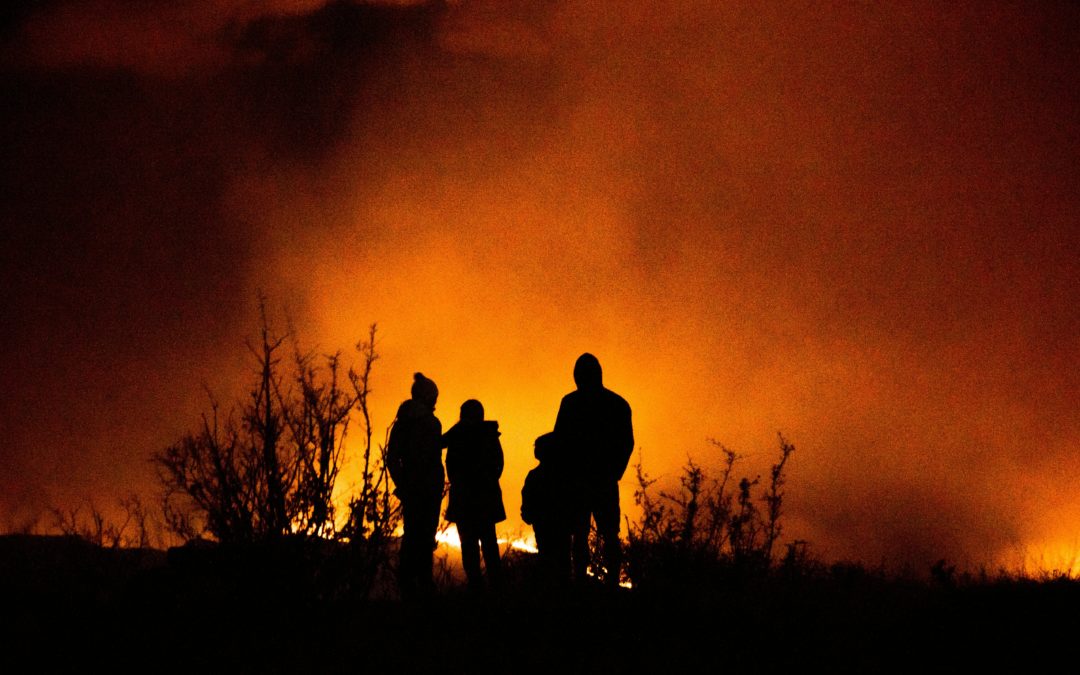
The serene landscapes of Southern California have been transformed into scenes of devastation as raging wildfires continue to wreak havoc across Los Angeles County. In a shocking turn of events, the death toll has climbed to 10, leaving communities shattered and authorities scrambling to contain the inferno. As the flames continue to spread, the full extent of the destruction remains uncertain, with officials unable to access many of the affected areas due to ongoing safety concerns.
The Los Angeles County wildfires have unleashed an unprecedented level of destruction, reducing entire neighborhoods to ash and claiming thousands of structures in their wake. The Palisades and Eaton fires, in particular, have emerged as the primary culprits behind this catastrophic event, carving a path of destruction that has etched their names into California’s grim wildfire history books.
As the situation unfolds, the nation watches with bated breath, wondering how much worse things could get. With each passing hour, new details emerge, painting a clearer picture of the devastation and the heroic efforts to combat it. From the front lines of the firefight to the halls of government, this crisis has mobilized resources and personnel on an unprecedented scale.
In this comprehensive report, we’ll delve into the heart of the Los Angeles County wildfires, exploring their origins, the communities affected, the ongoing firefighting efforts, and the human stories that have emerged from this tragedy. We’ll also examine the broader implications of these fires, from their impact on air quality to their potential long-term effects on the region’s ecology and economy.
As we navigate through this unfolding disaster, one thing becomes clear: the Los Angeles County wildfires of 2024 will be remembered as a watershed moment in California’s history, a stark reminder of the power of nature and the resilience of the human spirit in the face of overwhelming adversity.
The Scope of Destruction
The Los Angeles County wildfires have left an indelible mark on the landscape of Southern California, with the scale of destruction surpassing even the most pessimistic predictions. As firefighters and emergency responders continue their tireless efforts to contain the blaze, the true extent of the damage is slowly coming into focus.
Unprecedented Loss of Structures
The Palisades and Eaton fires have proven to be particularly devastating, consuming everything in their path with a voracious appetite. Preliminary estimates suggest that up to 10,000 structures have been lost to these two fires alone, a figure that places them among the top five most destructive wildfires in California’s history.
This staggering number includes homes, businesses, schools, and community centers, each representing a piece of the fabric that held these neighborhoods together. The loss is not just material; it’s a blow to the very identity of these communities, erasing decades of memories and shared experiences in a matter of hours.
Neighborhoods Decimated
Entire neighborhoods have been reduced to smoldering ruins, their once-familiar streets now unrecognizable landscapes of ash and debris. The fires have shown no discrimination, consuming modest family homes and luxurious estates alike. In some areas, the destruction is so complete that it’s difficult to discern where one property ends and another begins.
The impact on local infrastructure has been severe, with power lines down, water mains ruptured, and communication networks disrupted. This widespread damage presents significant challenges for both immediate relief efforts and long-term reconstruction plans.
Environmental Impact
Beyond the immediate human toll, the Los Angeles County wildfires have wreaked havoc on the local ecosystem. Thousands of acres of wildlife habitat have been incinerated, displacing countless animals and potentially pushing some endangered species closer to the brink of extinction.
The fires have also released massive amounts of carbon dioxide and other pollutants into the atmosphere, contributing to poor air quality across the region and potentially exacerbating climate change in the long term. The loss of vegetation could lead to increased erosion and mudslides in the coming months, particularly when the winter rains arrive.
Economic Consequences
The economic impact of the Los Angeles County wildfires is expected to be profound and long-lasting. Initial estimates suggest that the cost of property damage alone could run into billions of dollars. This figure doesn’t account for the broader economic ripple effects, such as lost business revenue, decreased tourism, and the massive expenses associated with firefighting and reconstruction efforts.
Insurance companies are bracing for an unprecedented wave of claims, which could potentially lead to increased premiums for homeowners across the state. The fires have also disrupted supply chains and forced the closure of numerous businesses, further compounding the economic strain on affected communities.
Historical Context
While California is no stranger to wildfires, the current crisis in Los Angeles County stands out for its sheer scale and intensity. When compared to historical data, these fires are already ranking among the most destructive in the state’s history, rivaling infamous blazes like the 2018 Camp Fire and the 2017 Tubbs Fire.
The unprecedented nature of this disaster raises important questions about the changing nature of wildfire risks in California and the adequacy of current prevention and response strategies. As climate change continues to alter weather patterns and exacerbate drought conditions, many experts fear that such extreme fire events may become more common in the future.
As the full scope of the destruction continues to unfold, it’s clear that the Los Angeles County wildfires of 2024 will leave an indelible mark on the region’s landscape, economy, and collective psyche for years to come. The road to recovery will be long and challenging, but if history is any guide, the resilience of Californians will undoubtedly shine through in the face of this unprecedented disaster.
Human Toll: Lives Lost and Communities Shattered
The Los Angeles County wildfires have exacted a devastating human toll, with the confirmed death count rising to 10 as of the latest reports. This tragic loss of life serves as a stark reminder of the deadly potential of these natural disasters and the importance of heeding evacuation orders and safety precautions.
Victims Identified
Among the victims identified so far are several vulnerable residents who were unable to evacuate in time. In the Altadena area, two such casualties were Anthony Mitchell, a 67-year-old amputee who relied on a wheelchair for mobility, and his son Justin, who lived with cerebral palsy. Their deaths highlight the particular challenges faced by individuals with disabilities during emergency situations.
Another victim from the same area was 83-year-old Rodney Nickerson. His daughter, Kimiko Nickerson, shared the heartbreaking details of his discovery, stating, “We found his bones. His whole body was intact.” This poignant account underscores the brutal reality faced by those caught in the path of the flames.
Ongoing Search and Recovery Efforts
As firefighters and emergency responders continue to battle the blaze, search and recovery teams are working tirelessly to locate and identify additional victims. The full extent of the loss of life remains uncertain, as many areas are still too dangerous to access due to ongoing fire activity and unstable structures.
The process of identifying victims is painstaking and often emotionally taxing for both recovery teams and families awaiting news of their loved ones. In some cases, dental records or DNA analysis may be necessary to confirm identities due to the severe nature of the fire damage.
Displacement and Evacuation
The human impact of the Los Angeles County wildfires extends far beyond the tragic loss of life. Nearly 180,000 individuals are currently under mandatory evacuation orders, forced to flee their homes with little more than the clothes on their backs and whatever possessions they could hastily gather.
An additional 200,000 people are facing evacuation warnings, living in a state of anxious uncertainty as they prepare for the possibility of having to leave at a moment’s notice. This mass displacement has put an enormous strain on local shelters, hotels, and the homes of friends and family members who have opened their doors to evacuees.
Emotional and Psychological Toll
The trauma inflicted by the Los Angeles County wildfires goes beyond physical loss. Many survivors are grappling with intense feelings of fear, anxiety, and grief. The sudden and violent nature of the fires has left many in a state of shock, struggling to come to terms with the loss of their homes, possessions, and in some cases, loved ones.
Mental health professionals warn of the potential for long-term psychological effects, including post-traumatic stress disorder (PTSD), depression, and anxiety disorders. Children, in particular, may be vulnerable to lasting emotional impacts from the disruption and fear caused by the fires.
Community Response and Support
In the face of this tragedy, the affected communities have demonstrated remarkable resilience and solidarity. Neighbors are helping neighbors, local organizations are mobilizing to provide aid, and volunteers from across the state are pouring in to offer assistance.
Evacuation centers have become hubs of support, providing not just shelter but also emotional comfort, information, and a sense of community for those displaced by the fires. Local churches, schools, and community centers have transformed into impromptu relief stations, offering food, clothing, and other essential supplies to those in need.
Long-term Challenges
As the immediate crisis begins to subside, affected individuals and communities will face the daunting task of rebuilding their lives. For many, the road to recovery will be long and difficult, involving not just the physical reconstruction of homes and neighborhoods but also the emotional process of healing and moving forward.
The Los Angeles County wildfires have left an indelible mark on the lives of thousands of people. From those who have lost loved ones to those who have seen their homes and livelihoods reduced to ashes, the human toll of this disaster is immeasurable. As the region begins the long process of recovery, the stories of loss, survival, and resilience will continue to emerge, shaping the narrative of this tragic chapter in Southern California’s history.
Firefighting Efforts: Battling the Blaze
The Los Angeles County wildfires have mobilized an unprecedented firefighting response, with crews from across the state and beyond working around the clock to contain the inferno. Despite their heroic efforts, the fires continue to pose a significant challenge, fueled by strong winds and dry conditions that have turned the landscape into a tinderbox.
Current Status of Major Fires
The Palisades fire, one of the largest and most destructive blazes, has scorched over 19,000 acres and remains only 6% contained. This fire has proven particularly challenging due to its rapid spread and the difficult terrain in which it’s burning.
The Eaton fire, another major conflagration, has consumed approximately 13,000 acres and, as of the latest reports, has zero containment. The lack of progress in containing this fire is a source of grave concern for firefighters and residents alike.
In addition to these two major fires, smaller but still significant blazes like the Hurst fire and the Kenneth fire are also demanding resources and attention from firefighting crews.
Challenges Faced by Firefighters
The firefighting efforts have been hampered by several factors:
Strong Winds: Hurricane-force winds have been fanning the flames, causing rapid and unpredictable fire spread. These winds have also grounded many firefighting aircraft, limiting aerial support.
Dry Conditions: Prolonged drought and low humidity have created ideal conditions for fire propagation, making it easier for sparks to ignite new blazes.
Difficult Terrain: Many of the fires are burning in areas with steep, rugged terrain that is difficult to access with ground equipment.
Resource Strain: With multiple large fires burning simultaneously, firefighting resources are stretched thin, requiring careful prioritization and allocation.
Firefighting Strategies and Resources
To combat these formidable blazes, firefighters are employing a variety of strategies and resources:
Ground Crews: Thousands of firefighters are on the front lines, working to create fire breaks, protect structures, and directly combat the flames.
Aerial Support: When weather conditions permit, a fleet of firefighting aircraft, including helicopters and fixed-wing planes, are dropping water and fire retardant on the blazes.
Military Assistance: Eight C-130 transport planes have been deployed to assist with firefighting efforts, along with support from the California National Guard.
Technology: Advanced mapping and prediction tools are being used to anticipate fire behavior and optimize resource deployment.
Mutual Aid: Fire departments from across California and neighboring states have sent personnel and equipment to assist in the firefighting efforts.
Impact on Firefighters
The relentless nature of the Los Angeles County wildfires is taking a toll on the firefighters themselves. Many crews have been working for days on end with little rest, facing not only the physical dangers of the fire but also the risk of exhaustion and heat-related illnesses.
The emotional impact on these first responders is also significant. Many firefighters are witnessing unprecedented levels of destruction and, in some cases, are forced to make difficult decisions about which structures to try to save when resources are limited.
Community Support for Firefighters
The local community has rallied around the firefighters, showing their appreciation through donations of food, water, and supplies. Many residents have placed signs of gratitude in their yards or along evacuation routes, offering words of encouragement to the crews as they head into battle.
Long-term Firefighting Strategies
As climate change continues to exacerbate wildfire risks, there is growing recognition of the need for more proactive, long-term strategies to manage fire risks in California. Discussions are already underway about increasing funding for forest management, expanding the use of prescribed burns, and implementing stricter building codes in fire-prone areas.
The firefighting efforts against the Los Angeles County wildfires represent one of the largest and most complex fire suppression operations in California’s history. As the battle continues, the bravery and dedication of these firefighters stand as a testament to human resilience in the face of nature’s awesome and terrifying power.
Environmental and Health Impacts
The Los Angeles County wildfires have not only devastated landscapes and communities but have also triggered a cascade of environmental and health consequences that extend far beyond the immediate burn areas. The scale and intensity of these fires have raised serious concerns about both short-term and long-term impacts on air quality, ecosystems, and public health.
Air Quality Crisis
One of the most immediate and widespread effects of the wildfires has been the dramatic deterioration of air quality across Southern California and beyond. The fires have released massive amounts of smoke, ash, and other particulate matter into the atmosphere, creating a hazardous haze that has blanketed the region.
Health Risks of Poor Air Quality
The polluted air poses significant health risks, particularly for vulnerable populations such as children, the elderly, and those with pre-existing respiratory conditions. Some of the health concerns include:
Respiratory Issues: Increased risk of asthma attacks, bronchitis, and other respiratory problems.
Cardiovascular Stress: Fine particulate matter can enter the bloodstream, potentially leading to heart attacks and strokes.
Eye and Skin Irritation: Smoke and ash can cause irritation and inflammation of the eyes and skin.
Long-term Health Effects: Prolonged exposure to wildfire smoke has been linked to increased rates of certain cancers and other chronic health conditions.
Air Quality Monitoring and Advisories
Local and state agencies have ramped up air quality monitoring efforts, issuing frequent advisories and recommendations to help residents protect themselves. These measures include:
Encouraging people to stay indoors with windows and doors closed
Recommending the use of air purifiers with HEPA filters
Advising against outdoor exercise or activities when air quality is poor
Suggesting the use of N95 masks when venturing outside is necessary
Ecological Devastation
The Los Angeles County wildfires have inflicted severe damage on local ecosystems, with potential long-lasting effects on biodiversity and environmental health.
Habitat Destruction
Thousands of acres of wildlife habitat have been incinerated, displacing countless animals and potentially pushing some already endangered species closer to extinction. The loss of vegetation also increases the risk of erosion and mudslides, particularly when winter rains arrive.
Impact on Water Resources
The fires have the potential to significantly impact water resources in the region:
Water Quality: Ash and debris can contaminate water sources, affecting both wildlife and human water supplies.
Watershed Damage: The loss of vegetation in watershed areas can lead to increased runoff and flooding during rain events.
Long-term Hydrological Changes: Altered landscapes may change local hydrological patterns, potentially affecting water availability in the future.
Climate Change Implications
The massive release of carbon dioxide and other greenhouse gases from these fires contributes to the broader issue of climate change, potentially creating a feedback loop that increases the likelihood of future extreme fire events.
Public Health Response
In response to the environmental and health challenges posed by the Los Angeles County wildfires, local and state health departments have mobilized to protect public health:
Emergency Measures
Evacuation Centers: Establishing clean air shelters equipped with air filtration systems for those needing to escape poor air quality.
Medical Support: Increasing capacity at local hospitals and clinics to handle respiratory and other fire-related health issues.
Public Education: Launching campaigns to inform the public about health risks and protective measures.
Long-term Health Monitoring
Health officials are initiating long-term studies to monitor the health impacts of the fires on affected populations, with a particular focus on respiratory and cardiovascular health.
Environmental Recovery Efforts
As the fires are brought under control, attention is turning to environmental recovery and restoration efforts:
Reforestation: Plans are being developed for large-scale replanting efforts to restore lost vegetation and stabilize soils.
Wildlife Conservation: Programs to support and reintroduce displaced wildlife species are being considered.
Watershed Protection: Efforts to protect and restore damaged watersheds will be crucial to prevent further environmental degradation.
The environmental and health impacts of the Los Angeles County wildfires underscore the complex and far-reaching consequences of such disasters. As communities begin to recover and rebuild, addressing these environmental and health challenges will be crucial for ensuring the long-term well-being of both the natural ecosystem and the human population in affected areas.
Economic Fallout and Recovery Challenges
The Los Angeles County wildfires have unleashed a wave of economic destruction that extends far beyond the immediate loss of property and infrastructure. As the flames continue to rage, economists and policymakers are beginning to grapple with the long-term financial implications of this disaster for individuals, businesses, and the broader regional economy.
Immediate Economic Losses
The most visible and immediate economic impact of the wildfires is the staggering loss of property and infrastructure:
Residential Destruction: Thousands of homes have been reduced to ash, representing billions of dollars in lost property value.
Commercial Losses: Numerous businesses, from small local shops to large industrial facilities, have been destroyed or severely damaged.
Infrastructure Damage: Roads, power lines, water systems, and other critical infrastructure have suffered extensive damage, requiring costly repairs and replacements.
Insurance Industry Impact
The insurance industry is bracing for what could be one of the costliest natural disasters in California’s history:
Claims Surge: Insurance companies are facing an unprecedented volume of claims, potentially straining their financial reserves.
Premium Increases: The massive payouts are likely to lead to increased insurance premiums for homeowners and businesses across the state, not just in fire-prone areas.
Coverage Challenges: Some insurers may become more reluctant to offer coverage in high-risk areas, potentially creating insurance deserts in parts of California.
Business Disruption and Job Losses
The wildfires have caused significant disruption to local businesses and the job market:
Temporary Closures: Many businesses have been forced to close temporarily due to evacuations, power outages, or air quality concerns.
Supply Chain Disruptions: The fires have interrupted transportation routes and supply chains, affecting businesses far beyond the immediate fire zones.
Job Losses: With businesses destroyed or closed, many workers are facing unemployment, at least temporarily.
Tourism Impact: The fires and their aftermath are likely to have a negative impact on tourism, a crucial sector for many Southern California communities.
Agricultural Losses
The agricultural sector, a cornerstone of California’s economy, has also been hit hard:
Crop Destruction: Thousands of acres of farmland have been scorched, destroying crops and potentially rendering some land unusable for future seasons.
Livestock Losses: Many farmers and ranchers have lost livestock to the fires, representing both immediate financial losses and long-term setbacks to breeding programs.
Wine Industry Impact: Vineyards in affected areas have suffered damage, with potential long-term impacts on wine production and tourism.
Recovery Costs and Funding Challenges
The process of rebuilding and recovering from the Los Angeles County wildfires will be enormously expensive:
Debris Removal: Before reconstruction can begin, vast amounts of debris must be cleared, a costly and time-consuming process.
Infrastructure Rebuilding: Repairing and replacing damaged infrastructure will require significant public and private investment.
Housing Crisis: The loss of so many homes is likely to exacerbate California’s already severe housing shortage, potentially driving up costs and displacing residents.
Government Response and Economic Support
Local, state, and federal governments are mobilizing to provide economic support and facilitate recovery:
Emergency Funding: President Joe Biden has announced that the federal government will cover 100% of the cost of emergency protective measures for six months.
Small Business Administration (SBA) Loans: Low-interest disaster loans are being made available to affected businesses and homeowners.
Tax Relief: Various forms of tax relief and deadline extensions are being considered to ease the financial burden on affected individuals and businesses.
Long-term Economic Implications
The full economic impact of the Los Angeles County wildfires will likely unfold over many years:
Real Estate Market Shifts: The destruction of so many homes could lead to significant changes in local real estate markets, potentially altering property values and development patterns.
Insurance Industry Changes: The massive losses may lead to structural changes in how wildfire risk is assessed and insured in California.
Economic Diversification: Some communities may seek to diversify their economies to become more resilient to future disasters.
Climate Adaptation Investments: There may be increased investment in climate adaptation measures, creating new economic opportunities in fields like green construction and renewable energy.
The economic fallout from the Los Angeles County wildfires presents a complex and daunting challenge for policymakers, businesses, and residents. While the immediate focus is on containing the fires and providing emergency relief, the long-term process of economic recovery will require sustained effort, innovative solutions, and significant investment. As California grapples with the increasing frequency and intensity of wildfires, finding ways to build economic resilience in the face of these disasters will be crucial for the state’s future prosperity.
Political Response and Policy Implications
The devastating Los Angeles County wildfires have not only reshaped the physical landscape of Southern California but have also ignited intense political discussions and policy debates at local, state, and federal levels. As the immediate crisis unfolds, political leaders are grappling with both short-term emergency response and long-term strategies to mitigate future wildfire risks.
Immediate Political Response
The severity of the Los Angeles County wildfires has prompted swift action from political leaders across all levels of government:
State-Level Response
California Governor Gavin Newsom has been at the forefront of the state’s response:
State of Emergency: Newsom quickly declared a state of emergency, mobilizing additional resources and cutting through bureaucratic red tape to expedite relief efforts.
Public Statements: The governor has been making regular public appearances and statements, providing updates on firefighting efforts and expressing support for affected communities.
Resource Allocation: Newsom has directed state agencies to prioritize all available resources towards firefighting and relief efforts.
In a recent tweet, Governor Newsom stated, “Thank you to our brave firefighters working around the clock to combat the blaze fueled by hurricane-force winds.” This message underscores the challenging conditions faced by first responders and the state’s appreciation for their efforts.
Federal Response
President Joe Biden has also taken action to support California’s firefighting and recovery efforts:
Disaster Declaration: The President has issued a federal disaster declaration, unlocking additional resources and funding for the affected areas.
FEMA Activation: The Federal Emergency Management Agency (FEMA) has been activated to coordinate federal assistance and support local relief efforts.
Financial Commitment: Biden announced that the federal government will cover 100% of the cost of emergency protective measures in Southern California for six months, providing crucial financial support for the ongoing crisis.
Policy Debates and Long-term Strategies
The Los Angeles County wildfires have reignited debates about wildfire prevention, forest management, and climate change policy:
Forest Management Practices
There is ongoing discussion about the role of forest management in preventing catastrophic wildfires:
Controlled Burns: Some policymakers are advocating for increased use of prescribed burns to reduce fuel loads in forests.
Vegetation Clearing: Debates continue about the extent and methods of vegetation clearing near populated areas.
Indigenous Practices: There’s growing interest in incorporating traditional Native American fire management techniques into modern strategies.
Climate Change Mitigation
The link between climate change and increased wildfire risk is prompting calls for more aggressive climate action:
Emissions Reduction: Some politicians are pushing for more stringent emissions reduction targets and accelerated transition to renewable energy.
Adaptation Measures: There’s increasing focus on developing climate adaptation strategies specifically tailored to wildfire-prone regions.
Building Codes and Land Use
The destruction of thousands of homes has sparked discussions about building practices in fire-prone areas:
Fire-Resistant Construction: There are calls for stricter building codes requiring the use of fire-resistant materials and design features.
Zoning Changes: Some policymakers are proposing changes to zoning laws to limit development in high-risk wildfire areas.
Insurance Reform
The massive economic losses from the fires are prompting debates about insurance reform:
Risk Pool Expansion: There are discussions about creating state-backed insurance pools to ensure coverage availability in high-risk areas.
Incentives for Mitigation: Some propose offering insurance incentives for homeowners who implement fire-resistant improvements.
Political Challenges and Controversies
The response to the Los Angeles County wildfires has not been without political challenges and controversies:
Resource Allocation: Debates have emerged about the equitable distribution of firefighting resources among different communities.
Climate Change Skepticism: Some politicians continue to downplay the role of climate change in exacerbating wildfire risks, leading to heated debates about appropriate policy responses.
Federal-State Coordination: There have been occasional tensions between state and federal agencies regarding the coordination of firefighting efforts and resource deployment.
Future Policy Directions
As California grapples with the aftermath of the Los Angeles County wildfires, several policy directions are emerging:
Increased Funding for Prevention: There’s growing support for significantly increasing funding for wildfire prevention measures, including forest management and community preparedness programs.
Climate Resilience Planning: Many policymakers are advocating for comprehensive climate resilience plans that specifically address wildfire risks.
Technology Investment: There’s interest in investing in advanced technologies for early fire detection, prediction, and suppression.
Community-Based Approaches: Some leaders are promoting more localized, community-based approaches to wildfire preparedness and response.
Inter-Agency Cooperation: There are calls for improved coordination and information sharing among various agencies involved in wildfire management and response.
The political response to the Los Angeles County wildfires reflects the complex and multifaceted nature of the challenge. As the immediate crisis subsides, the policy debates ignited by these fires are likely to shape California’s approach to wildfire management, climate change adaptation, and disaster response for years to come. The decisions made in the aftermath of this disaster will have far-reaching implications for the state’s environmental, economic, and public safety policies.
The fashion and music world was set ablaze on January 7, 2025, as Kanye West, the controversial multi-hyphenate artist, took to social media with a scorching message directed at his former collaborator, Adidas. In a lengthy and impassioned post, West reasserted the dominance of his Yeezy brand while accusing the sportswear giant of underhanded tactics aimed at stifling his success. This latest outburst marks yet another chapter in the tumultuous relationship between West and Adidas, highlighting the ongoing tensions in the aftermath of their partnership’s dissolution.
As the new year unfolds, West’s return to the digital sphere has proven to be as dramatic and headline-grabbing as ever. His fiery proclamation, “It’s Yeezy over everything,” serves as both a rallying cry for his supporters and a direct challenge to Adidas, signaling his unwavering commitment to his brand’s supremacy in the face of perceived corporate oppression. This article delves deep into the intricacies of West’s latest social media storm, examining the implications for both Yeezy and Adidas, and exploring the broader context of their fractured relationship.
The Catalyst: West’s Accusations Against Adidas
At the heart of West’s recent tirade lies a series of serious allegations against Adidas, painting a picture of a David versus Goliath struggle in the cutthroat world of fashion and e-commerce. The rapper-turned-designer didn’t mince words as he laid bare his grievances, accusing the German sportswear behemoth of employing underhanded tactics to undermine the Yeezy brand’s online presence.
Search Engine Manipulation Claims
One of the most striking accusations leveled by West centers around alleged search engine manipulation. The artist claims that when users search for “Yeezy.com,” Adidas’s website appears before the official Yeezy site in search results. This allegation, if true, could have significant implications for Yeezy’s online visibility and, by extension, its sales and brand recognition.
West’s frustration is palpable as he directly addresses Adidas employees, demanding an end to what he perceives as deliberate attempts to hinder his business. “Members at Adidas, stop doing this. Stop doing your moves to hold me back,” he wrote, highlighting the urgency and seriousness with which he views this issue.
Financial Freeze and Oppression
Beyond the realm of digital marketing, West’s accusations extend to more tangible forms of alleged corporate strong-arming. He claims that Adidas, a “$60 billion company,” froze his accounts, potentially referring to financial holdings related to their past collaboration. This accusation paints a picture of a David and Goliath scenario, with West positioning himself as the underdog fighting against a corporate giant’s attempts at financial oppression.
The artist’s choice of words is particularly telling, as he declares, “Now, I’m back on my feet (no pun intended) and I’m not going to stand for this (no pun again).” This wordplay, while maintaining West’s characteristic flair for dramatic communication, underscores the seriousness with which he views these alleged actions by Adidas.
Design Theft and Creative Oppression
Perhaps most damaging to the legacy of the Adidas-Yeezy partnership are West’s accusations of design theft and creative oppression. The artist claims to have had “major issues with Adidas because of design theft and oppression” even before the infamous tweet that led to the partnership’s dissolution. This allegation strikes at the heart of the collaborative nature of their past relationship, suggesting a long-standing tension over creative control and intellectual property.
West’s assertion that he “did phenomenal work” for Adidas, only to be met with attempts at intimidation and oppression when he stood up for himself, paints a picture of a creatively stifling environment. These claims, if substantiated, could have far-reaching implications for how future collaborations between artists and major corporations are structured and managed.
The Yeezy Empire Strikes Back
In the face of these perceived threats and obstacles, West’s message is clear: Yeezy is not just surviving, but thriving. His declaration of “It’s Yeezy over everything” serves as both a battle cry and a statement of intent, signaling his determination to elevate his brand above all competitors, including his former partner.
Financial Success and Independence
West doesn’t shy away from boasting about Yeezy’s financial success, claiming that Yeezy.com generated $100 million in just six months during 2024. This impressive figure, if accurate, would underscore the brand’s resilience and appeal even in the absence of Adidas’s backing. It’s a clear message to both consumers and competitors: Yeezy is a force to be reckoned with, with or without corporate partnerships.
Affordability as a Competitive Edge
One of the most intriguing aspects of West’s strategy moving forward is his focus on affordability. He highlights the competitive pricing of Yeezy products, particularly in comparison to luxury fashion brands. The artist claims that “The Yeezy $20 price is burning the game to the ground, leaving only Yeezy left.” This bold statement suggests a strategy aimed at disrupting the fashion industry by offering high-quality, desirable products at accessible price points.
This approach could potentially revolutionize the streetwear and fashion landscape, challenging the notion that desirability must come with a hefty price tag. By positioning Yeezy as both aspirational and attainable, West seems to be aiming for a broader market share while maintaining the brand’s cult status.
Future Plans and Innovation
West’s message wasn’t just about airing grievances or celebrating past successes; it also offered a glimpse into the future of Yeezy. The artist revealed that he’s been working on “10 other styles for the past two years,” hinting at a pipeline of innovative designs ready to hit the market. This disclosure serves multiple purposes: it reassures fans of continued creativity, warns competitors of impending competition, and signals to the industry at large that Yeezy’s innovation engine is far from stalling.
The emphasis on future plans and ongoing innovation is crucial in maintaining Yeezy’s position at the forefront of fashion and culture. By teasing new styles and continued development, West is effectively building anticipation and ensuring that the conversation around Yeezy remains forward-looking, despite the ongoing drama with Adidas.
The Adidas-Yeezy Saga: A Retrospective
To fully understand the weight of West’s recent declarations, it’s essential to look back at the history of the Adidas-Yeezy partnership and its eventual dissolution. This collaboration, which began in 2013, was one of the most successful and high-profile partnerships in the fashion industry, revolutionizing the sneaker market and bridging the gap between high fashion and streetwear.
The Rise of Yeezy
The Adidas-Yeezy collaboration catapulted both entities to new heights in the fashion world. Yeezy sneakers became instant classics, with releases causing frenzied excitement among fans and resellers alike. The partnership allowed West to realize his vision of creating accessible, high-quality footwear and apparel, while Adidas benefited from the cultural cachet and design innovation that West brought to the table.
Key milestones in the Adidas-Yeezy partnership included:
The release of the Yeezy Boost 750 in 2015, which sold out in minutes
The introduction of the iconic Yeezy Boost 350 series
Expansion into apparel and accessories under the Yeezy brand
Collaborations with high-profile artists and designers within the Yeezy ecosystem
The Breakdown of Relations
Despite its immense success, the partnership between Adidas and West was not without its challenges. Creative differences, disputes over control, and West’s often controversial public statements created tension between the artist and the corporation. The relationship reached a breaking point in 2022 when Adidas terminated the partnership following a series of antisemitic remarks made by West.
The fallout from this separation was significant:
Adidas faced a substantial financial hit, with Yeezy products accounting for a significant portion of its profits
West lost his billionaire status as the Yeezy brand valuation plummeted
Legal disputes arose over intellectual property and remaining inventory
The Aftermath and Rebuilding
In the wake of the partnership’s dissolution, both Adidas and West faced the challenge of charting new paths forward. Adidas grappled with how to handle existing Yeezy inventory and fill the revenue gap left by the collaboration’s end. Meanwhile, West set about rebuilding the Yeezy brand independently, facing the daunting task of maintaining its relevance and desirability without the backing of a major sportswear company.
This period of rebuilding and redefining is crucial context for understanding West’s recent outburst. His claims of financial success and continued innovation can be seen as attempts to reassure supporters and investors that Yeezy remains viable and vibrant, even in its post-Adidas era.
The Broader Implications for the Fashion Industry
West’s fiery message to Adidas and his bold claims about Yeezy’s future have implications that extend far beyond just these two entities. They touch on several key issues facing the fashion industry as a whole, from the power dynamics between artists and corporations to the changing landscape of e-commerce and brand building.
Artist-Corporate Collaborations
The Adidas-Yeezy saga raises important questions about the nature of collaborations between individual artists and large corporations. While such partnerships can lead to groundbreaking products and mutually beneficial outcomes, they also come with inherent risks and potential for conflict.
Key considerations for future collaborations include:
Balancing creative control between artists and corporate entities
Protecting intellectual property in collaborative environments
Managing public relations challenges when working with controversial figures
Structuring deals to ensure fair compensation and recognition for all parties
The Power of Personal Brands
West’s confidence in Yeezy’s ability to thrive independently underscores the growing power of personal brands in the fashion industry. In an era where individual influencers and celebrities can rival traditional companies in terms of market influence, the dynamics of brand building and marketing are rapidly evolving.
Factors contributing to the rise of personal brands include:
Direct-to-consumer sales channels enabled by social media and e-commerce platforms
The ability to cultivate and engage with a loyal fan base
Flexibility to pivot and innovate without corporate bureaucracy
Authentic storytelling and personal connection with consumers
Disruption Through Pricing Strategy
West’s emphasis on Yeezy’s affordable pricing strategy highlights a potential shift in the luxury and streetwear markets. By offering desirable products at more accessible price points, Yeezy could be positioning itself to disrupt traditional notions of exclusivity and value in fashion.
Potential impacts of this strategy include:
Pressure on luxury brands to justify high price points
Increased competition in the mid-range fashion market
Shifts in consumer expectations regarding price and quality
Potential for broader democratization of fashion trends
The Role of Social Media in Brand Warfare
West’s choice to air his grievances and make bold declarations via social media is emblematic of how brand conflicts and corporate disputes are increasingly playing out in the public eye. This approach has both advantages and risks for all parties involved.
Advantages of Social Media Communication
Direct communication with fans and consumers
Ability to control the narrative without media intermediaries
Rapid dissemination of information and brand messaging
Potential for viral spread and increased visibility
Risks and Challenges
Potential for misinterpretation or escalation of conflicts
Difficulty in maintaining professionalism and brand image
Legal and reputational risks from unfiltered communication
The challenge of backing up claims made in the heat of the moment
Legal and Ethical Considerations
West’s accusations against Adidas, particularly those regarding search engine manipulation and financial freezing, raise significant legal and ethical questions. While the truth behind these claims remains to be seen, they highlight important issues in the realms of fair competition, digital marketing ethics, and corporate responsibility.
Potential Legal Issues
Antitrust concerns if search manipulation claims are substantiated
Contractual disputes over post-partnership obligations and restrictions
Intellectual property rights over designs and branding elements
Defamation risks for both parties in public statements
Ethical Considerations
The ethics of using market dominance to suppress competition
Transparency in digital marketing and search engine optimization practices
Balancing corporate interests with fair treatment of former partners
The responsibility of platforms in mediating brand conflicts
The Future of Yeezy: Challenges and Opportunities
As West charts a new course for Yeezy in the post-Adidas era, the brand faces both significant challenges and exciting opportunities. The path forward will require navigating a complex landscape of consumer expectations, market competition, and the ever-present shadow of the Adidas collaboration.
Challenges
Maintaining product quality and innovation without Adidas’s resources
Rebuilding supply chains and distribution networks
Competing with established sportswear giants and luxury brands
Managing public perception and brand image in light of past controversies
Opportunities
Greater creative freedom and control over brand direction
Potential for more agile response to market trends
Exploration of new product categories and collaborations
Direct engagement with consumers through owned channels
Consumer Reaction and Market Response
The fashion and sneaker communities’ response to West’s declarations and Yeezy’s independent direction will be crucial in determining the brand’s future success. Initial reactions have been mixed, with some fans expressing unwavering support for West and Yeezy, while others remain skeptical about the brand’s ability to maintain its cachet without Adidas’s backing.
Product quality and availability under the new independent model
Pricing strategy and accessibility of Yeezy products
West’s public persona and its impact on brand perception
Nostalgia for the Adidas-Yeezy era versus excitement for new directions
Conclusion: The Road Ahead for Yeezy and the Fashion Industry
Kanye West’s bold declaration of “It’s Yeezy over everything” marks a pivotal moment not just for the Yeezy brand, but for the fashion industry as a whole. As the dust settles on the Adidas-Yeezy partnership, all eyes will be on West and his team to see if they can deliver on the promises of innovation, affordability, and market dominance.
The coming months and years will likely bring further developments in this ongoing saga, potentially reshaping the landscape of celebrity-driven fashion brands and corporate collaborations. Whether Yeezy can truly stand alone at the top of the fashion world remains to be seen, but one thing is certain: Kanye West’s vision and determination continue to be forces to be reckoned with in the industry.
As consumers, competitors, and industry observers watch this story unfold, the broader implications for fashion, branding, and e-commerce will continue to emerge. The Yeezy brand’s journey forward may well serve as a case study in the power of personal brands, the challenges of corporate partnerships, and the ever-evolving nature of the global fashion marketplace.








RECENT COMMENTS