Hip-hop has long been the heartbeat of urban resilience—a genre born in the struggle and sculpted in survival. From its roots in the Bronx to its global dominance, it has remained one of the most honest reflections of culture, identity, pain, and rebellion. Yet despite its triumphs, the genre remains haunted by a disturbing and persistent trend: the premature deaths of its stars.
The headlines come with tragic regularity. Another rising voice silenced. Another tribute concert. Another artist’s last tweet going viral after their murder, overdose, or unexplained passing. The loss feels almost routine now, but it shouldn’t. When Pop Smoke was gunned down at 20, when Juice WRLD collapsed at just 21, when Nipsey Hussle was murdered in front of his own business, and when Takeoff was caught in a senseless crossfire—these weren’t just isolated incidents. They were alarm bells in a system that’s failed to protect its brightest talents.
While many are quick to blame the “lifestyle” or the music itself, the deeper truth is harder to stomach: these deaths reflect broader societal, psychological, and industry-wide failures.
A Crisis Backed by Data
A groundbreaking study published in the Journal of the American Medical Association in 2015 cast a harsh spotlight on the grim statistics surrounding hip-hop deaths. According to the study, 51% of deaths among hip-hop artists were homicides, and the average age of death was just 30. This is alarmingly young compared to other genres. In rock, only 6% of deaths are homicides. In jazz, it’s 1.5%. And in country music, the average age of death surpasses 60.
Clearly, the genre doesn’t just reflect danger—it lives inside it. These numbers don’t just highlight a trend; they paint a clear picture of a cultural health crisis. The artists we idolize, who pour their trauma and truth into their lyrics, are navigating a world that remains perilous—even after they’ve made it big.
Environments of Survival, Not Safety
Music psychologist Dr. Dianna Theadora Kenny put it plainly: “Hip-hop has the highest mortality rate of any major music genre. It’s not a coincidence. It reflects the environments from which many of these artists emerge.”
Indeed, many rappers come from communities ravaged by poverty, violence, incarceration, and neglect. Their ascent into fame doesn’t erase the battles they fought growing up. In fact, success often sharpens the threats they face. Overnight fame doesn’t come with a guidebook for security, mental health, or conflict resolution. These artists are launched into stardom while still carrying unresolved traumas and unhealed wounds—now in a spotlight where those wounds become targets.
Lives Taken, Stories Cut Short
Pop Smoke’s story is a gut-wrenching one. At just 20, he had become the face of Brooklyn drill—a genre bursting with raw intensity and street narrative. His deep voice and intimidating presence were paired with a rising global appeal. But that rise ended abruptly in a Los Angeles home invasion. His killers were teenagers who tracked his location via an Instagram post. A moment meant to celebrate success instead exposed him to fatal danger. His murder reminded the world just how vulnerable young artists can be in the digital age—especially when fame arrives faster than the tools to manage it.
Juice WRLD was a different kind of voice—less aggressive, more introspective. He bled emotion in his tracks, speaking openly about anxiety, heartbreak, and addiction. His vulnerability resonated with millions. But behind that openness was a young man wrestling privately with substance dependency. He died from an accidental overdose of oxycodone and codeine, just days after his 21st birthday. His lyrics had foreshadowed his own demise for months, and still, the system around him failed to intervene in time.
Nipsey Hussle’s death carried a different weight. He wasn’t just an artist—he was a community organizer, an entrepreneur, a visionary. His work in South Central Los Angeles wasn’t performative; it was deeply rooted in change-making. He opened businesses, created jobs, and spoke powerfully about generational wealth and Black empowerment. Yet, in the very community he uplifted, he was shot and killed. His death devastated a generation, not just because of who he was, but because of what he stood for: redemption, transformation, and unity.
Takeoff, the quietest and most peaceful member of the trio Migos, wasn’t known for beefs or controversy. But that didn’t spare him. He was killed in Houston during a confrontation that didn’t even involve him directly. At just 28, his death served as a chilling example of how even those who avoid conflict can fall victim to chaos.
The Industry’s Role in the Pattern
Within the hip-hop community, voices are rising to confront this crisis. Jim Jones famously said, “Rap is the most dangerous job in the world.” Fat Joe described rappers as “an endangered species.” And radio host Charlamagne Tha God criticized record labels for profiting from artists’ trauma without providing real support: “They want the music but not the responsibility of keeping artists alive.”
The reality is that the hip-hop industry has long commodified struggle. Labels race to sign artists who reflect raw, street-originated authenticity—yet rarely offer guidance for navigating fame, managing mental health, or securing safety. Artists are often left to juggle everything—financial pressure, family demands, public scrutiny, unresolved street conflicts—alone. Their trauma becomes content, their lyrics become product, and their safety becomes their own burden to bear.
Imagining a Safer Future for the Culture
Change is possible—but it requires more than mourning after the fact. It requires systems built to prevent these tragedies before they unfold.
One potential starting point is conflict resolution. Many disputes in the hip-hop world stem from misunderstandings, bruised egos, and street tensions. Industry-funded mediation programs could provide a way to resolve these issues before they escalate into violence. Neutral spaces for conversation, reconciliation, and accountability could reduce the likelihood of beefs becoming funerals.
Mental health support must also be prioritized. Therapy should be normalized and made readily accessible for artists—especially Black men, who often carry the weight of generational trauma in silence. Labels need to offer more than studio time and PR budgets—they need to provide therapists, wellness coaches, and trauma counselors. Artists are human beings, not streaming numbers.
Touring, while lucrative, can be dangerous—especially for younger acts. Many up-and-coming rappers travel with minimal security, poorly coordinated teams, and limited preparation for handling crowds, threats, or emergencies. Stronger tour protocols, dedicated security professionals, and clear risk assessments should be standard, not optional.
Investing in the Communities Artists Come From
Ultimately, addressing the violence and instability surrounding hip-hop means investing in the communities that produce its voices. Poverty, gun access, educational inequality, and mental health gaps are not just background conditions—they are direct contributors to the instability that many artists face. Supporting community development, youth programs, and mental health services in underfunded neighborhoods is not just social work—it’s preventative action. When artists succeed and give back, they should not be walking targets. They should be catalysts for transformation.
The Evolution of Lyrical Power
There’s another layer to this evolution—and it’s lyrical. Hip-hop has never been afraid to speak about pain, violence, and trauma. But the next era could be one where that same lyrical honesty turns inward—toward healing, vulnerability, and emotional intelligence. Artists like Kendrick Lamar, J. Cole, Noname, and others are already carving out a path where lyricism doesn’t rely on glorifying death to feel authentic.
The culture has always evolved. It has always responded to its moment. And right now, the moment is asking for something new: not a softer hip-hop, but a smarter one. One that understands the cost of constant funerals. One that wants its artists to live long enough to become elders.
A Genre Worth Protecting
The losses of Pop Smoke, Juice WRLD, Nipsey Hussle, Takeoff, and so many others are not just tragedies—they are wake-up calls. Each death chips away at the foundation of a culture that deserves preservation. But even more importantly, they are reminders that behind every track, every verse, and every viral clip is a life—a real one.
Hip-hop has changed the world. Now, it must protect its own.
The future of hip-hop can be different. It can be a genre not defined by grief, but by growth. Not by funerals, but by legacies. The next chapter doesn’t have to end in obituaries. It can be written in healing, safety, and survival.
Embracing your destiny is not for the faint of heart
The quest to discover and embrace your authentic self is a remarkable odyssey of self-discovery and growth. This journey demands genuine humility and unflinching introspection, establishing the foundation for meaningful transformation. While the path varies for each individual and often requires significant sacrifice, fully embracing each step makes the expedition profoundly worthwhile.
The greatest triumph comes from completing this personal odyssey with integrity, allowing your evolution to cast light on the challenging road you’ve conquered. Breaking into the music industry parallels navigating an intricate maze filled with unexpected challenges and pivotal decisions. Music creation transcends mere career choice – it represents a spiritual calling that select individuals are destined to pursue.
As humanity’s universal dialect that dissolves boundaries and connects hearts, music makers understand the weighty responsibility their craft carries. Every melody and verse they produce embodies this sacred duty, touching listeners’ souls worldwide.
The crown of a queen is never light
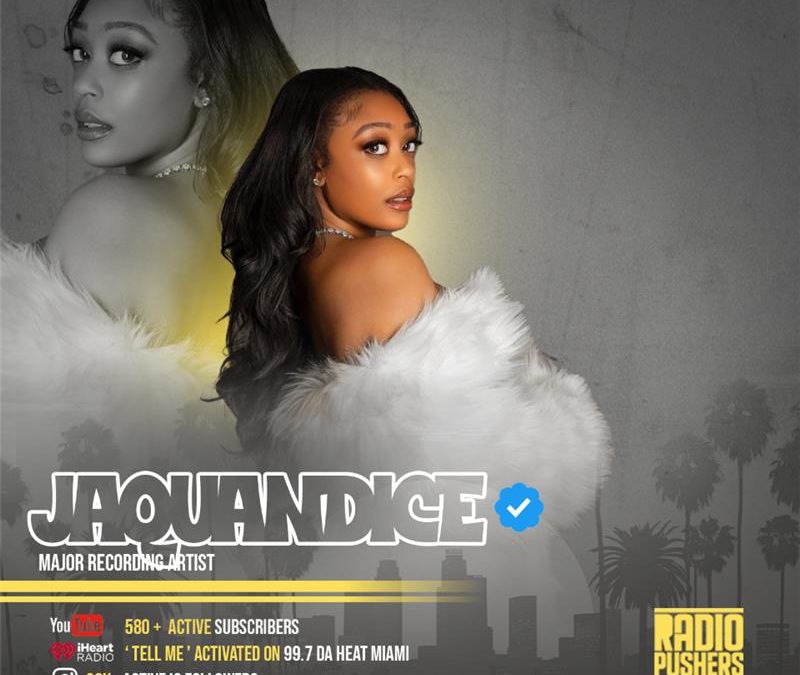
Artist and entrepreneur JAQUANDICE emerges as a multidimensional creative force whose expansive artistic perspective has cultivated loyal followers while establishing her unique musical identity. Exemplifying R&B excellence, JAQUANDICE demonstrates divinely-bestowed vocal prowess, emotional depth, and unwavering determination. Her radio breakthrough “Tell Me” exploded across social platforms, sparking intense interest among radio directors, industry executives, and digital influencers. Capturing 99.7 DA HEAT MIAMI’s attention on iHeartRadio, “Tell Me” has maintained strong rotation for over four months, consistently ranking among the station’s most requested tracks.
The team at 99.7 DA HEAT MIAMI approached the gifted JAQUANDICE with an opportunity to host her own weekly R&B mix show. The ‘RNB X SUPREME’ program showcases premier R&B music, expertly blending rising talents with established stars from around the world, delivering listeners a diverse and immersive musical journey. This engaging mix show perfectly reflects JAQUANDICE’s artistic sensibilities and refined musical taste.
Broadcasting exclusively through iHeartRadio on 99.7 DA HEAT MIAMI every Saturday and Sunday from 8 PM to 9 PM EST, this achievement represents a pivotal milestone for JAQUANDICE as she continues developing her multifaceted media presence. 99.7 DA HEAT MIAMI operates as a dynamic and engaging branch of RADIOPUSHERS and MUSICHYPEBEAST, committed to nurturing creativity and innovation within the music industry.
The quest to discover and embrace your authentic self is a remarkable odyssey of self-discovery and growth. This journey demands genuine humility and unflinching introspection, establishing the foundation for meaningful evolution. While the path varies for each individual and often requires significant sacrifice, fully immersing yourself in the process yields profound rewards.
The greatest triumph comes from completing this transformative journey with integrity intact, as your personal evolution illuminates the challenging road you’ve conquered. Breaking into the music industry parallels navigating an intricate maze filled with unexpected challenges and opportunities. Music creation transcends mere career choice – it represents a spiritual calling that select individuals are destined to pursue.
As humanity’s universal dialect, music dissolves boundaries and connects hearts, with its creators bearing the weighty responsibility of this sacred artistic mission. Every musical phrase and verse carries this profound purpose, touching listeners’ souls across cultural divides.
Recording artist and entrepreneur JAQUANDICE emerges as a versatile creative force whose comprehensive artistic vision has cultivated loyal followers while establishing her unique musical identity. Embodying R&B’s essence, JAQUANDICE demonstrates divinely bestowed vocal prowess, emotional depth, and unwavering determination. Her breakthrough radio single “Tell Me” gained massive social media traction, sparking intense discussions among radio professionals, industry executives, and digital influencers. Capturing 99.7 DA HEAT MIAMI’s attention on iHeartRadio, “Tell Me” has maintained strong rotation for over four months, consistently ranking among the station’s most requested tracks.
The innovative team at 99.7 DA HEAT MIAMI approached the gifted JAQUANDICE with an opportunity to host her own weekly curated R&B mix show. The ‘RNB X SUPREME’ program showcases premier R&B music, expertly blending rising talents with established artists worldwide, delivering listeners an diverse musical journey. This engaging mix show perfectly reflects JAQUANDICE’s artistic sensibilities and refined musical expertise.
Broadcasting exclusively via iHeartRadio on 99.7 DA HEAT MIAMI every Saturday and Sunday from 8pm-9pm EST, this achievement represents a pivotal milestone for JAQUANDICE as she continues developing her multifaceted media presence. 99.7 DA HEAT MIAMI operates as a dynamic, engagement-focused division of RADIOPUSHERS and MUSICHYPEBEAST, committed to nurturing musical innovation and creativity.
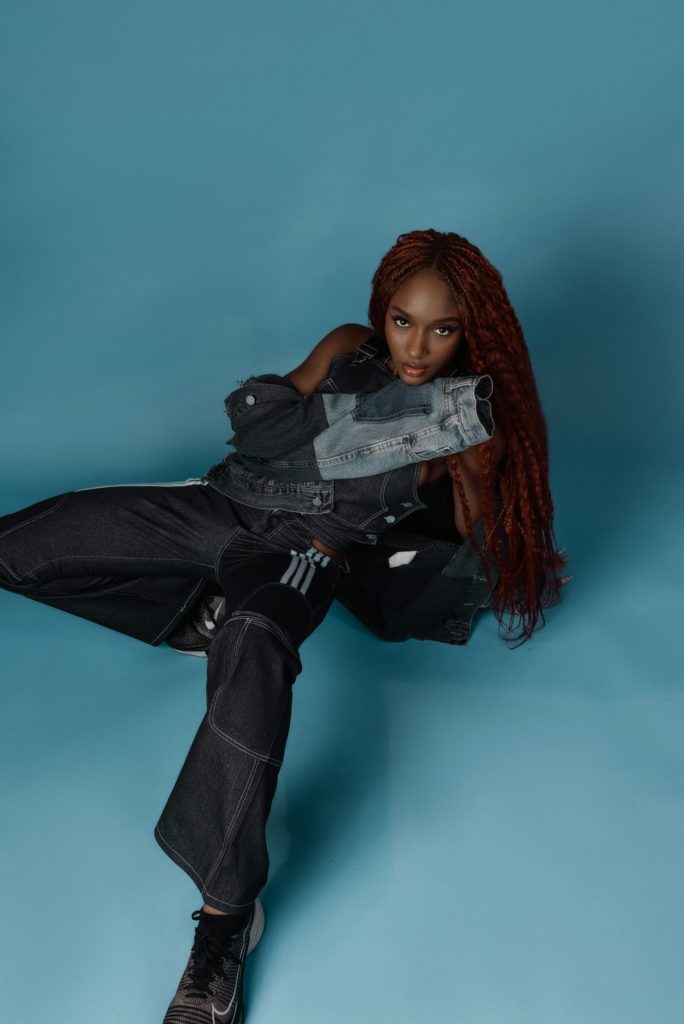
In a major career leap that underscores her skyrocketing international presence, Nigerian Afropop sensation Ayra Starr has inked a management deal with Roc Nation, the global entertainment powerhouse founded by iconic rapper and entrepreneur Jay-Z.
This strategic partnership comes on the heels of a remarkable year for the 21-year-old singer, who has been rapidly ascending through the ranks of global music stardom. Roc Nation’s move to bring her into its exclusive artist roster is seen by many in the industry as a definitive nod to Starr’s surging influence—not just in Africa, but across the world.
A Partnership Sealed in Momentum
While the news was formally confirmed only recently, industry watchers had already begun speculating about a potential Roc Nation collaboration weeks earlier. When the label publicly congratulated Ayra Starr on her recent BET Award win—her first—many fans and insiders interpreted the gesture as more than a passing compliment. It was a subtle foreshadowing of something much bigger.
Fast forward a few weeks, and the dots have connected. Ayra Starr, still signed under Mavin Records—the influential Nigerian label led by veteran producer Don Jazzy—will now be represented internationally by Roc Nation. She also remains under the umbrella of Universal Music Group (UMG), through Mavin’s global distribution deal. This layered arrangement effectively creates a powerhouse of industry veterans and strategists working behind the scenes to elevate her career.
Why Roc Nation? Why Now?
Founded in 2008, Roc Nation isn’t just another label. It’s a full-service entertainment agency that manages top-tier artists like Rihanna, J. Cole, Shakira, and Megan Thee Stallion, offering not only music production and promotion but also film, sports, and cultural influence strategies. With its deep roots in the American entertainment ecosystem, Roc Nation provides a gateway into one of the most competitive music markets in the world.
For Ayra Starr, whose appeal transcends Afrobeats and leans into global pop, fashion, and Gen Z zeitgeist, Roc Nation offers the perfect machinery to transition from a rising African star into an international pop icon.
“This is more than just management,” says Nigerian music journalist and Afrobeats Intelligence host Joey Akan. “It’s a calculated step to position her in a league that very few African female artists have accessed. Roc Nation isn’t just working with talent—they execute global careers.”
Balancing Loyalty with Ambition
Despite signing with Roc Nation, Ayra Starr has not severed ties with the team that first discovered her. She continues to be a core artist under Mavin Records, which played a critical role in shaping her artistic identity. Discovered by Don Jazzy in 2021, she broke onto the scene with her self-titled EP and the viral single “Away,” quickly becoming one of the faces of Nigeria’s Gen Z music movement.
This new arrangement reflects a modern approach to artist development—collaborative and international in scope. By leveraging the infrastructure of Mavin in Nigeria, UMG globally, and now Roc Nation in the U.S., Ayra Starr is supported on multiple fronts as she navigates increasingly demanding creative and commercial opportunities.
“This isn’t a split from Mavin or Universal,” Akan adds. “It’s an expansion of her team. With Roc Nation involved, she now has localized support in the U.S.—arguably the most competitive music market in the world—with the resources and insight to break her in properly.”
A Career Already on the Fast Trac
Even before this announcement, 2024 has been a landmark year for Ayra Starr. Fresh off her BET Award and MOBO Award wins, she’s currently on a stadium tour with Coldplay, performing in front of tens of thousands across Europe and North America. This exposure is not just a badge of honor—it’s a crucial visibility play in markets that many Afrobeats artists spend years trying to break into.
She’s also making her acting debut in the upcoming film adaptation of “Children of Blood and Bone,” a highly anticipated fantasy epic based on the bestselling novel by Tomi Adeyemi. The film has already generated considerable buzz for its Black-centered mythology and Hollywood production value, and Ayra’s involvement signals her ambition to transcend music and build a multi-faceted global brand.
Moreover, her upcoming single “Hot Body”, which she teased just days before the Roc Nation announcement, is expected to be her first major release under the management of her new team. If successful, it could mark a new era in her sound and visual storytelling—one that is likely to target a broader global pop audience.
The ‘IT Girl’ of Afrobeats
Ayra Starr is not just another singer in the Afrobeats boom—she is a stylistic trailblazer. With her genre-bending sound that mixes Afropop, R&B, soul, and global pop, she has cultivated a distinct identity: fiercely confident, fashion-forward, and unapologetically young. Her fashion choices, music videos, and interviews resonate with a generation that wants more than just hits—they want icons.
Her 2023 album “19 & Dangerous” featured hits like “Rush”, which not only topped African charts but made waves on global streaming platforms, further cementing her reputation as a future-facing artist.
“She’s the ‘IT’ girl,” says Akan. “Not just for Nigeria, but for the global youth culture. She’s bold, genre-fluid, unfiltered, and highly marketable. Roc Nation sees that potential and is betting on it.”
A Big Win for African Pop
While Ayra Starr’s move is monumental for her career, it also signals broader shifts in the global perception of African artists—particularly women. In an industry historically dominated by Western acts and male voices, her signing reflects a growing hunger for fresh perspectives from the Global South.
Jay-Z’s Roc Nation aligning with a Nigerian Gen Z female artist isn’t just a business move—it’s a cultural endorsement.
More than ever, Afrobeats is being treated not as a regional genre but as a global soundscape, with artists like Burna Boy, Wizkid, Tems, and Rema leading the charge. Ayra Starr’s Roc Nation signing adds to that list—but from a fresh, female-led perspective.
Looking Ahead: What This Means for Ayra Starr’s Future
With Roc Nation in her corner, Ayra Starr is now poised to take bolder creative risks and tap into high-level collaborations across music, fashion, and film. Whether that means working with American producers, appearing in brand campaigns, or featuring in Hollywood soundtracks, the resources and connections are now there.
There’s also anticipation around how Roc Nation might position her visually and sonically. Will she maintain her raw, Afrocentric aesthetic? Or evolve into a more globally hybrid artist, like Rihanna or Doja Cat? Time will tell—but with a label known for nurturing multidimensional careers, fans can expect an elevated era of Ayra Starr.
A Sign of Things to Com
Ayra Starr’s journey is emblematic of a wider movement. Africa is no longer a talent pool waiting to be tapped—it’s a thriving creative ecosystem exporting world-class stars. And with structures like Mavin, UMG, and Roc Nation collaborating, the blueprint is evolving from mere talent discovery to global domination.
Her new single Hot Body—dropping soon—is more than just a song. It’s the first test of this new chapter, backed by one of the most influential music companies in the world.
For fans, for Nigeria, and for the global music community, the message is clear: Ayra Starr is not just coming—she’s arrived.
In an era dominated by vertical videos, short-form content, and mobile-first behavior, the numbers speak louder than ever: YouTube Shorts is not only winning — it’s dominating. During a major announcement this week, YouTube CEO Neal Mohan unveiled a staggering new milestone that redefines the playing field. YouTube Shorts is now drawing in 200 billion views every single day. This isn’t a monthly number, nor annual—it’s daily.
To put this into perspective, in March 2024, just over a year ago, YouTube Shorts was getting around 70 billion daily views. The platform has since seen a phenomenal growth of 186%, almost tripling its viewership in just 15 months. These numbers push YouTube far beyond competition, cementing its place as the undisputed powerhouse in both short-form and long-form video ecosystems.
YouTube Shorts: The Quiet Giant That Surged Ahead
This explosive growth highlights YouTube’s strategic success in tapping into the short-form content trend that has reshaped how billions consume media. Once seen as a response to TikTok’s meteoric rise, YouTube Shorts has grown from an experiment into a juggernaut.
Interestingly, while YouTube continues to release its metrics publicly, TikTok has remained relatively silent, withholding daily viewership stats for quite some time now. The absence of comparative data from TikTok could indicate that it’s facing challenges keeping up with YouTube’s explosive pace, especially as YouTube continues to scale its ecosystem globally across multiple devices and demographics.
Although TikTok remains hugely influential in pop culture, music discovery, and trend creation, the sheer scale YouTube has achieved is in another league. And it’s not just about views—it’s about infrastructure, longevity, and monetization power.
YouTube Is Now the Future of Television, Too
Beyond the mobile screen, YouTube is now conquering living rooms at an unprecedented scale. Mohan also shared that users now spend over 1 billion hours watching YouTube on TVs every single day. This isn’t just a statistic—it’s a powerful reflection of how video consumption habits have evolved in the last few years.
According to Nielsen’s Gauge report, YouTube accounted for 12.5% of total U.S. TV viewership in May 2025, surpassing all other streaming platforms, including Netflix, Hulu, and even traditional cable channels. For the fourth consecutive month, YouTube has held this leading position, solidifying its status not only as a video-sharing platform but as a next-gen television network.
More telling is that for over half of the 100 most-watched YouTube channels, TVs are now the most-viewed screen. This flips the historical narrative that YouTube is just for phones and desktops. Now, it’s a platform that commands attention on the largest screen in the home.
This shift is crucial because it brings legitimacy and permanence to YouTube in the traditional content space. No longer just a digital alternative, YouTube is becoming the primary destination for both entertainment and information across every screen.
What Makes YouTube’s Ecosystem So Powerful?
A large part of YouTube’s success lies in its multi-format ecosystem. Unlike platforms that limit creators to a single type of content—be it short videos, live streams, or long-form content—YouTube is designed to allow all of it to coexist. This format-flexibility creates a seamless viewer experience and gives creators multiple ways to grow their presence, reach diverse audiences, and monetize their work.
Whether it’s a 15-second skit, a 10-minute tutorial, or a 3-hour podcast, YouTube supports it all within a single platform. It’s also heavily optimized for various devices, from phones to tablets, laptops to smart TVs. This means that creators don’t need to rebuild their audience across platforms—YouTube is their one-stop shop for creative expression and financial sustainability.
This comprehensive approach has allowed YouTube to create something no other platform has: an all-in-one video infrastructure that supports both creator freedom and audience diversity.
YouTube’s AI Push: Enter Veo 3 and Dream Screen
Not one to rest on its laurels, YouTube is already preparing to launch its next big leap in content creation. Mohan teased the upcoming release of Veo 3, a cutting-edge AI video generation model developed by DeepMind, Google’s AI research arm.
This new technology will be integrated into YouTube Shorts later this summer under a feature called Dream Screen. The promise? Better visuals, smoother transitions, sharper animations, and—most notably—AI-generated sound and motion that elevate the quality of short-form video to near-professional standards.
Imagine this: a creator types a prompt like “a futuristic Tokyo street at night with neon rain,” and within seconds, Dream Screen generates that background in high resolution, complete with ambient sound and movement. This level of creative freedom could eliminate the need for expensive tools, filming gear, or visual effects software.
By baking such advanced AI into its core platform, YouTube is empowering creators to push the boundaries of what’s possible, even within a 60-second video. In doing so, it continues to attract creative talent and set a higher bar for what mobile-first content can look like.
Streaming Is No Longer the Future—It’s the Present
YouTube’s rise is part of a larger transformation happening across the entire media landscape. For the first time in history, streaming has overtaken cable and broadcast combined as the primary source of TV consumption in the United States.
Nielsen’s latest figures show that streaming now represents 44.8% of total TV usage, a dramatic rise from just 26% four years ago. Meanwhile, cable has dropped to 24.1% and traditional broadcast sits at 20.1%.
In other words, the old media models are rapidly being replaced by digital platforms that offer on-demand, algorithmically personalized experiences. And YouTube, unlike most others, has successfully captured both the mass appeal and the personalization edge.
As Nielsen CEO Karthik Rao noted, this shift is a pivotal moment in the media industry—a “perfectly timed inflection point,” coinciding with the four-year anniversary of Nielsen’s Gauge report. In this new world, YouTube isn’t just part of the trend—it’s leading it.
Creators Are Flocking to YouTube for One Key Reason: Money
While TikTok may be where trends start, YouTube is increasingly where creators go to build careers. And the numbers back it up.
YouTube offers monetization avenues that other platforms are still trying to figure out. Whether it’s ad revenue sharing, channel memberships, Super Chats, affiliate tools, or the YouTube Partner Program, creators now have more options than ever to turn views into income.
Even with Shorts, YouTube is rolling out performance-based monetization tools that allow creators to earn directly from short-form content—something TikTok’s widely criticized Creator Fund has struggled with.
The platform is also expanding its e-commerce and live shopping features, helping creators turn their videos into virtual storefronts. With real-time product links, affiliate commissions, and audience segmentation tools, YouTube is shortening the creator-to-customer journey drastically.
In contrast, TikTok creators often rely heavily on external sponsorships and brand deals, which aren’t scalable for smaller or mid-tier creators. YouTube, meanwhile, continues to invest in tools that benefit creators at every stage of their journey.
YouTube Is Now More Than a Platform—It’s the New Media Standard
If there’s one takeaway from all these numbers and announcements, it’s this: YouTube has transformed itself from a platform into a media empire.
It’s redefining what it means to be a “TV channel.” It’s building tools for the next generation of creators. It’s expanding reach across mobile and TV screens alike. And with advanced AI like Veo 3 on the horizon, it’s setting the pace for the entire industry to follow.
What started as a site for cat videos and bedroom vloggers is now a technology-driven global network, attracting billions of users daily, empowering creators at every level, and delivering more hours of content to more screens than any other platform in history.
What This Means for the Industry (and the Viewer)
For creators, YouTube represents the most complete toolkit to build a sustainable and scalable video business. For brands and advertisers, it’s an unrivaled distribution channel that combines reach, targeting, and conversion power. For consumers, it’s a content universe tailored to personal preferences, discoverable across every screen in the house.
And for everyone else—whether competitor or casual observer—YouTube’s trajectory is a clear signal: the future of media is not just digital. It’s YouTube-shaped.
For many years, Spotify users have been holding out hope for one highly anticipated feature: the arrival of lossless, CD-quality audio. First teased in early 2021 under the name Spotify HiFi, the announcement sparked immediate excitement among audio lovers, musicians, and everyday listeners seeking a higher-quality music experience. But while other major platforms like Apple Music and Amazon Music moved swiftly to adopt lossless audio as a core part of their offering, Spotify quietly retreated from the conversation, leaving its users wondering if HiFi had been abandoned altogether.
Fast forward to today, and there’s new evidence suggesting the long wait might finally be over. Recent findings point toward Spotify actively preparing to launch a lossless tier at last—perhaps under a new name and as part of a reimagined premium subscription.
A Long Road With Little Communication
Spotify’s initial promise came during a 2021 “Stream On” event, where the company confirmed it was working on a high-fidelity audio tier, scheduled for release later that year. They called it “Spotify HiFi” and promoted it as a way to bring CD-quality sound to listeners who demanded better audio detail, especially for use with high-end speakers or wired headphones. The announcement was well-received and set expectations high.
However, after that single event, Spotify went quiet. Months passed, then years—with no updates, no betas, and no official statement explaining the delay. Speculation filled the gap. Was Spotify facing licensing issues with record labels? Were they rethinking their approach to compete with Apple and Amazon, who had started offering lossless at no extra cost? Whatever the reason, Spotify stayed vague and noncommittal, offering only occasional mentions of a “deluxe” version of its service that might include HiFi.
Meanwhile, competitors had surged ahead. Apple Music launched its lossless and high-resolution audio support across its entire catalog—completely free to subscribers. Amazon Music HD followed suit. Even Tidal, known for catering to audiophiles, restructured its pricing model to make lossless more accessible. Spotify’s absence grew more glaring with each passing month.
A Technical Trail of Clues Appears
While Spotify still hasn’t made an official announcement confirming the release of a HiFi or lossless tier, tech-savvy users and developers have discovered compelling signs buried in the app’s latest code.
One of the most talked-about revelations came from Spicetify, a tool that allows users to customize their Spotify experience through command-line interfaces. According to posts shared by the developers, the latest version of Spotify includes new internal labels and interface elements referencing “lossless” audio. These mentions aren’t just speculative—they show up in concrete areas of the app, such as the streaming quality settings and options related to device connections via Spotify Connect.
Even more telling, these lossless references were found in the Spotify web player, not just in the native mobile or desktop apps. This means Spotify is laying the groundwork for lossless streaming across platforms, signaling a comprehensive release strategy rather than a small-scale test.
Although the feature isn’t available to users yet, the presence of these internal options suggests that Spotify may be putting the final pieces in place before launch. After years of silence, this is the most hopeful signal yet that the long-promised audio upgrade is nearing release.
Spotify Music Pro: A New Premium Tier?
In addition to these technical findings, industry reporting has also pointed to a potential rebranding of Spotify HiFi. According to a February 2024 report from Bloomberg, Spotify may be preparing to launch a new subscription tier called “Music Pro.” This tier would include high-quality audio streaming and other enhanced features, potentially targeted at music enthusiasts, creators, and superfans who are willing to pay more for advanced tools and premium experiences.
The rumored price point? Around $5.99 per month above the standard Premium plan.
This rebranding could explain the delay—rather than releasing HiFi as a simple audio quality upgrade, Spotify may have chosen to integrate it into a broader package of premium services, designed to generate more revenue while differentiating from competitors offering lossless for free. If Spotify is bundling lossless with exclusive content, AI-driven features, or creator-focused tools, the launch of Music Pro could represent more than just catching up—it could be a strategic pivot toward deeper audience engagement.
Why Lossless Audio Matters More Than Ever
To the average listener, lossless audio might sound like a luxury—an improvement they won’t necessarily notice on basic earbuds or in a noisy car ride. But the appeal of lossless streaming goes far beyond elite audiophiles. It represents a broader movement toward transparency, audio integrity, and respect for the music as it was created.
Lossless audio preserves all the original data from a song’s recording, unlike lossy formats (like MP3 or Ogg Vorbis) that compress the file to save space and bandwidth. This means greater detail, cleaner vocals, richer bass, and wider dynamic range. It’s especially important for those using high-end equipment or studio monitors, where the subtleties of a mix truly shine.
Even for casual listeners, the presence of a lossless option speaks to a brand’s commitment to quality. And for artists and producers, it’s a chance to have their work heard the way it was intended.
In today’s market, where nearly every platform offers “good enough” audio, providing best-in-class fidelity can become a meaningful differentiator—and Spotify knows this.
The Competitive Landscape Has Changed
Spotify may have been the market leader for years, but its competitors are not standing still. Apple Music, with its massive hardware ecosystem, now offers lossless and spatial audio to every subscriber at no additional cost. Amazon Music HD, once a separate tier, has been folded into the main plan. Tidal, which long charged a premium for HiFi, now includes it as part of its standard offering.
In this context, if Spotify charges extra for lossless, it will need to offer significant added value—or risk pushback from users who feel they’re paying more for something others get for free.
Spotify’s edge has always been its recommendation engine, playlists, and seamless user experience, not necessarily its audio quality. By combining lossless with advanced discovery features or personalized content curation, it might convince users that its premium tier is worth the extra investment.
Why the Delay Took So Long
So why didn’t Spotify roll out HiFi when it said it would? There are likely several overlapping reasons.
First, licensing complexities. Streaming in lossless may require renegotiating deals with record labels, especially when it involves increased file sizes and potentially different royalty calculations. Spotify has always walked a tightrope between growth and profitability, so any delay that involved more cost would be scrutinized heavily.
Second, infrastructure costs. Unlike Apple or Amazon, which control massive cloud networks and device ecosystems, Spotify is entirely dependent on its streaming platform to turn a profit. Delivering lossless audio at scale is bandwidth-intensive and could mean significantly higher costs for hosting, streaming, and caching.
Third, strategic reframing. Rather than release a simple audio upgrade that brings them on par with competitors, Spotify may have chosen to take their time and reposition the offering into something broader and more monetizable—hence the reported Music Pro concept.
Will People Actually Pay More?
Here lies the central question: how many users will actually pay extra for something that rivals offer at no cost?
Spotify will need to craft a compelling narrative. If Music Pro becomes more than just a HiFi toggle—if it includes curated experiences, enhanced controls, behind-the-scenes content, exclusive mixes, or even tools for aspiring musicians—it could be seen as a worthwhile upgrade.
Spotify also has a loyal base of creators, listeners, and playlist curators. Giving this community deeper insights, better audio, and more influence might generate real value, especially in the growing intersection of music and creator economy platforms.
At the same time, the company must be careful not to alienate users who’ve waited patiently for years. The announcement and pricing must feel rewarding, not exploitative.
All Eyes on the Finish Line
Right now, Spotify seems to be positioning itself to finally deliver the feature that so many have requested. From code leaks to credible industry reporting, the signals are stronger than ever. Whether it’s branded as HiFi, Music Pro, or something new altogether, lossless audio is no longer a “maybe someday” concept—it appears to be a near-future reality.
Still, this is Spotify’s moment to prove that it hasn’t just been dragging its feet. The company must show that the delay was in service of building something genuinely better—not simply a repackaged copy of what others already offer. If it can do that—if it can elevate HiFi beyond expectations and position it within a broader, future-facing premium experience—it could not only close the feature gap, but reassert its position as an industry innovator.
In the streaming wars of 2025, audio quality is just the starting point. The real competition will be over how music makes us feel, how deeply we engage, and how platforms earn our loyalty. Spotify’s next move could define the next chapter of digital music.

RECENT COMMENTS