by Voshawn Johnson | Sep 17, 2025 | Latest, Music News |
Why Joe Budden’s Mic Matters
The Joe Budden Podcast is where hip-hop’s biggest conversations become smarter, funnier, and more accountable. Joe and the crew treat the culture like a living institution—balancing humor with rigor, and barbershop energy with newsroom discipline. When they publish, discourse shifts. If you want the pulse, you lock in here.
Do the smart thing: watch the Joe Budden Podcast on YouTube here and tap in with the conversation firsthand.
A Masterclass In Long-Form Storytelling
In a clip-drunk era, JBP doubles down on depth. The pacing lets arguments breathe, lets context build, and gives artists/industry figures fair treatment. That’s why episodes have replay value and clips travel—substance first, virality second.
Fresh From Ep. 856 “Pillow Talk”
This week’s drop crystallizes the show’s range. The room unpacks Young Thug interrogation clips and what they mean for Atlanta’s future (30:09, 56:38), debates “pillow talking” etiquette after an off-mic dust-up (1:15:00), and reacts to Cardi B’s testimony (1:34:00). Joe weighs in on the Jussie Smollett documentary (1:44:19); there’s programming talk with Funk Flex’s Hot 97 timeslot change (1:56:21); then new-music energy with Joey Bada$$ & Westside Gunn album drops (2:09:48). Late-episode gems include Joe calling Kehlani’s “Folded” the R&B song of the summer (2:52:55), a Mario remix reaction (2:55:05), and quick-hit cultural notes from ILoveMakonnen turning chef (3:01:28) to Cracker Barrel’s logo tweak (3:07:57) and a heated Micah Parsons trade debate (3:12:40). (Apple Podcasts)
Network Vision, Creator Integrity
The Joe Budden Podcast Network proves creator-owned media can scale without losing its voice. Independence keeps the takes fearless; editorial consistency keeps the trust.
Why You Should Hit Play Today
If you’re an artist, manager, journalist, or fan who wants context—not clickbait—this episode is required listening. It’s funny, layered, and rooted in love for the craft.
Call to Action: Lock in with the episode and watch on YouTube here. Share a timestamp, argue your take, keep the discourse honest.
by April Harley | Aug 29, 2025 | Latest, Music News, New Music Alert |
In a world overflowing with content, standing out isn’t easy. Yet hip-hop veterans Fat Joe and Jadakiss have managed to launch one of the most impactful new shows in podcasting. Their collaboration, “Joe & Jada,” is already a chart-topper, a viral sensation, and a cultural talking point.
A Powerful Launch
When the podcast premiered earlier this year, skeptics wondered whether the rap legends could hold attention outside of music. The numbers answered quickly: millions of streams within weeks, thousands of five-star reviews, and near-constant chatter on social media.
Clips spread daily across TikTok, Instagram, and X (formerly Twitter). Fans shared moments of unfiltered honesty, like Joe’s reflections on losing friends in the industry or Jadakiss laughing about a childhood story in Yonkers.
Recognition Beyond Music
Industry recognition followed fast. Complex named “Joe & Jada” one of the Top 10 Hip-Hop Podcasts of the year and highlighted it among the Top 15 Cultural Podcasts overall. Such rankings elevated the show from “celebrity side project” to “must-listen media property.”
“This is about honesty,” Fat Joe said in a recent interview. “People know the hits, but here we share what happens outside the booth.”
Jadakiss echoed the sentiment: “We wanted to give the culture something uncut. No scripts. Just the real.”
Authentic Conversations at the Core
What separates “Joe & Jada” is that it doesn’t feel like a promotional platform. Many celebrity podcasts exist primarily to push products or brands. Here, the conversation takes center stage.
Listeners have praised the mix of humor and depth. One episode may be full of belly laughs, while the next might feature sobering discussions about violence, loyalty, or perseverance in an unforgiving industry. That duality — the ability to laugh and reflect in the same breath — resonates widely.
Breaking Out Across Platforms
Spotify streams. Apple Podcasts reviews. YouTube comments. Everywhere you look, “Joe & Jada” is sparking dialogue. The show has already landed in the trending section multiple times and sits near the top of entertainment podcast charts.
Celebrity guests have added to the momentum. Surprise appearances from athletes and fellow rappers give episodes extra energy. But fans consistently say the real draw is the dynamic between Joe and Jada themselves.
The Road Ahead
The success of season one is fueling bigger plans. According to industry insiders, live tapings are being developed in major cities, where fans can experience the banter in person. Branded partnerships with fashion and beverage companies are also in the works.
But Jadakiss insists the heart won’t change: “We can do live shows, we can do deals, but the vibe stays the same. No filter. No fluff.”
A Legacy Reinforced
For Fat Joe and Jadakiss, this is more than a podcast — it’s another chapter in legacies already written in platinum. Both men are regarded as pillars of hip-hop’s history, and with “Joe & Jada,” they’re proving they’re just as relevant in 2025 as they were in 2005.
by Voshawn Johnson | Aug 29, 2025 | Latest, Music News, Trending |
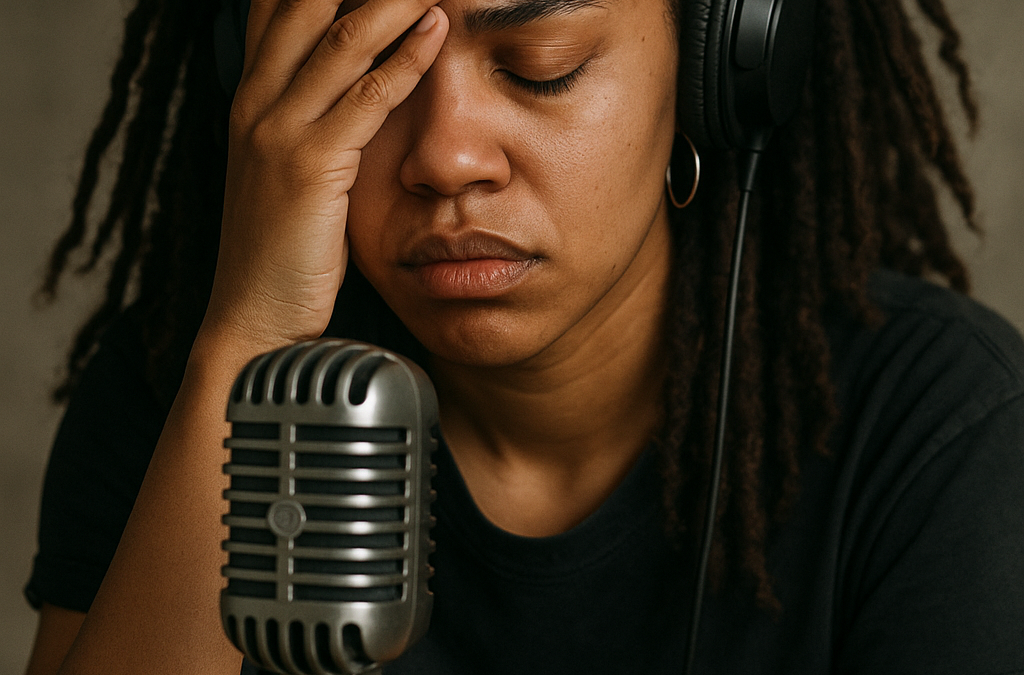
The sight of Tyla being escorted into a waiting car by her security team in São Paulo raised alarms worldwide this weekend. But beyond the initial panic, the incident has sparked broader discussion about the physical and mental toll of international touring on young artists.
Tyla’s management attributed her brief spell of distress to exhaustion and dehydration. These are familiar diagnoses in the music industry, but they hint at deeper systemic challenges. For emerging stars like Tyla, the transition from relative obscurity to global sensation can be both exhilarating and punishing.
The lifestyle is relentless: international flights, jet lag, interviews, meet-and-greets, rehearsals, performances, and after-parties. Each appearance is an opportunity to grow the brand, but each also extracts a cost. Nutrition, rest, and downtime are often sacrificed in the pursuit of momentum. For artists in their early twenties, the body can bounce back quickly, but repeated strain takes its toll.
Tyla’s case isn’t unique. Pop history is littered with similar moments. In the early 2010s, Justin Bieber collapsed on stage in London due to exhaustion. Lady Gaga famously canceled part of her “Born This Way” tour citing hip injuries exacerbated by relentless performance schedules. More recently, Shawn Mendes postponed an entire tour in 2022, acknowledging the mental health strain of life on the road.
These incidents highlight the dual reality of pop stardom: the dream of global recognition is tethered to the grind of constant output. Artists are brands, and brands must be “always on.” Fans demand access, promoters demand consistency, and social media demands content. The result is a lifestyle that leaves little room for human vulnerability.
Tyla’s response, however, has been measured and reassuring. “I’m okay and feeling stronger,” she said in her note to fans, reminding them that sometimes the pace simply catches up with her. The honesty resonated with supporters, many of whom praised her for acknowledging the strain rather than hiding it.
As her management noted, no major changes to her schedule have been made yet. But even if adjustments are minimal, the incident has reignited calls within the industry for more sustainable touring practices. From mandatory rest days to integrated wellness programs, conversations about reform are increasingly common.
At just 22, Tyla embodies both the promise and the pressures of pop’s new generation. Her health scare may have been temporary, but it has underscored the very real demands placed on artists navigating global fame. For fans, the takeaway is relief that she is safe. For the industry, it’s another reminder that behind the lights and applause, health remains the most important performance of all.
by Jonathan P-Wright | Aug 27, 2025 | Latest, Music News, Trending |
Born in the Storm, Becoming the Storm: The Immortal Rise of Liyah The Libra”
Los Angeles, CA — 2025 – In Hip-Hop, survival stories are plenty. But few artists have the ability to transform survival into soundtracks the way Liyah The Libra does. Her path from homelessness and despair to a record deal with AllWins Entertainment is remarkable. Yet, what truly sets her apart is her rare gift of storytelling, cadence, and lyrical delivery—a gift that positions her as one of the most important new voices of her generation.
A Rare Gift: Storytelling, Cadence, and Delivery
Liyah The Libra doesn’t just rap—she translates life. With every verse, she captures the unspoken emotions of her listeners, turning private struggles into public anthems. Her cadence is sharp and fluid, effortlessly weaving rhythm with raw honesty. Her delivery strikes with precision—sometimes soft as a whisper, sometimes cutting like a blade—always authentic, always true.
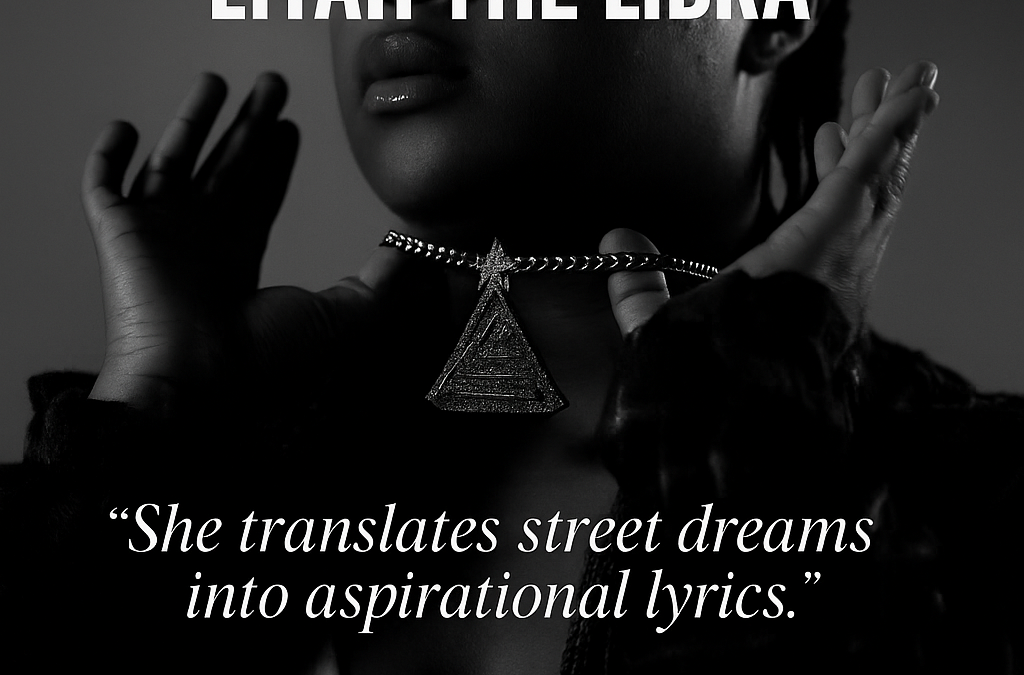
She transforms street dreams into aspirational lyrics, giving voice to Gen Z’s deepest fears and wildest ambitions. To hear her rap is to hear a diary written for the dream chasers of today’s Hip-Hop culture—authentic, cinematic, and timeless.
The New Face of Artistic Freedom
In an era where many chase algorithms and viral trends, Liyah The Libra represents something rarer: artistic freedom. Her music isn’t manufactured for clicks—it’s birthed from lived experience, solitude, and fire-forged resilience. She is the sound of independence, proving that Gen Z artists don’t need to conform to the industry’s rules to make an impact.
Her journey—from growing up without parents, to nights in her car facing repossession, to finally earning her place in the spotlight—has made her a symbol of what’s possible when you refuse to surrender. Within Gen Z Hip-Hop, she embodies freedom: the freedom to tell your truth, to chase your dream with no Plan B, and to become your own force of nature.
WINNER: An Anthem of Pain and Triump
Her breakout single, “WINNER”, is the perfect embodiment of her journey. It isn’t just a song—it’s a statement. With blistering cadence and heartfelt delivery, Liyah channels her pain into a motivational Hip-Hop anthem for every dreamer who’s been told they won’t make it.
“Every night I spent in my car, I reminded myself that my pain would one day be my power,” she says. That prophecy became music, and that music became movement.
AllWins Entertainment and RADIOPUSHERS Amplify Her Vision
Her gift caught the attention of Grammy Award-winning artist Eric Bellinger, who signed her to AllWins Entertainment in 2025. Bellinger saw in Liyah a reflection of the same relentless drive that built his own career—a hunger to rise above obstacles and craft music that lasts forever.
Her anthem also reached Jonathan P-Wright, Chief Visionary Officer of RADIOPUSHERS, who moved swiftly to secure “WINNER” into regular rotation on 99.7 DA HEAT MIAMI (iHeartRadio). For RADIOPUSHERS, supporting Liyah wasn’t just about a record—it was about celebrating the legacy of Bellinger and shining a light on Hip-Hop’s next great storyteller.
“WINNER is more than a record,” Wright said. “It’s the sound of Hip-Hop and its future colliding. Supporting Liyah is also our way of honoring Eric Bellinger’s vision—because every time she wins, AllWins Entertainment shines even brighter.”
The Immortal Rise of Liyah The Libra
Liyah’s story is the storm, and her music is the light guiding others through it. She is no longer the child forced to navigate life without parents, nor the young woman writing rhymes from a car parked under shadows. She is the new face of artistic freedom in Gen Z Hip-Hop—an artist who redefines resilience, reimagines storytelling, and reshapes culture.
“Everybody has a sad story,” she says. “Mine isn’t an excuse. Mine is a weapon.”
With “WINNER” igniting the airwaves, the support of AllWins Entertainment, and RADIOPUSHERS amplifying her every step, Liyah The Libra is proving that roses don’t just bloom in the concrete—they rise into the storm and become immortal.
Stream Liyah The Libra
by Joshua Wright | Aug 21, 2025 | Latest, Music News |
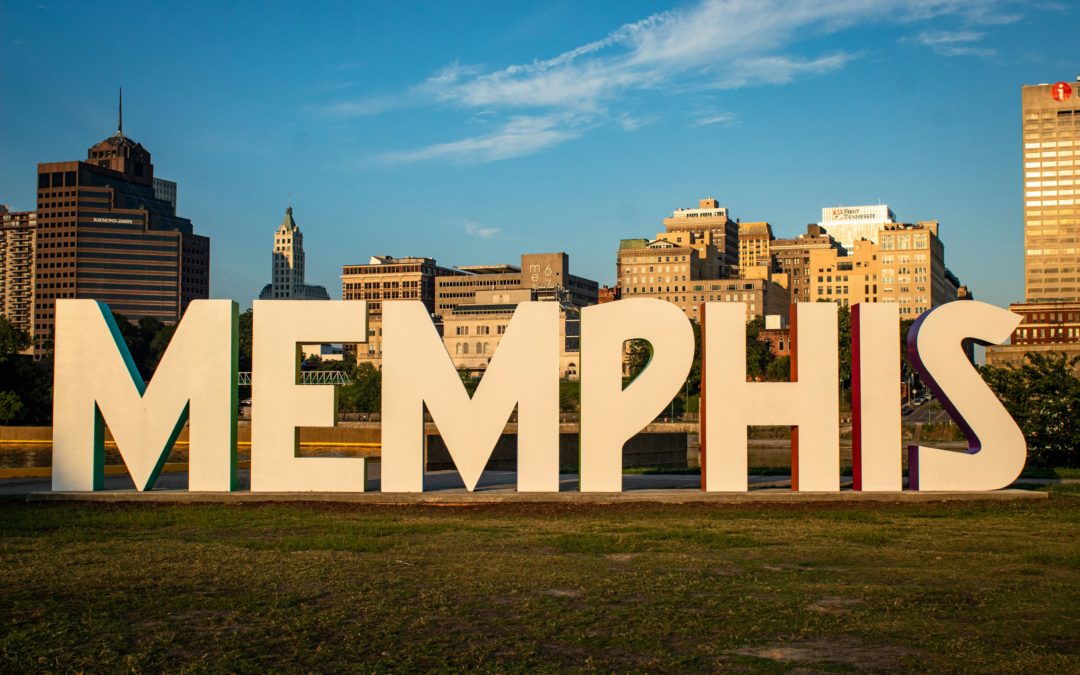
Photo by Joshua J. Cotten on Unsplash
Every time Adolph Robert Thornton Jr., better known to the world as Young Dolph, stepped into the spotlight, he brought Memphis with him — in his cadence, in his lyrics, in his presence. He wasn’t just a rapper representing a city; he was a walking embodiment of its grit, struggle, ambition, and raw authenticity. To understand Young Dolph is to understand the soul of Memphis. But Dolph’s story was more than just about music — it was about legacy, loyalty, leadership, and the power of betting on oneself.
Born Into Fire, Forged Through Hustle
Born on July 27, 1985, in Chicago, Dolph was relocated to Memphis during his early childhood, where he was raised primarily by his grandmother. The neighborhoods of South Memphis weren’t easy to grow up in — poverty, instability, and crime surrounded him from a young age. But instead of falling into despair, Dolph developed a hardened sense of resilience. He was quick to learn that in his world, survival depended on resourcefulness and drive.
He once reflected that where he came from, people didn’t have time to dream unless they figured out how to stay alive first. For Dolph, music was more than expression — it was strategy. It was the rope he climbed out of the shadows with. It became the way he narrated his reality while transforming it into something better.
From Mixtapes to Movement: The Birth of a Paper Route
In 2008, Dolph released his first mixtape titled “Paper Route Campaign.” The name wasn’t just a catchy slogan — it was a philosophy. He wasn’t following a script handed down by labels or trends. He was designing his own blueprint. That same year, he founded Paper Route Empire (PRE), his independent label that would go on to change the way many young artists viewed the music industry.
PRE wasn’t just a label — it was a defiant stance. It was Dolph’s message to the world that independence was possible, that a rapper could retain control of his art, his image, and his income. While most new artists were chasing label deals, Dolph was rejecting them. Even when major labels offered multi-million-dollar contracts, Dolph said no — not out of arrogance, but out of vision.
He understood something many artists learn too late: that freedom and ownership often matter more than fame. Instead of sharing his profits with industry giants, Dolph reinvested into himself and into his city. His choice to go solo wasn’t a backup plan. It was the main strategy.
A Catalog of Confidence and Clarity
By 2016, Dolph had already built a strong reputation in Southern hip-hop circles. That year, he released “King of Memphis,” a declaration of both self-belief and territorial pride. Some saw the title as audacious, but fans and critics alike couldn’t deny the consistency in his work and the depth in his storytelling.
A year later, Dolph dropped “Gelato,” a project that echoed with raw energy and uncompromising lyrics. It made waves online and offline, sparking conversations about his authenticity and his entrepreneurial streak. It wasn’t just that the music slapped — it was the fact that he did it without anyone pulling strings in the background. Every release was self-funded, self-owned, and self-promoted.
His 2020 album, “Rich Slave,” would become his highest-charting record, debuting at No. 4 on the Billboard 200. The album blended introspection, social commentary, and banger-level production — proving that even at the height of his career, Dolph was still evolving as an artist and thinker.
The Power of Family and Collaboration
One of the brightest chapters of Dolph’s career unfolded through his collaboration with his cousin and protégé, Key Glock. Together, they dropped “Dum and Dummer” in 2019, an explosive mixtape that captured the unique energy of Memphis with back-to-back verses that were both playful and powerful.
The chemistry between Dolph and Glock was palpable. Their partnership went beyond business — it was a brotherhood. The success of their mixtape led to a national tour that packed venues in city after city. Fans weren’t just attending shows — they were witnessing a movement.
The Dum and Dummer Tour wasn’t supported by corporate sponsors or big-label marketing budgets. It was Dolph, Glock, and the Paper Route Empire team doing it on their own — selling out dates, moving merch, and giving fans a high-octane experience rooted in love for the music and pride in their independence.
Lifting Others While Building His Own
What truly set Young Dolph apart was his role as a mentor and leader. While many artists become obsessed with self-promotion, Dolph made it a point to spotlight others. He saw PRE as more than a label — it was a gateway for other Memphis talents to shine. He poured time, money, and attention into developing artists like Key Glock, Big Moochie Grape, and Snupe Bandz, helping them avoid the pitfalls he had navigated alone.
Dolph was vocal about the importance of owning music rights and being educated about business. In an industry where artists are often exploited, he consistently encouraged newcomers to take the reins of their careers. His philosophy was straightforward: don’t wait for validation, don’t give up your power, and don’t forget to take care of your people on the way up.
A Father’s Love, A Mogul’s Mind
Away from the spotlight, Dolph was a devoted father and businessman. He made it clear that his children were his top priority. As a symbol of that commitment, he bought properties for his kids — not flashy toys or temporary luxuries, but real assets. He wanted to ensure that his children had a solid foundation no matter what happened.
His business acumen extended beyond music. Dolph had investments in real estate, retail, and other ventures. He understood that his voice might not last forever, but if he played it right, his money could. His moves were intentional — everything he did had a long-term goal behind it.
A Quiet Force for Good
Despite his fame and wealth, Dolph never distanced himself from his roots. He was frequently seen in his old neighborhoods, not for PR stunts but for genuine acts of support. He donated $25,000 to Hamilton High, his former school. He funded college scholarships. He handed out turkeys to families during Thanksgiving. He paid rent for those facing eviction. And he did it all without broadcasting his good deeds.
For Dolph, giving back wasn’t about headlines. It was about doing what needed to be done because he remembered being the kid who needed help too. His generosity wasn’t performative — it was personal.
An Icon for the New Era of Artists
To today’s rising generation of rappers and creatives, Young Dolph represents more than a name — he’s a model of what’s possible. He became a north star for artists who wanted to remain authentic, build on their terms, and retain full control of their vision.
The stories of Dolph turning down record deals and still selling out tours have become folklore. New artists refer to him as “the big homie they never met” — a guiding spirit in an industry full of smoke and mirrors. He proved that there’s another way to make it — one rooted in hustle, ownership, and loyalty.
A Life Cut Short, A Legacy That Multiplies
On November 17, 2021, tragedy struck when Young Dolph was gunned down in Memphis while visiting Makeda’s Homemade Butter Cookies, a local shop he regularly supported. The city mourned. The music world paused. The headlines were filled with disbelief.
But while his life ended abruptly, his story didn’t. His music still plays in cars, in headphones, and in speakers around the globe. Paper Route Empire continues to thrive, driven by artists he mentored. His messages about ownership and independence are echoed by younger rappers, YouTubers, and entrepreneurs alike.
Dolph didn’t just leave behind albums — he left behind a philosophy. A mindset. A movement.
Forever Paper Route
To many, Young Dolph will always be the guy who did it his way — who refused to bend, refused to sell out, and refused to forget where he came from. His journey was never easy, but it was always honest. And in a world where authenticity is often the first thing to go, that made him special.
His name lives on not just in songs or murals but in the very spirit of modern hip-hop. Every independent artist carving their own lane is part of his ripple effect.

RECENT COMMENTS