by Harris | Jun 19, 2025 | Latest, Music News, Tech News |
Photo by Thibault Penin on Unsplash
For many years, Spotify users have been holding out hope for one highly anticipated feature: the arrival of lossless, CD-quality audio. First teased in early 2021 under the name Spotify HiFi, the announcement sparked immediate excitement among audio lovers, musicians, and everyday listeners seeking a higher-quality music experience. But while other major platforms like Apple Music and Amazon Music moved swiftly to adopt lossless audio as a core part of their offering, Spotify quietly retreated from the conversation, leaving its users wondering if HiFi had been abandoned altogether.
Fast forward to today, and there’s new evidence suggesting the long wait might finally be over. Recent findings point toward Spotify actively preparing to launch a lossless tier at last—perhaps under a new name and as part of a reimagined premium subscription.
A Long Road With Little Communication
Spotify’s initial promise came during a 2021 “Stream On” event, where the company confirmed it was working on a high-fidelity audio tier, scheduled for release later that year. They called it “Spotify HiFi” and promoted it as a way to bring CD-quality sound to listeners who demanded better audio detail, especially for use with high-end speakers or wired headphones. The announcement was well-received and set expectations high.
However, after that single event, Spotify went quiet. Months passed, then years—with no updates, no betas, and no official statement explaining the delay. Speculation filled the gap. Was Spotify facing licensing issues with record labels? Were they rethinking their approach to compete with Apple and Amazon, who had started offering lossless at no extra cost? Whatever the reason, Spotify stayed vague and noncommittal, offering only occasional mentions of a “deluxe” version of its service that might include HiFi.
Meanwhile, competitors had surged ahead. Apple Music launched its lossless and high-resolution audio support across its entire catalog—completely free to subscribers. Amazon Music HD followed suit. Even Tidal, known for catering to audiophiles, restructured its pricing model to make lossless more accessible. Spotify’s absence grew more glaring with each passing month.
A Technical Trail of Clues Appears
While Spotify still hasn’t made an official announcement confirming the release of a HiFi or lossless tier, tech-savvy users and developers have discovered compelling signs buried in the app’s latest code.
One of the most talked-about revelations came from Spicetify, a tool that allows users to customize their Spotify experience through command-line interfaces. According to posts shared by the developers, the latest version of Spotify includes new internal labels and interface elements referencing “lossless” audio. These mentions aren’t just speculative—they show up in concrete areas of the app, such as the streaming quality settings and options related to device connections via Spotify Connect.
Even more telling, these lossless references were found in the Spotify web player, not just in the native mobile or desktop apps. This means Spotify is laying the groundwork for lossless streaming across platforms, signaling a comprehensive release strategy rather than a small-scale test.
Although the feature isn’t available to users yet, the presence of these internal options suggests that Spotify may be putting the final pieces in place before launch. After years of silence, this is the most hopeful signal yet that the long-promised audio upgrade is nearing release.
Spotify Music Pro: A New Premium Tier?
In addition to these technical findings, industry reporting has also pointed to a potential rebranding of Spotify HiFi. According to a February 2024 report from Bloomberg, Spotify may be preparing to launch a new subscription tier called “Music Pro.” This tier would include high-quality audio streaming and other enhanced features, potentially targeted at music enthusiasts, creators, and superfans who are willing to pay more for advanced tools and premium experiences.
The rumored price point? Around $5.99 per month above the standard Premium plan.
This rebranding could explain the delay—rather than releasing HiFi as a simple audio quality upgrade, Spotify may have chosen to integrate it into a broader package of premium services, designed to generate more revenue while differentiating from competitors offering lossless for free. If Spotify is bundling lossless with exclusive content, AI-driven features, or creator-focused tools, the launch of Music Pro could represent more than just catching up—it could be a strategic pivot toward deeper audience engagement.
Why Lossless Audio Matters More Than Ever
To the average listener, lossless audio might sound like a luxury—an improvement they won’t necessarily notice on basic earbuds or in a noisy car ride. But the appeal of lossless streaming goes far beyond elite audiophiles. It represents a broader movement toward transparency, audio integrity, and respect for the music as it was created.
Lossless audio preserves all the original data from a song’s recording, unlike lossy formats (like MP3 or Ogg Vorbis) that compress the file to save space and bandwidth. This means greater detail, cleaner vocals, richer bass, and wider dynamic range. It’s especially important for those using high-end equipment or studio monitors, where the subtleties of a mix truly shine.
Even for casual listeners, the presence of a lossless option speaks to a brand’s commitment to quality. And for artists and producers, it’s a chance to have their work heard the way it was intended.
In today’s market, where nearly every platform offers “good enough” audio, providing best-in-class fidelity can become a meaningful differentiator—and Spotify knows this.
The Competitive Landscape Has Changed
Spotify may have been the market leader for years, but its competitors are not standing still. Apple Music, with its massive hardware ecosystem, now offers lossless and spatial audio to every subscriber at no additional cost. Amazon Music HD, once a separate tier, has been folded into the main plan. Tidal, which long charged a premium for HiFi, now includes it as part of its standard offering.
In this context, if Spotify charges extra for lossless, it will need to offer significant added value—or risk pushback from users who feel they’re paying more for something others get for free.
Spotify’s edge has always been its recommendation engine, playlists, and seamless user experience, not necessarily its audio quality. By combining lossless with advanced discovery features or personalized content curation, it might convince users that its premium tier is worth the extra investment.
Why the Delay Took So Long
So why didn’t Spotify roll out HiFi when it said it would? There are likely several overlapping reasons.
First, licensing complexities. Streaming in lossless may require renegotiating deals with record labels, especially when it involves increased file sizes and potentially different royalty calculations. Spotify has always walked a tightrope between growth and profitability, so any delay that involved more cost would be scrutinized heavily.
Second, infrastructure costs. Unlike Apple or Amazon, which control massive cloud networks and device ecosystems, Spotify is entirely dependent on its streaming platform to turn a profit. Delivering lossless audio at scale is bandwidth-intensive and could mean significantly higher costs for hosting, streaming, and caching.
Third, strategic reframing. Rather than release a simple audio upgrade that brings them on par with competitors, Spotify may have chosen to take their time and reposition the offering into something broader and more monetizable—hence the reported Music Pro concept.
Will People Actually Pay More?
Here lies the central question: how many users will actually pay extra for something that rivals offer at no cost?
Spotify will need to craft a compelling narrative. If Music Pro becomes more than just a HiFi toggle—if it includes curated experiences, enhanced controls, behind-the-scenes content, exclusive mixes, or even tools for aspiring musicians—it could be seen as a worthwhile upgrade.
Spotify also has a loyal base of creators, listeners, and playlist curators. Giving this community deeper insights, better audio, and more influence might generate real value, especially in the growing intersection of music and creator economy platforms.
At the same time, the company must be careful not to alienate users who’ve waited patiently for years. The announcement and pricing must feel rewarding, not exploitative.
All Eyes on the Finish Line
Right now, Spotify seems to be positioning itself to finally deliver the feature that so many have requested. From code leaks to credible industry reporting, the signals are stronger than ever. Whether it’s branded as HiFi, Music Pro, or something new altogether, lossless audio is no longer a “maybe someday” concept—it appears to be a near-future reality.
Still, this is Spotify’s moment to prove that it hasn’t just been dragging its feet. The company must show that the delay was in service of building something genuinely better—not simply a repackaged copy of what others already offer. If it can do that—if it can elevate HiFi beyond expectations and position it within a broader, future-facing premium experience—it could not only close the feature gap, but reassert its position as an industry innovator.
In the streaming wars of 2025, audio quality is just the starting point. The real competition will be over how music makes us feel, how deeply we engage, and how platforms earn our loyalty. Spotify’s next move could define the next chapter of digital music.

by Jonathan P-Wright | Jun 13, 2025 | Latest, Music News, New Music Alert |
Photo by Tingey Injury Law Firm on Unsplash
In the unfolding legal case against music mogul Sean “Diddy” Combs, an anonymous former assistant—testifying under the pseudonym “Mia”—completed her third and final day on the witness stand this past Monday. Her testimony was marked by harrowing allegations of abuse, coercion, and manipulation. Through unwavering conviction, she strongly denied any financial motivation for coming forward, rejecting the defense’s suggestion that she was pursuing a payout under the guise of the #MeToo movement.
Mia’s testimony is part of a larger racketeering and sex trafficking case that has rocked the entertainment industry and placed one of its most powerful figures under intense legal scrutiny. While the accusations are serious and deeply personal, the defense—led by attorney Brian Steel—has painted a vastly different picture: one in which Mia is allegedly leveraging the cultural climate for personal gain.
A Long and Exhaustive Cross-Examination
Brian Steel’s cross-examination began last Friday and stretched well into Monday, occupying the better part of the court’s time. His strategy was aggressive and methodical: painting Mia as inconsistent, emotionally manipulative, and possibly financially motivated.
A central tactic involved showcasing a series of social media posts and private messages Mia sent to Combs following her departure from his employment in early 2017. These messages included warm holiday greetings, expressions of love and condolences following the deaths of close people in Combs’ life—including his long-time partner Kim Porter and mentor Andre Harrell—and celebratory messages on his birthday.
Steel repeatedly contrasted the affectionate and sympathetic tone of these messages with the allegations Mia has made in court: repeated sexual assaults, emotional abuse, physical violence, and exploitative work conditions that deprived her of sleep for days at a time.
He raised doubts about why there were no contemporaneous records of the alleged abuse—no photographs, no diary entries, no formal complaints.
“Didn’t you have time to write something down? Notes about how he sexually assaulted you?” Steel pressed.
“I did not and I could not,” Mia answered, her voice low but steady.
Money Motive or Survival Instinct?
Perhaps the most pointed line of questioning came when Steel pushed Mia about her decision to hire a lawyer. His tone sharpened noticeably as he probed whether her intention was to sue Combs in civil court. Mia denied any such plans repeatedly.
Steel escalated the accusation: “Isn’t it true that you sought a lawyer because you wanted to sue Mr. Combs for money?”
“No,” Mia replied firmly.
The line of questioning took a darker turn when Steel asked, “And that you joined the #MeToo money grab against Sean Combs—is that true?”
This question was immediately objected to by the prosecution, and Judge Madison Smyser sustained the objection.
This phrase—“#MeToo money grab”—echoes a broader cultural debate about the legitimacy of victims’ claims in high-profile abuse cases. For Mia, however, the suggestion that her motives were opportunistic seemed to strike a deeply personal chord. Her testimony had consistently emphasized psychological manipulation, fear, and a deeply imbalanced power dynamic rather than any intent to profit.
Surveillance, Control, and Intimidation
On Monday, new allegations surfaced that added another disturbing layer to the case. Steel questioned Mia about her personal relationship with Cassie Ventura—Combs’ former partner and another alleged victim in the case. Mia and Ventura are known to be close, but Steel sought to understand why Mia never discussed Combs’ alleged abuse with her friend.
Mia explained that she was afraid—deeply afraid.
“[Combs] has stolen my phone many times,” she testified. “He’s stolen Cassie’s phone many times. He’s put tracking devices on her car. I’m not sure what he is capable of.”
This testimony painted a picture not just of violence and manipulation, but of near-total surveillance and control. Mia suggested that even in private, she feared being monitored—underscoring the toxic, high-pressure environment she claims she endured.
Her rationale for not coming forward earlier was consistent: she didn’t believe anyone would support her.
“I was completely entrenched in his world,” she explained. “Now I’m surrounded by the support I need, and I’ve seen other worlds that aren’t like that.”
A Climate of Silence
Throughout her testimony, Mia emphasized how isolated she felt while working under Combs. She described a climate in which abuse was normalized, and speaking out was both futile and dangerous.
“If I had told anyone, I wouldn’t be believed. I would be wiped out. I’d be fired, abused, and painted as a crazy person,” she said.
Mia described feeling “brainwashed” during her time with Combs—a term she elaborated on at Steel’s request.
“To be brainwashed meant living in an environment where the highs were euphoric and the lows were devastating,” she said. “It created confusion in my ability to trust myself. When Puff was violent and I reacted, I was punished—making me feel like I was the one in the wrong. I would then try harder to get back into his good graces. Everyone around him still praised him, and the public loved him. So I started to question my own sanity.”
Her words reflected the psychological toll of prolonged emotional manipulation, describing Combs as the sole authority figure in her life at the time.
“I was always constantly seeking his approval,” she said.
Demeanor and Doubt
At one point during the trial, Steel introduced a video clip from 2013 in which Mia had compiled birthday greetings for Diddy, including her own exuberant performance. The defense argued that the cheerful, animated version of Mia in the video contradicted the subdued, nervous demeanor she had displayed on the witness stand.
Steel implied that Mia’s quiet voice and downcast eyes during her testimony might be performative—another effort to manipulate public perception.
But trauma experts have long asserted that victims of abuse may exhibit a wide range of emotional expressions, often fluctuating between high-functioning behavior and periods of emotional shutdown. What appears as inconsistency to some may in fact be symptomatic of deeper psychological harm.
The Final Word
In her final moments on the witness stand, Mia addressed why she had chosen to testify publicly about deeply traumatic events.
“Talking about the sexual assaults is the hardest thing I’ve ever had to do,” she said. “But if I don’t speak up, I can’t look my niece or my goddaughter in the eye and tell them to stand up for themselves if they’re ever in this position.”
Her closing words weren’t just about Sean Combs. They were about the generations of women who grow up under the threat of exploitation by powerful men, and the immense courage it takes to confront that power, even years later, even with no certainty of vindication.
Final Thoughts
This case is about more than Sean “Diddy” Combs. It’s about power, silence, fear, and the mechanisms—legal, psychological, and cultural—that protect abusers and punish victims. Mia’s testimony is a raw and haunting glimpse into what it means to live under total domination, where even private conversations feel dangerous, and speaking out seems unthinkable.
Whether the jury believes her or not, Mia’s stand is emblematic of a wider reckoning taking place in industries where fame and fortune have long shielded predatory behavior. As the case continues, her words will likely remain a focal point for both the prosecution and the public, symbolizing the personal cost of coming forward—and the strength it demands.

by Jonathan P-Wright | Jun 13, 2025 | Latest, Music News |
Image credit: lev radin / Shutterstock.com
In a cultural crossover few anticipated but many celebrated, Grammy-winning rapper and pop culture icon Megan Thee Stallion has announced she is developing her own anime series. The surprise revelation came during her appearance at DreamCon, a convention that celebrates anime, gaming, and the contributions of Black creatives in fandom spaces. Megan, a longtime anime enthusiast, took the stage dressed as Yoruichi Shihōin from the anime classic “Bleach” and unveiled her collaboration with acclaimed producer Carl Jones, known for his work on “The Boondocks” and “Black Dynamite.”
This project, which will debut on Prime Video, is not just a vanity experiment or a branding gimmick. It’s a full-scale anime series created by someone who grew up loving the medium, finally seizing the opportunity to contribute to it in a meaningful way. This announcement has sparked widespread excitement among anime fans, hip-hop heads, and anyone who understands the power of creative cross-pollination.
Megan’s personal connection to anime has been well documented. Over the years, she’s made her fandom a central part of her public identity. Whether through Instagram cosplays, interviews, or her previous Crunchyroll collaboration, Megan has shown time and again that she isn’t jumping on a trend—she’s been living it.
In 2020, Megan teamed up with Crunchyroll to launch an anime-inspired streetwear collection. The capsule line included t-shirts, hoodies, and tote bags, all adorned with anime versions of the rapper. The pieces also referenced her hit song “Savage,” tying her music and anime love into a cohesive visual identity. It was a moment that underscored her genuine affection for anime culture and her desire to merge it with her brand in an authentic way.
Beyond fashion, Megan has also spoken at length about how anime has inspired her life. In a 2020 interview with Crunchyroll, she shared:
“I’m half anime character, half rapper. I like how you see a character, and it starts off, he’s not really the strongest, he might be a little weak, but he has to go through all this training. You grow with the character. You see all the trials and tribulations they go through. Then you meet new people along the way that help them become the person he needs to be. I apply that to my life a lot.”
That quote encapsulates the essence of what anime represents to so many fans: growth, resilience, friendship, transformation. For Megan, these are not just themes she appreciates as a viewer, but values she embodies as an artist. From her early days releasing freestyles on YouTube to her meteoric rise in the rap industry, Megan has lived the anime protagonist arc in real time.
So what can fans expect from this new anime series? While specific plot details remain tightly under wraps, the creative partnership between Megan and Carl Jones suggests a show that will be both visually dynamic and narratively deep. Jones is known for blending satire, social commentary, and stylistic flair. His work on “The Boondocks” helped redefine Black animation, while “Black Dynamite” pushed boundaries with its bold visuals and biting humor.
Combining Jones’ experience with Megan’s vision and charisma has the potential to produce something groundbreaking. Given Megan’s emphasis on character growth, strength, and identity, the anime is likely to reflect those themes in a futuristic, action-packed, or even magical girl format. It could be a story rooted in hip-hop aesthetics or draw on more traditional shonen or seinen influences with a feminist twist.
The significance of Megan creating an anime cannot be overstated. Anime has long suffered from a lack of diversity, both in front of and behind the screen. Black characters are often sidelined or stereotyped, and the industry has historically struggled with cultural representation. By taking on the role of creator, Megan is helping to rewrite that narrative. She is placing a Black woman at the helm of a genre that’s often been criticized for its lack of inclusivity.
Moreover, Megan is not alone in this movement. Other artists like Michael B. Jordan and Pharrell Williams have also stepped into the anime and animation space, reflecting a broader cultural moment where Black creatives are reclaiming genre storytelling. Megan’s anime isn’t just entertainment—it’s a statement.
This creative expansion also dovetails with Megan’s larger entrepreneurial pursuits. Just one day before her DreamCon appearance, she launched her new swimwear line, Hot Girl Summer, at PARAISO Miami Swim Week. The 18-piece collection, featuring vibrant bikinis, monokinis, one-piece swimsuits, and cover-ups, is now available at Walmart, Megan’s own website, and other outlets. Prices range from $16 to $28, making it both stylish and accessible.
In her press release, Megan said, “Everyone knows I love being near a pool or a beach, so I finally decided to turn my passion into a business and create my own swimwear brand. It was only right that we kick off Hot Girl Summer with this launch and provide Hotties of all body types with the official Hot Girl uniform. I used to shop at Walmart growing up, so it’s a full circle to have my own line available at Walmart and I’m so grateful for their support.”
This move reflects a broader trend among celebrities who are expanding their personal brands into fashion, beauty, and lifestyle sectors. But again, what makes Megan stand out is the intentionality behind her ventures. Whether she’s creating a swimsuit or an anime, she does it with the aim of empowering others, particularly young Black women who rarely see themselves reflected in these spaces.
Her swimwear line and anime series are two sides of the same coin: bold declarations of autonomy, creativity, and representation. They show that Megan isn’t content to be boxed in by industry expectations. She is forging her own path—not just as a rapper, but as a mogul, storyteller, and icon of modern femininity.
The response to Megan’s anime announcement has been overwhelmingly positive. Social media buzzed with excitement, fan art, and speculation about the show’s storyline. Anime fans expressed their joy that someone with genuine love for the medium is finally stepping into a creator role. Meanwhile, hip-hop heads celebrated Megan’s continued ascent as a cultural powerhouse.
This isn’t just another celebrity project—it’s a cultural moment. It shows the power of fandom to inspire real-world creation. It shows how being a “nerd” or a “fan” is no longer a weakness or a quirk, but a strength. It shows that representation matters, and when people are given the tools to tell their own stories, they create magic.
As Megan continues to rise, her ventures in music, fashion, and animation serve as a blueprint for how to build a legacy that’s both personal and revolutionary. She is not just contributing to pop culture; she is reshaping it in her own image.
In the months ahead, fans will be eagerly awaiting more details about the anime—its name, characters, plot, and release date. But even now, before a single frame has aired, the project is already a triumph. It affirms that anime can be a space for everyone, and that when artists bring their full selves into their work, the results are nothing short of extraordinary.
Stay tuned for what promises to be one of the most exciting creative projects of the year. Megan Thee Stallion’s anime journey is just beginning—and the world is watching with anticipation and applause.
by Laghe Andrews | May 23, 2025 | Latest, Music News, New Music Alert |
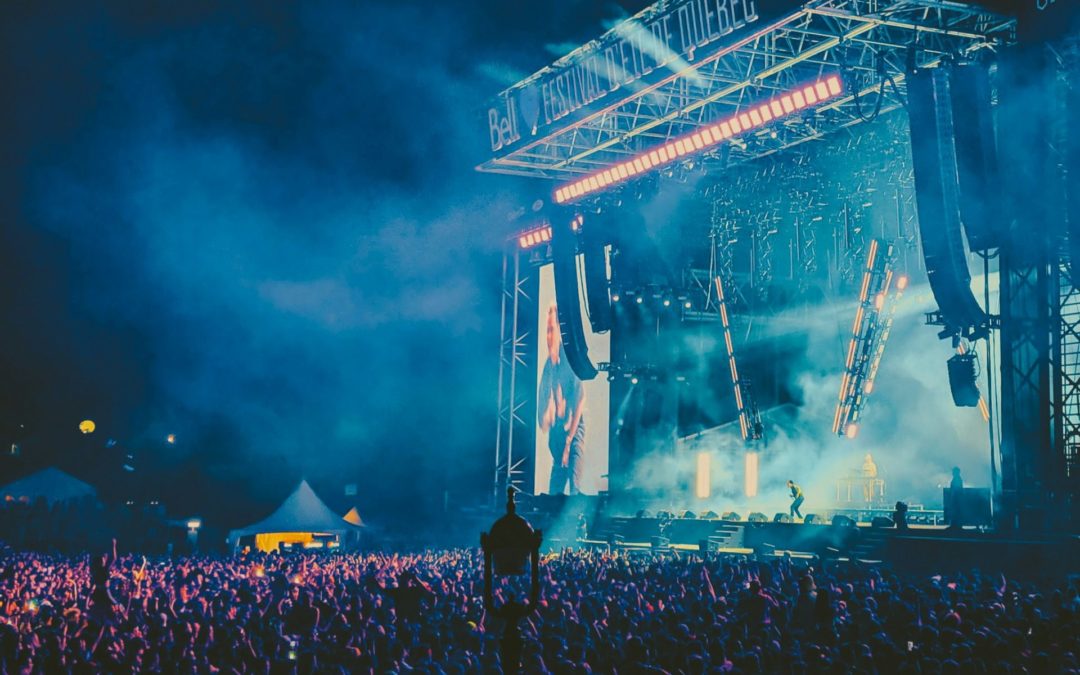
Photo by Muneeb Syed on Unsplash
As the warm winds swept across the vast, sun-baked California desert, the 2025 edition of the Stagecoach Festival transformed Indio into an epicenter of country music and cultural celebration once again. Known for bringing together the best of the genre — from timeless legends to fresh-faced trailblazers — Stagecoach continues to evolve alongside the shifting landscape of country music. But this year, amid a lineup packed with iconic names and surprise guests, two performers truly stood out: Shaboozey and Jelly Roll. Their unforgettable performances on the festival’s prestigious Mane Stage captivated audiences, signaling a potent new wave of country music that honors tradition while boldly pushing its boundaries.
The Stagecoach Festival: A Tradition and a Transformation
Stagecoach, held annually in Indio, California, has long been a flagship event in country music culture, drawing tens of thousands of fans for a weekend of unforgettable performances. Since its inception, it has served as a bridge between classic country sounds and contemporary innovations, attracting fans and artists from all walks of life.
The 2025 festival was no different, featuring an impressive roster that included legendary groups like Tommy James & the Shondells, chart-topping stars like Nelly, and numerous other high-profile acts. Yet, the true highlight wasn’t just the names — it was the spirit of transformation embodied by emerging artists who are reshaping country music’s identity.
Among these trendsetters, Shaboozey and Jelly Roll carved out moments that were nothing short of electric. Their performances not only energized the crowd but also brought to light the evolving soundscape of country music — one that is increasingly genre-defying, emotionally raw, and culturally inclusive.
Shaboozey’s Journey: From Side Stage to Center Spotlight
For Shaboozey, the 2025 Stagecoach Festival marked a milestone in his rising career. Previously appearing on smaller stages, his elevation to the Mane Stage symbolized both recognition and opportunity. This was not just a gig — it was a declaration of arrival.
His performance was a testament to the full spectrum of his musical influences and creative vision. Blending hip hop rhythms with country storytelling, rock’s raw energy, and Americana’s heartfelt lyricism, Shaboozey crafted a set that was diverse yet cohesive. The crowd was treated to a mix of fan favorites and deeply personal tracks.
One of the most poignant moments came with his rendition of Bob Dylan’s “Knockin’ on Heaven’s Door.” The song’s melancholic beauty resonated deeply, connecting the new generation of listeners to the rich lineage of American songwriting. It was a bold choice that showcased Shaboozey’s respect for musical history and his ability to reinterpret classics through his unique lens.
Alongside that, his originals like “Last Of My Kind” and “Highway” delivered a powerful narrative of perseverance, identity, and journey. These songs reflect his own experiences navigating multiple genres and cultural spaces, speaking to listeners who don’t fit neatly into one box.
Following his set, Shaboozey shared a heartfelt message on social media, capturing the significance of the moment:
“Never seen that many people in my life. The family got a lot bigger yesterday! Went from the side stage to the main stage. Stagecoach, once again, I’m thankful [to] you for everything!”
This candid reflection speaks volumes about his rapid growth and the expanding community around his music.
The Album That Catapulted Shaboozey to Stardom
Behind the scenes, Shaboozey’s ascent was propelled by the release of his third studio album, Where I’ve Been, Isn’t Where I’m Going, which dropped in 2024. This album was a turning point, officially cementing him as a breakout star in the evolving country-rap fusion scene.
The album’s standout single, “A Bar Song (Tipsy),” became a cultural phenomenon, blending catchy hooks with storytelling that defies traditional genre boundaries. This track didn’t just climb the charts; it smashed records, spending an astonishing 19 weeks at No. 1 on the Billboard Hot 100 — tying the record previously held by Lil Nas X’s “Old Town Road.”
This achievement was monumental not only for Shaboozey but also for the broader musical landscape. It underscored how country music is embracing more diverse voices and sounds, reflecting a wider cultural shift.
Moreover, the album contributed to historic milestones for Black artists in country music. Shaboozey and Beyoncé made waves on the Hot Country Songs chart with “A Bar Song (Tipsy)” and “TEXAS HOLD ‘EM,” respectively. Their back-to-back No. 1 hits marked the first time two Black artists have consecutively topped this chart, shattering barriers and opening doors for future generations.
Expanding the Story: The Complete Edition
In April 2025, Shaboozey expanded on his breakthrough album with the release of Where I’ve Been, Isn’t Where I’m Going: The Complete Edition, a deluxe project that introduced six new tracks and featured collaborations with artists like Myles Smith, Sierra Ferrell, and most notably, Jelly Roll.
The new songs added emotional depth and thematic complexity, allowing Shaboozey to explore themes of healing, reflection, and aspiration. In his own words, releasing the completed edition felt like “finishing a conversation I wasn’t quite done having,” emphasizing the personal growth embedded in the music.
One highlight from the deluxe edition was the collaboration with Jelly Roll on the track “Amen.” The song fused their distinct styles — Shaboozey’s genre-blending narrative and Jelly Roll’s raw, Southern grit — into a soulful anthem of redemption and hope. This partnership was more than a collaboration; it was a powerful statement of unity within the changing country music landscape.
Jelly Roll: A Force of Nature on the Mane Stage
If Shaboozey’s performance marked the rise of a new kind of country star, Jelly Roll’s headlining set reaffirmed why he’s become one of Nashville’s most compelling voices. Known for his unflinching honesty and ability to blend country, rock, and rap, Jelly Roll’s music resonates with fans who appreciate authenticity and emotional candor.
His Stagecoach set was a journey through his personal struggles and triumphs. Tracks like “Save Me,” “Need a Favor,” and “Son of a Sinner” transformed the stage into a confessional space, where thousands of fans joined in a collective catharsis. Jelly Roll’s voice — gravelly, sincere, and filled with pain and hope — cut through the desert air, reminding everyone why storytelling remains at country music’s core.
Jelly Roll’s decision to bring Shaboozey out for “Amen” during his set was a highlight of the festival. The chemistry between the two artists was electric, their shared themes of survival and spiritual reckoning resonating powerfully with the crowd. This moment wasn’t just a performance — it was a symbolic passing of the torch, showcasing how country music’s future lies in collaboration and diversity.
Beyond Music: The Smokehouse Cook-Off
Stagecoach has always been about more than just music; it’s a celebration of culture, food, and community. This year, Shaboozey and Jelly Roll extended their camaraderie beyond the stage into a playful cooking showdown at Guy Fieri’s Stagecoach Smokehouse.
The “Tournament of Champions”-style cook-off saw the two artists compete over the perfect loaded baked potato. While the contest didn’t offer any monetary reward, the prize was street cred — along with some friendly trash talk and good-natured rivalry.
Guy Fieri’s playful announcement crowned Jelly Roll the winner, much to the delight of the crowd:
“And the winner will be, for no cash or prizes but just street cred and a lot of smack talk, give it up for Chef Jelly Roll!”
This unexpected battle added an extra layer of fun to the festival atmosphere and revealed a more personal side of the two musicians, showing their ability to connect with fans beyond their music.
The Cultural Impact: A New Chapter in Country Music
The significance of Shaboozey and Jelly Roll’s performances at Stagecoach 2025 cannot be overstated. They represent a growing movement within country music — one that challenges outdated notions of what the genre should sound like and who should be allowed to succeed within it.
Both artists bring elements from outside traditional country — hip hop, rock, and Americana — while staying true to the genre’s storytelling roots. Their success reflects a broader cultural evolution, where boundaries between genres blur, and artists are celebrated for authenticity rather than conformity.
Their rise also speaks to important social progress, particularly in terms of racial representation within country music. By breaking records and topping charts traditionally dominated by white artists, Shaboozey and Jelly Roll are helping to create space for a more diverse and inclusive country music community.
Looking Ahead: The Future Shaped by Innovation and Authenticity
The electric energy Shaboozey and Jelly Roll brought to Stagecoach 2025 feels like the dawn of a new era. One where the spirit of country music — its emphasis on storytelling, connection, and emotional truth — is expanded to embrace new sounds, new voices, and new experiences.
Their performances weren’t isolated moments of brilliance; they were statements of intent, signaling to the industry and fans alike that country music’s future is multifaceted and vibrant.

by Jonathan P-Wright | May 16, 2025 | Latest, Music News, New Music Alert |
Photo by Yvette de Wit on Unsplash
In the late 2000s, Yung L.A.’s breakout single “Ain’t I” was everywhere. Its spacey synths and confident delivery helped define the direction of trap music, pushing the sound into a more melodic and futuristic space. Featuring Southern rap heavyweights like Young Dro and T.I., the track became more than a hit — it became a cultural moment. It laid the foundation for a wave of artists who now dominate the scene.
Fast-forward to today, and “Ain’t I” is trending again, this time on TikTok. Younger users are discovering it, while older fans are re-embracing the sound. The platform’s resurgence of the track shows that Yung L.A.’s influence never really disappeared — it just needed time to be fully recognized.
This resurgence became even more real when Yung L.A. appeared unexpectedly onstage during the Atlanta stop of BossMan Dlow’s “Dlow Curry Tour,” invited by Baby Kia. The audience’s response was electric. Fans old and new celebrated his return, proving his impact is still alive and well.
Earlier this year, his fiery a cappella performance of “Ain’t I” on Boss Talk 101 went viral, reminding viewers of his natural charisma. While it sparked memes and humorous parodies — including one from content creator Lou Young — the underlying message was clear: Yung L.A. still has star power.
Born Leland Austin, Yung L.A. rose under the mentorship of Young Dro and signed with T.I.’s Grand Hustle label. Initially, he looked unstoppable. Tracks like “Futuristic Love (Elroy)” followed his breakout success, and his mixtapes showed a distinct blend of melody and swagger. But industry politics halted his debut album Futuristic Leland, and soon after, he was dropped from both Grand Hustle and Interscope, derailing his momentum.
Compounding this were public beefs, especially with Alley Boy and others in the Atlanta scene. However, many of those conflicts have since been resolved, revealing a more mature and self-aware artist.
In a recent interview with RealLyfe Productions, L.A. spoke openly about the emotional toll of his career setbacks. His vulnerability resonated with fans, many of whom relate to stories of missed opportunities and being prematurely written off. This honesty, combined with his viral comeback moments, is reshaping how the public sees him.
It’s impossible to deny Yung L.A.’s role in influencing today’s trap landscape. Long before it was common to hear rappers blending melodies with auto-tuned emotion, he was leading the charge. His sound was simply ahead of its time — and now, the time has caught up to him.
What’s special about this renewed attention is that it’s grassroots. There’s no label push or commercial campaign behind it. Social media is simply amplifying what die-hard Atlanta fans have known all along: Yung L.A. is a visionary. His contributions were overlooked, but not forgotten.
His story parallels Atlanta’s music identity: bold, innovative, and constantly evolving. It’s only right that his second wind comes at a moment when the city is reflecting on its legacy and honoring its pioneers. Today’s recognition isn’t just about nostalgia — it’s about acknowledging his role in shaping a now-mainstream sound.
Seeing L.A. reclaim his spotlight is a powerful reminder that true talent eventually finds its audience. His comeback isn’t about chasing old fame — it’s about proving he still has something to say, and still knows how to say it. The renewed interest in his catalog suggests that people are ready to listen.
The industry should take notice. Yung L.A.’s rebirth offers an opportunity to reshape what a comeback looks like. He represents a class of artists who were once too progressive for their era but are now perfectly in sync with today’s sound.
So let’s give him his flowers — not just for his past, but for his foresight, his creativity, and his resilience. He helped craft the future of Atlanta’s music before the rest of the world caught on. This isn’t a comeback built on nostalgia — it’s a continuation of a story that was never finished.
Let this moment be more than a flashback. Let it be a celebration, a correction, and a proper reintroduction to a trailblazer who helped shape the genre we know today. Because being ahead of your time isn’t a flaw — it’s a legacy waiting to be recognized.

RECENT COMMENTS