
by Derrick T Lewis | Oct 30, 2023 | Latest, Music News, New Music Alert |
A tale of music, fame, and resilience, this is the story of the Grammy-nominated rapper Offset, the man behind one-third of the hip-hop sensation, Migos. His journey is not just about the glitz and glamour, but also about overcoming challenges and struggles, some of which happened behind bars.
The Rise of Migos
A decade ago, in the vibrant city of Atlanta, a group called Migos started their ascent to the top of the hip-hop industry. Their music, characterized by strong rhythms and catchy hooks, quickly gained traction, leading to a rapidly growing fanbase. Their breakout hit, “Versace“, catapulted them into the limelight. However, for Offset, one of the group members, the reality of their success was not immediately apparent. Why? He was in jail during their breakout year.
The Unseen Success
During a recent appearance on the Call Her Daddy podcast, Offset opened up about his time in jail and how he realized Migos’ success. His “we made it” moment was not a grand celebration or a record-breaking concert. Instead, it was a realization that dawned on him in a jail cell. He recalled how things really took off after Drake featured on the remix of “Versace”, their 2013 hit produced by Zaytoven, which was part of their project, Y.R.N. (Young Rich N***as).
A Song Echoes in the Jail Cell
Offset’s revelation about their success came in an unusual yet unforgettable manner. He was in his jail cell one day when he heard a guard humming a familiar tune during the morning count – “Versace, Versace, Versace”. Offset didn’t think much of it at the time. After all, he was not aware of how big Migos had become in the outside world.
The Big Reveal
Offset’s initial reaction was one of confusion and disbelief. He wasn’t aware of the extent of their success because he was incarcerated. His mind was in turmoil, grappling with the harsh realities of prison life. But when the guard started singing their song, he was taken aback.
Once he was released, he immediately called home. That’s when he found out about Drake’s feature on “Versace”. His friends also informed him that their song was being played on the radio. To Offset, this was mind-boggling. He had initially thought that their song might have been played once or twice on the radio, but the reality was far from it.
The Taste of Fame Behind Bars
Offset had to stay in jail for a few more months even after this revelation. However, he started experiencing the perks of fame behind bars. He began receiving more visits, something that was not common before. He could have up to six visits a day, each lasting about 30 minutes. At first, he mostly received visits from his mother. However, after “Versace” became a hit, he started receiving more visits, even from women who were previously not so keen on visiting him.
Reflecting on the Early Success of Migos
In a 2021 appearance on VladTV, Offset reflected on his early days with Migos. He admitted that it was hard to be in jail while his fellow members, Quavo and Takeoff, were enjoying their success in the outside world. However, he was grateful that they were saving some money for him. After all, they had never had real money before.
This is the story of Offset, a man who experienced the highs and lows of life in a unique way. His journey from jail to the forefront of the hip-hop world is a testament to his resilience. It’s a reminder that success can come in the most unexpected ways, even when you’re not in a position to immediately enjoy it.

by Kareshia Prioleau | Sep 28, 2023 | Latest, Music News, New Music Alert |
Image credit: Iljanaresvara Studio / Shutterstock.com
Renowned comedian and actress, Tiffany Haddish, recently found herself in the middle of a controversy involving international pop sensation, Shakira. The incident took place during the MTV Video Music Awards 2023, where Haddish was seen attempting to engage in conversation with the singer, and photobombing her images. The interaction sparked criticism and brought both celebrities under the spotlight.
Renowned comedian and actress, Tiffany Haddish, recently found herself in the middle of a controversy involving international pop sensation, Shakira. The incident took place during the MTV Video Music Awards 2023, where Haddish was seen attempting to engage in conversation with the singer, and photobombing her images. The interaction sparked criticism and brought both celebrities under the spotlight.
In the wake of the incident, Haddish has continued to show resilience and a positive attitude, highlighting her strength of character. She has used the incident as an opportunity to express her views and stand her ground, reinforcing her reputation as a strong, independent woman in the entertainment industry.
Tiffany Haddish is a renowned comedian and actress known for her distinct humor and charismatic personality. She has starred in several successful films and TV shows and is a prominent figure in the entertainment industry. Despite the recent controversy, Haddish continues to entertain her fans and make a significant impact in the world of comedy and acting.

by Laghe Andrews | Sep 21, 2023 | Latest |
Image credit: Kathy Hutchins / Shutterstock.com
Kid Cudi, the acclaimed rapper and actor, recently found himself amidst a swirl of rumors suggesting a potential fallout with fellow actor Timothée Chalamet. The speculation, which took the internet by storm, was quickly addressed by Cudi himself, dismissing these rumors as baseless and urging his fans not to fall prey to online gossip.
Setting the Context: The Kid Cudi and Timothée Chalamet Connection
The connection between Kid Cudi and Timothée Chalamet goes back a few years, marked by mutual admiration and professional collaborations. The two have been seen together at various events and their camaraderie is well-documented. However, recently, an unverified rumor about an alleged falling out between the two started making the rounds on social media, specifically on the popular platform TikTok.
The Rumor: A Social Media Storm
The rumor about the supposed “falling out” between Kid Cudi and Timothée Chalamet started circulating on TikTok, a popular social media platform known for its viral content. A tweet from a fan, which was a quote-tweet of a 2021 picture of Cudi and Chalamet, added fuel to the fire. The fan expressed their devastation upon hearing the rumor, leading to the rapid spread of this speculation.
Kid Cudi’s Response: Debunking the Rumor
Reacting swiftly to the spiraling rumors, Kid Cudi took to Twitter to clear the air. In his tweet, Cudi dismissed the rumors, stating that he had spoken to Chalamet just a few weeks ago. He affirmed that their relationship remains unscathed and urged his fans to not believe the online gossip.
“What da hell,” Cudi said. “I literally just shouted him out in Most Aint Dennis. I spoke to him a few weeks ago. Timmy is my brother til the end of time and beyond I will always ALWAYS love him. We are good. Trust me. Idk where this is comin from but please dont believe the gossip online yall.”
The “Most Ain’t Dennis” Reference
In his tweet, Kid Cudi made a reference to his song “Most Ain’t Dennis” from his Insano album. This mention is significant because he shouts out Timothée Chalamet in the song, making it clear that he holds no animosity towards the actor.
The Chalamet-Jenner Connection: A Possible Trigger
The rumors about the fallout seemed to gain momentum around the same time as reports of a budding romance between Timothée Chalamet and Kylie Jenner. This connection is noteworthy because Kylie Jenner shares two children with Travis Scott, a frequent collaborator of Kid Cudi. While there is no official confirmation of this connection leading to the rumors, the timing of these events is intriguing.
The Professional Bond: A History of Collaboration
Beyond their personal camaraderie, Kid Cudi and Timothée Chalamet also share a professional bond. Chalamet lent his voice to Kid Cudi’s Netflix special Entergalactic, and they appeared together in the comedy Don’t Look Up for Netflix. These collaborations serve as a testament to their professional respect and mutual admiration.
The Future: Upcoming Projects
Despite the rumor mill, both Kid Cudi and Timothée Chalamet have a busy schedule lined up. Kid Cudi has his project Insano slated for release in 2024, along with a number of film roles, including in Brittany Snow’s directorial debut Parachute. On the other hand, Chalamet will next be seen in the prequel to Willy Wonka and the Chocolate Factory, titled Wonka, set to release in December.
Conclusion: The Strength of Friendship
In the face of rumors and speculation, the bond between Kid Cudi and Timothée Chalamet remains strong. Their swift and clear response to the rumors underscores their respect for each other and their commitment to their friendship. As fans, it is crucial to respect their privacy and not contribute to baseless speculations.
At the end of the day, the relationship between Kid Cudi and Timothée Chalamet is their own. As fans, we should respect their words and take them at face value. So, let’s focus on their work and their contributions to the music and film industry, rather than on unfounded rumors.

by Laghe Andrews | Sep 15, 2023 | Latest, Music News, New Music Alert |
Image credit: April Visuals / Shutterstock.com
Sexyy Red, the fiery rapper from St. Louis, Missouri, recently encountered a fan-made drawing that humorously exaggerated her appearance. Her reaction, shared on her Twitter account, was a mix of amusement and disbelief. Here’s an in-depth look into the story, highlighting the power of fan-art in shaping the celebrity-fan relationship.
The Unusual Fan-Made Drawing
A fan decided to display their artistic skills by creating a sketch of Sexyy Red, an emerging rapper known for her energetic performances and distinctive style. The drawing, however, was not a typical portrait. Instead, it dramatically exaggerated the rapper’s features, bringing a comedic twist to her look.
The sketch was inspired by a recent concert performance where Red was energetically moving on stage. The artist depicted her with a large forehead, an extremely thin frame, and holding a microphone while her back was arched in a dynamic pose.
Sexyy Red’s Response: “I Know You’re Joking”
Upon seeing the drawing, Sexyy Red took to her Twitter account to share her reactions. In her initial post, she expressed disbelief with a humorous retort: “I know you fking lying.” It was clear that she found the drawing amusing but also felt that the artist could have done a better job in capturing her likeness.
“I know you fking lying” – Sexyy Red’s response to the fan-made drawing
She later retweeted a post that juxtaposed the drawing with the actual picture from the concert that inspired it. Her caption, filled with skull emojis, further underlined her amusement at the fan’s creative interpretation of her image.
The Role of Fan Art in Celebrity-Fan Interaction
While this particular incident may seem like a trivial event, it actually highlights an important aspect of the relationship between celebrities and their fans. Fan art, whether it’s a sketch, a painting, or a digital rendering, is an expression of admiration and a way for fans to connect with their favorite stars.
The way celebrities respond to such artwork can significantly impact their relationship with their fan base. In this case, Sexyy Red’s humorous response to the exaggerated drawing not only showed her ability to take a joke but also suggested her appreciation for the fan’s effort.
The Significance of Social Media in Facilitating Celebrity-Fan Engagement
Social media platforms, like Twitter, have become the primary bridge between celebrities and their fans. They provide a space for fans to express their adoration, and for stars like Sexyy Red to directly engage with their followers.
In light of this, Sexyy Red’s Twitter response to the fan-made drawing exemplifies the power of social media in fostering a closer connection between celebrities and their fans. It allows for real-time interaction and instant feedback, making fans feel seen and appreciated by their idols.
Conclusion
The amusing episode of Sexyy Red’s fan-made drawing underscores the evolving dynamics of the celebrity-fan relationship in the age of social media. It’s a testament to the power of fan-art as a form of expression and engagement. And it shows how celebrities like Sexyy Red, with their ability to appreciate and respond to such expressions, can foster a deeper connection with their fans.
So, while the fan’s drawing may not have perfectly captured Sexyy Red’s likeness, it succeeded in sparking a memorable interaction, making it a win-win situation for both the artist and the rapper.
Sexyy Red’s reaction to the drawing, filled with humor and a touch of gentle critique, is a testament to her down-to-earth personality and her ability to connect with her fans. It’s these moments that truly define a star and their relationship with their fans.
Whether it’s through her music or her responses to fan-art, Sexyy Red continues to showcase why she’s one of the exciting new voices in the music scene. And as she continues to rise in the industry, we can expect more such memorable interactions that deepen her bond with her fans.
by Laghe Andrews | Sep 12, 2023 | Business News, Latest, Tech News |
Image Credit: Photo by julien Tromeur on Unsplash
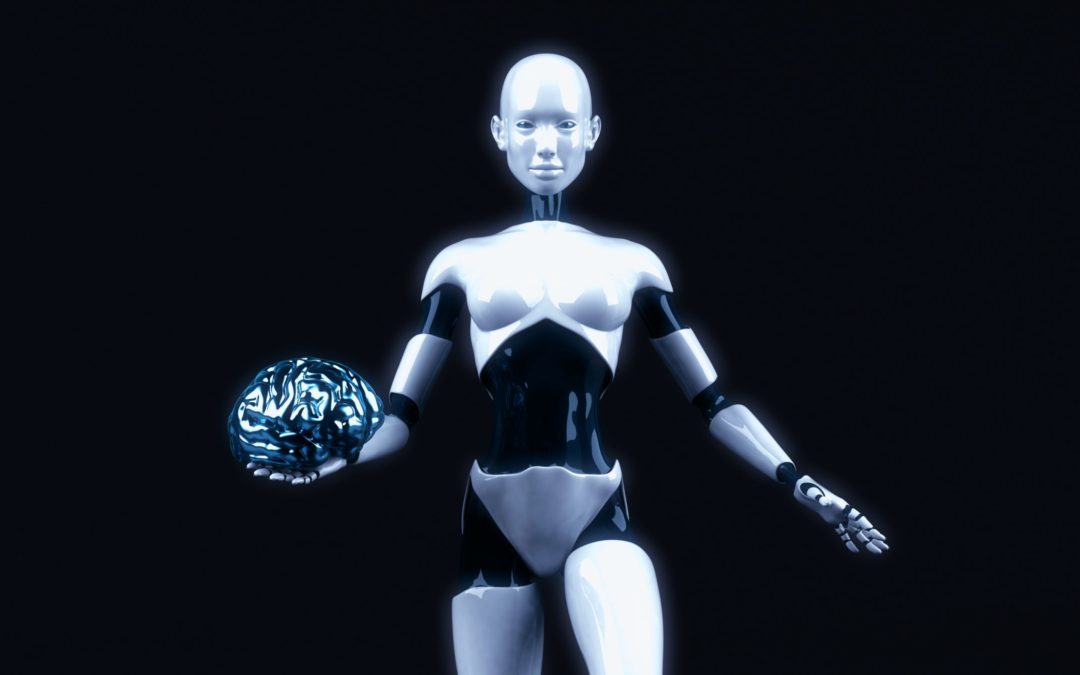
Artificial Intelligence (AI) has been instrumental in transforming various sectors of industry and society. However, with great power comes great responsibility, and AI is no exception. There’s a peculiar phenomenon associated with AI, particularly Large Language Models (LLMs) like OpenAI’s ChatGPT, that has been causing quite a stir in the tech and business spheres. This phenomenon is often referred to as ‘hallucination’.
The Hallucination Phenomenon
Despite the enormous capabilities of AI, it has a peculiar tendency to generate information that doesn’t exist, or in simple words, to ‘hallucinate’. These hallucinations range from benignly odd to seriously problematic. For instance, ChatGPT once erroneously asserted that the Golden Gate Bridge was transported across Egypt in 2016. This is a simple mistake, and while it may be humorous, it’s indicative of an issue at the core of these models.
In a more serious instance, an Australian mayor threatened legal action against OpenAI when ChatGPT falsely claimed he had pleaded guilty in a high-profile bribery scandal. This misinformation not only has the potential to tarnish reputations but also raises legal and ethical concerns.
Researchers have also discovered that these AI-induced hallucinations can be exploited maliciously. Hackers can manipulate LLMs to disseminate harmful code packages to unknowing software developers. Furthermore, these models have been found to provide incorrect medical and mental health advice, such as falsely suggesting that wine consumption can prevent cancer.
Understanding the Training Process of Models
To comprehend why hallucinations occur, we must delve into how AI models are developed and trained. Generative AI models, including LLMs, essentially function as complex statistical systems that predict data, be it words, images, music, or speech. They lack genuine intelligence, learning from countless examples typically sourced from the public web.
For instance, if an AI model is presented with the phrase “Looking forward…” from an email, the AI might complete it with “… to hearing back” based on the pattern it has learned from countless similar emails. However, it’s important to remember that the AI doesn’t truly understand the sentiment of ‘looking forward’ to something.
Sebastian Berns, a PhD researcher at Queen Mary University of London, explains that the current LLM training framework involves ‘masking’ previous words for context and then predicting which words should replace the concealed ones. This concept is similar to predictive text in iOS, where we continually press one of the suggested next words.
While this probability-based approach generally works well, it’s not flawless. Due to the vast range of words and their probabilities, LLMs can generate grammatically correct but nonsensical text. They can spread inaccuracies present in their training data or mix different information sources, even those that contradict each other.
The Inherent Challenges with AI Models
The issue with hallucination in AI models is not borne from malicious intent. These models don’t possess the capability for malice, and concepts of truth and falsehood are meaningless to them. They’ve learned to associate certain words or phrases with certain concepts, even if those associations aren’t accurate.
“Hallucinations are tied to an LLM’s inability to estimate the uncertainty of its own prediction,” Berns explains. “An LLM is typically trained to always produce an output, even when the input significantly deviates from the training data. A standard LLM doesn’t have a method to determine if it’s capable of reliably answering a query or making a prediction.”
The Quest to Tackle Hallucinations
The challenge that lies ahead is whether hallucinations in AI models can be ‘solved’, and the answer to this is dependent on our understanding of ‘solved’.
Vu Ha, an applied researcher and engineer at the Allen Institute for Artificial Intelligence, maintains that LLMs “do and will always hallucinate”. However, he also believes that there are tangible ways to reduce hallucinations, depending on how an LLM is trained and deployed.
For instance, a question-answering system can be engineered to have high accuracy by curating a high-quality knowledge base of questions and answers, and connecting this knowledge base with an LLM to provide accurate answers via a retrieval-like process.
Ha uses the example of running the question “Who are the authors of the Toolformer paper?” (Toolformer is an AI model trained by Meta) through Microsoft’s LLM-powered Bing Chat and Google’s Bard. Bing Chat correctly listed all eight Meta co-authors, while Bard incorrectly attributed the paper to researchers at Google and Hugging Face.
“Any deployed LLM-based system will hallucinate. The real question is if the benefits outweigh the negative outcome caused by hallucination,” Ha said. In other words, if there’s no obvious harm done by a model that occasionally gets a date or name wrong but is generally useful, it might be worth the trade-off.
Berns highlights another technique that has been used to reduce hallucinations in LLMs: reinforcement learning from human feedback (RLHF). Introduced by OpenAI in 2017, RLHF involves training an LLM, gathering additional information to train a “reward” model, and fine-tuning the LLM with the reward model via reinforcement learning.
Despite the effectiveness of RLHF, it has its limitations. “I believe the space of possibilities is too large to fully ‘align’ LLMs with RLHF,” warns Berns.
Exploring Alternate Philosophies
If hallucination in AI models can’t be fully solved with current technologies, is it necessarily a bad thing? Berns doesn’t think so. In fact, he suggests that hallucinating models could act as a “co-creative partner”, providing outputs that may not be entirely factual but contain useful threads to explore.
“Hallucinations are a problem if generated statements are factually incorrect or violate any general human, social or specific cultural values,” Berns explains. “But in creative or artistic tasks, the ability to come up with unexpected outputs can be valuable.”
Ha argues that we are holding LLMs to an unreasonable standard. After all, humans also “hallucinate” when we misremember or misrepresent the truth. However, with LLMs, we experience cognitive dissonance because the models produce outputs that look good on the surface but contain errors upon further inspection.



RECENT COMMENTS