by Jonathan P-Wright | Jul 4, 2025 | Latest, Tech News |
Photo by Christian Wiediger on Unsplash
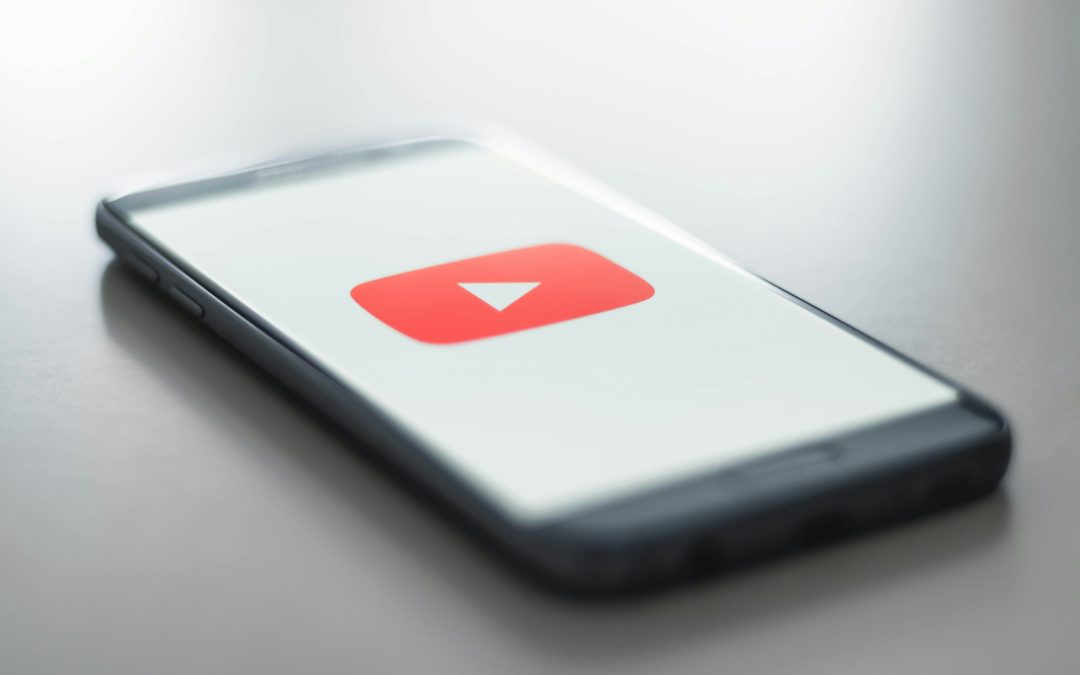
In an era dominated by vertical videos, short-form content, and mobile-first behavior, the numbers speak louder than ever: YouTube Shorts is not only winning — it’s dominating. During a major announcement this week, YouTube CEO Neal Mohan unveiled a staggering new milestone that redefines the playing field. YouTube Shorts is now drawing in 200 billion views every single day. This isn’t a monthly number, nor annual—it’s daily.
To put this into perspective, in March 2024, just over a year ago, YouTube Shorts was getting around 70 billion daily views. The platform has since seen a phenomenal growth of 186%, almost tripling its viewership in just 15 months. These numbers push YouTube far beyond competition, cementing its place as the undisputed powerhouse in both short-form and long-form video ecosystems.
YouTube Shorts: The Quiet Giant That Surged Ahead
This explosive growth highlights YouTube’s strategic success in tapping into the short-form content trend that has reshaped how billions consume media. Once seen as a response to TikTok’s meteoric rise, YouTube Shorts has grown from an experiment into a juggernaut.
Interestingly, while YouTube continues to release its metrics publicly, TikTok has remained relatively silent, withholding daily viewership stats for quite some time now. The absence of comparative data from TikTok could indicate that it’s facing challenges keeping up with YouTube’s explosive pace, especially as YouTube continues to scale its ecosystem globally across multiple devices and demographics.
Although TikTok remains hugely influential in pop culture, music discovery, and trend creation, the sheer scale YouTube has achieved is in another league. And it’s not just about views—it’s about infrastructure, longevity, and monetization power.
YouTube Is Now the Future of Television, Too
Beyond the mobile screen, YouTube is now conquering living rooms at an unprecedented scale. Mohan also shared that users now spend over 1 billion hours watching YouTube on TVs every single day. This isn’t just a statistic—it’s a powerful reflection of how video consumption habits have evolved in the last few years.
According to Nielsen’s Gauge report, YouTube accounted for 12.5% of total U.S. TV viewership in May 2025, surpassing all other streaming platforms, including Netflix, Hulu, and even traditional cable channels. For the fourth consecutive month, YouTube has held this leading position, solidifying its status not only as a video-sharing platform but as a next-gen television network.
More telling is that for over half of the 100 most-watched YouTube channels, TVs are now the most-viewed screen. This flips the historical narrative that YouTube is just for phones and desktops. Now, it’s a platform that commands attention on the largest screen in the home.
This shift is crucial because it brings legitimacy and permanence to YouTube in the traditional content space. No longer just a digital alternative, YouTube is becoming the primary destination for both entertainment and information across every screen.
What Makes YouTube’s Ecosystem So Powerful?
A large part of YouTube’s success lies in its multi-format ecosystem. Unlike platforms that limit creators to a single type of content—be it short videos, live streams, or long-form content—YouTube is designed to allow all of it to coexist. This format-flexibility creates a seamless viewer experience and gives creators multiple ways to grow their presence, reach diverse audiences, and monetize their work.
Whether it’s a 15-second skit, a 10-minute tutorial, or a 3-hour podcast, YouTube supports it all within a single platform. It’s also heavily optimized for various devices, from phones to tablets, laptops to smart TVs. This means that creators don’t need to rebuild their audience across platforms—YouTube is their one-stop shop for creative expression and financial sustainability.
This comprehensive approach has allowed YouTube to create something no other platform has: an all-in-one video infrastructure that supports both creator freedom and audience diversity.
YouTube’s AI Push: Enter Veo 3 and Dream Screen
Not one to rest on its laurels, YouTube is already preparing to launch its next big leap in content creation. Mohan teased the upcoming release of Veo 3, a cutting-edge AI video generation model developed by DeepMind, Google’s AI research arm.
This new technology will be integrated into YouTube Shorts later this summer under a feature called Dream Screen. The promise? Better visuals, smoother transitions, sharper animations, and—most notably—AI-generated sound and motion that elevate the quality of short-form video to near-professional standards.
Imagine this: a creator types a prompt like “a futuristic Tokyo street at night with neon rain,” and within seconds, Dream Screen generates that background in high resolution, complete with ambient sound and movement. This level of creative freedom could eliminate the need for expensive tools, filming gear, or visual effects software.
By baking such advanced AI into its core platform, YouTube is empowering creators to push the boundaries of what’s possible, even within a 60-second video. In doing so, it continues to attract creative talent and set a higher bar for what mobile-first content can look like.
Streaming Is No Longer the Future—It’s the Present
YouTube’s rise is part of a larger transformation happening across the entire media landscape. For the first time in history, streaming has overtaken cable and broadcast combined as the primary source of TV consumption in the United States.
Nielsen’s latest figures show that streaming now represents 44.8% of total TV usage, a dramatic rise from just 26% four years ago. Meanwhile, cable has dropped to 24.1% and traditional broadcast sits at 20.1%.
In other words, the old media models are rapidly being replaced by digital platforms that offer on-demand, algorithmically personalized experiences. And YouTube, unlike most others, has successfully captured both the mass appeal and the personalization edge.
As Nielsen CEO Karthik Rao noted, this shift is a pivotal moment in the media industry—a “perfectly timed inflection point,” coinciding with the four-year anniversary of Nielsen’s Gauge report. In this new world, YouTube isn’t just part of the trend—it’s leading it.
Creators Are Flocking to YouTube for One Key Reason: Money
While TikTok may be where trends start, YouTube is increasingly where creators go to build careers. And the numbers back it up.
YouTube offers monetization avenues that other platforms are still trying to figure out. Whether it’s ad revenue sharing, channel memberships, Super Chats, affiliate tools, or the YouTube Partner Program, creators now have more options than ever to turn views into income.
Even with Shorts, YouTube is rolling out performance-based monetization tools that allow creators to earn directly from short-form content—something TikTok’s widely criticized Creator Fund has struggled with.
The platform is also expanding its e-commerce and live shopping features, helping creators turn their videos into virtual storefronts. With real-time product links, affiliate commissions, and audience segmentation tools, YouTube is shortening the creator-to-customer journey drastically.
In contrast, TikTok creators often rely heavily on external sponsorships and brand deals, which aren’t scalable for smaller or mid-tier creators. YouTube, meanwhile, continues to invest in tools that benefit creators at every stage of their journey.
YouTube Is Now More Than a Platform—It’s the New Media Standard
If there’s one takeaway from all these numbers and announcements, it’s this: YouTube has transformed itself from a platform into a media empire.
It’s redefining what it means to be a “TV channel.” It’s building tools for the next generation of creators. It’s expanding reach across mobile and TV screens alike. And with advanced AI like Veo 3 on the horizon, it’s setting the pace for the entire industry to follow.
What started as a site for cat videos and bedroom vloggers is now a technology-driven global network, attracting billions of users daily, empowering creators at every level, and delivering more hours of content to more screens than any other platform in history.
What This Means for the Industry (and the Viewer)
For creators, YouTube represents the most complete toolkit to build a sustainable and scalable video business.
For brands and advertisers, it’s an unrivaled distribution channel that combines reach, targeting, and conversion power.
For consumers, it’s a content universe tailored to personal preferences, discoverable across every screen in the house.
And for everyone else—whether competitor or casual observer—YouTube’s trajectory is a clear signal: the future of media is not just digital. It’s YouTube-shaped.
by Harris | Jun 19, 2025 | Latest, Music News, Tech News |
Photo by Thibault Penin on Unsplash
For many years, Spotify users have been holding out hope for one highly anticipated feature: the arrival of lossless, CD-quality audio. First teased in early 2021 under the name Spotify HiFi, the announcement sparked immediate excitement among audio lovers, musicians, and everyday listeners seeking a higher-quality music experience. But while other major platforms like Apple Music and Amazon Music moved swiftly to adopt lossless audio as a core part of their offering, Spotify quietly retreated from the conversation, leaving its users wondering if HiFi had been abandoned altogether.
Fast forward to today, and there’s new evidence suggesting the long wait might finally be over. Recent findings point toward Spotify actively preparing to launch a lossless tier at last—perhaps under a new name and as part of a reimagined premium subscription.
A Long Road With Little Communication
Spotify’s initial promise came during a 2021 “Stream On” event, where the company confirmed it was working on a high-fidelity audio tier, scheduled for release later that year. They called it “Spotify HiFi” and promoted it as a way to bring CD-quality sound to listeners who demanded better audio detail, especially for use with high-end speakers or wired headphones. The announcement was well-received and set expectations high.
However, after that single event, Spotify went quiet. Months passed, then years—with no updates, no betas, and no official statement explaining the delay. Speculation filled the gap. Was Spotify facing licensing issues with record labels? Were they rethinking their approach to compete with Apple and Amazon, who had started offering lossless at no extra cost? Whatever the reason, Spotify stayed vague and noncommittal, offering only occasional mentions of a “deluxe” version of its service that might include HiFi.
Meanwhile, competitors had surged ahead. Apple Music launched its lossless and high-resolution audio support across its entire catalog—completely free to subscribers. Amazon Music HD followed suit. Even Tidal, known for catering to audiophiles, restructured its pricing model to make lossless more accessible. Spotify’s absence grew more glaring with each passing month.
A Technical Trail of Clues Appears
While Spotify still hasn’t made an official announcement confirming the release of a HiFi or lossless tier, tech-savvy users and developers have discovered compelling signs buried in the app’s latest code.
One of the most talked-about revelations came from Spicetify, a tool that allows users to customize their Spotify experience through command-line interfaces. According to posts shared by the developers, the latest version of Spotify includes new internal labels and interface elements referencing “lossless” audio. These mentions aren’t just speculative—they show up in concrete areas of the app, such as the streaming quality settings and options related to device connections via Spotify Connect.
Even more telling, these lossless references were found in the Spotify web player, not just in the native mobile or desktop apps. This means Spotify is laying the groundwork for lossless streaming across platforms, signaling a comprehensive release strategy rather than a small-scale test.
Although the feature isn’t available to users yet, the presence of these internal options suggests that Spotify may be putting the final pieces in place before launch. After years of silence, this is the most hopeful signal yet that the long-promised audio upgrade is nearing release.
Spotify Music Pro: A New Premium Tier?
In addition to these technical findings, industry reporting has also pointed to a potential rebranding of Spotify HiFi. According to a February 2024 report from Bloomberg, Spotify may be preparing to launch a new subscription tier called “Music Pro.” This tier would include high-quality audio streaming and other enhanced features, potentially targeted at music enthusiasts, creators, and superfans who are willing to pay more for advanced tools and premium experiences.
The rumored price point? Around $5.99 per month above the standard Premium plan.
This rebranding could explain the delay—rather than releasing HiFi as a simple audio quality upgrade, Spotify may have chosen to integrate it into a broader package of premium services, designed to generate more revenue while differentiating from competitors offering lossless for free. If Spotify is bundling lossless with exclusive content, AI-driven features, or creator-focused tools, the launch of Music Pro could represent more than just catching up—it could be a strategic pivot toward deeper audience engagement.
Why Lossless Audio Matters More Than Ever
To the average listener, lossless audio might sound like a luxury—an improvement they won’t necessarily notice on basic earbuds or in a noisy car ride. But the appeal of lossless streaming goes far beyond elite audiophiles. It represents a broader movement toward transparency, audio integrity, and respect for the music as it was created.
Lossless audio preserves all the original data from a song’s recording, unlike lossy formats (like MP3 or Ogg Vorbis) that compress the file to save space and bandwidth. This means greater detail, cleaner vocals, richer bass, and wider dynamic range. It’s especially important for those using high-end equipment or studio monitors, where the subtleties of a mix truly shine.
Even for casual listeners, the presence of a lossless option speaks to a brand’s commitment to quality. And for artists and producers, it’s a chance to have their work heard the way it was intended.
In today’s market, where nearly every platform offers “good enough” audio, providing best-in-class fidelity can become a meaningful differentiator—and Spotify knows this.
The Competitive Landscape Has Changed
Spotify may have been the market leader for years, but its competitors are not standing still. Apple Music, with its massive hardware ecosystem, now offers lossless and spatial audio to every subscriber at no additional cost. Amazon Music HD, once a separate tier, has been folded into the main plan. Tidal, which long charged a premium for HiFi, now includes it as part of its standard offering.
In this context, if Spotify charges extra for lossless, it will need to offer significant added value—or risk pushback from users who feel they’re paying more for something others get for free.
Spotify’s edge has always been its recommendation engine, playlists, and seamless user experience, not necessarily its audio quality. By combining lossless with advanced discovery features or personalized content curation, it might convince users that its premium tier is worth the extra investment.
Why the Delay Took So Long
So why didn’t Spotify roll out HiFi when it said it would? There are likely several overlapping reasons.
First, licensing complexities. Streaming in lossless may require renegotiating deals with record labels, especially when it involves increased file sizes and potentially different royalty calculations. Spotify has always walked a tightrope between growth and profitability, so any delay that involved more cost would be scrutinized heavily.
Second, infrastructure costs. Unlike Apple or Amazon, which control massive cloud networks and device ecosystems, Spotify is entirely dependent on its streaming platform to turn a profit. Delivering lossless audio at scale is bandwidth-intensive and could mean significantly higher costs for hosting, streaming, and caching.
Third, strategic reframing. Rather than release a simple audio upgrade that brings them on par with competitors, Spotify may have chosen to take their time and reposition the offering into something broader and more monetizable—hence the reported Music Pro concept.
Will People Actually Pay More?
Here lies the central question: how many users will actually pay extra for something that rivals offer at no cost?
Spotify will need to craft a compelling narrative. If Music Pro becomes more than just a HiFi toggle—if it includes curated experiences, enhanced controls, behind-the-scenes content, exclusive mixes, or even tools for aspiring musicians—it could be seen as a worthwhile upgrade.
Spotify also has a loyal base of creators, listeners, and playlist curators. Giving this community deeper insights, better audio, and more influence might generate real value, especially in the growing intersection of music and creator economy platforms.
At the same time, the company must be careful not to alienate users who’ve waited patiently for years. The announcement and pricing must feel rewarding, not exploitative.
All Eyes on the Finish Line
Right now, Spotify seems to be positioning itself to finally deliver the feature that so many have requested. From code leaks to credible industry reporting, the signals are stronger than ever. Whether it’s branded as HiFi, Music Pro, or something new altogether, lossless audio is no longer a “maybe someday” concept—it appears to be a near-future reality.
Still, this is Spotify’s moment to prove that it hasn’t just been dragging its feet. The company must show that the delay was in service of building something genuinely better—not simply a repackaged copy of what others already offer. If it can do that—if it can elevate HiFi beyond expectations and position it within a broader, future-facing premium experience—it could not only close the feature gap, but reassert its position as an industry innovator.
In the streaming wars of 2025, audio quality is just the starting point. The real competition will be over how music makes us feel, how deeply we engage, and how platforms earn our loyalty. Spotify’s next move could define the next chapter of digital music.

by Laghe Andrews | Jun 13, 2025 | Latest, Music News, New Music Alert |
Photo by KOBU Agency on Unsplash
After more than 15 years of silence as a duo, Clipse—made up of brothers Pusha T and Malice—is finally breaking their musical hiatus. The Virginia-bred rap pair is gearing up to release a brand-new album titled Let God Sort ‘Em Out, marking a highly anticipated reunion that has been years in the making.
The official announcement came on Thursday, May 29, shaking the hip-hop world to its core. The iconic duo not only revealed the album’s title but also confirmed its release date: July 11. To make the announcement even more thrilling, Clipse dropped their lead single, “Ace Trumpets,” at midnight. Produced by the legendary Pharrell Williams, the track is already stirring up buzz across streaming platforms.
This album marks Clipse’s fourth official studio release and follows a long period of speculation, surprise appearances, and hints dropped over the years. Their return is not just a musical event; it’s a cultural moment loaded with nostalgia, reinvention, and legacy.
The Power of Reunion: Clipse & Pharrell Reunite
One of the most electrifying aspects of this release is the return of Pharrell Williams as producer. As one-half of The Neptunes, Pharrell was instrumental in crafting the sound that made Clipse a household name in the early 2000s. His work on Lord Willin’ and Hell Hath No Fury helped define the gritty, minimalist sonic landscape that became synonymous with the group.
With Pharrell back at the helm, Let God Sort ‘Em Out promises to tap into that same raw, authentic energy while also evolving to meet the moment. Pharrell’s production style, always ahead of the curve, brings a fusion of classic Neptunes grooves and modern innovation. Early listens of “Ace Trumpets” suggest a return to form that stays true to Clipse’s roots while pushing their sound into new territory.
Exclusive Merch and Strategic Rollout
The rollout for this album is already signaling a broader cultural play. Fans can now pre-order the album in multiple formats, including vinyl LP, CD, and digital download. Pre-orders are available via the official site LetGodSortEmOut.com and at the Complex Shop.
Alongside the music, a limited-edition line of merchandise has launched, featuring visual direction from renowned artist KAWS. Known for his iconic characters and contributions to the worlds of fine art and fashion, KAWS lends a fresh visual identity to the Clipse comeback. The merchandise includes exclusive apparel and collectibles, making this not just an auditory experience but a lifestyle drop.
And that’s not all. The team behind Let God Sort ‘Em Out has hinted at even more collaborations with heavyweights in the streetwear and design industries. This strategic move positions Clipse not just as artists, but as brand architects navigating the intersection of music, art, and culture.
The Journey Back: Building the Hype Over Time
This reunion didn’t happen overnight. Fans who have been closely following Clipse know the signs have been there. Back in 2022, Malice made a surprise appearance alongside Pusha T at the BET Hip-Hop Awards, reigniting hopes that the brothers might collaborate again. That moment sent social media into a frenzy, with speculation swirling about a full-scale reunion.
The momentum continued into 2023 when Clipse performed together at Pharrell’s Something in the Water Festival. Their chemistry on stage was undeniable, and the crowd’s reaction only amplified the demand for a new project.
In more recent months, Clipse has been strategically inserting themselves into the fashion and cultural zeitgeist. They appeared together at the Louis Vuitton Spring/Summer 2025 runway show—a showcase directed by Pharrell himself. Rumors of an upcoming collaboration with John Legend further fueled speculation. Every appearance, every whisper, added fuel to the fire, building a crescendo that has now exploded into the official album announcement.
Dual Journeys: Where Pusha T and Malice Have Been
To understand why this album matters so much, it’s important to look at where the Clipse brothers have been over the last decade and a half. After releasing Til the Casket Drops in 2009, the duo went in different directions—both creatively and personally.
Pusha T embarked on a successful solo career under Kanye West’s G.O.O.D. Music label. His solo discography, including Daytona and It’s Almost Dry, has earned critical acclaim for its sharp lyricism, minimalistic production, and thematic consistency centered around street narratives and introspection. Pusha cemented his place as one of hip-hop’s most revered wordsmiths.
Meanwhile, Malice underwent a profound personal transformation. He changed his name to No Malice and turned to Christian rap, focusing on themes of redemption, faith, and moral reflection. His solo work took on a more spiritual tone, reflecting his changed worldview. For many fans, this shift seemed to signal the end of Clipse as a unit.
That’s why Let God Sort ‘Em Out carries such weight. It represents not just a musical reunion, but a reconciliation of personal evolution. Two artists who took divergent paths are coming back together—bringing with them a depth of experience, a maturity, and a renewed artistic vision.
Backed by the Best: Roc Nation & High-Caliber Creative Team
Clipse’s new era is fortified by the backing of Roc Nation, the influential entertainment agency founded by Jay-Z. Roc Nation will handle marketing and distribution for the album, ensuring that the project receives a high-profile rollout in both digital and physical spaces.
This strategic partnership signifies Clipse’s intention to return not just with quality music, but with the infrastructure and resources to make a significant impact. It also suggests a savvy understanding of how modern music marketing works—from playlisting to experiential branding to cross-platform storytelling.
Add to that the creative input of Pharrell and KAWS, and you have a team that blends sonic mastery, cultural relevance, and artistic credibility. It’s a dream team assembled for a comeback that’s anything but ordinary.
The Cultural and Musical Landscape
The hip-hop world Clipse is returning to is vastly different from the one they left. In the 2000s, lyricism, storytelling, and street authenticity were paramount. Today’s landscape is more diversified—dominated by streaming metrics, viral moments, and evolving subgenres.
Yet, in many ways, Clipse’s return feels perfectly timed. There’s a growing appetite for substance in hip-hop. Artists like Kendrick Lamar, J. Cole, and Griselda have proven that lyrical dexterity and authentic storytelling still resonate deeply with audiences. In this climate, Clipse isn’t an outlier—they’re a necessary return to form.
Moreover, the duo’s influence has only grown in their absence. Their unique blend of street realism, philosophical undertones, and avant-garde production has inspired a new generation of rappers and producers. Their return is likely to both challenge and elevate the current state of the genre.
What to Expect From the Album
While full details of the album’s tracklist remain under wraps, “Ace Trumpets” offers some clues. The track combines haunting instrumentation with punchy lyricism and layered meaning—all hallmarks of classic Clipse. Fans can expect themes of morality, survival, street economics, and personal growth, all delivered with the precision and intensity that have defined the duo’s sound.
Given the involvement of Pharrell and the duo’s new perspectives, the album is also likely to experiment with new sonic textures and thematic angles. It’s not just about recreating the past; it’s about reinterpreting it for the present.
Final Thoughts: A Legacy Reawakened
Let God Sort ‘Em Out is more than an album. It’s a cultural reawakening, a bridging of eras, and a statement about the enduring power of authenticity in music. For longtime fans, it’s a dream realized. For new listeners, it’s an invitation to experience the power of masterful storytelling.
Clipse isn’t just coming back—they’re reasserting their place at the top of hip-hop’s lyrical elite. July 11 marks the beginning of a new chapter, but also the continuation of a legacy that never truly went away.
In a world increasingly dominated by fleeting trends, Clipse is offering something rare: a moment of permanence, crafted with intention, and driven by artistry. And as the album title suggests, they’re leaving the judgment to a higher power. All we have to do is listen.
by Jonathan P-Wright | May 30, 2025 | Latest, Music News, New Music Alert |
Image credit: Jgphotographydetroit / Shutterstock.com
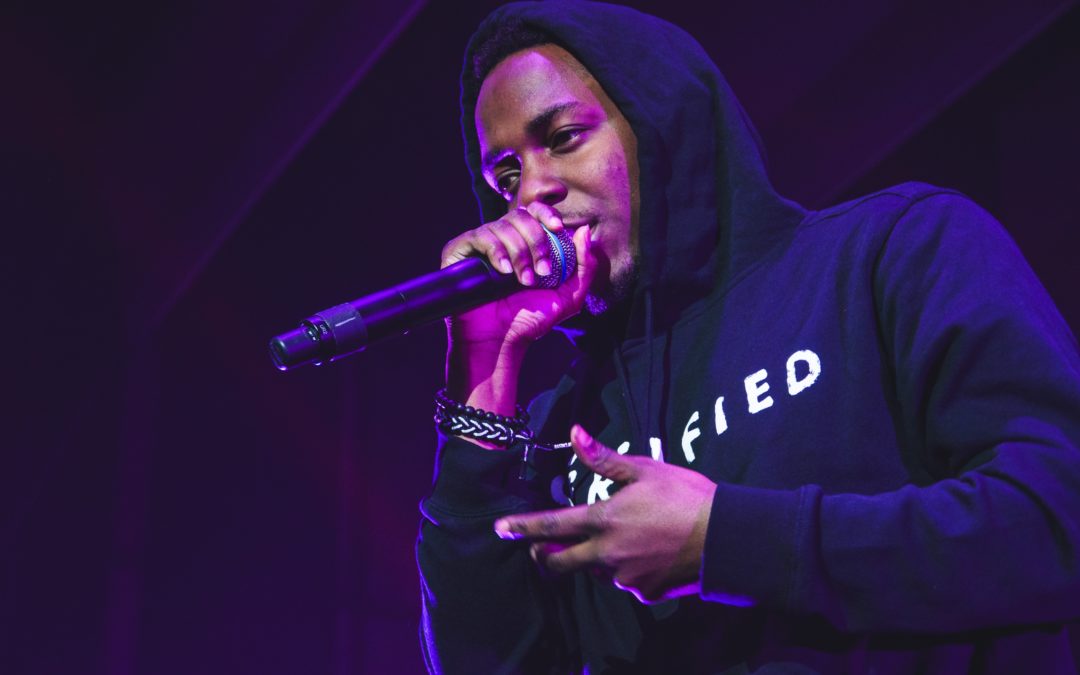
Awrd season has become an almost year-round affair for Kendrick Lamar. The celebrated rapper, known for his sharp lyricism and thought-provoking storytelling, continues to dominate the music awards landscape. Most recently, the 2025 BET Awards nominations were revealed on Thursday, May 8, and true to form, Kendrick Lamar once again led the pack with a staggering 10 nominations. This feat is a testament to his enduring impact on hip-hop and contemporary music as a whole.
Kendrick’s reign at the awards shows has become something of a routine in recent years. Before this, he led the nominations at the 66th Grammy Awards, the music industry’s most prestigious event, and is also a frontrunner at the upcoming 51st American Music Awards (AMAs). Yet, what sets the BET Awards apart this year is the broader recognition of his body of work. While his diss track “Not Like Us” — a powerful and confrontational song that sparked major conversation — remains a significant factor in his continued success, his nominations at the BET Awards go well beyond that single release. They reflect a multifaceted appreciation for his artistry, both as a solo performer and as a collaborator.
Central to his nominations is his latest album, GNX. The album is nominated for Album of the Year, a category that is notoriously competitive. His main competitors include none other than Beyoncé, with her highly praised project COWBOY CARTER, Drake and PARTYNEXTDOOR’s collaborative album Some Sexy Songs 4 U, and Doechii’s highly anticipated debut Alligator Bites Never Heal. Each of these albums has made waves in their own right, pushing creative boundaries and resonating deeply with audiences. This sets the stage for a truly thrilling contest where any one of these artists could walk away with the top prize.
In the realm of collaborations, Lamar’s presence is particularly dominant. He is nominated for three separate songs in the Best Collaboration category. These tracks include “luther” featuring SZA, a moody and soulful number that has been praised for its chemistry and lyrical depth; “Like That” by Future and Metro Boomin, which showcases Kendrick’s ability to seamlessly blend with other top artists and producers; and “30 For 30,” another collaboration with a close TDE (Top Dawg Entertainment) associate. Notably, “luther” and “Like That” also appear in the Viewer’s Choice Award category, which reflects fan enthusiasm and the cultural impact of these songs. Alongside them is “Not Like Us,” demonstrating that Lamar’s diss track is still very much in the conversation with fans and critics alike.
The influence of “Not Like Us” extends beyond audio recognition; the music video, directed by the renowned Drake, is also nominated for Video of the Year. This visual component is crucial, as it amplifies the song’s message and artistic impact. The nomination also shines a spotlight on Lamar’s role behind the camera, with both he and his frequent creative partner Dave Free earning nods for Video Director of the Year. This highlights Kendrick’s growing presence not just as a performer but as a visionary who shapes the aesthetic and narrative of his work.
Rounding out his impressive slate of nominations is the Best Male Hip Hop Artist category. This recognition is emblematic of Lamar’s consistent excellence and influence within the hip-hop genre. He’s not just nominated for isolated pieces of work; he is celebrated for his overall contributions to music throughout the year.
Given all this, the question naturally arises: is there anyone who can stop Kendrick Lamar’s award show streak in 2025? The short answer is that it seems unlikely—unless Lamar himself opts to step back from releasing new music this year. The anticipation for a deluxe version of GNX remains high, and fans are eager for any new content from the artist. His ability to maintain such a strong presence across multiple major awards demonstrates not only his talent but also his strategic approach to his career.
Other artists are certainly in the mix and deserve mention. Drake, for example, is preparing for his next solo project and remains a formidable competitor. His influence and track record of success mean that he is always a threat in any award category. Doechii is another rising star, with her debut album generating significant buzz. She represents the new wave of talent that could shake up the status quo. However, despite these challengers, Lamar’s established legacy and current momentum give him a considerable edge.
Beyond the nominations and potential wins, Kendrick Lamar’s career trajectory offers a glimpse into what it takes to stay relevant and influential in the modern music industry. His ability to evolve artistically while maintaining authenticity resonates deeply with fans and critics. He’s not just chasing awards for the sake of accolades; his work often carries social and cultural commentary that adds layers of meaning to his art.
The BET Awards nominations underscore the respect and admiration Lamar commands from his peers and the industry. Leading the nominations in such a prestigious event that celebrates Black excellence in entertainment is no small feat. It cements his status as one of the most important voices in hip-hop and modern music.
Looking ahead, the landscape of music awards is always evolving. New artists will emerge, and established ones will innovate. But as of now, Kendrick Lamar’s streak seems poised to continue. His commitment to quality, willingness to collaborate with a diverse range of artists, and ability to connect with audiences through both his music and visuals place him in a league of his own.
For fans, the upcoming BET Awards and other ceremonies will be exciting to watch. Will Lamar continue his dominance, or will fresh talent rise to challenge his throne? Only time will tell, but for now, Kendrick Lamar remains the benchmark by which excellence is measured.

by Jonathan P-Wright | May 30, 2025 | Latest, Music News, New Music Alert |
Image credit: Jamie Lamor Thompson / Shutterstock.com
In a compelling fusion of music and cinema, Grammy-winning artist 2 Chainz presents “Red Clay,” a short film that delves into the multifaceted essence of Atlanta. Set in 2003, the narrative centers on Nook, a teenager striving to keep his family intact amidst his mother’s struggles with addiction and the perils of street life. The film captures a city at a crossroads, highlighting the aftermath of the Olympic-era transformations, the influence of groups like BMF, and the emergence of trap music as a defining cultural force.
“Red Clay” is more than a cinematic endeavor; it’s a personal reflection of 2 Chainz’s own experiences growing up in Atlanta. Through Nook’s journey, the film explores themes of resilience, loyalty, and the pursuit of hope in an environment fraught with challenges. The narrative invites viewers to witness the complexities of urban life and the indomitable spirit of those who navigate it daily.
The Soundtrack: Echoes of a City’s Heartbeat
Complementing the film is a meticulously curated soundtrack that encapsulates the soul of Atlanta. The lead single, “The ATL Experience,” features a collaboration between 2 Chainz and The Isley Brothers, blending soulful melodies with contemporary rap to narrate stories of trust, betrayal, and survival. The track’s poignant lyrics and evocative rhythms serve as a testament to the city’s vibrant yet tumultuous landscape.IMDb+2Wikipedia+2Shockya+2
The accompanying music video, shot in East Atlanta, showcases iconic local landmarks, grounding the narrative in real-world settings. This visual journey through familiar streets and establishments reinforces the deep connection between the music, the film, and the community it represents. The collaboration between 2 Chainz and The Isley Brothers bridges generational gaps, uniting past and present to celebrate Atlanta’s rich musical heritage.
Christian Nolan Jones: Crafting Stories That Resonate
At the helm of “Red Clay” is director Christian Nolan Jones, an Atlanta native whose storytelling prowess brings authenticity and depth to the film. A graduate of Howard University and NYU’s Tisch School of the Arts, Jones has a track record of creating narratives that explore the human condition. His previous works, such as “Glitter Ain’t Gold,” have garnered critical acclaim for their insightful portrayal of coming-of-age experiences.
Jones’s direction in “Red Clay” ensures that the film transcends traditional storytelling, offering a nuanced exploration of identity, community, and personal growth. His commitment to highlighting underrepresented voices and experiences adds a layer of depth to the narrative, making it resonate with a diverse audience. Through his lens, “Red Clay” becomes a powerful medium for cultural expression and social commentary.
Community Engagement and the Road Ahead
“Red Clay” made its debut during a discussion panel at the Atlanta Film Festival, where 2 Chainz, Jones, and cast members engaged with audiences about the film’s themes and inspirations. The event highlighted the importance of storytelling in fostering community dialogue and understanding. While the film is currently being submitted to additional festivals, plans for a wider public release are anticipated, allowing broader audiences to experience this compelling portrayal of Atlanta’s evolution.
Through “Red Clay,” 2 Chainz not only showcases his multifaceted talents but also contributes to the cultural tapestry of Atlanta. The film stands as a testament to the city’s enduring spirit and the power of storytelling in capturing the essence of a community’s journey. As audiences await its wider release, “Red Clay” promises to leave a lasting impact, inspiring conversations and reflections on the complexities of urban life and the resilience of the human spirit.

RECENT COMMENTS