by Laghe Andrews | Jul 11, 2025 | Latest |
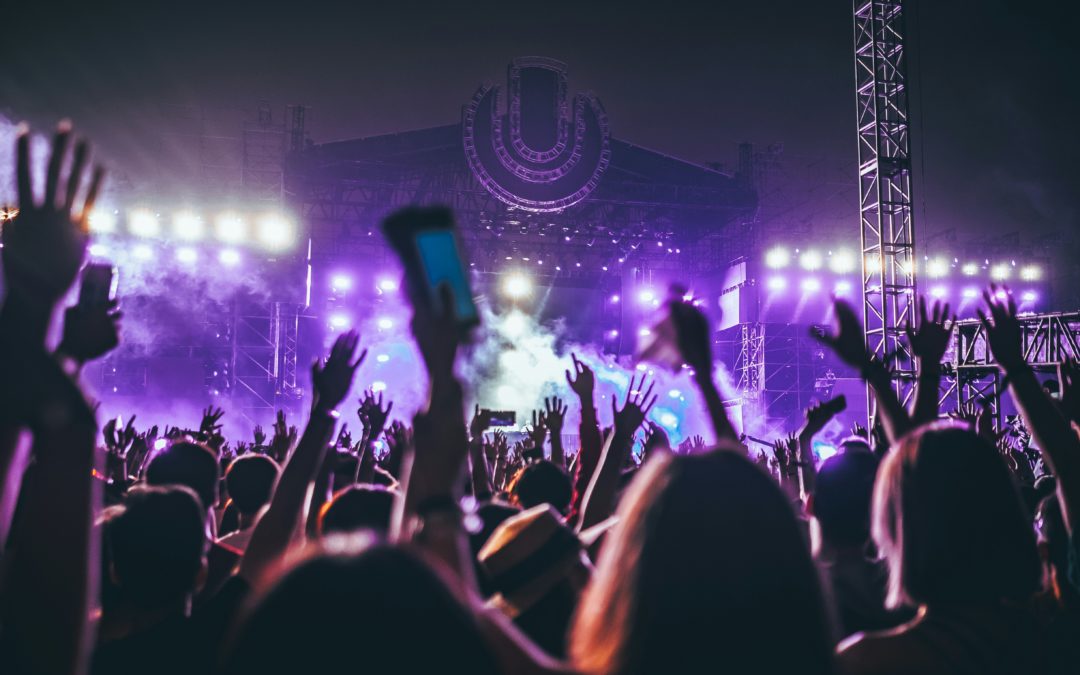
Photo by Hanny Naibaho on Unsplash
Lauryn Hill has long been celebrated as one of music’s most talented and impactful voices — a generational artist whose work transcends genre, time, and culture. However, in recent years, her name has often come paired with one recurring criticism: lateness. Despite her unparalleled legacy, Hill’s reputation for arriving late to concerts has overshadowed some of her artistry in public discourse.
This past weekend, at the annual Essence Festival of Culture in New Orleans, that same conversation sparked up again — but this time, it was met with a very different response. Rather than allow online speculation and negative assumptions to spiral out of control, the festival’s organizers stepped in forcefully and publicly to set the record straight.
Lauryn Hill headlined the multi-day event that draws in tens of thousands of fans every year to celebrate Black music, empowerment, and cultural pride. Her appearance, however, didn’t begin until 2:30 AM, hours past the expected time. Many online were quick to assume the delay was due to Hill’s personal tardiness — a familiar narrative — but the truth, as later revealed by Essence Festival itself, told a different story.
The Statement That Shifted the Narrative
In a rare move, the official Essence Festival social media account published a video clip from Hill’s performance along with a firm and unapologetic caption directly addressing the controversy. The post boldly declared that Lauryn Hill was not to blame for the delay, and instead praised her artistry and punctuality.
“Family is family, and around here we protect our own no matter what the PEOPLE have to say,” the post began, making it immediately clear where the organizers stood. “Let’s be very clear—WE don’t play about Ms. Lauryn Hill. Not for clicks. Not for headlines.”
The post continued to clarify:
“She arrived on schedule, stepped on that stage, and delivered the kind of performance only a legend can. The delay? Not hers. We will take that. The moment? One for the books. The legacy? Still unmatched. Put some respect on her name. Keep the takes, but keep her out of them. All love and deep profound admiration for Ms. Lauryn Hill.”
This act of public defense wasn’t just damage control — it was a deliberate and respectful effort to protect an icon who has often been the target of disproportionate criticism.
A Performance That Transcended the Hour
Despite the late start, Hill’s set was powerful, deeply soulful, and fully immersive. Backed by her band, her voice rang through the Superdome with passion and precision, reaffirming why she’s regarded as a once-in-a-generation talent. Fans who stuck it out until the early morning hours were rewarded with a performance many described as transformative.
Those in the crowd posted glowing reviews online, with many saying it was “worth every minute of the wait.” Some even called it a spiritual experience. Hill performed a range of classics from her seminal album The Miseducation of Lauryn Hill as well as songs from her Fugees days. Her stage presence — commanding, intentional, and emotionally raw — reminded everyone that despite the media noise, her musical impact remains untouched.
For an artist whose music has deeply shaped R&B, hip-hop, and neo-soul, this performance was not just another concert — it was a cultural reset.
A Star-Studded Weekend of Legends and Rising Stars
While Lauryn Hill’s set captured headlines, the entire Essence Festival weekend was packed with high-profile performances and unforgettable moments. The event, held annually in New Orleans since 1995, has grown into one of the most influential Black cultural festivals in the world. It brings together music, fashion, film, wellness, politics, and business under one umbrella.
This year, the lineup featured iconic performers such as Erykah Badu, Patti LaBelle, Babyface, and Ari Lennox, among others. The result was a rich blend of nostalgia and modern artistry that kept audiences dancing, reflecting, and celebrating for three days straight.
But one particularly poignant moment came from Master P, the New Orleans hip-hop mogul and entrepreneur, who used the Essence stage for his final public performance. Confirming to People magazine that he was officially retiring from music, Master P explained that he was moving into a new role as the President of Basketball Operations at the University of New Orleans.
“This is the next chapter of my life,” he said. “There’s so much negativity in hip-hop right now, and we don’t focus enough on the positive. I’m trying to lead by example. It’s time for me to give back in new ways.”
His decision to step back from music and focus on education and community leadership added a profound layer of inspiration to the festival. It’s a message that resonates with many attendees who view the Essence Festival as more than entertainment — it’s a catalyst for evolution, impact, and empowerment.
Essence Festival: More Than a Music Show
What makes the Essence Festival stand out isn’t just its concert lineup. It’s the way it integrates cultural conversation, political awareness, economic empowerment, and spiritual wellness into a single cohesive experience. During the daytime, festivalgoers attend panels and workshops covering everything from mental health and entrepreneurship to beauty trends and voting rights.
By night, the Superdome transforms into a temple of sound and celebration, where thousands come together to honor the richness of Black identity through music.
This year’s edition exemplified all of that. From deep discussions about generational wealth to performances that revived emotional memories, Essence proved again that it is a cultural institution, not just an event.
The Importance of Public Accountability
The festival organizers’ decision to publicly take responsibility for the delay in Lauryn Hill’s set sends a powerful message about accountability and artist protection, especially in a media environment that often thrives on outrage and controversy.
Too often, artists — particularly Black women — are subjected to harsh scrutiny without context or fairness. Hill, in particular, has been pigeonholed by a narrative that ignores her consistent excellence and instead highlights occasional late arrivals. The decision by Essence Festival to correct the record publicly represents a significant cultural stance: one that values truth over trend, respect over ridicule, and community over clicks.
By issuing a clear, transparent, and supportive message, the organizers helped shift the conversation away from gossip and back to what really matters — the music, the moment, and the message.
Reclaiming the Narrative
This incident offers a broader reflection on how we treat artists — especially legendary ones. Lauryn Hill is not a meme. She is not a headline. She is a cultural treasure who helped shape the sonic identity of a generation. Her album The Miseducation of Lauryn Hill remains a masterclass in lyrical depth, vocal brilliance, and emotional authenticity. It earned her five Grammy Awards and set a standard for artistry that few have matched since.
And yet, when delays happen, it’s often easier for audiences and media outlets to revert to past tropes rather than investigate the facts. The Essence Festival’s post served as a reminder that context matters — and that public figures deserve fairness.
A Weekend of Music, Legacy, and Transformation
In the end, the 2025 Essence Festival will be remembered not just for its big names or dazzling performances but for how it handled controversy with dignity and clarity. Lauryn Hill’s performance will be etched in the memories of those who stayed until nearly 3:00 AM to witness a true master at work. Master P’s retirement reminded fans of the power of reinvention. And the festival itself proved, once again, why it’s one of the most vital celebrations of Black culture in the world.
Essence didn’t just entertain — it defended, empowered, and celebrated. And in doing so, it delivered one of the most memorable weekends of the year.

by Laghe Andrews | Jun 13, 2025 | Latest, Music News, New Music Alert |
Photo by KOBU Agency on Unsplash
After more than 15 years of silence as a duo, Clipse—made up of brothers Pusha T and Malice—is finally breaking their musical hiatus. The Virginia-bred rap pair is gearing up to release a brand-new album titled Let God Sort ‘Em Out, marking a highly anticipated reunion that has been years in the making.
The official announcement came on Thursday, May 29, shaking the hip-hop world to its core. The iconic duo not only revealed the album’s title but also confirmed its release date: July 11. To make the announcement even more thrilling, Clipse dropped their lead single, “Ace Trumpets,” at midnight. Produced by the legendary Pharrell Williams, the track is already stirring up buzz across streaming platforms.
This album marks Clipse’s fourth official studio release and follows a long period of speculation, surprise appearances, and hints dropped over the years. Their return is not just a musical event; it’s a cultural moment loaded with nostalgia, reinvention, and legacy.
The Power of Reunion: Clipse & Pharrell Reunite
One of the most electrifying aspects of this release is the return of Pharrell Williams as producer. As one-half of The Neptunes, Pharrell was instrumental in crafting the sound that made Clipse a household name in the early 2000s. His work on Lord Willin’ and Hell Hath No Fury helped define the gritty, minimalist sonic landscape that became synonymous with the group.
With Pharrell back at the helm, Let God Sort ‘Em Out promises to tap into that same raw, authentic energy while also evolving to meet the moment. Pharrell’s production style, always ahead of the curve, brings a fusion of classic Neptunes grooves and modern innovation. Early listens of “Ace Trumpets” suggest a return to form that stays true to Clipse’s roots while pushing their sound into new territory.
Exclusive Merch and Strategic Rollout
The rollout for this album is already signaling a broader cultural play. Fans can now pre-order the album in multiple formats, including vinyl LP, CD, and digital download. Pre-orders are available via the official site LetGodSortEmOut.com and at the Complex Shop.
Alongside the music, a limited-edition line of merchandise has launched, featuring visual direction from renowned artist KAWS. Known for his iconic characters and contributions to the worlds of fine art and fashion, KAWS lends a fresh visual identity to the Clipse comeback. The merchandise includes exclusive apparel and collectibles, making this not just an auditory experience but a lifestyle drop.
And that’s not all. The team behind Let God Sort ‘Em Out has hinted at even more collaborations with heavyweights in the streetwear and design industries. This strategic move positions Clipse not just as artists, but as brand architects navigating the intersection of music, art, and culture.
The Journey Back: Building the Hype Over Time
This reunion didn’t happen overnight. Fans who have been closely following Clipse know the signs have been there. Back in 2022, Malice made a surprise appearance alongside Pusha T at the BET Hip-Hop Awards, reigniting hopes that the brothers might collaborate again. That moment sent social media into a frenzy, with speculation swirling about a full-scale reunion.
The momentum continued into 2023 when Clipse performed together at Pharrell’s Something in the Water Festival. Their chemistry on stage was undeniable, and the crowd’s reaction only amplified the demand for a new project.
In more recent months, Clipse has been strategically inserting themselves into the fashion and cultural zeitgeist. They appeared together at the Louis Vuitton Spring/Summer 2025 runway show—a showcase directed by Pharrell himself. Rumors of an upcoming collaboration with John Legend further fueled speculation. Every appearance, every whisper, added fuel to the fire, building a crescendo that has now exploded into the official album announcement.
Dual Journeys: Where Pusha T and Malice Have Been
To understand why this album matters so much, it’s important to look at where the Clipse brothers have been over the last decade and a half. After releasing Til the Casket Drops in 2009, the duo went in different directions—both creatively and personally.
Pusha T embarked on a successful solo career under Kanye West’s G.O.O.D. Music label. His solo discography, including Daytona and It’s Almost Dry, has earned critical acclaim for its sharp lyricism, minimalistic production, and thematic consistency centered around street narratives and introspection. Pusha cemented his place as one of hip-hop’s most revered wordsmiths.
Meanwhile, Malice underwent a profound personal transformation. He changed his name to No Malice and turned to Christian rap, focusing on themes of redemption, faith, and moral reflection. His solo work took on a more spiritual tone, reflecting his changed worldview. For many fans, this shift seemed to signal the end of Clipse as a unit.
That’s why Let God Sort ‘Em Out carries such weight. It represents not just a musical reunion, but a reconciliation of personal evolution. Two artists who took divergent paths are coming back together—bringing with them a depth of experience, a maturity, and a renewed artistic vision.
Backed by the Best: Roc Nation & High-Caliber Creative Team
Clipse’s new era is fortified by the backing of Roc Nation, the influential entertainment agency founded by Jay-Z. Roc Nation will handle marketing and distribution for the album, ensuring that the project receives a high-profile rollout in both digital and physical spaces.
This strategic partnership signifies Clipse’s intention to return not just with quality music, but with the infrastructure and resources to make a significant impact. It also suggests a savvy understanding of how modern music marketing works—from playlisting to experiential branding to cross-platform storytelling.
Add to that the creative input of Pharrell and KAWS, and you have a team that blends sonic mastery, cultural relevance, and artistic credibility. It’s a dream team assembled for a comeback that’s anything but ordinary.
The Cultural and Musical Landscape
The hip-hop world Clipse is returning to is vastly different from the one they left. In the 2000s, lyricism, storytelling, and street authenticity were paramount. Today’s landscape is more diversified—dominated by streaming metrics, viral moments, and evolving subgenres.
Yet, in many ways, Clipse’s return feels perfectly timed. There’s a growing appetite for substance in hip-hop. Artists like Kendrick Lamar, J. Cole, and Griselda have proven that lyrical dexterity and authentic storytelling still resonate deeply with audiences. In this climate, Clipse isn’t an outlier—they’re a necessary return to form.
Moreover, the duo’s influence has only grown in their absence. Their unique blend of street realism, philosophical undertones, and avant-garde production has inspired a new generation of rappers and producers. Their return is likely to both challenge and elevate the current state of the genre.
What to Expect From the Album
While full details of the album’s tracklist remain under wraps, “Ace Trumpets” offers some clues. The track combines haunting instrumentation with punchy lyricism and layered meaning—all hallmarks of classic Clipse. Fans can expect themes of morality, survival, street economics, and personal growth, all delivered with the precision and intensity that have defined the duo’s sound.
Given the involvement of Pharrell and the duo’s new perspectives, the album is also likely to experiment with new sonic textures and thematic angles. It’s not just about recreating the past; it’s about reinterpreting it for the present.
Final Thoughts: A Legacy Reawakened
Let God Sort ‘Em Out is more than an album. It’s a cultural reawakening, a bridging of eras, and a statement about the enduring power of authenticity in music. For longtime fans, it’s a dream realized. For new listeners, it’s an invitation to experience the power of masterful storytelling.
Clipse isn’t just coming back—they’re reasserting their place at the top of hip-hop’s lyrical elite. July 11 marks the beginning of a new chapter, but also the continuation of a legacy that never truly went away.
In a world increasingly dominated by fleeting trends, Clipse is offering something rare: a moment of permanence, crafted with intention, and driven by artistry. And as the album title suggests, they’re leaving the judgment to a higher power. All we have to do is listen.

by Laghe Andrews | May 30, 2025 | Latest, Music News, New Music Alert |
Image credit: Featureflash Photo Agency / Shutterstock.com
The film Sinners has rapidly become more than just a movie—it’s a cultural moment. Its mix of vampire mythology intertwined with profound themes of racial reckoning has drawn extensive attention, but perhaps the most powerful element lies in its music. At its core, Sinners pulses with the spirit of the Delta Blues, a genre whose influence extends far beyond the American South and reverberates worldwide.
The standout musical piece in the film is undoubtedly “I Lied to You,” delivered with raw emotional power by actor and musician Miles Caton, who plays Sammie “Preacher Boy” Moore in the movie. This soulful track was written by the legendary Raphael Saadiq during a studio session alongside Oscar-winning composer Ludwig Göransson—known for his work on director Ryan Coogler’s Black Panther films. Saadiq brings to the table a career that spans almost 40 years, including three Grammy Awards and a legacy of collaborations with artists like Beyoncé on “COWBOY CARTER” and Solange on her critically acclaimed album A Seat at the Table.
Though Saadiq is widely celebrated for his deep roots in R&B, his connection to the music of Sinners goes beyond genre—it touches on his own story. In a Billboard interview published on May 2, Saadiq revealed that he shares a similar background to Sammie, the film’s complex character. Discussing the tension between Sammie’s secular music passion and his church upbringing, Saadiq explained, “That really resonated with me because that’s exactly how I grew up. Playing R&B music, I was told it was the devil’s music, so I completely understood where Sammie was coming from.”
This personal tie to the story allowed Saadiq to bring an authenticity to the songwriting process. He also noted how the project reconnected him with his Baptist roots, particularly the vocal traditions of his childhood church: “Even the humming on the track—I pulled that from Union Baptist Church. It’s a type of devotional singing that’s deeply ingrained in me.”
The Power of Miles Caton’s Voice
When Saadiq composed “I Lied to You,” he had not yet heard Miles Caton sing it. “That voice is something else,” he said. “I wrote the song imagining how I would sing the blues, but when I finally heard Miles sing it, I was blown away.”
Despite Saadiq’s own musical prowess, he felt the song belonged solely to Miles Caton’s voice. Even though there was an offer for Saadiq to release his own demo alongside the film’s soundtrack, he declined, preferring listeners to experience the track exclusively through Miles’s powerful performance. “The movie is so incredible that when people go to streaming platforms, they should only hear Miles. His voice is incredible,” Saadiq emphasized.
For Saadiq, this wasn’t simply an act of humility; it was a recognition that Miles’s voice perfectly embodied the emotional truth of Sammie’s character and the film’s themes.
A Hook Born from Real Life
The phrase “I Lied to You” is far from a random lyric. It originated in Saadiq’s own experiences. Reflecting on his youth, Saadiq recalled a moment when he was struggling to tell his girlfriend the truth about a difficult situation. Instead, he told her, “You know what would make a great blues line? ‘They say the truth hurts, so I lied to you.’”
That line lingered in his mind for years as a powerful blues hook. “I’ve always had blues ideas,” Saadiq admitted. “I’d often come up with blues hooks because they’re some of the best hooks in music.”
For the film, Saadiq initially believed that Sammie was lying to his father, which inspired the song’s title and lyrics. However, as the character developed, it became clear that Sammie was actually trying to tell the truth, even if it wasn’t fully accepted. This emotional complexity added layers of meaning to the song and resonated deeply with Saadiq’s own reflections on truth and deception.
Collaboration with Ludwig Göransson and the Birth of the Track
The creative synergy between Raphael Saadiq and Ludwig Göransson was critical in bringing “I Lied to You” to life. Göransson’s background in cinematic scoring and Saadiq’s mastery of rhythm and blues fused to create a track that was both haunting and cinematic. This collaboration enhanced the film’s emotional landscape, anchoring key scenes with music that felt timeless and authentic.
Experiencing the Song in the Film’s Premier
Saadiq first heard the full version of “I Lied to You” performed by Miles Caton at the Sinners premiere in Oakland, California, on April 16, 2024. Watching the song come alive on the big screen, amidst the movie’s powerful narrative, was a moving moment for Saadiq. Two days later, the film was released worldwide in theaters, including IMAX formats, and quickly garnered box office success. By early May, the film had grossed over $185 million, according to The Numbers, proving both commercial and critical acclaim.
The Delta Blues: Music as Cultural Legacy
The choice to center Sinners’ soundtrack around Delta Blues is a deliberate and meaningful one. Blues music originated from the deep South of the United States and is a genre that has long communicated the pain, resilience, and spirit of African American communities. It is often considered the foundation of much of American music today—from jazz and rock to R&B and hip-hop.
By placing blues music front and center, Sinners pays homage to this rich cultural legacy and reclaims it within a modern narrative. This musical choice creates a bridge between the struggles of the past and present, weaving history into the film’s contemporary themes of identity, power, and redemption.
Raphael Saadiq’s Artistic Journey and Personal Connection
Raphael Saadiq’s career has been marked by his ability to navigate various musical styles with authenticity. Whether producing smooth R&B or venturing into soulful gospel and blues, Saadiq’s work always reflects deep emotional honesty.
In Sinners, his songwriting reconnects him to a foundational part of his own life—his church upbringing. He described how the devotional humming in the track reminded him of singing in church as a child, a spiritual practice that left a lasting imprint on his musical sensibility.
Moreover, Saadiq confessed he had always admired the blues but doubted his own ability to sing it authentically. “I’ve had blues ideas for years, but I never thought I had the voice for it,” he said. The chance to write for Sammie and hear Miles Caton bring that voice to life fulfilled a personal and artistic desire for Saadiq.
The Emotional Core of “I Lied to You”
At its heart, “I Lied to You” is a song about the complicated nature of truth. The title suggests deceit, but the deeper story involves the pain and vulnerability that comes with honesty, especially when it challenges relationships and expectations.
This tension aligns with the film’s larger themes of identity and conflict—Sammie’s struggle to reconcile his secular music passion with his religious roots mirrors broader societal struggles around cultural and racial identity.
Saadiq’s lyricism captures this perfectly, creating a song that feels both personal and universal. Listeners don’t just hear a character’s confession—they hear echoes of their own experiences with love, fear, and self-expression.
Conclusion: A Song That Transcends the Screen
The creation of “I Lied to You” for Sinners is a remarkable example of how music can elevate storytelling. Through Raphael Saadiq’s masterful songwriting and Miles Caton’s unforgettable voice, the track transcends its role as a film song and becomes a powerful expression of cultural memory and emotional truth.
In connecting his own history with the blues and gospel traditions of his youth, Saadiq crafted more than just a soundtrack. He contributed a living piece of art that honors the blues’ enduring legacy—its capacity to tell stories of hardship, redemption, and hope.
As Sinners continues to captivate audiences worldwide, the haunting refrain of “I Lied to You” stands as a reminder that music isn’t just entertainment—it’s a vital thread that binds us to our history, our emotions, and each other.

by Jonathan P-Wright | May 30, 2025 | Latest, Music News, New Music Alert |
Image credit: Jamie Lamor Thompson / Shutterstock.com
In a compelling fusion of music and cinema, Grammy-winning artist 2 Chainz presents “Red Clay,” a short film that delves into the multifaceted essence of Atlanta. Set in 2003, the narrative centers on Nook, a teenager striving to keep his family intact amidst his mother’s struggles with addiction and the perils of street life. The film captures a city at a crossroads, highlighting the aftermath of the Olympic-era transformations, the influence of groups like BMF, and the emergence of trap music as a defining cultural force.
“Red Clay” is more than a cinematic endeavor; it’s a personal reflection of 2 Chainz’s own experiences growing up in Atlanta. Through Nook’s journey, the film explores themes of resilience, loyalty, and the pursuit of hope in an environment fraught with challenges. The narrative invites viewers to witness the complexities of urban life and the indomitable spirit of those who navigate it daily.
The Soundtrack: Echoes of a City’s Heartbeat
Complementing the film is a meticulously curated soundtrack that encapsulates the soul of Atlanta. The lead single, “The ATL Experience,” features a collaboration between 2 Chainz and The Isley Brothers, blending soulful melodies with contemporary rap to narrate stories of trust, betrayal, and survival. The track’s poignant lyrics and evocative rhythms serve as a testament to the city’s vibrant yet tumultuous landscape.IMDb+2Wikipedia+2Shockya+2
The accompanying music video, shot in East Atlanta, showcases iconic local landmarks, grounding the narrative in real-world settings. This visual journey through familiar streets and establishments reinforces the deep connection between the music, the film, and the community it represents. The collaboration between 2 Chainz and The Isley Brothers bridges generational gaps, uniting past and present to celebrate Atlanta’s rich musical heritage.
Christian Nolan Jones: Crafting Stories That Resonate
At the helm of “Red Clay” is director Christian Nolan Jones, an Atlanta native whose storytelling prowess brings authenticity and depth to the film. A graduate of Howard University and NYU’s Tisch School of the Arts, Jones has a track record of creating narratives that explore the human condition. His previous works, such as “Glitter Ain’t Gold,” have garnered critical acclaim for their insightful portrayal of coming-of-age experiences.
Jones’s direction in “Red Clay” ensures that the film transcends traditional storytelling, offering a nuanced exploration of identity, community, and personal growth. His commitment to highlighting underrepresented voices and experiences adds a layer of depth to the narrative, making it resonate with a diverse audience. Through his lens, “Red Clay” becomes a powerful medium for cultural expression and social commentary.
Community Engagement and the Road Ahead
“Red Clay” made its debut during a discussion panel at the Atlanta Film Festival, where 2 Chainz, Jones, and cast members engaged with audiences about the film’s themes and inspirations. The event highlighted the importance of storytelling in fostering community dialogue and understanding. While the film is currently being submitted to additional festivals, plans for a wider public release are anticipated, allowing broader audiences to experience this compelling portrayal of Atlanta’s evolution.
Through “Red Clay,” 2 Chainz not only showcases his multifaceted talents but also contributes to the cultural tapestry of Atlanta. The film stands as a testament to the city’s enduring spirit and the power of storytelling in capturing the essence of a community’s journey. As audiences await its wider release, “Red Clay” promises to leave a lasting impact, inspiring conversations and reflections on the complexities of urban life and the resilience of the human spirit.
by Jonathan P-Wright | May 23, 2025 | Latest, Music News |
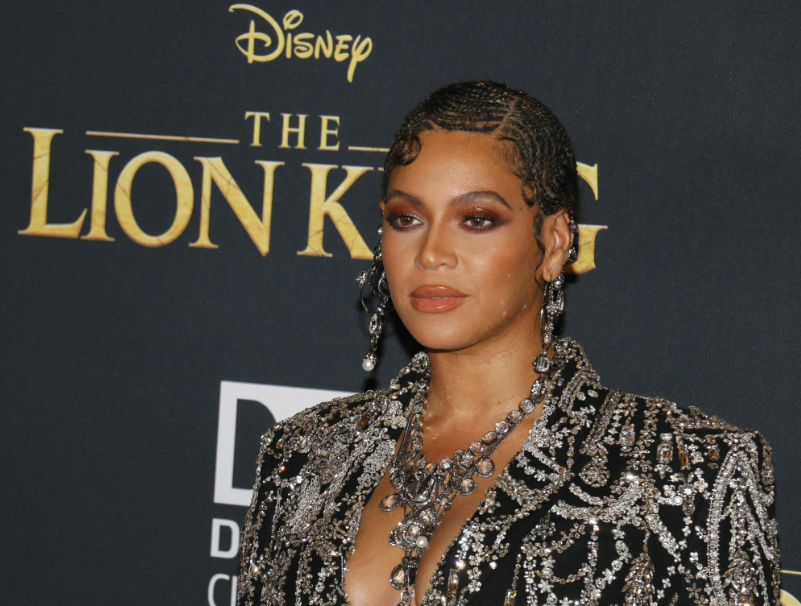
Image credit: Tinseltown / Shutterstock.com
Beyoncé marked the highly anticipated launch of her Cowboy Carter Tour with a grand spectacle at Los Angeles’s SoFi Stadium. The nearly three-hour-long show was a dynamic fusion of country music traditions, pop, R&B, and the vibrant aesthetics of ballroom culture. But beyond just entertainment, it was a profound celebration of Black creativity and an unflinching statement about identity, artistic ownership, and cultural legacy in America.
From the very outset, the evening made it clear that this wasn’t just another concert—it was a powerful act of reclamation. Boldly illuminated on the stadium’s massive screens were the words: “Never ask permission for something that already belongs to you.” This phrase resonated throughout the performance as a defiant assertion that Beyoncé, and the cultural heritage she represents, cannot be boxed in or denied rightful space.
Opening the Show: A Reverent and Revolutionary Introduction
Beyoncé began the evening with “AMERIICAN REQUIEM,” a track from her recent projects that confronts the complicated realities of American patriotism filtered through the Black experience. The somber, atmospheric song set a contemplative tone, leading seamlessly into a stirring rendition of The Beatles’ “Blackbird,” a classic symbol of struggle and hope during the Civil Rights era.
But Beyoncé’s tribute didn’t stop there. She followed “Blackbird” with a Jimi Hendrix-inspired version of “The Star-Spangled Banner,” reimagining the national anthem in a way that layered reverence with critical commentary. While Hendrix’s legendary 1969 Woodstock performance used the anthem to protest the Vietnam War and highlight racial injustice, Beyoncé’s take echoed this tradition of resistance and renewal.
As the anthem played, the stage visuals paid homage to Black trailblazers in country music history, a genre often viewed through a narrow lens as predominantly white. Images of Linda Martell—the first Black woman to sing at the Grand Ole Opry—and other overlooked pioneers filled the backdrop. With sincerity, Beyoncé addressed the audience: “I want to thank all of those who came before me. Thank you for giving me the creative liberty to challenge myself.” Her gratitude was also a subtle demand for recognition of the Black roots that run deep within country music’s history.
Clad in an all-white leather Mugler ensemble and a classic cowboy hat, Beyoncé embodied both a modern icon and a nod to country’s storied past. Her presence was a reminder that she is not just an artist dabbling in a genre but one with a profound connection to its heritage, and the creative prowess to expand its horizons.
Country Music Reclaimed and Revolutionized
The Cowboy Carter Tour is not a simple fusion; it’s a purposeful excavation and reinvention. Country music, often stereotyped as the domain of rural white Americans, actually owes much of its origin to Black musicians, who infused it with blues, gospel, and storytelling traditions. Yet, Black voices have historically been marginalized or erased from country’s mainstream narrative.
Beyoncé’s tour actively challenges this erasure. By merging traditional country sounds—twanging guitars, fiddles, and steady rhythms—with her signature blend of pop and R&B vocals, she dismantles preconceived notions. The aesthetic touches, like cowboy hats and boots, are not costumes but symbols of heritage, worn with pride and layered with contemporary flair.
This deliberate melding of styles invites the audience to reconsider what country music can be. It’s a statement that genres are fluid and that cultural ownership is complex and intertwined.
Family Ties: The Heart of the Show
Family is a cornerstone of Beyoncé’s public persona, and the Cowboy Carter Tour showcased this beautifully. Throughout the night, her eldest daughter Blue Ivy appeared onstage, moving fluidly with the backup dancers during energetic numbers such as “YA YA,” “SWEET ★ HONEY ★ BUCKIIN’,” and the politically charged “AMERICA HAS A PROBLEM.”
Blue Ivy’s presence was more than a cute addition—it symbolized generational continuity, the passing of a creative torch, and the nurturing of a legacy that goes beyond music. Dressed in outfits that mirrored the show’s Western theme, Blue’s confident stage presence signaled that she is carving her own artistic path while honoring her roots.
Another rare and emotionally charged moment came during “PROTECTOR,” when Beyoncé’s youngest daughter, Rumi, made a brief appearance. Waving to the crowd with a bright smile, Rumi’s presence softened the intensity of the concert and reminded fans of the deeply personal motivations behind much of Beyoncé’s work.
Further tying the past to the present, Beyoncé performed a solo rendition of “Deja Vu” that revived choreography from her B’Day era, creating a beautiful bridge between her past artistic phases and her current creative vision.
Echoes of the Renaissance and Ballroom Elegance
Although the Cowboy Carter Tour focuses on country influences, Beyoncé’s signature RENAISSANCE era sound and aesthetic also surfaced prominently. The show’s fluidity between genres was one of its defining features.
One highlight was her performance of “TYRANT” atop a mechanical bull, a visually striking and metaphorically rich moment. The bull, a classic symbol of country and rodeo culture, was transformed into a stage prop that underscored Beyoncé’s control and dominance over the genre she was claiming.
From there, the concert transitioned into a ballroom-inspired segment featuring songs like “I’M THAT GIRL,” “COZY,” and “ALIEN SUPERSTAR.” These performances were a celebration of Black queer culture, ballroom voguing, and self-expression, showcasing Beyoncé’s commitment to amplifying marginalized voices within her artistry.
During “YA YA,” Beyoncé was seated on a throne while a robotic arm poured her whiskey—a futuristic yet Southern tableau that juxtaposed tradition with innovation, heritage with progress.
Visuals as Political and Cultural Commentary
Beyoncé has always been masterful at embedding powerful messages within her visual presentations, and the Cowboy Carter Tour was no exception. Throughout the show, visuals reinforced themes of resistance, empowerment, and reclaiming what rightfully belongs to Black artists and communities.
One of the most striking scenes depicted Beyoncé in a tense gun duel against an older white cowboy figure. Bullets bounced harmlessly off her body, a metaphor that spoke volumes. It referenced her experience being snubbed by Nashville’s predominantly white country music establishment and the broader struggle for Black artists to gain recognition and respect in genres dominated by white narratives.
Later, in a showstopping moment, Beyoncé flew above the crowd on a glowing pink neon horseshoe during “DADDY LESSONS.” This song has long been understood as a tribute to her father and a reflection on lessons of love, loyalty, and strength drawn from her Texas upbringing. Her aerial performance was both literal and symbolic—lifting Black country music to new heights.
Following that, she transitioned to a flying convertible decked out with an American flag as she performed “16 CARRIAGES,” a song layered with themes of burden, femininity, and resilience. These high-flying visuals encapsulated the show’s dual messages of celebration and defiance.
A Setlist Full of Surprises and Homages
The musical journey Beyoncé took her audience on was carefully curated to blend nostalgia, innovation, and cultural significance. She wove snippets of Destiny’s Child hits like “Bills, Bills, Bills” into newer material such as “THIQUE,” creating a multi-generational experience.
One viral moment was her refreshed performance of “Diva,” which had garnered attention online prior to the tour. It served as a testament to her ability to keep reinventing herself and staying culturally relevant.
Another notable highlight was her take on Dolly Parton’s “JOLENE.” Rather than a straightforward cover, Beyoncé infused the classic with her own signature flair and a beat inspired by New Orleans bounce music—a genre deeply connected to Black musical innovation. This reimagining honored Dolly’s influence while asserting Beyoncé’s ownership and reinterpretation of the narrative.
The concert reached a climactic crescendo with a remixed version of “TEXAS HOLD ‘EM,” which then transitioned smoothly into the iconic “Crazy in Love.” Although fans were eager for a guest appearance from JAY-Z, who famously duets on the latter, he did not join Beyoncé on stage. Still, her solo performance was magnetic enough to command the crowd’s undivided attention.
The Cultural Impact and Future Stops
The Cowboy Carter Tour is much more than a high-profile tour—it’s a cultural milestone. Beyoncé is not simply showcasing her talents but is actively challenging the cultural gatekeepers and re-centering Black voices in spaces where they have been historically marginalized.
Her choice to spotlight Black country pioneers, blend genres, and bring her family into the spotlight is a multi-layered strategy that advances discussions about identity, inclusion, and creative freedom.
The tour will continue with additional shows in Los Angeles before making stops in Chicago, New Jersey, London, Paris, Houston, Washington D.C., Atlanta, and concluding in Las Vegas in July. Given the groundbreaking nature of the opening night, audiences worldwide can expect a tour filled with spectacle, meaning, and unapologetic Black excellence.

RECENT COMMENTS