
by Jonathan P-Wright | Jun 6, 2025 | Latest, Social Justice |
Image Photo by Tingey Injury Law Firm on Unsplash
An 81-year-old woman in Ocala, Florida, is facing battery charges after a shocking incident involving the use of bear mace on two young Black children and their mother. Ada Anderson, the accused, was arrested on May 30 after allegedly spraying the highly potent chemical substance at her neighbors while yelling racial slurs.
April Morant, the children’s mother, moved into the neighborhood in Marion County in November with hopes of building a peaceful life for her family. But, according to her, their new neighbor Anderson was hostile from the very beginning. What began as verbal hostility escalated into a frightening act of aggression when Morant’s children—ages six and three—were playing with bubbles in their front yard.
Morant recalled the traumatic moment during an interview with WESH-2 News. “She approached the fence with something in her hand. I didn’t know what it was—my first thought was a gun,” Morant said. “Then she sprayed it. My kids were screaming. It got in their eyes, on their faces… it was horrifying.”
Bear mace is designed to stop charging wild animals like bears. It’s several times more powerful than standard pepper spray, and can cause intense pain, breathing difficulty, and even long-term respiratory damage—especially dangerous for children.
Racial Slurs and Ongoing Harassment
What makes the incident even more disturbing is the presence of explicit racial hatred. Morant shared video footage taken just after the attack that shows Anderson on her porch, glaring at her neighbor’s home. In another clip, she can be heard shouting the n-word and telling Morant and her family, “You’re not welcome in this neighborhood.”
These comments, coupled with the attack, led many—including Morant—to believe the event was racially motivated. “This wasn’t just a random act,” she said. “She used a weapon and screamed racial slurs. It was targeted hate.”
Despite the seriousness of the situation, Anderson was only charged with three counts of battery. Morant and many in the community feel this doesn’t reflect the true nature of the crime. “They didn’t charge her with anything related to hate,” she said. “This wasn’t just battery. She attacked children while yelling slurs.”
Morant also revealed that this wasn’t her first encounter with Anderson’s aggression. “I’ve called the police on her before,” she posted on Facebook. “But nothing ever came of it. I told them she was a danger. It took her attacking my babies for them to finally arrest her.”
Fear, Trauma, and the Need to Escape
The emotional and psychological toll of the incident has been overwhelming for Morant and her children. What should be their safe space—home—has now become a place of fear. The children are afraid to play outside, and Morant lives in constant dread of what could happen once Anderson is released.
“She’s 81, but that doesn’t mean she’s not dangerous,” Morant said. “Age doesn’t excuse hate or violence. What if next time it’s worse?”
Morant worries that Anderson, upon release, will return to her back porch and continue her intimidation. Given the ongoing threat, she’s launched a GoFundMe campaign to raise $15,000 to relocate her family to a safer neighborhood.
The fundraiser’s description reads:
“Imagine your children screaming in pain because someone hates the color of their skin. Imagine the fear of knowing that person lives next door. We can’t stay here. I don’t want to wait for things to get even worse.”
The fundraiser has begun to gain traction, with support coming in from people who were moved by Morant’s story and the injustice she and her children have faced. Many believe she deserves the chance to raise her kids in a place free of fear, hostility, and racism.
Justice and Accountability in Question
The case has sparked widespread debate about how authorities handle racially motivated attacks—especially when the perpetrators are elderly or white. Many in the community are frustrated that Anderson wasn’t charged with a hate crime, even though the evidence seems clear.
“Hate doesn’t retire with age,” said one local activist. “What happened to this family is clearly fueled by racism, yet the system is hesitant to call it what it is.”
Under Florida law, crimes that are proven to be motivated by bias can be classified as hate crimes and carry harsher penalties. But in practice, these charges are rarely pursued—often due to the additional burden of proof or the perceived leniency given to elderly offenders.
“There’s a pattern of minimizing these attacks when they come from older white individuals,” the activist continued. “But racism is racism. And the victims, especially children, are the ones who suffer.”
Morant has been vocal about her desire for true accountability—not just for herself, but for the example it sets. “What message are we sending if someone can attack Black kids and walk away with a slap on the wrist?” she asked. “We teach our children to be kind, to respect others. But who’s teaching these adults that racism has consequences?”
Final Thoughts: A Family’s Plea for Peace
For April Morant and her children, the road to healing will be long. Their sense of security has been shattered, and the trauma of the event continues to ripple through their daily lives. But Morant remains determined to protect her children, and to move them somewhere they can simply exist without being targeted.
“I don’t want revenge,” she said. “I just want safety. I want peace. I want my girls to know they belong.”
As the legal process unfolds, the question remains: Will the system acknowledge the racial hatred behind the attack? Or will it continue to treat this as a minor altercation, ignoring the deeper wounds it represents?
In the meantime, Morant hopes her story can inspire awareness, action, and support. “We need to speak up. We need to stand together. No family should ever feel unsafe because of the color of their skin.

by Laghe Andrews | May 30, 2025 | Latest, Music News, New Music Alert |
Image credit: Featureflash Photo Agency / Shutterstock.com
The film Sinners has rapidly become more than just a movie—it’s a cultural moment. Its mix of vampire mythology intertwined with profound themes of racial reckoning has drawn extensive attention, but perhaps the most powerful element lies in its music. At its core, Sinners pulses with the spirit of the Delta Blues, a genre whose influence extends far beyond the American South and reverberates worldwide.
The standout musical piece in the film is undoubtedly “I Lied to You,” delivered with raw emotional power by actor and musician Miles Caton, who plays Sammie “Preacher Boy” Moore in the movie. This soulful track was written by the legendary Raphael Saadiq during a studio session alongside Oscar-winning composer Ludwig Göransson—known for his work on director Ryan Coogler’s Black Panther films. Saadiq brings to the table a career that spans almost 40 years, including three Grammy Awards and a legacy of collaborations with artists like Beyoncé on “COWBOY CARTER” and Solange on her critically acclaimed album A Seat at the Table.
Though Saadiq is widely celebrated for his deep roots in R&B, his connection to the music of Sinners goes beyond genre—it touches on his own story. In a Billboard interview published on May 2, Saadiq revealed that he shares a similar background to Sammie, the film’s complex character. Discussing the tension between Sammie’s secular music passion and his church upbringing, Saadiq explained, “That really resonated with me because that’s exactly how I grew up. Playing R&B music, I was told it was the devil’s music, so I completely understood where Sammie was coming from.”
This personal tie to the story allowed Saadiq to bring an authenticity to the songwriting process. He also noted how the project reconnected him with his Baptist roots, particularly the vocal traditions of his childhood church: “Even the humming on the track—I pulled that from Union Baptist Church. It’s a type of devotional singing that’s deeply ingrained in me.”
The Power of Miles Caton’s Voice
When Saadiq composed “I Lied to You,” he had not yet heard Miles Caton sing it. “That voice is something else,” he said. “I wrote the song imagining how I would sing the blues, but when I finally heard Miles sing it, I was blown away.”
Despite Saadiq’s own musical prowess, he felt the song belonged solely to Miles Caton’s voice. Even though there was an offer for Saadiq to release his own demo alongside the film’s soundtrack, he declined, preferring listeners to experience the track exclusively through Miles’s powerful performance. “The movie is so incredible that when people go to streaming platforms, they should only hear Miles. His voice is incredible,” Saadiq emphasized.
For Saadiq, this wasn’t simply an act of humility; it was a recognition that Miles’s voice perfectly embodied the emotional truth of Sammie’s character and the film’s themes.
A Hook Born from Real Life
The phrase “I Lied to You” is far from a random lyric. It originated in Saadiq’s own experiences. Reflecting on his youth, Saadiq recalled a moment when he was struggling to tell his girlfriend the truth about a difficult situation. Instead, he told her, “You know what would make a great blues line? ‘They say the truth hurts, so I lied to you.’”
That line lingered in his mind for years as a powerful blues hook. “I’ve always had blues ideas,” Saadiq admitted. “I’d often come up with blues hooks because they’re some of the best hooks in music.”
For the film, Saadiq initially believed that Sammie was lying to his father, which inspired the song’s title and lyrics. However, as the character developed, it became clear that Sammie was actually trying to tell the truth, even if it wasn’t fully accepted. This emotional complexity added layers of meaning to the song and resonated deeply with Saadiq’s own reflections on truth and deception.
Collaboration with Ludwig Göransson and the Birth of the Track
The creative synergy between Raphael Saadiq and Ludwig Göransson was critical in bringing “I Lied to You” to life. Göransson’s background in cinematic scoring and Saadiq’s mastery of rhythm and blues fused to create a track that was both haunting and cinematic. This collaboration enhanced the film’s emotional landscape, anchoring key scenes with music that felt timeless and authentic.
Experiencing the Song in the Film’s Premier
Saadiq first heard the full version of “I Lied to You” performed by Miles Caton at the Sinners premiere in Oakland, California, on April 16, 2024. Watching the song come alive on the big screen, amidst the movie’s powerful narrative, was a moving moment for Saadiq. Two days later, the film was released worldwide in theaters, including IMAX formats, and quickly garnered box office success. By early May, the film had grossed over $185 million, according to The Numbers, proving both commercial and critical acclaim.
The Delta Blues: Music as Cultural Legacy
The choice to center Sinners’ soundtrack around Delta Blues is a deliberate and meaningful one. Blues music originated from the deep South of the United States and is a genre that has long communicated the pain, resilience, and spirit of African American communities. It is often considered the foundation of much of American music today—from jazz and rock to R&B and hip-hop.
By placing blues music front and center, Sinners pays homage to this rich cultural legacy and reclaims it within a modern narrative. This musical choice creates a bridge between the struggles of the past and present, weaving history into the film’s contemporary themes of identity, power, and redemption.
Raphael Saadiq’s Artistic Journey and Personal Connection
Raphael Saadiq’s career has been marked by his ability to navigate various musical styles with authenticity. Whether producing smooth R&B or venturing into soulful gospel and blues, Saadiq’s work always reflects deep emotional honesty.
In Sinners, his songwriting reconnects him to a foundational part of his own life—his church upbringing. He described how the devotional humming in the track reminded him of singing in church as a child, a spiritual practice that left a lasting imprint on his musical sensibility.
Moreover, Saadiq confessed he had always admired the blues but doubted his own ability to sing it authentically. “I’ve had blues ideas for years, but I never thought I had the voice for it,” he said. The chance to write for Sammie and hear Miles Caton bring that voice to life fulfilled a personal and artistic desire for Saadiq.
The Emotional Core of “I Lied to You”
At its heart, “I Lied to You” is a song about the complicated nature of truth. The title suggests deceit, but the deeper story involves the pain and vulnerability that comes with honesty, especially when it challenges relationships and expectations.
This tension aligns with the film’s larger themes of identity and conflict—Sammie’s struggle to reconcile his secular music passion with his religious roots mirrors broader societal struggles around cultural and racial identity.
Saadiq’s lyricism captures this perfectly, creating a song that feels both personal and universal. Listeners don’t just hear a character’s confession—they hear echoes of their own experiences with love, fear, and self-expression.
Conclusion: A Song That Transcends the Screen
The creation of “I Lied to You” for Sinners is a remarkable example of how music can elevate storytelling. Through Raphael Saadiq’s masterful songwriting and Miles Caton’s unforgettable voice, the track transcends its role as a film song and becomes a powerful expression of cultural memory and emotional truth.
In connecting his own history with the blues and gospel traditions of his youth, Saadiq crafted more than just a soundtrack. He contributed a living piece of art that honors the blues’ enduring legacy—its capacity to tell stories of hardship, redemption, and hope.
As Sinners continues to captivate audiences worldwide, the haunting refrain of “I Lied to You” stands as a reminder that music isn’t just entertainment—it’s a vital thread that binds us to our history, our emotions, and each other.

by Jonathan P-Wright | May 23, 2025 | Latest, Music News, New Music Alert |
Photo by Hanny Naibaho on Unsplash
Memphis rapper Key Glock stands at a pivotal crossroads in his career, ready to usher in a new chapter that honors his past while boldly embracing the future. As he gears up to release his much-anticipated album Glockavelli, fans are also buzzing about a treasure trove of unreleased music he recorded with the late Young Dolph—his mentor, friend, and a legendary figure in the hip-hop community.
For years, Key Glock built his career on the foundation of independence. As an artist who valued creative control and authenticity, Glock defied the conventional industry path by thriving without a major label’s backing. His steady rise became a blueprint for independent artists striving to make a name for themselves in a saturated market. Yet even with all his success, Glock knew his evolution required something more. He was clear-eyed about the next level of his career ambitions, and those ambitions extended beyond streaming numbers and independent accolades.
In an interview with Billboard, Glock openly reflected on his journey, saying, “I feel like I exceeded my goals as an independent artist.” This statement captured the essence of his accomplishments to date, but also hinted at his hunger for growth. For Key Glock, success isn’t just about where he is now—it’s about the heights he’s determined to reach next. “At this point, I’m just working with people that have been operating on the level I already saw myself on,” he shared. His vision includes platinum records and more industry recognition—achievements that come with strategic alliances and bigger platforms. “In this next chapter, I’m planning on getting platinum albums and more plaques.”
The decision to partner with a major label, specifically Republic Records, marked a turning point. Yet, unlike many artists who sign major deals chasing fame or quick cash, Glock’s choice was deeply personal and profoundly influenced by the late Young Dolph. The bond between Dolph and Glock went beyond mentorship—it was rooted in brotherhood, trust, and shared dreams for success on their own terms.
Dolph’s tragic death in Memphis in November 2021 sent shockwaves through the music world. But even before his passing, Dolph was preparing Key Glock for the future. Glock recounted a powerful conversation that took place just one week before Dolph was killed. “The week before Dolph passed in Memphis, him, Daddy O, and a couple more of our circle just had a regular talk, a round table talk,” Glock remembered. “And it was so crazy—Dolph said, ‘If anything go left, like, if anything happens to me, take Glock to the majors.’”
This moment wasn’t just a casual suggestion; it was a directive laced with foresight and urgency. Dolph, who had carved out a legendary status as one of the biggest independent rappers in the game, knew the value of autonomy. Yet, he also recognized the advantages that could come from strategic partnerships with major labels—resources, exposure, and the financial muscle to elevate careers to new levels. “There was always me and him in talks anyway,” Glock explained. “I never wanted to be the biggest independent artist. That was his thing… I never wanted to take that away.” But both understood the reality of the business: “We always knew how much money we could make with a major.”
Signing with Republic Records was not a decision taken lightly. Glock emphasized that it wasn’t about desperation or abandoning independence out of necessity. “It wasn’t even needed now,” he clarified. “It just was okay. I know bruh wanted me to do this, and he didn’t say it for no reason, and it wasn’t no coincidence he said it like a week before.” There’s a bittersweet weight to that timing, but also a profound sense of destiny.
Key Glock’s rise to prominence isn’t just a story about a rapper gaining fame—it’s a narrative about legacy, resilience, and the complex realities of navigating the music industry as an independent artist who eventually embraces a larger platform. His last major project, Glockoma 2, released in 2023, was met with both critical acclaim and commercial success. Songs like “Sucker Free” and “Let’s Go” showcased his distinctive style—raw, unapologetic, and undeniably Memphis in spirit.
But the story doesn’t end there. Beyond his solo success, fans have long been eager to hear more from the duo of Glock and Dolph. Their collaborations have become essential parts of the Memphis rap canon, blending Dolph’s charismatic leadership with Glock’s fierce energy. The vault of unreleased music they left behind is described by Glock as “unlimited.” This cache of material holds the promise of extending Dolph’s legacy and offering fans more insight into the creative synergy they shared.
Speaking with The Breakfast Club, Glock teased the imminent arrival of this music: “It’s en route. I’ma just let y’all know, it’s en route.” Despite his eagerness to share this work, Glock also highlighted the importance of timing and strategy. “Really, it ain’t up to me,” he admitted. “You ask me, I’ll drop a tape every month. That’s how much music I got, but you just gotta be strategic with stuff.” This statement reveals his growing understanding of the music industry’s intricacies—releasing music too quickly can undermine its impact, while carefully timed drops maximize reach and resonance.
Early in his career, Glock’s approach to releasing music was much more immediate. “I never understood that s**t,” he said candidly. “Like, my first two, three years in the game, as soon as I recorded something, I was ready to put it out.” This impatience is common among emerging artists driven by passion and the desire for validation. However, over time, Glock has learned to balance creativity with patience. “But I didn’t understand the industry at the time like I do now.” This shift from impulsive release to deliberate strategy marks his maturation as an artist and entrepreneur.
What’s compelling about Key Glock’s journey is how it reflects a broader narrative in hip-hop—the tension between independence and mainstream success. Many artists pride themselves on staying independent, controlling their own careers, and owning their masters. But the realities of the industry—marketing power, distribution reach, and financial backing—often push artists toward partnerships with major labels to scale their success.
For Glock, this partnership is also a tribute to Dolph’s vision. It’s about honoring the mentor’s belief in him and continuing the mission they started together. Dolph’s legacy isn’t just the music he made, but the path he paved for artists like Glock to thrive on their own terms.
The upcoming Glockavelli album symbolizes this duality. Its title alone evokes a sense of homage and evolution—melding Glock’s identity with the reverence he holds for hip-hop legends like Tupac Shakur, who was famously nicknamed “Makaveli.” Fans can anticipate a project that’s not just a collection of tracks but a carefully curated statement of where Key Glock stands today as both an artist and a businessman.
The broader impact of this album and the unreleased Dolph collaborations extends beyond Memphis or even hip-hop. It’s a narrative about mentorship, legacy, and the ways artists navigate grief, ambition, and industry pressures. For a generation of listeners who grew up watching Dolph and Glock rise, this music offers more than entertainment—it’s a connection to culture, history, and resilience.
Key Glock’s story also highlights the emotional weight artists carry. Losing Dolph was a devastating blow. But instead of letting grief stall his career, Glock channels that pain into purpose. “We had this whole plan,” he shared. “We knew where we could go if we played our cards right.” The music and strategic partnerships are the realization of that plan, an homage to the past and a beacon for the future.
As Glockavelli prepares to drop and the unreleased tracks with Young Dolph approach release, the hip-hop community watches closely. Key Glock’s evolution from an independent artist to a major label contender embodies the complexities of modern music careers. It’s a testament to growth, perseverance, and the enduring power of mentorship.
In a world where artists often face pressure to sacrifice their creative vision for commercial success, Glock’s journey offers a blueprint for balancing both. It’s about honoring your roots while adapting to new realities—an essential lesson for any artist navigating the ever-changing music industry.
Looking ahead, Key Glock’s mission is clear: to cement his legacy, elevate Memphis’s voice on the global stage, and keep the spirit of Young Dolph alive through every verse, every beat, and every project.
by Jonathan P-Wright | May 23, 2025 | Latest, Music News |
Image credit: Tinseltown / Shutterstock.com
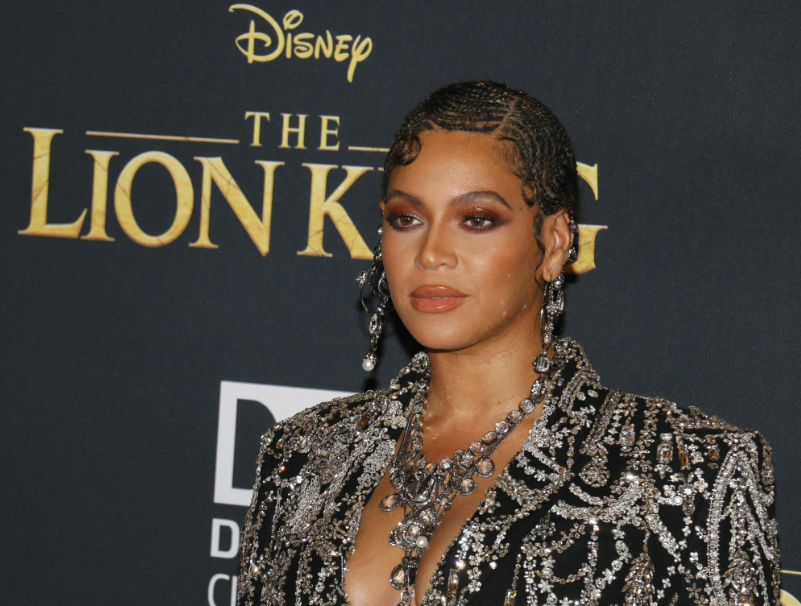
Beyoncé marked the highly anticipated launch of her Cowboy Carter Tour with a grand spectacle at Los Angeles’s SoFi Stadium. The nearly three-hour-long show was a dynamic fusion of country music traditions, pop, R&B, and the vibrant aesthetics of ballroom culture. But beyond just entertainment, it was a profound celebration of Black creativity and an unflinching statement about identity, artistic ownership, and cultural legacy in America.
From the very outset, the evening made it clear that this wasn’t just another concert—it was a powerful act of reclamation. Boldly illuminated on the stadium’s massive screens were the words: “Never ask permission for something that already belongs to you.” This phrase resonated throughout the performance as a defiant assertion that Beyoncé, and the cultural heritage she represents, cannot be boxed in or denied rightful space.
Opening the Show: A Reverent and Revolutionary Introduction
Beyoncé began the evening with “AMERIICAN REQUIEM,” a track from her recent projects that confronts the complicated realities of American patriotism filtered through the Black experience. The somber, atmospheric song set a contemplative tone, leading seamlessly into a stirring rendition of The Beatles’ “Blackbird,” a classic symbol of struggle and hope during the Civil Rights era.
But Beyoncé’s tribute didn’t stop there. She followed “Blackbird” with a Jimi Hendrix-inspired version of “The Star-Spangled Banner,” reimagining the national anthem in a way that layered reverence with critical commentary. While Hendrix’s legendary 1969 Woodstock performance used the anthem to protest the Vietnam War and highlight racial injustice, Beyoncé’s take echoed this tradition of resistance and renewal.
As the anthem played, the stage visuals paid homage to Black trailblazers in country music history, a genre often viewed through a narrow lens as predominantly white. Images of Linda Martell—the first Black woman to sing at the Grand Ole Opry—and other overlooked pioneers filled the backdrop. With sincerity, Beyoncé addressed the audience: “I want to thank all of those who came before me. Thank you for giving me the creative liberty to challenge myself.” Her gratitude was also a subtle demand for recognition of the Black roots that run deep within country music’s history.
Clad in an all-white leather Mugler ensemble and a classic cowboy hat, Beyoncé embodied both a modern icon and a nod to country’s storied past. Her presence was a reminder that she is not just an artist dabbling in a genre but one with a profound connection to its heritage, and the creative prowess to expand its horizons.
Country Music Reclaimed and Revolutionized
The Cowboy Carter Tour is not a simple fusion; it’s a purposeful excavation and reinvention. Country music, often stereotyped as the domain of rural white Americans, actually owes much of its origin to Black musicians, who infused it with blues, gospel, and storytelling traditions. Yet, Black voices have historically been marginalized or erased from country’s mainstream narrative.
Beyoncé’s tour actively challenges this erasure. By merging traditional country sounds—twanging guitars, fiddles, and steady rhythms—with her signature blend of pop and R&B vocals, she dismantles preconceived notions. The aesthetic touches, like cowboy hats and boots, are not costumes but symbols of heritage, worn with pride and layered with contemporary flair.
This deliberate melding of styles invites the audience to reconsider what country music can be. It’s a statement that genres are fluid and that cultural ownership is complex and intertwined.
Family Ties: The Heart of the Show
Family is a cornerstone of Beyoncé’s public persona, and the Cowboy Carter Tour showcased this beautifully. Throughout the night, her eldest daughter Blue Ivy appeared onstage, moving fluidly with the backup dancers during energetic numbers such as “YA YA,” “SWEET ★ HONEY ★ BUCKIIN’,” and the politically charged “AMERICA HAS A PROBLEM.”
Blue Ivy’s presence was more than a cute addition—it symbolized generational continuity, the passing of a creative torch, and the nurturing of a legacy that goes beyond music. Dressed in outfits that mirrored the show’s Western theme, Blue’s confident stage presence signaled that she is carving her own artistic path while honoring her roots.
Another rare and emotionally charged moment came during “PROTECTOR,” when Beyoncé’s youngest daughter, Rumi, made a brief appearance. Waving to the crowd with a bright smile, Rumi’s presence softened the intensity of the concert and reminded fans of the deeply personal motivations behind much of Beyoncé’s work.
Further tying the past to the present, Beyoncé performed a solo rendition of “Deja Vu” that revived choreography from her B’Day era, creating a beautiful bridge between her past artistic phases and her current creative vision.
Echoes of the Renaissance and Ballroom Elegance
Although the Cowboy Carter Tour focuses on country influences, Beyoncé’s signature RENAISSANCE era sound and aesthetic also surfaced prominently. The show’s fluidity between genres was one of its defining features.
One highlight was her performance of “TYRANT” atop a mechanical bull, a visually striking and metaphorically rich moment. The bull, a classic symbol of country and rodeo culture, was transformed into a stage prop that underscored Beyoncé’s control and dominance over the genre she was claiming.
From there, the concert transitioned into a ballroom-inspired segment featuring songs like “I’M THAT GIRL,” “COZY,” and “ALIEN SUPERSTAR.” These performances were a celebration of Black queer culture, ballroom voguing, and self-expression, showcasing Beyoncé’s commitment to amplifying marginalized voices within her artistry.
During “YA YA,” Beyoncé was seated on a throne while a robotic arm poured her whiskey—a futuristic yet Southern tableau that juxtaposed tradition with innovation, heritage with progress.
Visuals as Political and Cultural Commentary
Beyoncé has always been masterful at embedding powerful messages within her visual presentations, and the Cowboy Carter Tour was no exception. Throughout the show, visuals reinforced themes of resistance, empowerment, and reclaiming what rightfully belongs to Black artists and communities.
One of the most striking scenes depicted Beyoncé in a tense gun duel against an older white cowboy figure. Bullets bounced harmlessly off her body, a metaphor that spoke volumes. It referenced her experience being snubbed by Nashville’s predominantly white country music establishment and the broader struggle for Black artists to gain recognition and respect in genres dominated by white narratives.
Later, in a showstopping moment, Beyoncé flew above the crowd on a glowing pink neon horseshoe during “DADDY LESSONS.” This song has long been understood as a tribute to her father and a reflection on lessons of love, loyalty, and strength drawn from her Texas upbringing. Her aerial performance was both literal and symbolic—lifting Black country music to new heights.
Following that, she transitioned to a flying convertible decked out with an American flag as she performed “16 CARRIAGES,” a song layered with themes of burden, femininity, and resilience. These high-flying visuals encapsulated the show’s dual messages of celebration and defiance.
A Setlist Full of Surprises and Homages
The musical journey Beyoncé took her audience on was carefully curated to blend nostalgia, innovation, and cultural significance. She wove snippets of Destiny’s Child hits like “Bills, Bills, Bills” into newer material such as “THIQUE,” creating a multi-generational experience.
One viral moment was her refreshed performance of “Diva,” which had garnered attention online prior to the tour. It served as a testament to her ability to keep reinventing herself and staying culturally relevant.
Another notable highlight was her take on Dolly Parton’s “JOLENE.” Rather than a straightforward cover, Beyoncé infused the classic with her own signature flair and a beat inspired by New Orleans bounce music—a genre deeply connected to Black musical innovation. This reimagining honored Dolly’s influence while asserting Beyoncé’s ownership and reinterpretation of the narrative.
The concert reached a climactic crescendo with a remixed version of “TEXAS HOLD ‘EM,” which then transitioned smoothly into the iconic “Crazy in Love.” Although fans were eager for a guest appearance from JAY-Z, who famously duets on the latter, he did not join Beyoncé on stage. Still, her solo performance was magnetic enough to command the crowd’s undivided attention.
The Cultural Impact and Future Stops
The Cowboy Carter Tour is much more than a high-profile tour—it’s a cultural milestone. Beyoncé is not simply showcasing her talents but is actively challenging the cultural gatekeepers and re-centering Black voices in spaces where they have been historically marginalized.
Her choice to spotlight Black country pioneers, blend genres, and bring her family into the spotlight is a multi-layered strategy that advances discussions about identity, inclusion, and creative freedom.
The tour will continue with additional shows in Los Angeles before making stops in Chicago, New Jersey, London, Paris, Houston, Washington D.C., Atlanta, and concluding in Las Vegas in July. Given the groundbreaking nature of the opening night, audiences worldwide can expect a tour filled with spectacle, meaning, and unapologetic Black excellence.
by Laghe Andrews | May 23, 2025 | Latest, Music News, New Music Alert |
Photo by Muneeb Syed on Unsplash
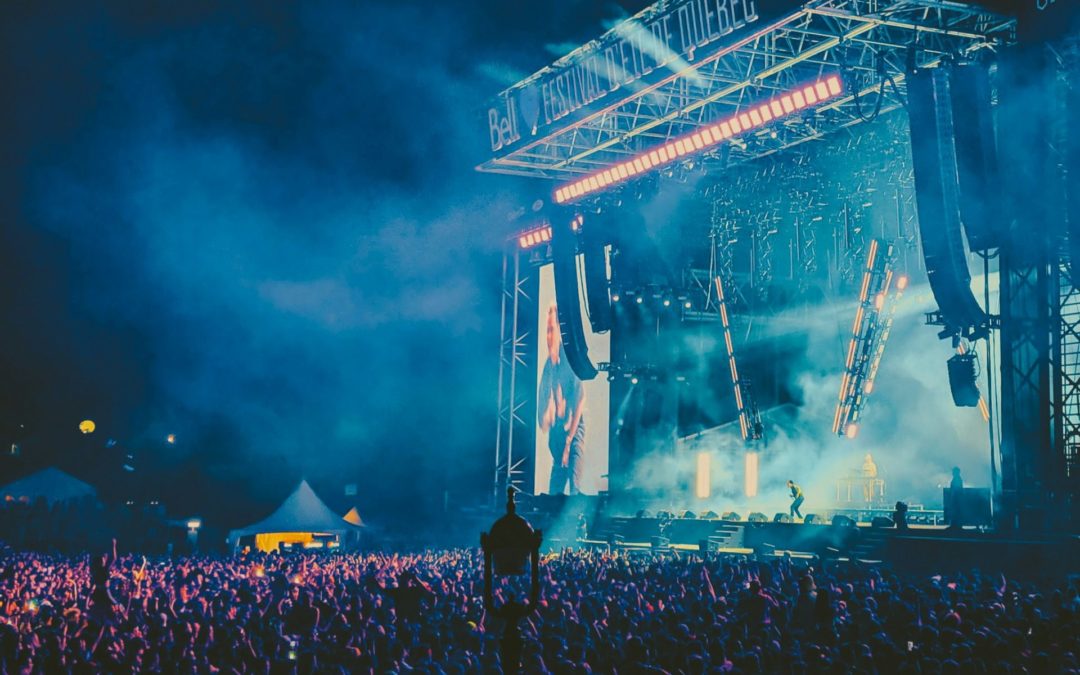
As the warm winds swept across the vast, sun-baked California desert, the 2025 edition of the Stagecoach Festival transformed Indio into an epicenter of country music and cultural celebration once again. Known for bringing together the best of the genre — from timeless legends to fresh-faced trailblazers — Stagecoach continues to evolve alongside the shifting landscape of country music. But this year, amid a lineup packed with iconic names and surprise guests, two performers truly stood out: Shaboozey and Jelly Roll. Their unforgettable performances on the festival’s prestigious Mane Stage captivated audiences, signaling a potent new wave of country music that honors tradition while boldly pushing its boundaries.
The Stagecoach Festival: A Tradition and a Transformation
Stagecoach, held annually in Indio, California, has long been a flagship event in country music culture, drawing tens of thousands of fans for a weekend of unforgettable performances. Since its inception, it has served as a bridge between classic country sounds and contemporary innovations, attracting fans and artists from all walks of life.
The 2025 festival was no different, featuring an impressive roster that included legendary groups like Tommy James & the Shondells, chart-topping stars like Nelly, and numerous other high-profile acts. Yet, the true highlight wasn’t just the names — it was the spirit of transformation embodied by emerging artists who are reshaping country music’s identity.
Among these trendsetters, Shaboozey and Jelly Roll carved out moments that were nothing short of electric. Their performances not only energized the crowd but also brought to light the evolving soundscape of country music — one that is increasingly genre-defying, emotionally raw, and culturally inclusive.
Shaboozey’s Journey: From Side Stage to Center Spotlight
For Shaboozey, the 2025 Stagecoach Festival marked a milestone in his rising career. Previously appearing on smaller stages, his elevation to the Mane Stage symbolized both recognition and opportunity. This was not just a gig — it was a declaration of arrival.
His performance was a testament to the full spectrum of his musical influences and creative vision. Blending hip hop rhythms with country storytelling, rock’s raw energy, and Americana’s heartfelt lyricism, Shaboozey crafted a set that was diverse yet cohesive. The crowd was treated to a mix of fan favorites and deeply personal tracks.
One of the most poignant moments came with his rendition of Bob Dylan’s “Knockin’ on Heaven’s Door.” The song’s melancholic beauty resonated deeply, connecting the new generation of listeners to the rich lineage of American songwriting. It was a bold choice that showcased Shaboozey’s respect for musical history and his ability to reinterpret classics through his unique lens.
Alongside that, his originals like “Last Of My Kind” and “Highway” delivered a powerful narrative of perseverance, identity, and journey. These songs reflect his own experiences navigating multiple genres and cultural spaces, speaking to listeners who don’t fit neatly into one box.
Following his set, Shaboozey shared a heartfelt message on social media, capturing the significance of the moment:
“Never seen that many people in my life. The family got a lot bigger yesterday! Went from the side stage to the main stage. Stagecoach, once again, I’m thankful [to] you for everything!”
This candid reflection speaks volumes about his rapid growth and the expanding community around his music.
The Album That Catapulted Shaboozey to Stardom
Behind the scenes, Shaboozey’s ascent was propelled by the release of his third studio album, Where I’ve Been, Isn’t Where I’m Going, which dropped in 2024. This album was a turning point, officially cementing him as a breakout star in the evolving country-rap fusion scene.
The album’s standout single, “A Bar Song (Tipsy),” became a cultural phenomenon, blending catchy hooks with storytelling that defies traditional genre boundaries. This track didn’t just climb the charts; it smashed records, spending an astonishing 19 weeks at No. 1 on the Billboard Hot 100 — tying the record previously held by Lil Nas X’s “Old Town Road.”
This achievement was monumental not only for Shaboozey but also for the broader musical landscape. It underscored how country music is embracing more diverse voices and sounds, reflecting a wider cultural shift.
Moreover, the album contributed to historic milestones for Black artists in country music. Shaboozey and Beyoncé made waves on the Hot Country Songs chart with “A Bar Song (Tipsy)” and “TEXAS HOLD ‘EM,” respectively. Their back-to-back No. 1 hits marked the first time two Black artists have consecutively topped this chart, shattering barriers and opening doors for future generations.
Expanding the Story: The Complete Edition
In April 2025, Shaboozey expanded on his breakthrough album with the release of Where I’ve Been, Isn’t Where I’m Going: The Complete Edition, a deluxe project that introduced six new tracks and featured collaborations with artists like Myles Smith, Sierra Ferrell, and most notably, Jelly Roll.
The new songs added emotional depth and thematic complexity, allowing Shaboozey to explore themes of healing, reflection, and aspiration. In his own words, releasing the completed edition felt like “finishing a conversation I wasn’t quite done having,” emphasizing the personal growth embedded in the music.
One highlight from the deluxe edition was the collaboration with Jelly Roll on the track “Amen.” The song fused their distinct styles — Shaboozey’s genre-blending narrative and Jelly Roll’s raw, Southern grit — into a soulful anthem of redemption and hope. This partnership was more than a collaboration; it was a powerful statement of unity within the changing country music landscape.
Jelly Roll: A Force of Nature on the Mane Stage
If Shaboozey’s performance marked the rise of a new kind of country star, Jelly Roll’s headlining set reaffirmed why he’s become one of Nashville’s most compelling voices. Known for his unflinching honesty and ability to blend country, rock, and rap, Jelly Roll’s music resonates with fans who appreciate authenticity and emotional candor.
His Stagecoach set was a journey through his personal struggles and triumphs. Tracks like “Save Me,” “Need a Favor,” and “Son of a Sinner” transformed the stage into a confessional space, where thousands of fans joined in a collective catharsis. Jelly Roll’s voice — gravelly, sincere, and filled with pain and hope — cut through the desert air, reminding everyone why storytelling remains at country music’s core.
Jelly Roll’s decision to bring Shaboozey out for “Amen” during his set was a highlight of the festival. The chemistry between the two artists was electric, their shared themes of survival and spiritual reckoning resonating powerfully with the crowd. This moment wasn’t just a performance — it was a symbolic passing of the torch, showcasing how country music’s future lies in collaboration and diversity.
Beyond Music: The Smokehouse Cook-Off
Stagecoach has always been about more than just music; it’s a celebration of culture, food, and community. This year, Shaboozey and Jelly Roll extended their camaraderie beyond the stage into a playful cooking showdown at Guy Fieri’s Stagecoach Smokehouse.
The “Tournament of Champions”-style cook-off saw the two artists compete over the perfect loaded baked potato. While the contest didn’t offer any monetary reward, the prize was street cred — along with some friendly trash talk and good-natured rivalry.
Guy Fieri’s playful announcement crowned Jelly Roll the winner, much to the delight of the crowd:
“And the winner will be, for no cash or prizes but just street cred and a lot of smack talk, give it up for Chef Jelly Roll!”
This unexpected battle added an extra layer of fun to the festival atmosphere and revealed a more personal side of the two musicians, showing their ability to connect with fans beyond their music.
The Cultural Impact: A New Chapter in Country Music
The significance of Shaboozey and Jelly Roll’s performances at Stagecoach 2025 cannot be overstated. They represent a growing movement within country music — one that challenges outdated notions of what the genre should sound like and who should be allowed to succeed within it.
Both artists bring elements from outside traditional country — hip hop, rock, and Americana — while staying true to the genre’s storytelling roots. Their success reflects a broader cultural evolution, where boundaries between genres blur, and artists are celebrated for authenticity rather than conformity.
Their rise also speaks to important social progress, particularly in terms of racial representation within country music. By breaking records and topping charts traditionally dominated by white artists, Shaboozey and Jelly Roll are helping to create space for a more diverse and inclusive country music community.
Looking Ahead: The Future Shaped by Innovation and Authenticity
The electric energy Shaboozey and Jelly Roll brought to Stagecoach 2025 feels like the dawn of a new era. One where the spirit of country music — its emphasis on storytelling, connection, and emotional truth — is expanded to embrace new sounds, new voices, and new experiences.
Their performances weren’t isolated moments of brilliance; they were statements of intent, signaling to the industry and fans alike that country music’s future is multifaceted and vibrant.

RECENT COMMENTS