The hip-hop world is abuzz with the latest musical offering from Atlanta’s finest. Young Thug, the enigmatic rapper known for his unique style and lyrical prowess, has once again captured the attention of fans and critics alike. This time, it’s not just his music making waves, but his explanation of a particular lyric that has sparked curiosity and debate among listeners.
In a recent collaboration with Future on Lil Baby’s track “Dum, Dumb, and Dumber,” Young Thug delivered a verse that left some fans scratching their heads. The song, featured on Lil Baby’s album “WHAM,” showcases Thug’s signature flow and wordplay. However, one line in particular caught the ear of many, prompting the artist to offer some clarity on its meaning.
The verse in question sees Young Thug expressing his preferences in romantic pursuits, with a specific focus on geographical distinctions. It’s a theme that’s not uncommon in hip-hop, but Thug’s approach and subsequent explanation have added an interesting layer to the conversation surrounding the track.
As we delve deeper into the story behind this lyrical clarification, we’ll explore the context of the song, the specifics of Young Thug’s verse, and the rapper’s own words on what he truly meant. This incident serves as a reminder of the power of language in music and the importance of artists being able to explain their art in their own terms.
The Song: “Dum, Dumb, and Dumber”
“Dum, Dumb, and Dumber” is more than just a catchy title; it’s a powerhouse collaboration that brings together three of Atlanta’s most prominent rap figures. Lil Baby, the track’s primary artist, has been making significant waves in the hip-hop scene with his distinctive style and compelling narratives. The addition of Future and Young Thug to this track elevates it to a must-listen status for any hip-hop enthusiast.
The song is part of Lil Baby’s album “WHAM,” which has been generating considerable buzz in the music industry. “WHAM” showcases Lil Baby’s growth as an artist and his ability to bring together various talents to create a cohesive and impactful body of work. The inclusion of Young Thug and Future on “Dum, Dumb, and Dumber” is a testament to the collaborative spirit that often defines Atlanta’s hip-hop scene.
Musically, the track features a hard-hitting beat that serves as the perfect backdrop for the lyrical gymnastics performed by all three artists. The production is crisp and modern, with a sound that’s unmistakably rooted in the current Atlanta rap scene. It’s the kind of beat that demands attention and provides ample space for each rapper to showcase their unique flow and style.
Lyrically, each artist brings their A-game to the track. Lil Baby sets the tone with his verses, while Future adds his signature auto-tuned melodies and street-wise lyrics. However, it’s Young Thug’s verse that has become the focal point of discussions surrounding the song. His unique delivery and choice of words have once again demonstrated why he’s considered one of the most innovative voices in contemporary hip-hop.
The collaboration between these three artists on “Dum, Dumb, and Dumber” is a prime example of the synergy that can occur when top-tier talents come together. It’s a track that not only entertains but also provides plenty of material for analysis and discussion among fans and critics alike.
Young Thug’s Verse: Breaking It Down
Young Thug’s contribution to “Dum, Dumb, and Dumber” comes in the form of the song’s second verse. As is typical of Thug’s style, the verse is a whirlwind of clever wordplay, unique vocal inflections, and provocative statements. It’s a performance that showcases why Young Thug has become such a influential figure in modern hip-hop.
The verse begins with Thug making a bold declaration about his romantic preferences, stating a preference for international liaisons. This opening line sets the tone for what follows, immediately grabbing the listener’s attention and hinting at the themes that will be explored throughout the verse.
Following this initial statement, Thug delivers the line that has become the center of attention:
“These U.S. bitches kinda bad”
It’s this line that has sparked discussion and ultimately led to Thug’s clarification. The use of the word “bad” in this context is crucial to understanding the controversy and Thug’s subsequent explanation.
The verse continues with Thug painting vivid pictures of his lifestyle and experiences. He references college life, fraternity culture, and interpersonal relationships, all delivered with his characteristic flair and unconventional rhyme schemes. Each line builds upon the last, creating a narrative that’s both compelling and provocative.
One of the most striking aspects of Thug’s verse is his ability to switch between different flows and cadences. He effortlessly moves from rapid-fire delivery to more melodic passages, demonstrating the versatility that has become his trademark. This constant shifting keeps the listener engaged and adds layers of complexity to the verse.
Throughout the verse, Thug drops references that will resonate with his fan base and those familiar with his life and career. These insider nods add depth to the lyrics and reward repeated listens, as listeners unpack the various meanings and allusions contained within.
The Controversial Lyric: Context and Interpretation
The line “These U.S. bitches kinda bad” has become the focal point of discussions surrounding Young Thug’s verse on “Dum, Dumb, and Dumber.” To understand the controversy and Thug’s subsequent clarification, it’s essential to examine the context in which this line appears and the various ways it can be interpreted.
In hip-hop vernacular, the term “bad” often carries a positive connotation, particularly when used to describe someone’s appearance. It’s frequently employed as a compliment, suggesting that someone is attractive or appealing. However, the ambiguity of the term, especially when used in conjunction with potentially derogatory language, can lead to misinterpretations.
The line appears immediately after Thug expresses a preference for “overseas” romantic encounters. This juxtaposition creates a potential for the line to be read as a backhanded compliment or even a slight against women in the United States. It’s this ambiguity that likely led to the confusion among some listeners and the need for clarification from Thug himself.
Moreover, the use of the word “kinda” adds another layer of complexity to the interpretation. It could be read as a hesitant acknowledgment, potentially undermining the complimentary nature of the term “bad.” This nuance further contributes to the multiple ways the line could be understood.
It’s also worth noting that the line exists within the broader context of hip-hop’s often complex and sometimes problematic relationship with gender dynamics and the portrayal of women. This backdrop adds additional weight to how such lyrics are perceived and interpreted by listeners.
The controversy surrounding this line underscores the power of language in music and the importance of context in understanding artistic expression. It also highlights the ongoing conversations within hip-hop about representation, respect, and the responsibility of artists in shaping cultural narratives.
Young Thug’s Explanation: Clearing the Air
In response to the discussions and potential misinterpretations of his lyrics, Young Thug took the initiative to clarify the meaning behind the controversial line. His explanation provides valuable insight into his intentions and sheds light on the complexities of language and interpretation in hip-hop.
Thug emphasized that when he used the term “bad” in reference to “U.S. bitches,” he meant it in an entirely positive light. He stated unequivocally, “Not ugly girls.” This direct clarification leaves no room for ambiguity about his intentions with the lyric.
Expanding on his explanation, Thug added, “We got the prettiest girls on Earth.” This statement not only reinforces the complimentary nature of his original lyric but also elevates it, expressing a strong appreciation for the beauty of women in the United States.
By offering this clarification, Young Thug demonstrates an awareness of how his lyrics can be perceived and a willingness to engage with his audience to ensure his message is understood correctly. This level of engagement is particularly noteworthy given Thug’s often enigmatic public persona.
The rapper’s explanation also serves to contextualize the line within the broader themes of his verse and his artistic expression as a whole. It underscores the importance of not taking individual lines in isolation but considering them as part of a larger narrative and artistic vision.
Thug’s clarification highlights the nuanced nature of language in hip-hop, where words and phrases can carry multiple meanings and interpretations. It serves as a reminder of the importance of cultural context and insider knowledge in fully appreciating and understanding hip-hop lyricism.
The Power of Words in Hip-Hop
The incident surrounding Young Thug’s lyric and subsequent explanation serves as a potent reminder of the power of words in hip-hop. This genre, perhaps more than any other, places a premium on lyrical dexterity, wordplay, and the ability to convey complex ideas through clever turns of phrase.
In hip-hop, a single word or phrase can carry multiple layers of meaning. Rappers often employ double entendres, cultural references, and region-specific slang to create lyrics that reward close listening and repeated analysis. This linguistic richness is part of what makes hip-hop such a vibrant and intellectually engaging genre.
However, this same complexity can also lead to misunderstandings or misinterpretations, as evidenced by the reaction to Young Thug’s lyric. The incident highlights the importance of context in understanding hip-hop lyrics. A line that might seem straightforward on the surface can take on different meanings when considered within the broader context of the verse, the song, or even the artist’s entire body of work.
The power of words in hip-hop extends beyond just their literal meanings. The way words are delivered – the flow, the rhythm, the emphasis – all contribute to their impact and interpretation. Young Thug, known for his unique vocal style and delivery, is a prime example of an artist who uses not just the words themselves but how they’re delivered to create meaning.
Moreover, the incident underscores the responsibility that comes with this linguistic power. Artists like Young Thug, who have significant influence and reach, must be aware of how their words might be interpreted and be prepared to clarify their intentions when necessary.
The Role of Social Media in Music Discourse
The clarification of Young Thug’s lyrics and the subsequent discussions highlight the significant role that social media plays in contemporary music discourse. Platforms like Twitter, Instagram, and TikTok have become integral to how music is shared, discussed, and sometimes even created.
In the case of Young Thug’s lyric, social media provided an immediate platform for fans and critics alike to share their interpretations and reactions. This instant feedback loop allows for rapid dissemination of opinions and can quickly amplify certain perspectives or controversies.
Social media also offered Young Thug a direct channel to address his audience and clarify his intentions. This direct artist-to-fan communication is a relatively new phenomenon, enabled by the widespread adoption of social media platforms. It allows artists to shape the narrative around their work in real-time, responding to feedback and clearing up misunderstandings as they arise.
However, the speed and reach of social media can also lead to the rapid spread of misinformation or misinterpretations. A misunderstood lyric or out-of-context quote can quickly go viral, potentially damaging an artist’s reputation or distorting the intended message of their work.
The incident also demonstrates how social media has blurred the lines between public and private discourse. What might have once been a private conversation between an artist and a small group of fans can now become a public spectacle, with thousands or even millions of people weighing in.
For artists like Young Thug, navigating this landscape requires a delicate balance. They must be aware of how their words might be perceived on social media while also staying true to their artistic vision and personal expression.
The Impact on Young Thug’s Career
The attention garnered by Young Thug’s lyric clarification is likely to have both short-term and long-term impacts on his career. In the immediate aftermath, the incident has brought increased attention to “Dum, Dumb, and Dumber” and Lil Baby’s “WHAM” album as a whole. This additional publicity could potentially boost streams and sales for the track and album.
Moreover, Young Thug’s willingness to engage with his audience and clarify his intentions may well be viewed positively by many fans. It demonstrates a level of accountability and respect for his listeners that could strengthen his connection with his fan base.
In the broader context of Young Thug’s career, this incident adds another chapter to his reputation as an artist who pushes boundaries and sparks conversation. Throughout his career, Thug has been known for his unconventional approach to hip-hop, both in terms of his musical style and his public persona. This latest incident reinforces that image while also showing a more communicative side of the artist.
The clarification may also impact how Young Thug’s lyrics are interpreted in the future. Fans and critics alike may pay even closer attention to his wordplay and potential double meanings, knowing that there might be more to his lyrics than what’s immediately apparent.
From a broader industry perspective, this incident highlights Young Thug’s continued relevance and influence in the hip-hop world. Despite legal challenges and periods away from the spotlight, he remains an artist whose words and actions generate significant interest and discussion.
The Broader Conversation: Language and Respect in Hip-Hop
The discussion surrounding Young Thug’s lyric opens up a broader conversation about language use and respect in hip-hop. This genre has long grappled with issues of misogyny, objectification, and the use of potentially offensive language. Young Thug’s clarification that his lyrics were meant as a compliment rather than an insult touches on these ongoing debates.
On one hand, hip-hop is an art form that often prides itself on raw, unfiltered expression. Many artists and fans argue that the genre’s power lies in its ability to reflect real-life experiences and emotions, even when those are uncomfortable or controversial. From this perspective, policing language in hip-hop risks sanitizing the art form and diminishing its impact.
On the other hand, there’s a growing awareness of the responsibility that comes with the platform and influence that successful hip-hop artists possess. Many argue that artists should be mindful of how their words might be interpreted and the potential impact they could have on listeners, particularly young and impressionable fans.
Young Thug’s situation illustrates the complexities of this debate. While his intention was to compliment, the ambiguity of his language led to potential misinterpretations. This highlights the importance of clarity in expression, especially when dealing with sensitive topics or potentially offensive language.
The incident also raises questions about the role of context in interpreting hip-hop lyrics. Should listeners always assume the best intentions? Or do artists have a responsibility to be more explicit in their meaning to avoid misunderstandings?
The Future of Lyrical Interpretation in the Digital Age
As we move further into the digital age, incidents like Young Thug’s lyric clarification may become increasingly common. The immediacy of social media and the global reach of streaming platforms mean that songs can be disseminated, analyzed, and debated almost instantaneously upon release.
This new reality presents both challenges and opportunities for artists. On one hand, it means that their words are subject to intense scrutiny and potential misinterpretation. A single line taken out of context can quickly become a source of controversy. On the other hand, artists now have unprecedented ability to engage directly with their audience, clarifying their intentions and providing context for their work.
For fans and critics, this new landscape offers richer opportunities for engagement with music. Lyrics can be dissected in real-time, with multiple interpretations shared and debated across social media platforms. This can lead to a deeper appreciation of the artistry and complexity of hip-hop lyricism.
However, this environment also raises questions about the role of authorial intent in lyrical interpretation. Should an artist’s explanation of their lyrics be taken as the final word? Or is there value in allowing multiple interpretations to coexist?
As we move forward, it’s likely that we’ll see more artists following Young Thug’s lead in proactively addressing potential misinterpretations of their lyrics. This could lead to a more open and dialogic relationship between artists and fans, with music becoming an even more interactive and collaborative experience.
Conclusion: The Ongoing Evolution of Hip-Hop Communication
The incident surrounding Young Thug’s lyric in “Dum, Dumb, and Dumber” and his subsequent clarification serves as a microcosm of the larger trends shaping communication in hip-hop. It highlights the power of words in this genre, the impact of social media on music discourse, and the ongoing conversations about language use and respect in hip-hop.
Young Thug’s willingness to engage directly with his audience and clarify his intentions demonstrates a new level of artist-fan interaction made possible by digital platforms. This direct communication allows for greater understanding and appreciation of an artist’s work, but it also places new responsibilities on artists to be aware of how their words might be interpreted.
As hip-hop continues to evolve in the digital age, we can expect to see more instances of real-time lyrical clarification and debate. This ongoing dialogue between artists and fans is likely to shape not only how we interpret individual songs but also how we understand the role and responsibility of artists in the broader cultural conversation.
Ultimately, incidents like this serve to enrich our understanding and appreciation of hip-hop as an art form. They remind us of the complexity and nuance inherent in lyrical expression and the importance of considering context and intention in our interpretation of music. As we move forward, it’s clear that the conversation around hip-hop lyrics will continue to be as dynamic and multifaceted as the genre itself.
Rising R&B artist D’GORD is proving that authenticity and vulnerability are the keys to creating timeless music. The New Jersey native’s latest single, “Peace“, offers an unfiltered look at the struggles of a toxic relationship and the journey to self-discovery. Produced by industry heavyweight Allstar and accompanied by a cinematic music video directed by the brilliant Nimmi Hendrix, “Peace” is a standout release that blends soulful vocals with deeply relatable themes. D’GORD describes the song as a reflection of his personal experiences.
Press Play On “Peace”
“Peace came from my own struggles with a toxic, on-and-off relationship. It’s about the petty arguments, the moments of love, and the constant push and pull. But at its heart, it’s about finding peace—whether that means we stay together or I move forward on my own.”
The music video elevates the song’s message, showcasing the emotional rollercoaster of navigating love while staying true to oneself. Directed by Hendrix, the visuals highlight the tension, passion, and moments of clarity that define D’GORD’s story.
“The video represents my journey—not just in love but in life as an artist trying to make sense of it all,” D’GORD explains.
This single is another milestone in a career that’s already seen remarkable achievements. As a former member of the popular group The Bomb Digz, the striving star toured internationally and shared stages with some of today’s biggest names. Since transitioning to a solo career in 2019, he’s garnered over 600,000 Spotify streams and built a loyal following known as the “Dream Team”.
Dive Deep Into D’GORD
With “Peace“, D’GORD cements his place as one of R&B’s rising stars. His ability to turn life’s challenges into beautifully crafted music sets him apart in a genre that thrives on emotional connection. “Peace“ is more than another R&B record — it’s a testament to his artistry and his commitment to sharing his truth with the world. For now, get familiar with the trailblazing talent here at ResultsAndNoHype Magazine! Lastly, let us know your thoughts in the comments.
In an unexpected move that has set the music world abuzz, the enigmatic and often controversial artist Kanye West has once again captured the attention of fans and critics alike. On a seemingly ordinary Thursday, the rapper and producer unveiled a striking new music video for his track “530,” a standout piece from the collaborative album “VULTURES 2,” created in partnership with fellow artist Ty Dolla Sign. This visual masterpiece, shrouded in monochrome mystery, has quickly become the talk of the town, sparking discussions and interpretations across social media platforms and beyond.
The release of this video marks yet another chapter in West’s storied career, showcasing his continued ability to surprise and innovate in the ever-evolving landscape of hip-hop and visual art. As we delve into the intricacies of this latest offering, we’ll explore the visual elements, the underlying themes, and the broader context of West’s recent artistic endeavors. What does this new video tell us about the artist’s current state of mind? How does it fit into the larger narrative of his career? And what might it signify for the future of his music and visual artistry?
Join us as we unpack the layers of “530,” examining its place within the “VULTURES 2” album, its potential meanings, and the reactions it has elicited from fans and industry insiders alike. From the choice of imagery to the technical aspects of the video’s production, we’ll leave no stone unturned in our analysis of this latest addition to Kanye West’s visual repertoire.
The Unveiling of “530”
The music world was caught off guard when Kanye West, known for his unpredictable nature and artistic flair, dropped the music video for “530” without any prior announcement. This surprise release strategy has become somewhat of a signature move for the artist, keeping fans on their toes and generating instant buzz across social media platforms. The video, which premiered on Instagram, quickly became a trending topic, with fans and critics alike scrambling to dissect its meaning and artistic merit.
The choice of Instagram as the platform for the video’s debut is noteworthy in itself. In recent years, West has had a tumultuous relationship with social media, often using it as a direct line of communication with his audience, sometimes to controversial effect. By choosing Instagram for this release, West seems to be signaling a return to a more controlled and curated online presence, focusing on his art rather than personal statements or controversies.
The timing of the release also raises questions. Coming on the heels of West’s recent social media activity, which has included promotion for his upcoming album “Bully” and glimpses into his personal life with spouse Bianca Censori, the “530” video serves as a reminder of West’s multifaceted artistic output. It demonstrates his ability to balance personal branding with musical creativity, keeping his audience engaged on multiple fronts.
Moreover, the unexpected nature of the release aligns with the track’s themes of spontaneity and early morning reflections, as hinted at by the song’s title. This synchronicity between content and release strategy showcases West’s attention to detail and his understanding of how to create a cohesive artistic experience that extends beyond just the music or visuals alone.
Visual Aesthetics and Symbolism
The “530” music video is a striking departure from conventional hip-hop visuals, presenting viewers with a monochromatic world populated by puppets and masked figures. This choice of black and white cinematography immediately sets a somber and introspective tone, stripping away the distractions of color to focus on form, movement, and symbolism. The absence of color could be interpreted as a reflection of the early morning hour referenced in the song’s title, a time when the world is still cloaked in the gray tones of dawn.
Throughout the video, we witness a series of vignettes featuring these unconventional characters engaging in various activities. One particularly notable scene shows a puppet receiving what appears to be a Botox injection. This imagery could be read as a commentary on societal pressures to maintain youthful appearances, or perhaps as a metaphor for the artificial nature of celebrity and the music industry. The juxtaposition of a puppet – typically associated with childlike innocence – undergoing a cosmetic procedure creates a jarring effect that forces viewers to confront their own perceptions of beauty and authenticity.
Another recurring theme in the video is that of retail therapy, with masked individuals shown shopping and engaging in consumer activities. This could be interpreted as a critique of materialism and the often hollow pursuit of happiness through acquisition. By presenting these scenes through the lens of masked figures and puppets, West may be suggesting a loss of identity or individuality in the face of consumerist culture.
The use of puppets and masks throughout the video also raises questions about control, free will, and the personas we adopt in different aspects of our lives. Are these figures representations of real people, stripped of their humanity and reduced to mere puppets of society? Or are they stand-ins for the various roles and masks we all wear in our daily lives? The ambiguity of these visuals invites multiple interpretations, encouraging viewers to project their own experiences and understandings onto the scenes presented.
Lyrical Analysis and Thematic Exploration
The track “530” serves as a continuation of themes first introduced in Kanye West’s earlier song “Believe What I Say” from his “Donda” album. In that track, West referenced an early morning argument with his ex-wife Kim Kardashian, questioning why he was being woken up at 5:30 AM. This callback creates a sense of continuity in West’s discography, suggesting that “530” might be a deeper exploration of the emotions and thoughts that arise in those quiet, pre-dawn hours.
Lyrically, “530” delves into introspective territory, with West ruminating on personal vices and the search for authentic connections. The line “pray your soulmate got a soul when you meet her” stands out as a poignant reflection on the challenges of finding genuine relationships in a world often characterized by superficiality. This sentiment aligns closely with the visual themes of the music video, particularly the scenes of masked figures and puppets engaging in seemingly hollow activities.
The admission of vices within the lyrics adds a layer of vulnerability to the track, portraying West as a flawed individual grappling with his own imperfections. This honesty creates a stark contrast with the often larger-than-life persona West projects in public, offering listeners a glimpse into the more human side of the artist. The early morning setting of the song could be seen as a metaphor for this raw, unfiltered state of mind, when one is most honest with oneself before the distractions of the day set in.
Furthermore, the repetition of the “530” motif throughout the song serves as a constant reminder of time – both as a specific moment and as a broader concept. It could be interpreted as West’s reflection on the passage of time, the cyclical nature of life’s challenges, or the persistent thoughts that keep one awake in the early hours. This focus on time ties into larger themes of growth, change, and the ongoing process of self-reflection that seems to be at the heart of West’s recent work.
Production and Collaboration
The creation of “530” and its accompanying visual is a testament to the collaborative nature of Kanye West’s artistic process. As part of the “VULTURES 2” album, a joint project with Ty Dolla Sign, the track showcases the synergy between these two influential artists. Ty Dolla Sign’s contributions to the album add depth and variety to the overall sound, complementing West’s distinctive style and pushing both artists into new creative territories.
While the exact details of the video’s production remain shrouded in mystery, with no clear attribution for its direction or creation, this ambiguity adds to the intrigue surrounding the project. The decision to keep the creative team anonymous could be seen as a deliberate choice, shifting focus entirely onto the art itself rather than the individuals behind it. This approach aligns with West’s recent tendency to let his work speak for itself, moving away from the personality-driven narratives that have often overshadowed his musical output in the past.
The production quality of the video is noteworthy, with its crisp black and white imagery and seamless integration of puppetry and live-action elements. This level of polish suggests a significant investment of time and resources, indicating that despite its surprise release, the video was likely the result of careful planning and execution. The choice to use puppets and masks may have also been influenced by practical considerations, allowing for greater creative control and the ability to create surreal scenes that might be challenging to achieve with human actors alone.
Moreover, the collaboration extends beyond just the music, encompassing the visual aspects as well. The synergy between the audio and visual elements of “530” creates a cohesive artistic statement, with the imagery serving to enhance and expand upon the themes present in the lyrics. This holistic approach to creating a multimedia experience is characteristic of West’s recent work, blurring the lines between music, visual art, and performance.
Context within “VULTURES 2”
To fully appreciate the significance of “530” and its visual companion, it’s crucial to consider its place within the larger context of the “VULTURES 2” album. This project, a collaboration between Kanye West and Ty Dolla Sign, represents a new chapter in West’s musical journey, following the controversial reception of his previous solo works. The album’s title, “VULTURES,” carries its own weight of meaning, potentially alluding to themes of predation, survival, or perhaps a commentary on the music industry itself.
“530” stands out as a key track on the album, its selection for a music video treatment indicating its importance within the overall narrative of “VULTURES 2.” The song’s introspective nature and the striking visuals of its video serve as a counterpoint to some of the more bombastic or confrontational elements that listeners might expect from a Kanye West project. This contrast highlights the album’s range and depth, showcasing West’s ability to move between different emotional and stylistic registers.
The collaborative nature of “VULTURES 2” also merits consideration. By partnering with Ty Dolla Sign, West brings a new voice and perspective into his creative process. This collaboration could be seen as a strategic move, allowing West to explore new musical territories while also potentially broadening his appeal to different segments of the hip-hop audience. The synergy between the two artists is evident in “530,” with the track benefiting from both West’s innovative production style and Ty Dolla Sign’s melodic sensibilities.
Furthermore, the release of the “530” video might be interpreted as a statement about the album’s overall aesthetic and thematic direction. If this video is representative of the visual language of “VULTURES 2,” listeners can perhaps expect an album that delves into surreal, introspective territories, moving away from the more gospel-influenced sounds of West’s recent solo work. This evolution in style demonstrates West’s ongoing commitment to artistic growth and his willingness to challenge both himself and his audience’s expectations.
Social Media Reaction and Fan Engagement
The surprise release of the “530” music video on Instagram set off a flurry of activity across social media platforms. Fans of Kanye West, known for their dedication and analytical approach to his work, immediately began dissecting every frame of the video, searching for hidden meanings and connections to West’s broader artistic narrative. The choice of Instagram as the platform for release proved to be a savvy one, allowing for rapid sharing and discussion among West’s substantial follower base.
Within hours of its posting, the video had garnered millions of views and thousands of comments. Fan theories began to emerge, with some viewers drawing connections between the puppetry in the video and themes of control and manipulation that West has explored in his music and public statements. Others focused on the black and white aesthetic, interpreting it as a commentary on the binary nature of public opinion surrounding the artist.
The enigmatic nature of the video, coupled with the lack of explanation from West himself, fueled intense speculation and debate. Social media platforms like Twitter and Reddit saw the emergence of lengthy threads and discussions, with fans sharing screenshots, creating memes, and offering in-depth analyses of the video’s potential meanings. This level of engagement demonstrates the continued power of West’s art to captivate and provoke thought among his audience.
Interestingly, the video also sparked conversations about the role of artificial intelligence in art creation. Some fans speculated whether AI tools had been used in the production of the video, given its surreal and somewhat uncanny aesthetic. This discussion reflects broader conversations happening in the music industry about the intersection of technology and creativity.
The reaction to “530” wasn’t limited to fans alone. Music critics and industry insiders also weighed in, with many praising West’s continued ability to innovate and surprise. Some drew comparisons to other visually striking music videos in hip-hop history, placing “530” within a lineage of boundary-pushing visual art in the genre.
Artistic Evolution and Career Context
The release of the “530” music video marks another significant milestone in Kanye West’s ever-evolving artistic journey. Throughout his career, West has consistently pushed boundaries and challenged expectations, both musically and visually. This latest offering continues that tradition, showcasing his willingness to explore new aesthetic territories and experiment with different forms of expression.
When viewed in the context of West’s broader discography, “530” and its visual component represent a departure from some of his more recent work. The introspective nature of the track, coupled with the surreal and somewhat unsettling imagery of the video, stands in contrast to the more bombastic and confrontational style that characterized albums like “Yeezus” or the gospel-influenced sounds of “Jesus Is King.” This shift suggests a potential new direction for West’s artistry, one that embraces subtlety and symbolism over overt statements.
The collaborative nature of the “VULTURES 2” project, from which “530” is drawn, also reflects a evolution in West’s approach to music-making. By partnering with Ty Dolla Sign, West demonstrates an openness to outside influences and a willingness to share the creative spotlight. This collaboration could be seen as a maturation of his artistic process, moving away from the sometimes isolationist tendencies that marked some of his earlier work.
Moreover, the choice to release the video on Instagram, coupled with West’s recent increased activity on social media, indicates a shift in his approach to public engagement. After periods of controversy and withdrawal from public life, this more controlled and art-focused use of social media platforms suggests a desire to reconnect with his audience primarily through his work rather than personal statements or controversies.
The visual style of “530” also represents a continuation of West’s interest in pushing the boundaries of what a music video can be. Throughout his career, he has consistently delivered visually striking and conceptually rich videos, from the animated world of “Heartless” to the minimalist aesthetic of “Bound 2.” The puppet-filled, monochromatic world of “530” adds another unique entry to this visual canon, further cementing West’s reputation as an artist who pays as much attention to the visual aspects of his work as he does to the music itself.
Technical Aspects and Cinematography
The “530” music video stands out not only for its conceptual depth but also for its technical execution. The decision to present the video in black and white is a bold choice that immediately sets a distinct tone and atmosphere. This monochromatic palette serves multiple purposes: it creates a dreamlike quality that aligns with the early morning setting suggested by the song’s title, it allows for a focus on form and texture rather than color, and it lends the video a timeless quality that resonates with the introspective nature of the lyrics.
The cinematography in “530” is characterized by a mix of static shots and fluid camera movements. Static frames are often used to create tableaux-like scenes, allowing viewers to absorb the surreal imagery of puppets and masked figures in various settings. These still moments are contrasted with more dynamic sequences, where the camera glides through spaces, following the movements of the characters or revealing new aspects of the environment. This interplay between stillness and motion creates a rhythm that complements the pacing of the song itself.
Lighting plays a crucial role in the video’s aesthetic. The use of high contrast lighting in many scenes creates stark shadows and highlights, adding depth and dimension to the black and white imagery. This chiaroscuro effect not only enhances the visual drama but also serves as a metaphor for the duality and internal conflicts explored in the song’s lyrics.
The integration of puppetry and live-action elements is seamlessly executed, blurring the lines between the animate and inanimate. The puppets are manipulated with a high degree of skill, their movements fluid and lifelike despite their obviously artificial nature. This technical proficiency in puppetry adds to the uncanny quality of the video, creating a sense of discomfort that aligns with the song’s themes of introspection and self-examination.
Post-production techniques are employed subtly but effectively throughout the video. Transitions between scenes are often smooth and dreamlike, reinforcing the surreal atmosphere. The editing rhythm is carefully calibrated to match the flow of the music, with cuts and transitions often coinciding with beats or shifts in the track’s energy.
The sound design of the video also merits attention. While the song itself is the primary audio focus, there are moments where diegetic sounds from the video’s world are incorporated, adding depth to the visual experience. These subtle audio cues help to ground the surreal imagery in a sense of reality, creating a more immersive viewing experience.
Symbolism and Interpretation
The “530” music video is rich with symbolism, offering viewers a visual feast that invites multiple interpretations. At its core, the video seems to explore themes of identity, authenticity, and the various masks we wear in society. The use of puppets and masked figures as the primary characters in the video serves as a powerful metaphor for these concepts.
The puppets, manipulated by unseen forces, could be seen as representations of individuals controlled by societal expectations, media influences, or their own internal struggles. Their lack of agency, coupled with their human-like movements, creates a discomforting effect that forces viewers to consider their own autonomy and the external forces that shape their behaviors and decisions.
The masked figures, on the other hand, present a different facet of identity exploration. Masks have long been symbols of hidden truths, alternate personas, or protection from vulnerability. In the context of “530,” these masked characters engaging in everyday activities like shopping or receiving cosmetic treatments could be interpreted as commentary on the performative nature of modern life, especially in the age of social media where curated personas often overshadow authentic selves.
The recurring motif of cosmetic procedures, particularly the scene of a puppet receiving a Botox injection, is laden with meaning. This imagery could be read as a critique of society’s obsession with youth and physical perfection, or as a metaphor for the artificial nature of celebrity and the pressures faced by public figures to maintain a certain image. The fact that it’s a puppet undergoing this procedure adds an extra layer of irony, suggesting that even artificial beings are not exempt from these societal pressures.
The retail therapy scenes featuring masked individuals shopping could be interpreted as a commentary on consumerism and its role in modern identity formation. The act of shopping, often associated with self-expression and personal fulfillment, is rendered somewhat hollow and meaningless when performed by faceless figures. This could be seen as a critique of the idea that material possessions can fill emotional voids or provide genuine happiness.
The black and white color scheme of the video adds another dimension to its symbolic landscape. The absence of color could represent the stripping away of superficial distractions, forcing viewers to confront the stark realities of the scenes presented. It might also be interpreted as a representation of the binary thinking that often dominates public discourse, especially surrounding controversial figures like Kanye West himself.
Ultimately, the open-ended nature of the symbolism in “530” allows for a wide range of interpretations. This ambiguity is likely intentional, inviting viewers to project their own experiences and understandings onto the imagery presented. In doing so, West creates a video that is not just a visual accompaniment to the song, but a piece of art that stands on its own, capable of generating discussion and reflection long after the music has ended.
Impact on Hip-Hop Visual Culture
The release of Kanye West’s “530” music video marks another significant contribution to the evolving landscape of hip-hop visual culture. Throughout his career, West has been at the forefront of pushing the boundaries of what a music video can be, and “530” continues this tradition of innovation and artistic risk-taking.
In recent years, hip-hop videos have increasingly moved away from traditional narratives and performance-based formats, embracing more abstract and conceptual approaches. “530” exemplifies this trend, presenting viewers with a series of surreal vignettes that prioritize mood and symbolism over linear storytelling. This approach aligns with a broader movement in hip-hop visuals towards more experimental and art-house influenced styles.
The use of puppetry and masked figures in “530” introduces a new visual language to hip-hop videos. While animation and CGI have been widely used in the genre, the tactile, handcrafted quality of puppets brings a unique texture to the visual landscape. This could potentially inspire other artists to explore similar techniques, expanding the range of visual tools available to hip-hop videographers.
The decision to present the video in black and white is also noteworthy in the context of contemporary hip-hop visuals. While color has often been used boldly and vibrantly in rap videos to create eye-catching aesthetics, West’s choice to strip away color forces viewers to focus on form, texture, and movement. This minimalist approach could influence other artists to experiment with similar techniques, potentially leading to a trend of more visually restrained but conceptually rich music videos in the genre.
The serene landscapes of Southern California have been transformed into scenes of devastation as raging wildfires continue to wreak havoc across Los Angeles County. In a shocking turn of events, the death toll has climbed to 10, leaving communities shattered and authorities scrambling to contain the inferno. As the flames continue to spread, the full extent of the destruction remains uncertain, with officials unable to access many of the affected areas due to ongoing safety concerns.
The Los Angeles County wildfires have unleashed an unprecedented level of destruction, reducing entire neighborhoods to ash and claiming thousands of structures in their wake. The Palisades and Eaton fires, in particular, have emerged as the primary culprits behind this catastrophic event, carving a path of destruction that has etched their names into California’s grim wildfire history books.
As the situation unfolds, the nation watches with bated breath, wondering how much worse things could get. With each passing hour, new details emerge, painting a clearer picture of the devastation and the heroic efforts to combat it. From the front lines of the firefight to the halls of government, this crisis has mobilized resources and personnel on an unprecedented scale.
In this comprehensive report, we’ll delve into the heart of the Los Angeles County wildfires, exploring their origins, the communities affected, the ongoing firefighting efforts, and the human stories that have emerged from this tragedy. We’ll also examine the broader implications of these fires, from their impact on air quality to their potential long-term effects on the region’s ecology and economy.
As we navigate through this unfolding disaster, one thing becomes clear: the Los Angeles County wildfires of 2024 will be remembered as a watershed moment in California’s history, a stark reminder of the power of nature and the resilience of the human spirit in the face of overwhelming adversity.
The Scope of Destruction
The Los Angeles County wildfires have left an indelible mark on the landscape of Southern California, with the scale of destruction surpassing even the most pessimistic predictions. As firefighters and emergency responders continue their tireless efforts to contain the blaze, the true extent of the damage is slowly coming into focus.
Unprecedented Loss of Structures
The Palisades and Eaton fires have proven to be particularly devastating, consuming everything in their path with a voracious appetite. Preliminary estimates suggest that up to 10,000 structures have been lost to these two fires alone, a figure that places them among the top five most destructive wildfires in California’s history.
This staggering number includes homes, businesses, schools, and community centers, each representing a piece of the fabric that held these neighborhoods together. The loss is not just material; it’s a blow to the very identity of these communities, erasing decades of memories and shared experiences in a matter of hours.
Neighborhoods Decimated
Entire neighborhoods have been reduced to smoldering ruins, their once-familiar streets now unrecognizable landscapes of ash and debris. The fires have shown no discrimination, consuming modest family homes and luxurious estates alike. In some areas, the destruction is so complete that it’s difficult to discern where one property ends and another begins.
The impact on local infrastructure has been severe, with power lines down, water mains ruptured, and communication networks disrupted. This widespread damage presents significant challenges for both immediate relief efforts and long-term reconstruction plans.
Environmental Impact
Beyond the immediate human toll, the Los Angeles County wildfires have wreaked havoc on the local ecosystem. Thousands of acres of wildlife habitat have been incinerated, displacing countless animals and potentially pushing some endangered species closer to the brink of extinction.
The fires have also released massive amounts of carbon dioxide and other pollutants into the atmosphere, contributing to poor air quality across the region and potentially exacerbating climate change in the long term. The loss of vegetation could lead to increased erosion and mudslides in the coming months, particularly when the winter rains arrive.
Economic Consequences
The economic impact of the Los Angeles County wildfires is expected to be profound and long-lasting. Initial estimates suggest that the cost of property damage alone could run into billions of dollars. This figure doesn’t account for the broader economic ripple effects, such as lost business revenue, decreased tourism, and the massive expenses associated with firefighting and reconstruction efforts.
Insurance companies are bracing for an unprecedented wave of claims, which could potentially lead to increased premiums for homeowners across the state. The fires have also disrupted supply chains and forced the closure of numerous businesses, further compounding the economic strain on affected communities.
Historical Context
While California is no stranger to wildfires, the current crisis in Los Angeles County stands out for its sheer scale and intensity. When compared to historical data, these fires are already ranking among the most destructive in the state’s history, rivaling infamous blazes like the 2018 Camp Fire and the 2017 Tubbs Fire.
The unprecedented nature of this disaster raises important questions about the changing nature of wildfire risks in California and the adequacy of current prevention and response strategies. As climate change continues to alter weather patterns and exacerbate drought conditions, many experts fear that such extreme fire events may become more common in the future.
As the full scope of the destruction continues to unfold, it’s clear that the Los Angeles County wildfires of 2024 will leave an indelible mark on the region’s landscape, economy, and collective psyche for years to come. The road to recovery will be long and challenging, but if history is any guide, the resilience of Californians will undoubtedly shine through in the face of this unprecedented disaster.
Human Toll: Lives Lost and Communities Shattered
The Los Angeles County wildfires have exacted a devastating human toll, with the confirmed death count rising to 10 as of the latest reports. This tragic loss of life serves as a stark reminder of the deadly potential of these natural disasters and the importance of heeding evacuation orders and safety precautions.
Victims Identified
Among the victims identified so far are several vulnerable residents who were unable to evacuate in time. In the Altadena area, two such casualties were Anthony Mitchell, a 67-year-old amputee who relied on a wheelchair for mobility, and his son Justin, who lived with cerebral palsy. Their deaths highlight the particular challenges faced by individuals with disabilities during emergency situations.
Another victim from the same area was 83-year-old Rodney Nickerson. His daughter, Kimiko Nickerson, shared the heartbreaking details of his discovery, stating, “We found his bones. His whole body was intact.” This poignant account underscores the brutal reality faced by those caught in the path of the flames.
Ongoing Search and Recovery Efforts
As firefighters and emergency responders continue to battle the blaze, search and recovery teams are working tirelessly to locate and identify additional victims. The full extent of the loss of life remains uncertain, as many areas are still too dangerous to access due to ongoing fire activity and unstable structures.
The process of identifying victims is painstaking and often emotionally taxing for both recovery teams and families awaiting news of their loved ones. In some cases, dental records or DNA analysis may be necessary to confirm identities due to the severe nature of the fire damage.
Displacement and Evacuation
The human impact of the Los Angeles County wildfires extends far beyond the tragic loss of life. Nearly 180,000 individuals are currently under mandatory evacuation orders, forced to flee their homes with little more than the clothes on their backs and whatever possessions they could hastily gather.
An additional 200,000 people are facing evacuation warnings, living in a state of anxious uncertainty as they prepare for the possibility of having to leave at a moment’s notice. This mass displacement has put an enormous strain on local shelters, hotels, and the homes of friends and family members who have opened their doors to evacuees.
Emotional and Psychological Toll
The trauma inflicted by the Los Angeles County wildfires goes beyond physical loss. Many survivors are grappling with intense feelings of fear, anxiety, and grief. The sudden and violent nature of the fires has left many in a state of shock, struggling to come to terms with the loss of their homes, possessions, and in some cases, loved ones.
Mental health professionals warn of the potential for long-term psychological effects, including post-traumatic stress disorder (PTSD), depression, and anxiety disorders. Children, in particular, may be vulnerable to lasting emotional impacts from the disruption and fear caused by the fires.
Community Response and Support
In the face of this tragedy, the affected communities have demonstrated remarkable resilience and solidarity. Neighbors are helping neighbors, local organizations are mobilizing to provide aid, and volunteers from across the state are pouring in to offer assistance.
Evacuation centers have become hubs of support, providing not just shelter but also emotional comfort, information, and a sense of community for those displaced by the fires. Local churches, schools, and community centers have transformed into impromptu relief stations, offering food, clothing, and other essential supplies to those in need.
Long-term Challenges
As the immediate crisis begins to subside, affected individuals and communities will face the daunting task of rebuilding their lives. For many, the road to recovery will be long and difficult, involving not just the physical reconstruction of homes and neighborhoods but also the emotional process of healing and moving forward.
The Los Angeles County wildfires have left an indelible mark on the lives of thousands of people. From those who have lost loved ones to those who have seen their homes and livelihoods reduced to ashes, the human toll of this disaster is immeasurable. As the region begins the long process of recovery, the stories of loss, survival, and resilience will continue to emerge, shaping the narrative of this tragic chapter in Southern California’s history.
Firefighting Efforts: Battling the Blaze
The Los Angeles County wildfires have mobilized an unprecedented firefighting response, with crews from across the state and beyond working around the clock to contain the inferno. Despite their heroic efforts, the fires continue to pose a significant challenge, fueled by strong winds and dry conditions that have turned the landscape into a tinderbox.
Current Status of Major Fires
The Palisades fire, one of the largest and most destructive blazes, has scorched over 19,000 acres and remains only 6% contained. This fire has proven particularly challenging due to its rapid spread and the difficult terrain in which it’s burning.
The Eaton fire, another major conflagration, has consumed approximately 13,000 acres and, as of the latest reports, has zero containment. The lack of progress in containing this fire is a source of grave concern for firefighters and residents alike.
In addition to these two major fires, smaller but still significant blazes like the Hurst fire and the Kenneth fire are also demanding resources and attention from firefighting crews.
Challenges Faced by Firefighters
The firefighting efforts have been hampered by several factors:
Strong Winds: Hurricane-force winds have been fanning the flames, causing rapid and unpredictable fire spread. These winds have also grounded many firefighting aircraft, limiting aerial support.
Dry Conditions: Prolonged drought and low humidity have created ideal conditions for fire propagation, making it easier for sparks to ignite new blazes.
Difficult Terrain: Many of the fires are burning in areas with steep, rugged terrain that is difficult to access with ground equipment.
Resource Strain: With multiple large fires burning simultaneously, firefighting resources are stretched thin, requiring careful prioritization and allocation.
Firefighting Strategies and Resources
To combat these formidable blazes, firefighters are employing a variety of strategies and resources:
Ground Crews: Thousands of firefighters are on the front lines, working to create fire breaks, protect structures, and directly combat the flames.
Aerial Support: When weather conditions permit, a fleet of firefighting aircraft, including helicopters and fixed-wing planes, are dropping water and fire retardant on the blazes.
Military Assistance: Eight C-130 transport planes have been deployed to assist with firefighting efforts, along with support from the California National Guard.
Technology: Advanced mapping and prediction tools are being used to anticipate fire behavior and optimize resource deployment.
Mutual Aid: Fire departments from across California and neighboring states have sent personnel and equipment to assist in the firefighting efforts.
Impact on Firefighters
The relentless nature of the Los Angeles County wildfires is taking a toll on the firefighters themselves. Many crews have been working for days on end with little rest, facing not only the physical dangers of the fire but also the risk of exhaustion and heat-related illnesses.
The emotional impact on these first responders is also significant. Many firefighters are witnessing unprecedented levels of destruction and, in some cases, are forced to make difficult decisions about which structures to try to save when resources are limited.
Community Support for Firefighters
The local community has rallied around the firefighters, showing their appreciation through donations of food, water, and supplies. Many residents have placed signs of gratitude in their yards or along evacuation routes, offering words of encouragement to the crews as they head into battle.
Long-term Firefighting Strategies
As climate change continues to exacerbate wildfire risks, there is growing recognition of the need for more proactive, long-term strategies to manage fire risks in California. Discussions are already underway about increasing funding for forest management, expanding the use of prescribed burns, and implementing stricter building codes in fire-prone areas.
The firefighting efforts against the Los Angeles County wildfires represent one of the largest and most complex fire suppression operations in California’s history. As the battle continues, the bravery and dedication of these firefighters stand as a testament to human resilience in the face of nature’s awesome and terrifying power.
Environmental and Health Impacts
The Los Angeles County wildfires have not only devastated landscapes and communities but have also triggered a cascade of environmental and health consequences that extend far beyond the immediate burn areas. The scale and intensity of these fires have raised serious concerns about both short-term and long-term impacts on air quality, ecosystems, and public health.
Air Quality Crisis
One of the most immediate and widespread effects of the wildfires has been the dramatic deterioration of air quality across Southern California and beyond. The fires have released massive amounts of smoke, ash, and other particulate matter into the atmosphere, creating a hazardous haze that has blanketed the region.
Health Risks of Poor Air Quality
The polluted air poses significant health risks, particularly for vulnerable populations such as children, the elderly, and those with pre-existing respiratory conditions. Some of the health concerns include:
Respiratory Issues: Increased risk of asthma attacks, bronchitis, and other respiratory problems.
Cardiovascular Stress: Fine particulate matter can enter the bloodstream, potentially leading to heart attacks and strokes.
Eye and Skin Irritation: Smoke and ash can cause irritation and inflammation of the eyes and skin.
Long-term Health Effects: Prolonged exposure to wildfire smoke has been linked to increased rates of certain cancers and other chronic health conditions.
Air Quality Monitoring and Advisories
Local and state agencies have ramped up air quality monitoring efforts, issuing frequent advisories and recommendations to help residents protect themselves. These measures include:
Encouraging people to stay indoors with windows and doors closed
Recommending the use of air purifiers with HEPA filters
Advising against outdoor exercise or activities when air quality is poor
Suggesting the use of N95 masks when venturing outside is necessary
Ecological Devastation
The Los Angeles County wildfires have inflicted severe damage on local ecosystems, with potential long-lasting effects on biodiversity and environmental health.
Habitat Destruction
Thousands of acres of wildlife habitat have been incinerated, displacing countless animals and potentially pushing some already endangered species closer to extinction. The loss of vegetation also increases the risk of erosion and mudslides, particularly when winter rains arrive.
Impact on Water Resources
The fires have the potential to significantly impact water resources in the region:
Water Quality: Ash and debris can contaminate water sources, affecting both wildlife and human water supplies.
Watershed Damage: The loss of vegetation in watershed areas can lead to increased runoff and flooding during rain events.
Long-term Hydrological Changes: Altered landscapes may change local hydrological patterns, potentially affecting water availability in the future.
Climate Change Implications
The massive release of carbon dioxide and other greenhouse gases from these fires contributes to the broader issue of climate change, potentially creating a feedback loop that increases the likelihood of future extreme fire events.
Public Health Response
In response to the environmental and health challenges posed by the Los Angeles County wildfires, local and state health departments have mobilized to protect public health:
Emergency Measures
Evacuation Centers: Establishing clean air shelters equipped with air filtration systems for those needing to escape poor air quality.
Medical Support: Increasing capacity at local hospitals and clinics to handle respiratory and other fire-related health issues.
Public Education: Launching campaigns to inform the public about health risks and protective measures.
Long-term Health Monitoring
Health officials are initiating long-term studies to monitor the health impacts of the fires on affected populations, with a particular focus on respiratory and cardiovascular health.
Environmental Recovery Efforts
As the fires are brought under control, attention is turning to environmental recovery and restoration efforts:
Reforestation: Plans are being developed for large-scale replanting efforts to restore lost vegetation and stabilize soils.
Wildlife Conservation: Programs to support and reintroduce displaced wildlife species are being considered.
Watershed Protection: Efforts to protect and restore damaged watersheds will be crucial to prevent further environmental degradation.
The environmental and health impacts of the Los Angeles County wildfires underscore the complex and far-reaching consequences of such disasters. As communities begin to recover and rebuild, addressing these environmental and health challenges will be crucial for ensuring the long-term well-being of both the natural ecosystem and the human population in affected areas.
Economic Fallout and Recovery Challenges
The Los Angeles County wildfires have unleashed a wave of economic destruction that extends far beyond the immediate loss of property and infrastructure. As the flames continue to rage, economists and policymakers are beginning to grapple with the long-term financial implications of this disaster for individuals, businesses, and the broader regional economy.
Immediate Economic Losses
The most visible and immediate economic impact of the wildfires is the staggering loss of property and infrastructure:
Residential Destruction: Thousands of homes have been reduced to ash, representing billions of dollars in lost property value.
Commercial Losses: Numerous businesses, from small local shops to large industrial facilities, have been destroyed or severely damaged.
Infrastructure Damage: Roads, power lines, water systems, and other critical infrastructure have suffered extensive damage, requiring costly repairs and replacements.
Insurance Industry Impact
The insurance industry is bracing for what could be one of the costliest natural disasters in California’s history:
Claims Surge: Insurance companies are facing an unprecedented volume of claims, potentially straining their financial reserves.
Premium Increases: The massive payouts are likely to lead to increased insurance premiums for homeowners and businesses across the state, not just in fire-prone areas.
Coverage Challenges: Some insurers may become more reluctant to offer coverage in high-risk areas, potentially creating insurance deserts in parts of California.
Business Disruption and Job Losses
The wildfires have caused significant disruption to local businesses and the job market:
Temporary Closures: Many businesses have been forced to close temporarily due to evacuations, power outages, or air quality concerns.
Supply Chain Disruptions: The fires have interrupted transportation routes and supply chains, affecting businesses far beyond the immediate fire zones.
Job Losses: With businesses destroyed or closed, many workers are facing unemployment, at least temporarily.
Tourism Impact: The fires and their aftermath are likely to have a negative impact on tourism, a crucial sector for many Southern California communities.
Agricultural Losses
The agricultural sector, a cornerstone of California’s economy, has also been hit hard:
Crop Destruction: Thousands of acres of farmland have been scorched, destroying crops and potentially rendering some land unusable for future seasons.
Livestock Losses: Many farmers and ranchers have lost livestock to the fires, representing both immediate financial losses and long-term setbacks to breeding programs.
Wine Industry Impact: Vineyards in affected areas have suffered damage, with potential long-term impacts on wine production and tourism.
Recovery Costs and Funding Challenges
The process of rebuilding and recovering from the Los Angeles County wildfires will be enormously expensive:
Debris Removal: Before reconstruction can begin, vast amounts of debris must be cleared, a costly and time-consuming process.
Infrastructure Rebuilding: Repairing and replacing damaged infrastructure will require significant public and private investment.
Housing Crisis: The loss of so many homes is likely to exacerbate California’s already severe housing shortage, potentially driving up costs and displacing residents.
Government Response and Economic Support
Local, state, and federal governments are mobilizing to provide economic support and facilitate recovery:
Emergency Funding: President Joe Biden has announced that the federal government will cover 100% of the cost of emergency protective measures for six months.
Small Business Administration (SBA) Loans: Low-interest disaster loans are being made available to affected businesses and homeowners.
Tax Relief: Various forms of tax relief and deadline extensions are being considered to ease the financial burden on affected individuals and businesses.
Long-term Economic Implications
The full economic impact of the Los Angeles County wildfires will likely unfold over many years:
Real Estate Market Shifts: The destruction of so many homes could lead to significant changes in local real estate markets, potentially altering property values and development patterns.
Insurance Industry Changes: The massive losses may lead to structural changes in how wildfire risk is assessed and insured in California.
Economic Diversification: Some communities may seek to diversify their economies to become more resilient to future disasters.
Climate Adaptation Investments: There may be increased investment in climate adaptation measures, creating new economic opportunities in fields like green construction and renewable energy.
The economic fallout from the Los Angeles County wildfires presents a complex and daunting challenge for policymakers, businesses, and residents. While the immediate focus is on containing the fires and providing emergency relief, the long-term process of economic recovery will require sustained effort, innovative solutions, and significant investment. As California grapples with the increasing frequency and intensity of wildfires, finding ways to build economic resilience in the face of these disasters will be crucial for the state’s future prosperity.
Political Response and Policy Implications
The devastating Los Angeles County wildfires have not only reshaped the physical landscape of Southern California but have also ignited intense political discussions and policy debates at local, state, and federal levels. As the immediate crisis unfolds, political leaders are grappling with both short-term emergency response and long-term strategies to mitigate future wildfire risks.
Immediate Political Response
The severity of the Los Angeles County wildfires has prompted swift action from political leaders across all levels of government:
State-Level Response
California Governor Gavin Newsom has been at the forefront of the state’s response:
State of Emergency: Newsom quickly declared a state of emergency, mobilizing additional resources and cutting through bureaucratic red tape to expedite relief efforts.
Public Statements: The governor has been making regular public appearances and statements, providing updates on firefighting efforts and expressing support for affected communities.
Resource Allocation: Newsom has directed state agencies to prioritize all available resources towards firefighting and relief efforts.
In a recent tweet, Governor Newsom stated, “Thank you to our brave firefighters working around the clock to combat the blaze fueled by hurricane-force winds.” This message underscores the challenging conditions faced by first responders and the state’s appreciation for their efforts.
Federal Response
President Joe Biden has also taken action to support California’s firefighting and recovery efforts:
Disaster Declaration: The President has issued a federal disaster declaration, unlocking additional resources and funding for the affected areas.
FEMA Activation: The Federal Emergency Management Agency (FEMA) has been activated to coordinate federal assistance and support local relief efforts.
Financial Commitment: Biden announced that the federal government will cover 100% of the cost of emergency protective measures in Southern California for six months, providing crucial financial support for the ongoing crisis.
Policy Debates and Long-term Strategies
The Los Angeles County wildfires have reignited debates about wildfire prevention, forest management, and climate change policy:
Forest Management Practices
There is ongoing discussion about the role of forest management in preventing catastrophic wildfires:
Controlled Burns: Some policymakers are advocating for increased use of prescribed burns to reduce fuel loads in forests.
Vegetation Clearing: Debates continue about the extent and methods of vegetation clearing near populated areas.
Indigenous Practices: There’s growing interest in incorporating traditional Native American fire management techniques into modern strategies.
Climate Change Mitigation
The link between climate change and increased wildfire risk is prompting calls for more aggressive climate action:
Emissions Reduction: Some politicians are pushing for more stringent emissions reduction targets and accelerated transition to renewable energy.
Adaptation Measures: There’s increasing focus on developing climate adaptation strategies specifically tailored to wildfire-prone regions.
Building Codes and Land Use
The destruction of thousands of homes has sparked discussions about building practices in fire-prone areas:
Fire-Resistant Construction: There are calls for stricter building codes requiring the use of fire-resistant materials and design features.
Zoning Changes: Some policymakers are proposing changes to zoning laws to limit development in high-risk wildfire areas.
Insurance Reform
The massive economic losses from the fires are prompting debates about insurance reform:
Risk Pool Expansion: There are discussions about creating state-backed insurance pools to ensure coverage availability in high-risk areas.
Incentives for Mitigation: Some propose offering insurance incentives for homeowners who implement fire-resistant improvements.
Political Challenges and Controversies
The response to the Los Angeles County wildfires has not been without political challenges and controversies:
Resource Allocation: Debates have emerged about the equitable distribution of firefighting resources among different communities.
Climate Change Skepticism: Some politicians continue to downplay the role of climate change in exacerbating wildfire risks, leading to heated debates about appropriate policy responses.
Federal-State Coordination: There have been occasional tensions between state and federal agencies regarding the coordination of firefighting efforts and resource deployment.
Future Policy Directions
As California grapples with the aftermath of the Los Angeles County wildfires, several policy directions are emerging:
Increased Funding for Prevention: There’s growing support for significantly increasing funding for wildfire prevention measures, including forest management and community preparedness programs.
Climate Resilience Planning: Many policymakers are advocating for comprehensive climate resilience plans that specifically address wildfire risks.
Technology Investment: There’s interest in investing in advanced technologies for early fire detection, prediction, and suppression.
Community-Based Approaches: Some leaders are promoting more localized, community-based approaches to wildfire preparedness and response.
Inter-Agency Cooperation: There are calls for improved coordination and information sharing among various agencies involved in wildfire management and response.
The political response to the Los Angeles County wildfires reflects the complex and multifaceted nature of the challenge. As the immediate crisis subsides, the policy debates ignited by these fires are likely to shape California’s approach to wildfire management, climate change adaptation, and disaster response for years to come. The decisions made in the aftermath of this disaster will have far-reaching implications for the state’s environmental, economic, and public safety policies.
The fashion and music world was set ablaze on January 7, 2025, as Kanye West, the controversial multi-hyphenate artist, took to social media with a scorching message directed at his former collaborator, Adidas. In a lengthy and impassioned post, West reasserted the dominance of his Yeezy brand while accusing the sportswear giant of underhanded tactics aimed at stifling his success. This latest outburst marks yet another chapter in the tumultuous relationship between West and Adidas, highlighting the ongoing tensions in the aftermath of their partnership’s dissolution.
As the new year unfolds, West’s return to the digital sphere has proven to be as dramatic and headline-grabbing as ever. His fiery proclamation, “It’s Yeezy over everything,” serves as both a rallying cry for his supporters and a direct challenge to Adidas, signaling his unwavering commitment to his brand’s supremacy in the face of perceived corporate oppression. This article delves deep into the intricacies of West’s latest social media storm, examining the implications for both Yeezy and Adidas, and exploring the broader context of their fractured relationship.
The Catalyst: West’s Accusations Against Adidas
At the heart of West’s recent tirade lies a series of serious allegations against Adidas, painting a picture of a David versus Goliath struggle in the cutthroat world of fashion and e-commerce. The rapper-turned-designer didn’t mince words as he laid bare his grievances, accusing the German sportswear behemoth of employing underhanded tactics to undermine the Yeezy brand’s online presence.
Search Engine Manipulation Claims
One of the most striking accusations leveled by West centers around alleged search engine manipulation. The artist claims that when users search for “Yeezy.com,” Adidas’s website appears before the official Yeezy site in search results. This allegation, if true, could have significant implications for Yeezy’s online visibility and, by extension, its sales and brand recognition.
West’s frustration is palpable as he directly addresses Adidas employees, demanding an end to what he perceives as deliberate attempts to hinder his business. “Members at Adidas, stop doing this. Stop doing your moves to hold me back,” he wrote, highlighting the urgency and seriousness with which he views this issue.
Financial Freeze and Oppression
Beyond the realm of digital marketing, West’s accusations extend to more tangible forms of alleged corporate strong-arming. He claims that Adidas, a “$60 billion company,” froze his accounts, potentially referring to financial holdings related to their past collaboration. This accusation paints a picture of a David and Goliath scenario, with West positioning himself as the underdog fighting against a corporate giant’s attempts at financial oppression.
The artist’s choice of words is particularly telling, as he declares, “Now, I’m back on my feet (no pun intended) and I’m not going to stand for this (no pun again).” This wordplay, while maintaining West’s characteristic flair for dramatic communication, underscores the seriousness with which he views these alleged actions by Adidas.
Design Theft and Creative Oppression
Perhaps most damaging to the legacy of the Adidas-Yeezy partnership are West’s accusations of design theft and creative oppression. The artist claims to have had “major issues with Adidas because of design theft and oppression” even before the infamous tweet that led to the partnership’s dissolution. This allegation strikes at the heart of the collaborative nature of their past relationship, suggesting a long-standing tension over creative control and intellectual property.
West’s assertion that he “did phenomenal work” for Adidas, only to be met with attempts at intimidation and oppression when he stood up for himself, paints a picture of a creatively stifling environment. These claims, if substantiated, could have far-reaching implications for how future collaborations between artists and major corporations are structured and managed.
The Yeezy Empire Strikes Back
In the face of these perceived threats and obstacles, West’s message is clear: Yeezy is not just surviving, but thriving. His declaration of “It’s Yeezy over everything” serves as both a battle cry and a statement of intent, signaling his determination to elevate his brand above all competitors, including his former partner.
Financial Success and Independence
West doesn’t shy away from boasting about Yeezy’s financial success, claiming that Yeezy.com generated $100 million in just six months during 2024. This impressive figure, if accurate, would underscore the brand’s resilience and appeal even in the absence of Adidas’s backing. It’s a clear message to both consumers and competitors: Yeezy is a force to be reckoned with, with or without corporate partnerships.
Affordability as a Competitive Edge
One of the most intriguing aspects of West’s strategy moving forward is his focus on affordability. He highlights the competitive pricing of Yeezy products, particularly in comparison to luxury fashion brands. The artist claims that “The Yeezy $20 price is burning the game to the ground, leaving only Yeezy left.” This bold statement suggests a strategy aimed at disrupting the fashion industry by offering high-quality, desirable products at accessible price points.
This approach could potentially revolutionize the streetwear and fashion landscape, challenging the notion that desirability must come with a hefty price tag. By positioning Yeezy as both aspirational and attainable, West seems to be aiming for a broader market share while maintaining the brand’s cult status.
Future Plans and Innovation
West’s message wasn’t just about airing grievances or celebrating past successes; it also offered a glimpse into the future of Yeezy. The artist revealed that he’s been working on “10 other styles for the past two years,” hinting at a pipeline of innovative designs ready to hit the market. This disclosure serves multiple purposes: it reassures fans of continued creativity, warns competitors of impending competition, and signals to the industry at large that Yeezy’s innovation engine is far from stalling.
The emphasis on future plans and ongoing innovation is crucial in maintaining Yeezy’s position at the forefront of fashion and culture. By teasing new styles and continued development, West is effectively building anticipation and ensuring that the conversation around Yeezy remains forward-looking, despite the ongoing drama with Adidas.
The Adidas-Yeezy Saga: A Retrospective
To fully understand the weight of West’s recent declarations, it’s essential to look back at the history of the Adidas-Yeezy partnership and its eventual dissolution. This collaboration, which began in 2013, was one of the most successful and high-profile partnerships in the fashion industry, revolutionizing the sneaker market and bridging the gap between high fashion and streetwear.
The Rise of Yeezy
The Adidas-Yeezy collaboration catapulted both entities to new heights in the fashion world. Yeezy sneakers became instant classics, with releases causing frenzied excitement among fans and resellers alike. The partnership allowed West to realize his vision of creating accessible, high-quality footwear and apparel, while Adidas benefited from the cultural cachet and design innovation that West brought to the table.
Key milestones in the Adidas-Yeezy partnership included:
The release of the Yeezy Boost 750 in 2015, which sold out in minutes
The introduction of the iconic Yeezy Boost 350 series
Expansion into apparel and accessories under the Yeezy brand
Collaborations with high-profile artists and designers within the Yeezy ecosystem
The Breakdown of Relations
Despite its immense success, the partnership between Adidas and West was not without its challenges. Creative differences, disputes over control, and West’s often controversial public statements created tension between the artist and the corporation. The relationship reached a breaking point in 2022 when Adidas terminated the partnership following a series of antisemitic remarks made by West.
The fallout from this separation was significant:
Adidas faced a substantial financial hit, with Yeezy products accounting for a significant portion of its profits
West lost his billionaire status as the Yeezy brand valuation plummeted
Legal disputes arose over intellectual property and remaining inventory
The Aftermath and Rebuilding
In the wake of the partnership’s dissolution, both Adidas and West faced the challenge of charting new paths forward. Adidas grappled with how to handle existing Yeezy inventory and fill the revenue gap left by the collaboration’s end. Meanwhile, West set about rebuilding the Yeezy brand independently, facing the daunting task of maintaining its relevance and desirability without the backing of a major sportswear company.
This period of rebuilding and redefining is crucial context for understanding West’s recent outburst. His claims of financial success and continued innovation can be seen as attempts to reassure supporters and investors that Yeezy remains viable and vibrant, even in its post-Adidas era.
The Broader Implications for the Fashion Industry
West’s fiery message to Adidas and his bold claims about Yeezy’s future have implications that extend far beyond just these two entities. They touch on several key issues facing the fashion industry as a whole, from the power dynamics between artists and corporations to the changing landscape of e-commerce and brand building.
Artist-Corporate Collaborations
The Adidas-Yeezy saga raises important questions about the nature of collaborations between individual artists and large corporations. While such partnerships can lead to groundbreaking products and mutually beneficial outcomes, they also come with inherent risks and potential for conflict.
Key considerations for future collaborations include:
Balancing creative control between artists and corporate entities
Protecting intellectual property in collaborative environments
Managing public relations challenges when working with controversial figures
Structuring deals to ensure fair compensation and recognition for all parties
The Power of Personal Brands
West’s confidence in Yeezy’s ability to thrive independently underscores the growing power of personal brands in the fashion industry. In an era where individual influencers and celebrities can rival traditional companies in terms of market influence, the dynamics of brand building and marketing are rapidly evolving.
Factors contributing to the rise of personal brands include:
Direct-to-consumer sales channels enabled by social media and e-commerce platforms
The ability to cultivate and engage with a loyal fan base
Flexibility to pivot and innovate without corporate bureaucracy
Authentic storytelling and personal connection with consumers
Disruption Through Pricing Strategy
West’s emphasis on Yeezy’s affordable pricing strategy highlights a potential shift in the luxury and streetwear markets. By offering desirable products at more accessible price points, Yeezy could be positioning itself to disrupt traditional notions of exclusivity and value in fashion.
Potential impacts of this strategy include:
Pressure on luxury brands to justify high price points
Increased competition in the mid-range fashion market
Shifts in consumer expectations regarding price and quality
Potential for broader democratization of fashion trends
The Role of Social Media in Brand Warfare
West’s choice to air his grievances and make bold declarations via social media is emblematic of how brand conflicts and corporate disputes are increasingly playing out in the public eye. This approach has both advantages and risks for all parties involved.
Advantages of Social Media Communication
Direct communication with fans and consumers
Ability to control the narrative without media intermediaries
Rapid dissemination of information and brand messaging
Potential for viral spread and increased visibility
Risks and Challenges
Potential for misinterpretation or escalation of conflicts
Difficulty in maintaining professionalism and brand image
Legal and reputational risks from unfiltered communication
The challenge of backing up claims made in the heat of the moment
Legal and Ethical Considerations
West’s accusations against Adidas, particularly those regarding search engine manipulation and financial freezing, raise significant legal and ethical questions. While the truth behind these claims remains to be seen, they highlight important issues in the realms of fair competition, digital marketing ethics, and corporate responsibility.
Potential Legal Issues
Antitrust concerns if search manipulation claims are substantiated
Contractual disputes over post-partnership obligations and restrictions
Intellectual property rights over designs and branding elements
Defamation risks for both parties in public statements
Ethical Considerations
The ethics of using market dominance to suppress competition
Transparency in digital marketing and search engine optimization practices
Balancing corporate interests with fair treatment of former partners
The responsibility of platforms in mediating brand conflicts
The Future of Yeezy: Challenges and Opportunities
As West charts a new course for Yeezy in the post-Adidas era, the brand faces both significant challenges and exciting opportunities. The path forward will require navigating a complex landscape of consumer expectations, market competition, and the ever-present shadow of the Adidas collaboration.
Challenges
Maintaining product quality and innovation without Adidas’s resources
Rebuilding supply chains and distribution networks
Competing with established sportswear giants and luxury brands
Managing public perception and brand image in light of past controversies
Opportunities
Greater creative freedom and control over brand direction
Potential for more agile response to market trends
Exploration of new product categories and collaborations
Direct engagement with consumers through owned channels
Consumer Reaction and Market Response
The fashion and sneaker communities’ response to West’s declarations and Yeezy’s independent direction will be crucial in determining the brand’s future success. Initial reactions have been mixed, with some fans expressing unwavering support for West and Yeezy, while others remain skeptical about the brand’s ability to maintain its cachet without Adidas’s backing.
Product quality and availability under the new independent model
Pricing strategy and accessibility of Yeezy products
West’s public persona and its impact on brand perception
Nostalgia for the Adidas-Yeezy era versus excitement for new directions
Conclusion: The Road Ahead for Yeezy and the Fashion Industry
Kanye West’s bold declaration of “It’s Yeezy over everything” marks a pivotal moment not just for the Yeezy brand, but for the fashion industry as a whole. As the dust settles on the Adidas-Yeezy partnership, all eyes will be on West and his team to see if they can deliver on the promises of innovation, affordability, and market dominance.
The coming months and years will likely bring further developments in this ongoing saga, potentially reshaping the landscape of celebrity-driven fashion brands and corporate collaborations. Whether Yeezy can truly stand alone at the top of the fashion world remains to be seen, but one thing is certain: Kanye West’s vision and determination continue to be forces to be reckoned with in the industry.
As consumers, competitors, and industry observers watch this story unfold, the broader implications for fashion, branding, and e-commerce will continue to emerge. The Yeezy brand’s journey forward may well serve as a case study in the power of personal brands, the challenges of corporate partnerships, and the ever-evolving nature of the global fashion marketplace.



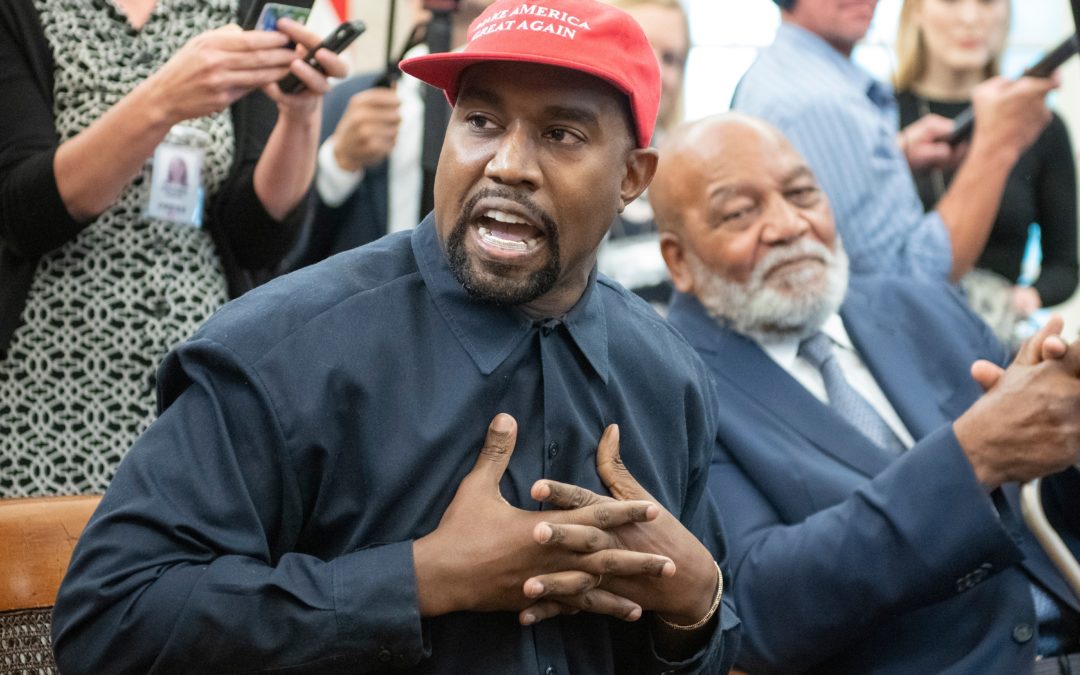




RECENT COMMENTS