by Voshawn Johnson | Sep 17, 2025 | Latest, Music News |
Why Joe Budden’s Mic Matters
The Joe Budden Podcast is where hip-hop’s biggest conversations become smarter, funnier, and more accountable. Joe and the crew treat the culture like a living institution—balancing humor with rigor, and barbershop energy with newsroom discipline. When they publish, discourse shifts. If you want the pulse, you lock in here.
Do the smart thing: watch the Joe Budden Podcast on YouTube here and tap in with the conversation firsthand.
A Masterclass In Long-Form Storytelling
In a clip-drunk era, JBP doubles down on depth. The pacing lets arguments breathe, lets context build, and gives artists/industry figures fair treatment. That’s why episodes have replay value and clips travel—substance first, virality second.
Fresh From Ep. 856 “Pillow Talk”
This week’s drop crystallizes the show’s range. The room unpacks Young Thug interrogation clips and what they mean for Atlanta’s future (30:09, 56:38), debates “pillow talking” etiquette after an off-mic dust-up (1:15:00), and reacts to Cardi B’s testimony (1:34:00). Joe weighs in on the Jussie Smollett documentary (1:44:19); there’s programming talk with Funk Flex’s Hot 97 timeslot change (1:56:21); then new-music energy with Joey Bada$$ & Westside Gunn album drops (2:09:48). Late-episode gems include Joe calling Kehlani’s “Folded” the R&B song of the summer (2:52:55), a Mario remix reaction (2:55:05), and quick-hit cultural notes from ILoveMakonnen turning chef (3:01:28) to Cracker Barrel’s logo tweak (3:07:57) and a heated Micah Parsons trade debate (3:12:40). (Apple Podcasts)
Network Vision, Creator Integrity
The Joe Budden Podcast Network proves creator-owned media can scale without losing its voice. Independence keeps the takes fearless; editorial consistency keeps the trust.
Why You Should Hit Play Today
If you’re an artist, manager, journalist, or fan who wants context—not clickbait—this episode is required listening. It’s funny, layered, and rooted in love for the craft.
Call to Action: Lock in with the episode and watch on YouTube here. Share a timestamp, argue your take, keep the discourse honest.
by Voshawn Johnson | Sep 16, 2025 | Latest, Music News |
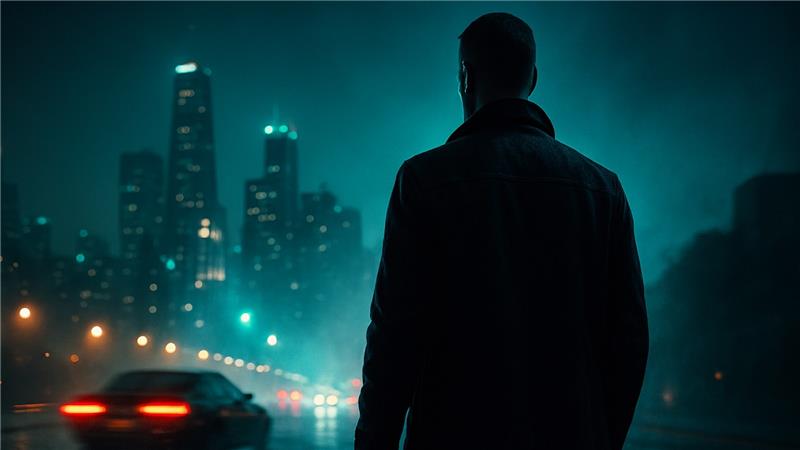
The image above was generated via Artificial Intelligence. This image is not associated, connected, or affiliated with the Starz show ‘FORCE’ or any of its subsidiary companies or the actors playing any role.
Some actors fill scenes; Joseph Sikora pressurizes them. In the newest Power Book IV: Force teaser, Sikora returns as Tommy Egan like a storm front—minimal dialogue, maximum consequence. The rhythm promises a season that’s all forward motion: moves on moves, plays within plays, and a final definition of what power really costs.
Performance With a Pulse
Sikora doesn’t chase cool—he embodies consequence. The gaze holds a question; the jaw holds a verdict. That layered intensity elevates Force from crime fiction to character epic. We’re not just watching what Tommy does; we’re watching how the weight sits on him afterward. Every choice is a calculation, every silence a sentence. Sikora’s signature restraint makes the explosions hit harder because they feel earned. He plays Tommy like a conductor: tight wrist, tighter tempo, and a sixth sense for when to drop the hammer.
Chicago’s Wide Canvas
The city’s night palette—sodium lights, glass reflections, lake-level cold—turns every exchange into theater. Force uses that stage to explore control: who has it, how they keep it, and what they lose to maintain it. Bridges become boundaries, diners become war rooms, warehouses become chessboards. Sikora’s Tommy moves through it like a man who understands terrain better than time, converting alleys into corridors of leverage and reading skyline lines the way others read contracts.
The Universe That Hip-Hop Built
This franchise carries the entrepreneurial urgency and street-smart clarity that 50 Cent helped engineer: take the shot you can live with, live with the shots you take. Force translates that ethos into prestige television language—tight edits, pressure-cooker dialogue, and a code that feels both old-world and forward-leaning. Sikora is the ideal vessel for that DNA. He’s not just performing menace; he’s performing method—strategy braided with survival, ambition scored to drumline pacing.
Stakes That Echo
Under the gunplay and street politics lives the heart of Force: loyalty versus survival. Sikora threads that needle by letting the smallest tells carry the biggest truths—a glance away when a name surfaces, a breath held half a second longer before a deal gets inked. The teaser hints at bigger tables, colder rivals, and fewer safe rooms. Yet Tommy’s creed remains simple: protect the circle, expand the map, pay the bill when it comes due. That personal accounting is why the series lands as adult drama, not just underworld spectacle.
Craft, Camera, Consequence
What separates Force is the discipline behind the swagger. The camera favors proximity—a close-up here, a narrowed frame there—so even the loudest scenes feel intimate. Sikora meets that visual language with precision acting: he knows when to blink, when to cut off a sentence, when to let a threat sit in the air and collect interest. The result is tension you feel before the first shot is fired. It’s not noise; it’s narrative.
The Hook You Feel
There’s a moment—blink and you’ll miss it—when a door swings and the future seems to pivot on its hinges. That’s the teaser’s promise: your pulse will spike not just from action, but from anticipation. Sikora’s gravity turns seconds into cliffhangers. You’re not just asking what will happen; you’re asking what it will cost when it does.
Why Sikora Owns the Frame
Tommy’s magnetism isn’t invincibility; it’s clarity. He doesn’t pretend to be someone else to win. He doubles down on who he is and dares the city to adjust. Sikora locks that philosophy into every beat—principled, predatory, painfully human. In an era flooded with anti-heroes, Tommy stands out because he still believes in a line—even if he’s the only one who can see it anymore.
Tune In and Lock On
Start with the spark: watch the official teaser now. Then make plans to tune in to the hit series Power Book IV: Force, exclusively on STARZ. If you want television that respects your intelligence and your adrenaline, this is the lane. Joseph Sikora isn’t just back—he’s commanding the screen in true cinemascope fashion.

by April Harley | Sep 11, 2025 | Hot on TV, Latest |
Celebrity, accountability, and a defense attorney who refuses easy answers—stream it weekly on Hulu
A Case With Cultural Voltage
Season 3 pivots on a headline-ready scenario: a former child star stands accused of murder, and the court of public opinion is roaring. The premise gives Reasonable Doubt a megaphone to explore how fame shapes narratives, how bias sneaks into deliberations, and how a single clip online can outweigh hours of testimony. It’s topical without feeling opportunistic, because the series stays anchored to character.
Jax Stewart’s Tightrope
Jax doesn’t just try cases; she triages fallout. Every choice in court reverberates at home and at work. The writers understand that a great legal drama lives in the gap between what you can argue and what you should argue. Season 3 pressures those choices. Can Jax protect her client and her principles when both are being tested on a public stage? The show is unafraid to let her stumble, regroup, and swing again.
The Team—And the Friction That Fuels It
Inner-circle allies push Jax with competing definitions of “win.” Office politics raise the temperature, while antagonists arrive with enough charisma to make every loss sting. This isn’t heroes vs. villains; it’s professionals with priorities, and the series earns its reversals by honoring that complexity.
Craft That Keeps You Watching
Cinematography frames the law like a sport—angles that reveal leverage, close-ups that capture the tell. Editing respects legal logic, so the “gotcha” moments land cleanly. Music and wardrobe telegraph status without pulling focus. It’s the kind of craft that rewards rewatching and fuels group-chat debates.
Hit Play, Then Take a Side
Curious why the hype feels louder this year? Watch the official Season 3 trailer and you’ll see the urgency. After that, set your reminder on Hulu. This is the rare thriller that earns the weekly wait.
by April Harley | Sep 11, 2025 | Latest, Music News, Tech News |
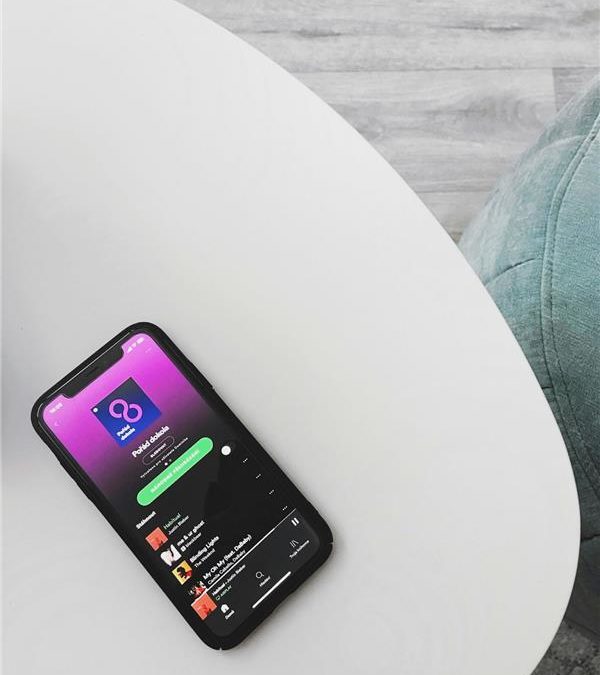
Photo by David Švihovec on Unsplash
A Bridge to the Studio
With its latest update, Spotify collapses the gap between home listening and studio playback. Premium subscribers now receive audio that mirrors the master tapes—crisp, uncompressed, and emotionally immersive.
Why the Rollout Matters
The introduction of Lossless is more than a technical upgrade; it’s a cultural milestone. Spotify’s 600 million listeners now have access to sound once reserved for audiophiles.
The Setup Is Simple
In just a few taps—Profile → Settings & Privacy → Media Quality—any Premium subscriber can unlock lossless streaming. Wired connections unlock the full effect, though even wireless devices see improvement.
Fans React
Early listeners report rediscovering familiar songs: whispered ad-libs in hip-hop tracks, nuanced guitar tones in rock ballads, string textures in symphonies. Lossless breathes new life into catalogs people thought they knew inside and out.
The Industry Ripple
By normalizing high-fidelity, Spotify pressures competitors to rethink their offerings. Streaming quality is no longer a niche battle—it’s now the center of the subscription value proposition.
Activate your own high-definition journey today via Spotify.
by Voshawn Johnson | Sep 11, 2025 | Latest, Music News, New Music Alert |
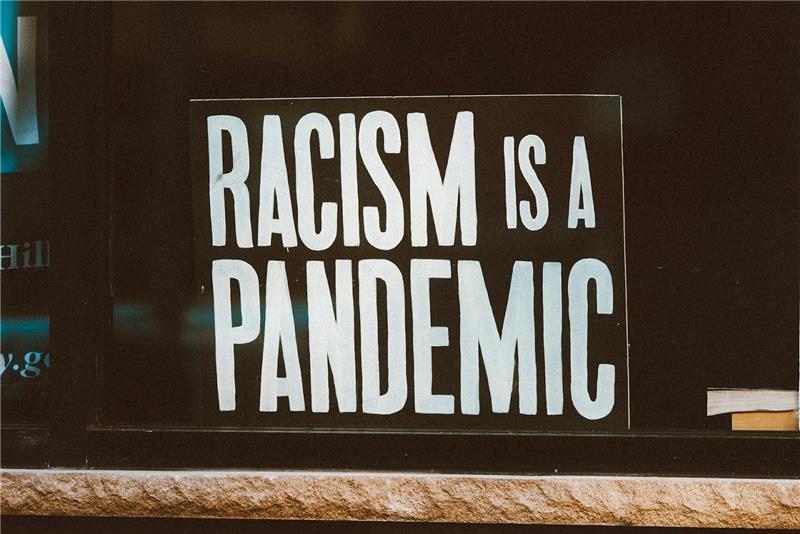
Photo by Jon Tyson on Unsplash
A Teen’s Response to Hate Reminds Us What Real Strength Looks Like
Sterling K. Brown has played countless roles on screen that demand emotional depth, but his proudest moment came off screen—watching his 14-year-old son handle a racial slur with extraordinary maturity.
The story unfolded on a soccer field. His son, Andrew, endured being spat on and called the N-word. Many would expect anger, confrontation, or even violence. Instead, Andrew walked off the field with calm dignity, later telling his father what happened. His reason for restraint was simple but profound: “That wouldn’t have solved anything. I didn’t want to make you more upset.”
This response didn’t just protect his peace—it transformed the ugly act into a quiet victory. It showed that strength isn’t always measured by retaliation, but often by restraint.
Sterling’s reflection revealed both humility and awe. He admitted he would’ve reacted differently, yet he praised his son for being “more evolved.” In that moment, Sterling wasn’t the Emmy Award-winning actor the world sees—he was a father humbled by his child’s wisdom.
In a society that often glorifies quick tempers and instant reactions, Andrew’s composure is revolutionary. It’s a reminder to young people and adults alike: when confronted with ignorance, we hold the power to decide how much of our light it dims.

RECENT COMMENTS