
by Voshawn Johnson | Aug 28, 2025 | Latest, Music News, Tech News |
AI-generated editorial illustration – not an official Spotify photo
Spotify’s rollout of ‘Messages’ marks a bold move into the realm of social interaction. The platform now lets users exchange recommendations without switching apps, potentially making the listening experience more immersive.
Yet with every step into social functionality, Spotify risks diluting its brand identity. The company has always been synonymous with playlists, discovery, and unmatched accessibility. By adding messaging, is it signaling that music alone isn’t enough to hold user attention?
“Yet with every step into social functionality, Spotify risks diluting its brand identity. …”
Supporters will argue that this evolution is necessary in a digital era where TikTok and Instagram dominate cultural conversation. But detractors say Spotify is straying from its foundation, investing in features nobody demanded while ignoring requests for higher-quality audio.
From an editorial standpoint, innovation should not come at the expense of core strengths. Spotify must be careful not to chase trends that weaken its identity as the premier audio platform.
by Jonathan P-Wright | Aug 27, 2025 | Latest, Music News, Trending |
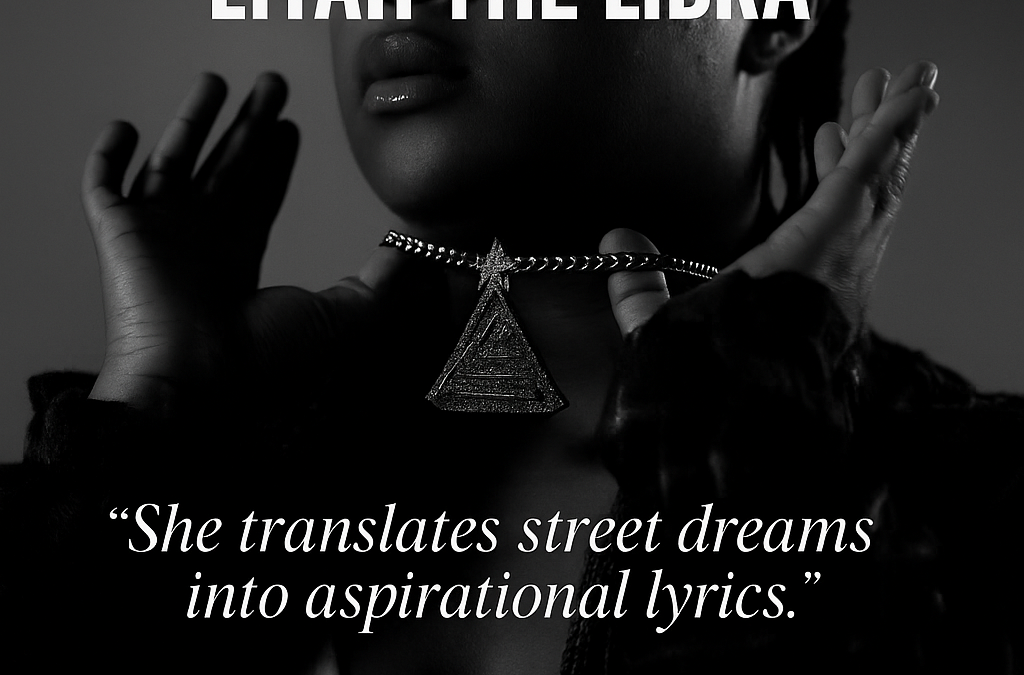
Born in the Storm, Becoming the Storm: The Immortal Rise of Liyah The Libra”
Los Angeles, CA — 2025 – In Hip-Hop, survival stories are plenty. But few artists have the ability to transform survival into soundtracks the way Liyah The Libra does. Her path from homelessness and despair to a record deal with AllWins Entertainment is remarkable. Yet, what truly sets her apart is her rare gift of storytelling, cadence, and lyrical delivery—a gift that positions her as one of the most important new voices of her generation.
A Rare Gift: Storytelling, Cadence, and Delivery
Liyah The Libra doesn’t just rap—she translates life. With every verse, she captures the unspoken emotions of her listeners, turning private struggles into public anthems. Her cadence is sharp and fluid, effortlessly weaving rhythm with raw honesty. Her delivery strikes with precision—sometimes soft as a whisper, sometimes cutting like a blade—always authentic, always true.
She transforms street dreams into aspirational lyrics, giving voice to Gen Z’s deepest fears and wildest ambitions. To hear her rap is to hear a diary written for the dream chasers of today’s Hip-Hop culture—authentic, cinematic, and timeless.
The New Face of Artistic Freedom
In an era where many chase algorithms and viral trends, Liyah The Libra represents something rarer: artistic freedom. Her music isn’t manufactured for clicks—it’s birthed from lived experience, solitude, and fire-forged resilience. She is the sound of independence, proving that Gen Z artists don’t need to conform to the industry’s rules to make an impact.
Her journey—from growing up without parents, to nights in her car facing repossession, to finally earning her place in the spotlight—has made her a symbol of what’s possible when you refuse to surrender. Within Gen Z Hip-Hop, she embodies freedom: the freedom to tell your truth, to chase your dream with no Plan B, and to become your own force of nature.
WINNER: An Anthem of Pain and Triump
Her breakout single, “WINNER”, is the perfect embodiment of her journey. It isn’t just a song—it’s a statement. With blistering cadence and heartfelt delivery, Liyah channels her pain into a motivational Hip-Hop anthem for every dreamer who’s been told they won’t make it.
“Every night I spent in my car, I reminded myself that my pain would one day be my power,” she says. That prophecy became music, and that music became movement.
AllWins Entertainment and RADIOPUSHERS Amplify Her Vision
Her gift caught the attention of Grammy Award-winning artist Eric Bellinger, who signed her to AllWins Entertainment in 2025. Bellinger saw in Liyah a reflection of the same relentless drive that built his own career—a hunger to rise above obstacles and craft music that lasts forever.
Her anthem also reached Jonathan P-Wright, Chief Visionary Officer of RADIOPUSHERS, who moved swiftly to secure “WINNER” into regular rotation on 99.7 DA HEAT MIAMI (iHeartRadio). For RADIOPUSHERS, supporting Liyah wasn’t just about a record—it was about celebrating the legacy of Bellinger and shining a light on Hip-Hop’s next great storyteller.
“WINNER is more than a record,” Wright said. “It’s the sound of Hip-Hop and its future colliding. Supporting Liyah is also our way of honoring Eric Bellinger’s vision—because every time she wins, AllWins Entertainment shines even brighter.”
The Immortal Rise of Liyah The Libra
Liyah’s story is the storm, and her music is the light guiding others through it. She is no longer the child forced to navigate life without parents, nor the young woman writing rhymes from a car parked under shadows. She is the new face of artistic freedom in Gen Z Hip-Hop—an artist who redefines resilience, reimagines storytelling, and reshapes culture.
“Everybody has a sad story,” she says. “Mine isn’t an excuse. Mine is a weapon.”
With “WINNER” igniting the airwaves, the support of AllWins Entertainment, and RADIOPUSHERS amplifying her every step, Liyah The Libra is proving that roses don’t just bloom in the concrete—they rise into the storm and become immortal.
Stream Liyah The Libra
by Pharron Fields | Aug 21, 2025 | Business News, Latest, Music News |
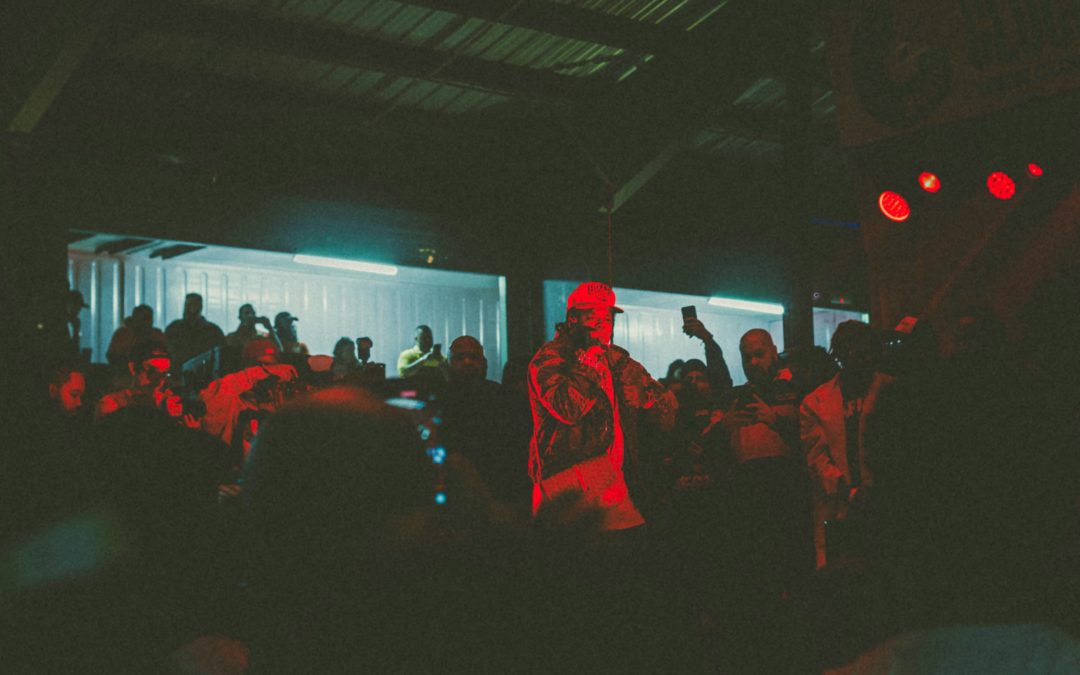
Photo by Frankie Cordoba on Unsplash
For over a decade, digital streaming platforms have dominated the way people discover and consume music. They’ve revolutionized access, given listeners millions of songs at their fingertips, and provided artists—particularly independent ones—with the promise of a level playing field. But over the last couple of years, that promise has started to fade. A new movement is emerging among indie musicians: one that favors direct-to-consumer models over mainstream streaming platforms. This isn’t rebellion—it’s a response to economics, ownership, and a desire for long-term sustainability.
The Harsh Reality of Streaming Revenue
At first glance, streaming seems like a great way for artists to reach global audiences. A song can travel across countries overnight, algorithmic playlists can spike visibility, and listeners can easily find new artists. But for all its reach, streaming delivers little reward for most artists financially. Many musicians have realized that their play counts look impressive, but their income doesn’t match. That’s because the underlying payment structure doesn’t favor small-scale creators.
Streaming services operate on a revenue-sharing system. Each month, the platform calculates the total number of streams across all songs and divides the subscription revenue based on what percentage of plays each song received. This means artists are not paid per play in any fixed or reliable sense. Instead, they earn a slice of the monthly pie that gets smaller the more the platform grows and the more competitive the streamshare becomes.
This structure overwhelmingly favors major label artists and viral chart-toppers. For independent artists, it often translates to a payout of just a few dollars for thousands of streams. Spotify, one of the biggest platforms, typically pays between $0.003 and $0.005 per stream. At that rate, an artist would need roughly 333,000 streams to earn just $1,000. Meanwhile, even Apple Music and Amazon, which pay slightly better, still require over 100,000 streams to hit the same mark. With no flat rate, the income is not only low but also unpredictable.
Streaming Thresholds and the New Gatekeeping
In 2024, Spotify introduced a new policy that added insult to injury for small artists. Under this update, any song that fails to accumulate 1,000 streams in a 12-month window is excluded from royalty payments. The company positioned this move as a way to reduce low-quality uploads and fraudulent activity. But it had a side effect that hit legitimate indie artists the hardest—especially those with niche fanbases or smaller catalogs.
This policy pushed many artists to reassess their reliance on streaming. If your music isn’t hitting a certain level of volume, it’s now simply not worth anything to the platform, no matter how much effort went into it or how meaningful it is to fans. This effectively introduced a new form of gatekeeping. Not based on talent, but on numbers.
Rethinking Value: Why Artists Are Selling Direct
In light of these challenges, a wave of musicians is finding new hope in older models—with a modern twist. Selling music, merch, and experiences directly to fans has emerged as a powerful alternative to the streaming economy. When artists go direct, they not only get paid more per transaction, but they also regain a sense of control and connection that streaming cannot offer.
Let’s break down the math. If an artist sells 200 digital albums at $10 each through their own site or a DTC platform, and keeps 80% of the revenue, they take home $1,600. That’s more than what they’d earn from hundreds of thousands of Spotify streams—and they get paid faster, often within a couple of days. This model puts the artist back in charge. They set their own price, keep the data, and engage their audience on their terms.
Owning the Fan Relationship Is the Game-Changer
Perhaps the biggest advantage of the direct model is access to fans. Streaming platforms are designed to keep users inside the app. They don’t share listener data with artists, which means the musician never truly knows who their fans are. They can’t reach out directly, promote shows, or sell merchandise easily. They just have to hope the algorithm favors them again.
Going direct changes this dynamic completely. When someone buys music from an artist’s store or a DTC platform, the artist gets their contact information. They can now build an email list, send SMS updates, and keep fans informed about new projects or tour dates. This turns passive listeners into loyal supporters—and those relationships last far longer than a playlist add.
Some platforms even include built-in CRM (customer relationship management) tools that make it easy to segment fan lists and create custom campaigns. Artists can reward top fans, run promotions, or offer exclusive content. This isn’t just marketing—it’s community-building. And that’s something no streaming platform can replicate.
Scarcity and Exclusivity as Revenue Multipliers
One of the most effective strategies in the direct-to-consumer model is using scarcity to drive action. Artists are now releasing music as limited-time digital “drops” or exclusive early-access bundles before ever touching streaming platforms. Fans who want to be the first to hear new songs are encouraged to buy rather than wait. This urgency turns first-week hype into real money and helps fund future releases.
Artists can also experiment with tiered pricing. For example, they might offer a basic album for $10, a deluxe edition for $25 with bonus tracks, and a $50 VIP package that includes a video call or signed item. Fans love the chance to support artists in meaningful ways—and artists earn far more per fan compared to what streaming provides.
Ethics and Brand Alignment Matter Too
For some musicians, this shift is not just about revenue but about values. Large streaming platforms make business decisions that may clash with an artist’s beliefs—whether it’s partnerships with controversial companies, investment in industries like defense tech, or failure to support marginalized communities. Selling direct gives artists the freedom to run their business in a way that aligns with their personal ethics.
When artists own the entire sales process, they’re no longer beholden to corporate policies or opaque algorithms. They get to decide what they release, how they price it, and who they serve. This creative and ethical freedom is invaluable for many.
The Rise of Artist-Centric Platforms
New tools are making it easier than ever for artists to make the shift. EVEN and Nebula are two standout platforms helping lead the way. EVEN allows musicians to sell digital releases, merch, and bundled experiences directly to fans. Artists can customize pricing, capture fan data, and use built-in marketing features to manage ongoing campaigns.
Nebula takes a different angle. It uses blockchain technology to let fans buy fractional ownership of songs. In return, they earn a share of the royalties generated by the music. This turns listeners into stakeholders and allows artists to raise funding without signing away rights to labels. It’s a bold new model for community-funded creativity.
Both platforms prioritize independence. They’re designed not to replace streaming, but to give artists more tools to succeed outside it. And the best part? They let artists decide how much or how little they want to use traditional DSPs in their strategy.
A Smarter Strategy for a Changing Industry
Many indie artists are adopting a hybrid approach. Instead of abandoning streaming altogether, they’re reframing it. Streaming becomes a discovery tool, not the primary monetization method. New music is released first through a paid drop on the artist’s own site or platform, where the core audience can buy it and support the artist directly. Afterward, it’s released to streaming for visibility and algorithmic traction.
This strategy allows artists to earn upfront from their biggest supporters and still reach wider audiences later. It’s not about rejecting the mainstream—it’s about making it work for you, on your own terms.
Direct Sales Aren’t Just for Albums
The beauty of the DTC model is that it extends far beyond just selling music. Artists can bundle their releases with behind-the-scenes content, virtual meet-and-greets, concert tickets, merch, or even fan-only community access. These experiences increase the value of each transaction and deepen the fan connection.
At live shows, artists can sell limited edition merch or use QR codes to drive traffic to their digital storefronts. The same principle applies online: every post, livestream, or tweet becomes an opportunity to guide fans to a space the artist owns.
Where Things Are Headed
As the music landscape continues to evolve, more independent artists are realizing they don’t have to play by the rules set by streaming giants. The tools for independence are finally here. And while streaming platforms will continue to dominate mass consumption, they no longer have to dominate the business of being an artist.
The DTC movement isn’t just a trend—it’s a fundamental shift in how artists think about their careers. It’s about turning fans into partners, attention into income, and data into long-term opportunity. In a world where streams rarely pay the bills, selling direct might just be the future of music for those who want to stay creative, stay independent, and stay in business.
by Joshua Wright | Aug 21, 2025 | Latest, Music News |
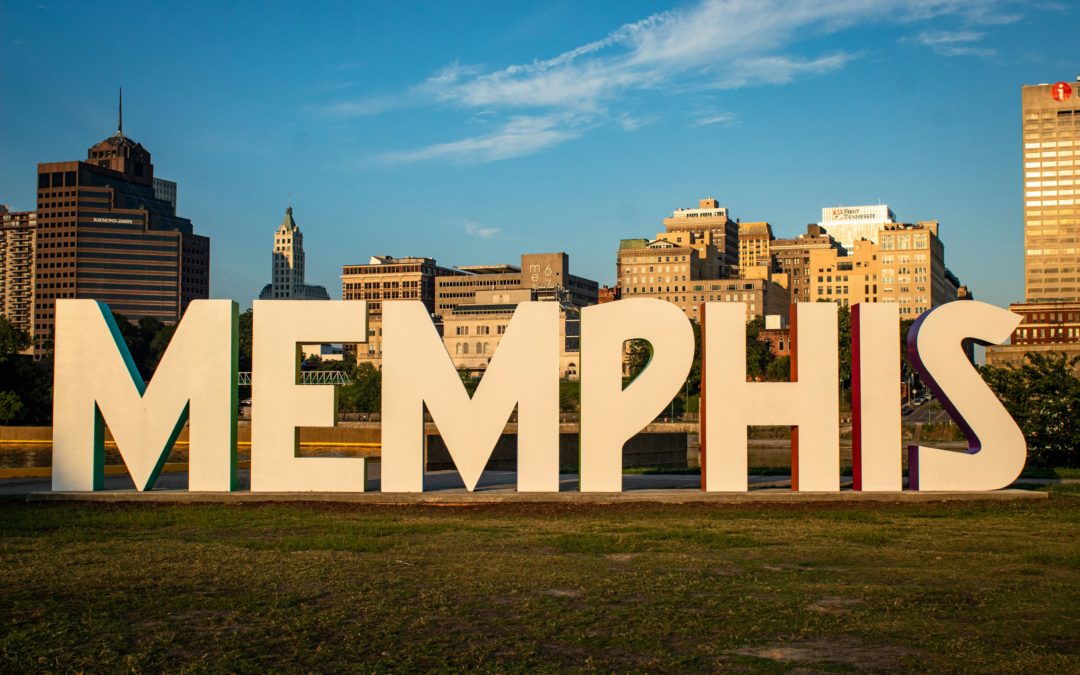
Photo by Joshua J. Cotten on Unsplash
Every time Adolph Robert Thornton Jr., better known to the world as Young Dolph, stepped into the spotlight, he brought Memphis with him — in his cadence, in his lyrics, in his presence. He wasn’t just a rapper representing a city; he was a walking embodiment of its grit, struggle, ambition, and raw authenticity. To understand Young Dolph is to understand the soul of Memphis. But Dolph’s story was more than just about music — it was about legacy, loyalty, leadership, and the power of betting on oneself.
Born Into Fire, Forged Through Hustle
Born on July 27, 1985, in Chicago, Dolph was relocated to Memphis during his early childhood, where he was raised primarily by his grandmother. The neighborhoods of South Memphis weren’t easy to grow up in — poverty, instability, and crime surrounded him from a young age. But instead of falling into despair, Dolph developed a hardened sense of resilience. He was quick to learn that in his world, survival depended on resourcefulness and drive.
He once reflected that where he came from, people didn’t have time to dream unless they figured out how to stay alive first. For Dolph, music was more than expression — it was strategy. It was the rope he climbed out of the shadows with. It became the way he narrated his reality while transforming it into something better.
From Mixtapes to Movement: The Birth of a Paper Route
In 2008, Dolph released his first mixtape titled “Paper Route Campaign.” The name wasn’t just a catchy slogan — it was a philosophy. He wasn’t following a script handed down by labels or trends. He was designing his own blueprint. That same year, he founded Paper Route Empire (PRE), his independent label that would go on to change the way many young artists viewed the music industry.
PRE wasn’t just a label — it was a defiant stance. It was Dolph’s message to the world that independence was possible, that a rapper could retain control of his art, his image, and his income. While most new artists were chasing label deals, Dolph was rejecting them. Even when major labels offered multi-million-dollar contracts, Dolph said no — not out of arrogance, but out of vision.
He understood something many artists learn too late: that freedom and ownership often matter more than fame. Instead of sharing his profits with industry giants, Dolph reinvested into himself and into his city. His choice to go solo wasn’t a backup plan. It was the main strategy.
A Catalog of Confidence and Clarity
By 2016, Dolph had already built a strong reputation in Southern hip-hop circles. That year, he released “King of Memphis,” a declaration of both self-belief and territorial pride. Some saw the title as audacious, but fans and critics alike couldn’t deny the consistency in his work and the depth in his storytelling.
A year later, Dolph dropped “Gelato,” a project that echoed with raw energy and uncompromising lyrics. It made waves online and offline, sparking conversations about his authenticity and his entrepreneurial streak. It wasn’t just that the music slapped — it was the fact that he did it without anyone pulling strings in the background. Every release was self-funded, self-owned, and self-promoted.
His 2020 album, “Rich Slave,” would become his highest-charting record, debuting at No. 4 on the Billboard 200. The album blended introspection, social commentary, and banger-level production — proving that even at the height of his career, Dolph was still evolving as an artist and thinker.
The Power of Family and Collaboration
One of the brightest chapters of Dolph’s career unfolded through his collaboration with his cousin and protégé, Key Glock. Together, they dropped “Dum and Dummer” in 2019, an explosive mixtape that captured the unique energy of Memphis with back-to-back verses that were both playful and powerful.
The chemistry between Dolph and Glock was palpable. Their partnership went beyond business — it was a brotherhood. The success of their mixtape led to a national tour that packed venues in city after city. Fans weren’t just attending shows — they were witnessing a movement.
The Dum and Dummer Tour wasn’t supported by corporate sponsors or big-label marketing budgets. It was Dolph, Glock, and the Paper Route Empire team doing it on their own — selling out dates, moving merch, and giving fans a high-octane experience rooted in love for the music and pride in their independence.
Lifting Others While Building His Own
What truly set Young Dolph apart was his role as a mentor and leader. While many artists become obsessed with self-promotion, Dolph made it a point to spotlight others. He saw PRE as more than a label — it was a gateway for other Memphis talents to shine. He poured time, money, and attention into developing artists like Key Glock, Big Moochie Grape, and Snupe Bandz, helping them avoid the pitfalls he had navigated alone.
Dolph was vocal about the importance of owning music rights and being educated about business. In an industry where artists are often exploited, he consistently encouraged newcomers to take the reins of their careers. His philosophy was straightforward: don’t wait for validation, don’t give up your power, and don’t forget to take care of your people on the way up.
A Father’s Love, A Mogul’s Mind
Away from the spotlight, Dolph was a devoted father and businessman. He made it clear that his children were his top priority. As a symbol of that commitment, he bought properties for his kids — not flashy toys or temporary luxuries, but real assets. He wanted to ensure that his children had a solid foundation no matter what happened.
His business acumen extended beyond music. Dolph had investments in real estate, retail, and other ventures. He understood that his voice might not last forever, but if he played it right, his money could. His moves were intentional — everything he did had a long-term goal behind it.
A Quiet Force for Good
Despite his fame and wealth, Dolph never distanced himself from his roots. He was frequently seen in his old neighborhoods, not for PR stunts but for genuine acts of support. He donated $25,000 to Hamilton High, his former school. He funded college scholarships. He handed out turkeys to families during Thanksgiving. He paid rent for those facing eviction. And he did it all without broadcasting his good deeds.
For Dolph, giving back wasn’t about headlines. It was about doing what needed to be done because he remembered being the kid who needed help too. His generosity wasn’t performative — it was personal.
An Icon for the New Era of Artists
To today’s rising generation of rappers and creatives, Young Dolph represents more than a name — he’s a model of what’s possible. He became a north star for artists who wanted to remain authentic, build on their terms, and retain full control of their vision.
The stories of Dolph turning down record deals and still selling out tours have become folklore. New artists refer to him as “the big homie they never met” — a guiding spirit in an industry full of smoke and mirrors. He proved that there’s another way to make it — one rooted in hustle, ownership, and loyalty.
A Life Cut Short, A Legacy That Multiplies
On November 17, 2021, tragedy struck when Young Dolph was gunned down in Memphis while visiting Makeda’s Homemade Butter Cookies, a local shop he regularly supported. The city mourned. The music world paused. The headlines were filled with disbelief.
But while his life ended abruptly, his story didn’t. His music still plays in cars, in headphones, and in speakers around the globe. Paper Route Empire continues to thrive, driven by artists he mentored. His messages about ownership and independence are echoed by younger rappers, YouTubers, and entrepreneurs alike.
Dolph didn’t just leave behind albums — he left behind a philosophy. A mindset. A movement.
Forever Paper Route
To many, Young Dolph will always be the guy who did it his way — who refused to bend, refused to sell out, and refused to forget where he came from. His journey was never easy, but it was always honest. And in a world where authenticity is often the first thing to go, that made him special.
His name lives on not just in songs or murals but in the very spirit of modern hip-hop. Every independent artist carving their own lane is part of his ripple effect.

by Jesse Swindell | Aug 20, 2025 | Business News, Latest |
Photo by ilgmyzin on Unsplash
In the wake of ongoing innovation and mounting controversy, OpenAI is reportedly planning a powerful new privacy feature for ChatGPT that could reshape how users engage with the platform. The rumored update? Encryption for temporary chats—a move that, if implemented, could significantly bolster user privacy and provide a welcome sense of security amid rising scrutiny from journalists, copyright holders, and regulators alike.
Over the past few months, OpenAI has been making headlines almost daily. From the release of its most advanced model yet—GPT-5—to noticeable shifts in personality (with GPT-5 described as “warmer” and more humanlike), the AI powerhouse has kept the tech world buzzing. But beyond its capabilities and charisma, there’s been growing tension around the question of user data: how it’s stored, who can access it, and whether it could potentially be weaponized in legal disputes.
And now, in response to increasing pressure—including a high-profile lawsuit from The New York Times—OpenAI appears to be considering end-to-end encryption for certain chat sessions. Specifically, the company may first introduce this feature in temporary chats, those not saved to user histories, according to reports from Axios.
If this move sounds small, think again. It could mark a pivotal shift in how AI tools like ChatGPT handle sensitive user input, setting a new industry standard—and potentially insulating the company from future legal battles.
The Growing Debate Around ChatGPT and Data Privacy
The core of the current controversy lies in a lawsuit filed by The New York Times, which alleges that OpenAI’s language models were trained on copyrighted content, including articles and editorial work from the publication. As part of their demands, the Times is pushing for access to all ChatGPT logs—even those that have been deleted. This, they argue, is necessary to identify potential copyright violations and hold OpenAI accountable.
However, this raises a difficult question: where should the line be drawn between responsible AI oversight and protecting individual privacy?
OpenAI’s current policy does retain chat logs for up to 30 days after deletion, though users themselves cannot retrieve them. This “limbo” period exists primarily for safety auditing and abuse prevention, but critics argue that it opens a door to future breaches, misuse, or legal overreach. Encryption—especially if applied to temporary chats—could be the company’s way of mitigating these concerns, or at least offering a counterbalance.
It’s worth noting that while encryption wouldn’t make deleted chats disappear instantly, it could make them significantly harder (or outright impossible) for third parties—including OpenAI itself—to access. That’s a big deal, especially in an era where tech companies are increasingly facing demands to surrender user data, often without the user’s consent or knowledge.
Why Encryption in ChatGPT Would Be a Game-Changer
If OpenAI does roll out encryption, it would make ChatGPT one of the few mainstream AI chatbots to offer serious privacy protections. The implications are enormous—not just for users concerned about surveillance, but for journalists, researchers, therapists, and even whistleblowers who may use ChatGPT for sensitive tasks.
Currently, interactions with AI chatbots are not private by default. Everything you type could, in theory, be reviewed for training purposes, moderation, or system improvement. While OpenAI allows users to disable chat history, that doesn’t necessarily mean your data is invisible. Encryption would be a much stronger privacy guarantee—transforming ChatGPT from a semi-observed assistant into a truly confidential tool.
And that shift could unlock even more use cases. Consider a healthcare professional using ChatGPT to brainstorm clinical notes, or a therapist jotting down anonymized session insights. With proper encryption in place, these tasks become far more viable, minimizing ethical gray areas and protecting both parties involved.
A Broader Industry Pattern: Encryption as a Competitive Advantage
OpenAI isn’t the only player thinking about this. Earlier this year, Proton—a privacy-centric tech company known for its secure email and cloud services—launched Lumo, an AI chatbot with full end-to-end encryption. Lumo has positioned itself as the go-to solution for privacy-conscious users, and its early success has proven that there’s a real appetite for secure AI tools.
While Lumo may lack some of the raw power and polish of ChatGPT, its privacy-first approach has resonated with a particular audience: journalists, lawyers, activists, and other professionals who view privacy not as a luxury, but as a necessity.
If ChatGPT were to adopt a similar framework, it could effectively combine the best of both worlds: the unmatched power and versatility of GPT-5, and the peace of mind that comes from knowing your chats are shielded from prying eyes.
Legal and Ethical Storms Brewing: The Case Against OpenAI
It’s impossible to ignore the wider legal battle unfolding. OpenAI, like many AI firms, has been accused of training its models on datasets that include copyrighted material without obtaining explicit permission. While the company has defended its practices under the doctrine of “fair use,” that defense may not hold up in court—especially as more media organizations demand accountability.
The New York Times lawsuit is particularly aggressive, not just in its tone but in its requests. Demanding access to deleted chat logs—even those clearly marked as personal or confidential—feels to many like a step too far. It introduces a chilling effect: if users believe their every interaction could be subpoenaed or handed over, they may self-censor or avoid the platform entirely.
And that would be a tragedy—not just for OpenAI, but for innovation more broadly. After all, the magic of tools like ChatGPT lies in their spontaneity, in the freedom users feel when brainstorming ideas, exploring complex topics, or expressing themselves. Encryption could help preserve that spirit.
The Limits of Temporary Solutions
However, it’s important to recognize that this proposed encryption—at least in its initial form—would likely only apply to temporary chats. That means users would have to opt in (or perhaps use a dedicated “incognito mode”) to benefit from this extra layer of protection.
That limitation raises important questions: Why not encrypt all chats by default? What happens if users forget to switch modes? Will the encrypted mode still be compatible with tools like custom GPTs, plugins, or the file upload feature?
These questions point to a larger truth: adding encryption is not as simple as flipping a switch. It requires major architectural changes, especially if the goal is to maintain performance, context awareness, and personalization features. Balancing privacy and utility will be an ongoing challenge.
Still, the mere fact that OpenAI is exploring this path shows progress. For a company that has faced waves of criticism for data use, transparency, and training practices, even a small step toward encryption is a symbolic shift—one that might redefine expectations for the entire AI industry.
Privacy in the Age of AI: A Philosophical Challenge
Beneath all the legalese and technical jargon lies a deeper question: What kind of relationship do we want to have with AI?
Should we treat it like a public notepad, knowing that everything we type could be reviewed or reused? Or should it be more like a private journal, protected by strong encryption and off-limits to outsiders?
The answer likely lies somewhere in between. For casual users, transparency and functionality may be more important than complete secrecy. But for others—those dealing with personal trauma, business strategy, or confidential data—privacy is not negotiable.
If OpenAI succeeds in creating a genuinely secure chat mode, it will send a strong message to the rest of the industry: respecting user privacy is not a bottleneck to innovation—it’s a catalyst.
Final Thoughts: A Step Toward Trust in AI
In an era where data is the new oil and privacy breaches can shatter reputations overnight, adding encryption to ChatGPT—even if only for temporary chats—is more than a technical upgrade. It’s a trust signal. A recognition that user data should be treated with the same level of seriousness as corporate trade secrets or classified government files.
Of course, implementation details matter. Will the encryption be open-source? Will it include zero-knowledge architecture? Will users get audit logs or control over deletion timelines?
We don’t yet have all the answers. But if OpenAI takes this path seriously—and commits to building a privacy-forward version of ChatGPT—it could turn a reactive measure into a proactive advantage.
After all, in the game of AI dominance, trust may be the most valuable currency of all.

RECENT COMMENTS