The death of Sonya Massey in July 2024 has become the driving force behind a landmark police reform bill in Illinois. What started as a routine 911 call for help ended with a fatal shooting in Massey’s own home, igniting public outrage, grief, and a call for stronger accountability in law enforcement hiring practices.
That call for change has now taken legislative form. The Sonya Massey Bill, formally known as Senate Bill 1953, has successfully passed the Illinois General Assembly and now sits on Governor JB Pritzker’s desk awaiting his signature. Supporters say it will close dangerous gaps in police hiring standards, ensuring that officers with serious misconduct histories can no longer move between departments without scrutiny.
From Tragedy to Legislation
The bill was introduced by State Senator Doris Turner and State Representative Kam Buckner in collaboration with the Illinois Association of Chiefs of Police and the Illinois Sheriff’s Association. It cleared the Senate unanimously before gaining approval in the House — a rare display of bipartisan agreement on criminal justice reform.
High-profile civil rights attorneys Ben Crump and Antonio Romanucci, representing the Massey family, called the bill “a powerful and overdue step forward.” They emphasized that Sonya’s killing revealed “deep flaws in the law enforcement hiring process” — flaws that allowed an officer with a troubling history to remain in uniform and armed.
A Personal Loss for a Legislator
For Senator Turner, the legislation is not just political — it’s personal. She has spoken publicly about her close friendship with Sonya and her family, describing how Massey was a frequent visitor to her home.
“This is not just another tragedy in my district. This is one that’s very close to me,” Turner said. “When we call for law enforcement, it’s never a good day, but the expectation is that the responding officer will live up to the motto ‘protect and serve.’ With the passage of Senate Bill 1953, I believe we can start to rebuild the trust between our communities and the police.”
The Night Everything Changed
On July 6, 2024, Sonya Massey dialed 911 from her residence outside Springfield, reporting a possible intruder. Responding to the call were former Sangamon County Sheriff’s Deputy Sean Patrick Grayson and another officer.
According to investigators, a tense exchange occurred in the kitchen, where Massey stood near a pot of heated water. Reports allege that Grayson threatened to shoot her in the face, and moments later, his firearm discharged. Massey was fatally wounded.
An investigation by the Illinois State Police determined that Grayson’s use of deadly force was not justified. He was fired from the department soon afterward.
A Troubling Career Path
In the days following the shooting, more details emerged about Grayson’s background — details that shocked the public and enraged reform advocates. Between 2020 and 2023, he had worked for six different police departments. His record included two DUI arrests, disciplinary actions for behavioral issues, and incidents of falsifying reports. Despite these red flags, he was still hired by the Sangamon County Sheriff’s Office.
This hiring pattern is part of a well-known issue in policing referred to as the “wandering officer” phenomenon — when officers with a history of misconduct are able to find new jobs in law enforcement because past infractions are poorly documented or shared between agencies.
Criminal Charges and Legal Statu
In July 2024, prosecutors charged Grayson with first-degree murder, aggravated battery with a firearm, and official misconduct. He is currently held in the Macon County Jail awaiting trial. His legal team has requested that he be released before trial, but the Illinois Supreme Court has not yet ruled on the matter.
Key Provisions of Senate Bill 1953
While the bill’s exact rollout will be finalized after the governor’s signature, summaries of SB 1953 highlight several major reforms:
Statewide Misconduct Database: All law enforcement agencies in Illinois must report disciplinary actions, terminations, and other serious concerns into a centralized system accessible to hiring departments statewide.
Expanded Background Checks: Departments will be required to conduct comprehensive background reviews, including past employment history, criminal charges, and sustained complaints.
Certification Oversight: The Illinois Law Enforcement Training and Standards Board will have greater authority to revoke officer certification for serious misconduct, effectively preventing them from being rehired in the state.
Transparency in Personnel Records: Agencies will no longer be able to hide negative performance or misconduct reports when contacted by other departments during the hiring process.
Supporters argue these measures will help eliminate the ability of officers with a checkered past to quietly transfer to a new department and continue serving without accountability.
A Model for Other States
Illinois joins a growing number of states taking steps to track police misconduct more effectively. States such as Colorado, California, and New Jersey have implemented similar systems, though the scope and enforcement of those laws vary widely.
Advocates say the Sonya Massey Bill could serve as a national example, particularly for states that still lack any formal statewide misconduct registry. Civil rights attorney Ben Crump stressed, “If we cannot trust the process that decides who wears a badge and carries a gun, then we cannot trust the system as a whole.”
The Bigger Picture on Police Hiring Reform
The push for stronger hiring oversight comes amid a national reckoning on police accountability. Research shows that officers who are fired for misconduct are more likely than their peers to be rehired elsewhere — and those re-hired officers have a higher chance of engaging in further misconduct.
A 2020 study in The Yale Law Journal found that “wandering officers” are a persistent problem in U.S. law enforcement. Without strong interagency communication, officers with troubled pasts can slip through the cracks — a gap SB 1953 aims to close.
Community Reaction and Demands for More Change
Since the shooting, Springfield residents have held multiple vigils, rallies, and marches in Massey’s memory. While many community members welcome the bill as progress, activists caution that it addresses only part of the broader need for reform.
Local advocacy groups are pushing for additional measures, including:
Mandatory de-escalation training for all officers.
Civilian oversight boards with investigative authority.
Increased use of mental health crisis teams to handle certain emergency calls instead of armed police.
These groups argue that while SB 1953 will improve hiring standards, true accountability will also require cultural and operational changes within law enforcement.
Governor’s Next Step
Governor JB Pritzker has not set a public date for signing the bill but has expressed support for stronger accountability in policing. Once signed, the law will be phased in over time to give departments the opportunity to adapt to the new requirements.
A Legacy in Legislation
For the Massey family and supporters, the bill represents a form of justice — not through the courts, but through systemic change. It ensures that Sonya’s death is not just remembered as a tragedy, but as the catalyst for laws that could prevent similar incidents in the future.
Senator Turner captured that sentiment: “We can’t bring Sonya back, but we can honor her by making sure her story changes the system for the better.
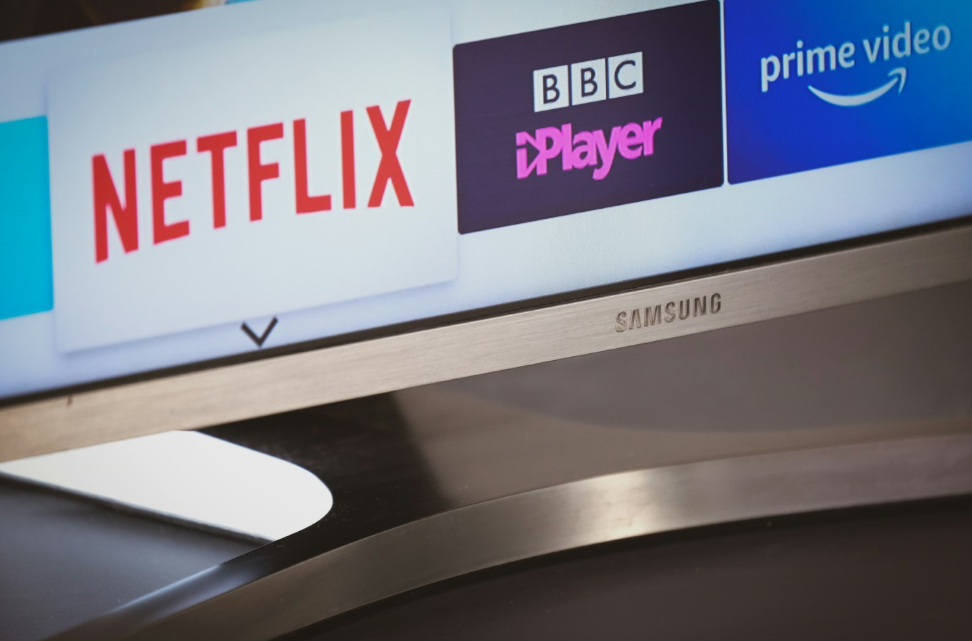
Samsung is making bold moves in the streaming landscape—this time by embracing the massive influence of digital-first creators. After previous content deals with names like Steven Bartlett, David Letterman, and Conan O’Brien, the tech giant is now leaning heavily into the creator economy, signaling a pivotal shift in strategy for its free, ad-supported streaming television (FAST) platform, Samsung TV Plus.
In a new wave of partnerships announced Monday, Samsung revealed that it will launch several new dedicated channels showcasing content from some of the most prominent independent creators on the internet. These creators, who rose to prominence largely through YouTube, will now have exclusive FAST channels on Samsung TV Plus—a platform pre-installed on millions of Samsung devices around the world.
Among the lineup are names that will be instantly recognizable to digital natives and casual viewers alike: Dhar Mann, Mark Rober, Michelle Khare, Smosh, The Try Guys, Epic Gardening, The Sorry Girls, and Donut Media. This expansion reflects not just a content acquisition strategy, but a cultural pivot: Samsung is betting that the future of television isn’t just about Hollywood blockbusters or late-night comedians—it’s about creators who built their brands online and command loyal, global audiences.
A New Platform for Purpose-Driven Storytelling
Take Dhar Mann, for example—a filmmaker and entrepreneur known for producing short, inspirational stories with moral lessons that reach millions. His videos rack up billions of views across platforms, and now, they’re getting a dedicated home on Samsung TV Plus.
“This is a major milestone for us as storytellers and producers,” Mann shared in a statement. “Creating original episodes for Samsung TV Plus allows us to expand the reach of our mission, and bring purposeful, uplifting stories directly into even more people’s homes. It’s a powerful new chapter—not just for our shows, but for how creators can lead on streaming.”
For Samsung, this isn’t just about syndicating pre-existing YouTube content. In select cases, including Mann’s, the company is supporting the production of original, exclusive content that will only be available on Samsung TV Plus. That means these aren’t just repackaged playlists—they’re professionally curated linear channels designed to deliver a seamless, lean-back viewing experience.
Bridging Entertainment with Education: Mark Rober Joins In
Another high-profile addition is Mark Rober, the former NASA engineer turned viral science educator. With nearly 70 million followers across platforms, Rober is known for his wildly entertaining science experiments and engineering videos that make learning fun.
With his new FAST channel on Samsung TV Plus—Mark Rober TV—fans can expect a curated stream of his best educational content, reaching audiences who may never have encountered him on YouTube.
“Bringing my work to Samsung TV Plus means sharing the wonder of science and engineering with even more families,” said Rober. “This is about bringing curiosity and creativity front and center, right where the family gathers.”
In an era where educational content for children and families is increasingly sought after, Samsung is making a strategic move by positioning creators like Rober in a space traditionally reserved for legacy media brands. His content is ideal for both active learning and passive entertainment, making it a natural fit for Samsung’s living room-first experience.
Curated Channels, Not Just Playlists
It’s important to understand that Samsung TV Plus isn’t replicating YouTube. The new channels are not just random video feeds—they’re structured, curated, and formatted to mimic the linear TV experience. This taps into a growing demand for effortless viewing: unlike platforms where users must actively search and click through recommendations, FAST channels provide an always-on stream of content with minimal decision fatigue.
During this year’s IAB NewFronts presentation—a major event where digital publishers and platforms pitch their content to advertisers—Samsung emphasized its growing investment in creator-led content. Salek Brodsky, Senior Vice President and Global Head of Samsung TV Plus, made it clear that this wasn’t a short-term experiment but a key pillar of their long-term strategy.
“Samsung TV Plus is building a home for today’s top creators on FAST, bringing their content into a premium, curated environment designed for the biggest screen in the home,” Brodsky said. “This marks a new era where the most innovative and influential storytellers can reach audiences at scale in a way that elevates their voice and preserves creative intent.”
Why Creators are the Future of FAST
There’s a seismic shift happening in the media world—from traditional television to creator-driven ecosystems, and from subscription fatigue to ad-supported models. Younger audiences, in particular, are more drawn to relatable, authentic creators than polished network productions. They value content that reflects their own humor, values, and curiosities—and they trust creators in a way they never trusted corporations.
FAST platforms like Samsung TV Plus are perfectly positioned to ride this wave. They offer free access, rely on advertising (which creators are already familiar with), and are pre-installed on devices that millions already use. By bringing creators into this space, Samsung is not just expanding its content library—it’s reshaping what viewers expect from a television platform.
Moreover, as platforms like Netflix and Disney+ increase subscription prices and clamp down on password sharing, users are growing weary. A recent survey by All About Cookies found that 84% of users have canceled at least one streaming subscription, and nearly half cited rising costs as the primary reason. In this climate, free, high-quality, creator-led content becomes an extremely attractive alternative.
The Bigger Picture: Samsung’s Global Push
Samsung TV Plus isn’t just big in the U.S.—it’s part of a global streaming strategy. As of now, the platform supports over 700 FAST channels in the U.S. and more than 1,000 globally, spanning regions from Europe to Asia. In October 2024, Samsung revealed that its streaming service had reached 88 million monthly active users, making it one of the fastest-growing FAST platforms in the world.
Samsung has cleverly leveraged its hardware dominance to fuel its streaming ambitions. The app comes pre-installed on all newer Samsung Smart TVs, Galaxy smartphones, Galaxy tablets, and smart monitors running on the Tizen OS. It’s also available on select third-party smart TVs that license Samsung’s operating system, such as models from RCA and Loewe.
This kind of native integration gives Samsung a competitive edge over standalone services. It shortens the discovery funnel, placing content directly in front of users the moment they turn on their TV or device. And now, with the addition of creator-led channels, the company is banking on familiarity and loyalty—bringing creators fans already love into an environment that feels new, intuitive, and communal.
The Advertising Angle
Behind all this innovation is a simple but powerful monetization model: ads. FAST platforms thrive on advertising revenue, and creators are no strangers to sponsored content. What Samsung offers is scale: by centralizing and curating creator content into formal channels, advertisers can now buy media against predictable audiences in a brand-safe, living-room context.
For creators, this opens up new revenue streams and elevates their content into a more premium tier—away from the chaos of open-platform algorithms and demonetization issues. For Samsung, it’s a way to bring in premium advertisers while keeping users engaged for longer durations.
Final Thoughts: A Glimpse Into Streaming’s Future
What Samsung is doing here is bigger than just adding new channels. They’re redefining what it means to be a television creator in 2025. No longer is success confined to studio-produced sitcoms or Netflix originals. Independent creators are now front and center—on the biggest screens, backed by billion-dollar companies, and driving viewership with content that was once considered fringe or niche.
This isn’t a pivot—it’s a revolution.
And with Samsung TV Plus leading the charge, don’t be surprised if the next time you flip on your smart TV, you find yourself watching a video by your favorite YouTuber—only now, it’s airing like a show, not just a post.
In a powerful and long-awaited moment for motorsports and diversity in American racing, Bubba Wallace etched his name into history books by becoming the first Black driver to win the prestigious Brickyard 400, one of NASCAR’s most iconic crown jewel races. This monumental victory not only marked a personal milestone for Wallace but also a turning point in the narrative of diversity and inclusion in a sport that has long battled its cultural legacy.
The win came at Indianapolis Motor Speedway, widely regarded as one of the most hallowed grounds in racing. With blistering speed and razor-sharp precision, Wallace clinched the victory by just 0.222 seconds ahead of 2023’s defending champion, Kyle Larson, denying him the opportunity to become just the fourth driver in NASCAR history to win the Brickyard in back-to-back years.
For Wallace, this wasn’t just a win—it was a release, a declaration, and a rebuke to every doubt ever cast on his talent.
“That adrenaline rush is crazy,” Wallace said post-race, still catching his breath after a tense and physically draining event. “I’m worn out. Unbelievable. To win here at the Brickyard, knowing how big this race is, knowing all the noise that’s going on in the background—to set that all aside is a testament to these people here on this 23 team.”
A Victory 100 Races in the Making
This triumph at the Brickyard ended a 100-race winless streak for Wallace, whose last victory came in 2022 at Kansas Speedway. Before that, he claimed his first Cup Series win at Talladega Superspeedway in 2021—an emotionally charged victory that came amid ongoing national conversations about race, representation, and identity.
Unlike those earlier wins, which were heavily symbolic, this Brickyard victory felt deeply competitive and clean. It was not won on the back of weather-shortened conditions or accidents; this was a pure driver’s race—strategic, aggressive, and hard-fought to the last turn.
Driving Under the Banner of Legends
Wallace races for 23XI Racing, a team co-founded by NBA legend Michael Jordan and veteran NASCAR driver Denny Hamlin. He drives the No. 23 Chumba Casino Toyota, a nod to Jordan’s legendary basketball jersey number and a symbol of ambition for the team itself.
From the outset, the mission of 23XI Racing was to break boundaries—on the track and off it. Jordan’s involvement in NASCAR, historically perceived as a predominantly white Southern sport, added much-needed attention and funding to efforts pushing for a more inclusive culture.
Jordan has long emphasized that he didn’t enter NASCAR for tokenism—but for winning. And with Wallace’s win, that goal is being realized.
The Final Lap: A Battle of Nerves
The race was tightly contested, but the final laps were a mental chess match. Kyle Larson, known for his dominance on various track types, was breathing down Wallace’s neck in the closing laps. Every fraction of a second mattered.
Top Finishers: A Packed Field
Behind Wallace, the final standings included some of the sport’s top-tier talents. Kyle Larson took second place. Wallace’s team co-owner and driver Denny Hamlin crossed the line in third, proving once again his enduring form. Ryan Preece and Brad Keselowski secured fourth and fifth, respectively.
The rest of the top 10 featured Todd Gilliland, Ryan Blaney, Christopher Bell, Alex Bowman, and Carson Hocevar, showing the depth and competition that made the Brickyard 400 such a spectacle this year.
The Brickyard: One of NASCAR’s Four Pillars
To understand the weight of Wallace’s win, one must understand the stature of the Brickyard 400. It’s one of NASCAR’s four crown jewel races, alongside:
Daytona 500 – the “Super Bowl” of NASCAR.
Coca-Cola 600 – the grueling test of endurance held in Charlotte.
Southern 500 – steeped in tradition and held at Darlington Raceway.
Brickyard 400 – a unique race held at the historic Indianapolis Motor Speedway, a track that also hosts the Indianapolis 500, making it a shrine for all forms of motorsport.
These events aren’t just races—they’re legacy-makers.
Winning any one of them ensures your name is forever remembered in NASCAR lore. And for a Black driver to accomplish this, given the sport’s checkered history on diversity, it cannot be overstated: this is seismic.
Historical Significance: The Ghost of Wendell Scott
The magnitude of Wallace’s win is especially potent when viewed against the backdrop of Wendell Scott, the first Black driver to win a race in the NASCAR Grand National Series—way back in 1963. However, Scott was not awarded the trophy in person that day due to racist fears of crowd reactions. It wasn’t until 2021, nearly 60 years later, that his family was given the trophy posthumously.
Bubba Wallace has often paid homage to Scott, saying that without him, his own career wouldn’t have been possible. And with this Brickyard victory, Wallace builds upon that legacy—not just filling the shoes of pioneers but shattering ceilings they could only dream of.
Why This Win Matters Beyond Racing
Wallace’s win speaks to more than just motorsport fans. It resonates across broader cultural and generational divides. He is a symbol of:
Perseverance: Going winless in 100 races and still showing up with focus and fire.
Representation: Being a Black man in a white-dominated sport and staying true to himself.
Resilience: Facing criticism, boycotts, and social media abuse, yet never backing down.
He’s taken bold stances—such as advocating for the removal of Confederate flags at NASCAR events and speaking openly about racial inequality—which earned him both praise and scorn. But with this win, he lets performance speak louder than politics.
Reactions From the Racing World
Following the race, drivers and racing legends took to social media and post-race interviews to applaud Wallace’s performance.
Hamlin, his co-owner and a fierce competitor, was proud—despite finishing behind his own driver.
“I couldn’t be more thrilled for Bubba and this team,” Hamlin said. “This was one of the most complete races he’s driven. He earned every bit of this one.”
Even Kyle Larson, always a competitor and once the center of his own controversy over racial remarks in 2020, offered his congratulations.
“He drove a great race. Clean and fast. That’s what it’s about,” Larson said in a brief statement.
A Look Ahead: Iowa and the Playoffs
The next NASCAR Cup Series race is scheduled for August 3rd in Iowa, where Wallace will look to continue this momentum. With a playoff spot now secured, he has the chance to shift focus from survival to dominance.
This win might just be the fuel that pushes Wallace deeper into the postseason, maybe even toward a championship. And that, in itself, would be another history-making moment.
Final Thoughts: More Than Just a Win
In a sport often criticized for being slow to evolve, Bubba Wallace’s victory at the Brickyard 400 is more than just a milestone—it’s a message.
It tells every underdog that perseverance pays off. It tells every doubter that talent transcends background. It tells every young fan watching from the sidelines—especially those who look like Bubba—that the racetrack has room for them too.
As he stood on Victory Lane, the iconic bricks of the Indianapolis Motor Speedway beneath his feet, Wallace wasn’t just a winner. He was a symbol of change, of hope, of earned triumph in a world that still doesn’t hand those things out freely.
Roblox, the massively popular online gaming and creation platform, has taken a significant step in boosting safety and privacy for its teenage users. As of this week, the company has announced a new age verification system targeting users between the ages of 13 and 17 who wish to access a specialized communication feature known as Trusted Connections.
This move comes as part of a larger initiative aimed at strengthening security, protecting minors, and addressing growing concerns about online safety and inappropriate interactions on digital platforms frequented by children and teenagers.
What Is Roblox and Why Is It Popular Among Teens?
For those unfamiliar, Roblox is not a single game but rather a sprawling digital universe where users can create, play, and socialize across millions of user-generated experiences. With its blocky graphics and sandbox-style interaction, Roblox allows users to build their own games, explore others’ creations, and form social connections in the process.
The platform boasts over 70 million daily active users, many of whom are under the age of 18. It serves as both a game and a social hub — where young users can hang out, play together, and even chat using voice and text. While this interactivity is part of Roblox’s charm, it also introduces considerable safety risks.
Introducing “Trusted Connections”: Communication Without Filters — But With Limitations
To enhance the platform’s social features, Roblox has introduced a new system called Trusted Connections. This feature allows verified teen users to connect with one another and communicate via unfiltered voice and chat, which means conversations will not pass through Roblox’s default moderation system that typically censors profanity, sensitive data, or inappropriate content.
However, this level of open communication comes with guardrails.
Age verification is now required to access Trusted Connections.
Teen users must submit a video selfie, which is analyzed using AI-based technology developed by a company called Persona.
This AI system estimates the user’s age and assigns them to an appropriate age bracket on the platform.
If the system is unable to determine the user’s age or if it gets the estimate wrong, users will have the option to manually verify their identity with official identification documents.
Once a teen’s age is verified, they can invite other similarly verified users to become Trusted Connections. But adding adults — anyone over 18 — as Trusted Connections involves extra precautions: it must be done in-person through a QR code scan or by using a contact importer tool. This aims to prevent unsolicited adult-teen connections, a known vulnerability in many online spaces.
Why Age Verification Matters More Than Ever
Online platforms like Roblox are under increasing scrutiny for how they handle child safety. In recent years, reports of grooming, inappropriate conversations, and predatory behavior have plagued platforms popular with minors. Critics have long pointed out that bad actors exploit loopholes to engage young users in private chats — or worse, persuade them to move their interactions off-platform to less regulated spaces like Discord or Instagram DMs, where moderation is minimal or non-existent.
In 2023, Roblox faced a class-action lawsuit filed by multiple families, accusing the company of negligence in protecting underage users from exposure to explicit content and inappropriate encounters. While Roblox denied the allegations, the lawsuit intensified public and legal pressure on all tech platforms that host young users to reevaluate and strengthen their safety protocols.
The rollout of Trusted Connections and age verification is Roblox’s latest response to these concerns.
A Proactive Approach to Online Safety
In a blog post accompanying the new feature launch, Matt Kaufman, Roblox’s Chief Safety Officer, emphasized the platform’s ongoing commitment to user safety and explained the rationale behind the new verification process.
“This additional freedom to chat more openly with trusted connections reduces the incentive for teens to move interactions off platform, where they may be exposed to greater risk,” Kaufman stated.
In other words, if Roblox can make its in-platform communication both safe and enjoyable, it reduces the need for teens to seek alternative, less secure ways to socialize online.
Kaufman also noted that age verification has been under evaluation at Roblox for some time. However, the company felt now was the right time to implement it due to the availability of new, sophisticated safety tools tailored for teens.
Beyond Communication: Additional Safety and Privacy Features
While Trusted Connections is the headline feature, it is just one part of a broader safety and wellness toolkit introduced by Roblox in this update. Other new capabilities include:
1. Privacy and Visibility Settings
Teens now have more control over their visibility on the platform. They can decide who sees their online status, or even choose to appear invisible altogether — an important privacy measure that gives users greater autonomy.
2. Do Not Disturb Mode
A new Do Not Disturb feature allows users to mute notifications when they want to focus on gaming or just take a break from social interactions.
3. Screen Time Limits
Parents and users themselves can set daily time limits, helping teens develop healthier digital habits and avoid excessive screen time.
4. Financial Alerts
Parents can opt to receive real-time notifications of in-game financial transactions, giving them better oversight of their child’s spending within the platform.
5. Parental Oversight of Connections
With the teen’s consent, parents will be able to see their child’s Connections and Trusted Connections, helping families stay informed without resorting to intrusive monitoring.
These added features provide a multi-layered safety net and reflect Roblox’s evolving approach toward responsible platform design. Instead of assuming one-size-fits-all restrictions, the company is moving toward a flexible but verified model — empowering teens while still safeguarding them.
Balancing Freedom and Responsibility
The tension between user freedom and platform safety is not unique to Roblox. It is a challenge faced by all digital platforms catering to young people. Teens want — and deserve — some degree of independence online. But with that independence must come a system that ensures their mental well-being, safety, and informed digital literacy.
What makes Roblox’s latest effort stand out is that it attempts to strike that balance. By verifying age and offering new privacy tools, the company is building a framework where responsible digital interaction can flourish — without sacrificing user experience.
Furthermore, by allowing parental involvement (not control) through features like connection visibility and spending alerts, Roblox is taking a more transparent, cooperative approach to safety, rather than merely imposing rules behind the scenes.
Industry Implications: Setting a Precedent?
Roblox’s move could have ripple effects across the gaming and social tech industries. With AI-powered age verification now being adopted at scale, other companies — from Minecraft to TikTok — may soon feel compelled to follow suit, especially as governments across the globe push for stronger online protections for minors.
In Europe, laws like the Digital Services Act already impose responsibilities on platforms to verify users’ ages and shield children from harmful content. In the U.S., several states are debating legislation that would require verifiable parental consent for minors to access certain features on digital platforms.
In this context, Roblox’s proactive rollout of safety tools isn’t just a PR win — it’s a potential industry standard setter.
Final Thought
The internet, for all its innovation and freedom, is still a wild terrain, especially for young minds. Platforms like Roblox, which are virtual playgrounds for millions of kids and teens, have a moral and legal obligation to build safe, transparent, and age-appropriate experiences.
With the introduction of Trusted Connections, AI-based age verification, and a suite of parental tools, Roblox is demonstrating a deeper awareness of that responsibility. While no system is perfect, and critics will continue to scrutinize its effectiveness, this initiative represents a meaningful step in the right direction — one where freedom, safety, and accountability can co-exist.
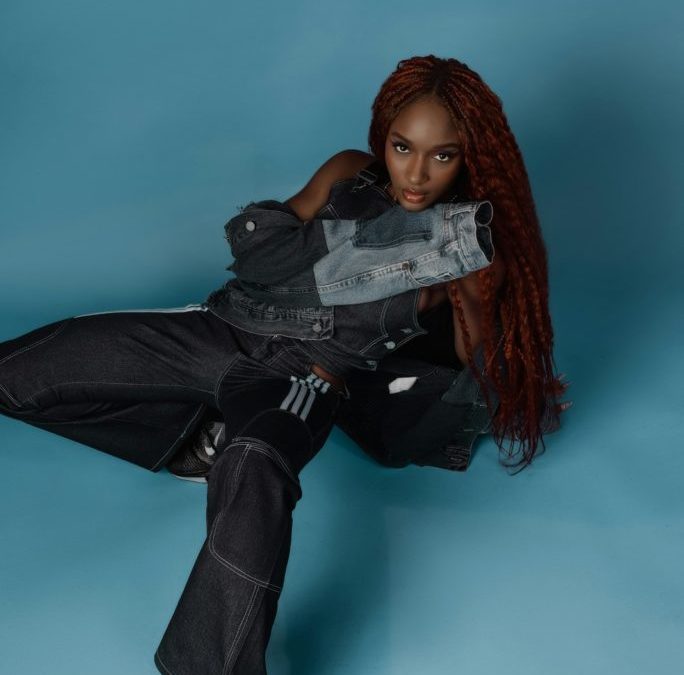
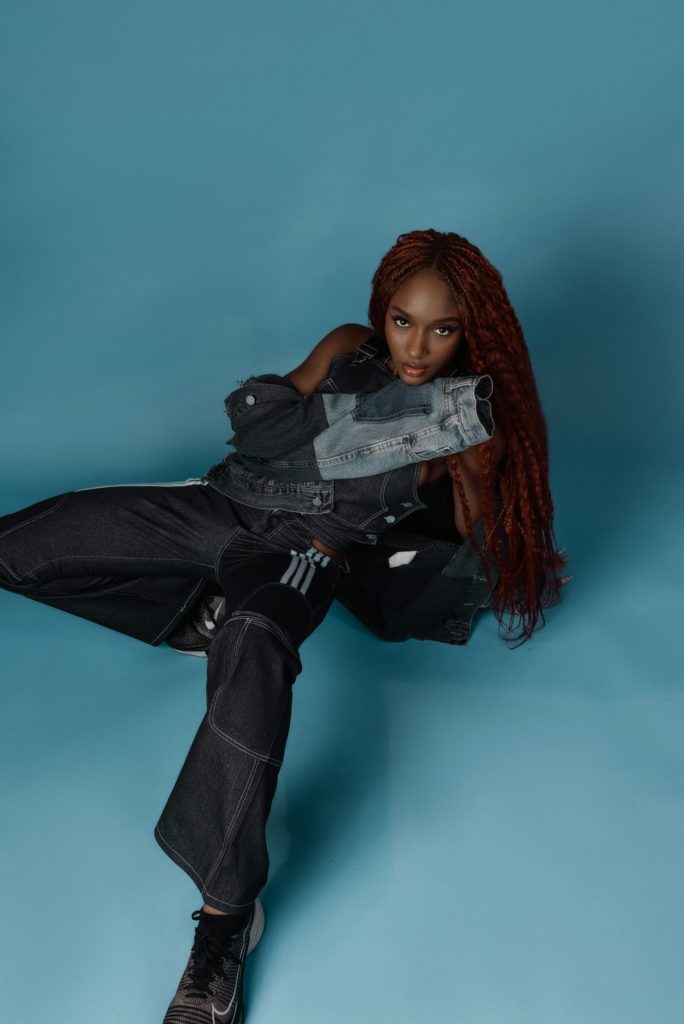
In a major career leap that underscores her skyrocketing international presence, Nigerian Afropop sensation Ayra Starr has inked a management deal with Roc Nation, the global entertainment powerhouse founded by iconic rapper and entrepreneur Jay-Z.
This strategic partnership comes on the heels of a remarkable year for the 21-year-old singer, who has been rapidly ascending through the ranks of global music stardom. Roc Nation’s move to bring her into its exclusive artist roster is seen by many in the industry as a definitive nod to Starr’s surging influence—not just in Africa, but across the world.
A Partnership Sealed in Momentum
While the news was formally confirmed only recently, industry watchers had already begun speculating about a potential Roc Nation collaboration weeks earlier. When the label publicly congratulated Ayra Starr on her recent BET Award win—her first—many fans and insiders interpreted the gesture as more than a passing compliment. It was a subtle foreshadowing of something much bigger.
Fast forward a few weeks, and the dots have connected. Ayra Starr, still signed under Mavin Records—the influential Nigerian label led by veteran producer Don Jazzy—will now be represented internationally by Roc Nation. She also remains under the umbrella of Universal Music Group (UMG), through Mavin’s global distribution deal. This layered arrangement effectively creates a powerhouse of industry veterans and strategists working behind the scenes to elevate her career.
Why Roc Nation? Why Now?
Founded in 2008, Roc Nation isn’t just another label. It’s a full-service entertainment agency that manages top-tier artists like Rihanna, J. Cole, Shakira, and Megan Thee Stallion, offering not only music production and promotion but also film, sports, and cultural influence strategies. With its deep roots in the American entertainment ecosystem, Roc Nation provides a gateway into one of the most competitive music markets in the world.
For Ayra Starr, whose appeal transcends Afrobeats and leans into global pop, fashion, and Gen Z zeitgeist, Roc Nation offers the perfect machinery to transition from a rising African star into an international pop icon.
“This is more than just management,” says Nigerian music journalist and Afrobeats Intelligence host Joey Akan. “It’s a calculated step to position her in a league that very few African female artists have accessed. Roc Nation isn’t just working with talent—they execute global careers.”
Balancing Loyalty with Ambition
Despite signing with Roc Nation, Ayra Starr has not severed ties with the team that first discovered her. She continues to be a core artist under Mavin Records, which played a critical role in shaping her artistic identity. Discovered by Don Jazzy in 2021, she broke onto the scene with her self-titled EP and the viral single “Away,” quickly becoming one of the faces of Nigeria’s Gen Z music movement.
This new arrangement reflects a modern approach to artist development—collaborative and international in scope. By leveraging the infrastructure of Mavin in Nigeria, UMG globally, and now Roc Nation in the U.S., Ayra Starr is supported on multiple fronts as she navigates increasingly demanding creative and commercial opportunities.
“This isn’t a split from Mavin or Universal,” Akan adds. “It’s an expansion of her team. With Roc Nation involved, she now has localized support in the U.S.—arguably the most competitive music market in the world—with the resources and insight to break her in properly.”
A Career Already on the Fast Trac
Even before this announcement, 2024 has been a landmark year for Ayra Starr. Fresh off her BET Award and MOBO Award wins, she’s currently on a stadium tour with Coldplay, performing in front of tens of thousands across Europe and North America. This exposure is not just a badge of honor—it’s a crucial visibility play in markets that many Afrobeats artists spend years trying to break into.
She’s also making her acting debut in the upcoming film adaptation of “Children of Blood and Bone,” a highly anticipated fantasy epic based on the bestselling novel by Tomi Adeyemi. The film has already generated considerable buzz for its Black-centered mythology and Hollywood production value, and Ayra’s involvement signals her ambition to transcend music and build a multi-faceted global brand.
Moreover, her upcoming single “Hot Body”, which she teased just days before the Roc Nation announcement, is expected to be her first major release under the management of her new team. If successful, it could mark a new era in her sound and visual storytelling—one that is likely to target a broader global pop audience.
The ‘IT Girl’ of Afrobeats
Ayra Starr is not just another singer in the Afrobeats boom—she is a stylistic trailblazer. With her genre-bending sound that mixes Afropop, R&B, soul, and global pop, she has cultivated a distinct identity: fiercely confident, fashion-forward, and unapologetically young. Her fashion choices, music videos, and interviews resonate with a generation that wants more than just hits—they want icons.
Her 2023 album “19 & Dangerous” featured hits like “Rush”, which not only topped African charts but made waves on global streaming platforms, further cementing her reputation as a future-facing artist.
“She’s the ‘IT’ girl,” says Akan. “Not just for Nigeria, but for the global youth culture. She’s bold, genre-fluid, unfiltered, and highly marketable. Roc Nation sees that potential and is betting on it.”
A Big Win for African Pop
While Ayra Starr’s move is monumental for her career, it also signals broader shifts in the global perception of African artists—particularly women. In an industry historically dominated by Western acts and male voices, her signing reflects a growing hunger for fresh perspectives from the Global South.
Jay-Z’s Roc Nation aligning with a Nigerian Gen Z female artist isn’t just a business move—it’s a cultural endorsement.
More than ever, Afrobeats is being treated not as a regional genre but as a global soundscape, with artists like Burna Boy, Wizkid, Tems, and Rema leading the charge. Ayra Starr’s Roc Nation signing adds to that list—but from a fresh, female-led perspective.
Looking Ahead: What This Means for Ayra Starr’s Future
With Roc Nation in her corner, Ayra Starr is now poised to take bolder creative risks and tap into high-level collaborations across music, fashion, and film. Whether that means working with American producers, appearing in brand campaigns, or featuring in Hollywood soundtracks, the resources and connections are now there.
There’s also anticipation around how Roc Nation might position her visually and sonically. Will she maintain her raw, Afrocentric aesthetic? Or evolve into a more globally hybrid artist, like Rihanna or Doja Cat? Time will tell—but with a label known for nurturing multidimensional careers, fans can expect an elevated era of Ayra Starr.
A Sign of Things to Com
Ayra Starr’s journey is emblematic of a wider movement. Africa is no longer a talent pool waiting to be tapped—it’s a thriving creative ecosystem exporting world-class stars. And with structures like Mavin, UMG, and Roc Nation collaborating, the blueprint is evolving from mere talent discovery to global domination.
Her new single Hot Body—dropping soon—is more than just a song. It’s the first test of this new chapter, backed by one of the most influential music companies in the world.
For fans, for Nigeria, and for the global music community, the message is clear: Ayra Starr is not just coming—she’s arrived.



RECENT COMMENTS