Roblox, the massively popular online gaming and creation platform, has taken a significant step in boosting safety and privacy for its teenage users. As of this week, the company has announced a new age verification system targeting users between the ages of 13 and 17 who wish to access a specialized communication feature known as Trusted Connections.
This move comes as part of a larger initiative aimed at strengthening security, protecting minors, and addressing growing concerns about online safety and inappropriate interactions on digital platforms frequented by children and teenagers.
What Is Roblox and Why Is It Popular Among Teens?
For those unfamiliar, Roblox is not a single game but rather a sprawling digital universe where users can create, play, and socialize across millions of user-generated experiences. With its blocky graphics and sandbox-style interaction, Roblox allows users to build their own games, explore others’ creations, and form social connections in the process.
The platform boasts over 70 million daily active users, many of whom are under the age of 18. It serves as both a game and a social hub — where young users can hang out, play together, and even chat using voice and text. While this interactivity is part of Roblox’s charm, it also introduces considerable safety risks.
Introducing “Trusted Connections”: Communication Without Filters — But With Limitations
To enhance the platform’s social features, Roblox has introduced a new system called Trusted Connections. This feature allows verified teen users to connect with one another and communicate via unfiltered voice and chat, which means conversations will not pass through Roblox’s default moderation system that typically censors profanity, sensitive data, or inappropriate content.
However, this level of open communication comes with guardrails.
Age verification is now required to access Trusted Connections.
Teen users must submit a video selfie, which is analyzed using AI-based technology developed by a company called Persona.
This AI system estimates the user’s age and assigns them to an appropriate age bracket on the platform.
If the system is unable to determine the user’s age or if it gets the estimate wrong, users will have the option to manually verify their identity with official identification documents.
Once a teen’s age is verified, they can invite other similarly verified users to become Trusted Connections. But adding adults — anyone over 18 — as Trusted Connections involves extra precautions: it must be done in-person through a QR code scan or by using a contact importer tool. This aims to prevent unsolicited adult-teen connections, a known vulnerability in many online spaces.
Why Age Verification Matters More Than Ever
Online platforms like Roblox are under increasing scrutiny for how they handle child safety. In recent years, reports of grooming, inappropriate conversations, and predatory behavior have plagued platforms popular with minors. Critics have long pointed out that bad actors exploit loopholes to engage young users in private chats — or worse, persuade them to move their interactions off-platform to less regulated spaces like Discord or Instagram DMs, where moderation is minimal or non-existent.
In 2023, Roblox faced a class-action lawsuit filed by multiple families, accusing the company of negligence in protecting underage users from exposure to explicit content and inappropriate encounters. While Roblox denied the allegations, the lawsuit intensified public and legal pressure on all tech platforms that host young users to reevaluate and strengthen their safety protocols.
The rollout of Trusted Connections and age verification is Roblox’s latest response to these concerns.
A Proactive Approach to Online Safety
In a blog post accompanying the new feature launch, Matt Kaufman, Roblox’s Chief Safety Officer, emphasized the platform’s ongoing commitment to user safety and explained the rationale behind the new verification process.
“This additional freedom to chat more openly with trusted connections reduces the incentive for teens to move interactions off platform, where they may be exposed to greater risk,” Kaufman stated.
In other words, if Roblox can make its in-platform communication both safe and enjoyable, it reduces the need for teens to seek alternative, less secure ways to socialize online.
Kaufman also noted that age verification has been under evaluation at Roblox for some time. However, the company felt now was the right time to implement it due to the availability of new, sophisticated safety tools tailored for teens.
Beyond Communication: Additional Safety and Privacy Features
While Trusted Connections is the headline feature, it is just one part of a broader safety and wellness toolkit introduced by Roblox in this update. Other new capabilities include:
1. Privacy and Visibility Settings
Teens now have more control over their visibility on the platform. They can decide who sees their online status, or even choose to appear invisible altogether — an important privacy measure that gives users greater autonomy.
2. Do Not Disturb Mode
A new Do Not Disturb feature allows users to mute notifications when they want to focus on gaming or just take a break from social interactions.
3. Screen Time Limits
Parents and users themselves can set daily time limits, helping teens develop healthier digital habits and avoid excessive screen time.
4. Financial Alerts
Parents can opt to receive real-time notifications of in-game financial transactions, giving them better oversight of their child’s spending within the platform.
5. Parental Oversight of Connections
With the teen’s consent, parents will be able to see their child’s Connections and Trusted Connections, helping families stay informed without resorting to intrusive monitoring.
These added features provide a multi-layered safety net and reflect Roblox’s evolving approach toward responsible platform design. Instead of assuming one-size-fits-all restrictions, the company is moving toward a flexible but verified model — empowering teens while still safeguarding them.
Balancing Freedom and Responsibility
The tension between user freedom and platform safety is not unique to Roblox. It is a challenge faced by all digital platforms catering to young people. Teens want — and deserve — some degree of independence online. But with that independence must come a system that ensures their mental well-being, safety, and informed digital literacy.
What makes Roblox’s latest effort stand out is that it attempts to strike that balance. By verifying age and offering new privacy tools, the company is building a framework where responsible digital interaction can flourish — without sacrificing user experience.
Furthermore, by allowing parental involvement (not control) through features like connection visibility and spending alerts, Roblox is taking a more transparent, cooperative approach to safety, rather than merely imposing rules behind the scenes.
Industry Implications: Setting a Precedent?
Roblox’s move could have ripple effects across the gaming and social tech industries. With AI-powered age verification now being adopted at scale, other companies — from Minecraft to TikTok — may soon feel compelled to follow suit, especially as governments across the globe push for stronger online protections for minors.
In Europe, laws like the Digital Services Act already impose responsibilities on platforms to verify users’ ages and shield children from harmful content. In the U.S., several states are debating legislation that would require verifiable parental consent for minors to access certain features on digital platforms.
In this context, Roblox’s proactive rollout of safety tools isn’t just a PR win — it’s a potential industry standard setter.
Final Thought
The internet, for all its innovation and freedom, is still a wild terrain, especially for young minds. Platforms like Roblox, which are virtual playgrounds for millions of kids and teens, have a moral and legal obligation to build safe, transparent, and age-appropriate experiences.
With the introduction of Trusted Connections, AI-based age verification, and a suite of parental tools, Roblox is demonstrating a deeper awareness of that responsibility. While no system is perfect, and critics will continue to scrutinize its effectiveness, this initiative represents a meaningful step in the right direction — one where freedom, safety, and accountability can co-exist.
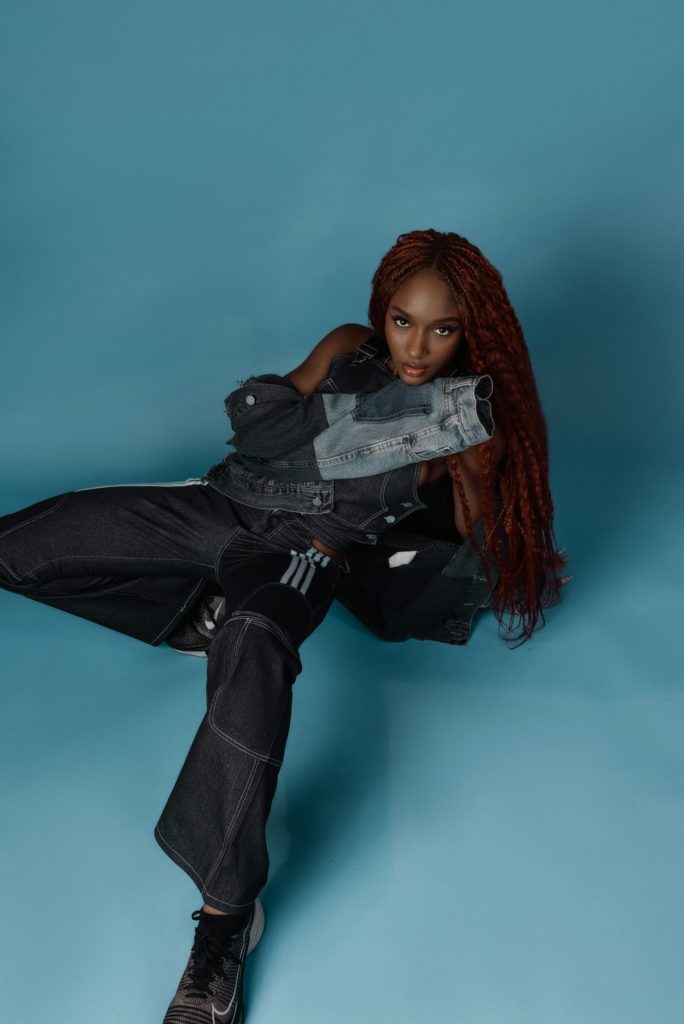
In a major career leap that underscores her skyrocketing international presence, Nigerian Afropop sensation Ayra Starr has inked a management deal with Roc Nation, the global entertainment powerhouse founded by iconic rapper and entrepreneur Jay-Z.
This strategic partnership comes on the heels of a remarkable year for the 21-year-old singer, who has been rapidly ascending through the ranks of global music stardom. Roc Nation’s move to bring her into its exclusive artist roster is seen by many in the industry as a definitive nod to Starr’s surging influence—not just in Africa, but across the world.
A Partnership Sealed in Momentum
While the news was formally confirmed only recently, industry watchers had already begun speculating about a potential Roc Nation collaboration weeks earlier. When the label publicly congratulated Ayra Starr on her recent BET Award win—her first—many fans and insiders interpreted the gesture as more than a passing compliment. It was a subtle foreshadowing of something much bigger.
Fast forward a few weeks, and the dots have connected. Ayra Starr, still signed under Mavin Records—the influential Nigerian label led by veteran producer Don Jazzy—will now be represented internationally by Roc Nation. She also remains under the umbrella of Universal Music Group (UMG), through Mavin’s global distribution deal. This layered arrangement effectively creates a powerhouse of industry veterans and strategists working behind the scenes to elevate her career.
Why Roc Nation? Why Now?
Founded in 2008, Roc Nation isn’t just another label. It’s a full-service entertainment agency that manages top-tier artists like Rihanna, J. Cole, Shakira, and Megan Thee Stallion, offering not only music production and promotion but also film, sports, and cultural influence strategies. With its deep roots in the American entertainment ecosystem, Roc Nation provides a gateway into one of the most competitive music markets in the world.
For Ayra Starr, whose appeal transcends Afrobeats and leans into global pop, fashion, and Gen Z zeitgeist, Roc Nation offers the perfect machinery to transition from a rising African star into an international pop icon.
“This is more than just management,” says Nigerian music journalist and Afrobeats Intelligence host Joey Akan. “It’s a calculated step to position her in a league that very few African female artists have accessed. Roc Nation isn’t just working with talent—they execute global careers.”
Balancing Loyalty with Ambition
Despite signing with Roc Nation, Ayra Starr has not severed ties with the team that first discovered her. She continues to be a core artist under Mavin Records, which played a critical role in shaping her artistic identity. Discovered by Don Jazzy in 2021, she broke onto the scene with her self-titled EP and the viral single “Away,” quickly becoming one of the faces of Nigeria’s Gen Z music movement.
This new arrangement reflects a modern approach to artist development—collaborative and international in scope. By leveraging the infrastructure of Mavin in Nigeria, UMG globally, and now Roc Nation in the U.S., Ayra Starr is supported on multiple fronts as she navigates increasingly demanding creative and commercial opportunities.
“This isn’t a split from Mavin or Universal,” Akan adds. “It’s an expansion of her team. With Roc Nation involved, she now has localized support in the U.S.—arguably the most competitive music market in the world—with the resources and insight to break her in properly.”
A Career Already on the Fast Trac
Even before this announcement, 2024 has been a landmark year for Ayra Starr. Fresh off her BET Award and MOBO Award wins, she’s currently on a stadium tour with Coldplay, performing in front of tens of thousands across Europe and North America. This exposure is not just a badge of honor—it’s a crucial visibility play in markets that many Afrobeats artists spend years trying to break into.
She’s also making her acting debut in the upcoming film adaptation of “Children of Blood and Bone,” a highly anticipated fantasy epic based on the bestselling novel by Tomi Adeyemi. The film has already generated considerable buzz for its Black-centered mythology and Hollywood production value, and Ayra’s involvement signals her ambition to transcend music and build a multi-faceted global brand.
Moreover, her upcoming single “Hot Body”, which she teased just days before the Roc Nation announcement, is expected to be her first major release under the management of her new team. If successful, it could mark a new era in her sound and visual storytelling—one that is likely to target a broader global pop audience.
The ‘IT Girl’ of Afrobeats
Ayra Starr is not just another singer in the Afrobeats boom—she is a stylistic trailblazer. With her genre-bending sound that mixes Afropop, R&B, soul, and global pop, she has cultivated a distinct identity: fiercely confident, fashion-forward, and unapologetically young. Her fashion choices, music videos, and interviews resonate with a generation that wants more than just hits—they want icons.
Her 2023 album “19 & Dangerous” featured hits like “Rush”, which not only topped African charts but made waves on global streaming platforms, further cementing her reputation as a future-facing artist.
“She’s the ‘IT’ girl,” says Akan. “Not just for Nigeria, but for the global youth culture. She’s bold, genre-fluid, unfiltered, and highly marketable. Roc Nation sees that potential and is betting on it.”
A Big Win for African Pop
While Ayra Starr’s move is monumental for her career, it also signals broader shifts in the global perception of African artists—particularly women. In an industry historically dominated by Western acts and male voices, her signing reflects a growing hunger for fresh perspectives from the Global South.
Jay-Z’s Roc Nation aligning with a Nigerian Gen Z female artist isn’t just a business move—it’s a cultural endorsement.
More than ever, Afrobeats is being treated not as a regional genre but as a global soundscape, with artists like Burna Boy, Wizkid, Tems, and Rema leading the charge. Ayra Starr’s Roc Nation signing adds to that list—but from a fresh, female-led perspective.
Looking Ahead: What This Means for Ayra Starr’s Future
With Roc Nation in her corner, Ayra Starr is now poised to take bolder creative risks and tap into high-level collaborations across music, fashion, and film. Whether that means working with American producers, appearing in brand campaigns, or featuring in Hollywood soundtracks, the resources and connections are now there.
There’s also anticipation around how Roc Nation might position her visually and sonically. Will she maintain her raw, Afrocentric aesthetic? Or evolve into a more globally hybrid artist, like Rihanna or Doja Cat? Time will tell—but with a label known for nurturing multidimensional careers, fans can expect an elevated era of Ayra Starr.
A Sign of Things to Com
Ayra Starr’s journey is emblematic of a wider movement. Africa is no longer a talent pool waiting to be tapped—it’s a thriving creative ecosystem exporting world-class stars. And with structures like Mavin, UMG, and Roc Nation collaborating, the blueprint is evolving from mere talent discovery to global domination.
Her new single Hot Body—dropping soon—is more than just a song. It’s the first test of this new chapter, backed by one of the most influential music companies in the world.
For fans, for Nigeria, and for the global music community, the message is clear: Ayra Starr is not just coming—she’s arrived.
In a move that underscores its commitment to creativity and musical excellence, Apple Music has revealed a monumental new development in Los Angeles: a sprawling, next-generation studio and artist hub, unveiled to mark the streaming giant’s 10th anniversary. This initiative is more than a commemorative gesture—it’s a strategic leap forward, designed to empower artists, elevate production standards, and redefine the relationship between musicians, technology, and global audiences.
Reflecting on a Decade of Disruption
Since its 2015 debut, Apple Music has played a transformative role in the digital music revolution. Over the past ten years, the service has grown from an ambitious streaming platform into a cultural powerhouse, influencing everything from how people discover new tracks to how artists launch careers. Unlike its early competitors, Apple Music made it a priority to blend cutting-edge technology with a human touch—emphasizing expertly curated playlists, artist-driven content, and exclusive programming.
Celebrating ten years at the forefront of music streaming, Apple has chosen to mark this milestone not just with nostalgia, but with bold action. The new Los Angeles creative campus signals a new era: one where musicians, producers, and content creators have unprecedented resources and opportunities at their fingertips.
A Hub Designed for Today’s Artist
Opening in the heart of Los Angeles this summer, Apple’s latest venture goes far beyond the confines of a traditional music studio. Rather, it’s conceived as a dynamic “creative campus”—a multi-purpose space where innovation, technology, and artistry meet. This campus is a physical manifestation of Apple’s belief that, in the digital age, music-making should be collaborative, immersive, and deeply personal.
Rachel Newman, co-head of Apple Music, articulates this vision clearly: “Apple Music Radio has always been a home for storytelling and artistry, serving as a space for bold conversations and surprising moments. With this new studio we are furthering our commitment to creating a space for artists to create, connect, and share their vision.”
Next-Level Facilities to Power Creativity
The scope of Apple’s new Los Angeles studio is nothing short of impressive. Spread across three stories and more than 15,000 square feet, the campus has been meticulously designed to inspire creativity and provide world-class resources for every facet of music and content production. Here’s what sets this facility apart:
Immersive Radio Studios: Two technologically advanced radio studios are at the heart of the space, equipped with Apple’s cutting-edge Spatial Audio capabilities. These studios can seamlessly switch between configurations, hosting live interviews, casual artist chats, or even spontaneous live performances. The flexibility ensures that every moment—planned or unscripted—can be captured in stunning, multidimensional sound.
Expansive Performance Soundstage: The campus features a massive 4,000-square-foot soundstage, built to handle everything from intimate live sets and multi-camera video shoots to exclusive fan events and screenings. With this, Apple enables artists to create high-production-value events that connect directly with audiences—whether live in-person, streamed worldwide, or repurposed as exclusive content.
Dedicated Spatial Audio Mixing Lab: Sound quality is a top priority, and Apple has equipped its mixing room with a state-of-the-art 9.2.4 PMC speaker array. This technology is at the forefront of the industry, allowing artists and producers to experiment with Spatial Audio and craft immersive soundscapes that are rapidly becoming the new standard for music.
Onsite Content Creation Suite: Understanding the power of instant, visually engaging media, Apple has included a comprehensive suite for photography, social media, and video editing. Artists and their teams can create, edit, and share real-time content, ensuring their creative process is documented and their promotional needs are met without ever leaving the building.
Private Isolation Booths: To support songwriting, podcasting, or sensitive interviews, the campus offers several soundproof booths, providing privacy and a focused environment for artists to capture their ideas and emotions without distractions.
Artistic Hallways and Archives: More than just functional corridors, the campus’s hallways double as living galleries. The A-List Corridor and Archive Corridor display iconic moments, artwork, and photographs from Apple Music’s own journey and from artists who have shaped its legacy.
Connecting a Global Creative Network
This Los Angeles campus isn’t a standalone project. Apple has been quietly building a network of creative hubs across the world, in cities famed for their musical histories and vibrant communities—New York, Tokyo, Berlin, Paris, and Nashville among them. The company has announced that even more hubs are on the way. These studios are strategically positioned to serve local talent while being integrated into Apple’s global content ecosystem, fostering a cross-pollination of ideas and opportunities.
Artist Empowerment at the Core
The driving philosophy behind Apple’s new studio initiative is simple but powerful: empower artists. The current music industry landscape is a paradox—while it’s never been easier to release music digitally, it’s also never been harder to stand out in a sea of content. Apple’s answer is to give artists access to the same world-class facilities, promotion, and creative support, regardless of whether they’re chart-topping superstars or promising newcomers.
This ethos is evident in every detail of the Los Angeles campus. Apple is not just creating a space for recording; it’s crafting a holistic environment for idea generation, experimentation, collaboration, and direct fan interaction.
Elevating Apple Music Radio
Apple Music Radio, a flagship part of the platform, is set to benefit greatly from the new facilities. The studio will be a hub for the next wave of original shows, in-depth interviews, and genre-defining playlists. With its enhanced capabilities, expect more live events, behind-the-scenes content, interactive broadcasts, and unfiltered access to artists at the top of their craft.
By prioritizing both the technical quality and the human element, Apple Music Radio cements itself as a global destination for music fans hungry for discovery, authenticity, and expert curation.
The Promise of Spatial Audio
One of the defining features of the new campus is its commitment to Spatial Audio. Apple has led the charge in this technology, which allows music to be experienced three-dimensionally, giving listeners the feeling of being surrounded by sound. This leap in audio fidelity isn’t just a technical upgrade; it’s fundamentally changing the way music is composed, mixed, and enjoyed.
With a dedicated Spatial Audio mixing room, artists can now push creative boundaries—enveloping listeners in soundscapes that mimic live performances, or revealing hidden layers and details previously lost in stereo mixes. For the audience, this means more immersive, emotionally resonant listening experiences.
Why This Matters for the Industry
Apple’s investment in a sprawling, artist-first campus has far-reaching implications. In the era of digital streaming, where algorithms and platforms mediate the artist-listener connection, physical spaces like this restore a sense of community, collaboration, and hands-on creativity. Apple’s model isn’t just about offering tools—it’s about providing holistic support: from creative inception to production, promotion, and direct engagement with fans.
In a crowded streaming market, these investments give Apple a competitive edge, offering exclusive content and experiences that competitors can’t easily replicate. At the same time, they provide artists—especially independents—with a rare opportunity to break through the noise.
Merging Artistry and Technology
At every level, the new Apple Music Los Angeles campus is a testament to the company’s unique fusion of artistry and technological prowess. The adaptable radio studios, advanced mixing labs, and instant content suites all serve one goal: to make the creative process as seamless and inspiring as possible. Technology here is not a barrier, but an enabler of bold artistic vision.
Apple’s commitment to artist empowerment is clear in both its infrastructure and its intent. By lowering the friction between inspiration and realization, and between artist and audience, Apple is helping to define what the future of music creation—and consumption—can look like.
A Glimpse Into the Future
This ambitious new campus is just the beginning. As Apple expands its network of creative hubs worldwide, the opportunities for collaboration, experimentation, and cultural exchange will only multiply. Each new hub will be shaped by the city it inhabits, further diversifying Apple’s global creative community.
For Apple Music subscribers, this means richer content, greater artist access, and ever more innovative musical experiences. For artists, it’s a chance to create, connect, and share on an entirely new level.
Conclusion: More Than Just a Studio
Apple Music’s Los Angeles artist hub is far more than a celebration of ten years—it’s a declaration of intent for the future. With this campus, Apple demonstrates its unwavering belief in the power of music to inspire, unite, and transform. By providing world-class tools, spaces, and support, Apple is not just shaping the future of music technology—it’s nurturing the next wave of global creative talent. As the doors open this summer, the world will be watching, listening, and waiting for the next evolution o
Tonight, history unfolds in the heart of New York City. At the legendary Madison Square Garden, an arena that has witnessed countless iconic moments, women’s boxing claims the main stage in a way never seen before. Netflix is broadcasting the world’s first all-women’s professional boxing card, elevating the sport’s female athletes to global superstars and putting women’s boxing at the center of the combat sports universe. The night’s headline clash—Katie Taylor versus Amanda Serrano III—marks not just a high-stakes sporting contest, but the crest of a wave that is redefining what’s possible for women in boxing.
The Significance of the Night
This event is much more than another set of title fights. It’s a seismic cultural shift for boxing—a sport long dominated by men, where women have had to fight, both literally and metaphorically, for every inch of recognition and opportunity. With five championship bouts and an astonishing 21 world titles up for grabs, tonight’s card is easily the most significant gathering of women’s boxing talent ever assembled.
Never before have so many decorated champions shared a single event, and never before have the stakes been higher for the visibility and legitimacy of women’s boxing. By streaming this historic event live to a worldwide audience, Netflix has effectively declared that women’s fights are every bit as thrilling, marketable, and worthy of investment as their male counterparts.
Amanda Serrano: Driven by Legacy, Not Just Victory
At the core of this event is the electrifying trilogy match between Ireland’s beloved Katie Taylor and Puerto Rico’s legendary Amanda Serrano. For Serrano, this fight is about more than just seeking retribution for two razor-close, contentious defeats. “I’m chasing legacy,” Serrano declared in a recent interview. She has already achieved what no other Puerto Rican boxer has—male or female—by becoming undisputed world champion. But her motivation now is to keep blazing a trail, to keep earning respect and changing the game for women in the sport.
Despite two losses to Taylor—both surrounded by controversy over scoring and officiating—Serrano is steadfast in her belief that she deserved better. “If Katie beat me clearly, I’d say hats off to her. But I just don’t feel it, my fans don’t feel it, my team doesn’t feel it,” she explained, referencing the broader sentiment that has fueled this highly anticipated third bout.
Her commitment is not just mental—it’s intensely physical. For this fight, Serrano has had to move up in weight, battling the discomfort of fighting at 140 pounds instead of her natural 134. She describes gaining weight as even harder than shedding it, which is rare for most fighters. She’s invested in an expanded coaching team, including a nutritionist and running coach, all in an effort to maximize her conditioning and skill for the biggest night of her career.
The Toll of Controversy and the Fight for Equality
Serrano’s last bout with Taylor was marred by more than close scoring; it involved physical adversity that would have broken many fighters. She recalled suffering a deep headbutt cut that briefly blinded her, saying, “I saw black for a second.” Beyond her opponent, she has often felt she’s up against judges and referees as well, making her call for a “fair fight” not just a slogan, but a necessity.
But Serrano’s advocacy stretches beyond her own experience. She’s been a fierce proponent of extending women’s world title fights to 12 three-minute rounds—the men’s standard—believing that this change would allow women’s skill, endurance, and finishing power to truly shine. “I believe if I had that extra minute, I can definitely hurt her and finish her,” she argues. It’s a powerful statement about the potential of women’s boxing and the outdated limitations still imposed on the sport.
New Faces, New Stories: The Next Generation Steps Up
While Taylor and Serrano command the main event, the undercard is a showcase for the next wave of elite talent. Alycia “The Bomb” Baumgardner, the reigning undisputed super featherweight champion, faces Spain’s Jennifer Miranda in a bout expected to be explosive. Baumgardner’s confidence and charisma, both in and out of the ring, represent a new era where women fighters are not just respected but celebrated and marketed as main attractions.
Meanwhile, Shadasia “The Sweet Terminator” Green brings her own story of overcoming adversity. As the first world champion from Jake Paul’s Most Valuable Promotions (MVP), Green seeks to unify the super-middleweight division. Coming from Paterson, New Jersey—a city more often associated with struggle than triumph—Green sees herself as a role model for her community. She was once a top basketball prospect, but after criticism from a coach, she switched to boxing and has flourished ever since. Her story illustrates how the sport is evolving, welcoming athletes from diverse backgrounds and offering them a platform for greatness.
What makes this card even more culturally significant is the prominence of Black women as headline fighters and promotional faces. It’s a shift from the past, reflecting broader changes in both sport and society. These athletes are no longer relegated to the margins; they are front and center, challenging stereotypes and expanding the sport’s reach.
Adding to the event’s gravitas is the participation of Laila Ali, herself a former world champion and daughter of the legendary Muhammad Ali, as part of the commentary team. Her presence underlines the legacy and growing tradition of women’s boxing, as well as the inspiration provided to future generations. Baumgardner put it succinctly: “These young girls are looking at us. They want to know how to be us, or how to be better.”
The Economics of Change: How Serrano and MVP Transformed the Game
Women’s boxing has long lagged behind men’s in financial reward. Serrano’s own journey testifies to that, having once earned as little as $4,000 for world title fights. The turning point came with her partnership with MVP and the influence of YouTuber-turned-boxer Jake Paul, who used his platform to raise the profile and the paychecks of women fighters. Now, the purses reach into the millions, and the Netflix event is both a financial and symbolic milestone.
Serrano explained, “That’s the difference with Jake Paul and these women. Now that people see Katie and me making millions, my fanbase growing, and us making noise, now they want to come along.” For Serrano, an Afro-Latina fighter with a lifetime MVP contract, the money is important—but the recognition and opportunities are priceless. “Netflix believed in me and Katie so much that they gave us our own card, with all women. They believe in us women, and that really touches me.”
Every Fighter, Every Fight: Stories That Inspire
The impact of tonight’s event stretches far beyond the headline names. Fighters like Ramla Ali and Shurretta Metcalf embody what this moment means to so many others. Ali, a Somali refugee who became a global symbol for perseverance, fights not just for herself, but for those who feel powerless. “Every time I go into the ring, I need to make it mean something. I feel like I have a responsibility to fight for people that don’t feel they can fight for themselves,” she said.
Metcalf echoes a similar sentiment: “I’m fighting for the girls who look like me, who come from nothing like me. It doesn’t matter your age or where you’re from. It just matters how you finish.” These stories, broadcast to millions around the globe, will inspire new generations and reinforce the idea that boxing belongs to everyone, regardless of background.
Why This Moment Matters
Tonight is a turning point, not just for boxing, but for sports culture as a whole. For decades, women’s fights were often buried on undercards or ignored by mainstream media. Now, with the world watching via Netflix, women’s boxing commands the spotlight, the money, and—most importantly—the respect it has always deserved.
The fighters entering the ring tonight are doing more than just battling for belts. They are breaking new ground, knocking down barriers, and redefining what is possible for women in sports. Their victories, struggles, and stories will reverberate beyond the ropes, encouraging girls everywhere to step up, dream big, and claim their place at the top.
As the final bell sounds, regardless of who leaves with the championship belts, one thing is certain: the future of women’s boxing—and perhaps women’s sports as a whole—just got a lot brighter.
Across the country, a powerful movement is gaining traction as consumers mobilize to hold corporations accountable for abandoning their commitments to diversity, equity, and inclusion (DEI). As some of the world’s largest brands quietly roll back the promises made to marginalized communities over the last several years, a growing chorus of voices is calling for concrete action—beginning with a nationwide boycott of retailers and companies seen as backtracking on DEI.
On February 28th, millions of Americans are expected to participate in a 24-hour boycott of major retailers and banks. The action, informally called “Al Sharpton’s DEI Boycott Plan,” is being championed by organizations such as The People’s Union USA. It represents a pointed response to a late-January executive order by President Donald Trump that made it illegal for companies to implement or promote inclusion-based messaging and practices. This abrupt change signals an alarming reversal for those who have advocated for greater representation, fair access, and opportunity within the business world.
The roots of this movement can be traced to the widespread outrage and activism that swept the nation in 2020. In the aftermath of George Floyd’s murder and subsequent protests, dozens of major corporations rushed to assure the public of their renewed dedication to racial equity and justice. These pledges weren’t just symbolic; companies vowed to hire more diverse workforces, support Black communities through investments, and dismantle systemic barriers that have long denied opportunities to people of color.
But within just a few years, many of those promises are in jeopardy. The newly signed executive order gives companies the legal cover to walk back on DEI initiatives without fear of regulatory consequences. Many have already started to do so quietly, dropping commitments, programs, and even language from their marketing and internal policies. For communities who took these promises seriously, this latest shift feels like a profound betrayal.
Boycotting for Change: Economic Power as Protest
The upcoming February 28th boycott is designed as a direct challenge to corporate indifference and political backsliding. Organizers have made their strategy clear: if companies are only interested in their bottom line, then targeting that bottom line is the most effective way to force real change. “Disrupting the economy for even one day sends a powerful message,” reads a campaign statement circulated online. “If they don’t listen, we’ll make the next blackout longer. Our numbers are powerful. This is how we make history.”
The logic behind this approach is grounded in the history of economic protest. Marginalized groups in America—especially Black Americans—have long wielded their collective purchasing power as a weapon for social justice. From the 1955 Montgomery Bus Boycott, which played a pivotal role in dismantling legalized segregation, to modern “buy Black” campaigns, the principle remains unchanged: if companies profit from the Black community, they must also be accountable to it.
This year’s boycott organizers have also emphasized the importance of broad solidarity. During a rally on the day of the presidential inauguration, a leading activist declared, “We are going to announce the two companies that we’re going after, and we’re going to ask everybody in this country—Black, white, brown, gay, straight, woman, trans—don’t buy where you are not respected.” The message is simple but powerful: inclusion and respect are non-negotiable, and consumers should withdraw their support from any business that fails to honor its commitments.
Yet, it’s important to clarify the origins and official leadership of the current boycott. While Rev. Al Sharpton’s name has been widely circulated online in connection with the boycott, Sharpton and his organization, the National Action Network (NAN), have not officially sanctioned this specific action. In a public statement released February 25th, Sharpton expressed appreciation for the spirit of the boycott, but clarified that NAN’s own planned response will be announced at its national convention in April. “We appreciate the spirit of the various efforts, but the only one that I and NAN have authorized will be announced at our national convention this April,” he said. Sharpton further shared that a council of allies and partners is in the process of identifying companies that have abandoned their DEI commitments, assessing their profit margins, and strategizing how to leverage Black consumer power most effectively.
The Backlash Against DEI: What’s at Stake
The push to undo DEI efforts didn’t arise overnight. After the national reckoning in 2020, the business world saw an outpouring of statements, policy changes, and donations in support of racial equity. Companies pledged billions of dollars, set hiring goals for underrepresented groups, and promised to use their platforms for good. For a moment, it seemed like a genuine step forward.
But backlash soon followed, spearheaded by critics who claimed that DEI initiatives amounted to “reverse discrimination” or undermined traditional notions of “meritocracy.” The Trump administration’s executive order now gives those critics the legal means to challenge, weaken, or outright dismantle these programs. Companies that once saw public relations value in supporting DEI are now recalculating, wary of lawsuits, government penalties, or political scrutiny.
For advocates, these rollbacks are more than just a business decision—they are a direct attack on the hard-fought progress toward equity and fairness. The reversal of DEI commitments isn’t happening in isolation; it’s part of a broader effort to chip away at gains made in civil rights and social justice. As a result, the boycott is as much about reclaiming the narrative as it is about dollars and cents.
The Role of the NAACP: Mobilizing the Black Dollar
Recognizing the gravity of the current moment, the NAACP has stepped in to provide practical guidance for consumers determined to make their voices heard. On February 15th, the NAACP issued a “Black Consumer Advisory,” laying out a clear path for using the Black dollar as a tool for accountability.
The advisory acknowledges that DEI rollbacks threaten to undo decades of economic progress for Black communities. It offers several recommendations: prioritize supporting businesses that demonstrate genuine commitment to diversity and equity; hold companies publicly accountable for backtracking on their promises; actively seek out and invest in Black-owned businesses; advocate for continued change; and, above all, stay informed about corporate actions and the broader political climate.
“These rollbacks reinforce historical barriers to progress under the guise of protecting ‘meritocracy,’ a concept often used to justify exclusion,” the NAACP warns. The organization stresses that the rollback of DEI initiatives isn’t just a business concern, but a fundamental threat to Black economic advancement and the core values of justice, equity, and civil rights.
Why This Boycott Matters
This moment is a test of unity, resolve, and vision. The February 28th boycott is more than a temporary protest—it’s a call to action for a sustainable movement. By leveraging the immense economic influence of the Black community—an estimated $1.8 trillion in annual spending power—consumers can remind corporations that they cannot profit from communities while disregarding their interests.
It’s not just about holding individual companies accountable, but about setting a precedent. When businesses see that consumers will not tolerate broken promises, they become more likely to uphold their end of the bargain. In the long run, this helps ensure that diversity and equity aren’t just passing trends but foundational values.
Boycotts have a proud history in the fight for civil rights. Economic protest has always been a potent means of demanding justice, from the grape boycotts led by César Chávez to the anti-apartheid divestment campaigns. Each action has demonstrated the simple truth: companies and governments alike are forced to pay attention when their profits are on the line.
The Path Forward
Organizers of the February 28th blackout know that one day of action, by itself, won’t fix decades of inequality or force instant change. But the boycott is a starting point—a statement of intent and a demonstration of collective power. Activists have promised to escalate their efforts if companies continue to ignore calls for accountability, with longer boycotts and more targeted campaigns already under consideration.
The message to corporate America is clear: respect the Black dollar, honor your commitments, and don’t take the loyalty of your customers for granted. Companies that choose to walk back DEI pledges will face public scrutiny, economic consequences, and the possibility of lasting reputational damage.
Conclusion
The February 28th boycott represents more than just economic withdrawal—it’s a reminder that the Black dollar has power, and that power can be wielded for justice. As consumers mobilize to demand respect, inclusion, and equity, they send a signal that empty promises are not enough. Real change will require not only words, but sustained action and meaningful accountability.
In an era of political uncertainty and corporate backpedaling, the Black community and its allies are taking the lead—showing once again that the fight for equality is far from over, and that progress, once gained, must be defended by every means available, including the most powerful tool of all: collective economic action.



RECENT COMMENTS