The hip-hop landscape experienced a seismic shift as the clock struck midnight on January 3, 2025. Grammy-winning artist Lil Baby, known for his rapid-fire delivery and introspective lyrics, unleashed his highly anticipated fourth studio album, “WHAM” (Who Hard as Me). This release marks a significant milestone in the Atlanta-based rapper’s career, coming more than two years after his previous full-length project, “It’s Only Me.”
The arrival of “WHAM” sent ripples through the music industry, with fans and critics alike eagerly dissecting the 15-track offering. Lil Baby’s decision to drop the album just days into the new year speaks volumes about his confidence in the project and his desire to set the tone for hip-hop in 2025. The album’s title, an acronym for “Who Hard as Me,” serves as a bold statement of intent, challenging his peers and asserting his position at the forefront of the genre.
In the weeks leading up to the release, Lil Baby strategically built anticipation through a series of calculated moves. He first hinted at the album during his sold-out birthday concert in early December, sending fans into a frenzy of speculation. This announcement was followed by the release of promotional tracks that offered a tantalizing glimpse into the sonic direction of “WHAM.”
Two standout singles, “5 AM” and “Insecurities,” both co-produced by the acclaimed beatmaker Wheezy, served as appetizers for the main course. These tracks showcased Lil Baby’s evolving artistry, blending his signature rapid-fire flow with more introspective themes, hinting at a potential new direction for the rapper’s sound.
As the release date approached, Lil Baby took to social media to unveil the official cover art and tracklist for “WHAM.” The Instagram post, shared on December 20, 2024, revealed a star-studded lineup of featured artists, elevating the anticipation to fever pitch. The inclusion of industry heavyweights and rising stars alike demonstrated Lil Baby’s clout within the hip-hop community and his ability to curate a diverse array of talents.
The diversity of these featured artists suggests that “WHAM” is not just a showcase for Lil Baby’s talents, but a celebration of hip-hop’s current landscape. Each collaboration promises to bring something unique to the table, creating a rich tapestry of sounds and styles that reflect the genre’s vibrant ecosystem.
The Hype Machine: Building Anticipation
In the lead-up to the album’s release, Lil Baby masterfully stoked the flames of anticipation through a series of strategic moves and social media teasers. One particularly intriguing moment came in November when he took to X (formerly Twitter) to share his excitement about 21 Savage’s contribution to the album. His tweet, which read, “I think I got @21savage’s hardest verse ever,” sent fans into a frenzy of speculation about what this collaboration might sound like.
This kind of peer-to-peer hype is a common tactic in the hip-hop world, but coming from an artist of Lil Baby’s stature, it carried significant weight. The statement not only built anticipation for the specific track but also set a high bar for the album as a whole, suggesting that “WHAM” would feature some of the most impressive performances of these artists’ careers.
Notable Absences and Industry Dynamics
While the featured artist list for “WHAM” is undoubtedly impressive, some fans were quick to notice a notable absence: Gunna. The two Atlanta rappers had previously collaborated on several successful tracks, leading many to expect Gunna’s inclusion on the new project. However, the omission of Gunna from “WHAM” has fueled speculation about a potential falling out between the two artists.
The root of this supposed rift can be traced back to 2023, when Gunna accepted a plea deal in the high-profile YSL RICO case involving Young Thug. This decision was met with mixed reactions within the hip-hop community, with some viewing it as a betrayal of loyalty. Lil Baby himself seemed to allude to this situation in his 2023 track “350,” where he rapped, “Ain’t never say nothin’ ’bout it, n***a, you know you a rat.”
The absence of Gunna on “WHAM” and the inclusion of Young Thug could be seen as Lil Baby taking a stance in this complex situation. It highlights the intricate web of relationships and loyalties that exist within the hip-hop world, where personal and professional lives often intersect in complicated ways.
Lil Baby Speaks Out
In a recent interview with media personality Charlamagne tha God, Lil Baby addressed the speculation surrounding his relationship with Gunna. When confronted with the internet’s claim that he “can’t make hits without Gunna,” Lil Baby responded with characteristic confidence:
“The internet will say anything,” he stated, before rhetorically asking, “You know how many hits I got? That don’t even make sense.”
This response not only dismissed the notion that his success was dependent on collaborations with Gunna but also served as a reminder of Lil Baby’s extensive catalog of hit songs. It’s a testament to his self-assurance and his belief in his own abilities as an artist.
The Streaming Era: “WHAM” Goes Global
In keeping with contemporary release strategies, “WHAM” was made available on all major streaming platforms simultaneously. Fans around the world can now access the album on services like Apple Music and Spotify, allowing for a truly global listening experience. This approach ensures maximum reach and engagement, capitalizing on the immediacy and accessibility that streaming platforms provide.
The decision to release “WHAM” at the very beginning of the year is a strategic one. It positions Lil Baby at the forefront of the 2025 hip-hop conversation, potentially setting the tone for the genre in the months to come. By dropping such a high-profile project early, Lil Baby has effectively thrown down the gauntlet to his peers, challenging them to match or surpass the impact of “WHAM.”
Looking Ahead: “Dominique” on the Horizon
While fans are still digesting the wealth of new material on “WHAM,” Lil Baby has already set his sights on his next project. During a December appearance on Lil Yachty’s “A Safe Place” podcast, he revealed plans for another album titled “Dominique,” slated for release later in 2025.
This announcement came as a surprise to many, as it’s unusual for an artist to confirm a follow-up album before the release of their current project. Lil Baby explained the reasoning behind this decision:
“At first, I was telling people I was going to drop a double album. Now, I’m dropping the WHAM album and Dominique album,” he said. “I still put some of the songs I was gonna use for Dominique on WHAM ’cause I know my fanbase really want to hear them certain songs.”
This statement offers insight into Lil Baby’s creative process and his consideration for his fans’ expectations. It also hints at a potential thematic or stylistic difference between the two projects.
A Tale of Two Albums: “WHAM” vs “Dominique”
Lil Baby went on to elaborate on the distinctions between “WHAM” and the upcoming “Dominique,” providing fans with a roadmap of what to expect from each project:
“WHAM is more me on some young n-gga shit — fast cars, girls, jewelry, money. You know, the turnt lifestyle,” he explained. “And Dominique is more the serious me, more personal. That’s a part of the new journey I’m on. I hate the word vulnerable, but I’m gonna be more open to my fans and my audience.”
This description paints “WHAM” as a high-energy, celebratory album that embraces the flashier aspects of hip-hop culture. It suggests tracks filled with braggadocious lyrics, hard-hitting beats, and the kind of anthemic choruses that have become Lil Baby’s trademark.
In contrast, “Dominique” (which is Lil Baby’s birth name) seems poised to showcase a more introspective side of the artist. By using his real name for the title, Lil Baby is signaling a more personal, stripped-back approach. This album may delve deeper into his background, his journey in the music industry, and the challenges he’s faced along the way.
The decision to release these two distinct projects separately, rather than as a double album, is an interesting one. It allows Lil Baby to cater to different aspects of his fanbase and showcase the full range of his artistry. It also creates a narrative arc for his 2025 releases, with “WHAM” serving as an explosive start to the year and “Dominique” potentially offering a more reflective close.
The Evolution of Lil Baby
The release of “WHAM” and the announcement of “Dominique” mark a significant moment in Lil Baby’s career trajectory. Since bursting onto the scene in 2017, he has consistently pushed himself artistically, expanding his sound and subject matter with each release.
His debut studio album, “Harder Than Ever” (2018), established him as a force to be reckoned with in the Atlanta hip-hop scene. The follow-up, “My Turn” (2020), saw him ascend to global superstardom, topping charts and earning critical acclaim. “It’s Only Me” (2022) further cemented his status as one of hip-hop’s leading voices, showcasing his growth as both a lyricist and a hitmaker.
Now, with “WHAM,” Lil Baby seems poised to enter a new phase of his career. The album’s title itself — “Who Hard as Me” — reads as both a boast and a challenge, suggesting an artist at the peak of his powers and confident in his abilities. The star-studded feature list indicates his elevated status within the industry, able to call on some of the biggest names in hip-hop to contribute to his project.
Impact on the Hip-Hop Landscape
The release of “WHAM” is likely to have ripple effects throughout the hip-hop industry. As one of the genre’s most prominent voices, Lil Baby’s artistic choices often influence broader trends in rap music. The sound, themes, and collaborations featured on “WHAM” could potentially shape the direction of hip-hop in 2025 and beyond.
Moreover, the album’s release strategy — dropping at the very beginning of the year — sets a high bar for other artists planning releases in 2025. It challenges them to match or exceed the quality and impact of “WHAM,” potentially spurring a wave of high-profile releases as the year progresses.
The album also serves as a snapshot of the current state of hip-hop, bringing together established stars and rising talents. The collaborations featured on “WHAM” could lead to further partnerships and cross-pollination within the industry, fostering a more interconnected and dynamic hip-hop ecosystem.
Conclusion: A New Chapter for Lil Baby
As fans dive into the tracks of “WHAM” and anticipate the release of “Dominique,” it’s clear that 2025 is shaping up to be a landmark year for Lil Baby. With these two albums, he’s not just releasing new music — he’s making a statement about his place in the hip-hop pantheon and his artistic vision for the future.
“WHAM” represents Lil Baby at his most confident and celebratory, surrounded by his peers and at the top of his game. “Dominique,” on the other hand, promises to show us a more vulnerable, introspective side of the artist. Together, these projects have the potential to provide a comprehensive portrait of Lil Baby as both a performer and a person.
Rising R&B artist D’GORD is proving that authenticity and vulnerability are the keys to creating timeless music. The New Jersey native’s latest single, “Peace“, offers an unfiltered look at the struggles of a toxic relationship and the journey to self-discovery. Produced by industry heavyweight Allstar and accompanied by a cinematic music video directed by the brilliant Nimmi Hendrix, “Peace” is a standout release that blends soulful vocals with deeply relatable themes. D’GORD describes the song as a reflection of his personal experiences.
Press Play On “Peace”
“Peace came from my own struggles with a toxic, on-and-off relationship. It’s about the petty arguments, the moments of love, and the constant push and pull. But at its heart, it’s about finding peace—whether that means we stay together or I move forward on my own.”
The music video elevates the song’s message, showcasing the emotional rollercoaster of navigating love while staying true to oneself. Directed by Hendrix, the visuals highlight the tension, passion, and moments of clarity that define D’GORD’s story.
“The video represents my journey—not just in love but in life as an artist trying to make sense of it all,” D’GORD explains.
This single is another milestone in a career that’s already seen remarkable achievements. As a former member of the popular group The Bomb Digz, the striving star toured internationally and shared stages with some of today’s biggest names. Since transitioning to a solo career in 2019, he’s garnered over 600,000 Spotify streams and built a loyal following known as the “Dream Team”.
Dive Deep Into D’GORD
With “Peace“, D’GORD cements his place as one of R&B’s rising stars. His ability to turn life’s challenges into beautifully crafted music sets him apart in a genre that thrives on emotional connection. “Peace“ is more than another R&B record — it’s a testament to his artistry and his commitment to sharing his truth with the world. For now, get familiar with the trailblazing talent here at ResultsAndNoHype Magazine! Lastly, let us know your thoughts in the comments.
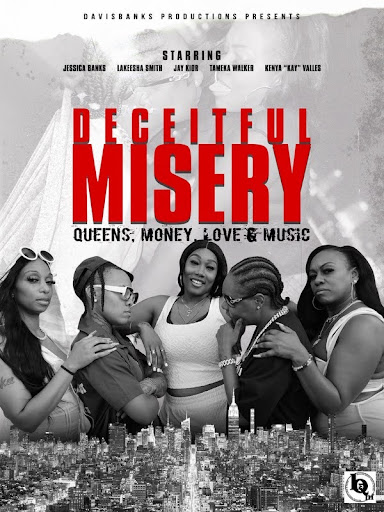
Cinema is at its best when it mirrors life—its beauty, complexity, and raw authenticity. Jessica Banks and Carter Brown, the creative powerhouses behind Davis Banks Productions, are rewriting the rules of modern filmmaking with their groundbreaking project Deceitful Misery: Queens, Money, Love, & Music.
This forthcoming films is more than just another production—it’s are movements. By blending LGBTQ+ narratives with musical drama, Banks and Brown are delivering an immersive cinematic experience that challenges genre norms while providing much-needed representation for marginalized voices.
Deceitful Misery: Queen, Money, Love, & Music Poster
A Trailer That Speaks Volumes
The newly dropped trailer for the film offers an exhilarating preview of what’s to come. Accompanied by a a vibe of a soundtrack, the teaser masterfully sets the tone for each story, weaving together enticing visuals and an emotionally charged melody. The music doesn’t just enhance the scenes; it deepens the connection between the audience and the unfolding drama, leaving viewers eager for more.
In fact, the film delves into deeply personal and universal themes, set against the vibrant, gritty backdrops of New York City and Jamaica, Queens. InDeceitful Misery: Queens, Money, Love, & Music, the narrative unfolds like a symphony, harmonizing ambition, betrayal, and redemption. The rich tapestry of characters and plot lines reflects the duo’s commitment to crafting authentic and impactful stories.
A Production Fueled by Passion
Additionally, what makes the film truly exceptional is the deliberate attention to detail throughout the production process. From cryptic tweets that spark intrigue to strategic collaborations with brands like RLC Clothing, every element serves to deepen the connection between the audience and the story. Jessica Banks and Brown understand that authenticity extends beyond the screen. By aligning their films with partnerships that reflect their characters’ realities, they’re creating a cinematic experience that resonates on a profound level.
The Future of Authentic Storytelling COURTESY OF JESSICA BANKS AND CARTER BROWN
The anticipation surrounding Deceitful Misery: Queens, Money, Love, & Music isn’t just hype—it’s a reflection of a collective yearning for stories that matter. Thefilm is a lighthouse for underrepresented voices, proving that powerful storytelling can challenge perceptions and inspire change.
With a compelling trailer and soundtrack already drawing viewers in, Jessica Banks and Carter Brown have set the stage for a cinematic journey unlike any other. Nonetheless, stay updated on these transformative projects ahead. Prepare to be moved by the artistry, passion, and authenticity of these groundbreaking films. Stay tuned here at ResultsAndNoHype Magazine for any and all updates! Lastly, let us know your thoughts in the comments.
In an unexpected move that has set the music world abuzz, the enigmatic and often controversial artist Kanye West has once again captured the attention of fans and critics alike. On a seemingly ordinary Thursday, the rapper and producer unveiled a striking new music video for his track “530,” a standout piece from the collaborative album “VULTURES 2,” created in partnership with fellow artist Ty Dolla Sign. This visual masterpiece, shrouded in monochrome mystery, has quickly become the talk of the town, sparking discussions and interpretations across social media platforms and beyond.
The release of this video marks yet another chapter in West’s storied career, showcasing his continued ability to surprise and innovate in the ever-evolving landscape of hip-hop and visual art. As we delve into the intricacies of this latest offering, we’ll explore the visual elements, the underlying themes, and the broader context of West’s recent artistic endeavors. What does this new video tell us about the artist’s current state of mind? How does it fit into the larger narrative of his career? And what might it signify for the future of his music and visual artistry?
Join us as we unpack the layers of “530,” examining its place within the “VULTURES 2” album, its potential meanings, and the reactions it has elicited from fans and industry insiders alike. From the choice of imagery to the technical aspects of the video’s production, we’ll leave no stone unturned in our analysis of this latest addition to Kanye West’s visual repertoire.
The Unveiling of “530”
The music world was caught off guard when Kanye West, known for his unpredictable nature and artistic flair, dropped the music video for “530” without any prior announcement. This surprise release strategy has become somewhat of a signature move for the artist, keeping fans on their toes and generating instant buzz across social media platforms. The video, which premiered on Instagram, quickly became a trending topic, with fans and critics alike scrambling to dissect its meaning and artistic merit.
The choice of Instagram as the platform for the video’s debut is noteworthy in itself. In recent years, West has had a tumultuous relationship with social media, often using it as a direct line of communication with his audience, sometimes to controversial effect. By choosing Instagram for this release, West seems to be signaling a return to a more controlled and curated online presence, focusing on his art rather than personal statements or controversies.
The timing of the release also raises questions. Coming on the heels of West’s recent social media activity, which has included promotion for his upcoming album “Bully” and glimpses into his personal life with spouse Bianca Censori, the “530” video serves as a reminder of West’s multifaceted artistic output. It demonstrates his ability to balance personal branding with musical creativity, keeping his audience engaged on multiple fronts.
Moreover, the unexpected nature of the release aligns with the track’s themes of spontaneity and early morning reflections, as hinted at by the song’s title. This synchronicity between content and release strategy showcases West’s attention to detail and his understanding of how to create a cohesive artistic experience that extends beyond just the music or visuals alone.
Visual Aesthetics and Symbolism
The “530” music video is a striking departure from conventional hip-hop visuals, presenting viewers with a monochromatic world populated by puppets and masked figures. This choice of black and white cinematography immediately sets a somber and introspective tone, stripping away the distractions of color to focus on form, movement, and symbolism. The absence of color could be interpreted as a reflection of the early morning hour referenced in the song’s title, a time when the world is still cloaked in the gray tones of dawn.
Throughout the video, we witness a series of vignettes featuring these unconventional characters engaging in various activities. One particularly notable scene shows a puppet receiving what appears to be a Botox injection. This imagery could be read as a commentary on societal pressures to maintain youthful appearances, or perhaps as a metaphor for the artificial nature of celebrity and the music industry. The juxtaposition of a puppet – typically associated with childlike innocence – undergoing a cosmetic procedure creates a jarring effect that forces viewers to confront their own perceptions of beauty and authenticity.
Another recurring theme in the video is that of retail therapy, with masked individuals shown shopping and engaging in consumer activities. This could be interpreted as a critique of materialism and the often hollow pursuit of happiness through acquisition. By presenting these scenes through the lens of masked figures and puppets, West may be suggesting a loss of identity or individuality in the face of consumerist culture.
The use of puppets and masks throughout the video also raises questions about control, free will, and the personas we adopt in different aspects of our lives. Are these figures representations of real people, stripped of their humanity and reduced to mere puppets of society? Or are they stand-ins for the various roles and masks we all wear in our daily lives? The ambiguity of these visuals invites multiple interpretations, encouraging viewers to project their own experiences and understandings onto the scenes presented.
Lyrical Analysis and Thematic Exploration
The track “530” serves as a continuation of themes first introduced in Kanye West’s earlier song “Believe What I Say” from his “Donda” album. In that track, West referenced an early morning argument with his ex-wife Kim Kardashian, questioning why he was being woken up at 5:30 AM. This callback creates a sense of continuity in West’s discography, suggesting that “530” might be a deeper exploration of the emotions and thoughts that arise in those quiet, pre-dawn hours.
Lyrically, “530” delves into introspective territory, with West ruminating on personal vices and the search for authentic connections. The line “pray your soulmate got a soul when you meet her” stands out as a poignant reflection on the challenges of finding genuine relationships in a world often characterized by superficiality. This sentiment aligns closely with the visual themes of the music video, particularly the scenes of masked figures and puppets engaging in seemingly hollow activities.
The admission of vices within the lyrics adds a layer of vulnerability to the track, portraying West as a flawed individual grappling with his own imperfections. This honesty creates a stark contrast with the often larger-than-life persona West projects in public, offering listeners a glimpse into the more human side of the artist. The early morning setting of the song could be seen as a metaphor for this raw, unfiltered state of mind, when one is most honest with oneself before the distractions of the day set in.
Furthermore, the repetition of the “530” motif throughout the song serves as a constant reminder of time – both as a specific moment and as a broader concept. It could be interpreted as West’s reflection on the passage of time, the cyclical nature of life’s challenges, or the persistent thoughts that keep one awake in the early hours. This focus on time ties into larger themes of growth, change, and the ongoing process of self-reflection that seems to be at the heart of West’s recent work.
Production and Collaboration
The creation of “530” and its accompanying visual is a testament to the collaborative nature of Kanye West’s artistic process. As part of the “VULTURES 2” album, a joint project with Ty Dolla Sign, the track showcases the synergy between these two influential artists. Ty Dolla Sign’s contributions to the album add depth and variety to the overall sound, complementing West’s distinctive style and pushing both artists into new creative territories.
While the exact details of the video’s production remain shrouded in mystery, with no clear attribution for its direction or creation, this ambiguity adds to the intrigue surrounding the project. The decision to keep the creative team anonymous could be seen as a deliberate choice, shifting focus entirely onto the art itself rather than the individuals behind it. This approach aligns with West’s recent tendency to let his work speak for itself, moving away from the personality-driven narratives that have often overshadowed his musical output in the past.
The production quality of the video is noteworthy, with its crisp black and white imagery and seamless integration of puppetry and live-action elements. This level of polish suggests a significant investment of time and resources, indicating that despite its surprise release, the video was likely the result of careful planning and execution. The choice to use puppets and masks may have also been influenced by practical considerations, allowing for greater creative control and the ability to create surreal scenes that might be challenging to achieve with human actors alone.
Moreover, the collaboration extends beyond just the music, encompassing the visual aspects as well. The synergy between the audio and visual elements of “530” creates a cohesive artistic statement, with the imagery serving to enhance and expand upon the themes present in the lyrics. This holistic approach to creating a multimedia experience is characteristic of West’s recent work, blurring the lines between music, visual art, and performance.
Context within “VULTURES 2”
To fully appreciate the significance of “530” and its visual companion, it’s crucial to consider its place within the larger context of the “VULTURES 2” album. This project, a collaboration between Kanye West and Ty Dolla Sign, represents a new chapter in West’s musical journey, following the controversial reception of his previous solo works. The album’s title, “VULTURES,” carries its own weight of meaning, potentially alluding to themes of predation, survival, or perhaps a commentary on the music industry itself.
“530” stands out as a key track on the album, its selection for a music video treatment indicating its importance within the overall narrative of “VULTURES 2.” The song’s introspective nature and the striking visuals of its video serve as a counterpoint to some of the more bombastic or confrontational elements that listeners might expect from a Kanye West project. This contrast highlights the album’s range and depth, showcasing West’s ability to move between different emotional and stylistic registers.
The collaborative nature of “VULTURES 2” also merits consideration. By partnering with Ty Dolla Sign, West brings a new voice and perspective into his creative process. This collaboration could be seen as a strategic move, allowing West to explore new musical territories while also potentially broadening his appeal to different segments of the hip-hop audience. The synergy between the two artists is evident in “530,” with the track benefiting from both West’s innovative production style and Ty Dolla Sign’s melodic sensibilities.
Furthermore, the release of the “530” video might be interpreted as a statement about the album’s overall aesthetic and thematic direction. If this video is representative of the visual language of “VULTURES 2,” listeners can perhaps expect an album that delves into surreal, introspective territories, moving away from the more gospel-influenced sounds of West’s recent solo work. This evolution in style demonstrates West’s ongoing commitment to artistic growth and his willingness to challenge both himself and his audience’s expectations.
Social Media Reaction and Fan Engagement
The surprise release of the “530” music video on Instagram set off a flurry of activity across social media platforms. Fans of Kanye West, known for their dedication and analytical approach to his work, immediately began dissecting every frame of the video, searching for hidden meanings and connections to West’s broader artistic narrative. The choice of Instagram as the platform for release proved to be a savvy one, allowing for rapid sharing and discussion among West’s substantial follower base.
Within hours of its posting, the video had garnered millions of views and thousands of comments. Fan theories began to emerge, with some viewers drawing connections between the puppetry in the video and themes of control and manipulation that West has explored in his music and public statements. Others focused on the black and white aesthetic, interpreting it as a commentary on the binary nature of public opinion surrounding the artist.
The enigmatic nature of the video, coupled with the lack of explanation from West himself, fueled intense speculation and debate. Social media platforms like Twitter and Reddit saw the emergence of lengthy threads and discussions, with fans sharing screenshots, creating memes, and offering in-depth analyses of the video’s potential meanings. This level of engagement demonstrates the continued power of West’s art to captivate and provoke thought among his audience.
Interestingly, the video also sparked conversations about the role of artificial intelligence in art creation. Some fans speculated whether AI tools had been used in the production of the video, given its surreal and somewhat uncanny aesthetic. This discussion reflects broader conversations happening in the music industry about the intersection of technology and creativity.
The reaction to “530” wasn’t limited to fans alone. Music critics and industry insiders also weighed in, with many praising West’s continued ability to innovate and surprise. Some drew comparisons to other visually striking music videos in hip-hop history, placing “530” within a lineage of boundary-pushing visual art in the genre.
Artistic Evolution and Career Context
The release of the “530” music video marks another significant milestone in Kanye West’s ever-evolving artistic journey. Throughout his career, West has consistently pushed boundaries and challenged expectations, both musically and visually. This latest offering continues that tradition, showcasing his willingness to explore new aesthetic territories and experiment with different forms of expression.
When viewed in the context of West’s broader discography, “530” and its visual component represent a departure from some of his more recent work. The introspective nature of the track, coupled with the surreal and somewhat unsettling imagery of the video, stands in contrast to the more bombastic and confrontational style that characterized albums like “Yeezus” or the gospel-influenced sounds of “Jesus Is King.” This shift suggests a potential new direction for West’s artistry, one that embraces subtlety and symbolism over overt statements.
The collaborative nature of the “VULTURES 2” project, from which “530” is drawn, also reflects a evolution in West’s approach to music-making. By partnering with Ty Dolla Sign, West demonstrates an openness to outside influences and a willingness to share the creative spotlight. This collaboration could be seen as a maturation of his artistic process, moving away from the sometimes isolationist tendencies that marked some of his earlier work.
Moreover, the choice to release the video on Instagram, coupled with West’s recent increased activity on social media, indicates a shift in his approach to public engagement. After periods of controversy and withdrawal from public life, this more controlled and art-focused use of social media platforms suggests a desire to reconnect with his audience primarily through his work rather than personal statements or controversies.
The visual style of “530” also represents a continuation of West’s interest in pushing the boundaries of what a music video can be. Throughout his career, he has consistently delivered visually striking and conceptually rich videos, from the animated world of “Heartless” to the minimalist aesthetic of “Bound 2.” The puppet-filled, monochromatic world of “530” adds another unique entry to this visual canon, further cementing West’s reputation as an artist who pays as much attention to the visual aspects of his work as he does to the music itself.
Technical Aspects and Cinematography
The “530” music video stands out not only for its conceptual depth but also for its technical execution. The decision to present the video in black and white is a bold choice that immediately sets a distinct tone and atmosphere. This monochromatic palette serves multiple purposes: it creates a dreamlike quality that aligns with the early morning setting suggested by the song’s title, it allows for a focus on form and texture rather than color, and it lends the video a timeless quality that resonates with the introspective nature of the lyrics.
The cinematography in “530” is characterized by a mix of static shots and fluid camera movements. Static frames are often used to create tableaux-like scenes, allowing viewers to absorb the surreal imagery of puppets and masked figures in various settings. These still moments are contrasted with more dynamic sequences, where the camera glides through spaces, following the movements of the characters or revealing new aspects of the environment. This interplay between stillness and motion creates a rhythm that complements the pacing of the song itself.
Lighting plays a crucial role in the video’s aesthetic. The use of high contrast lighting in many scenes creates stark shadows and highlights, adding depth and dimension to the black and white imagery. This chiaroscuro effect not only enhances the visual drama but also serves as a metaphor for the duality and internal conflicts explored in the song’s lyrics.
The integration of puppetry and live-action elements is seamlessly executed, blurring the lines between the animate and inanimate. The puppets are manipulated with a high degree of skill, their movements fluid and lifelike despite their obviously artificial nature. This technical proficiency in puppetry adds to the uncanny quality of the video, creating a sense of discomfort that aligns with the song’s themes of introspection and self-examination.
Post-production techniques are employed subtly but effectively throughout the video. Transitions between scenes are often smooth and dreamlike, reinforcing the surreal atmosphere. The editing rhythm is carefully calibrated to match the flow of the music, with cuts and transitions often coinciding with beats or shifts in the track’s energy.
The sound design of the video also merits attention. While the song itself is the primary audio focus, there are moments where diegetic sounds from the video’s world are incorporated, adding depth to the visual experience. These subtle audio cues help to ground the surreal imagery in a sense of reality, creating a more immersive viewing experience.
Symbolism and Interpretation
The “530” music video is rich with symbolism, offering viewers a visual feast that invites multiple interpretations. At its core, the video seems to explore themes of identity, authenticity, and the various masks we wear in society. The use of puppets and masked figures as the primary characters in the video serves as a powerful metaphor for these concepts.
The puppets, manipulated by unseen forces, could be seen as representations of individuals controlled by societal expectations, media influences, or their own internal struggles. Their lack of agency, coupled with their human-like movements, creates a discomforting effect that forces viewers to consider their own autonomy and the external forces that shape their behaviors and decisions.
The masked figures, on the other hand, present a different facet of identity exploration. Masks have long been symbols of hidden truths, alternate personas, or protection from vulnerability. In the context of “530,” these masked characters engaging in everyday activities like shopping or receiving cosmetic treatments could be interpreted as commentary on the performative nature of modern life, especially in the age of social media where curated personas often overshadow authentic selves.
The recurring motif of cosmetic procedures, particularly the scene of a puppet receiving a Botox injection, is laden with meaning. This imagery could be read as a critique of society’s obsession with youth and physical perfection, or as a metaphor for the artificial nature of celebrity and the pressures faced by public figures to maintain a certain image. The fact that it’s a puppet undergoing this procedure adds an extra layer of irony, suggesting that even artificial beings are not exempt from these societal pressures.
The retail therapy scenes featuring masked individuals shopping could be interpreted as a commentary on consumerism and its role in modern identity formation. The act of shopping, often associated with self-expression and personal fulfillment, is rendered somewhat hollow and meaningless when performed by faceless figures. This could be seen as a critique of the idea that material possessions can fill emotional voids or provide genuine happiness.
The black and white color scheme of the video adds another dimension to its symbolic landscape. The absence of color could represent the stripping away of superficial distractions, forcing viewers to confront the stark realities of the scenes presented. It might also be interpreted as a representation of the binary thinking that often dominates public discourse, especially surrounding controversial figures like Kanye West himself.
Ultimately, the open-ended nature of the symbolism in “530” allows for a wide range of interpretations. This ambiguity is likely intentional, inviting viewers to project their own experiences and understandings onto the imagery presented. In doing so, West creates a video that is not just a visual accompaniment to the song, but a piece of art that stands on its own, capable of generating discussion and reflection long after the music has ended.
Impact on Hip-Hop Visual Culture
The release of Kanye West’s “530” music video marks another significant contribution to the evolving landscape of hip-hop visual culture. Throughout his career, West has been at the forefront of pushing the boundaries of what a music video can be, and “530” continues this tradition of innovation and artistic risk-taking.
In recent years, hip-hop videos have increasingly moved away from traditional narratives and performance-based formats, embracing more abstract and conceptual approaches. “530” exemplifies this trend, presenting viewers with a series of surreal vignettes that prioritize mood and symbolism over linear storytelling. This approach aligns with a broader movement in hip-hop visuals towards more experimental and art-house influenced styles.
The use of puppetry and masked figures in “530” introduces a new visual language to hip-hop videos. While animation and CGI have been widely used in the genre, the tactile, handcrafted quality of puppets brings a unique texture to the visual landscape. This could potentially inspire other artists to explore similar techniques, expanding the range of visual tools available to hip-hop videographers.
The decision to present the video in black and white is also noteworthy in the context of contemporary hip-hop visuals. While color has often been used boldly and vibrantly in rap videos to create eye-catching aesthetics, West’s choice to strip away color forces viewers to focus on form, texture, and movement. This minimalist approach could influence other artists to experiment with similar techniques, potentially leading to a trend of more visually restrained but conceptually rich music videos in the genre.
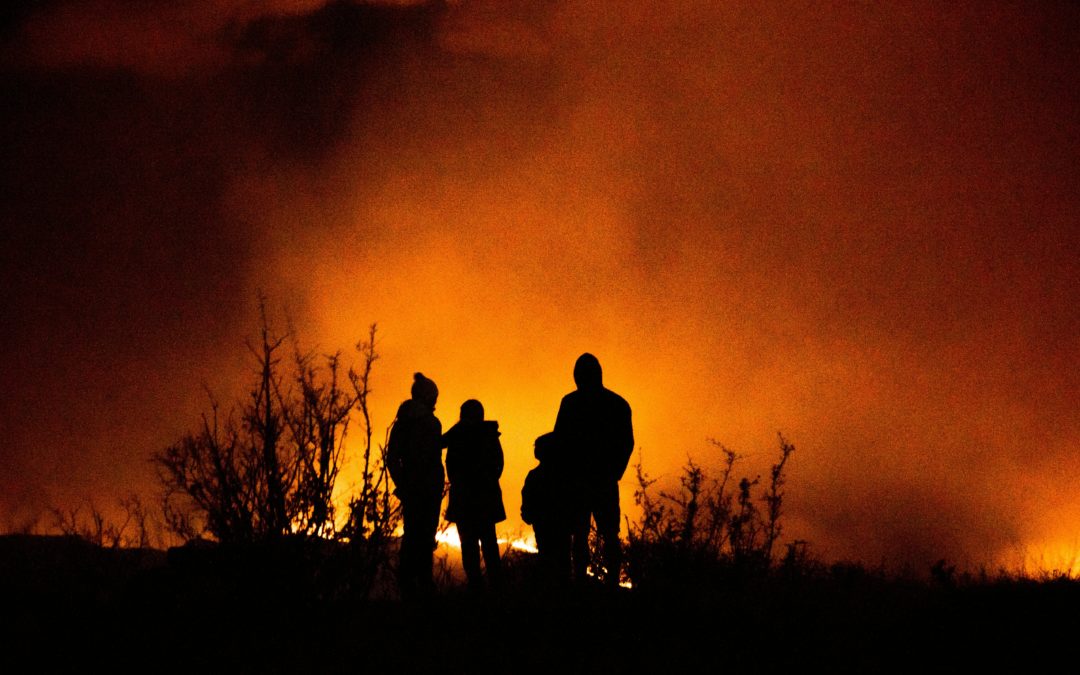
The serene landscapes of Southern California have been transformed into scenes of devastation as raging wildfires continue to wreak havoc across Los Angeles County. In a shocking turn of events, the death toll has climbed to 10, leaving communities shattered and authorities scrambling to contain the inferno. As the flames continue to spread, the full extent of the destruction remains uncertain, with officials unable to access many of the affected areas due to ongoing safety concerns.
The Los Angeles County wildfires have unleashed an unprecedented level of destruction, reducing entire neighborhoods to ash and claiming thousands of structures in their wake. The Palisades and Eaton fires, in particular, have emerged as the primary culprits behind this catastrophic event, carving a path of destruction that has etched their names into California’s grim wildfire history books.
As the situation unfolds, the nation watches with bated breath, wondering how much worse things could get. With each passing hour, new details emerge, painting a clearer picture of the devastation and the heroic efforts to combat it. From the front lines of the firefight to the halls of government, this crisis has mobilized resources and personnel on an unprecedented scale.
In this comprehensive report, we’ll delve into the heart of the Los Angeles County wildfires, exploring their origins, the communities affected, the ongoing firefighting efforts, and the human stories that have emerged from this tragedy. We’ll also examine the broader implications of these fires, from their impact on air quality to their potential long-term effects on the region’s ecology and economy.
As we navigate through this unfolding disaster, one thing becomes clear: the Los Angeles County wildfires of 2024 will be remembered as a watershed moment in California’s history, a stark reminder of the power of nature and the resilience of the human spirit in the face of overwhelming adversity.
The Scope of Destruction
The Los Angeles County wildfires have left an indelible mark on the landscape of Southern California, with the scale of destruction surpassing even the most pessimistic predictions. As firefighters and emergency responders continue their tireless efforts to contain the blaze, the true extent of the damage is slowly coming into focus.
Unprecedented Loss of Structures
The Palisades and Eaton fires have proven to be particularly devastating, consuming everything in their path with a voracious appetite. Preliminary estimates suggest that up to 10,000 structures have been lost to these two fires alone, a figure that places them among the top five most destructive wildfires in California’s history.
This staggering number includes homes, businesses, schools, and community centers, each representing a piece of the fabric that held these neighborhoods together. The loss is not just material; it’s a blow to the very identity of these communities, erasing decades of memories and shared experiences in a matter of hours.
Neighborhoods Decimated
Entire neighborhoods have been reduced to smoldering ruins, their once-familiar streets now unrecognizable landscapes of ash and debris. The fires have shown no discrimination, consuming modest family homes and luxurious estates alike. In some areas, the destruction is so complete that it’s difficult to discern where one property ends and another begins.
The impact on local infrastructure has been severe, with power lines down, water mains ruptured, and communication networks disrupted. This widespread damage presents significant challenges for both immediate relief efforts and long-term reconstruction plans.
Environmental Impact
Beyond the immediate human toll, the Los Angeles County wildfires have wreaked havoc on the local ecosystem. Thousands of acres of wildlife habitat have been incinerated, displacing countless animals and potentially pushing some endangered species closer to the brink of extinction.
The fires have also released massive amounts of carbon dioxide and other pollutants into the atmosphere, contributing to poor air quality across the region and potentially exacerbating climate change in the long term. The loss of vegetation could lead to increased erosion and mudslides in the coming months, particularly when the winter rains arrive.
Economic Consequences
The economic impact of the Los Angeles County wildfires is expected to be profound and long-lasting. Initial estimates suggest that the cost of property damage alone could run into billions of dollars. This figure doesn’t account for the broader economic ripple effects, such as lost business revenue, decreased tourism, and the massive expenses associated with firefighting and reconstruction efforts.
Insurance companies are bracing for an unprecedented wave of claims, which could potentially lead to increased premiums for homeowners across the state. The fires have also disrupted supply chains and forced the closure of numerous businesses, further compounding the economic strain on affected communities.
Historical Context
While California is no stranger to wildfires, the current crisis in Los Angeles County stands out for its sheer scale and intensity. When compared to historical data, these fires are already ranking among the most destructive in the state’s history, rivaling infamous blazes like the 2018 Camp Fire and the 2017 Tubbs Fire.
The unprecedented nature of this disaster raises important questions about the changing nature of wildfire risks in California and the adequacy of current prevention and response strategies. As climate change continues to alter weather patterns and exacerbate drought conditions, many experts fear that such extreme fire events may become more common in the future.
As the full scope of the destruction continues to unfold, it’s clear that the Los Angeles County wildfires of 2024 will leave an indelible mark on the region’s landscape, economy, and collective psyche for years to come. The road to recovery will be long and challenging, but if history is any guide, the resilience of Californians will undoubtedly shine through in the face of this unprecedented disaster.
Human Toll: Lives Lost and Communities Shattered
The Los Angeles County wildfires have exacted a devastating human toll, with the confirmed death count rising to 10 as of the latest reports. This tragic loss of life serves as a stark reminder of the deadly potential of these natural disasters and the importance of heeding evacuation orders and safety precautions.
Victims Identified
Among the victims identified so far are several vulnerable residents who were unable to evacuate in time. In the Altadena area, two such casualties were Anthony Mitchell, a 67-year-old amputee who relied on a wheelchair for mobility, and his son Justin, who lived with cerebral palsy. Their deaths highlight the particular challenges faced by individuals with disabilities during emergency situations.
Another victim from the same area was 83-year-old Rodney Nickerson. His daughter, Kimiko Nickerson, shared the heartbreaking details of his discovery, stating, “We found his bones. His whole body was intact.” This poignant account underscores the brutal reality faced by those caught in the path of the flames.
Ongoing Search and Recovery Efforts
As firefighters and emergency responders continue to battle the blaze, search and recovery teams are working tirelessly to locate and identify additional victims. The full extent of the loss of life remains uncertain, as many areas are still too dangerous to access due to ongoing fire activity and unstable structures.
The process of identifying victims is painstaking and often emotionally taxing for both recovery teams and families awaiting news of their loved ones. In some cases, dental records or DNA analysis may be necessary to confirm identities due to the severe nature of the fire damage.
Displacement and Evacuation
The human impact of the Los Angeles County wildfires extends far beyond the tragic loss of life. Nearly 180,000 individuals are currently under mandatory evacuation orders, forced to flee their homes with little more than the clothes on their backs and whatever possessions they could hastily gather.
An additional 200,000 people are facing evacuation warnings, living in a state of anxious uncertainty as they prepare for the possibility of having to leave at a moment’s notice. This mass displacement has put an enormous strain on local shelters, hotels, and the homes of friends and family members who have opened their doors to evacuees.
Emotional and Psychological Toll
The trauma inflicted by the Los Angeles County wildfires goes beyond physical loss. Many survivors are grappling with intense feelings of fear, anxiety, and grief. The sudden and violent nature of the fires has left many in a state of shock, struggling to come to terms with the loss of their homes, possessions, and in some cases, loved ones.
Mental health professionals warn of the potential for long-term psychological effects, including post-traumatic stress disorder (PTSD), depression, and anxiety disorders. Children, in particular, may be vulnerable to lasting emotional impacts from the disruption and fear caused by the fires.
Community Response and Support
In the face of this tragedy, the affected communities have demonstrated remarkable resilience and solidarity. Neighbors are helping neighbors, local organizations are mobilizing to provide aid, and volunteers from across the state are pouring in to offer assistance.
Evacuation centers have become hubs of support, providing not just shelter but also emotional comfort, information, and a sense of community for those displaced by the fires. Local churches, schools, and community centers have transformed into impromptu relief stations, offering food, clothing, and other essential supplies to those in need.
Long-term Challenges
As the immediate crisis begins to subside, affected individuals and communities will face the daunting task of rebuilding their lives. For many, the road to recovery will be long and difficult, involving not just the physical reconstruction of homes and neighborhoods but also the emotional process of healing and moving forward.
The Los Angeles County wildfires have left an indelible mark on the lives of thousands of people. From those who have lost loved ones to those who have seen their homes and livelihoods reduced to ashes, the human toll of this disaster is immeasurable. As the region begins the long process of recovery, the stories of loss, survival, and resilience will continue to emerge, shaping the narrative of this tragic chapter in Southern California’s history.
Firefighting Efforts: Battling the Blaze
The Los Angeles County wildfires have mobilized an unprecedented firefighting response, with crews from across the state and beyond working around the clock to contain the inferno. Despite their heroic efforts, the fires continue to pose a significant challenge, fueled by strong winds and dry conditions that have turned the landscape into a tinderbox.
Current Status of Major Fires
The Palisades fire, one of the largest and most destructive blazes, has scorched over 19,000 acres and remains only 6% contained. This fire has proven particularly challenging due to its rapid spread and the difficult terrain in which it’s burning.
The Eaton fire, another major conflagration, has consumed approximately 13,000 acres and, as of the latest reports, has zero containment. The lack of progress in containing this fire is a source of grave concern for firefighters and residents alike.
In addition to these two major fires, smaller but still significant blazes like the Hurst fire and the Kenneth fire are also demanding resources and attention from firefighting crews.
Challenges Faced by Firefighters
The firefighting efforts have been hampered by several factors:
Strong Winds: Hurricane-force winds have been fanning the flames, causing rapid and unpredictable fire spread. These winds have also grounded many firefighting aircraft, limiting aerial support.
Dry Conditions: Prolonged drought and low humidity have created ideal conditions for fire propagation, making it easier for sparks to ignite new blazes.
Difficult Terrain: Many of the fires are burning in areas with steep, rugged terrain that is difficult to access with ground equipment.
Resource Strain: With multiple large fires burning simultaneously, firefighting resources are stretched thin, requiring careful prioritization and allocation.
Firefighting Strategies and Resources
To combat these formidable blazes, firefighters are employing a variety of strategies and resources:
Ground Crews: Thousands of firefighters are on the front lines, working to create fire breaks, protect structures, and directly combat the flames.
Aerial Support: When weather conditions permit, a fleet of firefighting aircraft, including helicopters and fixed-wing planes, are dropping water and fire retardant on the blazes.
Military Assistance: Eight C-130 transport planes have been deployed to assist with firefighting efforts, along with support from the California National Guard.
Technology: Advanced mapping and prediction tools are being used to anticipate fire behavior and optimize resource deployment.
Mutual Aid: Fire departments from across California and neighboring states have sent personnel and equipment to assist in the firefighting efforts.
Impact on Firefighters
The relentless nature of the Los Angeles County wildfires is taking a toll on the firefighters themselves. Many crews have been working for days on end with little rest, facing not only the physical dangers of the fire but also the risk of exhaustion and heat-related illnesses.
The emotional impact on these first responders is also significant. Many firefighters are witnessing unprecedented levels of destruction and, in some cases, are forced to make difficult decisions about which structures to try to save when resources are limited.
Community Support for Firefighters
The local community has rallied around the firefighters, showing their appreciation through donations of food, water, and supplies. Many residents have placed signs of gratitude in their yards or along evacuation routes, offering words of encouragement to the crews as they head into battle.
Long-term Firefighting Strategies
As climate change continues to exacerbate wildfire risks, there is growing recognition of the need for more proactive, long-term strategies to manage fire risks in California. Discussions are already underway about increasing funding for forest management, expanding the use of prescribed burns, and implementing stricter building codes in fire-prone areas.
The firefighting efforts against the Los Angeles County wildfires represent one of the largest and most complex fire suppression operations in California’s history. As the battle continues, the bravery and dedication of these firefighters stand as a testament to human resilience in the face of nature’s awesome and terrifying power.
Environmental and Health Impacts
The Los Angeles County wildfires have not only devastated landscapes and communities but have also triggered a cascade of environmental and health consequences that extend far beyond the immediate burn areas. The scale and intensity of these fires have raised serious concerns about both short-term and long-term impacts on air quality, ecosystems, and public health.
Air Quality Crisis
One of the most immediate and widespread effects of the wildfires has been the dramatic deterioration of air quality across Southern California and beyond. The fires have released massive amounts of smoke, ash, and other particulate matter into the atmosphere, creating a hazardous haze that has blanketed the region.
Health Risks of Poor Air Quality
The polluted air poses significant health risks, particularly for vulnerable populations such as children, the elderly, and those with pre-existing respiratory conditions. Some of the health concerns include:
Respiratory Issues: Increased risk of asthma attacks, bronchitis, and other respiratory problems.
Cardiovascular Stress: Fine particulate matter can enter the bloodstream, potentially leading to heart attacks and strokes.
Eye and Skin Irritation: Smoke and ash can cause irritation and inflammation of the eyes and skin.
Long-term Health Effects: Prolonged exposure to wildfire smoke has been linked to increased rates of certain cancers and other chronic health conditions.
Air Quality Monitoring and Advisories
Local and state agencies have ramped up air quality monitoring efforts, issuing frequent advisories and recommendations to help residents protect themselves. These measures include:
Encouraging people to stay indoors with windows and doors closed
Recommending the use of air purifiers with HEPA filters
Advising against outdoor exercise or activities when air quality is poor
Suggesting the use of N95 masks when venturing outside is necessary
Ecological Devastation
The Los Angeles County wildfires have inflicted severe damage on local ecosystems, with potential long-lasting effects on biodiversity and environmental health.
Habitat Destruction
Thousands of acres of wildlife habitat have been incinerated, displacing countless animals and potentially pushing some already endangered species closer to extinction. The loss of vegetation also increases the risk of erosion and mudslides, particularly when winter rains arrive.
Impact on Water Resources
The fires have the potential to significantly impact water resources in the region:
Water Quality: Ash and debris can contaminate water sources, affecting both wildlife and human water supplies.
Watershed Damage: The loss of vegetation in watershed areas can lead to increased runoff and flooding during rain events.
Long-term Hydrological Changes: Altered landscapes may change local hydrological patterns, potentially affecting water availability in the future.
Climate Change Implications
The massive release of carbon dioxide and other greenhouse gases from these fires contributes to the broader issue of climate change, potentially creating a feedback loop that increases the likelihood of future extreme fire events.
Public Health Response
In response to the environmental and health challenges posed by the Los Angeles County wildfires, local and state health departments have mobilized to protect public health:
Emergency Measures
Evacuation Centers: Establishing clean air shelters equipped with air filtration systems for those needing to escape poor air quality.
Medical Support: Increasing capacity at local hospitals and clinics to handle respiratory and other fire-related health issues.
Public Education: Launching campaigns to inform the public about health risks and protective measures.
Long-term Health Monitoring
Health officials are initiating long-term studies to monitor the health impacts of the fires on affected populations, with a particular focus on respiratory and cardiovascular health.
Environmental Recovery Efforts
As the fires are brought under control, attention is turning to environmental recovery and restoration efforts:
Reforestation: Plans are being developed for large-scale replanting efforts to restore lost vegetation and stabilize soils.
Wildlife Conservation: Programs to support and reintroduce displaced wildlife species are being considered.
Watershed Protection: Efforts to protect and restore damaged watersheds will be crucial to prevent further environmental degradation.
The environmental and health impacts of the Los Angeles County wildfires underscore the complex and far-reaching consequences of such disasters. As communities begin to recover and rebuild, addressing these environmental and health challenges will be crucial for ensuring the long-term well-being of both the natural ecosystem and the human population in affected areas.
Economic Fallout and Recovery Challenges
The Los Angeles County wildfires have unleashed a wave of economic destruction that extends far beyond the immediate loss of property and infrastructure. As the flames continue to rage, economists and policymakers are beginning to grapple with the long-term financial implications of this disaster for individuals, businesses, and the broader regional economy.
Immediate Economic Losses
The most visible and immediate economic impact of the wildfires is the staggering loss of property and infrastructure:
Residential Destruction: Thousands of homes have been reduced to ash, representing billions of dollars in lost property value.
Commercial Losses: Numerous businesses, from small local shops to large industrial facilities, have been destroyed or severely damaged.
Infrastructure Damage: Roads, power lines, water systems, and other critical infrastructure have suffered extensive damage, requiring costly repairs and replacements.
Insurance Industry Impact
The insurance industry is bracing for what could be one of the costliest natural disasters in California’s history:
Claims Surge: Insurance companies are facing an unprecedented volume of claims, potentially straining their financial reserves.
Premium Increases: The massive payouts are likely to lead to increased insurance premiums for homeowners and businesses across the state, not just in fire-prone areas.
Coverage Challenges: Some insurers may become more reluctant to offer coverage in high-risk areas, potentially creating insurance deserts in parts of California.
Business Disruption and Job Losses
The wildfires have caused significant disruption to local businesses and the job market:
Temporary Closures: Many businesses have been forced to close temporarily due to evacuations, power outages, or air quality concerns.
Supply Chain Disruptions: The fires have interrupted transportation routes and supply chains, affecting businesses far beyond the immediate fire zones.
Job Losses: With businesses destroyed or closed, many workers are facing unemployment, at least temporarily.
Tourism Impact: The fires and their aftermath are likely to have a negative impact on tourism, a crucial sector for many Southern California communities.
Agricultural Losses
The agricultural sector, a cornerstone of California’s economy, has also been hit hard:
Crop Destruction: Thousands of acres of farmland have been scorched, destroying crops and potentially rendering some land unusable for future seasons.
Livestock Losses: Many farmers and ranchers have lost livestock to the fires, representing both immediate financial losses and long-term setbacks to breeding programs.
Wine Industry Impact: Vineyards in affected areas have suffered damage, with potential long-term impacts on wine production and tourism.
Recovery Costs and Funding Challenges
The process of rebuilding and recovering from the Los Angeles County wildfires will be enormously expensive:
Debris Removal: Before reconstruction can begin, vast amounts of debris must be cleared, a costly and time-consuming process.
Infrastructure Rebuilding: Repairing and replacing damaged infrastructure will require significant public and private investment.
Housing Crisis: The loss of so many homes is likely to exacerbate California’s already severe housing shortage, potentially driving up costs and displacing residents.
Government Response and Economic Support
Local, state, and federal governments are mobilizing to provide economic support and facilitate recovery:
Emergency Funding: President Joe Biden has announced that the federal government will cover 100% of the cost of emergency protective measures for six months.
Small Business Administration (SBA) Loans: Low-interest disaster loans are being made available to affected businesses and homeowners.
Tax Relief: Various forms of tax relief and deadline extensions are being considered to ease the financial burden on affected individuals and businesses.
Long-term Economic Implications
The full economic impact of the Los Angeles County wildfires will likely unfold over many years:
Real Estate Market Shifts: The destruction of so many homes could lead to significant changes in local real estate markets, potentially altering property values and development patterns.
Insurance Industry Changes: The massive losses may lead to structural changes in how wildfire risk is assessed and insured in California.
Economic Diversification: Some communities may seek to diversify their economies to become more resilient to future disasters.
Climate Adaptation Investments: There may be increased investment in climate adaptation measures, creating new economic opportunities in fields like green construction and renewable energy.
The economic fallout from the Los Angeles County wildfires presents a complex and daunting challenge for policymakers, businesses, and residents. While the immediate focus is on containing the fires and providing emergency relief, the long-term process of economic recovery will require sustained effort, innovative solutions, and significant investment. As California grapples with the increasing frequency and intensity of wildfires, finding ways to build economic resilience in the face of these disasters will be crucial for the state’s future prosperity.
Political Response and Policy Implications
The devastating Los Angeles County wildfires have not only reshaped the physical landscape of Southern California but have also ignited intense political discussions and policy debates at local, state, and federal levels. As the immediate crisis unfolds, political leaders are grappling with both short-term emergency response and long-term strategies to mitigate future wildfire risks.
Immediate Political Response
The severity of the Los Angeles County wildfires has prompted swift action from political leaders across all levels of government:
State-Level Response
California Governor Gavin Newsom has been at the forefront of the state’s response:
State of Emergency: Newsom quickly declared a state of emergency, mobilizing additional resources and cutting through bureaucratic red tape to expedite relief efforts.
Public Statements: The governor has been making regular public appearances and statements, providing updates on firefighting efforts and expressing support for affected communities.
Resource Allocation: Newsom has directed state agencies to prioritize all available resources towards firefighting and relief efforts.
In a recent tweet, Governor Newsom stated, “Thank you to our brave firefighters working around the clock to combat the blaze fueled by hurricane-force winds.” This message underscores the challenging conditions faced by first responders and the state’s appreciation for their efforts.
Federal Response
President Joe Biden has also taken action to support California’s firefighting and recovery efforts:
Disaster Declaration: The President has issued a federal disaster declaration, unlocking additional resources and funding for the affected areas.
FEMA Activation: The Federal Emergency Management Agency (FEMA) has been activated to coordinate federal assistance and support local relief efforts.
Financial Commitment: Biden announced that the federal government will cover 100% of the cost of emergency protective measures in Southern California for six months, providing crucial financial support for the ongoing crisis.
Policy Debates and Long-term Strategies
The Los Angeles County wildfires have reignited debates about wildfire prevention, forest management, and climate change policy:
Forest Management Practices
There is ongoing discussion about the role of forest management in preventing catastrophic wildfires:
Controlled Burns: Some policymakers are advocating for increased use of prescribed burns to reduce fuel loads in forests.
Vegetation Clearing: Debates continue about the extent and methods of vegetation clearing near populated areas.
Indigenous Practices: There’s growing interest in incorporating traditional Native American fire management techniques into modern strategies.
Climate Change Mitigation
The link between climate change and increased wildfire risk is prompting calls for more aggressive climate action:
Emissions Reduction: Some politicians are pushing for more stringent emissions reduction targets and accelerated transition to renewable energy.
Adaptation Measures: There’s increasing focus on developing climate adaptation strategies specifically tailored to wildfire-prone regions.
Building Codes and Land Use
The destruction of thousands of homes has sparked discussions about building practices in fire-prone areas:
Fire-Resistant Construction: There are calls for stricter building codes requiring the use of fire-resistant materials and design features.
Zoning Changes: Some policymakers are proposing changes to zoning laws to limit development in high-risk wildfire areas.
Insurance Reform
The massive economic losses from the fires are prompting debates about insurance reform:
Risk Pool Expansion: There are discussions about creating state-backed insurance pools to ensure coverage availability in high-risk areas.
Incentives for Mitigation: Some propose offering insurance incentives for homeowners who implement fire-resistant improvements.
Political Challenges and Controversies
The response to the Los Angeles County wildfires has not been without political challenges and controversies:
Resource Allocation: Debates have emerged about the equitable distribution of firefighting resources among different communities.
Climate Change Skepticism: Some politicians continue to downplay the role of climate change in exacerbating wildfire risks, leading to heated debates about appropriate policy responses.
Federal-State Coordination: There have been occasional tensions between state and federal agencies regarding the coordination of firefighting efforts and resource deployment.
Future Policy Directions
As California grapples with the aftermath of the Los Angeles County wildfires, several policy directions are emerging:
Increased Funding for Prevention: There’s growing support for significantly increasing funding for wildfire prevention measures, including forest management and community preparedness programs.
Climate Resilience Planning: Many policymakers are advocating for comprehensive climate resilience plans that specifically address wildfire risks.
Technology Investment: There’s interest in investing in advanced technologies for early fire detection, prediction, and suppression.
Community-Based Approaches: Some leaders are promoting more localized, community-based approaches to wildfire preparedness and response.
Inter-Agency Cooperation: There are calls for improved coordination and information sharing among various agencies involved in wildfire management and response.
The political response to the Los Angeles County wildfires reflects the complex and multifaceted nature of the challenge. As the immediate crisis subsides, the policy debates ignited by these fires are likely to shape California’s approach to wildfire management, climate change adaptation, and disaster response for years to come. The decisions made in the aftermath of this disaster will have far-reaching implications for the state’s environmental, economic, and public safety policies.






RECENT COMMENTS