by Jonathan P-Wright | Jun 14, 2024 | Uncategorized |
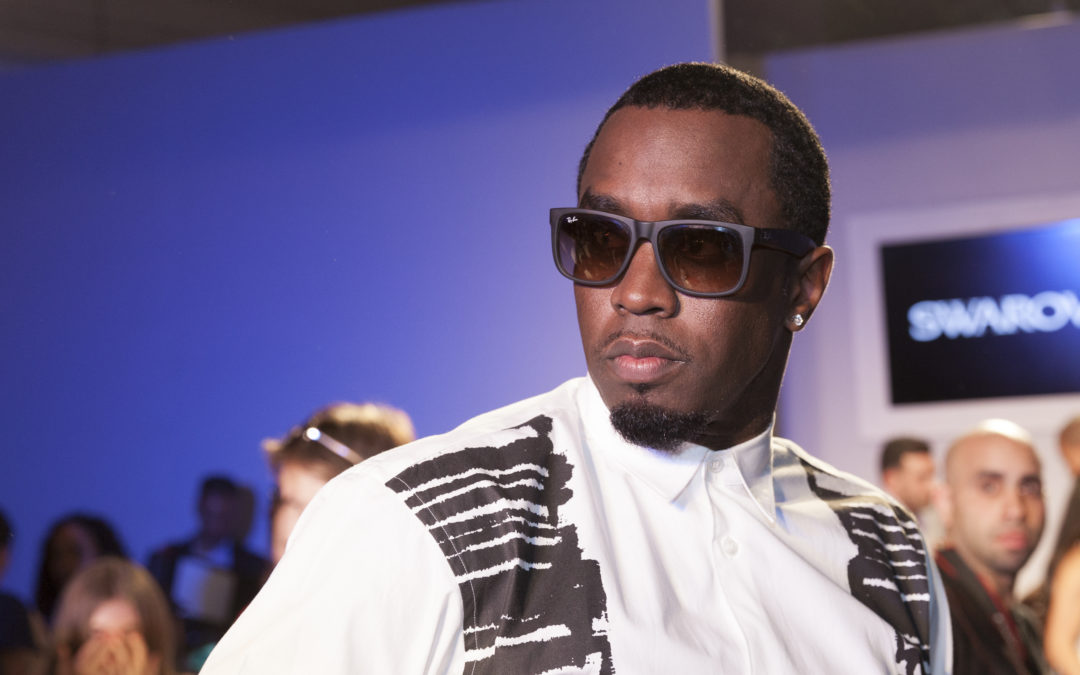
Image credit: lev radin / Shutterstock.com
In a seismic decision that sent shockwaves through the entertainment industry, the hallowed halls of Howard University have echoed with the reverberations of a unanimous vote by the esteemed Board of Trustees. The verdict? To revoke the Doctor of Humanities honorary degree bestowed upon Sean “Diddy” Combs, a move that serves as a resounding rebuke of the mogul’s actions captured in a harrowing video that recently surfaced.
The Revocation: A Bold Stand Against Interpersonal Violence
The prestigious historically Black university, a bastion of education and empowerment, has taken an unequivocal stance against interpersonal violence. In a statement that resonated with clarity and conviction, Howard University declared, “Mr. Combs’ behavior, as captured in a recently released video, is so fundamentally incompatible with Howard University’s core values and beliefs that he is deemed no longer worthy to hold the institution’s highest honor.”
The video in question, a chilling glimpse into the dark underbelly of domestic abuse, depicted the Bad Boy Records founder in a shocking display of violence against his former partner, Cassie. The footage, which surfaced in 2016 but gained widespread attention only recently, showed Diddy assaulting the singer, kicking and dragging her in a hotel setting.
Stripping the Accolades: A Resounding Message
In a sweeping move that underscores the gravity of the situation, the Board of Trustees has not only revoked Diddy’s honorary degree but has also directed the university administration to take immediate and decisive action. This includes:
The university’s statement left no room for ambiguity, asserting, “All honors and privileges associated with the degree will also be revoked. Accordingly, the Board has directed that his name be removed from all documents listing honorary degree recipients of Howard University.”
Diddy’s Apology: Too Little, Too Late?
In the wake of the video’s release, Diddy issued an apology video, acknowledging the gravity of his actions. “I mean, I hit rock bottom but I make no excuses,” he said in May. “My behavior on that video is inexcusable. I take full responsibility for my actions in that video. I’m disgusted. I was disgusted then when I did it, I’m disgusted now.”
However, the sincerity of his remorse has been called into question by many, as the apology came years after the incident and only in the face of mounting public outrage and scrutiny.
A Chorus of Condemnation: Celebrities Speak Out
The release of the disturbing footage has sparked a wave of condemnation from various corners of the entertainment industry. Prominent figures such as John Legend, 50 Cent, and Ray J have voiced their disapproval of Diddy’s actions, further amplifying the calls for accountability and consequences.
The Legal Fallout: Lawsuits and Investigations
The fallout from the Cassie assault video has extended far beyond the revocation of Diddy’s honorary degree. In November of the previous year, prior to the footage’s release, Cassie filed a lawsuit accusing Diddy of rape and abuse throughout their relationship. While the suit was settled shortly after its filing, the allegations cast a long shadow over the mogul’s reputation.
Moreover, in March of 2024, Diddy’s Miami and Los Angeles homes were raided, suggesting that the legal implications of his actions may be far-reaching. The mogul is also facing a wave of other lawsuits in which he stands accused of rape and abuse, further compounding the mounting legal challenges he faces.
The Aftermath: A Tarnished Legacy?
The decision by Howard University to strip Diddy of his honorary degree and sever ties with him financially represents a seismic shift in the public perception of the once-revered mogul. What was once a celebrated career marked by groundbreaking achievements in the music industry now risks being overshadowed by allegations of violence and abuse.
As the legal battles continue to unfold and the court of public opinion weighs in, the question remains: Can Diddy’s legacy withstand the weight of these damning accusations, or will his downfall be etched into the annals of history as a cautionary tale of the consequences of unchecked power and alleged abuse?
The Ripple Effect: A Catalyst for Change?
While the circumstances surrounding Diddy’s fall from grace are undoubtedly tragic, they have ignited a broader conversation about the pervasive issue of domestic violence and the need for accountability, particularly among those in positions of power and influence.
Howard University’s decisive action has set a precedent, sending a clear message that even the most celebrated figures are not immune to consequences when their actions betray the core values of society. This watershed moment could potentially serve as a catalyst for further discussions and initiatives aimed at addressing interpersonal violence and fostering a culture of respect and accountability.
The Road Ahead: Redemption or Reckoning?
As the dust settles on this seismic event, the path forward for Diddy remains uncertain. Will he seek redemption through genuine remorse and a commitment to change, or will he face a reckoning that forever tarnishes his legacy?
Only time will tell, but one thing is certain: Howard University’s stance has sent a resounding message that transcends the boundaries of the entertainment industry. It is a clarion call for accountability, a reminder that no one, regardless of their status or achievements, is above the fundamental principles of human decency and respect.
The Aftermath: A Cautionary Tale for the Entertainment Industry
The Diddy scandal has cast a long shadow over the entertainment industry, prompting introspection and soul-searching within its ranks. The message is clear: Abuse and violence, no matter the perpetrator, will not be tolerated, and consequences will be swift and severe.
As the industry grapples with this watershed moment, it is evident that a reckoning is underway. The era of turning a blind eye to the misdeeds of its most prominent figures is rapidly drawing to a close, replaced by a newfound commitment to accountability and a zero-tolerance policy for any form of interpersonal violence.
The Road Ahead: A Collective Responsibility
While the journey towards a more accountable and ethical entertainment industry is fraught with challenges, there is a palpable sense of optimism and determination. Industry leaders, artists, and advocates alike are coming together, recognizing that lasting change can only be achieved through a collective effort.
As the dust settles on the Diddy scandal, one thing becomes increasingly clear: The road ahead will require unwavering commitment, open dialogue, and a willingness to confront uncomfortable truths. Only then can the industry truly embrace a future where abuse and misconduct are no longer tolerated, and where the voices of survivors are amplified and respected.
Conclusion: A New Era of Accountability
The decision by Howard University to revoke Diddy’s honorary degree and sever ties with the embattled mogul has sent shockwaves through the entertainment industry and beyond. It is a watershed moment that has catalyzed a broader conversation about accountability, respect, and the consequences of unchecked power and alleged abuse.
As the industry grapples with this seismic shift, it is evident that a new era of accountability is dawning. No longer will the misdeeds of prominent figures be swept under the rug or excused in the name of preserving reputations. Instead, a collective commitment to creating a safer, more inclusive environment for all is taking root, driven by the voices of survivors and advocates who refuse to remain silent.
While the road ahead is undoubtedly challenging, the Diddy scandal has ignited a spark of change that cannot be extinguished. It has served as a rallying cry for those who demand better, for those who refuse to accept the status quo, and for those who believe that true greatness lies not in accolades or achievements, but in the unwavering pursuit of integrity, respect, and human decency.
As the industry navigates this transformative period, one thing is certain: The echoes of Howard University‘s decision will reverberate for years to come, serving as a reminder that accountability is not a fleeting trend but a fundamental imperative that must be embraced by all who seek to create a better, more just world.
by Laghe Andrews | Apr 12, 2024 | Latest, Music News, New Music Alert |
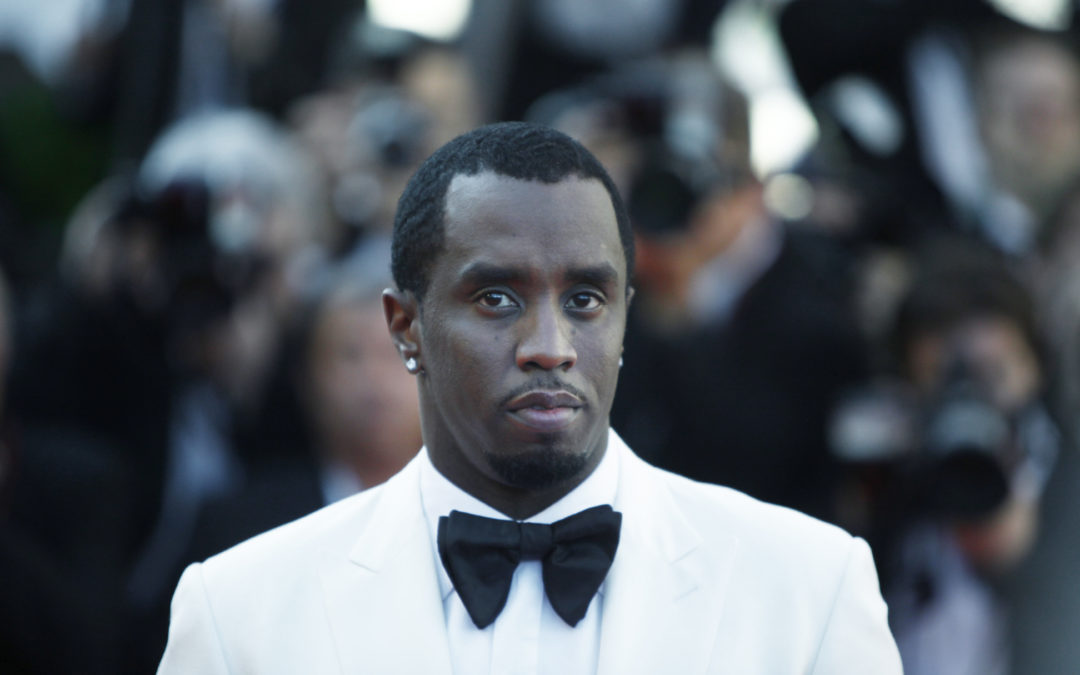
Image credit: Vahan Stepanyan / Shutterstock.com
Music tycoon Diddy, embroiled in increasing legal trouble, has chosen to present a bold persona by sharing the music video of his 1997 hit “Victory”. This song portrays him outsmarting the police.
Despite the escalating legal predicaments surrounding Diddy, the music titan seems undeterred, sharing the music video for his classic 1997 track, “Victory”. The video paints a compelling image of Diddy outwitting and escaping law enforcement, contributing to his audacious projection.
Sharing ‘Victory’
In a recent Friday, Diddy took to Instagram to share the six-minute-long video with the caption, “Bad Boy For Life”. The choice of video and the caption are both daring and telling of how the founder of Bad Boys Records might be feeling about his current situation. The video features scenes of Diddy skirting law enforcement officers on his tail.
Behind ‘Victory’
The music video, one of the most expensive ever made, was directed by Marcus Nispel. Diddy and Nispel used the visuals to pay tribute to the 1987 film The Running Man. Set in a futuristic city in the year 3002 AD, the video features Diddy as a character on the run. In one dramatic scene, Diddy, cornered on a rooftop, chooses to leap off to prevent capture.
Diddy finds himself amidst a storm of allegations, including sexual assault and trafficking. The Department of Homeland Security recently raided Diddy’s residences in Los Angeles and Miami, finally catching up with him at a Miami airport. However, Diddy has not been apprehended or charged yet.
Community Response
Diddy’s friend and collaborator Stevie J claimed that Homeland Security used excessive force during the raid on Diddy’s home. Earlier in the week, Diddy was seen cycling in Miami with Stevie J and interacting with fans.
Diddy and Son King Combs Sued for Alleged 2022 Sexual Assault at Yacht Party. Diddy Spotted Riding His Bike in Miami With Stevie J and Taking Photos With Fans. 50 Cent Says ‘It’s Not Looking Good for the Diddler’ After Report of Cassie Cooperating in Diddy Investigation.
The unfolding saga of Diddy’s legal troubles and his defiant response continue to grab headlines, making it clear that he isn’t backing down.
Conclusion
With the sharing of his “Victory” music video, Diddy has made a clear statement about his stance regarding his current legal predicaments. As the story unfolds, fans and critics alike will be watching closely to see how events pan out.
by Jonathan P-Wright | Mar 29, 2024 | Latest, Music News |
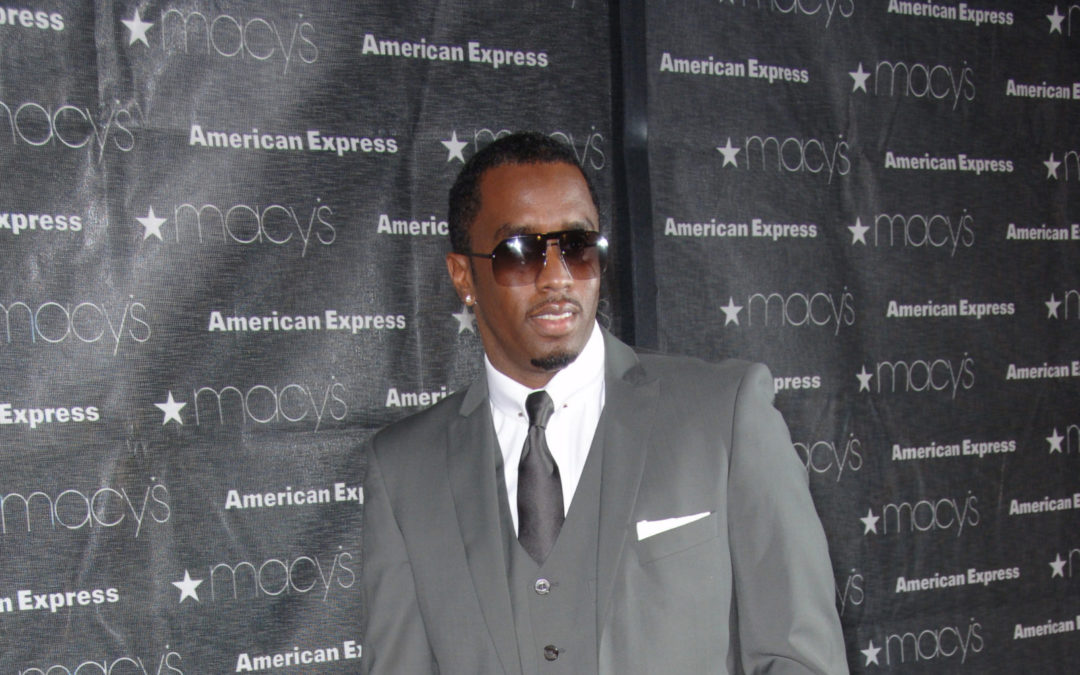
Image Editorial credit: Featureflash Photo Agency / Shutterstock.com
Renowned music mogul Diddy found himself on the receiving end of unexpected home raids on a recent Monday. The houses in question were his luxurious abodes in Los Angeles and Miami. This event has sent shockwaves through the music industry and fans alike.
The Home Raids: A Detailed Overview
The raids were carried out by federal agents, who confiscated several electronic devices from both properties. The operation was conducted by the Homeland Security, who swooped down on the mansions following court-authorized searches issued in Manhattan’s federal court.
Diddy, whose real name is Sean Combs, had his residences turned inside out as agents went about their investigations. His sons, Justin and King, were temporarily detained outside the Los Angeles home, adhering to the standard protocol in situations such as these.
The Sex Trafficking Probe
The impetus behind these sudden raids was a sex trafficking investigation opened against Diddy. This investigation commenced after four women came forward with civil lawsuits, leveling serious allegations of rape, abuse, and sex trafficking against the music star.
Federal prosecutors directed Homeland Security Investigation agents to gather evidence to substantiate the women’s accusations. This led to the raids on Diddy’s homes and the seizure of his electronic devices.
Diddy’s Response to the Allegations
Diddy’s legal representative, Aaron Dyer, was swift to condemn the federal government‘s actions. He criticized the use of “military-level force” during the execution of the search warrants and expressed his disapproval of the treatment meted out to Diddy’s children and staff during the incident.
“Yesterday, there was a gross overuse of military-level force as search warrants were executed at Mr. Combs’ residences,” Dyer said.
Dyer further stated that while Diddy cooperated with the authorities, neither he nor any of his family members were arrested or had their ability to travel curtailed. He lambasted the media’s speculative coverage of the event and referred to the investigations as a “witch hunt based on meritless accusations.”
The Aftermath and What Lies Ahead
As of now, no criminal charges have been filed in the case. Diddy continues to vehemently deny all allegations of abuse and assault. However, the fact remains that his electronic devices have been seized, and they may hold key evidence that could either implicate or exonerate him.
Impact on the Music Industry
The repercussions of this case are sure to reverberate through the music industry. Diddy, a prominent figure in the music world, commands a large following. His influence extends beyond his own music to the artists he’s nurtured and the successful business ventures he’s spearheaded. The outcomes of this investigation will undoubtedly affect his standing in the industry.
Final Thoughts
The case against Diddy is a stark reminder of the intersection of fame, power, and accountability. It brings to the fore the critical importance of legal scrutiny, no matter how high the accused may stand in societal rankings. As the legal proceedings unfold, all eyes will be on the outcome, which may set a precedent in the music industry and beyond.
At this point, the only certainty is the uncertainty of what the future holds for Diddy. However, the music mogul’s fans and critics alike await the conclusion of the investigation, hoping for a fair and just resolution.
by Derrick T Lewis | Nov 13, 2023 | Latest, Music News |
Image credit: lev radin / Shutterstock.com
Yung Miami, a member of the hip-hop duo City Girls, has recently been in the limelight for her candid thoughts on being genuine when it comes to dating high-profile personalities like Diddy. She believes that being true to oneself is the ultimate magnet for attracting someone of Diddy’s stature. In a recent discussion with Catrise J for Billboard News, she was asked about her approach to winning over someone like Diddy.
Miami’s Unexpected Connection with Diddy
Miami reminisced about the time when people were hasty in their judgment, asserting that she was not Diddy’s type. However, time and circumstances have shown that this assessment was far from the truth.
She strongly advocates for being genuine and believes that people are naturally drawn to authenticity. In her words, one should not attempt to be something they’re not. She believes that being yourself is the surest way to attract the right people into your life.
Miami and Diddy’s Public Appearances
Miami has been publicly acknowledging her relationship with Diddy, especially on social media platforms. She celebrated Diddy’s recent 54th birthday with an affectionate Instagram post. The post featured a collection of their pictures together and a heartwarming caption that read:
In addition to their social media interactions, Miami and Diddy were also observed together on Ebro Darden and Nadeska Alexis’ Apple Music show. During the show, Diddy expressed his confidence in Miami, asserting that she has the potential to become a billionaire like him someday.
Conclusion
Yung Miami‘s open and genuine approach to her relationship with Diddy serves as a testament to her assertion about the power of authenticity in relationships. Her story is a reminder that one does not need to conform to societal expectations or pretenses to attract the right kind of people in life.
In an industry where image and perception are everything, Miami’s stance on being true to oneself is refreshing and inspiring. Her boldness and confidence in her authenticity are not only commendable but also a lesson for anyone seeking to make meaningful connections in their personal and professional lives.
by Jesse Swindell | Nov 10, 2023 | Latest, Music News |
Image credit: Jamie Lamor Thompson / Shutterstock.com
Yung Miami, the renowned City Girl, recently took to Instagram to express her affection for her boyfriend, Diddy, on his 54th birthday. The post featured candid moments of the duo, showing the strength and depth of their connection. “I’ll always be by your side,” Miami declared in her captions, symbolizing her unwavering commitment towards the Bad Boy Records founder.
A Peek into Their Relationship
Last month, the couple sat down with hosts Ebro Darden and Nadeska Alexis on Apple Music 1, offering fans a glimpse into their private life. During the interview, Miami quizzed Diddy about their favorite “off the grid” moment. Diddy fondly reminisced about a yacht trip to the Bahamas, where they spent two uninterrupted days together.
The Love Album: Off the Grid
In the same interview, Diddy revealed that his latest album, The Love Album: Off the Grid, was designed to serve as “the R&B album to make love to.” The album not only showcases his musical prowess but also subtly hints at his profound bond with Miami.
Bedroom Revelations
The couple also candidly discussed their intimate life. Miami, in a humorous tone, asked Diddy about his stamina to which he responded coyly, “You know.” Miami continued, saying, “I know, the people don’t, I’m asking for the people.”
Miami’s Dedication
Miami’s birthday post for Diddy further underscores her dedication and love for him. As they continue to navigate their relationship, the couple’s bond only seems to grow stronger.
Conclusion
In conclusion, Yung Miami’s touching tribute to Diddy on his birthday beautifully encapsulated their bond. Their candid exchanges, intimate revelations, and love for each other are testimony to their strong relationship. As Diddy turns 54, it’s clear that there’s no other place Miami would rather be than by his side.

RECENT COMMENTS