Menu
‘Lost in Melody (Deluxe)’ album unveiled by Fridayy

‘Lost in Melody (Deluxe)’ album unveiled by Fridayy

During Sunday night’s (Feb. 5) Grammy Awards, Fridayy closed the show with a performance of his “GOD DID” along with Lil Wayne, JAY-Z, DJ Khaled, Rick Ross, and John Legend. Ahead of this major milestone in his career, the Philadelphia talent celebrated yesterday (Feb. 7) by taking the time to treat his fans to a deluxe version of the Lost In Melody EP.

A little more than a year ago, the album was upgraded to include four new tracks, of which one featured Ty Dolla $ign on the standout single entitled “Shoot.” In the song, both lead vocalists showcase their vocal abilities over the soulful production provided by ReezyTunez and Yonatan Watts:

This version of Lost In Melody first hit the streets back in October of last year, when it was released for the first time. In the project, Vory only contributed to one track out of seven, but it was soon followed by Meek Mill hopping onto “Don’t Give Up On Me” from the same project a couple of months later. Besides his own productions, Fridayy can also be heard on records featuring other artists, such as the collaborations “Forever (Remix)” featuring Ybk Wavy, “Sacrifices” featuring Symba, “Forever” featuring Lil Baby, and more.

In a previous interview, in which the “Empty Stomach” singer Fridayy discussed his collaboration with DJ Khaled, he discussed how “GOD DID” came to be. It was made specifically for him. There were a couple of producers who I knew who knew him. I hear him announce every day that ‘GOD DID’ is what he did on Instagram,” he said. “ I was aware that he was about to release a new album.

As soon as I made it, I contacted the A&R on the publishing side of my company, and they forwarded it to Khaled. It wasn’t long before Khaled hit us the following day. As a matter of fact, I recorded it back in June, and he dropped the trailer a few weeks later, around July 6.”

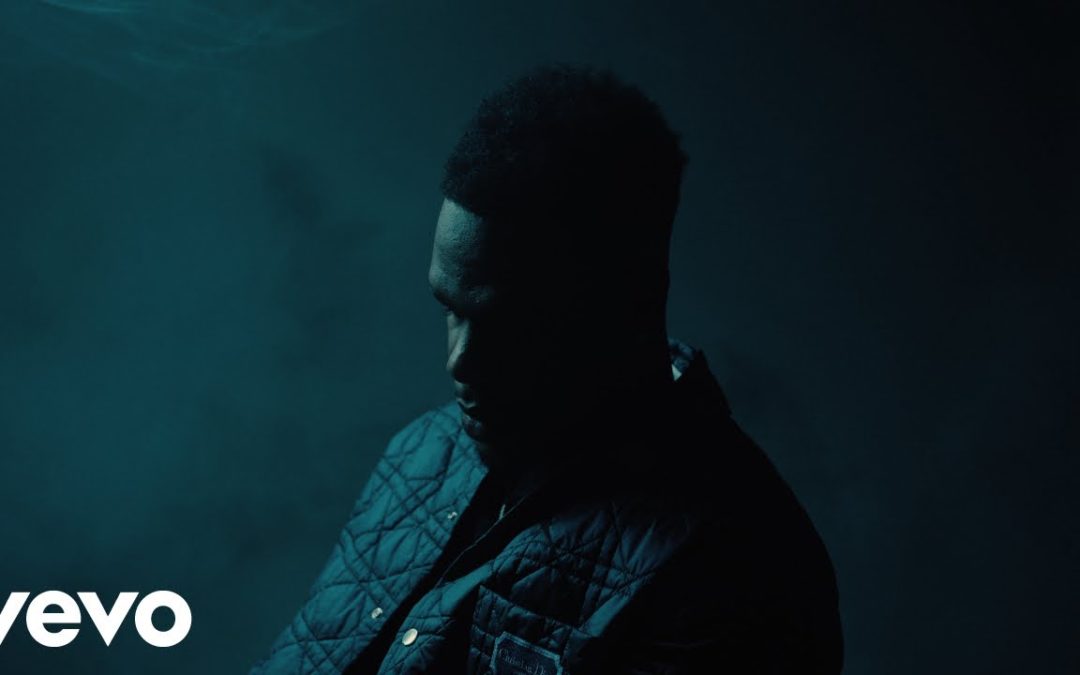
A cinematic visual has been released by Fridayy for “Calling 4 You (Freestyle)”

A cinematic visual has been released by Fridayy for “Calling 4 You (Freestyle)”

Fridayy has already achieved a great deal this year. As part of the 65th Grammy Awards ceremony, the rising star performed “GOD DID” in collaboration with Rick Ross, DJ Khaled, Lil Wayne, JAY-Z, and John Legend. As part of his celebration, he released a deluxe version of the Lost In Melody EP, which added four new tracks as well as a featured performance by Ty Dolla $ign. Currently, he is working on the final touches of his debut album, which is scheduled for release in the upcoming months.

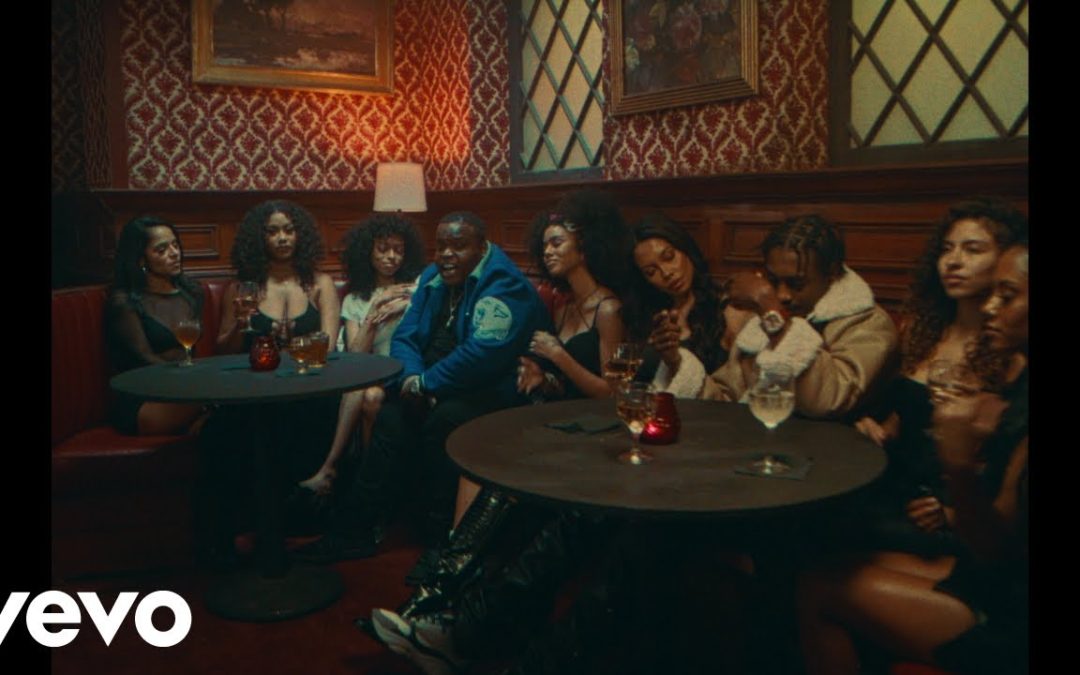
This morning (April 5), Fridayy offers fans the latest offering from Lost In Melody, a visual accompaniment to his song “Calling 4 You (Freestyle).” The cinematic clip, directed by the.97, followed Fridayy as he delivered his lyrics over the course of a dark and spiritual world as he spoke about pushing through hard times:

Originally released back in October of 2022, Lost In Melody was the first edition of the project to experience landfall. A few months after the project was released, Meek Mill actually did hop on the song “Don’t Give Up On Me” from the project, in what turned out to be the only feature from Vory on the album. Aside from his own releases, Fridayy has also appeared on a variety of collaborations in the past year, such as “Sacrifices” featuring Symba, “Forever (Remix)” featuring Ybk Wavy, “Forever” featuring Lil Baby, and more.
Essence Festival Publicly Defends Lauryn Hill’s Delayed Set, Shifts Focus to Her Iconic Legacy

Essence Festival Publicly Defends Lauryn Hill’s Delayed Set, Shifts Focus to Her Iconic Legacy

Photo by Hanny Naibaho on Unsplash

Lauryn Hill has long been celebrated as one of music’s most talented and impactful voices — a generational artist whose work transcends genre, time, and culture. However, in recent years, her name has often come paired with one recurring criticism: lateness. Despite her unparalleled legacy, Hill’s reputation for arriving late to concerts has overshadowed some of her artistry in public discourse.

This past weekend, at the annual Essence Festival of Culture in New Orleans, that same conversation sparked up again — but this time, it was met with a very different response. Rather than allow online speculation and negative assumptions to spiral out of control, the festival’s organizers stepped in forcefully and publicly to set the record straight.

Lauryn Hill headlined the multi-day event that draws in tens of thousands of fans every year to celebrate Black music, empowerment, and cultural pride. Her appearance, however, didn’t begin until 2:30 AM, hours past the expected time. Many online were quick to assume the delay was due to Hill’s personal tardiness — a familiar narrative — but the truth, as later revealed by Essence Festival itself, told a different story.

The Statement That Shifted the Narrative

In a rare move, the official Essence Festival social media account published a video clip from Hill’s performance along with a firm and unapologetic caption directly addressing the controversy. The post boldly declared that Lauryn Hill was not to blame for the delay, and instead praised her artistry and punctuality.

“Family is family, and around here we protect our own no matter what the PEOPLE have to say,” the post began, making it immediately clear where the organizers stood. “Let’s be very clear—WE don’t play about Ms. Lauryn Hill. Not for clicks. Not for headlines.”

The post continued to clarify:
“She arrived on schedule, stepped on that stage, and delivered the kind of performance only a legend can. The delay? Not hers. We will take that. The moment? One for the books. The legacy? Still unmatched. Put some respect on her name. Keep the takes, but keep her out of them. All love and deep profound admiration for Ms. Lauryn Hill.”

This act of public defense wasn’t just damage control — it was a deliberate and respectful effort to protect an icon who has often been the target of disproportionate criticism.

A Performance That Transcended the Hour

Despite the late start, Hill’s set was powerful, deeply soulful, and fully immersive. Backed by her band, her voice rang through the Superdome with passion and precision, reaffirming why she’s regarded as a once-in-a-generation talent. Fans who stuck it out until the early morning hours were rewarded with a performance many described as transformative.

Those in the crowd posted glowing reviews online, with many saying it was “worth every minute of the wait.” Some even called it a spiritual experience. Hill performed a range of classics from her seminal album The Miseducation of Lauryn Hill as well as songs from her Fugees days. Her stage presence — commanding, intentional, and emotionally raw — reminded everyone that despite the media noise, her musical impact remains untouched.

For an artist whose music has deeply shaped R&B, hip-hop, and neo-soul, this performance was not just another concert — it was a cultural reset.

A Star-Studded Weekend of Legends and Rising Stars

While Lauryn Hill’s set captured headlines, the entire Essence Festival weekend was packed with high-profile performances and unforgettable moments. The event, held annually in New Orleans since 1995, has grown into one of the most influential Black cultural festivals in the world. It brings together music, fashion, film, wellness, politics, and business under one umbrella.

This year, the lineup featured iconic performers such as Erykah Badu, Patti LaBelle, Babyface, and Ari Lennox, among others. The result was a rich blend of nostalgia and modern artistry that kept audiences dancing, reflecting, and celebrating for three days straight.

But one particularly poignant moment came from Master P, the New Orleans hip-hop mogul and entrepreneur, who used the Essence stage for his final public performance. Confirming to People magazine that he was officially retiring from music, Master P explained that he was moving into a new role as the President of Basketball Operations at the University of New Orleans.

“This is the next chapter of my life,” he said. “There’s so much negativity in hip-hop right now, and we don’t focus enough on the positive. I’m trying to lead by example. It’s time for me to give back in new ways.”

His decision to step back from music and focus on education and community leadership added a profound layer of inspiration to the festival. It’s a message that resonates with many attendees who view the Essence Festival as more than entertainment — it’s a catalyst for evolution, impact, and empowerment.

Essence Festival: More Than a Music Show

What makes the Essence Festival stand out isn’t just its concert lineup. It’s the way it integrates cultural conversation, political awareness, economic empowerment, and spiritual wellness into a single cohesive experience. During the daytime, festivalgoers attend panels and workshops covering everything from mental health and entrepreneurship to beauty trends and voting rights.

By night, the Superdome transforms into a temple of sound and celebration, where thousands come together to honor the richness of Black identity through music.

This year’s edition exemplified all of that. From deep discussions about generational wealth to performances that revived emotional memories, Essence proved again that it is a cultural institution, not just an event.

The Importance of Public Accountability

The festival organizers’ decision to publicly take responsibility for the delay in Lauryn Hill’s set sends a powerful message about accountability and artist protection, especially in a media environment that often thrives on outrage and controversy.

Too often, artists — particularly Black women — are subjected to harsh scrutiny without context or fairness. Hill, in particular, has been pigeonholed by a narrative that ignores her consistent excellence and instead highlights occasional late arrivals. The decision by Essence Festival to correct the record publicly represents a significant cultural stance: one that values truth over trend, respect over ridicule, and community over clicks.

By issuing a clear, transparent, and supportive message, the organizers helped shift the conversation away from gossip and back to what really matters — the music, the moment, and the message.

Reclaiming the Narrative

This incident offers a broader reflection on how we treat artists — especially legendary ones. Lauryn Hill is not a meme. She is not a headline. She is a cultural treasure who helped shape the sonic identity of a generation. Her album The Miseducation of Lauryn Hill remains a masterclass in lyrical depth, vocal brilliance, and emotional authenticity. It earned her five Grammy Awards and set a standard for artistry that few have matched since.

And yet, when delays happen, it’s often easier for audiences and media outlets to revert to past tropes rather than investigate the facts. The Essence Festival’s post served as a reminder that context matters — and that public figures deserve fairness.

A Weekend of Music, Legacy, and Transformation

In the end, the 2025 Essence Festival will be remembered not just for its big names or dazzling performances but for how it handled controversy with dignity and clarity. Lauryn Hill’s performance will be etched in the memories of those who stayed until nearly 3:00 AM to witness a true master at work. Master P’s retirement reminded fans of the power of reinvention. And the festival itself proved, once again, why it’s one of the most vital celebrations of Black culture in the world.

Essence didn’t just entertain — it defended, empowered, and celebrated. And in doing so, it delivered one of the most memorable weekends of the year.

The unstoppable rise of Kendrick Lamar dominates this year’s award season

The unstoppable rise of Kendrick Lamar dominates this year’s award season

Image credit: Jgphotographydetroit / Shutterstock.com

Awrd season has become an almost year-round affair for Kendrick Lamar. The celebrated rapper, known for his sharp lyricism and thought-provoking storytelling, continues to dominate the music awards landscape. Most recently, the 2025 BET Awards nominations were revealed on Thursday, May 8, and true to form, Kendrick Lamar once again led the pack with a staggering 10 nominations. This feat is a testament to his enduring impact on hip-hop and contemporary music as a whole.

Kendrick’s reign at the awards shows has become something of a routine in recent years. Before this, he led the nominations at the 66th Grammy Awards, the music industry’s most prestigious event, and is also a frontrunner at the upcoming 51st American Music Awards (AMAs). Yet, what sets the BET Awards apart this year is the broader recognition of his body of work. While his diss track “Not Like Us” — a powerful and confrontational song that sparked major conversation — remains a significant factor in his continued success, his nominations at the BET Awards go well beyond that single release. They reflect a multifaceted appreciation for his artistry, both as a solo performer and as a collaborator.

Central to his nominations is his latest album, GNX. The album is nominated for Album of the Year, a category that is notoriously competitive. His main competitors include none other than Beyoncé, with her highly praised project COWBOY CARTER, Drake and PARTYNEXTDOOR’s collaborative album Some Sexy Songs 4 U, and Doechii’s highly anticipated debut Alligator Bites Never Heal. Each of these albums has made waves in their own right, pushing creative boundaries and resonating deeply with audiences. This sets the stage for a truly thrilling contest where any one of these artists could walk away with the top prize.

In the realm of collaborations, Lamar’s presence is particularly dominant. He is nominated for three separate songs in the Best Collaboration category. These tracks include “luther” featuring SZA, a moody and soulful number that has been praised for its chemistry and lyrical depth; “Like That” by Future and Metro Boomin, which showcases Kendrick’s ability to seamlessly blend with other top artists and producers; and “30 For 30,” another collaboration with a close TDE (Top Dawg Entertainment) associate. Notably, “luther” and “Like That” also appear in the Viewer’s Choice Award category, which reflects fan enthusiasm and the cultural impact of these songs. Alongside them is “Not Like Us,” demonstrating that Lamar’s diss track is still very much in the conversation with fans and critics alike.

The influence of “Not Like Us” extends beyond audio recognition; the music video, directed by the renowned Drake, is also nominated for Video of the Year. This visual component is crucial, as it amplifies the song’s message and artistic impact. The nomination also shines a spotlight on Lamar’s role behind the camera, with both he and his frequent creative partner Dave Free earning nods for Video Director of the Year. This highlights Kendrick’s growing presence not just as a performer but as a visionary who shapes the aesthetic and narrative of his work.

Rounding out his impressive slate of nominations is the Best Male Hip Hop Artist category. This recognition is emblematic of Lamar’s consistent excellence and influence within the hip-hop genre. He’s not just nominated for isolated pieces of work; he is celebrated for his overall contributions to music throughout the year.

Given all this, the question naturally arises: is there anyone who can stop Kendrick Lamar’s award show streak in 2025? The short answer is that it seems unlikely—unless Lamar himself opts to step back from releasing new music this year. The anticipation for a deluxe version of GNX remains high, and fans are eager for any new content from the artist. His ability to maintain such a strong presence across multiple major awards demonstrates not only his talent but also his strategic approach to his career.

Other artists are certainly in the mix and deserve mention. Drake, for example, is preparing for his next solo project and remains a formidable competitor. His influence and track record of success mean that he is always a threat in any award category. Doechii is another rising star, with her debut album generating significant buzz. She represents the new wave of talent that could shake up the status quo. However, despite these challengers, Lamar’s established legacy and current momentum give him a considerable edge.

Beyond the nominations and potential wins, Kendrick Lamar’s career trajectory offers a glimpse into what it takes to stay relevant and influential in the modern music industry. His ability to evolve artistically while maintaining authenticity resonates deeply with fans and critics. He’s not just chasing awards for the sake of accolades; his work often carries social and cultural commentary that adds layers of meaning to his art.

The BET Awards nominations underscore the respect and admiration Lamar commands from his peers and the industry. Leading the nominations in such a prestigious event that celebrates Black excellence in entertainment is no small feat. It cements his status as one of the most important voices in hip-hop and modern music.

Looking ahead, the landscape of music awards is always evolving. New artists will emerge, and established ones will innovate. But as of now, Kendrick Lamar’s streak seems poised to continue. His commitment to quality, willingness to collaborate with a diverse range of artists, and ability to connect with audiences through both his music and visuals place him in a league of his own.

For fans, the upcoming BET Awards and other ceremonies will be exciting to watch. Will Lamar continue his dominance, or will fresh talent rise to challenge his throne? Only time will tell, but for now, Kendrick Lamar remains the benchmark by which excellence is measured.

Sinners captures the heart of racial struggle through myth and timeless music

Sinners captures the heart of racial struggle through myth and timeless music

Image credit: Featureflash Photo Agency / Shutterstock.com

The film Sinners has rapidly become more than just a movie—it’s a cultural moment. Its mix of vampire mythology intertwined with profound themes of racial reckoning has drawn extensive attention, but perhaps the most powerful element lies in its music. At its core, Sinners pulses with the spirit of the Delta Blues, a genre whose influence extends far beyond the American South and reverberates worldwide.

The standout musical piece in the film is undoubtedly “I Lied to You,” delivered with raw emotional power by actor and musician Miles Caton, who plays Sammie “Preacher Boy” Moore in the movie. This soulful track was written by the legendary Raphael Saadiq during a studio session alongside Oscar-winning composer Ludwig Göransson—known for his work on director Ryan Coogler’s Black Panther films. Saadiq brings to the table a career that spans almost 40 years, including three Grammy Awards and a legacy of collaborations with artists like Beyoncé on “COWBOY CARTER” and Solange on her critically acclaimed album A Seat at the Table.

Though Saadiq is widely celebrated for his deep roots in R&B, his connection to the music of Sinners goes beyond genre—it touches on his own story. In a Billboard interview published on May 2, Saadiq revealed that he shares a similar background to Sammie, the film’s complex character. Discussing the tension between Sammie’s secular music passion and his church upbringing, Saadiq explained, “That really resonated with me because that’s exactly how I grew up. Playing R&B music, I was told it was the devil’s music, so I completely understood where Sammie was coming from.”

This personal tie to the story allowed Saadiq to bring an authenticity to the songwriting process. He also noted how the project reconnected him with his Baptist roots, particularly the vocal traditions of his childhood church: “Even the humming on the track—I pulled that from Union Baptist Church. It’s a type of devotional singing that’s deeply ingrained in me.”

The Power of Miles Caton’s Voice

When Saadiq composed “I Lied to You,” he had not yet heard Miles Caton sing it. “That voice is something else,” he said. “I wrote the song imagining how I would sing the blues, but when I finally heard Miles sing it, I was blown away.”

Despite Saadiq’s own musical prowess, he felt the song belonged solely to Miles Caton’s voice. Even though there was an offer for Saadiq to release his own demo alongside the film’s soundtrack, he declined, preferring listeners to experience the track exclusively through Miles’s powerful performance. “The movie is so incredible that when people go to streaming platforms, they should only hear Miles. His voice is incredible,” Saadiq emphasized.

For Saadiq, this wasn’t simply an act of humility; it was a recognition that Miles’s voice perfectly embodied the emotional truth of Sammie’s character and the film’s themes.

A Hook Born from Real Life

The phrase “I Lied to You” is far from a random lyric. It originated in Saadiq’s own experiences. Reflecting on his youth, Saadiq recalled a moment when he was struggling to tell his girlfriend the truth about a difficult situation. Instead, he told her, “You know what would make a great blues line? ‘They say the truth hurts, so I lied to you.’”

That line lingered in his mind for years as a powerful blues hook. “I’ve always had blues ideas,” Saadiq admitted. “I’d often come up with blues hooks because they’re some of the best hooks in music.”

For the film, Saadiq initially believed that Sammie was lying to his father, which inspired the song’s title and lyrics. However, as the character developed, it became clear that Sammie was actually trying to tell the truth, even if it wasn’t fully accepted. This emotional complexity added layers of meaning to the song and resonated deeply with Saadiq’s own reflections on truth and deception.

Collaboration with Ludwig Göransson and the Birth of the Track

The creative synergy between Raphael Saadiq and Ludwig Göransson was critical in bringing “I Lied to You” to life. Göransson’s background in cinematic scoring and Saadiq’s mastery of rhythm and blues fused to create a track that was both haunting and cinematic. This collaboration enhanced the film’s emotional landscape, anchoring key scenes with music that felt timeless and authentic.

Experiencing the Song in the Film’s Premier

Saadiq first heard the full version of “I Lied to You” performed by Miles Caton at the Sinners premiere in Oakland, California, on April 16, 2024. Watching the song come alive on the big screen, amidst the movie’s powerful narrative, was a moving moment for Saadiq. Two days later, the film was released worldwide in theaters, including IMAX formats, and quickly garnered box office success. By early May, the film had grossed over $185 million, according to The Numbers, proving both commercial and critical acclaim.

The Delta Blues: Music as Cultural Legacy

The choice to center Sinners’ soundtrack around Delta Blues is a deliberate and meaningful one. Blues music originated from the deep South of the United States and is a genre that has long communicated the pain, resilience, and spirit of African American communities. It is often considered the foundation of much of American music today—from jazz and rock to R&B and hip-hop.

By placing blues music front and center, Sinners pays homage to this rich cultural legacy and reclaims it within a modern narrative. This musical choice creates a bridge between the struggles of the past and present, weaving history into the film’s contemporary themes of identity, power, and redemption.

Raphael Saadiq’s Artistic Journey and Personal Connection

Raphael Saadiq’s career has been marked by his ability to navigate various musical styles with authenticity. Whether producing smooth R&B or venturing into soulful gospel and blues, Saadiq’s work always reflects deep emotional honesty.

In Sinners, his songwriting reconnects him to a foundational part of his own life—his church upbringing. He described how the devotional humming in the track reminded him of singing in church as a child, a spiritual practice that left a lasting imprint on his musical sensibility.

Moreover, Saadiq confessed he had always admired the blues but doubted his own ability to sing it authentically. “I’ve had blues ideas for years, but I never thought I had the voice for it,” he said. The chance to write for Sammie and hear Miles Caton bring that voice to life fulfilled a personal and artistic desire for Saadiq.

The Emotional Core of “I Lied to You”

At its heart, “I Lied to You” is a song about the complicated nature of truth. The title suggests deceit, but the deeper story involves the pain and vulnerability that comes with honesty, especially when it challenges relationships and expectations.

This tension aligns with the film’s larger themes of identity and conflict—Sammie’s struggle to reconcile his secular music passion with his religious roots mirrors broader societal struggles around cultural and racial identity.

Saadiq’s lyricism captures this perfectly, creating a song that feels both personal and universal. Listeners don’t just hear a character’s confession—they hear echoes of their own experiences with love, fear, and self-expression.

Conclusion: A Song That Transcends the Screen

The creation of “I Lied to You” for Sinners is a remarkable example of how music can elevate storytelling. Through Raphael Saadiq’s masterful songwriting and Miles Caton’s unforgettable voice, the track transcends its role as a film song and becomes a powerful expression of cultural memory and emotional truth.

In connecting his own history with the blues and gospel traditions of his youth, Saadiq crafted more than just a soundtrack. He contributed a living piece of art that honors the blues’ enduring legacy—its capacity to tell stories of hardship, redemption, and hope.

As Sinners continues to captivate audiences worldwide, the haunting refrain of “I Lied to You” stands as a reminder that music isn’t just entertainment—it’s a vital thread that binds us to our history, our emotions, and each other.