by Jonathan P-Wright | Jul 11, 2025 | Latest, Music News, New Music Alert |
Photo by freestocks on Unsplash
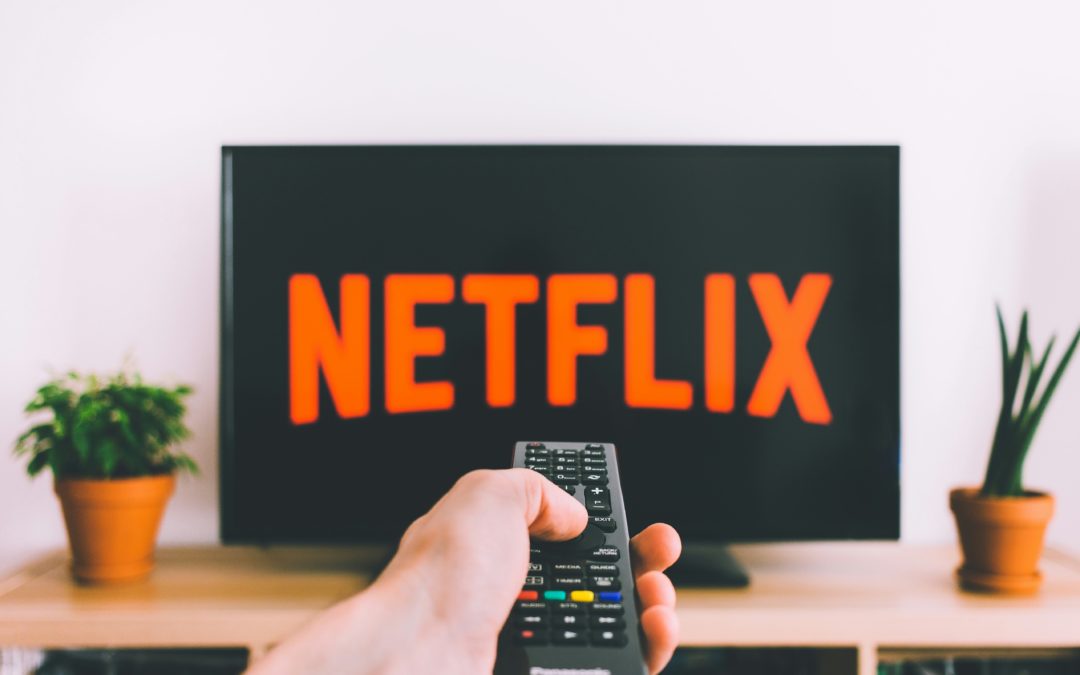
Tonight, history unfolds in the heart of New York City. At the legendary Madison Square Garden, an arena that has witnessed countless iconic moments, women’s boxing claims the main stage in a way never seen before. Netflix is broadcasting the world’s first all-women’s professional boxing card, elevating the sport’s female athletes to global superstars and putting women’s boxing at the center of the combat sports universe. The night’s headline clash—Katie Taylor versus Amanda Serrano III—marks not just a high-stakes sporting contest, but the crest of a wave that is redefining what’s possible for women in boxing.
The Significance of the Night
This event is much more than another set of title fights. It’s a seismic cultural shift for boxing—a sport long dominated by men, where women have had to fight, both literally and metaphorically, for every inch of recognition and opportunity. With five championship bouts and an astonishing 21 world titles up for grabs, tonight’s card is easily the most significant gathering of women’s boxing talent ever assembled.
Never before have so many decorated champions shared a single event, and never before have the stakes been higher for the visibility and legitimacy of women’s boxing. By streaming this historic event live to a worldwide audience, Netflix has effectively declared that women’s fights are every bit as thrilling, marketable, and worthy of investment as their male counterparts.
Amanda Serrano: Driven by Legacy, Not Just Victory
At the core of this event is the electrifying trilogy match between Ireland’s beloved Katie Taylor and Puerto Rico’s legendary Amanda Serrano. For Serrano, this fight is about more than just seeking retribution for two razor-close, contentious defeats. “I’m chasing legacy,” Serrano declared in a recent interview. She has already achieved what no other Puerto Rican boxer has—male or female—by becoming undisputed world champion. But her motivation now is to keep blazing a trail, to keep earning respect and changing the game for women in the sport.
Despite two losses to Taylor—both surrounded by controversy over scoring and officiating—Serrano is steadfast in her belief that she deserved better. “If Katie beat me clearly, I’d say hats off to her. But I just don’t feel it, my fans don’t feel it, my team doesn’t feel it,” she explained, referencing the broader sentiment that has fueled this highly anticipated third bout.
Her commitment is not just mental—it’s intensely physical. For this fight, Serrano has had to move up in weight, battling the discomfort of fighting at 140 pounds instead of her natural 134. She describes gaining weight as even harder than shedding it, which is rare for most fighters. She’s invested in an expanded coaching team, including a nutritionist and running coach, all in an effort to maximize her conditioning and skill for the biggest night of her career.
The Toll of Controversy and the Fight for Equality
Serrano’s last bout with Taylor was marred by more than close scoring; it involved physical adversity that would have broken many fighters. She recalled suffering a deep headbutt cut that briefly blinded her, saying, “I saw black for a second.” Beyond her opponent, she has often felt she’s up against judges and referees as well, making her call for a “fair fight” not just a slogan, but a necessity.
But Serrano’s advocacy stretches beyond her own experience. She’s been a fierce proponent of extending women’s world title fights to 12 three-minute rounds—the men’s standard—believing that this change would allow women’s skill, endurance, and finishing power to truly shine. “I believe if I had that extra minute, I can definitely hurt her and finish her,” she argues. It’s a powerful statement about the potential of women’s boxing and the outdated limitations still imposed on the sport.
New Faces, New Stories: The Next Generation Steps Up
While Taylor and Serrano command the main event, the undercard is a showcase for the next wave of elite talent. Alycia “The Bomb” Baumgardner, the reigning undisputed super featherweight champion, faces Spain’s Jennifer Miranda in a bout expected to be explosive. Baumgardner’s confidence and charisma, both in and out of the ring, represent a new era where women fighters are not just respected but celebrated and marketed as main attractions.
Meanwhile, Shadasia “The Sweet Terminator” Green brings her own story of overcoming adversity. As the first world champion from Jake Paul’s Most Valuable Promotions (MVP), Green seeks to unify the super-middleweight division. Coming from Paterson, New Jersey—a city more often associated with struggle than triumph—Green sees herself as a role model for her community. She was once a top basketball prospect, but after criticism from a coach, she switched to boxing and has flourished ever since. Her story illustrates how the sport is evolving, welcoming athletes from diverse backgrounds and offering them a platform for greatness.
What makes this card even more culturally significant is the prominence of Black women as headline fighters and promotional faces. It’s a shift from the past, reflecting broader changes in both sport and society. These athletes are no longer relegated to the margins; they are front and center, challenging stereotypes and expanding the sport’s reach.
Adding to the event’s gravitas is the participation of Laila Ali, herself a former world champion and daughter of the legendary Muhammad Ali, as part of the commentary team. Her presence underlines the legacy and growing tradition of women’s boxing, as well as the inspiration provided to future generations. Baumgardner put it succinctly: “These young girls are looking at us. They want to know how to be us, or how to be better.”
The Economics of Change: How Serrano and MVP Transformed the Game
Women’s boxing has long lagged behind men’s in financial reward. Serrano’s own journey testifies to that, having once earned as little as $4,000 for world title fights. The turning point came with her partnership with MVP and the influence of YouTuber-turned-boxer Jake Paul, who used his platform to raise the profile and the paychecks of women fighters. Now, the purses reach into the millions, and the Netflix event is both a financial and symbolic milestone.
Serrano explained, “That’s the difference with Jake Paul and these women. Now that people see Katie and me making millions, my fanbase growing, and us making noise, now they want to come along.” For Serrano, an Afro-Latina fighter with a lifetime MVP contract, the money is important—but the recognition and opportunities are priceless. “Netflix believed in me and Katie so much that they gave us our own card, with all women. They believe in us women, and that really touches me.”
Every Fighter, Every Fight: Stories That Inspire
The impact of tonight’s event stretches far beyond the headline names. Fighters like Ramla Ali and Shurretta Metcalf embody what this moment means to so many others. Ali, a Somali refugee who became a global symbol for perseverance, fights not just for herself, but for those who feel powerless. “Every time I go into the ring, I need to make it mean something. I feel like I have a responsibility to fight for people that don’t feel they can fight for themselves,” she said.
Metcalf echoes a similar sentiment: “I’m fighting for the girls who look like me, who come from nothing like me. It doesn’t matter your age or where you’re from. It just matters how you finish.” These stories, broadcast to millions around the globe, will inspire new generations and reinforce the idea that boxing belongs to everyone, regardless of background.
Why This Moment Matters
Tonight is a turning point, not just for boxing, but for sports culture as a whole. For decades, women’s fights were often buried on undercards or ignored by mainstream media. Now, with the world watching via Netflix, women’s boxing commands the spotlight, the money, and—most importantly—the respect it has always deserved.
The fighters entering the ring tonight are doing more than just battling for belts. They are breaking new ground, knocking down barriers, and redefining what is possible for women in sports. Their victories, struggles, and stories will reverberate beyond the ropes, encouraging girls everywhere to step up, dream big, and claim their place at the top.
As the final bell sounds, regardless of who leaves with the championship belts, one thing is certain: the future of women’s boxing—and perhaps women’s sports as a whole—just got a lot brighter.
by Laghe Andrews | Jul 11, 2025 | Latest |
Photo by Hanny Naibaho on Unsplash
Lauryn Hill has long been celebrated as one of music’s most talented and impactful voices — a generational artist whose work transcends genre, time, and culture. However, in recent years, her name has often come paired with one recurring criticism: lateness. Despite her unparalleled legacy, Hill’s reputation for arriving late to concerts has overshadowed some of her artistry in public discourse.
This past weekend, at the annual Essence Festival of Culture in New Orleans, that same conversation sparked up again — but this time, it was met with a very different response. Rather than allow online speculation and negative assumptions to spiral out of control, the festival’s organizers stepped in forcefully and publicly to set the record straight.
Lauryn Hill headlined the multi-day event that draws in tens of thousands of fans every year to celebrate Black music, empowerment, and cultural pride. Her appearance, however, didn’t begin until 2:30 AM, hours past the expected time. Many online were quick to assume the delay was due to Hill’s personal tardiness — a familiar narrative — but the truth, as later revealed by Essence Festival itself, told a different story.
The Statement That Shifted the Narrative
In a rare move, the official Essence Festival social media account published a video clip from Hill’s performance along with a firm and unapologetic caption directly addressing the controversy. The post boldly declared that Lauryn Hill was not to blame for the delay, and instead praised her artistry and punctuality.
“Family is family, and around here we protect our own no matter what the PEOPLE have to say,” the post began, making it immediately clear where the organizers stood. “Let’s be very clear—WE don’t play about Ms. Lauryn Hill. Not for clicks. Not for headlines.”
The post continued to clarify:
“She arrived on schedule, stepped on that stage, and delivered the kind of performance only a legend can. The delay? Not hers. We will take that. The moment? One for the books. The legacy? Still unmatched. Put some respect on her name. Keep the takes, but keep her out of them. All love and deep profound admiration for Ms. Lauryn Hill.”
This act of public defense wasn’t just damage control — it was a deliberate and respectful effort to protect an icon who has often been the target of disproportionate criticism.
A Performance That Transcended the Hour
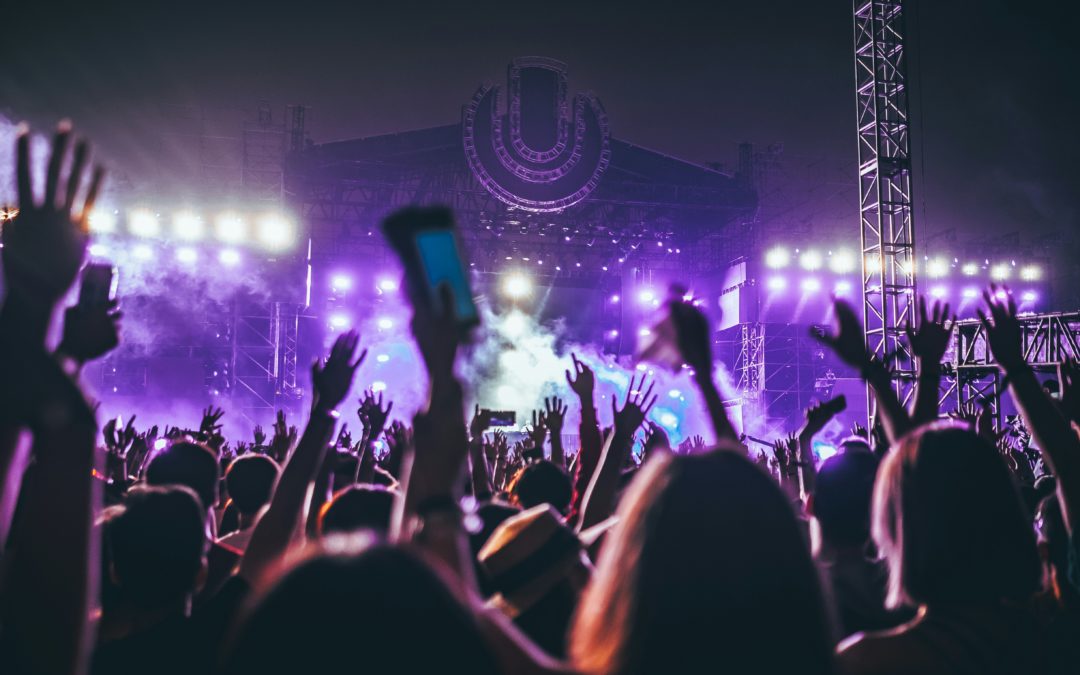
Despite the late start, Hill’s set was powerful, deeply soulful, and fully immersive. Backed by her band, her voice rang through the Superdome with passion and precision, reaffirming why she’s regarded as a once-in-a-generation talent. Fans who stuck it out until the early morning hours were rewarded with a performance many described as transformative.
Those in the crowd posted glowing reviews online, with many saying it was “worth every minute of the wait.” Some even called it a spiritual experience. Hill performed a range of classics from her seminal album The Miseducation of Lauryn Hill as well as songs from her Fugees days. Her stage presence — commanding, intentional, and emotionally raw — reminded everyone that despite the media noise, her musical impact remains untouched.
For an artist whose music has deeply shaped R&B, hip-hop, and neo-soul, this performance was not just another concert — it was a cultural reset.
A Star-Studded Weekend of Legends and Rising Stars
While Lauryn Hill’s set captured headlines, the entire Essence Festival weekend was packed with high-profile performances and unforgettable moments. The event, held annually in New Orleans since 1995, has grown into one of the most influential Black cultural festivals in the world. It brings together music, fashion, film, wellness, politics, and business under one umbrella.
This year, the lineup featured iconic performers such as Erykah Badu, Patti LaBelle, Babyface, and Ari Lennox, among others. The result was a rich blend of nostalgia and modern artistry that kept audiences dancing, reflecting, and celebrating for three days straight.
But one particularly poignant moment came from Master P, the New Orleans hip-hop mogul and entrepreneur, who used the Essence stage for his final public performance. Confirming to People magazine that he was officially retiring from music, Master P explained that he was moving into a new role as the President of Basketball Operations at the University of New Orleans.
“This is the next chapter of my life,” he said. “There’s so much negativity in hip-hop right now, and we don’t focus enough on the positive. I’m trying to lead by example. It’s time for me to give back in new ways.”
His decision to step back from music and focus on education and community leadership added a profound layer of inspiration to the festival. It’s a message that resonates with many attendees who view the Essence Festival as more than entertainment — it’s a catalyst for evolution, impact, and empowerment.
Essence Festival: More Than a Music Show
What makes the Essence Festival stand out isn’t just its concert lineup. It’s the way it integrates cultural conversation, political awareness, economic empowerment, and spiritual wellness into a single cohesive experience. During the daytime, festivalgoers attend panels and workshops covering everything from mental health and entrepreneurship to beauty trends and voting rights.
By night, the Superdome transforms into a temple of sound and celebration, where thousands come together to honor the richness of Black identity through music.
This year’s edition exemplified all of that. From deep discussions about generational wealth to performances that revived emotional memories, Essence proved again that it is a cultural institution, not just an event.
The Importance of Public Accountability
The festival organizers’ decision to publicly take responsibility for the delay in Lauryn Hill’s set sends a powerful message about accountability and artist protection, especially in a media environment that often thrives on outrage and controversy.
Too often, artists — particularly Black women — are subjected to harsh scrutiny without context or fairness. Hill, in particular, has been pigeonholed by a narrative that ignores her consistent excellence and instead highlights occasional late arrivals. The decision by Essence Festival to correct the record publicly represents a significant cultural stance: one that values truth over trend, respect over ridicule, and community over clicks.
By issuing a clear, transparent, and supportive message, the organizers helped shift the conversation away from gossip and back to what really matters — the music, the moment, and the message.
Reclaiming the Narrative
This incident offers a broader reflection on how we treat artists — especially legendary ones. Lauryn Hill is not a meme. She is not a headline. She is a cultural treasure who helped shape the sonic identity of a generation. Her album The Miseducation of Lauryn Hill remains a masterclass in lyrical depth, vocal brilliance, and emotional authenticity. It earned her five Grammy Awards and set a standard for artistry that few have matched since.
And yet, when delays happen, it’s often easier for audiences and media outlets to revert to past tropes rather than investigate the facts. The Essence Festival’s post served as a reminder that context matters — and that public figures deserve fairness.
A Weekend of Music, Legacy, and Transformation
In the end, the 2025 Essence Festival will be remembered not just for its big names or dazzling performances but for how it handled controversy with dignity and clarity. Lauryn Hill’s performance will be etched in the memories of those who stayed until nearly 3:00 AM to witness a true master at work. Master P’s retirement reminded fans of the power of reinvention. And the festival itself proved, once again, why it’s one of the most vital celebrations of Black culture in the world.
Essence didn’t just entertain — it defended, empowered, and celebrated. And in doing so, it delivered one of the most memorable weekends of the year.

by Harris | Jul 11, 2025 | Latest |
Photo by Michael Förtsch on Unsplash
More than two years have passed since Tyre Nichols was fatally assaulted by Memphis police officers, yet the pain surrounding his death feels as raw as ever—especially after the shocking verdict that acquitted three of the men involved. What many saw as an opportunity for justice instead became a painful reminder of how rarely accountability follows police brutality in the United States.
The acquittals of officers Tadarrius Bean, Demetrius Haley, and Justin Smith stunned the nation. Despite extensive and disturbing video evidence, a state jury found all three not guilty on charges of second-degree murder, aggravated assault, and official misconduct. The decision once again cast a glaring spotlight on the systemic challenges of prosecuting police violence—and the emotional toll it continues to inflict on victims’ families and communities.
The Night That Changed Everything
On January 7, 2023, Tyre Nichols—a 29-year-old Black man, father, photographer, and FedEx worker—was pulled over during what police claimed was a routine traffic stop in Memphis, Tennessee. That stop quickly spiraled into something far more sinister.
Officers from the Memphis Police Department’s now-disbanded SCORPION unit dragged Nichols from his car. He was pepper-sprayed, hit with a stun gun, and chased on foot when he tried to escape. When they caught him, five officers took turns beating him, even as he was restrained. Punches rained down. A baton struck him multiple times. He was kicked in the head while defenseless and screaming for his mother.
This horrific encounter—captured in detail by body-worn cameras and surveillance footage from a nearby pole—would ultimately lead to Nichols’ death three days later, from blunt force trauma and internal injuries.
Graphic Evidence, No Conviction
For many, the most haunting aspect of this tragedy is that the public watched it happen—after the fact, yes, but without ambiguity. The video footage, which sparked nationwide protests when it was released, shows not only the beating but also the callous aftermath. Nichols is left slumped against a car, clearly in distress. The officers laugh, exchange fist bumps, and offer no medical aid.
Yet, during the trial, defense attorneys successfully argued that their clients were simply following police procedures or attempting to subdue a suspect they claimed was resisting arrest. Much of the blame was directed at another officer, Emmitt Martin, who had taken a plea deal and was not on trial.
Among the most damning revelations was that Officer Demetrius Haley had taken a photo of Nichols after the beating—bruised, unconscious, bloodied—and shared that image with multiple people, including acquaintances. That act of casual cruelty symbolized the dehumanization at the heart of this tragedy.
But even this, along with the 20-minute delay in providing medical attention, was not enough to persuade the jury.
Public Reaction and Family Grief
The reaction to the verdict was swift and furious. Shelby County District Attorney Steve Mulroy voiced the frustration felt by many: “We all saw the videos. We know what happened. It’s hard to understand how a jury could find no guilt at all.”
Outside the National Civil Rights Museum, Nichols’ mother and stepfather gave heart-wrenching speeches. His mother said the verdict felt like she had lost her son all over again. His stepfather called it a “travesty of justice,” urging Americans not to grow numb to these failures.
The Congressional Black Caucus issued a powerful statement condemning the verdicts as “a shock to our collective conscience,” while activist Bernice King called for federal authorities to step in, stating that the acquittals reflect a system that was never built to protect Black lives.
A Pattern That Refuses to Break
The Tyre Nichols case is not an isolated incident—it joins a growing, painful list of cases where police officers walk free despite public outrage and overwhelming video evidence. Names like Rodney King, Eric Garner, Breonna Taylor, George Floyd, and Elijah McClain remain seared in public memory for similar reasons.
What unites these cases is not only the violence itself, but the consistent failure of institutions to deliver justice afterward. Legal protections like qualified immunity, strong police union influence, and culturally ingrained biases all make convictions incredibly difficult. Even in the face of bodycam footage and independent autopsies, juries often hesitate to convict officers—especially when the defense leans on split-second decision narratives and “resisting arrest” arguments.
Systemic Failures Go Beyond Individual Officers
Many people noted that all five officers involved in Nichols’ death were Black—prompting some to question if race played the same role it has in other cases of police violence. But experts and activists argue that focusing solely on the race of the officers misses the larger point: policing as a system disproportionately harms Black Americans regardless of who is enforcing it.
This is not about individual bigotry; it’s about a policing structure rooted in control, aggression, and systemic disregard for Black bodies. Training often emphasizes dominance and “compliance” over de-escalation and empathy. Oversight mechanisms are often weak, internal reviews biased, and punishment rare.
Even the SCORPION unit itself—a now-disbanded elite squad meant to tackle violent crime—was criticized from the start for its aggressive tactics and lack of transparency. Critics had warned that such units often go rogue, operating like paramilitary squads within city neighborhoods already over-policed and under-resourced.
Federal Charges Offer a Slim Hope
While the state trial ended in acquittals, federal charges still stand against all five former officers. These include civil rights violations and obstruction of justice—crimes that carry serious penalties. Sentencing is expected later this year.
Additionally, Nichols’ family has filed a $550 million civil lawsuit against the City of Memphis, the Memphis Police Department, and key officials, including the former police chief. The lawsuit claims that the SCORPION unit’s creation, leadership, and oversight failures directly contributed to Nichols’ death.
Some activists see this legal action as a potential tool to force reform. While no amount of money can bring back a life, large settlements often pressure cities to change hiring practices, restructure police units, and implement oversight reforms.
A National Crisis Demands National Reform
The broader crisis is undeniable. Reform advocates have been pushing for:
- Ending qualified immunity, which shields officers from personal liability.
- Independent prosecutors in all police-involved deaths to prevent conflict of interest.
- Stronger federal legislation, such as the stalled George Floyd Justice in Policing Act.
- Community review boards with real power—not just advisory roles.
Yet progress has been frustratingly slow. The political will fades with each news cycle. Police unions lobby hard against reforms. And without sustained public pressure, the status quo remains intact.
But families like the Nichols’, and a new generation of activists, refuse to let the conversation die. They continue to push—not only for accountability in this case but for transformation of the very system that made it possible.
Humanizing Tyre Nichols
Amid the legal arguments and political debates, it’s crucial to remember who Tyre Nichols was. He wasn’t just a symbol—he was a person.
He loved skateboarding and photography. He worked hard and was described by those who knew him as gentle, creative, and thoughtful. He often took photos of sunsets and landscapes around Memphis. He had plans, dreams, and relationships. That night, he was just trying to make it home.
His life was not taken by fate or error—it was taken by a system that chooses force over humanity and silence over accountability.
Conclusion: A Reckoning Still Needed
The acquittals in the Tyre Nichols case illustrate how far we still have to go. Even in an era where body cameras and cell phone footage expose the truth, the institutions responsible for justice too often fall short.
But public memory is long, and the push for reform has not disappeared. It has simply entered a new chapter—one driven by renewed urgency, growing awareness, and the voices of those who refuse to accept injustice as inevitable.
Tyre Nichols’ name now lives among others we remember not just for how they died, but for how they’ve inspired a movement that will not rest until the system changes.
by Jonathan P-Wright | Jul 4, 2025 | Latest, Tech News |
Photo by Christian Wiediger on Unsplash
In an era dominated by vertical videos, short-form content, and mobile-first behavior, the numbers speak louder than ever: YouTube Shorts is not only winning — it’s dominating. During a major announcement this week, YouTube CEO Neal Mohan unveiled a staggering new milestone that redefines the playing field. YouTube Shorts is now drawing in 200 billion views every single day. This isn’t a monthly number, nor annual—it’s daily.
To put this into perspective, in March 2024, just over a year ago, YouTube Shorts was getting around 70 billion daily views. The platform has since seen a phenomenal growth of 186%, almost tripling its viewership in just 15 months. These numbers push YouTube far beyond competition, cementing its place as the undisputed powerhouse in both short-form and long-form video ecosystems.
YouTube Shorts: The Quiet Giant That Surged Ahead
This explosive growth highlights YouTube’s strategic success in tapping into the short-form content trend that has reshaped how billions consume media. Once seen as a response to TikTok’s meteoric rise, YouTube Shorts has grown from an experiment into a juggernaut.
Interestingly, while YouTube continues to release its metrics publicly, TikTok has remained relatively silent, withholding daily viewership stats for quite some time now. The absence of comparative data from TikTok could indicate that it’s facing challenges keeping up with YouTube’s explosive pace, especially as YouTube continues to scale its ecosystem globally across multiple devices and demographics.
Although TikTok remains hugely influential in pop culture, music discovery, and trend creation, the sheer scale YouTube has achieved is in another league. And it’s not just about views—it’s about infrastructure, longevity, and monetization power.
YouTube Is Now the Future of Television, Too
Beyond the mobile screen, YouTube is now conquering living rooms at an unprecedented scale. Mohan also shared that users now spend over 1 billion hours watching YouTube on TVs every single day. This isn’t just a statistic—it’s a powerful reflection of how video consumption habits have evolved in the last few years.
According to Nielsen’s Gauge report, YouTube accounted for 12.5% of total U.S. TV viewership in May 2025, surpassing all other streaming platforms, including Netflix, Hulu, and even traditional cable channels. For the fourth consecutive month, YouTube has held this leading position, solidifying its status not only as a video-sharing platform but as a next-gen television network.
More telling is that for over half of the 100 most-watched YouTube channels, TVs are now the most-viewed screen. This flips the historical narrative that YouTube is just for phones and desktops. Now, it’s a platform that commands attention on the largest screen in the home.
This shift is crucial because it brings legitimacy and permanence to YouTube in the traditional content space. No longer just a digital alternative, YouTube is becoming the primary destination for both entertainment and information across every screen.
What Makes YouTube’s Ecosystem So Powerful?
A large part of YouTube’s success lies in its multi-format ecosystem. Unlike platforms that limit creators to a single type of content—be it short videos, live streams, or long-form content—YouTube is designed to allow all of it to coexist. This format-flexibility creates a seamless viewer experience and gives creators multiple ways to grow their presence, reach diverse audiences, and monetize their work.
Whether it’s a 15-second skit, a 10-minute tutorial, or a 3-hour podcast, YouTube supports it all within a single platform. It’s also heavily optimized for various devices, from phones to tablets, laptops to smart TVs. This means that creators don’t need to rebuild their audience across platforms—YouTube is their one-stop shop for creative expression and financial sustainability.
This comprehensive approach has allowed YouTube to create something no other platform has: an all-in-one video infrastructure that supports both creator freedom and audience diversity.
YouTube’s AI Push: Enter Veo 3 and Dream Screen
Not one to rest on its laurels, YouTube is already preparing to launch its next big leap in content creation. Mohan teased the upcoming release of Veo 3, a cutting-edge AI video generation model developed by DeepMind, Google’s AI research arm.
This new technology will be integrated into YouTube Shorts later this summer under a feature called Dream Screen. The promise? Better visuals, smoother transitions, sharper animations, and—most notably—AI-generated sound and motion that elevate the quality of short-form video to near-professional standards.
Imagine this: a creator types a prompt like “a futuristic Tokyo street at night with neon rain,” and within seconds, Dream Screen generates that background in high resolution, complete with ambient sound and movement. This level of creative freedom could eliminate the need for expensive tools, filming gear, or visual effects software.
By baking such advanced AI into its core platform, YouTube is empowering creators to push the boundaries of what’s possible, even within a 60-second video. In doing so, it continues to attract creative talent and set a higher bar for what mobile-first content can look like.
Streaming Is No Longer the Future—It’s the Present
YouTube’s rise is part of a larger transformation happening across the entire media landscape. For the first time in history, streaming has overtaken cable and broadcast combined as the primary source of TV consumption in the United States.
Nielsen’s latest figures show that streaming now represents 44.8% of total TV usage, a dramatic rise from just 26% four years ago. Meanwhile, cable has dropped to 24.1% and traditional broadcast sits at 20.1%.
In other words, the old media models are rapidly being replaced by digital platforms that offer on-demand, algorithmically personalized experiences. And YouTube, unlike most others, has successfully captured both the mass appeal and the personalization edge.
As Nielsen CEO Karthik Rao noted, this shift is a pivotal moment in the media industry—a “perfectly timed inflection point,” coinciding with the four-year anniversary of Nielsen’s Gauge report. In this new world, YouTube isn’t just part of the trend—it’s leading it.
Creators Are Flocking to YouTube for One Key Reason: Money
While TikTok may be where trends start, YouTube is increasingly where creators go to build careers. And the numbers back it up.
YouTube offers monetization avenues that other platforms are still trying to figure out. Whether it’s ad revenue sharing, channel memberships, Super Chats, affiliate tools, or the YouTube Partner Program, creators now have more options than ever to turn views into income.
Even with Shorts, YouTube is rolling out performance-based monetization tools that allow creators to earn directly from short-form content—something TikTok’s widely criticized Creator Fund has struggled with.
The platform is also expanding its e-commerce and live shopping features, helping creators turn their videos into virtual storefronts. With real-time product links, affiliate commissions, and audience segmentation tools, YouTube is shortening the creator-to-customer journey drastically.
In contrast, TikTok creators often rely heavily on external sponsorships and brand deals, which aren’t scalable for smaller or mid-tier creators. YouTube, meanwhile, continues to invest in tools that benefit creators at every stage of their journey.
YouTube Is Now More Than a Platform—It’s the New Media Standard
If there’s one takeaway from all these numbers and announcements, it’s this: YouTube has transformed itself from a platform into a media empire.
It’s redefining what it means to be a “TV channel.” It’s building tools for the next generation of creators. It’s expanding reach across mobile and TV screens alike. And with advanced AI like Veo 3 on the horizon, it’s setting the pace for the entire industry to follow.
What started as a site for cat videos and bedroom vloggers is now a technology-driven global network, attracting billions of users daily, empowering creators at every level, and delivering more hours of content to more screens than any other platform in history.
What This Means for the Industry (and the Viewer)
For creators, YouTube represents the most complete toolkit to build a sustainable and scalable video business.
For brands and advertisers, it’s an unrivaled distribution channel that combines reach, targeting, and conversion power.
For consumers, it’s a content universe tailored to personal preferences, discoverable across every screen in the house.
And for everyone else—whether competitor or casual observer—YouTube’s trajectory is a clear signal: the future of media is not just digital. It’s YouTube-shaped.

by Laghe Andrews | Jun 19, 2025 | Business News, Latest, Tech News |
Photo by Rahul Chakraborty on Unsplash
In a powerful homage to Black artistry, heritage, and resilience, Amazon Music has announced an exceptional cultural event that will serve as a centerpiece for this year’s Black Music Month celebrations. On June 19th, multi-Grammy-winning artist and neo-soul pioneer Erykah Badu will headline a special Juneteenth concert titled “Badu Presents: Echos 19,” streaming live from her hometown of Dallas, Texas.
Organized by Amazon Music’s Rotation, its Black music-focused brand, the event is part of their broader campaign, “Forever In Rotation”—a tribute to influential Black musicians who continue to shape the cultural and sonic identity of America. This show isn’t just a concert; it’s a landmark moment designed to uplift the spirit of Juneteenth through the healing and expressive power of live music.
Why Juneteenth Matters
To understand the significance of this concert, one must recognize the profound meaning of Juneteenth. Officially known as Emancipation Day, Juneteenth marks the date—June 19, 1865—when Union soldiers arrived in Galveston, Texas, to inform enslaved African Americans of their freedom, more than two years after President Lincoln’s Emancipation Proclamation had been signed.
Though freedom had technically been granted, it had been denied in practice—making Juneteenth both a celebration of liberation and a solemn reminder of delayed justice. It’s a uniquely Texan holiday that has grown into a nationally celebrated day of remembrance and Black pride, especially following its designation as a federal holiday in 2021.
Pairing Juneteenth with a performance by Erykah Badu, a Texas-born artist whose music echoes themes of spiritual liberation, cultural consciousness, and ancestral wisdom, turns this concert into something larger than entertainment. It becomes an act of communal remembrance, celebration, and cultural affirmation.
Amazon Music’s “Forever In Rotation” Campaign: Uplifting Black Voices
Amazon Music’s Rotation platform was created to spotlight Black creators across the spectrum of hip-hop, R&B, soul, and beyond. Their “Forever In Rotation” campaign for Black Music Month 2025 is designed to highlight trailblazers whose work has become permanently etched into the musical and cultural fabric of Black America.
This isn’t just a brand campaign. It’s a public acknowledgment of the ongoing impact of Black creativity, and Rotation is using its platform to make sure the spotlight stays where it belongs.
A Hometown Hero on a Global Stage
The concert will take place at The Bomb Factory, a beloved Dallas music venue located in the historic Deep Ellum district—known for its deep jazz and blues roots. Once an actual munitions plant, the space has transformed into one of Texas’s top live performance venues, and its gritty, industrial past offers a striking contrast to the soulful, transcendent sounds Badu will deliver.
For Erykah Badu, performing in her hometown carries special meaning. She has always taken pride in her Dallas roots and frequently pays tribute to the city in her music, interviews, and activism. This Juneteenth show is both a return and a renewal—a full-circle moment where a local legend reconnects with her origins while broadcasting her message of love and liberation to a global audience.
Free tickets for Dallas-area residents are being offered through ErykahBadu.com, making the event accessible for the local community. For fans worldwide, the show will be livestreamed on Prime Video and Amazon Music’s Twitch channel, making this a truly international celebration of Black culture and artistry.
Erykah Badu: The Soul of a Generation
Erykah Badu is not just a musician—she is a cultural force. Since the release of her groundbreaking debut album Baduizm in 1997, she has redefined what it means to be a modern Black artist. Her music, often categorized as neo-soul, is an eclectic fusion of jazz, hip-hop, R&B, funk, and African spiritual traditions.
But Badu’s impact goes far beyond music. She’s a fashion icon, wellness advocate, spiritual teacher, and creative visionary. Her lyrics tackle everything from self-empowerment and motherhood to capitalism and cultural identity. Whether singing about ancestral trauma or romantic entanglement, she does so with poetic complexity and unmatched authenticity.
Now, in 2025, Badu is fully independent, releasing new material under her own label, Control Freaq Records. A new album is scheduled to drop later this summer, and this Juneteenth concert may serve as a preview of what’s to come—potentially featuring unreleased tracks, experimental sounds, and genre-defying performances.
More Than Music: A Night of Connection and Celebration
“Badu Presents: Echos 19” is set to deliver far more than just a setlist. Backed by her full band, Badu will perform a range of material—classic hits like Tyrone, Window Seat, and On & On, as well as rare gems and potentially new tracks from her upcoming project.
Live performances have always been Badu’s strong suit. Her concerts are spiritual rituals, filled with improvisation, emotion, and connection. Whether she’s burning incense or speaking to the crowd between songs, Badu creates a space that feels sacred and transformative.
The experience will be enriched by the presence of rising Texas rapper Tye Harris, who will open the show, offering a glimpse into the next generation of lyrical and poetic Black voices. The event will be hosted by well-known media personalities Wayno, Nyla Symone, and Mouse Jones, who will guide viewers through the night with commentary, artist insights, and audience interaction—creating a complete digital experience that mirrors the energy of an in-person concert.
Black Music Month: Celebrating Generations of Impact
Black Music Month, officially established in 1979 by President Jimmy Carter, was created to honor the pivotal role that Black artists have played in the development of music in America and around the world. From gospel and blues to jazz, rock, soul, and hip-hop—Black music is the backbone of the modern soundscape.
Erykah Badu’s career alone touches on many of these genres, making her a fitting choice to represent Black Music Month. She blends the wisdom of the past with the vision of the future, uniting audiences across generations.
And in many ways, her musical evolution reflects the broader arc of Black music in America—rooted in struggle, guided by spirit, and fueled by a drive for expression, joy, and freedom.
Why This Concert Matters
There are many concerts happening around the world this summer, but “Badu Presents: Echos 19” is different. It’s not just about music—it’s about marking a moment.
At a time when conversations around race, equity, identity, and cultural memory continue to evolve, this event reminds us of the transformative power of art. Music can heal. It can teach. It can connect. And it can honor those who came before while inspiring those who will follow.
For fans of Badu, this is a rare opportunity to witness her in peak form, doing what she does best. For others, it may be an introduction to a modern-day griot, a storyteller whose voice carries echoes of both the past and the future.
What to Expect from the Livestream
- Live Band Performance: A full ensemble accompanying Badu with rich instrumentation and improvisational flair.
- Fan Favorites and Deep Cuts: From her early classics to more obscure tracks—and possibly unreleased music.
- Cultural Commentary: Expect spoken interludes, personal anecdotes, and social reflection throughout the performance.
- Immersive Visuals: Lighting, staging, and styling that echo the themes of identity, legacy, and transformation.
- Global Access: A high-quality livestream via Prime Video and Twitch, bringing the event to audiences around the world.
In Closing: A Moment Bigger Than Music
“Badu Presents: Echos 19” is more than a concert. It is a celebration of survival, a testament to freedom, and a showcase of what Black music has always been—a voice for the voiceless, a rhythm of resistance, and a sound of sacred joy.
On this Juneteenth, Erykah Badu will not only perform—she will channel centuries of soul into a single night. And the world will be watching.

RECENT COMMENTS