
by Jonathan P-Wright | Jun 13, 2025 | Latest, Music News, New Music Alert |
Photo by Tingey Injury Law Firm on Unsplash
In the unfolding legal case against music mogul Sean “Diddy” Combs, an anonymous former assistant—testifying under the pseudonym “Mia”—completed her third and final day on the witness stand this past Monday. Her testimony was marked by harrowing allegations of abuse, coercion, and manipulation. Through unwavering conviction, she strongly denied any financial motivation for coming forward, rejecting the defense’s suggestion that she was pursuing a payout under the guise of the #MeToo movement.
Mia’s testimony is part of a larger racketeering and sex trafficking case that has rocked the entertainment industry and placed one of its most powerful figures under intense legal scrutiny. While the accusations are serious and deeply personal, the defense—led by attorney Brian Steel—has painted a vastly different picture: one in which Mia is allegedly leveraging the cultural climate for personal gain.
A Long and Exhaustive Cross-Examination
Brian Steel’s cross-examination began last Friday and stretched well into Monday, occupying the better part of the court’s time. His strategy was aggressive and methodical: painting Mia as inconsistent, emotionally manipulative, and possibly financially motivated.
A central tactic involved showcasing a series of social media posts and private messages Mia sent to Combs following her departure from his employment in early 2017. These messages included warm holiday greetings, expressions of love and condolences following the deaths of close people in Combs’ life—including his long-time partner Kim Porter and mentor Andre Harrell—and celebratory messages on his birthday.
Steel repeatedly contrasted the affectionate and sympathetic tone of these messages with the allegations Mia has made in court: repeated sexual assaults, emotional abuse, physical violence, and exploitative work conditions that deprived her of sleep for days at a time.
He raised doubts about why there were no contemporaneous records of the alleged abuse—no photographs, no diary entries, no formal complaints.
“Didn’t you have time to write something down? Notes about how he sexually assaulted you?” Steel pressed.
“I did not and I could not,” Mia answered, her voice low but steady.
Money Motive or Survival Instinct?
Perhaps the most pointed line of questioning came when Steel pushed Mia about her decision to hire a lawyer. His tone sharpened noticeably as he probed whether her intention was to sue Combs in civil court. Mia denied any such plans repeatedly.
Steel escalated the accusation: “Isn’t it true that you sought a lawyer because you wanted to sue Mr. Combs for money?”
“No,” Mia replied firmly.
The line of questioning took a darker turn when Steel asked, “And that you joined the #MeToo money grab against Sean Combs—is that true?”
This question was immediately objected to by the prosecution, and Judge Madison Smyser sustained the objection.
This phrase—“#MeToo money grab”—echoes a broader cultural debate about the legitimacy of victims’ claims in high-profile abuse cases. For Mia, however, the suggestion that her motives were opportunistic seemed to strike a deeply personal chord. Her testimony had consistently emphasized psychological manipulation, fear, and a deeply imbalanced power dynamic rather than any intent to profit.
Surveillance, Control, and Intimidation
On Monday, new allegations surfaced that added another disturbing layer to the case. Steel questioned Mia about her personal relationship with Cassie Ventura—Combs’ former partner and another alleged victim in the case. Mia and Ventura are known to be close, but Steel sought to understand why Mia never discussed Combs’ alleged abuse with her friend.
Mia explained that she was afraid—deeply afraid.
“[Combs] has stolen my phone many times,” she testified. “He’s stolen Cassie’s phone many times. He’s put tracking devices on her car. I’m not sure what he is capable of.”
This testimony painted a picture not just of violence and manipulation, but of near-total surveillance and control. Mia suggested that even in private, she feared being monitored—underscoring the toxic, high-pressure environment she claims she endured.
Her rationale for not coming forward earlier was consistent: she didn’t believe anyone would support her.
“I was completely entrenched in his world,” she explained. “Now I’m surrounded by the support I need, and I’ve seen other worlds that aren’t like that.”
A Climate of Silence
Throughout her testimony, Mia emphasized how isolated she felt while working under Combs. She described a climate in which abuse was normalized, and speaking out was both futile and dangerous.
“If I had told anyone, I wouldn’t be believed. I would be wiped out. I’d be fired, abused, and painted as a crazy person,” she said.
Mia described feeling “brainwashed” during her time with Combs—a term she elaborated on at Steel’s request.
“To be brainwashed meant living in an environment where the highs were euphoric and the lows were devastating,” she said. “It created confusion in my ability to trust myself. When Puff was violent and I reacted, I was punished—making me feel like I was the one in the wrong. I would then try harder to get back into his good graces. Everyone around him still praised him, and the public loved him. So I started to question my own sanity.”
Her words reflected the psychological toll of prolonged emotional manipulation, describing Combs as the sole authority figure in her life at the time.
“I was always constantly seeking his approval,” she said.
Demeanor and Doubt
At one point during the trial, Steel introduced a video clip from 2013 in which Mia had compiled birthday greetings for Diddy, including her own exuberant performance. The defense argued that the cheerful, animated version of Mia in the video contradicted the subdued, nervous demeanor she had displayed on the witness stand.
Steel implied that Mia’s quiet voice and downcast eyes during her testimony might be performative—another effort to manipulate public perception.
But trauma experts have long asserted that victims of abuse may exhibit a wide range of emotional expressions, often fluctuating between high-functioning behavior and periods of emotional shutdown. What appears as inconsistency to some may in fact be symptomatic of deeper psychological harm.
The Final Word
In her final moments on the witness stand, Mia addressed why she had chosen to testify publicly about deeply traumatic events.
“Talking about the sexual assaults is the hardest thing I’ve ever had to do,” she said. “But if I don’t speak up, I can’t look my niece or my goddaughter in the eye and tell them to stand up for themselves if they’re ever in this position.”
Her closing words weren’t just about Sean Combs. They were about the generations of women who grow up under the threat of exploitation by powerful men, and the immense courage it takes to confront that power, even years later, even with no certainty of vindication.
Final Thoughts
This case is about more than Sean “Diddy” Combs. It’s about power, silence, fear, and the mechanisms—legal, psychological, and cultural—that protect abusers and punish victims. Mia’s testimony is a raw and haunting glimpse into what it means to live under total domination, where even private conversations feel dangerous, and speaking out seems unthinkable.
Whether the jury believes her or not, Mia’s stand is emblematic of a wider reckoning taking place in industries where fame and fortune have long shielded predatory behavior. As the case continues, her words will likely remain a focal point for both the prosecution and the public, symbolizing the personal cost of coming forward—and the strength it demands.

by Laghe Andrews | Jun 13, 2025 | Latest, Music News, New Music Alert |
Photo by KOBU Agency on Unsplash
After more than 15 years of silence as a duo, Clipse—made up of brothers Pusha T and Malice—is finally breaking their musical hiatus. The Virginia-bred rap pair is gearing up to release a brand-new album titled Let God Sort ‘Em Out, marking a highly anticipated reunion that has been years in the making.
The official announcement came on Thursday, May 29, shaking the hip-hop world to its core. The iconic duo not only revealed the album’s title but also confirmed its release date: July 11. To make the announcement even more thrilling, Clipse dropped their lead single, “Ace Trumpets,” at midnight. Produced by the legendary Pharrell Williams, the track is already stirring up buzz across streaming platforms.
This album marks Clipse’s fourth official studio release and follows a long period of speculation, surprise appearances, and hints dropped over the years. Their return is not just a musical event; it’s a cultural moment loaded with nostalgia, reinvention, and legacy.
The Power of Reunion: Clipse & Pharrell Reunite
One of the most electrifying aspects of this release is the return of Pharrell Williams as producer. As one-half of The Neptunes, Pharrell was instrumental in crafting the sound that made Clipse a household name in the early 2000s. His work on Lord Willin’ and Hell Hath No Fury helped define the gritty, minimalist sonic landscape that became synonymous with the group.
With Pharrell back at the helm, Let God Sort ‘Em Out promises to tap into that same raw, authentic energy while also evolving to meet the moment. Pharrell’s production style, always ahead of the curve, brings a fusion of classic Neptunes grooves and modern innovation. Early listens of “Ace Trumpets” suggest a return to form that stays true to Clipse’s roots while pushing their sound into new territory.
Exclusive Merch and Strategic Rollout
The rollout for this album is already signaling a broader cultural play. Fans can now pre-order the album in multiple formats, including vinyl LP, CD, and digital download. Pre-orders are available via the official site LetGodSortEmOut.com and at the Complex Shop.
Alongside the music, a limited-edition line of merchandise has launched, featuring visual direction from renowned artist KAWS. Known for his iconic characters and contributions to the worlds of fine art and fashion, KAWS lends a fresh visual identity to the Clipse comeback. The merchandise includes exclusive apparel and collectibles, making this not just an auditory experience but a lifestyle drop.
And that’s not all. The team behind Let God Sort ‘Em Out has hinted at even more collaborations with heavyweights in the streetwear and design industries. This strategic move positions Clipse not just as artists, but as brand architects navigating the intersection of music, art, and culture.
The Journey Back: Building the Hype Over Time
This reunion didn’t happen overnight. Fans who have been closely following Clipse know the signs have been there. Back in 2022, Malice made a surprise appearance alongside Pusha T at the BET Hip-Hop Awards, reigniting hopes that the brothers might collaborate again. That moment sent social media into a frenzy, with speculation swirling about a full-scale reunion.
The momentum continued into 2023 when Clipse performed together at Pharrell’s Something in the Water Festival. Their chemistry on stage was undeniable, and the crowd’s reaction only amplified the demand for a new project.
In more recent months, Clipse has been strategically inserting themselves into the fashion and cultural zeitgeist. They appeared together at the Louis Vuitton Spring/Summer 2025 runway show—a showcase directed by Pharrell himself. Rumors of an upcoming collaboration with John Legend further fueled speculation. Every appearance, every whisper, added fuel to the fire, building a crescendo that has now exploded into the official album announcement.
Dual Journeys: Where Pusha T and Malice Have Been
To understand why this album matters so much, it’s important to look at where the Clipse brothers have been over the last decade and a half. After releasing Til the Casket Drops in 2009, the duo went in different directions—both creatively and personally.
Pusha T embarked on a successful solo career under Kanye West’s G.O.O.D. Music label. His solo discography, including Daytona and It’s Almost Dry, has earned critical acclaim for its sharp lyricism, minimalistic production, and thematic consistency centered around street narratives and introspection. Pusha cemented his place as one of hip-hop’s most revered wordsmiths.
Meanwhile, Malice underwent a profound personal transformation. He changed his name to No Malice and turned to Christian rap, focusing on themes of redemption, faith, and moral reflection. His solo work took on a more spiritual tone, reflecting his changed worldview. For many fans, this shift seemed to signal the end of Clipse as a unit.
That’s why Let God Sort ‘Em Out carries such weight. It represents not just a musical reunion, but a reconciliation of personal evolution. Two artists who took divergent paths are coming back together—bringing with them a depth of experience, a maturity, and a renewed artistic vision.
Backed by the Best: Roc Nation & High-Caliber Creative Team
Clipse’s new era is fortified by the backing of Roc Nation, the influential entertainment agency founded by Jay-Z. Roc Nation will handle marketing and distribution for the album, ensuring that the project receives a high-profile rollout in both digital and physical spaces.
This strategic partnership signifies Clipse’s intention to return not just with quality music, but with the infrastructure and resources to make a significant impact. It also suggests a savvy understanding of how modern music marketing works—from playlisting to experiential branding to cross-platform storytelling.
Add to that the creative input of Pharrell and KAWS, and you have a team that blends sonic mastery, cultural relevance, and artistic credibility. It’s a dream team assembled for a comeback that’s anything but ordinary.
The Cultural and Musical Landscape
The hip-hop world Clipse is returning to is vastly different from the one they left. In the 2000s, lyricism, storytelling, and street authenticity were paramount. Today’s landscape is more diversified—dominated by streaming metrics, viral moments, and evolving subgenres.
Yet, in many ways, Clipse’s return feels perfectly timed. There’s a growing appetite for substance in hip-hop. Artists like Kendrick Lamar, J. Cole, and Griselda have proven that lyrical dexterity and authentic storytelling still resonate deeply with audiences. In this climate, Clipse isn’t an outlier—they’re a necessary return to form.
Moreover, the duo’s influence has only grown in their absence. Their unique blend of street realism, philosophical undertones, and avant-garde production has inspired a new generation of rappers and producers. Their return is likely to both challenge and elevate the current state of the genre.
What to Expect From the Album
While full details of the album’s tracklist remain under wraps, “Ace Trumpets” offers some clues. The track combines haunting instrumentation with punchy lyricism and layered meaning—all hallmarks of classic Clipse. Fans can expect themes of morality, survival, street economics, and personal growth, all delivered with the precision and intensity that have defined the duo’s sound.
Given the involvement of Pharrell and the duo’s new perspectives, the album is also likely to experiment with new sonic textures and thematic angles. It’s not just about recreating the past; it’s about reinterpreting it for the present.
Final Thoughts: A Legacy Reawakened
Let God Sort ‘Em Out is more than an album. It’s a cultural reawakening, a bridging of eras, and a statement about the enduring power of authenticity in music. For longtime fans, it’s a dream realized. For new listeners, it’s an invitation to experience the power of masterful storytelling.
Clipse isn’t just coming back—they’re reasserting their place at the top of hip-hop’s lyrical elite. July 11 marks the beginning of a new chapter, but also the continuation of a legacy that never truly went away.
In a world increasingly dominated by fleeting trends, Clipse is offering something rare: a moment of permanence, crafted with intention, and driven by artistry. And as the album title suggests, they’re leaving the judgment to a higher power. All we have to do is listen.
by Jonathan P-Wright | Jun 6, 2025 | Latest, Music News, New Music Alert, Social Justice |
Image credit: Georgios Serafeim / Shutterstock.com
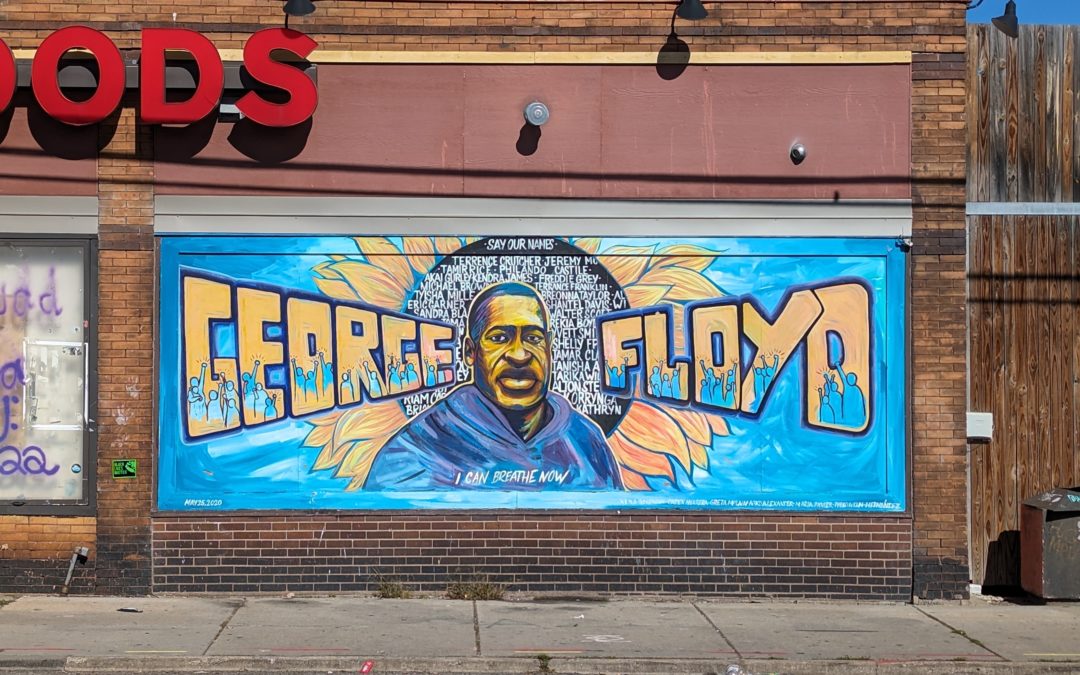
George Floyd’s family, civil rights activists, lawmakers, and local community members gathered in Houston to mark the fifth anniversary of his death — an event that profoundly changed the world’s perception of racial injustice and police accountability. The memorial served not only as a tribute to Floyd’s life but also as a powerful reminder that the fight for justice is far from over.
Held at Cuney Homes in Houston’s Third Ward — the very neighborhood where George Floyd grew up — the event became a sacred ground of remembrance, healing, and a renewed call to action. It drew prominent voices in the civil rights movement, including Reverend Al Sharpton, attorney Ben Crump, and Congresswoman Nikema Williams, along with Floyd’s siblings and members of the community who came to honor his legacy.
A Day of Reflection in Floyd’s Childhood Neighborhood
Floyd’s brother, Philonise Floyd, addressed the crowd at Cuney Homes with a message rooted in purpose and persistence. “We’re fighting for a purpose, and we’re not going anywhere,” he declared. For the Floyd family, the loss has not dulled with time — it has become fuel for advocacy, for pushing a global movement forward with the memory of George Floyd at its heart.
Before the public gathering, the family held a private memorial, reflecting in silence before joining Houston residents for an emotionally charged afternoon of speeches, poetry, gospel performances, and tributes. One especially poignant moment came when Floyd’s sister LaTonya sang the O’Jays’ “Family Reunion,” a soulful tribute to the strength found in unity. Her voice filled the space with sorrow, love, and resilience, embodying the emotional core of the day.
This was not just a family remembering their loved one — this was a community revisiting trauma and trying, together, to reshape it into lasting change.
Reverend Al Sharpton: “George Floyd Was Our Emmett Till”
Reverend Al Sharpton, a long-time advocate for civil rights, stood at the memorial to remind those gathered that Floyd’s murder was not an isolated incident. He described it as a modern echo of the 1955 lynching of Emmett Till — a tragedy that became a catalyst for the Civil Rights Movement. Sharpton drew a direct line between these two pivotal events, underscoring the painful continuity of racial violence across American history.
Sharpton spoke about how attorney Ben Crump flew to Minneapolis in 2020, right in the middle of the pandemic, to stand with the Floyd family and support peaceful protests. “I promised them we’d be there to the end,” he said. That promise, five years later, still stands.
Throughout his speech, Sharpton emphasized that while Derek Chauvin’s conviction brought a sense of accountability, it was far from justice. True justice, he insisted, can only come through transformation of the systems that allowed Floyd’s death to happen in the first place.
A Movement Under Threat: Leaders Criticize Reversal of Reforms
One of the most pressing concerns voiced during the memorial was the rollback of police reform measures, particularly under the Trump administration. Speakers criticized the federal government’s reversal of consent decrees in cities like Minneapolis and Louisville — a decision they saw as undermining the progress made in the wake of Floyd’s death.
Sharpton didn’t mince words: “To announce this rollback on the anniversary of George Floyd’s death is like spitting on his grave.” His outrage echoed that of many who believe that despite five years of protest and dialogue, meaningful reform is being systematically eroded.
Congresswoman Nikema Williams, present at the memorial, expressed her unwavering support for the George Floyd Justice in Policing Act — a bill that seeks to address excessive force, eliminate chokeholds, limit no-knock warrants, and establish national police oversight. Despite being introduced shortly after Floyd’s death, the legislation remains stuck in Congress.
“I’m here to do my part,” Williams affirmed. “I’ll never turn my back on this family or the movement their pain helped launch.” Her words reinforced the urgency of legislative change and the frustration felt by so many waiting for the system to catch up with the people.
Carrying the Flame: From One Life, a Worldwide Movement
Although George Floyd’s name became a rallying cry for justice, the Floyd family and speakers at the event were quick to remind attendees that his story is part of a much broader pattern. They remembered Ahmaud Arbery, Breonna Taylor, and countless others whose names have become symbols in the ongoing battle for racial equity and police accountability.
“George was the spark that lit the flame,” a relative said. “But the fire is bigger than one person.” This sentiment resonated deeply throughout the event, as attendees acknowledged that Floyd’s death catalyzed one of the largest protest movements in modern history — but also that the movement must continue, especially as resistance to reform grows.
Attorney Ben Crump praised the Floyd family for their unwavering resolve. “They turned grief into purpose,” he said. “History will remember these moments — how we stood not only for George Floyd, but for generations to come.”
Crump noted that while the emotional toll on the family has been immense, their courage has turned tragedy into a force for global awareness. Their willingness to speak, to show up, and to advocate has made it impossible for the world to look away.
Conclusion: Five Years Later, the Fight Continues
The memorial in Houston was not a moment of closure — it was a reaffirmation of purpose. While five years have passed since George Floyd died beneath the knee of a police officer, the systemic issues that led to his murder persist. The anniversary served as both a painful reminder and a hopeful rally — proof that although justice remains incomplete, the demand for it has not faded.
The Floyd family’s message was clear: remembering George is not enough. Honoring him requires continued action — in legislation, in communities, and in the hearts of people around the world. As the crowd dispersed from Cuney Homes that day, they left with a renewed commitment: that George Floyd’s name will not be forgotten, and his legacy will not be in vain.

by Jonathan P-Wright | May 30, 2025 | Latest, Music News, New Music Alert |
Image credit: Jamie Lamor Thompson / Shutterstock.com
In a compelling fusion of music and cinema, Grammy-winning artist 2 Chainz presents “Red Clay,” a short film that delves into the multifaceted essence of Atlanta. Set in 2003, the narrative centers on Nook, a teenager striving to keep his family intact amidst his mother’s struggles with addiction and the perils of street life. The film captures a city at a crossroads, highlighting the aftermath of the Olympic-era transformations, the influence of groups like BMF, and the emergence of trap music as a defining cultural force.
“Red Clay” is more than a cinematic endeavor; it’s a personal reflection of 2 Chainz’s own experiences growing up in Atlanta. Through Nook’s journey, the film explores themes of resilience, loyalty, and the pursuit of hope in an environment fraught with challenges. The narrative invites viewers to witness the complexities of urban life and the indomitable spirit of those who navigate it daily.
The Soundtrack: Echoes of a City’s Heartbeat
Complementing the film is a meticulously curated soundtrack that encapsulates the soul of Atlanta. The lead single, “The ATL Experience,” features a collaboration between 2 Chainz and The Isley Brothers, blending soulful melodies with contemporary rap to narrate stories of trust, betrayal, and survival. The track’s poignant lyrics and evocative rhythms serve as a testament to the city’s vibrant yet tumultuous landscape.IMDb+2Wikipedia+2Shockya+2
The accompanying music video, shot in East Atlanta, showcases iconic local landmarks, grounding the narrative in real-world settings. This visual journey through familiar streets and establishments reinforces the deep connection between the music, the film, and the community it represents. The collaboration between 2 Chainz and The Isley Brothers bridges generational gaps, uniting past and present to celebrate Atlanta’s rich musical heritage.
Christian Nolan Jones: Crafting Stories That Resonate
At the helm of “Red Clay” is director Christian Nolan Jones, an Atlanta native whose storytelling prowess brings authenticity and depth to the film. A graduate of Howard University and NYU’s Tisch School of the Arts, Jones has a track record of creating narratives that explore the human condition. His previous works, such as “Glitter Ain’t Gold,” have garnered critical acclaim for their insightful portrayal of coming-of-age experiences.
Jones’s direction in “Red Clay” ensures that the film transcends traditional storytelling, offering a nuanced exploration of identity, community, and personal growth. His commitment to highlighting underrepresented voices and experiences adds a layer of depth to the narrative, making it resonate with a diverse audience. Through his lens, “Red Clay” becomes a powerful medium for cultural expression and social commentary.
Community Engagement and the Road Ahead
“Red Clay” made its debut during a discussion panel at the Atlanta Film Festival, where 2 Chainz, Jones, and cast members engaged with audiences about the film’s themes and inspirations. The event highlighted the importance of storytelling in fostering community dialogue and understanding. While the film is currently being submitted to additional festivals, plans for a wider public release are anticipated, allowing broader audiences to experience this compelling portrayal of Atlanta’s evolution.
Through “Red Clay,” 2 Chainz not only showcases his multifaceted talents but also contributes to the cultural tapestry of Atlanta. The film stands as a testament to the city’s enduring spirit and the power of storytelling in capturing the essence of a community’s journey. As audiences await its wider release, “Red Clay” promises to leave a lasting impact, inspiring conversations and reflections on the complexities of urban life and the resilience of the human spirit.

by Jonathan P-Wright | May 23, 2025 | Latest, Music News, New Music Alert |
Photo by Hanny Naibaho on Unsplash
Memphis rapper Key Glock stands at a pivotal crossroads in his career, ready to usher in a new chapter that honors his past while boldly embracing the future. As he gears up to release his much-anticipated album Glockavelli, fans are also buzzing about a treasure trove of unreleased music he recorded with the late Young Dolph—his mentor, friend, and a legendary figure in the hip-hop community.
For years, Key Glock built his career on the foundation of independence. As an artist who valued creative control and authenticity, Glock defied the conventional industry path by thriving without a major label’s backing. His steady rise became a blueprint for independent artists striving to make a name for themselves in a saturated market. Yet even with all his success, Glock knew his evolution required something more. He was clear-eyed about the next level of his career ambitions, and those ambitions extended beyond streaming numbers and independent accolades.
In an interview with Billboard, Glock openly reflected on his journey, saying, “I feel like I exceeded my goals as an independent artist.” This statement captured the essence of his accomplishments to date, but also hinted at his hunger for growth. For Key Glock, success isn’t just about where he is now—it’s about the heights he’s determined to reach next. “At this point, I’m just working with people that have been operating on the level I already saw myself on,” he shared. His vision includes platinum records and more industry recognition—achievements that come with strategic alliances and bigger platforms. “In this next chapter, I’m planning on getting platinum albums and more plaques.”
The decision to partner with a major label, specifically Republic Records, marked a turning point. Yet, unlike many artists who sign major deals chasing fame or quick cash, Glock’s choice was deeply personal and profoundly influenced by the late Young Dolph. The bond between Dolph and Glock went beyond mentorship—it was rooted in brotherhood, trust, and shared dreams for success on their own terms.
Dolph’s tragic death in Memphis in November 2021 sent shockwaves through the music world. But even before his passing, Dolph was preparing Key Glock for the future. Glock recounted a powerful conversation that took place just one week before Dolph was killed. “The week before Dolph passed in Memphis, him, Daddy O, and a couple more of our circle just had a regular talk, a round table talk,” Glock remembered. “And it was so crazy—Dolph said, ‘If anything go left, like, if anything happens to me, take Glock to the majors.’”
This moment wasn’t just a casual suggestion; it was a directive laced with foresight and urgency. Dolph, who had carved out a legendary status as one of the biggest independent rappers in the game, knew the value of autonomy. Yet, he also recognized the advantages that could come from strategic partnerships with major labels—resources, exposure, and the financial muscle to elevate careers to new levels. “There was always me and him in talks anyway,” Glock explained. “I never wanted to be the biggest independent artist. That was his thing… I never wanted to take that away.” But both understood the reality of the business: “We always knew how much money we could make with a major.”
Signing with Republic Records was not a decision taken lightly. Glock emphasized that it wasn’t about desperation or abandoning independence out of necessity. “It wasn’t even needed now,” he clarified. “It just was okay. I know bruh wanted me to do this, and he didn’t say it for no reason, and it wasn’t no coincidence he said it like a week before.” There’s a bittersweet weight to that timing, but also a profound sense of destiny.
Key Glock’s rise to prominence isn’t just a story about a rapper gaining fame—it’s a narrative about legacy, resilience, and the complex realities of navigating the music industry as an independent artist who eventually embraces a larger platform. His last major project, Glockoma 2, released in 2023, was met with both critical acclaim and commercial success. Songs like “Sucker Free” and “Let’s Go” showcased his distinctive style—raw, unapologetic, and undeniably Memphis in spirit.
But the story doesn’t end there. Beyond his solo success, fans have long been eager to hear more from the duo of Glock and Dolph. Their collaborations have become essential parts of the Memphis rap canon, blending Dolph’s charismatic leadership with Glock’s fierce energy. The vault of unreleased music they left behind is described by Glock as “unlimited.” This cache of material holds the promise of extending Dolph’s legacy and offering fans more insight into the creative synergy they shared.
Speaking with The Breakfast Club, Glock teased the imminent arrival of this music: “It’s en route. I’ma just let y’all know, it’s en route.” Despite his eagerness to share this work, Glock also highlighted the importance of timing and strategy. “Really, it ain’t up to me,” he admitted. “You ask me, I’ll drop a tape every month. That’s how much music I got, but you just gotta be strategic with stuff.” This statement reveals his growing understanding of the music industry’s intricacies—releasing music too quickly can undermine its impact, while carefully timed drops maximize reach and resonance.
Early in his career, Glock’s approach to releasing music was much more immediate. “I never understood that s**t,” he said candidly. “Like, my first two, three years in the game, as soon as I recorded something, I was ready to put it out.” This impatience is common among emerging artists driven by passion and the desire for validation. However, over time, Glock has learned to balance creativity with patience. “But I didn’t understand the industry at the time like I do now.” This shift from impulsive release to deliberate strategy marks his maturation as an artist and entrepreneur.
What’s compelling about Key Glock’s journey is how it reflects a broader narrative in hip-hop—the tension between independence and mainstream success. Many artists pride themselves on staying independent, controlling their own careers, and owning their masters. But the realities of the industry—marketing power, distribution reach, and financial backing—often push artists toward partnerships with major labels to scale their success.
For Glock, this partnership is also a tribute to Dolph’s vision. It’s about honoring the mentor’s belief in him and continuing the mission they started together. Dolph’s legacy isn’t just the music he made, but the path he paved for artists like Glock to thrive on their own terms.
The upcoming Glockavelli album symbolizes this duality. Its title alone evokes a sense of homage and evolution—melding Glock’s identity with the reverence he holds for hip-hop legends like Tupac Shakur, who was famously nicknamed “Makaveli.” Fans can anticipate a project that’s not just a collection of tracks but a carefully curated statement of where Key Glock stands today as both an artist and a businessman.
The broader impact of this album and the unreleased Dolph collaborations extends beyond Memphis or even hip-hop. It’s a narrative about mentorship, legacy, and the ways artists navigate grief, ambition, and industry pressures. For a generation of listeners who grew up watching Dolph and Glock rise, this music offers more than entertainment—it’s a connection to culture, history, and resilience.
Key Glock’s story also highlights the emotional weight artists carry. Losing Dolph was a devastating blow. But instead of letting grief stall his career, Glock channels that pain into purpose. “We had this whole plan,” he shared. “We knew where we could go if we played our cards right.” The music and strategic partnerships are the realization of that plan, an homage to the past and a beacon for the future.
As Glockavelli prepares to drop and the unreleased tracks with Young Dolph approach release, the hip-hop community watches closely. Key Glock’s evolution from an independent artist to a major label contender embodies the complexities of modern music careers. It’s a testament to growth, perseverance, and the enduring power of mentorship.
In a world where artists often face pressure to sacrifice their creative vision for commercial success, Glock’s journey offers a blueprint for balancing both. It’s about honoring your roots while adapting to new realities—an essential lesson for any artist navigating the ever-changing music industry.
Looking ahead, Key Glock’s mission is clear: to cement his legacy, elevate Memphis’s voice on the global stage, and keep the spirit of Young Dolph alive through every verse, every beat, and every project.

RECENT COMMENTS