by Jonathan P-Wright | Aug 27, 2025 | Latest, Music News, Trending |
Born in the Storm, Becoming the Storm: The Immortal Rise of Liyah The Libra”
Los Angeles, CA — 2025 – In Hip-Hop, survival stories are plenty. But few artists have the ability to transform survival into soundtracks the way Liyah The Libra does. Her path from homelessness and despair to a record deal with AllWins Entertainment is remarkable. Yet, what truly sets her apart is her rare gift of storytelling, cadence, and lyrical delivery—a gift that positions her as one of the most important new voices of her generation.
A Rare Gift: Storytelling, Cadence, and Delivery
Liyah The Libra doesn’t just rap—she translates life. With every verse, she captures the unspoken emotions of her listeners, turning private struggles into public anthems. Her cadence is sharp and fluid, effortlessly weaving rhythm with raw honesty. Her delivery strikes with precision—sometimes soft as a whisper, sometimes cutting like a blade—always authentic, always true.
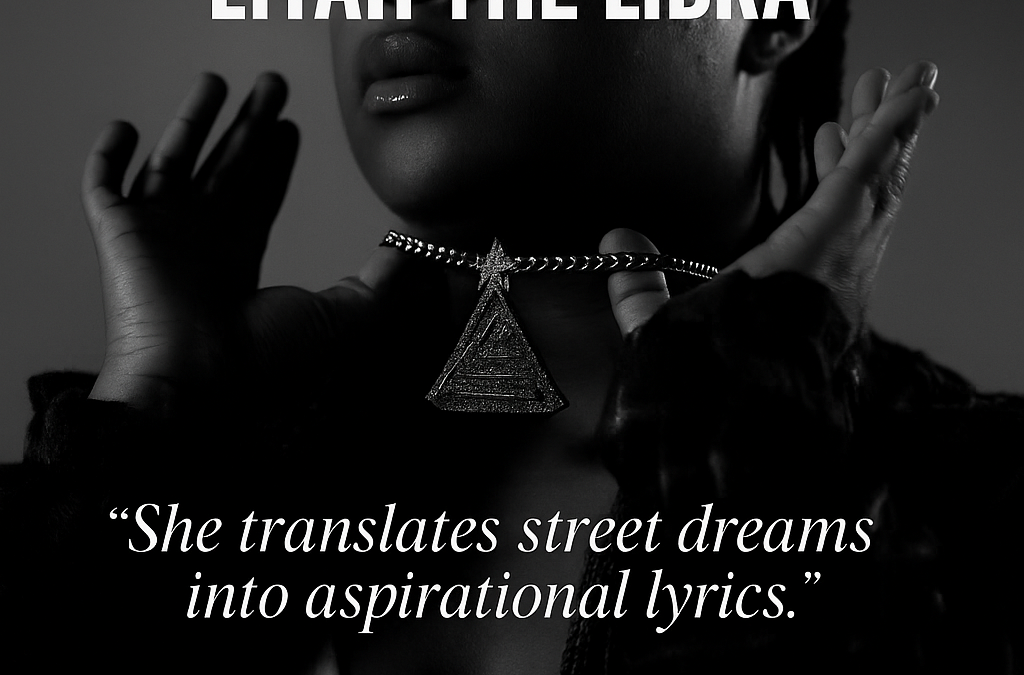
She transforms street dreams into aspirational lyrics, giving voice to Gen Z’s deepest fears and wildest ambitions. To hear her rap is to hear a diary written for the dream chasers of today’s Hip-Hop culture—authentic, cinematic, and timeless.
The New Face of Artistic Freedom
In an era where many chase algorithms and viral trends, Liyah The Libra represents something rarer: artistic freedom. Her music isn’t manufactured for clicks—it’s birthed from lived experience, solitude, and fire-forged resilience. She is the sound of independence, proving that Gen Z artists don’t need to conform to the industry’s rules to make an impact.
Her journey—from growing up without parents, to nights in her car facing repossession, to finally earning her place in the spotlight—has made her a symbol of what’s possible when you refuse to surrender. Within Gen Z Hip-Hop, she embodies freedom: the freedom to tell your truth, to chase your dream with no Plan B, and to become your own force of nature.
WINNER: An Anthem of Pain and Triump
Her breakout single, “WINNER”, is the perfect embodiment of her journey. It isn’t just a song—it’s a statement. With blistering cadence and heartfelt delivery, Liyah channels her pain into a motivational Hip-Hop anthem for every dreamer who’s been told they won’t make it.
“Every night I spent in my car, I reminded myself that my pain would one day be my power,” she says. That prophecy became music, and that music became movement.
AllWins Entertainment and RADIOPUSHERS Amplify Her Vision
Her gift caught the attention of Grammy Award-winning artist Eric Bellinger, who signed her to AllWins Entertainment in 2025. Bellinger saw in Liyah a reflection of the same relentless drive that built his own career—a hunger to rise above obstacles and craft music that lasts forever.
Her anthem also reached Jonathan P-Wright, Chief Visionary Officer of RADIOPUSHERS, who moved swiftly to secure “WINNER” into regular rotation on 99.7 DA HEAT MIAMI (iHeartRadio). For RADIOPUSHERS, supporting Liyah wasn’t just about a record—it was about celebrating the legacy of Bellinger and shining a light on Hip-Hop’s next great storyteller.
“WINNER is more than a record,” Wright said. “It’s the sound of Hip-Hop and its future colliding. Supporting Liyah is also our way of honoring Eric Bellinger’s vision—because every time she wins, AllWins Entertainment shines even brighter.”
The Immortal Rise of Liyah The Libra
Liyah’s story is the storm, and her music is the light guiding others through it. She is no longer the child forced to navigate life without parents, nor the young woman writing rhymes from a car parked under shadows. She is the new face of artistic freedom in Gen Z Hip-Hop—an artist who redefines resilience, reimagines storytelling, and reshapes culture.
“Everybody has a sad story,” she says. “Mine isn’t an excuse. Mine is a weapon.”
With “WINNER” igniting the airwaves, the support of AllWins Entertainment, and RADIOPUSHERS amplifying her every step, Liyah The Libra is proving that roses don’t just bloom in the concrete—they rise into the storm and become immortal.
Stream Liyah The Libra
by Joshua Wright | Aug 21, 2025 | Latest, Music News |
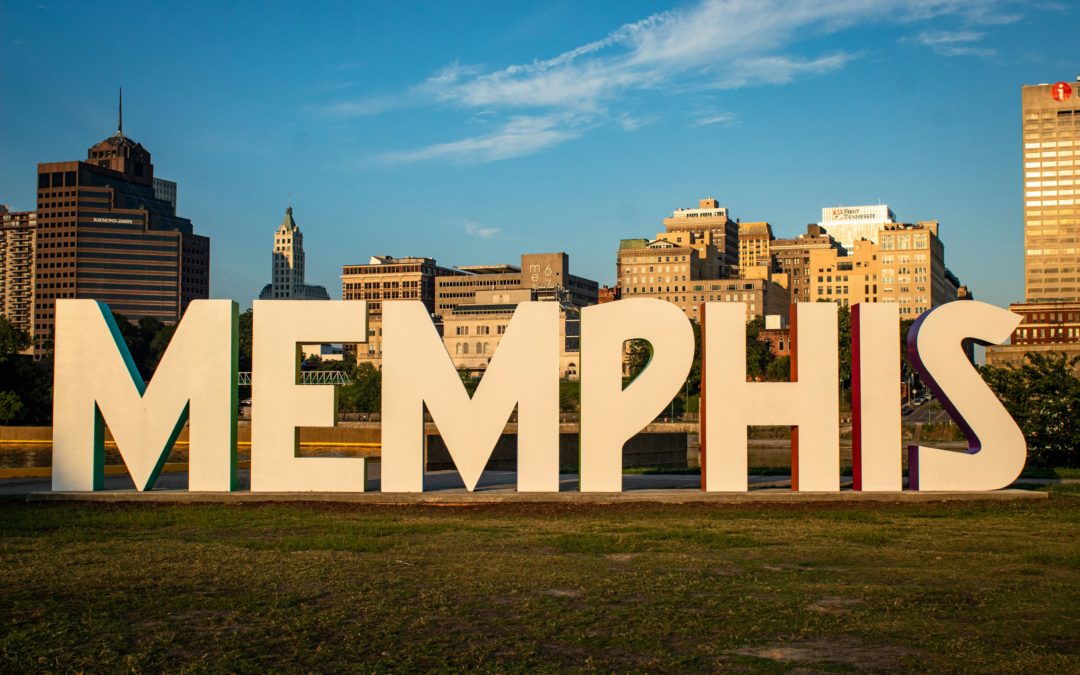
Photo by Joshua J. Cotten on Unsplash
Every time Adolph Robert Thornton Jr., better known to the world as Young Dolph, stepped into the spotlight, he brought Memphis with him — in his cadence, in his lyrics, in his presence. He wasn’t just a rapper representing a city; he was a walking embodiment of its grit, struggle, ambition, and raw authenticity. To understand Young Dolph is to understand the soul of Memphis. But Dolph’s story was more than just about music — it was about legacy, loyalty, leadership, and the power of betting on oneself.
Born Into Fire, Forged Through Hustle
Born on July 27, 1985, in Chicago, Dolph was relocated to Memphis during his early childhood, where he was raised primarily by his grandmother. The neighborhoods of South Memphis weren’t easy to grow up in — poverty, instability, and crime surrounded him from a young age. But instead of falling into despair, Dolph developed a hardened sense of resilience. He was quick to learn that in his world, survival depended on resourcefulness and drive.
He once reflected that where he came from, people didn’t have time to dream unless they figured out how to stay alive first. For Dolph, music was more than expression — it was strategy. It was the rope he climbed out of the shadows with. It became the way he narrated his reality while transforming it into something better.
From Mixtapes to Movement: The Birth of a Paper Route
In 2008, Dolph released his first mixtape titled “Paper Route Campaign.” The name wasn’t just a catchy slogan — it was a philosophy. He wasn’t following a script handed down by labels or trends. He was designing his own blueprint. That same year, he founded Paper Route Empire (PRE), his independent label that would go on to change the way many young artists viewed the music industry.
PRE wasn’t just a label — it was a defiant stance. It was Dolph’s message to the world that independence was possible, that a rapper could retain control of his art, his image, and his income. While most new artists were chasing label deals, Dolph was rejecting them. Even when major labels offered multi-million-dollar contracts, Dolph said no — not out of arrogance, but out of vision.
He understood something many artists learn too late: that freedom and ownership often matter more than fame. Instead of sharing his profits with industry giants, Dolph reinvested into himself and into his city. His choice to go solo wasn’t a backup plan. It was the main strategy.
A Catalog of Confidence and Clarity
By 2016, Dolph had already built a strong reputation in Southern hip-hop circles. That year, he released “King of Memphis,” a declaration of both self-belief and territorial pride. Some saw the title as audacious, but fans and critics alike couldn’t deny the consistency in his work and the depth in his storytelling.
A year later, Dolph dropped “Gelato,” a project that echoed with raw energy and uncompromising lyrics. It made waves online and offline, sparking conversations about his authenticity and his entrepreneurial streak. It wasn’t just that the music slapped — it was the fact that he did it without anyone pulling strings in the background. Every release was self-funded, self-owned, and self-promoted.
His 2020 album, “Rich Slave,” would become his highest-charting record, debuting at No. 4 on the Billboard 200. The album blended introspection, social commentary, and banger-level production — proving that even at the height of his career, Dolph was still evolving as an artist and thinker.
The Power of Family and Collaboration
One of the brightest chapters of Dolph’s career unfolded through his collaboration with his cousin and protégé, Key Glock. Together, they dropped “Dum and Dummer” in 2019, an explosive mixtape that captured the unique energy of Memphis with back-to-back verses that were both playful and powerful.
The chemistry between Dolph and Glock was palpable. Their partnership went beyond business — it was a brotherhood. The success of their mixtape led to a national tour that packed venues in city after city. Fans weren’t just attending shows — they were witnessing a movement.
The Dum and Dummer Tour wasn’t supported by corporate sponsors or big-label marketing budgets. It was Dolph, Glock, and the Paper Route Empire team doing it on their own — selling out dates, moving merch, and giving fans a high-octane experience rooted in love for the music and pride in their independence.
Lifting Others While Building His Own
What truly set Young Dolph apart was his role as a mentor and leader. While many artists become obsessed with self-promotion, Dolph made it a point to spotlight others. He saw PRE as more than a label — it was a gateway for other Memphis talents to shine. He poured time, money, and attention into developing artists like Key Glock, Big Moochie Grape, and Snupe Bandz, helping them avoid the pitfalls he had navigated alone.
Dolph was vocal about the importance of owning music rights and being educated about business. In an industry where artists are often exploited, he consistently encouraged newcomers to take the reins of their careers. His philosophy was straightforward: don’t wait for validation, don’t give up your power, and don’t forget to take care of your people on the way up.
A Father’s Love, A Mogul’s Mind
Away from the spotlight, Dolph was a devoted father and businessman. He made it clear that his children were his top priority. As a symbol of that commitment, he bought properties for his kids — not flashy toys or temporary luxuries, but real assets. He wanted to ensure that his children had a solid foundation no matter what happened.
His business acumen extended beyond music. Dolph had investments in real estate, retail, and other ventures. He understood that his voice might not last forever, but if he played it right, his money could. His moves were intentional — everything he did had a long-term goal behind it.
A Quiet Force for Good
Despite his fame and wealth, Dolph never distanced himself from his roots. He was frequently seen in his old neighborhoods, not for PR stunts but for genuine acts of support. He donated $25,000 to Hamilton High, his former school. He funded college scholarships. He handed out turkeys to families during Thanksgiving. He paid rent for those facing eviction. And he did it all without broadcasting his good deeds.
For Dolph, giving back wasn’t about headlines. It was about doing what needed to be done because he remembered being the kid who needed help too. His generosity wasn’t performative — it was personal.
An Icon for the New Era of Artists
To today’s rising generation of rappers and creatives, Young Dolph represents more than a name — he’s a model of what’s possible. He became a north star for artists who wanted to remain authentic, build on their terms, and retain full control of their vision.
The stories of Dolph turning down record deals and still selling out tours have become folklore. New artists refer to him as “the big homie they never met” — a guiding spirit in an industry full of smoke and mirrors. He proved that there’s another way to make it — one rooted in hustle, ownership, and loyalty.
A Life Cut Short, A Legacy That Multiplies
On November 17, 2021, tragedy struck when Young Dolph was gunned down in Memphis while visiting Makeda’s Homemade Butter Cookies, a local shop he regularly supported. The city mourned. The music world paused. The headlines were filled with disbelief.
But while his life ended abruptly, his story didn’t. His music still plays in cars, in headphones, and in speakers around the globe. Paper Route Empire continues to thrive, driven by artists he mentored. His messages about ownership and independence are echoed by younger rappers, YouTubers, and entrepreneurs alike.
Dolph didn’t just leave behind albums — he left behind a philosophy. A mindset. A movement.
Forever Paper Route
To many, Young Dolph will always be the guy who did it his way — who refused to bend, refused to sell out, and refused to forget where he came from. His journey was never easy, but it was always honest. And in a world where authenticity is often the first thing to go, that made him special.
His name lives on not just in songs or murals but in the very spirit of modern hip-hop. Every independent artist carving their own lane is part of his ripple effect.
by Laghe Andrews | Jul 11, 2025 | Latest |
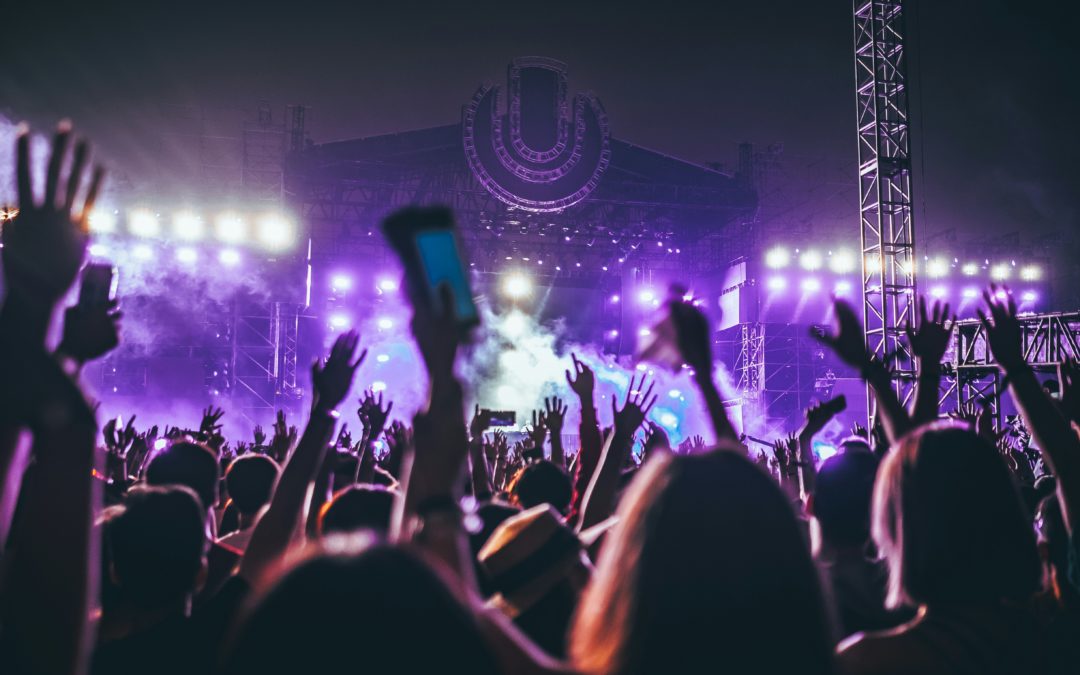
Photo by Hanny Naibaho on Unsplash
Lauryn Hill has long been celebrated as one of music’s most talented and impactful voices — a generational artist whose work transcends genre, time, and culture. However, in recent years, her name has often come paired with one recurring criticism: lateness. Despite her unparalleled legacy, Hill’s reputation for arriving late to concerts has overshadowed some of her artistry in public discourse.
This past weekend, at the annual Essence Festival of Culture in New Orleans, that same conversation sparked up again — but this time, it was met with a very different response. Rather than allow online speculation and negative assumptions to spiral out of control, the festival’s organizers stepped in forcefully and publicly to set the record straight.
Lauryn Hill headlined the multi-day event that draws in tens of thousands of fans every year to celebrate Black music, empowerment, and cultural pride. Her appearance, however, didn’t begin until 2:30 AM, hours past the expected time. Many online were quick to assume the delay was due to Hill’s personal tardiness — a familiar narrative — but the truth, as later revealed by Essence Festival itself, told a different story.
The Statement That Shifted the Narrative
In a rare move, the official Essence Festival social media account published a video clip from Hill’s performance along with a firm and unapologetic caption directly addressing the controversy. The post boldly declared that Lauryn Hill was not to blame for the delay, and instead praised her artistry and punctuality.
“Family is family, and around here we protect our own no matter what the PEOPLE have to say,” the post began, making it immediately clear where the organizers stood. “Let’s be very clear—WE don’t play about Ms. Lauryn Hill. Not for clicks. Not for headlines.”
The post continued to clarify:
“She arrived on schedule, stepped on that stage, and delivered the kind of performance only a legend can. The delay? Not hers. We will take that. The moment? One for the books. The legacy? Still unmatched. Put some respect on her name. Keep the takes, but keep her out of them. All love and deep profound admiration for Ms. Lauryn Hill.”
This act of public defense wasn’t just damage control — it was a deliberate and respectful effort to protect an icon who has often been the target of disproportionate criticism.
A Performance That Transcended the Hour
Despite the late start, Hill’s set was powerful, deeply soulful, and fully immersive. Backed by her band, her voice rang through the Superdome with passion and precision, reaffirming why she’s regarded as a once-in-a-generation talent. Fans who stuck it out until the early morning hours were rewarded with a performance many described as transformative.
Those in the crowd posted glowing reviews online, with many saying it was “worth every minute of the wait.” Some even called it a spiritual experience. Hill performed a range of classics from her seminal album The Miseducation of Lauryn Hill as well as songs from her Fugees days. Her stage presence — commanding, intentional, and emotionally raw — reminded everyone that despite the media noise, her musical impact remains untouched.
For an artist whose music has deeply shaped R&B, hip-hop, and neo-soul, this performance was not just another concert — it was a cultural reset.
A Star-Studded Weekend of Legends and Rising Stars
While Lauryn Hill’s set captured headlines, the entire Essence Festival weekend was packed with high-profile performances and unforgettable moments. The event, held annually in New Orleans since 1995, has grown into one of the most influential Black cultural festivals in the world. It brings together music, fashion, film, wellness, politics, and business under one umbrella.
This year, the lineup featured iconic performers such as Erykah Badu, Patti LaBelle, Babyface, and Ari Lennox, among others. The result was a rich blend of nostalgia and modern artistry that kept audiences dancing, reflecting, and celebrating for three days straight.
But one particularly poignant moment came from Master P, the New Orleans hip-hop mogul and entrepreneur, who used the Essence stage for his final public performance. Confirming to People magazine that he was officially retiring from music, Master P explained that he was moving into a new role as the President of Basketball Operations at the University of New Orleans.
“This is the next chapter of my life,” he said. “There’s so much negativity in hip-hop right now, and we don’t focus enough on the positive. I’m trying to lead by example. It’s time for me to give back in new ways.”
His decision to step back from music and focus on education and community leadership added a profound layer of inspiration to the festival. It’s a message that resonates with many attendees who view the Essence Festival as more than entertainment — it’s a catalyst for evolution, impact, and empowerment.
Essence Festival: More Than a Music Show
What makes the Essence Festival stand out isn’t just its concert lineup. It’s the way it integrates cultural conversation, political awareness, economic empowerment, and spiritual wellness into a single cohesive experience. During the daytime, festivalgoers attend panels and workshops covering everything from mental health and entrepreneurship to beauty trends and voting rights.
By night, the Superdome transforms into a temple of sound and celebration, where thousands come together to honor the richness of Black identity through music.
This year’s edition exemplified all of that. From deep discussions about generational wealth to performances that revived emotional memories, Essence proved again that it is a cultural institution, not just an event.
The Importance of Public Accountability
The festival organizers’ decision to publicly take responsibility for the delay in Lauryn Hill’s set sends a powerful message about accountability and artist protection, especially in a media environment that often thrives on outrage and controversy.
Too often, artists — particularly Black women — are subjected to harsh scrutiny without context or fairness. Hill, in particular, has been pigeonholed by a narrative that ignores her consistent excellence and instead highlights occasional late arrivals. The decision by Essence Festival to correct the record publicly represents a significant cultural stance: one that values truth over trend, respect over ridicule, and community over clicks.
By issuing a clear, transparent, and supportive message, the organizers helped shift the conversation away from gossip and back to what really matters — the music, the moment, and the message.
Reclaiming the Narrative
This incident offers a broader reflection on how we treat artists — especially legendary ones. Lauryn Hill is not a meme. She is not a headline. She is a cultural treasure who helped shape the sonic identity of a generation. Her album The Miseducation of Lauryn Hill remains a masterclass in lyrical depth, vocal brilliance, and emotional authenticity. It earned her five Grammy Awards and set a standard for artistry that few have matched since.
And yet, when delays happen, it’s often easier for audiences and media outlets to revert to past tropes rather than investigate the facts. The Essence Festival’s post served as a reminder that context matters — and that public figures deserve fairness.
A Weekend of Music, Legacy, and Transformation
In the end, the 2025 Essence Festival will be remembered not just for its big names or dazzling performances but for how it handled controversy with dignity and clarity. Lauryn Hill’s performance will be etched in the memories of those who stayed until nearly 3:00 AM to witness a true master at work. Master P’s retirement reminded fans of the power of reinvention. And the festival itself proved, once again, why it’s one of the most vital celebrations of Black culture in the world.
Essence didn’t just entertain — it defended, empowered, and celebrated. And in doing so, it delivered one of the most memorable weekends of the year.

by Harris | Jul 11, 2025 | Latest |
Photo by Tingey Injury Law Firm on Unsplash
Following the highly publicized trial of music mogul Sean “Diddy” Combs, defense attorney Joe Tacopina has launched a scathing attack on federal prosecutors. The outspoken lawyer criticized what he described as a weak and sensationalized case brought against the Bad Boy Records founder, after the jury cleared Diddy of the most serious accusations: sex trafficking and racketeering.
Tacopina, who has built his reputation representing high-profile clients like A$AP Rocky and Alex Rodriguez, made his remarks on the TMZ-produced Tubi docuseries United States v. Sean Combs: Inside the Diddy Trial. Reflecting on the trial’s outcome, he claimed prosecutors were more concerned with headlines than facts. “They came after him with everything they had,” he said. “But it wasn’t enough. The jury saw through the noise.”
Diddy Cleared of Top Charges—But Convicted on Others
While Combs walked away from the most damning allegations, the verdict wasn’t an outright victory. The jury did find him guilty of two federal charges: transporting individuals for the purpose of prostitution. Each count carries up to 10 years in prison, meaning the artist could face a possible 20-year sentence if the court imposes the maximum penalty and chooses to stack them.
Tacopina, however, focused on the broader picture. “Let’s not forget—he was facing life-changing charges. Racketeering. Sex trafficking. This could’ve ended his career, his freedom, his legacy. But the jury got it right,” he emphasized.
Capricorn Clark’s Testimony Backfires
A major flashpoint during the trial was the testimony of Capricorn Clark, a former employee of Combs. She claimed that years ago, after some of Diddy’s jewelry had gone missing, he had her kidnapped and forced to undergo lie detector tests over several days. Her account painted a disturbing image of control, paranoia, and abuse of power.
But during cross-examination, the defense presented a key revelation: Clark had allegedly contacted Diddy after the incident in an attempt to be rehired as his personal assistant. To Tacopina, this single fact exposed a serious inconsistency. “You don’t try to go back to someone you believe held you captive,” he said. “That’s not behavior consistent with fear or trauma—it suggests a different story.”
He used this contradiction to criticize the prosecution’s reliance on emotionally charged but legally weak testimonies. “It’s trial law 101: your star witness has to be bulletproof. This wasn’t even close.”
Bail Denied Despite Defense Offer
Immediately after the verdict, a bail hearing was scheduled. Diddy’s legal team offered a $1 million bond along with standard pretrial restrictions—such as surrendering his passport, limiting his travel, undergoing regular drug testing, and complying with supervision protocols.
Despite the offer, Judge Arun Subramanian denied bail, citing significant concerns about Combs’ behavior. He referenced not only the charges but also what the defense had acknowledged during the trial: past instances of violence in Diddy’s personal relationships, including with Cassie Ventura and another woman referred to as “Jane.”
The Judge’s View: “A Pattern of Disregard for the Law”
In his remarks, Judge Subramanian pointed to what he considered a consistent pattern of misconduct. He noted that even after law enforcement searched Combs’ properties, there were signs of continued illegal activity. “This isn’t just about isolated incidents,” he said. “This is about a demonstrated disregard for the rule of law—and a propensity toward violence.”
His reasoning underscored that while the jury acquitted Diddy of the worst charges, the court still viewed him as a serious legal risk. Subramanian’s refusal to grant bail reinforces how seriously the justice system is treating the remaining convictions.
A sentencing date has been provisionally set for October 3, though the defense may request an earlier appearance. However, the prosecution is asking for more time to conduct a pre-sentencing investigation, claiming the court does not yet have sufficient information to determine a fair sentence.
Tacopina Says Prosecutors “Overreached”
Joe Tacopina believes the case never should have escalated to this point. “They overcharged him,” he said. “It was a weak case padded with dramatic testimonies and emotional manipulation.”
He claims that the prosecution’s strategy was to overwhelm the jury with stories, hoping something would stick. “They were throwing darts in the dark,” he added. “But you can’t win a case based on suspicion, innuendo, and vibes.”
The defense’s success, Tacopina argued, came down to forcing the jury to focus on facts—not emotions or tabloid narratives. “Twelve jurors, regular citizens, were smart enough to cut through the fog.”
More Legal Trouble Ahead
Even though the criminal trial is nearly behind him, Sean Combs is not free from legal turmoil. A series of civil lawsuits are still pending, many of them alleging long-term abuse, coercion, and misconduct spanning over two decades. Some plaintiffs are former romantic partners; others are former colleagues or assistants.
These civil claims won’t send Diddy to prison, but they could cost him financially and reputationally. Unlike criminal court, civil trials require a lower burden of proof. And because these proceedings are public, they will likely continue to expose personal and professional details that could harm the hip-hop mogul’s brand and legacy.
Public Reaction: Mixed and Volatile
As expected, public reaction to the verdict has been divided. Fans of Diddy celebrated the acquittal on the top charges as proof of his innocence and accused federal authorities of trying to destroy a successful Black entrepreneur. The #JusticeForDiddy hashtag trended on X (formerly Twitter) shortly after the verdict was announced.
But critics—and many advocates for survivors of abuse—view the outcome as only a partial victory for accountability. They argue that while Diddy avoided the worst charges, the court still convicted him on serious federal crimes. “Guilty is guilty,” one activist tweeted. “Whether it’s trafficking or transporting for prostitution—this is not someone who should be free of consequences.”
Justice, Fame, and the American Legal System
The Diddy case raises familiar questions: Can rich, powerful people truly be held accountable? Or does their status allow them to outmaneuver justice?
Joe Tacopina argues that the system worked. “This case proves that juries still matter. You can have the full power of the U.S. government behind a prosecution, but if the case is weak, a fair jury will call it out.”
But critics point out that the very fact Diddy was able to afford elite legal defense, private investigators, and media strategy teams is a privilege most defendants don’t enjoy. “If he were poor and unknown, do you think the outcome would’ve been the same?” asked one legal analyst on MSNBC. “Doubtful.”
The Road Ahead: Uncertain and Risky
Now held in federal custody, Diddy awaits his fate. With sentencing on the horizon, his legal team is expected to argue for leniency based on his contributions to the music industry, charitable donations, and lack of prior convictions.
Prosecutors, on the other hand, are likely to emphasize the seriousness of the charges and the pattern of behavior uncovered during the trial. The judge will also weigh the upcoming civil lawsuits as potential evidence of ongoing misconduct.
One thing is certain: the next few months will be crucial for both Diddy and his legacy. Whether he serves time or walks free with probation, the fallout from this case will linger. Music fans, legal experts, and social justice advocates alike will continue to debate what this case says about celebrity, accountability, and how far money can take you in America’s justice system.
Conclusion
While Joe Tacopina may see the verdict as a validation of the defense’s skill and the flaws in the government’s case, the story is far from over. Sean “Diddy” Combs has avoided the harshest legal consequences—for now—but the shadow of this trial, the ongoing civil lawsuits, and the weight of public opinion may shape the rest of his life far more than any courtroom decision.

by Laghe Andrews | Jun 19, 2025 | Business News, Latest, Tech News |
Photo by Rahul Chakraborty on Unsplash
In a powerful homage to Black artistry, heritage, and resilience, Amazon Music has announced an exceptional cultural event that will serve as a centerpiece for this year’s Black Music Month celebrations. On June 19th, multi-Grammy-winning artist and neo-soul pioneer Erykah Badu will headline a special Juneteenth concert titled “Badu Presents: Echos 19,” streaming live from her hometown of Dallas, Texas.
Organized by Amazon Music’s Rotation, its Black music-focused brand, the event is part of their broader campaign, “Forever In Rotation”—a tribute to influential Black musicians who continue to shape the cultural and sonic identity of America. This show isn’t just a concert; it’s a landmark moment designed to uplift the spirit of Juneteenth through the healing and expressive power of live music.
Why Juneteenth Matters
To understand the significance of this concert, one must recognize the profound meaning of Juneteenth. Officially known as Emancipation Day, Juneteenth marks the date—June 19, 1865—when Union soldiers arrived in Galveston, Texas, to inform enslaved African Americans of their freedom, more than two years after President Lincoln’s Emancipation Proclamation had been signed.
Though freedom had technically been granted, it had been denied in practice—making Juneteenth both a celebration of liberation and a solemn reminder of delayed justice. It’s a uniquely Texan holiday that has grown into a nationally celebrated day of remembrance and Black pride, especially following its designation as a federal holiday in 2021.
Pairing Juneteenth with a performance by Erykah Badu, a Texas-born artist whose music echoes themes of spiritual liberation, cultural consciousness, and ancestral wisdom, turns this concert into something larger than entertainment. It becomes an act of communal remembrance, celebration, and cultural affirmation.
Amazon Music’s “Forever In Rotation” Campaign: Uplifting Black Voices
Amazon Music’s Rotation platform was created to spotlight Black creators across the spectrum of hip-hop, R&B, soul, and beyond. Their “Forever In Rotation” campaign for Black Music Month 2025 is designed to highlight trailblazers whose work has become permanently etched into the musical and cultural fabric of Black America.
This isn’t just a brand campaign. It’s a public acknowledgment of the ongoing impact of Black creativity, and Rotation is using its platform to make sure the spotlight stays where it belongs.
A Hometown Hero on a Global Stage
The concert will take place at The Bomb Factory, a beloved Dallas music venue located in the historic Deep Ellum district—known for its deep jazz and blues roots. Once an actual munitions plant, the space has transformed into one of Texas’s top live performance venues, and its gritty, industrial past offers a striking contrast to the soulful, transcendent sounds Badu will deliver.
For Erykah Badu, performing in her hometown carries special meaning. She has always taken pride in her Dallas roots and frequently pays tribute to the city in her music, interviews, and activism. This Juneteenth show is both a return and a renewal—a full-circle moment where a local legend reconnects with her origins while broadcasting her message of love and liberation to a global audience.
Free tickets for Dallas-area residents are being offered through ErykahBadu.com, making the event accessible for the local community. For fans worldwide, the show will be livestreamed on Prime Video and Amazon Music’s Twitch channel, making this a truly international celebration of Black culture and artistry.
Erykah Badu: The Soul of a Generation
Erykah Badu is not just a musician—she is a cultural force. Since the release of her groundbreaking debut album Baduizm in 1997, she has redefined what it means to be a modern Black artist. Her music, often categorized as neo-soul, is an eclectic fusion of jazz, hip-hop, R&B, funk, and African spiritual traditions.
But Badu’s impact goes far beyond music. She’s a fashion icon, wellness advocate, spiritual teacher, and creative visionary. Her lyrics tackle everything from self-empowerment and motherhood to capitalism and cultural identity. Whether singing about ancestral trauma or romantic entanglement, she does so with poetic complexity and unmatched authenticity.
Now, in 2025, Badu is fully independent, releasing new material under her own label, Control Freaq Records. A new album is scheduled to drop later this summer, and this Juneteenth concert may serve as a preview of what’s to come—potentially featuring unreleased tracks, experimental sounds, and genre-defying performances.
More Than Music: A Night of Connection and Celebration
“Badu Presents: Echos 19” is set to deliver far more than just a setlist. Backed by her full band, Badu will perform a range of material—classic hits like Tyrone, Window Seat, and On & On, as well as rare gems and potentially new tracks from her upcoming project.
Live performances have always been Badu’s strong suit. Her concerts are spiritual rituals, filled with improvisation, emotion, and connection. Whether she’s burning incense or speaking to the crowd between songs, Badu creates a space that feels sacred and transformative.
The experience will be enriched by the presence of rising Texas rapper Tye Harris, who will open the show, offering a glimpse into the next generation of lyrical and poetic Black voices. The event will be hosted by well-known media personalities Wayno, Nyla Symone, and Mouse Jones, who will guide viewers through the night with commentary, artist insights, and audience interaction—creating a complete digital experience that mirrors the energy of an in-person concert.
Black Music Month: Celebrating Generations of Impact
Black Music Month, officially established in 1979 by President Jimmy Carter, was created to honor the pivotal role that Black artists have played in the development of music in America and around the world. From gospel and blues to jazz, rock, soul, and hip-hop—Black music is the backbone of the modern soundscape.
Erykah Badu’s career alone touches on many of these genres, making her a fitting choice to represent Black Music Month. She blends the wisdom of the past with the vision of the future, uniting audiences across generations.
And in many ways, her musical evolution reflects the broader arc of Black music in America—rooted in struggle, guided by spirit, and fueled by a drive for expression, joy, and freedom.
Why This Concert Matters
There are many concerts happening around the world this summer, but “Badu Presents: Echos 19” is different. It’s not just about music—it’s about marking a moment.
At a time when conversations around race, equity, identity, and cultural memory continue to evolve, this event reminds us of the transformative power of art. Music can heal. It can teach. It can connect. And it can honor those who came before while inspiring those who will follow.
For fans of Badu, this is a rare opportunity to witness her in peak form, doing what she does best. For others, it may be an introduction to a modern-day griot, a storyteller whose voice carries echoes of both the past and the future.
What to Expect from the Livestream
- Live Band Performance: A full ensemble accompanying Badu with rich instrumentation and improvisational flair.
- Fan Favorites and Deep Cuts: From her early classics to more obscure tracks—and possibly unreleased music.
- Cultural Commentary: Expect spoken interludes, personal anecdotes, and social reflection throughout the performance.
- Immersive Visuals: Lighting, staging, and styling that echo the themes of identity, legacy, and transformation.
- Global Access: A high-quality livestream via Prime Video and Twitch, bringing the event to audiences around the world.
In Closing: A Moment Bigger Than Music
“Badu Presents: Echos 19” is more than a concert. It is a celebration of survival, a testament to freedom, and a showcase of what Black music has always been—a voice for the voiceless, a rhythm of resistance, and a sound of sacred joy.
On this Juneteenth, Erykah Badu will not only perform—she will channel centuries of soul into a single night. And the world will be watching.

RECENT COMMENTS