by Jonathan P-Wright | Sep 15, 2020 | Music News, Latest |
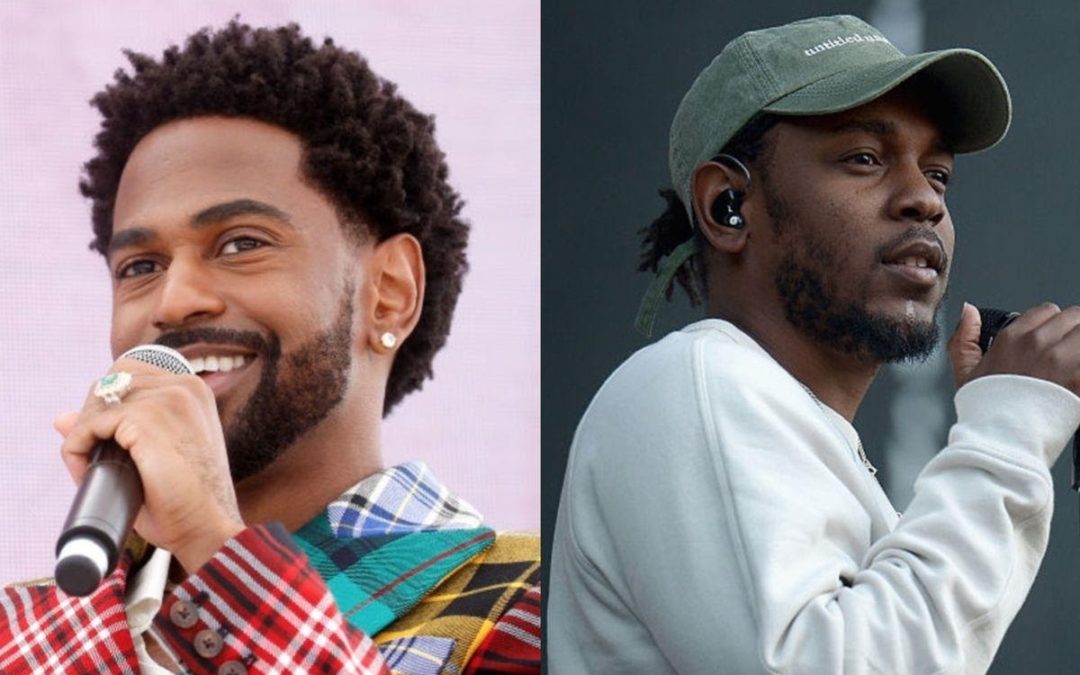
After the release of Big Sean’s highly anticipated fifth studio album Detroit 2, it is estimated that it will become the No. 1 project in the country. Sean had recently stated in the “Sway In
by Jesse Swindell | Jun 14, 2022 | Latest, Music News, New Music Alert |
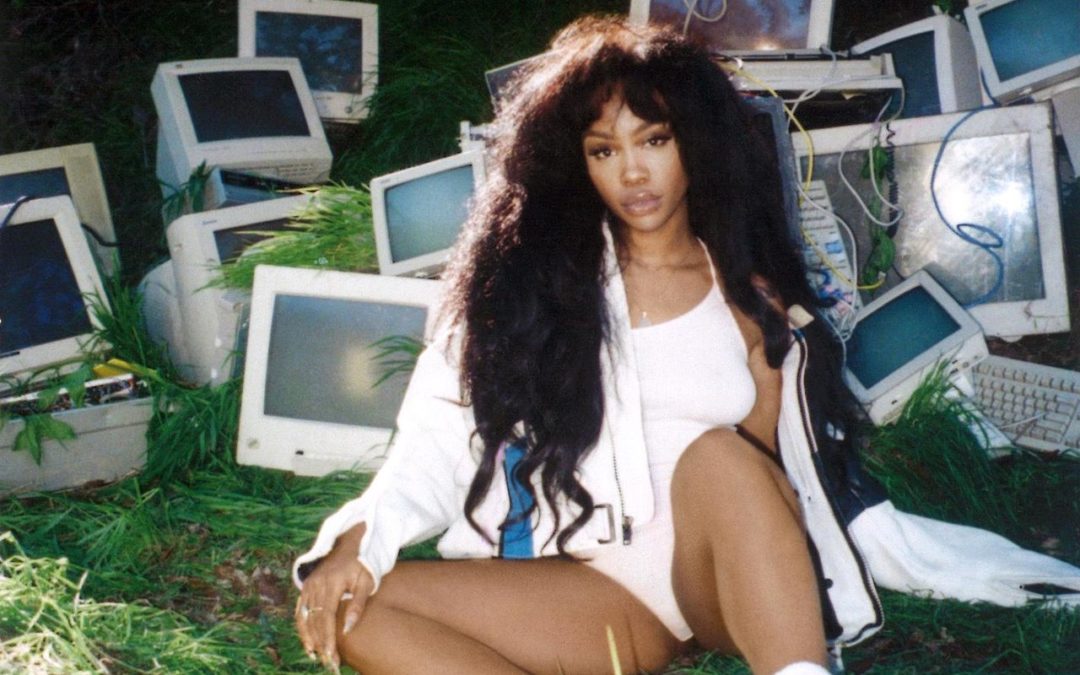
The release of SZA debut studio album Ctrl, five years ago this week, marks a milestone. 14 tracks were included on the album, including collaborations with none other than Kendrick Lamar, Travis Scott, Isaiah Rashad, and James Fauntleroy. SZA and Top Dawg Entertainment were able to achieve significant critical and commercial success with the project. This included landing SZA at number three on the Billboard 200 before her music spent an incredible 260 weeks atop that chart. Over the years, the project has also been certified double Platinum and released classic singles including “The Weekend,” “Love Galore,” and “Broken Clocks.”
SZA and TDE announced that they will upgrade Ctrl’s fifth anniversary with a deluxe upgrade. This upgrade includes seven additional songs recorded between 2014 and 2017, as the singer revealed at the time. Among the seven songs is an alternative version of “Love Galore” which includes a new verse by singer SZA, adding to the song’s original theme of regret about love gone by:
In the months since the release of Ctrl, SZA has teased a forthcoming album through loose tracks such as “Passport,” “Hit Different,” “Good Days,” “Nightbird,” “Joni,” and “I Hate U.” Additionally, she contributed music to a series of big moments in entertainment, including Lamar’s score to Black Panther, as well as collaborations with DJ Khaled, Cardi B, Justin Timberlake, Post Malone, and Megan Thee Stallion.
by Jonathan P-Wright | Jun 29, 2020 | Worldwide News |
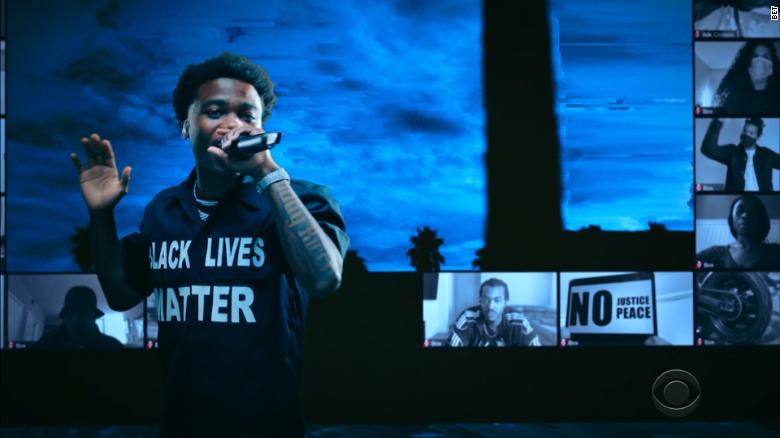
BET Awards 2020: Five critical things to understand, from Michelle Obama’s Beyoncé tribute to the ‘Battle the Power’ remix In the 2020 BET Awards on Sunday night, famous people from Jamie Foxx and Viola Davis to Kendrick Lamar and Tracee Ellis Ross showed up on video screens together to peruse an extensive rundown of names: George Floyd. Breonna Taylor. Trayvon Martin. Elijah McClain. Sandra Bland. Stephon Clark. Rayshard Brooks. Medgar Evers. Michael Brown. Ahmaud Arbery. Tamir Rice. Emmett Till. Malcolm X. Martin Luther King Jr. Furthermore, some more.
by Pharron Fields | Aug 21, 2025 | Music News, Social Justice, Trending |
Photo by Karsten Winegeart on Unsplash
Hip-hop has long been the heartbeat of urban resilience—a genre born in the struggle and sculpted in survival. From its roots in the Bronx to its global dominance, it has remained one of the most honest reflections of culture, identity, pain, and rebellion. Yet despite its triumphs, the genre remains haunted by a disturbing and persistent trend: the premature deaths of its stars.
The headlines come with tragic regularity. Another rising voice silenced. Another tribute concert. Another artist’s last tweet going viral after their murder, overdose, or unexplained passing. The loss feels almost routine now, but it shouldn’t. When Pop Smoke was gunned down at 20, when Juice WRLD collapsed at just 21, when Nipsey Hussle was murdered in front of his own business, and when Takeoff was caught in a senseless crossfire—these weren’t just isolated incidents. They were alarm bells in a system that’s failed to protect its brightest talents.
While many are quick to blame the “lifestyle” or the music itself, the deeper truth is harder to stomach: these deaths reflect broader societal, psychological, and industry-wide failures.
A Crisis Backed by Data
A groundbreaking study published in the Journal of the American Medical Association in 2015 cast a harsh spotlight on the grim statistics surrounding hip-hop deaths. According to the study, 51% of deaths among hip-hop artists were homicides, and the average age of death was just 30. This is alarmingly young compared to other genres. In rock, only 6% of deaths are homicides. In jazz, it’s 1.5%. And in country music, the average age of death surpasses 60.
Clearly, the genre doesn’t just reflect danger—it lives inside it. These numbers don’t just highlight a trend; they paint a clear picture of a cultural health crisis. The artists we idolize, who pour their trauma and truth into their lyrics, are navigating a world that remains perilous—even after they’ve made it big.
Environments of Survival, Not Safety
Music psychologist Dr. Dianna Theadora Kenny put it plainly: “Hip-hop has the highest mortality rate of any major music genre. It’s not a coincidence. It reflects the environments from which many of these artists emerge.”
Indeed, many rappers come from communities ravaged by poverty, violence, incarceration, and neglect. Their ascent into fame doesn’t erase the battles they fought growing up. In fact, success often sharpens the threats they face. Overnight fame doesn’t come with a guidebook for security, mental health, or conflict resolution. These artists are launched into stardom while still carrying unresolved traumas and unhealed wounds—now in a spotlight where those wounds become targets.
Lives Taken, Stories Cut Short
Pop Smoke’s story is a gut-wrenching one. At just 20, he had become the face of Brooklyn drill—a genre bursting with raw intensity and street narrative. His deep voice and intimidating presence were paired with a rising global appeal. But that rise ended abruptly in a Los Angeles home invasion. His killers were teenagers who tracked his location via an Instagram post. A moment meant to celebrate success instead exposed him to fatal danger. His murder reminded the world just how vulnerable young artists can be in the digital age—especially when fame arrives faster than the tools to manage it.
Juice WRLD was a different kind of voice—less aggressive, more introspective. He bled emotion in his tracks, speaking openly about anxiety, heartbreak, and addiction. His vulnerability resonated with millions. But behind that openness was a young man wrestling privately with substance dependency. He died from an accidental overdose of oxycodone and codeine, just days after his 21st birthday. His lyrics had foreshadowed his own demise for months, and still, the system around him failed to intervene in time.
Nipsey Hussle’s death carried a different weight. He wasn’t just an artist—he was a community organizer, an entrepreneur, a visionary. His work in South Central Los Angeles wasn’t performative; it was deeply rooted in change-making. He opened businesses, created jobs, and spoke powerfully about generational wealth and Black empowerment. Yet, in the very community he uplifted, he was shot and killed. His death devastated a generation, not just because of who he was, but because of what he stood for: redemption, transformation, and unity.
Takeoff, the quietest and most peaceful member of the trio Migos, wasn’t known for beefs or controversy. But that didn’t spare him. He was killed in Houston during a confrontation that didn’t even involve him directly. At just 28, his death served as a chilling example of how even those who avoid conflict can fall victim to chaos.
The Industry’s Role in the Pattern
Within the hip-hop community, voices are rising to confront this crisis. Jim Jones famously said, “Rap is the most dangerous job in the world.” Fat Joe described rappers as “an endangered species.” And radio host Charlamagne Tha God criticized record labels for profiting from artists’ trauma without providing real support: “They want the music but not the responsibility of keeping artists alive.”
The reality is that the hip-hop industry has long commodified struggle. Labels race to sign artists who reflect raw, street-originated authenticity—yet rarely offer guidance for navigating fame, managing mental health, or securing safety. Artists are often left to juggle everything—financial pressure, family demands, public scrutiny, unresolved street conflicts—alone. Their trauma becomes content, their lyrics become product, and their safety becomes their own burden to bear.
Imagining a Safer Future for the Culture
Change is possible—but it requires more than mourning after the fact. It requires systems built to prevent these tragedies before they unfold.
One potential starting point is conflict resolution. Many disputes in the hip-hop world stem from misunderstandings, bruised egos, and street tensions. Industry-funded mediation programs could provide a way to resolve these issues before they escalate into violence. Neutral spaces for conversation, reconciliation, and accountability could reduce the likelihood of beefs becoming funerals.
Mental health support must also be prioritized. Therapy should be normalized and made readily accessible for artists—especially Black men, who often carry the weight of generational trauma in silence. Labels need to offer more than studio time and PR budgets—they need to provide therapists, wellness coaches, and trauma counselors. Artists are human beings, not streaming numbers.
Touring, while lucrative, can be dangerous—especially for younger acts. Many up-and-coming rappers travel with minimal security, poorly coordinated teams, and limited preparation for handling crowds, threats, or emergencies. Stronger tour protocols, dedicated security professionals, and clear risk assessments should be standard, not optional.
Investing in the Communities Artists Come From
Ultimately, addressing the violence and instability surrounding hip-hop means investing in the communities that produce its voices. Poverty, gun access, educational inequality, and mental health gaps are not just background conditions—they are direct contributors to the instability that many artists face. Supporting community development, youth programs, and mental health services in underfunded neighborhoods is not just social work—it’s preventative action. When artists succeed and give back, they should not be walking targets. They should be catalysts for transformation.
The Evolution of Lyrical Power
There’s another layer to this evolution—and it’s lyrical. Hip-hop has never been afraid to speak about pain, violence, and trauma. But the next era could be one where that same lyrical honesty turns inward—toward healing, vulnerability, and emotional intelligence. Artists like Kendrick Lamar, J. Cole, Noname, and others are already carving out a path where lyricism doesn’t rely on glorifying death to feel authentic.
The culture has always evolved. It has always responded to its moment. And right now, the moment is asking for something new: not a softer hip-hop, but a smarter one. One that understands the cost of constant funerals. One that wants its artists to live long enough to become elders.
A Genre Worth Protecting
The losses of Pop Smoke, Juice WRLD, Nipsey Hussle, Takeoff, and so many others are not just tragedies—they are wake-up calls. Each death chips away at the foundation of a culture that deserves preservation. But even more importantly, they are reminders that behind every track, every verse, and every viral clip is a life—a real one.
Hip-hop has changed the world. Now, it must protect its own.
The future of hip-hop can be different. It can be a genre not defined by grief, but by growth. Not by funerals, but by legacies. The next chapter doesn’t have to end in obituaries. It can be written in healing, safety, and survival.

by Laghe Andrews | Jun 13, 2025 | Latest, Music News, New Music Alert |
Photo by KOBU Agency on Unsplash
After more than 15 years of silence as a duo, Clipse—made up of brothers Pusha T and Malice—is finally breaking their musical hiatus. The Virginia-bred rap pair is gearing up to release a brand-new album titled Let God Sort ‘Em Out, marking a highly anticipated reunion that has been years in the making.
The official announcement came on Thursday, May 29, shaking the hip-hop world to its core. The iconic duo not only revealed the album’s title but also confirmed its release date: July 11. To make the announcement even more thrilling, Clipse dropped their lead single, “Ace Trumpets,” at midnight. Produced by the legendary Pharrell Williams, the track is already stirring up buzz across streaming platforms.
This album marks Clipse’s fourth official studio release and follows a long period of speculation, surprise appearances, and hints dropped over the years. Their return is not just a musical event; it’s a cultural moment loaded with nostalgia, reinvention, and legacy.
The Power of Reunion: Clipse & Pharrell Reunite
One of the most electrifying aspects of this release is the return of Pharrell Williams as producer. As one-half of The Neptunes, Pharrell was instrumental in crafting the sound that made Clipse a household name in the early 2000s. His work on Lord Willin’ and Hell Hath No Fury helped define the gritty, minimalist sonic landscape that became synonymous with the group.
With Pharrell back at the helm, Let God Sort ‘Em Out promises to tap into that same raw, authentic energy while also evolving to meet the moment. Pharrell’s production style, always ahead of the curve, brings a fusion of classic Neptunes grooves and modern innovation. Early listens of “Ace Trumpets” suggest a return to form that stays true to Clipse’s roots while pushing their sound into new territory.
Exclusive Merch and Strategic Rollout
The rollout for this album is already signaling a broader cultural play. Fans can now pre-order the album in multiple formats, including vinyl LP, CD, and digital download. Pre-orders are available via the official site LetGodSortEmOut.com and at the Complex Shop.
Alongside the music, a limited-edition line of merchandise has launched, featuring visual direction from renowned artist KAWS. Known for his iconic characters and contributions to the worlds of fine art and fashion, KAWS lends a fresh visual identity to the Clipse comeback. The merchandise includes exclusive apparel and collectibles, making this not just an auditory experience but a lifestyle drop.
And that’s not all. The team behind Let God Sort ‘Em Out has hinted at even more collaborations with heavyweights in the streetwear and design industries. This strategic move positions Clipse not just as artists, but as brand architects navigating the intersection of music, art, and culture.
The Journey Back: Building the Hype Over Time
This reunion didn’t happen overnight. Fans who have been closely following Clipse know the signs have been there. Back in 2022, Malice made a surprise appearance alongside Pusha T at the BET Hip-Hop Awards, reigniting hopes that the brothers might collaborate again. That moment sent social media into a frenzy, with speculation swirling about a full-scale reunion.
The momentum continued into 2023 when Clipse performed together at Pharrell’s Something in the Water Festival. Their chemistry on stage was undeniable, and the crowd’s reaction only amplified the demand for a new project.
In more recent months, Clipse has been strategically inserting themselves into the fashion and cultural zeitgeist. They appeared together at the Louis Vuitton Spring/Summer 2025 runway show—a showcase directed by Pharrell himself. Rumors of an upcoming collaboration with John Legend further fueled speculation. Every appearance, every whisper, added fuel to the fire, building a crescendo that has now exploded into the official album announcement.
Dual Journeys: Where Pusha T and Malice Have Been
To understand why this album matters so much, it’s important to look at where the Clipse brothers have been over the last decade and a half. After releasing Til the Casket Drops in 2009, the duo went in different directions—both creatively and personally.
Pusha T embarked on a successful solo career under Kanye West’s G.O.O.D. Music label. His solo discography, including Daytona and It’s Almost Dry, has earned critical acclaim for its sharp lyricism, minimalistic production, and thematic consistency centered around street narratives and introspection. Pusha cemented his place as one of hip-hop’s most revered wordsmiths.
Meanwhile, Malice underwent a profound personal transformation. He changed his name to No Malice and turned to Christian rap, focusing on themes of redemption, faith, and moral reflection. His solo work took on a more spiritual tone, reflecting his changed worldview. For many fans, this shift seemed to signal the end of Clipse as a unit.
That’s why Let God Sort ‘Em Out carries such weight. It represents not just a musical reunion, but a reconciliation of personal evolution. Two artists who took divergent paths are coming back together—bringing with them a depth of experience, a maturity, and a renewed artistic vision.
Backed by the Best: Roc Nation & High-Caliber Creative Team
Clipse’s new era is fortified by the backing of Roc Nation, the influential entertainment agency founded by Jay-Z. Roc Nation will handle marketing and distribution for the album, ensuring that the project receives a high-profile rollout in both digital and physical spaces.
This strategic partnership signifies Clipse’s intention to return not just with quality music, but with the infrastructure and resources to make a significant impact. It also suggests a savvy understanding of how modern music marketing works—from playlisting to experiential branding to cross-platform storytelling.
Add to that the creative input of Pharrell and KAWS, and you have a team that blends sonic mastery, cultural relevance, and artistic credibility. It’s a dream team assembled for a comeback that’s anything but ordinary.
The Cultural and Musical Landscape
The hip-hop world Clipse is returning to is vastly different from the one they left. In the 2000s, lyricism, storytelling, and street authenticity were paramount. Today’s landscape is more diversified—dominated by streaming metrics, viral moments, and evolving subgenres.
Yet, in many ways, Clipse’s return feels perfectly timed. There’s a growing appetite for substance in hip-hop. Artists like Kendrick Lamar, J. Cole, and Griselda have proven that lyrical dexterity and authentic storytelling still resonate deeply with audiences. In this climate, Clipse isn’t an outlier—they’re a necessary return to form.
Moreover, the duo’s influence has only grown in their absence. Their unique blend of street realism, philosophical undertones, and avant-garde production has inspired a new generation of rappers and producers. Their return is likely to both challenge and elevate the current state of the genre.
What to Expect From the Album
While full details of the album’s tracklist remain under wraps, “Ace Trumpets” offers some clues. The track combines haunting instrumentation with punchy lyricism and layered meaning—all hallmarks of classic Clipse. Fans can expect themes of morality, survival, street economics, and personal growth, all delivered with the precision and intensity that have defined the duo’s sound.
Given the involvement of Pharrell and the duo’s new perspectives, the album is also likely to experiment with new sonic textures and thematic angles. It’s not just about recreating the past; it’s about reinterpreting it for the present.
Final Thoughts: A Legacy Reawakened
Let God Sort ‘Em Out is more than an album. It’s a cultural reawakening, a bridging of eras, and a statement about the enduring power of authenticity in music. For longtime fans, it’s a dream realized. For new listeners, it’s an invitation to experience the power of masterful storytelling.
Clipse isn’t just coming back—they’re reasserting their place at the top of hip-hop’s lyrical elite. July 11 marks the beginning of a new chapter, but also the continuation of a legacy that never truly went away.
In a world increasingly dominated by fleeting trends, Clipse is offering something rare: a moment of permanence, crafted with intention, and driven by artistry. And as the album title suggests, they’re leaving the judgment to a higher power. All we have to do is listen.

RECENT COMMENTS