
by Jonathan P-Wright | May 2, 2025 | Latest, Music News, New Music Alert |
Photo by Marcos Paulo Prado on Unsplash
In yet another twist to their complex love story, R&B singer and entrepreneur Ray J has confirmed that he is continuing with his divorce from Princess Love, despite the pair recently being seen locking lips in public. The surprising moment happened during a Millennium Tour stop, where the former couple, who share two children together, were captured on video sharing a passionate kiss.
The incident sparked a flurry of speculation online. Were they getting back together? Was this a genuine moment of affection or just another confusing chapter in their famously rocky relationship? While many fans hoped this could be a sign of reconciliation, Ray J swiftly shut down those hopes with a candid and emotionally charged response online.
Unexpected Intimacy at the Millennium Tour
Fans attending the Millennium Tour got more than they bargained for when they spotted Ray J and Princess Love, seated together in the audience, engaging in a full-on makeout session. The kiss took place while singer Trey Songz was performing, adding an unexpected emotional backdrop to an already nostalgic event.
A short clip of the moment quickly circulated online, showing Ray J reacting to the camera being pointed at them with a goofy expression. Though playful, his reaction also hinted at an underlying awareness: he knew this moment would spark conversation and perhaps reopen old wounds. And sure enough, it did.
A Conflicted Reaction From Ray J
Not long after the video made its rounds, Ray J took to his Instagram Story to explain what had happened. His post, filled with raw emotion and conflicting feelings, made it clear that while the kiss may have felt meaningful in the moment, it didn’t change the direction he had already chosen.
“She tasted good,” he admitted, reminiscing about the intimate moment. “I reminisced, man. I love her, but I don’t like her right now.” The emotional turmoil in his words painted a clear picture: here was a man caught between memory and reality, torn between affection and pain.
In his posts, Ray J expressed admiration for Princess Love, praising her as a devoted mother. “She’s my everything,” he wrote, “but I’m her f*cking nothing!” The hurt in that statement was palpable. Despite still harboring love for her, he seemed to accept that love alone wasn’t enough to heal the cracks in their foundation.
“She was kissing me like when we first f*cking met,” he continued. “Don’t ever do that to me again and play with my emotions!”
Love, History, and Heartbreak
Ray J and Princess Love’s relationship has always been layered, passionate, and—at times—volatile. Married for nearly a decade, the couple has experienced numerous breakups and reconciliations, several of which have played out under the watchful eye of the public.
Their love story began with fire and flair but quickly evolved into one riddled with dramatic confrontations, tearful makeups, and repeated attempts at salvaging what once was. Over the years, the pair has filed for divorce more than once, only to withdraw the paperwork or give the relationship another shot.
To fans who have followed their journey, this latest kiss was just another moment in a long saga that seems to defy resolution. However, Ray J’s latest comments suggest this time, things might truly be over.
Public Drama, Private Pain
Ray J’s emotional post wasn’t just about the kiss. He went further, revealing personal struggles that hinted at a man battling deeper issues. He confessed to having “sinned” extensively in the previous year—“up to sixteen times a day”—though he did not clarify what that entailed. Whether it was a metaphor for reckless decisions or literal behavior, it indicated a period of intense inner conflict.
While he stated that he had since changed, the admission gave fans a glimpse into his mental and emotional state during the relationship’s breakdown. It also underscored how the pressures of fame, fatherhood, and a public marriage may have contributed to the couple’s collapse.
A Relationship Marked by Turbulence
For those unfamiliar, Ray J and Princess Love’s romance has never been smooth sailing. Their dynamic has often played out like a reality TV subplot—with all the tears, accusations, reconciliations, and media coverage that one might expect from a celebrity couple constantly in the spotlight.
Their appearances on Love & Hip Hop: Hollywood showcased both their love and dysfunction, often painting a picture of a couple who couldn’t live with or without each other. Physical altercations, arguments in front of cameras, and public statements about betrayal have been recurring themes in their relationship.
In one of their more serious clashes, the LAPD was called to their home amid reports that Ray J was yelling and behaving erratically. He was detained, though not arrested, but the incident further cemented the narrative of a marriage teetering on the edge.
Fans React to the Whirlwind
As is often the case when celebrities share their personal turmoil online, the internet responded swiftly. Social media was flooded with hot takes, sympathy, criticism, and wild theories. Some fans expressed hope that the couple would find their way back to each other, while others advised both to move on for good.
One comment read, “This man clearly loves her, but sometimes love just isn’t enough. Let her go, king.” Another user tweeted, “Princess and Ray J need to either do this off-camera or just accept they’re addicted to the chaos.”
Others criticized the kiss itself, labeling it manipulative or performative. The division in public opinion reflects just how invested people have become in this couple’s journey—almost as if it’s a reality show that keeps renewing itself for another season.
What’s Next for Ray J and Princess?
Despite the recent makeout session and emotional Instagram confessions, Ray J insists that the divorce is still moving forward. Whether that process will finally come to a conclusion this time remains to be seen.
What is clear is that both parties will need to work together when it comes to co-parenting their children. In his Story, Ray J praised Princess for being an incredible mother and acknowledged that their children were the best part of their union. “She won,” he said, not in bitterness, but with what felt like genuine admiration.
That statement might be the most telling of all. It signals a man who, despite all the mess, recognizes that the most important legacy of their relationship isn’t the drama—but the family they created together.
In many ways, that passionate kiss at the concert felt like more than a moment of nostalgia. It felt like a farewell—a final flash of the chemistry that once defined them, now fading under the weight of experience and exhaustion.
Ray J’s plea, “Don’t ever do that to me again,” wasn’t just about the kiss. It was about reopening wounds, reigniting old feelings, and stirring a hope that was no longer sustainable.
It’s possible that this was their final moment as something resembling a couple—a spontaneous, electric, yet fleeting reminder of what once was. And now, both Ray J and
Princess Love must figure out what comes next. Whether that’s healing separately or navigating life as co-parents, the road ahead will require patience, honesty, and perhaps for the first time—distance.
If you’d like a follow-up article exploring Princess Love’s perspective or the impact of public relationships on personal healing, I can write that next. Would you like that?
by Jonathan P-Wright | May 2, 2025 | Latest, Music News, New Music Alert |
Image credit: Ben Houdijk / Shutterstock.com
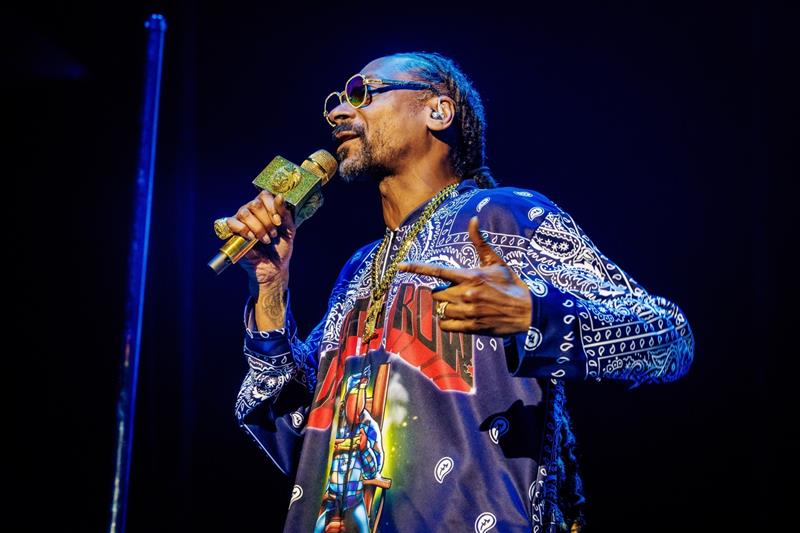
The seemingly disparate realms of West Coast hip-hop and Southern country music have, against conventional expectations, found a captivating point of intersection. This unexpected confluence has manifested in the form of “Gettin’ Gone,” a refreshingly laidback and genre-fluid track born from the collaboration between the iconic rap luminary Snoop Dogg and the ascendant Nashville country artist ERNEST. This intriguing musical partnership graces ERNEST’s forthcoming mixtape, “Cadillac Sessions,” hinting at a project that dares to defy genre boundaries and explore uncharted sonic territories.
ERNEST, a name rapidly gaining prominence within the Nashville songwriting and performing community, has already established himself as a significant force in contemporary country music. His songwriting prowess is evident in his collaborations with artists like Morgan Wallen, contributing to a string of chart-topping singles that have resonated deeply with audiences. On the other side of this compelling musical equation stands Snoop Dogg, a veritable institution in the hip-hop world. Beyond his legendary status as a rapper, Snoop has consistently demonstrated a willingness to venture beyond the confines of his primary genre. His forays into reggae under the moniker Snoop Lion, his explorations of gospel music, and even his unlikely yet endearing collaborations with Martha Stewart underscore a restless creative spirit and an openness to diverse sonic landscapes, solidifying his position as a global cultural icon unafraid of artisustic risk.
While the pairing of Snoop Dogg and a rising country artist might initially raise eyebrows, a closer examination reveals a surprising undercurrent of mutual respect and appreciation. Snoop Dogg himself has publicly acknowledged a long-standing affinity for country music, notably expressing admiration for the legendary Johnny Cash, whom he once lauded as his “main man” and a quintessential “real American gangster.” This shared appreciation for authenticity, the power of storytelling, and a certain rebellious spirit inherent in both hip-
hop and traditional country music renders their collaboration not as a contrived marketing ploy, but rather as a serendipitous alignment of artistic sensibilities.
An Unlikely Backstage Encounter Sparks a Musical Connection
The genesis of “Gettin’ Gone” was not orchestrated in a sterile boardroom but rather unfolded organically in the backstage milieu of a Jelly Roll concert. ERNEST, a self-professed admirer of hip-hop culture and ever the astute opportunist, seized the moment to engage in conversation with Snoop Dogg amidst the backstage bustle. Armed with a freshly recorded demo of “Gettin’ Gone,” ERNEST recognized a potential opportunity and boldly presented his musical offering.
Recounting the pivotal encounter with a touch of amusement, ERNEST explained, “I basically weaseled my way into Snoop’s green room. I was like, ‘Yo, can I play you a song I wrote last weekend?’ and he was just super chill—’Sure.’ I hit play, and he was vibing.” This initial positive reception paved the way for a direct exchange of contact information, laying the groundwork for a collaboration that would soon transcend the confines of that backstage meeting.
The song itself, “Gettin’ Gone,” had its genesis during a songwriting retreat held on ERNEST’s tour bus, in the company of esteemed country songwriting heavyweights Rhett Akins, Ben Hayslip, and Mark Holman. The initial concept revolved around the universal desire for escapism—whether a physical departure or a mental retreat—when the pressures of the world become overwhelming. This theme of seeking solace and respite resonates deeply within both country and rap traditions, albeit often explored through distinct lyrical and sonic lenses.
A mere couple of weeks after their chance encounter, ERNEST received a text message from Snoop Dogg that signaled more than just casual appreciation. It was an enthusiastic expression of interest in actively participating in the song. “He sent me this flood of emojis—blue hearts, fire, paw prints,” ERNEST described, interpreting the digital deluge as Snoop’s affirmative response: “Yeah, I’m down.” True to his word, Snoop swiftly recorded and delivered his verse in less than 48 hours. This rapid and enthusiastic engagement speaks volumes about the genuine connection and organic energy that fueled the collaboration, a refreshing departure from the often-calculated pace of the modern music industry.
Capturing the Vibe: Cadillac Cruising and Authentic Chemistry
The music video accompanying “Gettin’ Gone” masterfully captures the same relaxed and authentic vibe that permeates the track itself. Filmed against the backdrop of iconic Nashville landmarks, the visual narrative feels less like a meticulously scripted production
and more like an impromptu hangout between two artists from seemingly different worlds who find common ground in their shared passion for music. ERNEST and Snoop are seen cruising through the city in a classic Cadillac, making stops at local haunts and effortlessly trading verses, their camaraderie palpable and genuine.
“The chemistry was real,” ERNEST emphasized. “It wasn’t just like, ‘Hey, here’s your verse, and we’ll film you in a studio later.’ He was all in. He wanted to film the video. He wanted to vibe in the city.” One particularly memorable moment for ERNEST during the filming occurred while they were driving back to Castle Recording Studios. He decided to play Snoop Dogg’s timeless hit, “Gin and Juice.” The surreal experience of Snoop rapping along to his own iconic track, word for word, while the bass resonated through the Cadillac’s sound system, created a profound full-circle moment for ERNEST. “That was a childhood memory unfolding in real-time,” he reflected.
A Growing Trend: Genre Lines Blur in Modern Music
While some might view Snoop Dogg’s foray into country music as an unexpected detour, it is not entirely unprecedented. In recent years, Snoop and his longtime collaborator Dr. Dre have demonstrated an increasing interest in the evolving musical landscape of Nashville. Notably, they featured the burgeoning country sensation Jelly Roll on a track from their collaborative album, “Missionary,” released the previous year. Furthermore, earlier this year, they enlisted HARDY, a prominent figure in the country-rock scene, for a fresh reimagining of Snoop’s 1994 classic “Gin and Juice,” complete with an accompanying short film.
These instances are not isolated experiments but rather indicative of a broader trend in the music industry: the gradual erosion of rigid genre boundaries. The traditional walls separating Nashville’s country vocalists and hip-hop’s lyrical giants are becoming increasingly porous. Country artists are exploring covers of hip-hop tracks, while rappers are incorporating elements of folk music into their sonic palettes. We are entering an era where individual playlists, driven by personal taste, are gaining precedence over traditional genre classifications, and music enthusiasts are increasingly valuing authenticity over strict adherence to established labels.
More significantly, collaborations such as “Gettin’ Gone” serve to challenge preconceived notions and foster connections across generational and cultural divides. ERNEST and Snoop Dogg, while originating from distinct backgrounds and musical traditions, find common ground at the intersection of creative expression, rhythmic innovation, and genuine soulfulness.
“Cadillac Sessions”: A Launchpad for Southern Sound and Collaboration
“Gettin’ Gone” serves as a compelling precursor to ERNEST’s upcoming “Cadillac Sessions” mixtape, a project that extends beyond his own artistic endeavors to spotlight a new wave of emerging talent nurtured under his own label, DeVille Records, a partnership with Big Loud Records.
“This project is all about spotlighting a new wave of talent coming out of the South,” ERNEST elaborated. “I’m collaborating with guys like Cody Lohden, Chandler Walters, and Rhys Rutherford. These aren’t just features—they wrote their own songs. They’re authentic, they’re storytellers, and they represent the next generation of Nashville.”
Each artist featured on the mixtape hails from a different corner of the American South—Rhys from Nashville itself, Chandler from Georgia, and Cody from Kentucky. This geographical diversity imbues the project with a rich tapestry of styles and thematic explorations, while maintaining a cohesive grounding in Southern identity and ethos. ERNEST’s vision for “Cadillac Sessions” extends beyond simply creating music; it encompasses the ambition to cultivate a supportive community and establish a lasting legacy for these emerging voices.
While the title “Gettin’ Gone” might conjure images of escaping on open highways, ERNEST offers a more nuanced perspective on finding moments of respite in his adopted home of Nashville. When asked about his preferred local spots for unwinding, his answer reveals a refreshingly down-to-earth sensibility.
“Either Troubadour Golf Course out in College Grove or Losers in Midtown,” he shared. “But honestly, sometimes I be gettin’ gone while I work at the office.”
This sentiment encapsulates the core essence of “Gettin’ Gone.” It transcends the literal act of physical departure, delving into the realm of mental reprieve, a temporary detachment from expectations, and the freedom to simply be oneself. Whether it’s the familiar comfort of a local dive bar or the expansive tranquility of a driving range, the specific location is secondary to the liberating energy it provides.
Snoop Dogg’s participation in a country music project sends a significant signal throughout the music industry, indicating a broader cultural shift. Audiences are increasingly receptive to genre-bending sounds, embracing musical fusions that defy traditional categorization. The willingness of artists to collaborate across genre lines reflects a growing appreciation for authenticity and a desire to connect with diverse audiences.
More importantly, collaborations like “Gettin’ Gone” challenge ingrained stereotypes and foster connections across generational and cultural divides. ERNEST and Snoop Dogg, while originating from distinct backgrounds and musical traditions, find common ground in their shared commitment to expressive storytelling, rhythmic innovation, and genuine soulfulness.
In conclusion, “Gettin’ Gone” is more than just a novelty track; it serves as a potent reminder of the creative possibilities that emerge when artists disregard artificial industry barriers and simply create from a place of genuine inspiration. It underscores the notion that music, when infused with sincere respect and unwavering passion, possesses the remarkable ability to transcend genre limitations and geographical boundaries.
ERNEST’s audacious move of approaching a legendary figure like Snoop Dogg backstage with a demo, and subsequently forging a collaborative partnership, embodies the kind of bold, spontaneous action that often lies at the heart of the most compelling musical narratives. And Snoop Dogg’s enthusiastic embrace of this unexpected collaboration, lending his iconic voice to a country track and immersing himself in the Nashville experience, stands as a testament to his continued evolution as a cultural bridge-builder. If “Cadillac Sessions” lives up to the promising precedent set by “Gettin’ Gone,” ERNEST may well be on the cusp of not just releasing a mixtape, but potentially igniting a transformative movement within the landscape of contemporary country music.
by Jonathan P-Wright | May 2, 2025 | Uncategorized |
Image credit: Maciej Rogowski Photo / Shutterstock.com
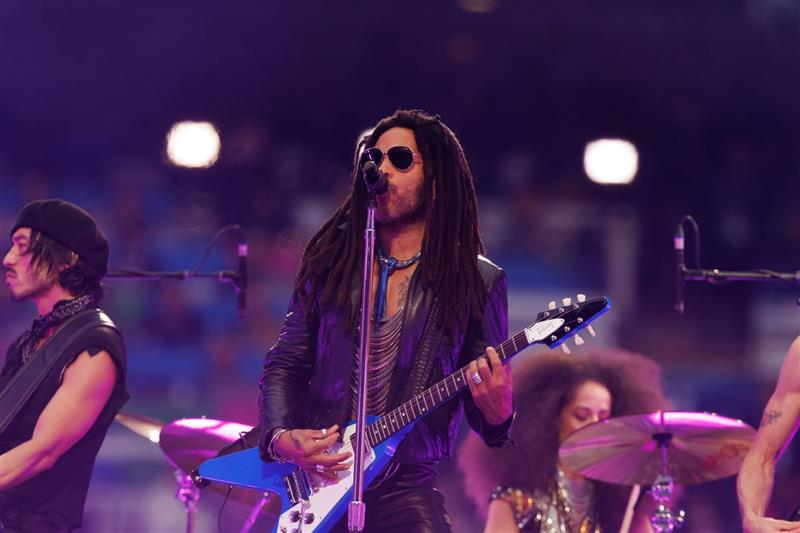
Lenny Kravitz, a celebrated figure in the realm of rock music, renowned for his genre-defying sound and distinctive aesthetic, has recently offered an intimate glimpse into his Parisian abode, a sanctuary he affectionately refers to as Hotel Roxie. Far from being a conventional celebrity dwelling, this Parisian residence, nestled in a tranquil corner of the luminous city, stands as a vibrant homage to the intertwined worlds of art, historical significance, musical expression, and profound affection.
In a revealing video tour conducted for Architectural Digest, Kravitz graciously unveils the interiors of this extraordinary space, a home brimming with a bold and deeply personal character. More than a mere display of opulence, Hotel Roxie serves as a tangible extension of Kravitz’s multifaceted identity as an artist, a devoted son, a loving father, and a respected cultural icon.
A Mother’s Dream Realized: The Genesis of Hotel Roxie
The very name of the house, Hotel Roxie, carries a weighty significance, serving as a heartfelt tribute to Kravitz’s late mother, the accomplished actress Roxie Roker. As Kravitz himself explains during the video walkthrough, “It was named after my mother because it was her dream to come live in Paris.” This seemingly small yet profoundly meaningful detail establishes the overarching tone of the entire residence. It is a space saturated with memories, imbued with intention, and designed to honor a cherished maternal figure. Kravitz has not simply constructed a place to reside; rather, he has meticulously crafted a narrative that interweaves his past experiences, his present life, and his aspirations for the legacy he will eventually leave behind.
As the virtual tour unfolds, viewers are inevitably drawn into a world that feels like the physical embodiment of Lenny Kravitz’s innermost artistic sensibilities. It is a space that exudes soulfulness, radiates style, and surprises with its eclectic artistic choices. The walls serve as canvases for abstract art, each piece pulsating with vibrant colors, rich textures,
and palpable emotions. It is a carefully curated collection, a harmonious yet unpredictable assembly of visual storytelling, where each artwork has been thoughtfully selected to articulate an idea, evoke a feeling, or represent a significant phase in Kravitz’s personal and artistic evolution.
A particularly striking feature of the home is the imposing grand piano that commands attention in the entryway. This is far more than a mere decorative element; it possesses a presence akin to a centerpiece in a grand concert hall. It is an instrument that seems to demand to be played, to be an integral part of the musical experience. One can easily envision Kravitz pausing at its keys during the quiet hours of the night, allowing melodies to flow into the surrounding air like fragrant incense.
Beyond the realms of music and fine art, Hotel Roxie holds spaces dedicated to more personal connections. An entire room is lovingly devoted to his mother, Roxie. Furnished and styled with meticulous care, it serves as a serene sanctuary for reflection and remembrance, a sacred space honoring the woman who profoundly shaped his life. In a home filled with expressive design, this room acts as an emotional anchor, grounding the entire space in familial love and respect.
Homage to a Legend: The Grand Salon’s Tribute to Muhammad Ali
Venturing further into the house, one encounters the Grand Salon, an expansive room that functions as a veritable shrine to the legendary boxer and influential activist, Muhammad Ali. The room is filled with carefully chosen memorabilia, distinct design elements, and powerful iconography all dedicated to this iconic figure.
The choice of dedicating such a significant space to Ali is not arbitrary. For Kravitz, the admiration extends far beyond the realm of sports. “What I love about Muhammad Ali is the humanitarian work, the civil rights work—he was a freedom fighter, and that is so important,” Kravitz articulates, revealing the deeper resonance of this dedication.
It becomes evident that the Grand Salon transcends mere aesthetic considerations. It is a space of reverence, a celebration of courage, unwavering strength, and the profound act of speaking truth to power. Muhammad Ali, often perceived as the ultimate symbol of resilience and dignity in the face of adversity, serves as a potent source of inspiration for Kravitz’s own journey as a Black artist navigating the complexities of the world on his own terms. The room emanates a palpable sense of quiet respect. This is not a mere display of celebrity collectibles; it is a heartfelt expression of gratitude and a powerful channeling of inspiration.
An Underground Sanctuary: The Secret Nightclub
However, the most captivating and unexpected feature of Hotel Roxie lies beneath the surface, in the basement—a hidden gem that most would never anticipate finding within a private residence: a fully operational nightclub. Indeed, Lenny Kravitz has created his very own underground club beneath his Parisian home.
Bathed in a moody and seductive ambiance reminiscent of a scene from an A24 film, the nightclub is characterized by deep red lighting, carefully selected vintage decor, and luxurious velvet textures that collectively create an atmosphere that feels both retro and timeless. Stepping into this space is akin to entering another era, yet it possesses an undeniable contemporary allure.
Kravitz himself describes this subterranean haven as the “heart and soul” of his Parisian residence. It is a dynamic space where creativity and community converge and flourish after nightfall. On any given evening, it can spontaneously transform into a vibrant gathering, with guests spanning generations engaging in lively conversations, freely dancing to the rhythm of the music, and fully embracing the joy of the moment.
And Kravitz is not merely an observer in this vibrant setting. As the music fills the air and the energy of the gathering intensifies, he wholeheartedly immerses himself in the celebration—dancing with unrestrained joy, sharing laughter with his guests, and fully embracing the present moment. The image of him moving freely, his signature dreadlocks swaying with the rhythm, is undeniably cinematic. This underground space is part speakeasy, part dreamscape—a carefully crafted environment designed to be felt viscerally, not just admired visually.
Beyond Paris: A Global Footprint Rooted in Identity
As the tour draws to a close, Kravitz adopts a more contemplative tone. Standing in the very heart of Hotel Roxie, he reflects on the profound significance of the house in his life. “It represents so many parts of my history, my story, and evolution,” he shares with a quiet sincerity. This Parisian residence is clearly more than just an asset in a real estate portfolio. For Lenny Kravitz, it is an emotional and creative landmark, a tangible representation of his personal journey. It encapsulates the entirety of his experiences—from his upbringing as the son of the Bahamian-American actress Roxie Roker to his current status as a globally recognized music icon with an unshakeable sense of self. Then follows a deeply personal revelation. Kravitz expresses his intention to leave the house unchanged. In his eyes, it has reached its final, perfect form—at least for him. He states that upon his passing, the responsibility and creative freedom regarding the future of Hotel Roxie will be entrusted to his daughter, the talented actress Zoë Kravitz. “She can do what she wants with it after I’m gone,” he says with a sense of quiet peace and acceptance. This is a profoundly poetic
gesture, one that speaks volumes about preserving the past, fully embracing the present, and having the wisdom to trust the future. It underscores themes of legacy, the enduring power of love, and the subtle yet significant art of letting go.
While his Parisian home, Hotel Roxie, may hold the deepest emotional resonance among his properties, it is but one facet of Lenny Kravitz’s impressive global real estate portfolio. He possesses a discerning eye for designing spaces that not only reflect his rockstar persona but also embody his globally attuned spirit. According to reports from Travel Noire, Kravitz also owns a sprawling estate in Brazil, encompassing nearly 1,000 acres of land that once served as a coffee plantation. Nestled deep within the lush jungle, this property has evolved into a serene retreat, an earthly paradise where he can disconnect from the demands of his public life and reconnect with the tranquility of the natural world. However, his appreciation for freedom and a certain understated minimalism extends beyond his Brazilian estate. He also maintains a custom-designed Airstream trailer in the Bahamas—sleek, silver, and fully equipped for off-grid living. This mobile home-away-from-home contains all the essentials, proving that true luxury does not always equate to extravagance. For Kravitz, even a trailer can be transformed into a sanctuary if it possesses thoughtful design and positive energy.
Ultimately, what renders Lenny Kravitz’s homes—and particularly Hotel Roxie—so compelling is not merely the carefully chosen decor or the architectural design. It is the profound way in which he seamlessly weaves his identity, his core values, and his personal history into the very fabric of these spaces. Each room serves a purpose, and every object within tells a story. From honoring the memory of his mother and celebrating the legacy of civil rights heroes to creating environments that foster joy and meaningful connections, Kravitz approaches the art of design with the same soulful depth that characterizes his music. In a world where the homes of celebrities often feel like sterile showcases of wealth and status, Hotel Roxie stands as a refreshing contrast. It is not simply a house; it is a living memoir, a deeply human and profoundly artistic space that serves as a powerful reminder that the essence of a true home lies not in flawless perfection but in authentic truth. And in the case of Lenny Kravitz, that truth is undeniably cool, deeply conscious, and vibrantly alive, perhaps even echoing with music from a hidden nightclub in the basement.

by Jonathan P-Wright | Apr 25, 2025 | Music News |
Photo by Wesley Tingey on Unsplash
A significant chapter in the long-standing discord between Ali, a former member of the St. Lunatics, and the prominent hip-hop artist Nelly has seemingly concluded with Ali’s withdrawal of his substantial $50 million lawsuit. This legal action had cast a shadow over the legacy of the group and Nelly’s early success. However, despite this dismissal, the legal maneuvering appears far from over, as Nelly’s legal representatives are actively urging the court to maintain jurisdiction over the matter, hinting at potential future legal repercussions for Ali.
The Lawsuit That Shook the Foundation of the St. Lunatics
The contentious lawsuit, initiated in the year 2023, centered on allegations that Nelly had neglected to provide due royalty payments to his fellow St. Lunatics collaborators for their contributions to his groundbreaking 2000 album, “Country Grammar.” This album proved to be a monumental commercial triumph, propelling Nelly to international stardom and firmly establishing him as a dominant force in mainstream hip-hop. With sales exceeding 10 million copies within the United States alone, “Country Grammar” remains etched in history as one of the best-selling rap albums of all time, a testament to its widespread appeal and enduring popularity.
Ali, who has long asserted his role as the principal founder of the St. Lunatics, initiated the legal proceedings on behalf of the entire group. His claim asserted that the collective efforts and creative input of the group members on “Country Grammar” went largely unacknowledged and financially unrewarded. The lawsuit sought a staggering $50 million in financial redress, reflecting the perceived magnitude of the alleged injustice and the immense commercial success that Nelly had achieved, largely on the back of this pivotal album.
However, the foundation of Ali’s legal challenge began to erode relatively quickly. Crucially, several key members of the St. Lunatics, including prominent figures like Murphy Lee, City Spud, and Kyjuan, publicly distanced themselves from the legal action shortly after its inception. These members explicitly stated that they had not granted Ali any authorization to pursue legal action on their behalf, thereby creating a significant internal rift within the group. This division extended beyond the conflict between Ali and Nelly, fracturing the unity of the St. Lunatics and adding layers of complexity to an already sensitive situation. The public disavowal by these key members significantly weakened Ali’s position and cast doubt on the legitimacy of his claim as representing the collective grievance of the group.
Legal Maneuvering and the Subsequent Dismissal
According to reports from Billboard, Ali officially and voluntarily withdrew his lawsuit on April 10, 2024. This action might have initially appeared to signal a resolution to the protracted dispute, offering a sense of closure to this particular legal entanglement. However, Nelly’s legal team has demonstrated a clear intention not to let the matter rest without a formal response and potential counter-action. In their subsequent court filings, Nelly’s attorneys vehemently characterized Ali’s lawsuit as “frivolous” and argued that it was legally “time-barred,” suggesting that the claim lacked any substantial legal basis and was initiated well beyond the permissible statute of limitations. They further contended that the primary motivation behind the lawsuit was not a genuine pursuit of justice but rather an attempt to inflict financial and legal burdens upon Nelly, disrupting his professional and personal life.
Nelly’s legal representatives have strongly urged the court to retain its jurisdiction over the case, even in light of Ali’s withdrawal. This strategic move is aimed at enabling them to potentially pursue sanctions against Ali and his legal counsel. They argue that Ali’s legal team engaged in what they describe as a “frivolous campaign” with the explicit objective of compelling Nelly to expend significant financial resources in defending against what they maintain was a baseless and outdated claim. In their formal request to the court, Nelly’s lawyers stated, “Plaintiff’s counsel succeeded in its frivolous campaign aimed at forcing [Nelly] to spend money defending Plaintiff’s ridiculous time-barred claim. The Court is respectfully requested to retain jurisdiction and set a briefing and hearing schedule for [potential sanctions].”
Essentially, while Nelly is no longer facing the immediate legal threat posed by Ali’s withdrawn lawsuit, he and his legal team are determined to ensure that those they believe were responsible for initiating what they consider to be a groundless legal action are held accountable for their actions. The underlying aim of this pursuit of sanctions appears to be twofold: firstly, to potentially recover some of the financial costs and time lost in navigating the legal proceedings, and secondly, to serve as a deterrent against similar legal actions in the future, discouraging others from pursuing what Nelly’s team perceives as meritless claims. This counter-offensive underscores the lingering animosity and the potential for further legal skirmishes despite the initial dismissal.
The Genesis of the Rift: Unpacking the Underlying Issues
Ali’s grievances against Nelly are far from being a recent development. The underlying conflict appears to be deeply entrenched and intensely personal, stemming from years of what Ali perceives as unaddressed frustrations and fundamental breaches of trust. In a revealing 2023 interview with VladTV, Ali articulated his strong feelings of resentment towards Nelly, expressing profound bitterness over what he described as two decades of consistent disrespect and broken promises. His words painted a picture of a relationship marred by a significant power imbalance and a lack of mutual regard.
During this candid interview, Ali employed a vivid metaphor to illustrate his long-held perception of Nelly’s character, stating, “A tiger ain’t never gonna change his stripes. I watched it for 20 years and I’m the butt of the joke because it took me 20 years to realize it.” This statement encapsulates Ali’s sense of prolonged disillusionment and the feeling that he was consistently underestimated or treated unfairly over an extended period. He further declared that he would “never, ever” perform alongside Nelly again, emphasizing the deep emotional and financial toll that their past interactions had taken on him. This resolute statement underscored the seemingly irreparable nature of their fractured relationship and the profound impact of their history on Ali’s present stance.
Ali did not shy away from directly questioning Nelly’s motivations and intentions, expressing a starkly negative assessment of his character. “He has no real, raw good intentions for others,” Ali asserted, his words laden with disappointment and a sense of betrayal. He specifically extended this negative assessment to his former St. Lunatics colleagues, stating, “Not for us… He got $50 million, I’m happy for him. That’s what he wants. He wants a billion.” These strong pronouncements reveal a deep-seated belief that Nelly’s pursuit of individual success came at the expense of his loyalty to the group and his genuine concern for their well-being.
These are not merely the words of a disgruntled former collaborator expressing professional disappointment. Instead, they convey the profound sense of personal betrayal felt by someone who once shared a close bond and collective aspirations with Nelly. For Ali, the core issue transcends mere financial compensation or recognition for past contributions; it delves into fundamental principles of loyalty, the sanctity of friendship, and the true meaning of brotherhood within the often cutthroat and complex landscape of the music business. His statements highlight the emotional undercurrents that fueled the lawsuit and continue to shape his perspective on his relationship with Nelly and the trajectory of the St. Lunatics.
A Retrospective of Conflict and the Gradual Separation
To fully comprehend the depth and complexity of the current fractured relationship between Ali and Nelly, it is essential to delve into the formative years of the St. Lunatics and trace the trajectory of their journey. Ali has consistently maintained that he was the pivotal figure in the establishment of the group, which came into existence in 1993 within their shared hometown of St. Louis, Missouri. In a detailed and emotionally charged Instagram post dating back to 2021, Ali provided his personal account of the group’s origins, its initial unity, and its subsequent gradual disintegration.
In his recollection, Ali asserted that his role extended beyond mere founding; he also took on a mentorship capacity, guiding and nurturing the rapping skills of the other members, including Nelly, during their formative years. He recounted a pivotal moment early in their collective journey when he was presented with an opportunity for a solo recording contract. However, driven by a strong sense of loyalty and commitment to the group’s collective aspirations, Ali claimed that he declined this individual offer, choosing instead to prioritize their shared pursuit of success as the St. Lunatics. This decision, in his narrative, underscores his initial dedication to the group’s unity and his belief in their collective potential.
However, the narrative takes a significant turn when Ali recounts a parallel situation involving Nelly. According to Ali’s account, when Nelly was presented with a similar solo opportunity, the outcome was markedly different. Ali alleged that Nelly accepted the solo deal and, in doing so, effectively began to distance himself from the rest of the group. This divergence in their paths and decisions marked a critical juncture in the history of the St. Lunatics, sowing the seeds of future conflict and resentment.
Ali’s 2021 Instagram post vividly describes this turning point, stating, “Fast forward to 1999. Ma$e’s manager at the time, Cudda, was introduced to us… and he immediately started separating the group. He wanted Nelly and City Spud. They left with Cudda and went to Harlem. The separation became the reality. They had left.” The starkness of this account highlights Ali’s perception of a deliberate act of separation, orchestrated by an external influence that recognized Nelly’s individual potential.
The tone of Ali’s message in this post is palpable with both lingering pain and deep-seated resentment. He articulated the feelings of the remaining group members, writing, “We — the rest of the group — felt hustled. We were *1 until the opportunity was presented to be *2… They hustled us.” This powerful word choice conveys a profound sense of betrayal and the feeling of being manipulated or left behind as Nelly’s individual star began to ascend. Ali’s narrative paints a picture of a group that was once unified in its aspirations but ultimately fractured by the allure of individual success and the perceived abandonment of collective loyalty.
The Broader Context: Navigating Fame, Loyalty, and the Price of Achievement
The intricate and often acrimonious feud between Ali and Nelly transcends their personal dynamic, tapping into a more pervasive and complex issue within the music industry, particularly within the realm of hip-hop: the inherent tension between the pursuit of individual ambition and the maintenance of group solidarity. The history of hip-hop is replete with examples of groups that initially rose to prominence as cohesive units but subsequently fractured under the immense pressures and temptations that accompany fame and financial success. As individual creative visions begin to diverge, personal egos potentially inflate, and the bonds of loyalty are rigorously tested, the initial unity of a group can often unravel, sometimes with devastating and long-lasting consequences for all involved.
In the specific case of the St. Lunatics, their journey exemplifies this common trajectory. What began as a close-knit collective of friends sharing a common dream of achieving musical recognition and putting their hometown of St. Louis on the map eventually succumbed to the divisive forces that often accompany significant success. While Nelly ascended to become a globally recognized and commercially successful artist, the remaining members of the group did not attain the same level of widespread acclaim and financial prosperity. This disparity in their individual outcomes likely served as a significant catalyst, fueling long-standing feelings of resentment, marginalization, and a sense of injustice among those who felt left behind as one of their own soared to unprecedented heights.
Ali’s decision to pursue legal action, despite the challenges and the lack of unified support from his other former group members, can be interpreted as an attempt to reclaim a sense of justice, to gain recognition for past contributions that he felt were undervalued, or perhaps simply to voice a long-simmering sense of grievance. However, the subsequent lack of support from key figures within the St. Lunatics and the decidedly harsh and dismissive response from Nelly’s formidable legal team underscore the fact that not everyone within the group shared Ali’s perspective on the situation or agreed with his chosen method of addressing these long-standing issues. This internal division further complicates the narrative and highlights the multifaceted nature of their fractured relationships.
Looking Ahead: Uncertainties and Lingering Questions
With Ali’s lawsuit now officially withdrawn from the legal arena, the immediate question that arises is: what potential developments lie ahead in this ongoing saga?
For Nelly, the primary focus in the immediate aftermath of the dismissal is whether the presiding court will grant his legal team’s request to proceed with considering sanctions against Ali. Nelly’s lawyers have vehemently argued that Ali’s lawsuit constituted a misuse of the legal system, initiated without merit and for the purpose of causing financial and legal distress. If the court ultimately grants these sanctions, it could impose significant financial penalties on Ali for pursuing what is deemed to be a frivolous claim. Furthermore, such a ruling could potentially establish a precedent for how similar disputes within the music industry are handled in the future, sending a message about the potential consequences of pursuing unsubstantiated legal action against more established artists.
For Ali, the decision to drop the lawsuit, while seemingly bringing an end to one particular chapter of this conflict, does not necessarily signify the end of his grievances or his pursuit of some form of resolution. The larger and more fundamental conversation surrounding issues of fairness, proper credit attribution, and equitable compensation within the often-complex and sometimes exploitative landscape of the music industry remains a significant and unresolved issue. Whether Ali chooses to explore alternative legal avenues, to continue his public discourse on the matter, or to seek resolution through private channels remains uncertain. His next steps will likely be closely watched by those familiar with the long and often bitter history of the St. Lunatics.
One undeniable truth that emerges from this protracted dispute is that the emotional and relational wounds between Nelly and Ali, and perhaps extending to the broader legacy of the St. Lunatics as a whole, are far from being fully healed. What initially began as a shared and hopeful dream of putting their St. Louis roots firmly on the national musical map has, over time, devolved into a cautionary narrative. It serves as a stark reminder of how the immense pressures and complexities of achieving significant success can sometimes lead to division and discord, rather than fostering enduring unity and shared prosperity. The story of the St. Lunatics, once a symbol of local talent and collective ambition, now carries a bittersweet undercurrent, tinged with the complexities of fractured relationships and unresolved grievances.
Concluding Reflections
This protracted and emotionally charged legal battle serves as a poignant reminder that beneath the surface of hit records, widespread fame, and the often-glamorous public personas of artists, the music industry is frequently characterized by intricate personal histories, deeply rooted unresolved conflicts, and the enduring challenges of navigating success and maintaining interpersonal relationships. The legal skirmish between Nelly and Ali may have reached a temporary lull with the withdrawal of the lawsuit, but the underlying emotional tensions and the fundamental issues that fueled the conflict continue to simmer beneath the surface.
For the dedicated fans who fondly remember the early days of the St. Lunatics and still enjoy the infectious energy of “Country Grammar,” this ongoing saga presents a bittersweet reality. While the iconic album continues to resonate in clubs and on nostalgic playlists, its backstory is now inextricably linked with tales of legal battles, accusations of betrayal, and the painful fracturing of a once-promising collective. It serves as a sobering reminder that even the brightest and most celebrated moments in the world of music can sometimes be shadowed by darkness and the complexities of human relationships under the intense pressures of fame and fortune.

by Jonathan P-Wright | Apr 15, 2025 | Black Girl Magic, KULTURE BUZZIN LIVE, Latest, Music News |
Photo Credit: Anthony Anastasi. Permission to use this photo granted by Walter Frank Sr.
Understanding your pain is akin to navigating a complex, never-ending puzzle that many people find challenging to solve. Grasping the nuances of betrayal, the depths of suffering, and the intricacies of calculated deceit is far from a standard human experience; it often eludes our comprehension. Engaging in such harmful behaviors typically requires a person to be influenced by their environment, to learn from negative experiences, and ultimately to make the conscious choice to embody that darker persona.
When you take the time to identify the root of your pain and learn to place it within the appropriate context of your life, you can begin to connect with your true purpose. This process involves not only reflection but also the courage to confront deeply held fears. By mastering the elements of fear, you can unlock your unique strengths and talents that have been gifted to you by a higher power, enabling you to share positive energy and impact the universe in meaningful ways.
Elevating humanity is fundamentally about creating acts or experiences that inspire others and promote growth. Each of us possesses inherent greatness, as God has instilled unique qualities and potential within our souls. Yet, only a select few individuals have the resilience and bravery to fully embrace their gifts and walk confidently in their true calling, illuminating the path for those around them.
Recording artist and entrepreneur, the Archduchess of Divinity, epitomizes the powerful mantra of “Faith Over Fear.” From the moment she entered the world, she was enveloped in grand expectations and faced profound challenges, forming the bedrock of her extraordinary journey.
Blessed with a radiant, divine light, the Archduchess of Divinity has been guided through life by an unwavering sense of purpose and righteous determination. The weight of her responsibilities—providing care and financial support for both adults and children—represents a heavy load that many would struggle to carry.
Her exceptional ability to perceive potential and purpose in individuals and circumstances is one of her most beautiful attributes. She navigates an elevated path of faith, allowing her life and music to intertwine seamlessly. The distinctive sound and brand she has crafted are rooted in sacred bonds of faith, unconditional love, and the aspirations for survival that resonate deeply within her community.
Through her evocative lyrics, her music acts as a powerful soundtrack of resilience and hope, offering inspiration and insight to those seeking a deeper understanding of life’s intricate challenges. In 2025, she aims to transform her pain into a beacon of promise for others. Recently, she has joined forces with RADIOPUSHERS and MUSICHYPEBEAST to broaden her digital footprint, amplifying her reach and impact in the ever-evolving music landscape.

RECENT COMMENTS