
by Jonathan P-Wright | May 16, 2025 | Latest, Music News |
Image credit: credit: Tinseltown / Shutterstock.com
Ciara has always known how to make an entrance, but this time, she’s sending shockwaves through the internet with a teaser so provocative, it has fans gasping, laughing, and begging for more. With a single photo, the Grammy-winning R&B icon has reignited excitement around her music — and reminded the world that her sensuality, star power, and creative fire are still very much intact.
This week, Ciara took to social media to unveil a smoldering image teasing her upcoming single, “Ecstasy,” and to say it got attention would be an understatement. In the photo, the superstar is seen poised on all fours on a pool table, wearing barely anything and exuding a confidence that only two decades of dominance in the music industry can deliver. With sultry lighting, a teasing gaze, and that unmistakable aura of star quality, the image immediately sparked conversation across platforms.
From Instagram to X (formerly Twitter), fans didn’t just double-tap — they spiraled. Comments poured in almost instantly, many filled with thirst, admiration, and unfiltered excitement for the single’s release. “She’s coming! Russell, it’s our turn. Get off her. We want the new music! Don’t be stingy!” joked one fan on Instagram, playfully calling out Ciara’s NFL-star husband, Russell Wilson, for keeping her too busy with family life. Others were more reverent, praising the singer’s age-defying beauty and ability to command attention like it’s 2004 all over again. “That’s one bad sister right there. She’s aging backwards,” said another fan on X, accompanied by fire emojis and throwback clips of Ciara’s iconic dance moves.
But the buzz isn’t just about looks — it’s about legacy. Ciara’s upcoming single “Ecstasy” marks a long-anticipated return to the music scene. It’s been several years since the release of her 2019 studio album Beauty Marks, and fans have been vocal about craving new music from the multi-talented performer. According to insiders, Ecstasy is set to drop on April 4, and if the teaser is anything to go by, this track will be sensual, stylish, and unapologetically bold — all the things we’ve come to expect from the Atlanta-bred star.
Adding even more excitement to the mix is the news that the music video for Ecstasy is directed by none other than Diane Martel — a name that carries weight in the music video world. Martel is the creative mastermind behind some of Ciara’s most iconic visual work, including “Promise,” “Like a Boy,” “Love Sex Magic” featuring Justin Timberlake, and the unforgettable “Ride,” which famously got banned from BET for its provocative imagery. With Martel at the helm, Ecstasy promises to deliver the kind of cinematic, sultry visuals that helped define Ciara’s artistic image in the first place.
For longtime fans, this moment feels like a full-circle return. Ciara isn’t just releasing a new single — she’s reminding the world of who she is: a visionary artist, a dancefloor icon, and a woman fully in charge of her narrative. At 38, with four children and a high-profile marriage, Ciara continues to balance the roles of mother, wife, entrepreneur, and performer with a grace that few in the entertainment industry manage to maintain. Her ability to switch effortlessly between family life and stage life is one of the many reasons fans continue to root for her — and why her comeback is being celebrated as both a cultural reset and a personal triumph.
It’s worth noting that Ciara’s impact goes far beyond her music. She has consistently pushed boundaries throughout her career — musically, visually, and socially. Her 2004 debut album Goodies introduced a new kind of R&B/pop hybrid, infused with crunk beats and slick choreography. Tracks like “1, 2 Step” and “Oh” became anthems of the early 2000s, while “Promise” and “Like a Boy” showcased a vulnerability and creative depth that set her apart from her peers. She has often used her platform to explore themes of empowerment, femininity, and transformation — and Ecstasy seems poised to continue in that tradition.
Ciara’s artistry has always been closely tied to her visual identity, and the teaser for Ecstasy is a masterclass in modern-day branding. The aesthetic is sleek, sultry, and striking — clearly designed to generate hype, but also to establish a tone. In a sea of pop releases that often feel disposable, Ciara’s teaser image manages to feel like an event. It’s not just a promo photo — it’s a statement of intent.
This is a woman reclaiming her narrative on her own terms. And fans are here for it.
Of course, with any major celebrity moment, there are critics. Some questioned the provocative nature of the teaser, citing her role as a mother and wife. But that discourse, too, feels dated — as if women can’t be sensual and maternal, confident and nurturing, all at once. Ciara has never shied away from embracing all aspects of her identity, and her fans are quick to defend her right to express herself freely. “Being sexy isn’t something you age out of,” one X user commented. “Ciara’s owning her body, her artistry, and her power. That’s real grown-woman energy.”
The anticipation around Ecstasy is more than just fandom — it’s cultural. Ciara represents a generation of Black female artists who changed the sound and style of pop music, and her continued presence in the industry is a reminder of that era’s enduring influence. As TikTok creators remix her old choreography and Gen Zers discover her catalog, Ciara’s legacy continues to evolve in real-time.
With April 4 quickly approaching, all eyes are on what Ciara will deliver. If the teaser is anything to go by, Ecstasy won’t be just another single — it’ll be a moment. A reclaiming. A celebration. A spark.
And with Diane Martel back in the director’s chair, a fire track on the horizon, and a fanbase already in a frenzy, one thing’s clear: Ciara isn’t coming back quietly. She’s coming back on her own terms — powerful, provocative, and fully in her element.
Let the countdown begin.
by Waqar | Apr 3, 2025 | Black Girl Magic, Digital Mogul, Latest, Music News, New Music Alert |
Photo by Stephen Bellocillo on Unsplash
For fans of Keri Hilson, the wait is finally over. The acclaimed singer-songwriter is making a highly anticipated return to the music scene with the first installment of her new album We Need to Talk, set to drop on April 18. After years of speculation about her next move, Hilson is ready to reintroduce herself, proving that her voice and storytelling are just as powerful as ever. The first single from the album, “Bae,” released on March 27, sets the tone for what promises to be a captivating musical era.
The Grammy-nominated songstress, who hails from Decatur, Georgia, has been a staple in the R&B world since her breakout in the late 2000s. With an impressive catalog of hits, including “Knock You Down” featuring Kanye West and Ne-Yo, “Turnin Me On” with Lil Wayne, and the self-empowering anthem “Pretty Girl Rock,” Hilson has solidified her place in contemporary R&B. However, after her last studio album, No Boys Allowed (2010), she stepped away from the limelight, leaving fans wondering when she would make her grand return. Now, with We Need to Talk, Hilson is not only reclaiming her spot but also sharing the deeply personal journey that led her back to music.
Keri Hilson Confronts Her Hiatus Through Introspective Skits
Before officially rolling out her new album, Hilson took an innovative approach to storytelling. She released a six-part skit series that delves into the complexities of her career break. Through these thought-provoking clips, fans are given an intimate look at the internal dialogue she has had with herself—one part of her hesitant and doubtful, while the other urges her to reclaim her passion.
“This is my way of being vulnerable, honest, and authentic,” Hilson explained in an interview with Rated R&B. “I wanted people to understand why I’ve been away, what I’ve been feeling, and how I got to the point where I’m ready to share my music again. It’s not just about making songs; it’s about rediscovering who I am as an artist.”
The skits provide an emotional backdrop to the album, allowing listeners to connect with Hilson’s struggles, fears, and ultimate triumph. This raw honesty sets the stage for We Need to Talk, which promises to be a body of work filled with themes of love, healing, and self-reflection.
“Bae” Sets the Mood for an Intoxicating Love Story
The first single, “Bae,” is an enchanting track that captures the all-consuming feeling of falling in love. Produced by Melvin Hough, the song delivers smooth, sultry R&B vibes that transport listeners into the rush of newfound passion. Hilson’s signature vocals effortlessly glide over the melody, creating an atmosphere of warmth and affection.
The lyrics paint a vivid picture of infatuation and deep emotional connection:
“Maybe it’s your fragrance/ Wanna kiss you every mornin’ when you wake up/ It’s a vibration/ I don’t know what to call it right now/ But this s**t feelin’ amazin’/ Makes me wanna pull over the car, get acquainted/ Feelin’ elevated, yeah/ Gettin’ high off your love, I can’t take it.”
By the time the chorus hits, Hilson fully embraces the emotions of the song, crooning:
“D**n, I feel so lucky/ Love it when you call me bae/ Love it when you love me, hold me, touch me/ Come here, bae/ I’m gon’ always be your one and only/ You know that I’ll never change.”
With its infectious melody and heartfelt lyrics, “Bae” is a testament to Hilson’s ability to craft music that resonates with listeners on an emotional level. It’s a reminder of why she became a household name in the first place—her knack for blending passion with authenticity in every note.
A New Chapter in Keri Hilson’s Career
While the first installment of We Need to Talk will primarily focus on themes of love and vulnerability, Hilson has hinted that future releases will explore deeper narratives, including drama, self-discovery, and redemption. This multi-part album rollout suggests that she is taking a cinematic approach to her music, allowing fans to experience different facets of her journey in a gradual and meaningful way.
“I have music to last for a very long time,” Hilson revealed. “The hardest thing was figuring out what kind of projects I want to put out after this. I’m inspired by different stuff every couple of years, but I got plenty of music to work with in the near future. I expect to flood the market. That’s what I want to do.”
Hilson’s return signifies more than just a new album—it’s a statement of resilience. After years of stepping away from the spotlight, she has returned with a newfound confidence, ready to claim her space in the industry once again.
A Legacy of Songwriting and Influence
Beyond her own music, Keri Hilson’s contributions to the industry extend far and wide. She has been an integral force behind the scenes, penning hits for some of the biggest names in
music. From crafting songs for Ciara, Usher, and Ludacris to writing for international pop icons like Britney Spears, Hilson’s influence on modern R&B and pop cannot be overstated.
Her ability to seamlessly transition between writing for others and developing her own artistry is a rare gift. With We Need to Talk, she continues to showcase the depth of her talent, proving that she is not just a singer but a true storyteller.
The Road Ahead for Keri Hilson
With We Need to Talk, Hilson is poised to make a major impact in R&B once again. The album is not just about making music—it’s about reclaiming her voice, reconnecting with her audience, and setting the foundation for a new era in her career.
As the music industry continues to evolve, artists like Hilson remind us of the power of perseverance. She is living proof that taking time away does not mean fading into obscurity; rather, it can be an opportunity to grow, reflect, and return stronger than ever.
For fans who have been eagerly awaiting new music from Hilson, the wait has undoubtedly been worth it. With “Bae” serving as a captivating introduction to her next chapter, there’s no telling how far she will go. But one thing is certain—Keri Hilson is back, and she’s here to stay.

by Jonathan P-Wright | Feb 7, 2025 | Latest, Music News, New Music Alert |
Photo by israel palacio on Unsplash
Atlanta-based rap sensation Lil Baby dropped a bombshell that has sent ripples through the music industry. The chart-topping artist revealed his initial reluctance to release his third studio album, “It’s Only Me,” citing a lack of personal connection with the tracks and an unfavorable mental state during its creation. This unexpected disclosure sheds new light on the album’s journey from studio to streaming platforms, offering fans and critics alike a rare glimpse into the inner workings of a major music release.
The revelation comes as a surprise to many, given the commercial success of “It’s Only Me.” The album, which debuted at the coveted No. 1 spot on the Billboard 200 chart, showcased Lil Baby’s continued dominance in the rap scene. However, the artist’s recent comments suggest that commercial triumph doesn’t always align with artistic satisfaction, prompting a deeper exploration of the creative process and the pressures faced by artists in today’s fast-paced music industry.
As we delve into the intricacies of Lil Baby’s confession, we’ll examine the various factors that contributed to his hesitation, the role of his record label in the album’s release, and the broader implications for artists navigating the delicate balance between commercial expectations and creative integrity. This article aims to provide a comprehensive analysis of the situation, offering insights into the challenges faced by modern musicians and the complex dynamics at play in the world of hip-hop and beyond.
The Unexpected Confession
Lil Baby’s confession paints a picture of an artist grappling with the pressures of fame and the expectations placed upon him. He admitted that at the time of the album’s creation, he wasn’t in the right frame of mind to produce music that truly resonated with him. This revelation offers a rare glimpse into the mental and emotional challenges faced by artists at the peak of their careers.
The rapper’s honesty in expressing his dissatisfaction with the album is particularly noteworthy, given the project’s impressive commercial performance. “It’s Only Me” debuted at the top of the Billboard 200 chart, a testament to Lil Baby’s popularity and influence in the hip-hop landscape. However, his recent comments suggest that chart success doesn’t always equate to artistic fulfillment.
This unexpected disclosure raises important questions about the nature of creativity in the music industry and the potential disconnect between an artist’s vision and the final product that reaches the public. It also highlights the complex relationship between commercial success and artistic integrity, a balance that many musicians struggle to maintain throughout their careers.
The Creative Process and Mental State
Delving deeper into Lil Baby’s revelations, it becomes clear that his mental state played a crucial role in his dissatisfaction with “It’s Only Me.” The artist candidly shared that he wasn’t in the right “headspace” during the album’s creation, a factor that significantly impacted his connection to the music he was producing.
This admission sheds light on the often-overlooked aspect of an artist’s mental well-being and its influence on their creative output. Lil Baby’s experience underscores the importance of being in the right frame of mind when crafting music, especially for an album that would be scrutinized by millions of fans and critics alike.
The rapper’s comments suggest that the songs on “It’s Only Me” were created more out of obligation than inspiration. He described them as tracks he was “just making,” rather than pieces of art he truly loved or even liked. This disconnect between the artist and his work raises questions about the pressures faced by musicians to consistently produce content, even when they may not feel creatively inspired.
Lil Baby’s honesty about his mental state during the album’s creation also opens up a broader conversation about mental health in the music industry. It highlights the need for artists to have the space and support to prioritize their well-being, even in the face of commercial demands and expectations.
The artist’s experience serves as a reminder that the creative process is deeply personal and can be significantly affected by an individual’s mental and emotional state. It also challenges the notion that successful artists are always in a state of creative flow, revealing the very human struggles that can occur behind the scenes of even the most commercially successful projects.
Label Pressure and Artist Autonomy
One of the most intriguing aspects of Lil Baby’s revelation is the role his record label, Quality Control Records, played in the release of “It’s Only Me.” The artist disclosed that there was a “back and forth” with the label, which ultimately pushed for the album’s release despite his reservations.
This situation highlights the often complex and sometimes contentious relationship between artists and their labels. While record companies invest significant resources in their artists and have a vested interest in releasing new music, this can sometimes conflict with an artist’s creative vision or personal readiness to share their work.
Lil Baby’s experience raises important questions about artist autonomy in the music industry. How much control should artists have over when and what they release? At what point does label pressure become detrimental to the artistic process? These are complex issues that many musicians grapple with throughout their careers.
The rapper’s admission that he would have never dropped “It’s Only Me” if it were solely up to him underscores the potential disconnect between an artist’s desires and the commercial realities of the music business. It also highlights the challenges faced by established artists who may feel pressure to maintain their momentum and meet fan expectations, even when they don’t feel creatively fulfilled.
This situation serves as a reminder of the delicate balance that must be struck between commercial interests and artistic integrity. While labels play a crucial role in an artist’s success, providing resources, promotion, and industry expertise, it’s equally important to consider the long-term implications of pushing an artist to release work they’re not fully satisfied with.
Lil Baby’s candid discussion of these behind-the-scenes negotiations offers fans and industry observers alike a rare glimpse into the decision-making processes that shape the music we hear. It also opens up a broader conversation about how the industry can better support artists’ creative processes while still meeting business objectives.
Commercial Success vs. Artistic Satisfaction
The case of Lil Baby’s “It’s Only Me” presents a fascinating dichotomy between commercial success and artistic satisfaction. Despite the rapper’s personal misgivings about the album, it achieved remarkable commercial success, debuting at No. 1 on the Billboard 200 chart and amassing impressive streaming numbers.
This disparity raises intriguing questions about the metrics by which we measure an album’s success. While chart positions and streaming figures are undoubtedly important indicators of an album’s reach and popularity, Lil Baby’s experience suggests that these metrics don’t always align with an artist’s personal satisfaction or artistic vision.
The album’s commercial triumph, including earning 216,000 album-equivalent units in its first week and generating nearly 289 million official streams, stands in stark contrast to Lil Baby’s admitted dislike for many of the songs. This situation highlights the complex nature of success in the music industry, where critical acclaim, commercial performance, and artistic fulfillment don’t always go hand in hand.
It’s worth considering how this disconnect between commercial success and artistic satisfaction might impact an artist’s career in the long term. While hit albums can cement an artist’s status and expand their fan base, creating work that doesn’t resonate personally could potentially lead to burnout or a sense of artistic compromise.
Moreover, this situation raises questions about audience perception. How might fans react to learning that an album they’ve embraced and streamed millions of times was one the artist himself wasn’t particularly fond of? This revelation could potentially alter the way listeners engage with the music, adding an extra layer of complexity to the artist-fan relationship.
The “It’s Only Me” scenario also prompts reflection on the pressure artists face to consistently deliver commercially successful projects. In an industry where streaming numbers and chart positions often drive decision-making, there’s a risk that artistic growth and experimentation might be stifled in favor of formulaic approaches known to perform well commercially.
The Impact on Future Projects
Lil Baby’s candid revelations about “It’s Only Me” not only shed light on his past work but also hint at potential shifts in his approach to future projects. The artist’s experience with this album seems to have sparked a period of reflection and reevaluation, which could significantly influence his creative process moving forward.
In his interview, Lil Baby mentioned that he’s now on a “whole different process,” suggesting a potential change in how he approaches his music-making. This statement indicates that the rapper may be seeking ways to align his artistic vision more closely with the music he releases, potentially leading to a more authentic and personally satisfying body of work in the future.
The artist’s newfound perspective might also impact his relationship with his record label. Having experienced the disconnect between his personal feelings about the album and the label’s push for its release, Lil Baby may seek to establish clearer boundaries or negotiate for more creative control in future projects. This could lead to interesting developments in how he navigates the often-complex artist-label dynamic.
Furthermore, Lil Baby’s honesty about his dissatisfaction with “It’s Only Me” could influence how he engages with his fan base. By openly discussing his creative struggles, he’s opened up a more transparent dialogue with his audience. This honesty could foster a deeper connection with fans who appreciate his authenticity, potentially leading to a more understanding and supportive fan base as he explores new creative directions.
The rapper’s experience might also prompt him to be more selective about the music he releases in the future. Rather than feeling pressured to put out albums on a set schedule, he may opt to take more time between releases to ensure he’s fully satisfied with the end product. This approach could lead to a shift in the quantity versus quality balance of his output.
Additionally, Lil Baby’s revelations could inspire him to explore new themes or styles in his music. Having acknowledged that some of the songs on “It’s Only Me” don’t resonate with him personally, he might be motivated to push his artistic boundaries and experiment with different sounds or lyrical content that better reflect his current state of mind and artistic vision.
Lessons for the Music Industry
Lil Baby’s unexpected disclosure about “It’s Only Me” offers valuable lessons for the music industry as a whole. This situation highlights several key issues that merit consideration by artists, labels, and industry professionals alike.
Firstly, it underscores the importance of artist mental health and well-being in the creative process. Lil Baby’s admission that he wasn’t in the right “headspace” to create music he truly loved serves as a reminder that an artist’s mental state can significantly impact the quality and authenticity of their work. This suggests that the industry should prioritize supporting artists’ mental health, potentially by allowing for more flexible recording schedules or providing resources for mental health support.
Secondly, the situation brings to light the need for better communication and alignment between artists and their labels. The “back and forth” Lil Baby described with Quality Control Records indicates a potential disconnect between the artist’s readiness to release music and the label’s commercial objectives. Improving these lines of communication and finding ways to balance artistic integrity with business needs could lead to more satisfying outcomes for all parties involved.
Another key lesson is the importance of giving artists the space and time they need to create work they’re truly proud of. Rushing to release albums to meet market demands or maintain momentum can sometimes result in projects that don’t fully reflect an artist’s vision or capabilities. Labels and management teams might consider adopting more flexible approaches that allow for periods of creative exploration and refinement.
The industry could also benefit from reconsidering how success is measured. While commercial performance is undoubtedly important, Lil Baby’s experience suggests that chart positions and streaming numbers don’t tell the whole story. Incorporating metrics that gauge artist satisfaction or artistic growth could provide a more holistic view of an album’s success.
Furthermore, this situation highlights the potential benefits of transparency in the music industry. Lil Baby’s honesty about his feelings towards the album, while surprising, has opened up important conversations about the realities of creating and releasing music. Encouraging more open dialogue about the challenges artists face could foster greater understanding and support from fans and industry professionals alike.
Fan Reactions and Perceptions
The revelation from Lil Baby about his true feelings towards “It’s Only Me” has undoubtedly stirred various reactions among his fan base. This unexpected disclosure has the potential to significantly impact how fans perceive not only this particular album but also the artist himself and his future work.
For many fans, learning that their favorite artist didn’t particularly like an album they’ve been enjoying could be jarring. It might lead them to reassess their own relationship with the music, questioning whether their appreciation of the album aligns with the artist’s intent or vision. This situation could prompt fans to listen to the album with fresh ears, potentially discovering new layers or perspectives in light of Lil Baby’s comments.
On the other hand, some fans might appreciate the rapper’s honesty and vulnerability. In an industry often criticized for its lack of authenticity, Lil Baby’s candid admission could be seen as a refreshing display of transparency. This openness might actually strengthen the connection between the artist and his fans, as it offers a glimpse into the real person behind the music.
The revelation could also spark interesting discussions among fans about the nature of art and its reception. It raises questions about whether an artist’s personal feelings towards their work should influence how it’s perceived by the audience. Some might argue that once music is released, it takes on a life of its own, separate from the artist’s intentions or feelings.
Additionally, this situation might influence how fans approach Lil Baby’s future releases. Knowing that the artist wasn’t fully satisfied with “It’s Only Me,” fans might be particularly curious about his next project, eager to hear what he creates when he feels more creatively fulfilled.
There’s also the possibility that this revelation could lead to a reevaluation of Lil Baby’s discography as a whole. Fans might revisit his earlier works, trying to discern which albums or tracks the artist feels more connected to, potentially leading to a shift in how his body of work is perceived and appreciated.
The Role of Authenticity in Hip-Hop
Lil Baby’s candid admission about his feelings towards “It’s Only Me” brings to the forefront a crucial aspect of hip-hop culture: authenticity. In a genre that has long prized realness and truth-telling, the rapper’s honesty aligns with these core values while simultaneously challenging conventional notions of success and artistic expression.
Hip-hop has always been a platform for artists to share their genuine experiences and emotions. From its inception in the Bronx in the 1970s, the genre has served as a voice for the marginalized, with artists using their music to paint vivid, often raw pictures of their lives and communities. In this context, Lil Baby’s willingness to openly discuss his dissatisfaction with his own work can be seen as a continuation of this tradition of authenticity.
However, the rapper’s revelation also complicates the narrative of success in hip-hop. Traditionally, reaching the top of the charts and achieving high streaming numbers have been celebrated as markers of an artist’s triumph. Lil Baby’s experience suggests that these external measures of success don’t always correlate with an artist’s internal sense of accomplishment or satisfaction.
This situation invites a broader discussion about what it means to be authentic in modern hip-hop. Is it more authentic to release music that meets commercial expectations and fan demands, or to hold back work that doesn’t meet an artist’s personal standards? Lil Baby’s experience highlights the complex negotiations that artists must navigate between staying true to themselves and meeting the demands of the industry.
Moreover, the rapper’s honesty about his creative struggles could potentially pave the way for more open discussions about the challenges of artistry in hip-hop. In a genre often associated with bravado and confidence, admitting to periods of creative dissatisfaction or uncertainty could be seen as a bold move. This openness might encourage other artists to share similar experiences, fostering a more nuanced understanding of the creative process in hip-hop.
The situation also raises questions about the relationship between an artist’s personal growth and their music. Hip-hop has always been a genre that values evolution and reinvention. Lil Baby’s comments about being on a “whole different process” now suggest that he’s undergone significant personal and artistic growth since the creation of “It’s Only Me.” This evolution aligns with hip-hop’s tradition of artists continually pushing themselves and their art forward.
The Pressure of Expectations
The situation surrounding Lil Baby’s “It’s Only Me” album brings to light the immense pressure of expectations that successful artists often face in the music industry. As an artist’s popularity grows, so too does the weight of anticipation from fans, critics, and industry stakeholders for each new release.
In Lil Baby’s case, coming off the success of his previous album “My Turn,” which was both a critical and commercial triumph, the expectations for his follow-up were undoubtedly high. This pressure to meet or exceed past successes can create a challenging environment for creativity and artistic expression.
The music industry’s fast-paced nature, driven by streaming platforms and the constant demand for new content, adds another layer of pressure. Artists often feel compelled to maintain a consistent release schedule to stay relevant and keep their momentum going. This urgency can sometimes conflict with the natural ebb and flow of creativity, potentially leading to situations where artists feel rushed or unprepared to release new material.
Furthermore, the expectations extend beyond just creating music. Successful artists like Lil Baby are often expected to maintain a certain image, engage with fans on social media, perform live shows, and participate in various promotional activities. Balancing these demands with the need for personal time and creative space can be extremely challenging.
The pressure of expectations can also come from within the artist themselves. Many musicians set high standards for their work and may struggle with feelings of self-doubt or impostor syndrome, especially when their previous releases have been well-received. This internal pressure can sometimes lead to creative blocks or dissatisfaction with their output.
In Lil Baby’s situation, the pressure to release a new album seems to have outweighed his personal readiness or satisfaction with the material. This highlights the potential negative impacts of external expectations on an artist’s creative process and mental well-being.
Moving forward, this experience might prompt Lil Baby and other artists to find ways to better manage these expectations. This could involve being more selective about release schedules, setting clearer boundaries with labels and management, or finding new ways to communicate with fans about the realities of the creative process.
The Evolution of an Artist
Lil Baby’s revelations about “It’s Only Me” offer a unique glimpse into the evolution of an artist at a crucial point in their career. This situation serves as a snapshot of an artist in transition, grappling with the challenges of maintaining commercial success while striving for personal artistic fulfillment.
The rapper’s comments about being on a “whole different process” now suggest that he’s undergone significant growth and change since the creation of “It’s Only Me.” This evolution is a natural and often necessary part of an artist’s journey, as they seek to refine their craft, explore new creative territories, and align their work more closely with their personal vision.
Lil Baby’s experience with this album could be seen as a turning point in his artistic development. The disconnect he felt with the songs on “It’s Only Me” might serve as a catalyst for a new phase in his career, one where he places greater emphasis on creating music that resonates more deeply with his current state of mind and artistic aspirations.
This situation also highlights the challenges artists face as they evolve. As musicians grow and change, their music naturally evolves with them. However, this evolution can sometimes create tension with fan expectations or commercial pressures to maintain a certain sound or style. Lil Baby’s openness about his dissatisfaction with “It’s Only Me” suggests a willingness to prioritize his artistic growth over meeting external expectations.
Furthermore, the rapper’s candid admissions offer fans a rare opportunity to witness the behind-the-scenes struggles and growth of an artist. This transparency could foster a deeper connection between Lil Baby and his audience, as fans gain insight into his creative process and personal journey.
The evolution of an artist also often involves refining their approach to the music-making process. Lil Baby’s experience might lead him to develop new strategies for creating and selecting songs for future projects, ensuring that he feels a stronger personal connection to the music he releases.
As Lil Baby continues to evolve as an artist, it will be interesting to see how this experience shapes his future work. Will he experiment with new sounds or themes? Will he take more time between releases to ensure he’s fully satisfied with the end product? How will his relationship with his label and his approach to the business side of music change?
Conclusion
Lil Baby’s unexpected revelation about his true feelings towards “It’s Only Me” offers a fascinating case study in the complexities of modern music creation and release. This situation highlights the often-unseen challenges that artists face in balancing personal artistic satisfaction with commercial expectations and industry pressures.
The rapper’s honesty provides valuable insights into the mental and emotional aspects of creating music at the highest levels of the industry. It underscores the importance of an artist’s mental state in the creative process and raises important questions about the potential consequences of releasing work that doesn’t fully align with an artist’s vision.
This experience also sheds light on the intricate dynamics between artists and their labels, highlighting the need for better communication and alignment of goals. It challenges the industry to reconsider how success is measured and to potentially place greater value on artist satisfaction alongside commercial performance.
For fans, Lil Baby’s candid admission offers a rare glimpse behind the curtain of music production, potentially fostering a deeper appreciation for the challenges artists face. It also opens up interesting discussions about the nature of art and its reception, questioning whether an artist’s personal feelings towards their work should influence how it’s perceived by the audience.
Looking forward, this situation could mark a significant turning point in Lil Baby’s career. His acknowledgment of being on a “whole different process” now suggests potential changes in his approach to music-making and his artistic direction. Fans and industry observers alike will undoubtedly be watching with interest to see how this experience shapes his future projects.
Ultimately, Lil Baby’s revelations about “It’s Only Me” serve as a powerful reminder of the human element in music creation. They highlight the ongoing struggles and growth that artists experience, even at the peak of commercial success, and underscore the importance of authenticity and personal fulfillment in the creative process.
As the music industry continues to evolve, situations like this prompt important reflections on how to better support artists in their creative journeys while still meeting the demands of a fast-paced, commercially driven landscape. The lessons learned from Lil Baby’s experience have the potential to contribute to positive changes in how music is created, released, and received in the future.
by Jonathan P-Wright | Jan 31, 2025 | Latest, Music News, New Music Alert |
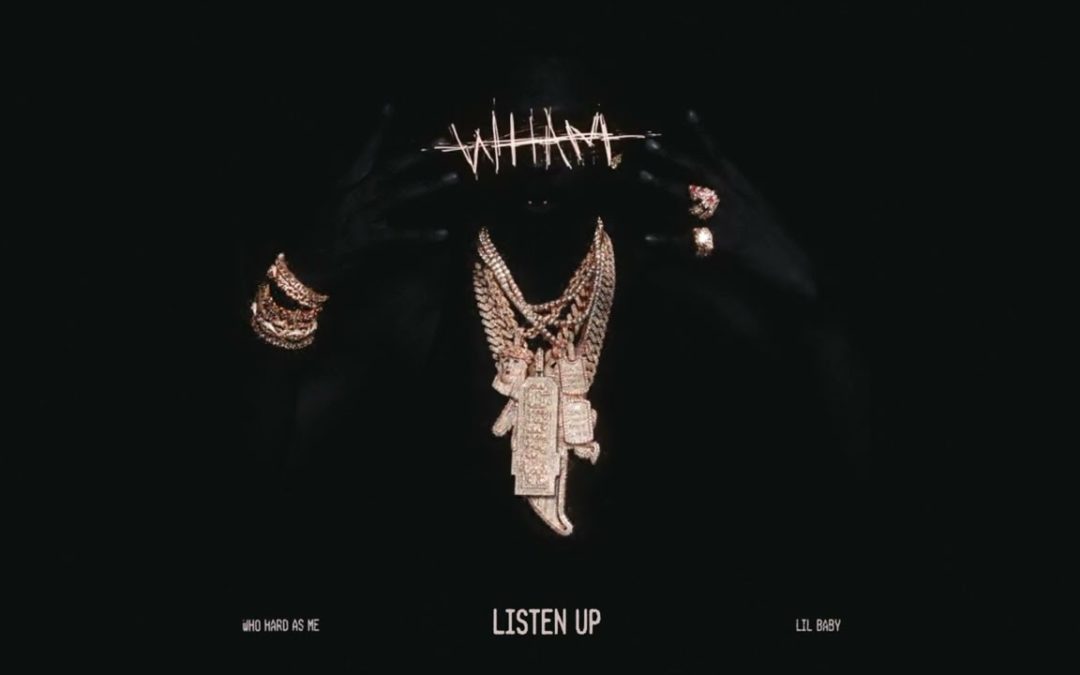
The hip-hop landscape experienced a seismic shift as the clock struck midnight on January 3, 2025. Grammy-winning artist Lil Baby, known for his rapid-fire delivery and introspective lyrics, unleashed his highly anticipated fourth studio album, “WHAM” (Who Hard as Me). This release marks a significant milestone in the Atlanta-based rapper’s career, coming more than two years after his previous full-length project, “It’s Only Me.”
The arrival of “WHAM” sent ripples through the music industry, with fans and critics alike eagerly dissecting the 15-track offering. Lil Baby’s decision to drop the album just days into the new year speaks volumes about his confidence in the project and his desire to set the tone for hip-hop in 2025. The album’s title, an acronym for “Who Hard as Me,” serves as a bold statement of intent, challenging his peers and asserting his position at the forefront of the genre.
In the weeks leading up to the release, Lil Baby strategically built anticipation through a series of calculated moves. He first hinted at the album during his sold-out birthday concert in early December, sending fans into a frenzy of speculation. This announcement was followed by the release of promotional tracks that offered a tantalizing glimpse into the sonic direction of “WHAM.”
Two standout singles, “5 AM” and “Insecurities,” both co-produced by the acclaimed beatmaker Wheezy, served as appetizers for the main course. These tracks showcased Lil Baby’s evolving artistry, blending his signature rapid-fire flow with more introspective themes, hinting at a potential new direction for the rapper’s sound.
As the release date approached, Lil Baby took to social media to unveil the official cover art and tracklist for “WHAM.” The Instagram post, shared on December 20, 2024, revealed a star-studded lineup of featured artists, elevating the anticipation to fever pitch. The inclusion of industry heavyweights and rising stars alike demonstrated Lil Baby’s clout within the hip-hop community and his ability to curate a diverse array of talents.
The diversity of these featured artists suggests that “WHAM” is not just a showcase for Lil Baby’s talents, but a celebration of hip-hop’s current landscape. Each collaboration promises to bring something unique to the table, creating a rich tapestry of sounds and styles that reflect the genre’s vibrant ecosystem.
The Hype Machine: Building Anticipation
In the lead-up to the album’s release, Lil Baby masterfully stoked the flames of anticipation through a series of strategic moves and social media teasers. One particularly intriguing moment came in November when he took to X (formerly Twitter) to share his excitement about 21 Savage’s contribution to the album. His tweet, which read, “I think I got @21savage’s hardest verse ever,” sent fans into a frenzy of speculation about what this collaboration might sound like.
This kind of peer-to-peer hype is a common tactic in the hip-hop world, but coming from an artist of Lil Baby’s stature, it carried significant weight. The statement not only built anticipation for the specific track but also set a high bar for the album as a whole, suggesting that “WHAM” would feature some of the most impressive performances of these artists’ careers.
Notable Absences and Industry Dynamics
While the featured artist list for “WHAM” is undoubtedly impressive, some fans were quick to notice a notable absence: Gunna. The two Atlanta rappers had previously collaborated on several successful tracks, leading many to expect Gunna’s inclusion on the new project. However, the omission of Gunna from “WHAM” has fueled speculation about a potential falling out between the two artists.
The root of this supposed rift can be traced back to 2023, when Gunna accepted a plea deal in the high-profile YSL RICO case involving Young Thug. This decision was met with mixed reactions within the hip-hop community, with some viewing it as a betrayal of loyalty. Lil Baby himself seemed to allude to this situation in his 2023 track “350,” where he rapped, “Ain’t never say nothin’ ’bout it, n***a, you know you a rat.”
The absence of Gunna on “WHAM” and the inclusion of Young Thug could be seen as Lil Baby taking a stance in this complex situation. It highlights the intricate web of relationships and loyalties that exist within the hip-hop world, where personal and professional lives often intersect in complicated ways.
Lil Baby Speaks Out
In a recent interview with media personality Charlamagne tha God, Lil Baby addressed the speculation surrounding his relationship with Gunna. When confronted with the internet’s claim that he “can’t make hits without Gunna,” Lil Baby responded with characteristic confidence:
“The internet will say anything,” he stated, before rhetorically asking, “You know how many hits I got? That don’t even make sense.”
This response not only dismissed the notion that his success was dependent on collaborations with Gunna but also served as a reminder of Lil Baby’s extensive catalog of hit songs. It’s a testament to his self-assurance and his belief in his own abilities as an artist.
The Streaming Era: “WHAM” Goes Global
In keeping with contemporary release strategies, “WHAM” was made available on all major streaming platforms simultaneously. Fans around the world can now access the album on services like Apple Music and Spotify, allowing for a truly global listening experience. This approach ensures maximum reach and engagement, capitalizing on the immediacy and accessibility that streaming platforms provide.
The decision to release “WHAM” at the very beginning of the year is a strategic one. It positions Lil Baby at the forefront of the 2025 hip-hop conversation, potentially setting the tone for the genre in the months to come. By dropping such a high-profile project early, Lil Baby has effectively thrown down the gauntlet to his peers, challenging them to match or surpass the impact of “WHAM.”
Looking Ahead: “Dominique” on the Horizon
While fans are still digesting the wealth of new material on “WHAM,” Lil Baby has already set his sights on his next project. During a December appearance on Lil Yachty’s “A Safe Place” podcast, he revealed plans for another album titled “Dominique,” slated for release later in 2025.
This announcement came as a surprise to many, as it’s unusual for an artist to confirm a follow-up album before the release of their current project. Lil Baby explained the reasoning behind this decision:
“At first, I was telling people I was going to drop a double album. Now, I’m dropping the WHAM album and Dominique album,” he said. “I still put some of the songs I was gonna use for Dominique on WHAM ’cause I know my fanbase really want to hear them certain songs.”
This statement offers insight into Lil Baby’s creative process and his consideration for his fans’ expectations. It also hints at a potential thematic or stylistic difference between the two projects.
A Tale of Two Albums: “WHAM” vs “Dominique”
Lil Baby went on to elaborate on the distinctions between “WHAM” and the upcoming “Dominique,” providing fans with a roadmap of what to expect from each project:
“WHAM is more me on some young n-gga shit — fast cars, girls, jewelry, money. You know, the turnt lifestyle,” he explained. “And Dominique is more the serious me, more personal. That’s a part of the new journey I’m on. I hate the word vulnerable, but I’m gonna be more open to my fans and my audience.”
This description paints “WHAM” as a high-energy, celebratory album that embraces the flashier aspects of hip-hop culture. It suggests tracks filled with braggadocious lyrics, hard-hitting beats, and the kind of anthemic choruses that have become Lil Baby’s trademark.
In contrast, “Dominique” (which is Lil Baby’s birth name) seems poised to showcase a more introspective side of the artist. By using his real name for the title, Lil Baby is signaling a more personal, stripped-back approach. This album may delve deeper into his background, his journey in the music industry, and the challenges he’s faced along the way.
The decision to release these two distinct projects separately, rather than as a double album, is an interesting one. It allows Lil Baby to cater to different aspects of his fanbase and showcase the full range of his artistry. It also creates a narrative arc for his 2025 releases, with “WHAM” serving as an explosive start to the year and “Dominique” potentially offering a more reflective close.
The Evolution of Lil Baby
The release of “WHAM” and the announcement of “Dominique” mark a significant moment in Lil Baby’s career trajectory. Since bursting onto the scene in 2017, he has consistently pushed himself artistically, expanding his sound and subject matter with each release.
His debut studio album, “Harder Than Ever” (2018), established him as a force to be reckoned with in the Atlanta hip-hop scene. The follow-up, “My Turn” (2020), saw him ascend to global superstardom, topping charts and earning critical acclaim. “It’s Only Me” (2022) further cemented his status as one of hip-hop’s leading voices, showcasing his growth as both a lyricist and a hitmaker.
Now, with “WHAM,” Lil Baby seems poised to enter a new phase of his career. The album’s title itself — “Who Hard as Me” — reads as both a boast and a challenge, suggesting an artist at the peak of his powers and confident in his abilities. The star-studded feature list indicates his elevated status within the industry, able to call on some of the biggest names in hip-hop to contribute to his project.
Impact on the Hip-Hop Landscape
The release of “WHAM” is likely to have ripple effects throughout the hip-hop industry. As one of the genre’s most prominent voices, Lil Baby’s artistic choices often influence broader trends in rap music. The sound, themes, and collaborations featured on “WHAM” could potentially shape the direction of hip-hop in 2025 and beyond.
Moreover, the album’s release strategy — dropping at the very beginning of the year — sets a high bar for other artists planning releases in 2025. It challenges them to match or exceed the quality and impact of “WHAM,” potentially spurring a wave of high-profile releases as the year progresses.
The album also serves as a snapshot of the current state of hip-hop, bringing together established stars and rising talents. The collaborations featured on “WHAM” could lead to further partnerships and cross-pollination within the industry, fostering a more interconnected and dynamic hip-hop ecosystem.
Conclusion: A New Chapter for Lil Baby
As fans dive into the tracks of “WHAM” and anticipate the release of “Dominique,” it’s clear that 2025 is shaping up to be a landmark year for Lil Baby. With these two albums, he’s not just releasing new music — he’s making a statement about his place in the hip-hop pantheon and his artistic vision for the future.
“WHAM” represents Lil Baby at his most confident and celebratory, surrounded by his peers and at the top of his game. “Dominique,” on the other hand, promises to show us a more vulnerable, introspective side of the artist. Together, these projects have the potential to provide a comprehensive portrait of Lil Baby as both a performer and a person.

by Harris | Jan 10, 2025 | Latest, Music News, New Music Alert |
Photo by Cornelia Ng on Unsplash
In a touching display of remembrance and affection, renowned rapper Offset received an extraordinary gift during his recent 33rd birthday celebration in Miami. The surprise present, a custom-made diamond ring valued at an impressive $60,000, serves as a poignant tribute to his late cousin and fellow Migos member, Takeoff. This unexpected gesture not only caught the attention of the music industry but also resonated deeply with fans, highlighting the enduring impact of Takeoff’s legacy and the strong bonds within the hip-hop community.
The exquisite piece of jewelry, crafted by the esteemed Mazza New York, is more than just a lavish accessory. It’s a tangible symbol of remembrance, capturing the essence of Takeoff’s artistic vision and his indelible mark on the music world. The ring’s design, inspired by the cover art of Takeoff’s 2018 solo album “The Last Rocket,” showcases intricate detailing and masterful craftsmanship, serving as a fitting tribute to the late rapper’s creative spirit and musical journey.
As news of this heartfelt gift spread, it reignited discussions about Takeoff’s tragic passing in 2022 and his significant contributions to the hip-hop landscape. The ring not only represents a personal memento for Offset but also stands as a broader symbol of the impact and influence Takeoff had on his peers and the industry at large. This article delves into the details of this remarkable gift, its significance, and the wider context of Takeoff’s legacy in the music world.
The Unveiling of a Masterpiece: Decoding the $60,000 Diamond Ring
The revelation of Offset’s birthday gift sent ripples through the music industry, captivating fans and fellow artists alike. This section explores the intricate details of the diamond ring, shedding light on its design, craftsmanship, and the symbolism embedded within its gleaming surface.
A Glimpse into Luxury: The Ring’s Specifications
The ring, a true work of art, boasts an array of impressive features that set it apart from ordinary jewelry pieces. Crafted from premium white gold, the band serves as a lustrous foundation for the intricate design work. The centerpiece of the ring showcases a meticulously crafted representation of Takeoff riding a rocket through space, paying homage to the cover art of his solo album “The Last Rocket.”
Adorning this central motif are countless diamonds, each carefully selected and placed to create a dazzling effect. The use of various diamond cuts and sizes adds depth and dimension to the design, bringing the celestial scene to life. The overall effect is a harmonious blend of luxury and artistry, resulting in a piece that is both visually stunning and emotionally significant.
The Artistry Behind the Design
The creation of such a unique and meaningful piece required exceptional skill and attention to detail. The artisans at Mazza New York, known for their expertise in custom jewelry, faced the challenge of translating a two-dimensional album cover into a three-dimensional wearable art piece. This process involved intricate CAD (Computer-Aided Design) work to perfect the proportions and details of the miniature sculpture.
The placement of each diamond was carefully considered to enhance the overall design while ensuring the ring remained comfortable and wearable. The use of different diamond shapes – such as round brilliants for stars and baguettes for rocket flames – adds texture and visual interest to the piece. The result is a ring that not only captures the essence of Takeoff’s album art but also stands as a testament to the jeweler’s craftsmanship.
Symbolism and Sentiment
Beyond its monetary value, the ring carries deep symbolic meaning. The image of Takeoff on a rocket represents his ascent in the music industry and his journey beyond earthly confines. This imagery takes on added poignancy in light of his untimely passing, symbolizing his enduring legacy and the belief that his spirit continues to soar.
The use of diamonds, known for their durability and brilliance, mirrors the lasting impact of Takeoff’s music and persona. Each facet of the gemstones reflects light, much like how Takeoff’s artistry continues to shine and influence the hip-hop landscape even after his departure.
The Emotional Impact of the Gift
For Offset, receiving this ring was undoubtedly an emotional moment. It serves as a constant reminder of his cousin and collaborator, allowing him to carry a piece of Takeoff’s memory with him always. The public nature of this gift also resonates with fans, providing a tangible connection to their beloved artist and a reminder of the close-knit nature of the Migos group.
This section has explored the physical and emotional aspects of the diamond ring, highlighting its significance as both a luxury item and a deeply personal memento. The next section will delve into the circumstances surrounding Offset’s birthday celebration and the presentation of this remarkable gift.
A Birthday to Remember: Offset’s Miami Celebration
Offset’s 33rd birthday bash in Miami served as the backdrop for the unveiling of the extraordinary diamond ring. This section provides an in-depth look at the celebration, the atmosphere of the event, and the moment when the rapper received his unexpected and emotionally charged gift.
Setting the Scene: Miami’s Glittering Nightlife
Miami, known for its vibrant nightlife and celebrity-studded events, provided the perfect setting for Offset’s birthday celebration. The city’s luxurious venues and pulsating energy aligned perfectly with the rapper’s status and the occasion’s significance. The exact location of the party, while not publicly disclosed, was undoubtedly one of Miami’s premier hotspots, capable of hosting an A-list gathering.
The guest list likely included a mix of fellow musicians, industry insiders, and close friends, creating an atmosphere of exclusivity and excitement. The venue’s decor and ambiance would have been carefully curated to reflect Offset’s tastes and the celebratory nature of the event, possibly incorporating elements of his music and personal style.
The Surprise Moment: Presenting the Ring
The presentation of the diamond ring was undoubtedly a highlight of the evening. While the exact details of how the gift was presented remain private, one can imagine the anticipation building as Offset was led to the moment of revelation. The jewelry box, likely custom-made to match the significance of its contents, would have added to the suspense.
As Offset opened the box to reveal the glittering tribute to Takeoff, the room likely fell silent, with all eyes on the rapper’s reaction. The emotional weight of the moment, combining the joy of celebration with the poignancy of remembrance, would have been palpable. Offset’s response, whether expressed through words or simply his expression, undoubtedly conveyed the deep impact of this thoughtful and luxurious gift.
Reactions and Emotions
The unveiling of such a meaningful and valuable gift would have elicited strong reactions from those present. Close friends and family members might have shared in Offset’s emotional moment, recognizing the significance of the tribute to Takeoff. Industry peers would likely have been impressed by both the craftsmanship of the ring and the sentiment behind it.
Social media buzz would have quickly followed, with attendees sharing glimpses of the ring and the celebration. This online activity would have amplified the event’s impact, allowing fans worldwide to feel connected to the moment and to share in honoring Takeoff’s memory.
Celebrating Life and Legacy
While the ring served as a poignant reminder of loss, the overall tone of the event remained celebratory. Offset’s birthday party was not just a personal milestone but also an opportunity to celebrate life, music, and the enduring bonds within the hip-hop community. The presence of the ring added a layer of depth to the festivities, intertwining joy with remembrance.
The party likely featured performances, either by Offset himself or by guest artists paying tribute to both the birthday honoree and the legacy of Migos. Music would have played a central role, with tracks from Offset’s solo career, Migos’ catalog, and possibly some of Takeoff’s solo work filling the air, creating a soundtrack that honored both the present moment and the group’s history.
A Night to Remember
As the night progressed, the diamond ring would have remained a focal point, sparking conversations and reflections among guests. Its presence served as a constant reminder of Takeoff’s influence and the unbreakable bonds within the music community. The blend of celebration and commemoration created a unique atmosphere, making Offset’s 33rd birthday an unforgettable event for all involved.
This section has painted a vivid picture of Offset’s birthday celebration and the emotional impact of receiving the diamond ring. The next section will delve deeper into the significance of this gift within the context of Takeoff’s legacy and his impact on the hip-hop world.
Takeoff’s Legacy: The Last Rocket and Beyond
The diamond ring gifted to Offset serves as a tangible link to Takeoff’s solo album “The Last Rocket,” released in 2018. This section explores the significance of this album in Takeoff’s career and its place in hip-hop history, providing context for the emotional weight of the ring’s design.
Breaking Down “The Last Rocket”
“The Last Rocket” marked Takeoff’s debut as a solo artist, showcasing his individual style and lyrical prowess outside the collaborative framework of Migos. The album, featuring 12 tracks, demonstrated Takeoff’s ability to carry a project on his own, dispelling any notions that he was overshadowed by his groupmates.
The album’s production, handled by DJ Durel and Cassius Jay among others, created a sonic landscape that complemented Takeoff’s distinctive flow. Tracks like “Last Memory” and “Lead the Wave” highlighted his technical skill and charismatic delivery, earning critical acclaim and solidifying his position as a formidable solo act.
Critical Reception and Impact
Upon its release, “The Last Rocket” received generally positive reviews from music critics. Many praised Takeoff’s lyricism and the album’s cohesive sound, noting that it allowed him to step out of the shadows and showcase his individual talents. The album debuted at number 4 on the US Billboard 200 chart, a testament to Takeoff’s popularity and the anticipation surrounding his solo work.
The success of “The Last Rocket” not only boosted Takeoff’s profile but also contributed to the overall narrative of Migos as a group of individually talented artists. It demonstrated that each member could hold their own, adding depth to their collective identity.
Artistic Growth and Expression
“The Last Rocket” represented a significant milestone in Takeoff’s artistic journey. The album allowed him to explore themes and styles that might not have fit within the Migos framework, showcasing his growth as an artist and a lyricist. His choice of the space-themed concept for the album and its cover art reflected his ambition and desire to push boundaries in his solo career.
The album’s title and artwork, now immortalized in the diamond ring, symbolized Takeoff’s ascent in the music industry. The image of him riding a rocket through space metaphorically represented his solo launch, breaking free from earthly constraints and expectations.
Influence on Future Projects
The success and artistic direction of “The Last Rocket” likely influenced Takeoff’s approach to subsequent projects, both solo and with Migos. It established him as a versatile artist capable of crafting a cohesive body of work, potentially shaping the group’s dynamic and individual pursuits in the years that followed.
A Bittersweet Legacy
In light of Takeoff’s tragic passing in 2022, “The Last Rocket” has taken on additional significance. As his only solo studio album released during his lifetime, it stands as a definitive statement of his individual artistry. The album, and now the ring inspired by it, serve as enduring testaments to his talent and potential.
For fans and fellow artists, revisiting “The Last Rocket” offers a way to connect with Takeoff’s artistic vision and celebrate his contributions to hip-hop. The diamond ring, with its representation of the album’s cover art, ensures that this pivotal moment in Takeoff’s career continues to be remembered and honored.
This section has explored the significance of “The Last Rocket” in Takeoff’s career and its place in hip-hop history, providing context for the emotional resonance of the diamond ring’s design. The next section will delve into the broader impact of Takeoff’s passing on the music industry and his enduring influence.
The Impact of Loss: Remembering Takeoff
The tragic loss of Takeoff in November 2022 sent shockwaves through the music industry and beyond. This section examines the profound impact of his passing, the outpouring of tributes, and the ways in which his memory continues to influence the hip-hop landscape.
A Life Cut Short
Takeoff’s untimely death at the age of 28 was a stark reminder of the fragility of life and the ongoing issues of gun violence that plague communities. The circumstances of his passing, outside a Houston bowling alley, highlighted the senseless nature of the tragedy and sparked discussions about safety and conflict resolution within the entertainment industry.
The loss was felt acutely within the hip-hop community, where Takeoff was respected not only for his musical talents but also for his quiet demeanor and professionalism. His absence created a void in the Migos trio and left fans grappling with the sudden end of a promising solo career.
Industry-Wide Mourning
In the wake of Takeoff’s passing, tributes poured in from across the music industry. Fellow artists, producers, and industry executives shared their memories and expressed their grief, painting a picture of a talented young man who had touched many lives. Social media platforms were flooded with messages of condolence, favorite lyrics, and personal anecdotes, creating a digital memorial to his life and work.
Major music events and award shows in the months following his death included tributes and moments of silence, ensuring that his contributions to hip-hop were acknowledged and celebrated on a global stage. These public displays of mourning helped fans process their grief and highlighted the impact Takeoff had made in his relatively short career.
The Migos Legacy
Takeoff’s passing inevitably raised questions about the future of Migos and the individual careers of Offset and Quavo. The group’s dynamic, built on the close-knit relationship between its members, was fundamentally altered. Fans and industry observers speculated about how the remaining members would navigate their musical paths in the absence of their bandmate and family member.
The tragedy also prompted a reevaluation of Migos’ catalog, with many revisiting their earlier works and gaining a new appreciation for Takeoff’s contributions to the group’s signature sound. This renewed interest ensured that his artistic legacy would continue to be celebrated and studied.
Advocacy and Awareness
In the aftermath of Takeoff’s death, many in the hip-hop community used their platforms to advocate for change. Discussions about gun violence, conflict resolution, and the importance of valuing life gained prominence. Some artists and industry figures initiated or supported programs aimed at addressing these issues, turning tragedy into a catalyst for positive action.
The incident also sparked conversations about security measures at entertainment venues and the responsibilities of event organizers to ensure the safety of artists and attendees. These discussions have the potential to lead to meaningful changes in how the industry approaches event planning and artist protection.
Musical Tributes and Posthumous Releases
In the months following Takeoff’s passing, numerous artists released songs or dedicated performances to his memory. These musical tributes served as a way for the hip-hop community to process their grief and celebrate Takeoff’s life and artistry. Some of these works incorporated unreleased verses or samples from Takeoff’s catalog, ensuring that new material featuring his voice would continue to reach fans.
The possibility of posthumous releases, including unfinished solo work or collaborations, remains a topic of interest for fans. While the ethical considerations of such releases are complex, they offer the potential to further cement Takeoff’s legacy and provide closure for those who admired his work.
A Lasting Influence
Despite his untimely passing, Takeoff’s influence on hip-hop remains strong. His unique flow, clever wordplay, and ability to craft memorable hooks continue to inspire new generations of artists. Music schools and online tutorials often cite his techniques as examples of masterful rap delivery, ensuring that his technical skills are studied and emulated.
The diamond ring gifted to Offset serves as a physical embodiment of this enduring influence. It stands as a reminder not only of personal loss but of the indelible mark Takeoff left on the music world. The ring’s presence at industry events and in Offset’s public appearances will likely spark ongoing conversations about Takeoff’s legacy, keeping his memory alive in the public consciousness.
This section has explored the wide-ranging impact of Takeoff’s passing, from personal grief to industry-wide changes and his lasting influence on hip-hop culture. The next section will examine how this tragic event has affected Offset personally and professionally, and how the diamond ring fits into his journey of remembrance and healing.
Offset’s Journey: Grief, Remembrance, and Moving Forward
The loss of Takeoff has profoundly impacted Offset, both personally and professionally. This section delves into Offset’s journey through grief, his efforts to honor Takeoff’s memory, and how he navigates his career in the aftermath of this tragedy.
Personal Grief and Public Persona
As a public figure, Offset has had to balance his personal grief with his public image and responsibilities. In the immediate aftermath of Takeoff’s passing, he, like many others, took to social media to express his sorrow and share memories of his cousin and bandmate. These raw, emotional posts offered fans a glimpse into the depth of his loss and the close bond the two shared.
Over time, Offset has found ways to incorporate Takeoff’s memory into his public appearances and performances. Whether through subtle gestures, dedicated songs, or direct mentions in interviews, he continues to keep Takeoff’s legacy alive. The diamond ring now serves as a constant, visible reminder of this commitment to remembrance.
Musical Tributes and Collaborations
Offset’s music has inevitably been influenced by the loss of Takeoff. In the months following the tragedy, fans and critics alike have listened closely to his releases, looking for references or tributes to his late cousin. While maintaining his own artistic identity, Offset has found ways to honor Takeoff through his work, whether through lyrical nods or by incorporating elements of Takeoff’s style into his performances.
Collaborations with other artists who were close to Takeoff have taken on new significance. These joint efforts often serve as a way for the hip-hop community to collectively process their grief and celebrate Takeoff’s contributions to the genre.
Navigating the Future of Migos
The loss of Takeoff raised questions about the future of Migos, a group that had been central to Offset’s career. Decisions about whether to continue as a duo, bring in new members, or focus entirely on solo careers are complex and emotionally charged. Offset has had to navigate these choices while still mourning, balancing respect for Takeoff’s memory with the need to move forward professionally.
Public statements and actions regarding the future of Migos are closely watched by fans and industry observers. The diamond ring, with its clear connection to Takeoff’s solo work, might influence how Offset approaches these decisions, serving as a reminder of individual artistry within the group dynamic.
Advocacy and Community Engagement
In the wake of Takeoff’s passing, Offset has become more vocal about issues of gun violence and conflict resolution within the hip-hop community. Using his platform to advocate for change, he has participated in initiatives aimed at promoting peace and providing opportunities for young people in at-risk communities.
These efforts not only honor Takeoff’s memory but also represent a way for Offset to channel his grief into positive action. The visibility of the diamond ring at such events serves as a powerful symbol, linking Takeoff’s legacy to ongoing efforts for change within the industry and broader society.
The Role of the Diamond Ring
The $60,000 diamond ring plays a significant role in Offset’s journey of remembrance and healing. As a wearable memorial, it allows him to carry a piece of Takeoff with him always, providing comfort and a tangible connection to his cousin’s memory. The ring’s presence at performances, interviews, and public appearances ensures that Takeoff remains a part of Offset’s narrative and public identity.
Moreover, the ring serves as a conversation starter, allowing Offset to share stories and memories of Takeoff in organic ways. It provides an opportunity to keep Takeoff’s legacy alive in the public consciousness, ensuring that his contributions to music and culture are not forgotten.
Looking to the Future
As Offset continues to navigate his career in the aftermath of this personal tragedy, the diamond ring stands as a symbol of both loss and inspiration. It represents not only the memory of Takeoff but also the enduring bonds of family and friendship that transcend even death.
Moving forward, Offset’s career choices and artistic direction will likely be influenced by his experiences of loss and remembrance. The ring serves as a constant reminder of Takeoff’s impact and the importance of carrying forward his legacy through music and positive action.
This section has explored Offset’s personal journey through grief and remembrance, highlighting the role of the diamond ring in this process. The next section will examine the broader implications of this gesture within the context of hip-hop culture and the music industry’s approach to memorializing artists.
The Culture of Remembrance in Hip-Hop
The gifting of the diamond ring to Offset is part of a larger tradition within hip-hop culture of honoring and remembering fallen artists. This section explores how the hip-hop community memorializes its lost members and the significance of tangible tributes like Offset’s ring.
A History of Honoring the Fallen
Hip-hop, as a relatively young genre, has unfortunately lost many of its influential figures prematurely. From Tupac Shakur and The Notorious B.I.G. to more recent losses like XXXTentacion and Juice WRLD, the culture has developed various ways to keep the memories of these artists alive.
These tributes often take the form of musical homages, with artists incorporating samples or references to fallen peers in their work. Murals, tattoos, and jewelry have also become common ways for both artists and fans to create lasting memorials. The diamond ring gifted to Offset falls within this tradition, representing a high-end, personalized approach to remembrance.
The Role of Jewelry in Hip-Hop Culture
Jewelry has long held a significant place in hip-hop culture, often serving as a symbol of success, identity, and personal history. Custom pieces, like Offset’s ring, take this tradition a step further by incorporating deeply personal meanings and tributes.
Other examples of memorial jewelry in hip-hop include chains featuring portraits of lost loved ones, custom pendants with meaningful dates or symbols, and rings or bracelets inscribed with names or lyrics. These pieces allow artists to carry the memory of those they’ve lost with them, literally close to their hearts.
Public Displays of Remembrance
The visibility of items like Offset’s diamond ring plays a crucial role in keeping the memory of fallen artists in the public consciousness. When worn at high-profile events, performances, or in music videos, these pieces become talking points, sparking conversations about the artist being honored and their contributions to the genre.
This public aspect of remembrance serves multiple purposes. It helps fans process their own grief, provides ongoing recognition of the artist’s legacy, and can introduce newer fans to the work of those who have passed. In Takeoff’s case, the prominent display of the ring ensures that his solo work and contributions to Migos continue to be recognized and celebrated.
The Intersection of Commerce and Commemoration
The high value of items like Offset’s $60,000 ring raises questions about the intersection of commerce and commemoration in hip-hop culture. While the sentiment behind such pieces is undoubtedly genuine, their luxurious nature also aligns with hip-hop’s celebration of success and material wealth.
This duality reflects the complex relationship between art, commerce, and personal expression in the hip-hop world. The ring serves as both a heartfelt tribute and a statement piece, embodying the multifaceted nature of remembrance within the culture.
Digital Age Memorials
In the digital age, the concept of remembrance has expanded to include online tributes, streaming numbers, and social media posts. The physical nature of Offset’s ring contrasts with these digital memorials, offering a tangible connection to Takeoff’s memory in an increasingly virtual world.
However, the ring’s impact is amplified through social media, with images and discussions of the piece spreading rapidly online. This blend of physical and digital remembrance reflects the evolving nature of how we honor and remember artists in the 21st century.
Educational and Inspirational Aspects
Tributes like Offset’s ring serve an educational purpose within hip-hop culture. They prompt discussions about the artists being honored, potentially introducing their work to new audiences. For aspiring artists, these memorials can be sources of inspiration, reminding them of the impact one can have on the culture and the importance of leaving a lasting legacy.
The Healing Power of Remembrance
For artists like Offset, tangible reminders like the diamond ring can play a crucial role in the healing process. They provide a focal point for grief, a way to feel connected to the lost loved one, and a means of ensuring their memory lives on.
In the broader hip-hop community, these acts of remembrance foster a sense of continuity and resilience. They demonstrate that even in the face of loss, the culture continues to honor its own and build upon the foundations laid by those who have passed.
This section has explored the broader context of remembrance within hip-hop culture, situating Offset’s diamond ring within a rich tradition of honoring fallen artists. The final section will conclude the article by reflecting on the lasting impact of this gesture and its significance for Offset, Takeoff’s legacy, and the hip-hop community as a whole.
Conclusion: A Shining Testament to an Enduring Legacy
The $60,000 diamond ring gifted to Offset on his 33rd birthday stands as a glittering testament to the enduring legacy of Takeoff and the unbreakable bonds within the hip-hop community. This extraordinary piece of jewelry, with its intricate design inspired by Takeoff’s solo album “The Last Rocket,” serves multiple purposes: a personal memento, a public tribute, and a conversation starter that ensures Takeoff’s contributions to music continue to be recognized and celebrated.
The significance of this gift extends far beyond its monetary value. It represents the hip-hop community’s commitment to honoring its fallen members, the deep personal connections that underpin the industry, and the power of tangible objects to keep memories alive in an increasingly digital world. For Offset, the ring provides a constant, wearable connection to his cousin and collaborator, helping him navigate the complex journey of grief and remembrance in the public eye.
Moreover, the ring serves as a symbol of Takeoff’s impact on the music world. By immortalizing the artwork from “The Last Rocket,” it highlights Takeoff’s solo achievements and artistic vision, ensuring that his individual contributions are not overshadowed by his work with Migos. This focus on Takeoff’s personal artistry adds depth to his legacy, encouraging fans and fellow artists alike to explore and appreciate the full range of his talents.
In the broader context of hip-hop culture, this gesture reinforces the genre’s tradition of paying homage to its influential figures. It demonstrates how the community comes together in times of loss, using creativity and craftsmanship to create lasting tributes. The ring joins a long line of memorial pieces in hip-hop, from chains to tattoos, that serve as physical manifestations of respect, love, and remembrance.
As Offset moves forward in his career, carrying this precious reminder of Takeoff with him, the ring will undoubtedly influence his artistic journey. It may inspire new music, influence his performances, or simply provide comfort during challenging times. For fans, glimpses of the ring at public appearances will serve as poignant reminders of Takeoff’s legacy, sparking conversations and keeping his memory alive.
Ultimately, the $60,000 diamond ring is more than just a luxurious accessory or a birthday gift. It is a shining symbol of the lasting impact one artist can have on their peers, their industry, and their fans. It encapsulates the complex interplay of grief, celebration, and remembrance that characterizes the hip-hop community’s response to loss. And perhaps most importantly, it ensures that Takeoff’s rocket continues to soar, his artistry and influence burning bright in the constellation of hip-hop legends.
As the hip-hop world continues to evolve, gestures like this serve as anchors, connecting the present to the past and ensuring that the contributions of artists like Takeoff are never forgotten. In this way, the diamond ring becomes not just a tribute to one artist, but a testament to the enduring power of hip-hop to honor its own, to heal through creativity, and to keep the music alive, no matter what challenges arise

RECENT COMMENTS