
by Jonathan P-Wright | May 23, 2025 | Latest, Music News, New Music Alert |
Photo by Hanny Naibaho on Unsplash
Memphis rapper Key Glock stands at a pivotal crossroads in his career, ready to usher in a new chapter that honors his past while boldly embracing the future. As he gears up to release his much-anticipated album Glockavelli, fans are also buzzing about a treasure trove of unreleased music he recorded with the late Young Dolph—his mentor, friend, and a legendary figure in the hip-hop community.
For years, Key Glock built his career on the foundation of independence. As an artist who valued creative control and authenticity, Glock defied the conventional industry path by thriving without a major label’s backing. His steady rise became a blueprint for independent artists striving to make a name for themselves in a saturated market. Yet even with all his success, Glock knew his evolution required something more. He was clear-eyed about the next level of his career ambitions, and those ambitions extended beyond streaming numbers and independent accolades.
In an interview with Billboard, Glock openly reflected on his journey, saying, “I feel like I exceeded my goals as an independent artist.” This statement captured the essence of his accomplishments to date, but also hinted at his hunger for growth. For Key Glock, success isn’t just about where he is now—it’s about the heights he’s determined to reach next. “At this point, I’m just working with people that have been operating on the level I already saw myself on,” he shared. His vision includes platinum records and more industry recognition—achievements that come with strategic alliances and bigger platforms. “In this next chapter, I’m planning on getting platinum albums and more plaques.”
The decision to partner with a major label, specifically Republic Records, marked a turning point. Yet, unlike many artists who sign major deals chasing fame or quick cash, Glock’s choice was deeply personal and profoundly influenced by the late Young Dolph. The bond between Dolph and Glock went beyond mentorship—it was rooted in brotherhood, trust, and shared dreams for success on their own terms.
Dolph’s tragic death in Memphis in November 2021 sent shockwaves through the music world. But even before his passing, Dolph was preparing Key Glock for the future. Glock recounted a powerful conversation that took place just one week before Dolph was killed. “The week before Dolph passed in Memphis, him, Daddy O, and a couple more of our circle just had a regular talk, a round table talk,” Glock remembered. “And it was so crazy—Dolph said, ‘If anything go left, like, if anything happens to me, take Glock to the majors.’”
This moment wasn’t just a casual suggestion; it was a directive laced with foresight and urgency. Dolph, who had carved out a legendary status as one of the biggest independent rappers in the game, knew the value of autonomy. Yet, he also recognized the advantages that could come from strategic partnerships with major labels—resources, exposure, and the financial muscle to elevate careers to new levels. “There was always me and him in talks anyway,” Glock explained. “I never wanted to be the biggest independent artist. That was his thing… I never wanted to take that away.” But both understood the reality of the business: “We always knew how much money we could make with a major.”
Signing with Republic Records was not a decision taken lightly. Glock emphasized that it wasn’t about desperation or abandoning independence out of necessity. “It wasn’t even needed now,” he clarified. “It just was okay. I know bruh wanted me to do this, and he didn’t say it for no reason, and it wasn’t no coincidence he said it like a week before.” There’s a bittersweet weight to that timing, but also a profound sense of destiny.
Key Glock’s rise to prominence isn’t just a story about a rapper gaining fame—it’s a narrative about legacy, resilience, and the complex realities of navigating the music industry as an independent artist who eventually embraces a larger platform. His last major project, Glockoma 2, released in 2023, was met with both critical acclaim and commercial success. Songs like “Sucker Free” and “Let’s Go” showcased his distinctive style—raw, unapologetic, and undeniably Memphis in spirit.
But the story doesn’t end there. Beyond his solo success, fans have long been eager to hear more from the duo of Glock and Dolph. Their collaborations have become essential parts of the Memphis rap canon, blending Dolph’s charismatic leadership with Glock’s fierce energy. The vault of unreleased music they left behind is described by Glock as “unlimited.” This cache of material holds the promise of extending Dolph’s legacy and offering fans more insight into the creative synergy they shared.
Speaking with The Breakfast Club, Glock teased the imminent arrival of this music: “It’s en route. I’ma just let y’all know, it’s en route.” Despite his eagerness to share this work, Glock also highlighted the importance of timing and strategy. “Really, it ain’t up to me,” he admitted. “You ask me, I’ll drop a tape every month. That’s how much music I got, but you just gotta be strategic with stuff.” This statement reveals his growing understanding of the music industry’s intricacies—releasing music too quickly can undermine its impact, while carefully timed drops maximize reach and resonance.
Early in his career, Glock’s approach to releasing music was much more immediate. “I never understood that s**t,” he said candidly. “Like, my first two, three years in the game, as soon as I recorded something, I was ready to put it out.” This impatience is common among emerging artists driven by passion and the desire for validation. However, over time, Glock has learned to balance creativity with patience. “But I didn’t understand the industry at the time like I do now.” This shift from impulsive release to deliberate strategy marks his maturation as an artist and entrepreneur.
What’s compelling about Key Glock’s journey is how it reflects a broader narrative in hip-hop—the tension between independence and mainstream success. Many artists pride themselves on staying independent, controlling their own careers, and owning their masters. But the realities of the industry—marketing power, distribution reach, and financial backing—often push artists toward partnerships with major labels to scale their success.
For Glock, this partnership is also a tribute to Dolph’s vision. It’s about honoring the mentor’s belief in him and continuing the mission they started together. Dolph’s legacy isn’t just the music he made, but the path he paved for artists like Glock to thrive on their own terms.
The upcoming Glockavelli album symbolizes this duality. Its title alone evokes a sense of homage and evolution—melding Glock’s identity with the reverence he holds for hip-hop legends like Tupac Shakur, who was famously nicknamed “Makaveli.” Fans can anticipate a project that’s not just a collection of tracks but a carefully curated statement of where Key Glock stands today as both an artist and a businessman.
The broader impact of this album and the unreleased Dolph collaborations extends beyond Memphis or even hip-hop. It’s a narrative about mentorship, legacy, and the ways artists navigate grief, ambition, and industry pressures. For a generation of listeners who grew up watching Dolph and Glock rise, this music offers more than entertainment—it’s a connection to culture, history, and resilience.
Key Glock’s story also highlights the emotional weight artists carry. Losing Dolph was a devastating blow. But instead of letting grief stall his career, Glock channels that pain into purpose. “We had this whole plan,” he shared. “We knew where we could go if we played our cards right.” The music and strategic partnerships are the realization of that plan, an homage to the past and a beacon for the future.
As Glockavelli prepares to drop and the unreleased tracks with Young Dolph approach release, the hip-hop community watches closely. Key Glock’s evolution from an independent artist to a major label contender embodies the complexities of modern music careers. It’s a testament to growth, perseverance, and the enduring power of mentorship.
In a world where artists often face pressure to sacrifice their creative vision for commercial success, Glock’s journey offers a blueprint for balancing both. It’s about honoring your roots while adapting to new realities—an essential lesson for any artist navigating the ever-changing music industry.
Looking ahead, Key Glock’s mission is clear: to cement his legacy, elevate Memphis’s voice on the global stage, and keep the spirit of Young Dolph alive through every verse, every beat, and every project.
by Laghe Andrews | May 23, 2025 | Latest, Music News, New Music Alert |
Photo by Muneeb Syed on Unsplash
As the warm winds swept across the vast, sun-baked California desert, the 2025 edition of the Stagecoach Festival transformed Indio into an epicenter of country music and cultural celebration once again. Known for bringing together the best of the genre — from timeless legends to fresh-faced trailblazers — Stagecoach continues to evolve alongside the shifting landscape of country music. But this year, amid a lineup packed with iconic names and surprise guests, two performers truly stood out: Shaboozey and Jelly Roll. Their unforgettable performances on the festival’s prestigious Mane Stage captivated audiences, signaling a potent new wave of country music that honors tradition while boldly pushing its boundaries.
The Stagecoach Festival: A Tradition and a Transformation
Stagecoach, held annually in Indio, California, has long been a flagship event in country music culture, drawing tens of thousands of fans for a weekend of unforgettable performances. Since its inception, it has served as a bridge between classic country sounds and contemporary innovations, attracting fans and artists from all walks of life.
The 2025 festival was no different, featuring an impressive roster that included legendary groups like Tommy James & the Shondells, chart-topping stars like Nelly, and numerous other high-profile acts. Yet, the true highlight wasn’t just the names — it was the spirit of transformation embodied by emerging artists who are reshaping country music’s identity.
Among these trendsetters, Shaboozey and Jelly Roll carved out moments that were nothing short of electric. Their performances not only energized the crowd but also brought to light the evolving soundscape of country music — one that is increasingly genre-defying, emotionally raw, and culturally inclusive.
Shaboozey’s Journey: From Side Stage to Center Spotlight
For Shaboozey, the 2025 Stagecoach Festival marked a milestone in his rising career. Previously appearing on smaller stages, his elevation to the Mane Stage symbolized both recognition and opportunity. This was not just a gig — it was a declaration of arrival.
His performance was a testament to the full spectrum of his musical influences and creative vision. Blending hip hop rhythms with country storytelling, rock’s raw energy, and Americana’s heartfelt lyricism, Shaboozey crafted a set that was diverse yet cohesive. The crowd was treated to a mix of fan favorites and deeply personal tracks.
One of the most poignant moments came with his rendition of Bob Dylan’s “Knockin’ on Heaven’s Door.” The song’s melancholic beauty resonated deeply, connecting the new generation of listeners to the rich lineage of American songwriting. It was a bold choice that showcased Shaboozey’s respect for musical history and his ability to reinterpret classics through his unique lens.
Alongside that, his originals like “Last Of My Kind” and “Highway” delivered a powerful narrative of perseverance, identity, and journey. These songs reflect his own experiences navigating multiple genres and cultural spaces, speaking to listeners who don’t fit neatly into one box.
Following his set, Shaboozey shared a heartfelt message on social media, capturing the significance of the moment:
“Never seen that many people in my life. The family got a lot bigger yesterday! Went from the side stage to the main stage. Stagecoach, once again, I’m thankful [to] you for everything!”
This candid reflection speaks volumes about his rapid growth and the expanding community around his music.
The Album That Catapulted Shaboozey to Stardom
Behind the scenes, Shaboozey’s ascent was propelled by the release of his third studio album, Where I’ve Been, Isn’t Where I’m Going, which dropped in 2024. This album was a turning point, officially cementing him as a breakout star in the evolving country-rap fusion scene.
The album’s standout single, “A Bar Song (Tipsy),” became a cultural phenomenon, blending catchy hooks with storytelling that defies traditional genre boundaries. This track didn’t just climb the charts; it smashed records, spending an astonishing 19 weeks at No. 1 on the Billboard Hot 100 — tying the record previously held by Lil Nas X’s “Old Town Road.”
This achievement was monumental not only for Shaboozey but also for the broader musical landscape. It underscored how country music is embracing more diverse voices and sounds, reflecting a wider cultural shift.
Moreover, the album contributed to historic milestones for Black artists in country music. Shaboozey and Beyoncé made waves on the Hot Country Songs chart with “A Bar Song (Tipsy)” and “TEXAS HOLD ‘EM,” respectively. Their back-to-back No. 1 hits marked the first time two Black artists have consecutively topped this chart, shattering barriers and opening doors for future generations.
Expanding the Story: The Complete Edition
In April 2025, Shaboozey expanded on his breakthrough album with the release of Where I’ve Been, Isn’t Where I’m Going: The Complete Edition, a deluxe project that introduced six new tracks and featured collaborations with artists like Myles Smith, Sierra Ferrell, and most notably, Jelly Roll.
The new songs added emotional depth and thematic complexity, allowing Shaboozey to explore themes of healing, reflection, and aspiration. In his own words, releasing the completed edition felt like “finishing a conversation I wasn’t quite done having,” emphasizing the personal growth embedded in the music.
One highlight from the deluxe edition was the collaboration with Jelly Roll on the track “Amen.” The song fused their distinct styles — Shaboozey’s genre-blending narrative and Jelly Roll’s raw, Southern grit — into a soulful anthem of redemption and hope. This partnership was more than a collaboration; it was a powerful statement of unity within the changing country music landscape.
Jelly Roll: A Force of Nature on the Mane Stage
If Shaboozey’s performance marked the rise of a new kind of country star, Jelly Roll’s headlining set reaffirmed why he’s become one of Nashville’s most compelling voices. Known for his unflinching honesty and ability to blend country, rock, and rap, Jelly Roll’s music resonates with fans who appreciate authenticity and emotional candor.
His Stagecoach set was a journey through his personal struggles and triumphs. Tracks like “Save Me,” “Need a Favor,” and “Son of a Sinner” transformed the stage into a confessional space, where thousands of fans joined in a collective catharsis. Jelly Roll’s voice — gravelly, sincere, and filled with pain and hope — cut through the desert air, reminding everyone why storytelling remains at country music’s core.
Jelly Roll’s decision to bring Shaboozey out for “Amen” during his set was a highlight of the festival. The chemistry between the two artists was electric, their shared themes of survival and spiritual reckoning resonating powerfully with the crowd. This moment wasn’t just a performance — it was a symbolic passing of the torch, showcasing how country music’s future lies in collaboration and diversity.
Beyond Music: The Smokehouse Cook-Off
Stagecoach has always been about more than just music; it’s a celebration of culture, food, and community. This year, Shaboozey and Jelly Roll extended their camaraderie beyond the stage into a playful cooking showdown at Guy Fieri’s Stagecoach Smokehouse.
The “Tournament of Champions”-style cook-off saw the two artists compete over the perfect loaded baked potato. While the contest didn’t offer any monetary reward, the prize was street cred — along with some friendly trash talk and good-natured rivalry.
Guy Fieri’s playful announcement crowned Jelly Roll the winner, much to the delight of the crowd:
“And the winner will be, for no cash or prizes but just street cred and a lot of smack talk, give it up for Chef Jelly Roll!”
This unexpected battle added an extra layer of fun to the festival atmosphere and revealed a more personal side of the two musicians, showing their ability to connect with fans beyond their music.
The Cultural Impact: A New Chapter in Country Music
The significance of Shaboozey and Jelly Roll’s performances at Stagecoach 2025 cannot be overstated. They represent a growing movement within country music — one that challenges outdated notions of what the genre should sound like and who should be allowed to succeed within it.
Both artists bring elements from outside traditional country — hip hop, rock, and Americana — while staying true to the genre’s storytelling roots. Their success reflects a broader cultural evolution, where boundaries between genres blur, and artists are celebrated for authenticity rather than conformity.
Their rise also speaks to important social progress, particularly in terms of racial representation within country music. By breaking records and topping charts traditionally dominated by white artists, Shaboozey and Jelly Roll are helping to create space for a more diverse and inclusive country music community.
Looking Ahead: The Future Shaped by Innovation and Authenticity
The electric energy Shaboozey and Jelly Roll brought to Stagecoach 2025 feels like the dawn of a new era. One where the spirit of country music — its emphasis on storytelling, connection, and emotional truth — is expanded to embrace new sounds, new voices, and new experiences.
Their performances weren’t isolated moments of brilliance; they were statements of intent, signaling to the industry and fans alike that country music’s future is multifaceted and vibrant.

by Jonathan P-Wright | May 16, 2025 | Latest, Music News, New Music Alert |
Photo by Yvette de Wit on Unsplash
In the late 2000s, Yung L.A.’s breakout single “Ain’t I” was everywhere. Its spacey synths and confident delivery helped define the direction of trap music, pushing the sound into a more melodic and futuristic space. Featuring Southern rap heavyweights like Young Dro and T.I., the track became more than a hit — it became a cultural moment. It laid the foundation for a wave of artists who now dominate the scene.
Fast-forward to today, and “Ain’t I” is trending again, this time on TikTok. Younger users are discovering it, while older fans are re-embracing the sound. The platform’s resurgence of the track shows that Yung L.A.’s influence never really disappeared — it just needed time to be fully recognized.
This resurgence became even more real when Yung L.A. appeared unexpectedly onstage during the Atlanta stop of BossMan Dlow’s “Dlow Curry Tour,” invited by Baby Kia. The audience’s response was electric. Fans old and new celebrated his return, proving his impact is still alive and well.
Earlier this year, his fiery a cappella performance of “Ain’t I” on Boss Talk 101 went viral, reminding viewers of his natural charisma. While it sparked memes and humorous parodies — including one from content creator Lou Young — the underlying message was clear: Yung L.A. still has star power.
Born Leland Austin, Yung L.A. rose under the mentorship of Young Dro and signed with T.I.’s Grand Hustle label. Initially, he looked unstoppable. Tracks like “Futuristic Love (Elroy)” followed his breakout success, and his mixtapes showed a distinct blend of melody and swagger. But industry politics halted his debut album Futuristic Leland, and soon after, he was dropped from both Grand Hustle and Interscope, derailing his momentum.
Compounding this were public beefs, especially with Alley Boy and others in the Atlanta scene. However, many of those conflicts have since been resolved, revealing a more mature and self-aware artist.
In a recent interview with RealLyfe Productions, L.A. spoke openly about the emotional toll of his career setbacks. His vulnerability resonated with fans, many of whom relate to stories of missed opportunities and being prematurely written off. This honesty, combined with his viral comeback moments, is reshaping how the public sees him.
It’s impossible to deny Yung L.A.’s role in influencing today’s trap landscape. Long before it was common to hear rappers blending melodies with auto-tuned emotion, he was leading the charge. His sound was simply ahead of its time — and now, the time has caught up to him.
What’s special about this renewed attention is that it’s grassroots. There’s no label push or commercial campaign behind it. Social media is simply amplifying what die-hard Atlanta fans have known all along: Yung L.A. is a visionary. His contributions were overlooked, but not forgotten.
His story parallels Atlanta’s music identity: bold, innovative, and constantly evolving. It’s only right that his second wind comes at a moment when the city is reflecting on its legacy and honoring its pioneers. Today’s recognition isn’t just about nostalgia — it’s about acknowledging his role in shaping a now-mainstream sound.
Seeing L.A. reclaim his spotlight is a powerful reminder that true talent eventually finds its audience. His comeback isn’t about chasing old fame — it’s about proving he still has something to say, and still knows how to say it. The renewed interest in his catalog suggests that people are ready to listen.
The industry should take notice. Yung L.A.’s rebirth offers an opportunity to reshape what a comeback looks like. He represents a class of artists who were once too progressive for their era but are now perfectly in sync with today’s sound.
So let’s give him his flowers — not just for his past, but for his foresight, his creativity, and his resilience. He helped craft the future of Atlanta’s music before the rest of the world caught on. This isn’t a comeback built on nostalgia — it’s a continuation of a story that was never finished.
Let this moment be more than a flashback. Let it be a celebration, a correction, and a proper reintroduction to a trailblazer who helped shape the genre we know today. Because being ahead of your time isn’t a flaw — it’s a legacy waiting to be recognized.
by Jonathan P-Wright | May 2, 2025 | Latest, Music News, New Music Alert |
Image credit: Ben Houdijk / Shutterstock.com
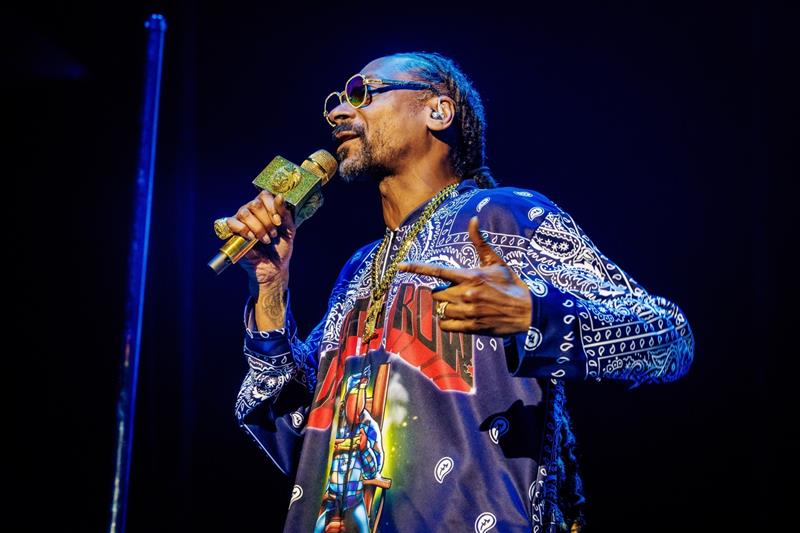
The seemingly disparate realms of West Coast hip-hop and Southern country music have, against conventional expectations, found a captivating point of intersection. This unexpected confluence has manifested in the form of “Gettin’ Gone,” a refreshingly laidback and genre-fluid track born from the collaboration between the iconic rap luminary Snoop Dogg and the ascendant Nashville country artist ERNEST. This intriguing musical partnership graces ERNEST’s forthcoming mixtape, “Cadillac Sessions,” hinting at a project that dares to defy genre boundaries and explore uncharted sonic territories.
ERNEST, a name rapidly gaining prominence within the Nashville songwriting and performing community, has already established himself as a significant force in contemporary country music. His songwriting prowess is evident in his collaborations with artists like Morgan Wallen, contributing to a string of chart-topping singles that have resonated deeply with audiences. On the other side of this compelling musical equation stands Snoop Dogg, a veritable institution in the hip-hop world. Beyond his legendary status as a rapper, Snoop has consistently demonstrated a willingness to venture beyond the confines of his primary genre. His forays into reggae under the moniker Snoop Lion, his explorations of gospel music, and even his unlikely yet endearing collaborations with Martha Stewart underscore a restless creative spirit and an openness to diverse sonic landscapes, solidifying his position as a global cultural icon unafraid of artisustic risk.
While the pairing of Snoop Dogg and a rising country artist might initially raise eyebrows, a closer examination reveals a surprising undercurrent of mutual respect and appreciation. Snoop Dogg himself has publicly acknowledged a long-standing affinity for country music, notably expressing admiration for the legendary Johnny Cash, whom he once lauded as his “main man” and a quintessential “real American gangster.” This shared appreciation for authenticity, the power of storytelling, and a certain rebellious spirit inherent in both hip-
hop and traditional country music renders their collaboration not as a contrived marketing ploy, but rather as a serendipitous alignment of artistic sensibilities.
An Unlikely Backstage Encounter Sparks a Musical Connection
The genesis of “Gettin’ Gone” was not orchestrated in a sterile boardroom but rather unfolded organically in the backstage milieu of a Jelly Roll concert. ERNEST, a self-professed admirer of hip-hop culture and ever the astute opportunist, seized the moment to engage in conversation with Snoop Dogg amidst the backstage bustle. Armed with a freshly recorded demo of “Gettin’ Gone,” ERNEST recognized a potential opportunity and boldly presented his musical offering.
Recounting the pivotal encounter with a touch of amusement, ERNEST explained, “I basically weaseled my way into Snoop’s green room. I was like, ‘Yo, can I play you a song I wrote last weekend?’ and he was just super chill—’Sure.’ I hit play, and he was vibing.” This initial positive reception paved the way for a direct exchange of contact information, laying the groundwork for a collaboration that would soon transcend the confines of that backstage meeting.
The song itself, “Gettin’ Gone,” had its genesis during a songwriting retreat held on ERNEST’s tour bus, in the company of esteemed country songwriting heavyweights Rhett Akins, Ben Hayslip, and Mark Holman. The initial concept revolved around the universal desire for escapism—whether a physical departure or a mental retreat—when the pressures of the world become overwhelming. This theme of seeking solace and respite resonates deeply within both country and rap traditions, albeit often explored through distinct lyrical and sonic lenses.
A mere couple of weeks after their chance encounter, ERNEST received a text message from Snoop Dogg that signaled more than just casual appreciation. It was an enthusiastic expression of interest in actively participating in the song. “He sent me this flood of emojis—blue hearts, fire, paw prints,” ERNEST described, interpreting the digital deluge as Snoop’s affirmative response: “Yeah, I’m down.” True to his word, Snoop swiftly recorded and delivered his verse in less than 48 hours. This rapid and enthusiastic engagement speaks volumes about the genuine connection and organic energy that fueled the collaboration, a refreshing departure from the often-calculated pace of the modern music industry.
Capturing the Vibe: Cadillac Cruising and Authentic Chemistry
The music video accompanying “Gettin’ Gone” masterfully captures the same relaxed and authentic vibe that permeates the track itself. Filmed against the backdrop of iconic Nashville landmarks, the visual narrative feels less like a meticulously scripted production
and more like an impromptu hangout between two artists from seemingly different worlds who find common ground in their shared passion for music. ERNEST and Snoop are seen cruising through the city in a classic Cadillac, making stops at local haunts and effortlessly trading verses, their camaraderie palpable and genuine.
“The chemistry was real,” ERNEST emphasized. “It wasn’t just like, ‘Hey, here’s your verse, and we’ll film you in a studio later.’ He was all in. He wanted to film the video. He wanted to vibe in the city.” One particularly memorable moment for ERNEST during the filming occurred while they were driving back to Castle Recording Studios. He decided to play Snoop Dogg’s timeless hit, “Gin and Juice.” The surreal experience of Snoop rapping along to his own iconic track, word for word, while the bass resonated through the Cadillac’s sound system, created a profound full-circle moment for ERNEST. “That was a childhood memory unfolding in real-time,” he reflected.
A Growing Trend: Genre Lines Blur in Modern Music
While some might view Snoop Dogg’s foray into country music as an unexpected detour, it is not entirely unprecedented. In recent years, Snoop and his longtime collaborator Dr. Dre have demonstrated an increasing interest in the evolving musical landscape of Nashville. Notably, they featured the burgeoning country sensation Jelly Roll on a track from their collaborative album, “Missionary,” released the previous year. Furthermore, earlier this year, they enlisted HARDY, a prominent figure in the country-rock scene, for a fresh reimagining of Snoop’s 1994 classic “Gin and Juice,” complete with an accompanying short film.
These instances are not isolated experiments but rather indicative of a broader trend in the music industry: the gradual erosion of rigid genre boundaries. The traditional walls separating Nashville’s country vocalists and hip-hop’s lyrical giants are becoming increasingly porous. Country artists are exploring covers of hip-hop tracks, while rappers are incorporating elements of folk music into their sonic palettes. We are entering an era where individual playlists, driven by personal taste, are gaining precedence over traditional genre classifications, and music enthusiasts are increasingly valuing authenticity over strict adherence to established labels.
More significantly, collaborations such as “Gettin’ Gone” serve to challenge preconceived notions and foster connections across generational and cultural divides. ERNEST and Snoop Dogg, while originating from distinct backgrounds and musical traditions, find common ground at the intersection of creative expression, rhythmic innovation, and genuine soulfulness.
“Cadillac Sessions”: A Launchpad for Southern Sound and Collaboration
“Gettin’ Gone” serves as a compelling precursor to ERNEST’s upcoming “Cadillac Sessions” mixtape, a project that extends beyond his own artistic endeavors to spotlight a new wave of emerging talent nurtured under his own label, DeVille Records, a partnership with Big Loud Records.
“This project is all about spotlighting a new wave of talent coming out of the South,” ERNEST elaborated. “I’m collaborating with guys like Cody Lohden, Chandler Walters, and Rhys Rutherford. These aren’t just features—they wrote their own songs. They’re authentic, they’re storytellers, and they represent the next generation of Nashville.”
Each artist featured on the mixtape hails from a different corner of the American South—Rhys from Nashville itself, Chandler from Georgia, and Cody from Kentucky. This geographical diversity imbues the project with a rich tapestry of styles and thematic explorations, while maintaining a cohesive grounding in Southern identity and ethos. ERNEST’s vision for “Cadillac Sessions” extends beyond simply creating music; it encompasses the ambition to cultivate a supportive community and establish a lasting legacy for these emerging voices.
While the title “Gettin’ Gone” might conjure images of escaping on open highways, ERNEST offers a more nuanced perspective on finding moments of respite in his adopted home of Nashville. When asked about his preferred local spots for unwinding, his answer reveals a refreshingly down-to-earth sensibility.
“Either Troubadour Golf Course out in College Grove or Losers in Midtown,” he shared. “But honestly, sometimes I be gettin’ gone while I work at the office.”
This sentiment encapsulates the core essence of “Gettin’ Gone.” It transcends the literal act of physical departure, delving into the realm of mental reprieve, a temporary detachment from expectations, and the freedom to simply be oneself. Whether it’s the familiar comfort of a local dive bar or the expansive tranquility of a driving range, the specific location is secondary to the liberating energy it provides.
Snoop Dogg’s participation in a country music project sends a significant signal throughout the music industry, indicating a broader cultural shift. Audiences are increasingly receptive to genre-bending sounds, embracing musical fusions that defy traditional categorization. The willingness of artists to collaborate across genre lines reflects a growing appreciation for authenticity and a desire to connect with diverse audiences.
More importantly, collaborations like “Gettin’ Gone” challenge ingrained stereotypes and foster connections across generational and cultural divides. ERNEST and Snoop Dogg, while originating from distinct backgrounds and musical traditions, find common ground in their shared commitment to expressive storytelling, rhythmic innovation, and genuine soulfulness.
In conclusion, “Gettin’ Gone” is more than just a novelty track; it serves as a potent reminder of the creative possibilities that emerge when artists disregard artificial industry barriers and simply create from a place of genuine inspiration. It underscores the notion that music, when infused with sincere respect and unwavering passion, possesses the remarkable ability to transcend genre limitations and geographical boundaries.
ERNEST’s audacious move of approaching a legendary figure like Snoop Dogg backstage with a demo, and subsequently forging a collaborative partnership, embodies the kind of bold, spontaneous action that often lies at the heart of the most compelling musical narratives. And Snoop Dogg’s enthusiastic embrace of this unexpected collaboration, lending his iconic voice to a country track and immersing himself in the Nashville experience, stands as a testament to his continued evolution as a cultural bridge-builder. If “Cadillac Sessions” lives up to the promising precedent set by “Gettin’ Gone,” ERNEST may well be on the cusp of not just releasing a mixtape, but potentially igniting a transformative movement within the landscape of contemporary country music.
by Waqar | Apr 3, 2025 | Black Girl Magic, Black Owned Business, Digital Mogul, Latest |
Photo by Zuzanna Adamczyk on Unsplash
SZA has firmly established herself as one of 2025’s most influential and versatile artists, setting the stage for what promises to be an extraordinary year. Not only has she made history by being the first artist to simultaneously hold the top spots with a No. 1 movie and No. 1 album, but she also captivated millions with her Super Bowl performance alongside Kendrick Lamar. And now, as if dominating the music scene wasn’t enough, SZA is taking her talents to the entrepreneurial world with the launch of her own beauty brand, Not Beauty. This new venture marks a fresh chapter in the career of this Grammy-winning artist, as she shifts from music to business in a way that’s as dynamic and ambitious as her previous accomplishments.
In a recent appearance on The Jennifer Hudson Show on Friday, March 21, SZA shared how this exciting new chapter came to life. Speaking with host Jennifer Hudson, SZA revealed the inspiration behind the makeup line, saying, “People ask about my lip combo all the time. And I am a yapper, right? I’m like a certified yapper, I’m always talking, I’m always singing, and I felt like I needed something that lasted so long.” She went on to explain that her need for long-lasting makeup products was the driving force behind creating the line. “It all came out of necessity,” she continued. “So I pretty much just designed my own formula.”
The Not Beauty lineup includes a range of products designed for all your lip needs, from glosses and creams to liners, stains, and more. However, this isn’t your typical beauty brand. SZA has made it clear that Not Beauty is far from being just another makeup line. Unlike many beauty moguls who set out to become beauty experts, SZA doesn’t consider herself one. Instead, she sees herself as an innovator and creator, aiming to provide functional, reliable, and high-performance products that actually work. The concept behind Not Beauty, she explains, isn’t about glamming up the world; it’s about fulfilling practical needs with products that fit seamlessly into everyday life.
The big surprise? Not Beauty will not be available in stores or online. So, if you’re hoping to get your hands on the products, you’ll need to do so exclusively at SZA’s “Grand National Tour” pop-up activations. Yes, that’s right – these unique products will only be available at the tour, making them a coveted item for fans who are eager to experience both the music and the beauty brand firsthand. For many, this exclusivity factor will only add to the excitement, with a sense of urgency growing as fans scramble to secure their products during the tour.
But SZA’s ambitions don’t end with beauty. In fact, she made it clear that Not Beauty is just the beginning of her larger entrepreneurial vision. “It’ll also branch into maybe Not Farming, Not Furniture, whatever need I see. If I see an armchair that I feel like I can design this better, I’m going to make an armchair,” she explained, giving fans a glimpse into the future of her growing empire. Whether it’s creating functional beauty products, innovative furniture, or even venturing into unexpected industries, SZA’s approach is guided by her creativity and a passion for solving real-world problems. She’s not just interested in making beauty products – she’s on a mission to redefine what it means to be a multifaceted entrepreneur.
While many celebrities have ventured into the beauty space, SZA’s approach stands out because of her authenticity and focus on utility rather than following trends. Her personal style and music resonate with her fans, and now, with Not Beauty, she is able to take her influence and apply it to an entirely different industry. Her products will appeal to those who admire her for more than just her musical talents but also for her creativity and unique sense of style. By releasing a line based on necessity and practicality, rather than pure vanity, SZA sets herself apart from other beauty moguls who often lean into heavily polished, aspirational marketing.
Fans of SZA will also appreciate the thought and attention she’s put into the design of the products themselves. She has always been someone who values authenticity in every aspect of her life, and with Not Beauty, she is continuing that philosophy by providing beauty products that are made for real people, not just those with perfect social media personas. Whether you’re a busy professional, a stay-at-home parent, or anyone in between, SZA’s beauty line is crafted with the everyday user in mind. This no-nonsense, practical approach to makeup ensures that each product is not only functional but also durable, meeting the high demands of a fast-paced, on-the-go lifestyle.
In a world where many new brands are quick to disappear as trends shift, SZA’s vision for Not Beauty promises longevity. She has already proven time and again that she knows how to build something that lasts, whether it’s her career in music or now, with her burgeoning business empire. Her attention to detail, commitment to quality, and genuine passion for creating useful products that make life easier are all factors that suggest Not Beauty is here to stay.
And the exclusive pop-up activations at the Grand National Tour are bound to be a major draw for fans. As the tour progresses, there will undoubtedly be a buzz around each city she visits, with fans eager to get their hands on the limited-edition products. This strategy not only makes the products even more desirable but also adds an element of exclusivity that will only amplify the excitement surrounding SZA’s brand.
But the entrepreneurial side of SZA isn’t just about capitalizing on her fame – it’s about creating something that resonates with her fans and brings value to their lives. She’s not interested in creating just another makeup line for the sake of it; she’s passionate about designing products that work for the real world, not just the beauty industry’s glossy image. SZA’s focus on practicality, combined with her immense talent, sets the stage for an exciting future in both the beauty industry and beyond.
For those eager to try the Not Beauty makeup line, the clock is ticking. The “Grand National Tour” is your only chance to snag the exclusive products that are already creating buzz. As SZA continues to build her empire and redefine the boundaries of what it means to be an artist and entrepreneur, one thing is clear – she’s not just creating a beauty brand; she’s creating a movement.
If you want to be part of SZA’s next big step, now’s the time to secure your tickets to the “Grand National Tour” and experience firsthand the power of Not Beauty. And who knows? The future of this multifaceted mogul might just surprise us all as she continues to push the envelope and redefine what it means to be an artist in the modern world. Don’t miss out on the chance to get a glimpse into the future of SZA’s entrepreneurial era – it’s only just beginning, and the possibilities are endless.

RECENT COMMENTS